


POTENTIAL OF MEDICINAL PLANTS IN VITILIGO MANAGEMENT: A REVIEW ON PHYTOCHEMICAL STRATEGIES: A NARRATIVE REVIEW
HTML Full TextPOTENTIAL OF MEDICINAL PLANTS IN VITILIGO MANAGEMENT: A REVIEW ON PHYTOCHEMICAL STRATEGIES: A NARRATIVE REVIEW
Yashika Israni, Umakant Sahu, Pushpendra Kumar, Abhishek Nand, Bhoomika Swarnkar, Chhavi Rahangdale, Harkesh Dadsena, Helina Tondan, Lokprabha Hirwani and Vishal Jain *
Department of Pharmacognosy, University Institute of Pharmacy, Pt. Ravishankar Shukla University, Raipur, Chhattisgarh, India.
ABSTRACT: Vitiligo is a skin condition that cause skin to lose color as melanocytes die. While pathogenesis of vitiligo remains not understood, factors such as oxidative stress, cellular response, immune response have been identified as key contributors to melanocytes destruction. Conventional treatments, including synthetic drugs like corticosteroid, vitamin D3 analogue, immune suppressants, and phototherapy, are often associated with side effects and varying efficacy. Ongoing research has demonstrated the potential of herbal remedies like alternative or adjunctive therapies in managing vitiligo. Several plant-based compounds, including flavonoids, antioxidants, and other bioactive molecules, have shown promise in modulating immune responses, reducing oxidative stress, and promoting melanocytes regeneration. Herbal drugs, such as Ginkgo biloba, curcumins melo, are being explored for their potential benefits in treating vitiligo. Moreover, vitamin supplements, particularly those rich in antioxidants like vitamin D, C, AND B12, have been suggested to support the therapeutic process by enhancing skin health and protecting melanocytes from oxidative damage. These abstract aims to review the current understanding of vitiligo’s pathogenesis, the role of herbal treatments, and their comparison to synthetic drugs, highlighting the potential benefits and challenges of integrating herbal medicine into vitiligo management. To conduct this review, an extensive literature search was conducted using relevant publication published and indexed in Google scholar, Elsevier and science direct were studied.
Keywords: Pathophysiology, Synthetic drug, Herbal drug, Recent advancement
INTRODUCTION: In the course of second century the word Vitiligo was first used by census 1. Vitiligo is the most typical ailment of blanched or whitened, it is global wide spread presence vary from 0.06 – 2.28% 2, 3. It is distinguished by the non-appearance of pigment in the skin, mislaying of melanocyte 4.
Melanocytes are present in various tissues such as hair follicles, skin, eyes, inner ear, heart brain, etc 5. Melanocytes provides an essential function in the complex process called melanogenesis, as it creates and spreads melanin 5-8. Melanogenesis is detect congenitally but it is affected by external as well as internal factors 9.
Though the precise trigger of vitiligo is unknown, an autoimmune theory is intriguing and backed by a number of data 10. A higher amount of hydrogen peroxide in vitiligo patients and a higher level of superoxide dismutase pursuit support the biochemical concept that the damage to melanocytes is caused by a variation in oxidative stress 10. Another view is the melanocytorragy theory, which holds that damage cell binding results in trans epidermal loss of melanocytes with autoantigen disclosure and immune system stimulation, causing melanocyte damage or injury 11. Ultimately, the confluence theory declare that the combination of various pathway is important for development of vitiligo including genetic background, vernability to environmental change, altered epidermal microenvironment, intrinsic melanocyte defect and an autoimmune response 12, 13.
Epidemiology: Vitiligo effect about 0.5%-2% of population in all over the world and the preference has all the lay side of being equivalent among females and males, children are influenced similarly, non-segmental vitiligo grows in every age, but commonly occurs between the age of 10 years and 30 years. Although, detecting from one epidemiological study show that at the age of 40 years, the 50% of people develop vitiligo. However vitiligo can occur at any ages, it is increasing in vigorous and moderately aged people. An examination detailed that the mean age was 18.9 14.
Pathophysiology of Vitiligo:
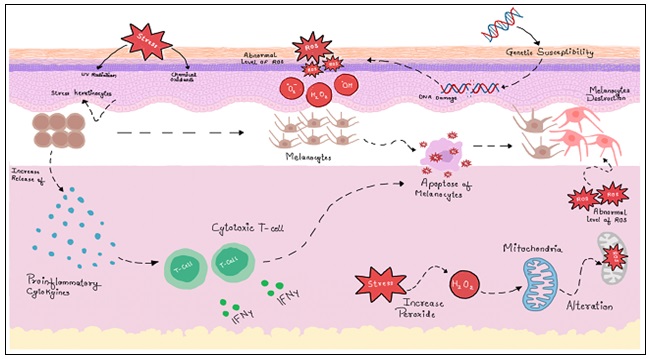
FIG. 1: PATHOPHYISIOLOGY OF VITILIGO
The diagram represents the pathogenesis of vitiligo, a skin condition distinguished by the loss of pigment cells (melanocytes).
Fundamental of the diagram: Fig. 1.
TRIGGERS:
Phenolic Compound: Some chemicals can destroy melanocytes
Trauma: Physical injury can trigger the onset of vitiligo.
Ultraviolet Radiation: Too much sun exposure can destroy melanocytes
Oxidative Stress:
Increase in Superoxide Dismutase: By increasing superoxide dismutase, the body’s antioxidant defense system tries to prevent reactive oxygen species.
Decrease Catalase and Glutathione: Due to imbalance in the redox status, there is decrease in antioxidant enzymes such as catalase and Glutathione.
Cellular Response:
FOXO3A Polymorphism: Genetic diversity in the FOXO3A gene can affect the vulnerability to oxidative stress and vitiligo. Increase intransient receptor potential melastatin 2: This Channel Protein associated in calcium influx causes further cellular stress and damage.
Autophagy and Apoptosis: The melanocyte which are Destroyed undergo either self- digestion and programmed cell death.
Immune Response: Damage- Associated Molecular patterns: The melanocyte which is died produce DAMPS, such as HSP70 which activate the immune system.
Innate Immunity: Immune cell such as natural killer cells are operate and release inflammatory cytokines like IL-6 and IL-8. Interferon Gamma: This cytokine also contributes to inflammation and help in melanocytes damage.
The Synthetic Drug which are used in Treatment of Vitiligo:
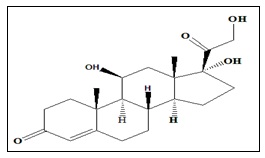
Corticosteroid: These cure vitiligo by regulating and eliminating the inflammatory like the first line drug of topical corticosteroid is used to treat vitiligo. It gives it therapeutic effect mostly in sun exposed area rather than acral zone.
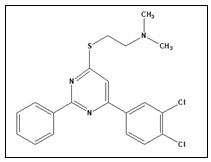
Calcineurin Inhibitors: It mostly targets the head and neck region of the body. It also involve tacrolimus and pimecrolimus in the concentration of 0.03% and 1%, which has fewer side effects and no chances of atrophy. It can be used twice a day, for an average 6 month. In this treatment, also sun exposed area is preferred for effectiveness.
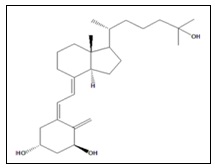
Vitamin D 3 Analogue: They not alone used in treatment of vitiligo; it involves used of supplement. When we apply ointment, the dosage is used for 4 weeks and when we apply cream, for 8 weeks, 30% of the body receives therapy owing toover100g each week of a mixture of 0.05% betamethasone and 0.005% calcipotriol 15.
Pseudocatalase / Superoxidedismutase: In vitiligo, oxidative stress and hydrogen peroxide play crucial role. In the epidermis of the wound there is an accumulation of high level of H2O2. These hydrogen peroxide deactivates the catalase by inhibiting the tyrosine, which are toxic to melanocytes 16. By using topical superoxide dismutase gel, no observation is seen 17. Alshiyab et al.18 conducted a study that balance the effectiveness of topical superoxide dismutase gel and tacrolimus 0.1% ointment while treating children’s localized vitiligo 19.
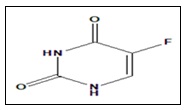
Fluorouracil (5-FU): Basically, premalignant and malignant skin lesion are treated mainly with the help of 5- gluorouracil. To treat vitiligo hyper pigmentation therapy is used with it 20. The mechanism of action of it involves stimulation of follicular melanocytes with migration and also by increasing number of melanosomes in keratinocytes 21, 22.
Herbal Drugs: Herbal drug is those drug which are known as plant material or herbalism and obtain from the plant parts such as leaves, stem, etc to treat many diseases 23. These are the oldest form of health care which are used by man from long time 24. There are many herbal drugs which offer or promise to treat various diseases 25. As herbs are obtained from natural resources, it is quite safe and effective than synthetic drug 26. For the past few decades, herbal drugs are very popular as compare to allopathic medicine as it treat many diseases such as depression, anti-inflammatory, analgesic, hepatoprotective, etc 27.
List of Various Herbal Drug used in Vitiligo Treatment:
Using Capsaicin to Demonstrate Biologic and Toxic Effect and Treat Vitiligo: Capsaicin is obtained from fruit of capsicum plant, generally natural alkaloid having chemical formulatrans-8-methyl-N-vanillyl-6-nonenamide. The family of capsaicin include vanilloid, zingerone, eugenol 28. Capsaicin showed a large number of altered cells with a biologic and poisonous effect on non- neuronal cells. This study sought to evaluate capsaicin’s cytotoxic mode of action on human skin fibroblasts in culture. In order to quantify the change in cell survival, growth factor, receptor antagonist, and antioxidant were additionally pretreated with capsaicin with normal newborn human fibroblasts for the MTT experiment. EGF (10 ng/ml), bFGF (10 ng/ml), and capsazpine (10µm) all increased fibroblasts, but cycloheximide (1µg/ml) suppressed them. When 200µm capsaicin is given to fibroblasts, chromatin condensations were observed at 12 h, and cell survival rate was reduced to 25–50% at 24 h. Toxic effect of capsaicin is not prevented by vanilloid receptor antagonist, capsazepine and ruthenium red and its cytotoxicity is increased by 10µm capsazepine. In contrast to bFGF (10 ng/ml), EGF (10, 100ng/ml) enhanced the cytotoxicity of capsaicin. Neuropeptides, substance P(1,10nm) and CGRP (1, 10nm), and a structural analogue to capsaicin, tyrosine (0.3–1.2mm) did not affect the cytotoxicity. However, antioxidants Trolox (100µm) and ascorbic acid (0.1, 0.3 mm) reduced the capsaicin cytotoxicity. Of calcium‐ modulating agents, nifedipine, a Ca2+ channel blocker (10,20 µm) and cyclopiazonic acid, a Ca2+ ‐ATPase inhibitor in ER (10µm) did not influence the cytotoxicity, but BAPTA/AM as a chelator for cytoplasmic free calcium ion (10µm) significantly decreased capsaicin cytotoxicity. Unlike cycloheximide, a protein synthesis inhibitor, z‐VAD‐FMK, a non‐specific caspase inhibitor, prevented the capsaicin cytotoxicity. The DNA ladder and TUNEL‐positive cells were observed from the capsaicin‐treated fibroblasts and Western blot revealed caspase‐3 activity. Thus, capsaicin‐induced cytotoxicity on human skin fibroblasts is more likely to suggest the mechanism of apoptotic pathway where antioxidants may play a role to prevent it 29. Capsaicin is the active part of the chili peppers, plants of the genus capsicum. It provides anti-inflammatory and antioxidants property to treat vitiligo 30.
Using Green Tea Polyphenols to adapt immune response and Vitiligo Treatment: Since, ancient time, Green Tea Polyphenols are used as medicine which are extract from green tea leaves. Epigallocatechin -3- gallate, is the main composition of it that provides anti-inflammatory, anti-oxidant and immune modulator property 31. Polyphenols can regulate the function of T cells, which play a crucial role in adaptive immune responses. While terpenoids and other natural compounds like alkaloids and glycosides also possess immunomodulatory properties, their mechanisms of action may be more specific or limited compared to polyphenols. Polyphenols are abundant in sources. As crucial secondary metabolites in plants, their widespread distribution is closely tied to the roles in plant physiology, encompassing defence mechanisms, antioxidants, and influencing plant coloration. This study investigates the potential role of polyphenolic compounds in treating vitiligo, a dermatological condition characterized by the loss of skin pigmentation, for which effective treatment is currently lacking. Renowned for their antioxidative and anti-inflammatory properties, polyphenolic compounds are believed to positively impact the pathogenesis of vitiligo by modulating multiple molecular targets and signaling pathways. This study systematically reviews the potential mechanisms by which polyphenolic compounds may affect the treatment of vitiligo, thereby providing a scientific basis for the development of novel therapeutic strategies and medications 32. It can be taken systemically as well as topically 33. It is used to treat vitiligo by inhibiting oxidative stressof the melanocyte unit 34.
Curcumin: Inhibit Pro-inflammatory and Treat Vitiligo: It is a polyphenol derived from the Curcuma longa species. Curcumin is used to treatment diseases such as it provides anti -oxidant, anti - proliferative, anti-viral, anti- bacterial activity 35. Moreover, curcumin may inhibit many pro-inflammatory molecules, including IFNγ, which play a critical role in the pathogenesis of vitiligo 36. The ability of curcumin in inhibiting IFNγ was already demonstrated in psoriasis but not demonstrated in vitiligo 37, even if curcumin was able to minimize melanin content and tyrosinase activity in a dose-dependent manner via suppressing melanogenesis in an in-vitro model 38. Curcumin's low bioavailability is the primary factor limiting its potential use. In order to improve its bioavailability, many experimental techniques are being used. For example, modified curcumin inhibited melanogenesis by triggering the extracellular signal-regulated protein kinase (ERK) pathway 39. Supplementing with curcumin is an effective alternative treatment for anxiety and depression symptoms, enhancing the quality of life for people with long-term illnesses 40. However, there is currently conflicting information regarding curcumin's benefits on vitiligo; consequently, more research is needed to advocate its usage in clinical practice for the treatment of vitiligo. Currently, nb-UVB with tetrahydrocurcumide cream is used to treat vitiligo. For the treatment of vitiligo phototherapy is also used twice a week for 12 weeks, which show better results than nb-UVB 41.
Pyrostegia venusta: An Antioxidant and Anti-Inflammatory Natural Vitiligo Treatment: It is commonly found in southern Brazil, which are used topically to treat vitiligo. It is effective against antioxidant, anti -inflammatory, etc 42. Botanical material and extract obtention Leave of P. venusta were collected in May 2013 in the city of Colombo (coordinates: S 25°19´31´´), Paraná, Brazil. The specie was identified by Osmar dos Santos Ribas from Municipal Botanic Museum of Curitiba (MBM). A voucher specimen was deposited at MBM in Curitiba, Paraná, Brazil. Leaves of P. venusta (100 g) were air dried (40°C, forced ventilation), powdered and extracted with ethanol: water (70:30, v/v) by turbolysis (Ultra Turrax Biotrona BA80, Kinematica AG) at room temperature for 2 h. HE was filtered through a filter paper (Adventecno.1) followed by solvent reduction to 1/6 of the initial volume under reduced pressure, lyophilized and kept at −20 °C. Before pharmacological assays, the lyophilized HE was dissolved in water or non-ionic cream to produce different pharmaceutical forms 43.
Animals: Experiments were performed on Swiss (female) and C56BL/6 (female and male) mice, weighing 25–35 g. All animals were housed at 22±2 °C under a 12 h light/12 h dark cycle, with access to food and water ad libitum. The animals were allowed to adapt to the laboratory for at least 48 h before testing. Swiss mice were obtained from Universidad Federal do Paraná (UFPR, Curitiba, Brazil). C56BL/6 mice were obtained from Universidad Federal do Paraná (UFPR, Curitiba, Brazil) and Universidad Federal de Santa Catarina (UFSC, Florianopolis, Brazil). Experiments were performed after approval by the Institutional Ethics of Universidad Federal do Paraná (Protocol number 738, 2013) and were carried out in a ccordance with the current guidelines for the care laboratory animals 44.
Quercetin as a Protective agent to treat Vitiligo: Quercetin is a polyphenolic flavonoid that occurs in fruits like apples and cranberries, vegetables like onions and asparagus, and herbs like dill, cilantro, and Camellia sinensis (black tea) 45. In addition to its anti-cancer and neuroprotective effects, quercetin appears to be helpful in vitiligo patients 46. Previous study demonstrated that quercetin can change the tyrosinase inhibition observed in human epidermal melanocytes and could potentially reduce oxidative stress-induced endoplasmic reticulum (ER) growth 47. Like other flavonoids, quercetin additionally promotes melanogenesis by increasing intracellular tyrosinase activity 48 and melanin in melanoma cells in a manner that is dose-dependent 49. Flavonoids affect melanogenesis by stimulating the MITF, and this helps in controlling the expression of a large number of melanogenic enzymes, including tyrosinase, dopachrome tautomerase (DTC, also known as tyrosine-related protein 2 or TYRP-2), and tyrosine-related protein 1 (TYRP-1) 50. Quercetin may be useful in the treatment of mental diseases, as shown by Samad et al., who evaluated the effects of parenteral dosage in mice with anxiety and depression. In contrast to anxiety and depression, it not only enhanced memory retention but also regulated the serotonergic and cholinergic neuronal transmission of mice. Moreover, quercetin's antioxidant effects enable it to impact the modifications in the expression of heme oxygenase-1 (HO-1), protein kinase B (Akt), phosphoinositide 3-kinase (PI3K), and Nrf2 that occur in depression 51.
Ginkgo biloba: A Potential Vitiligo Treatment And has Anxiolytic Properties: Ginkgo biloba has anxiolytic properties, which prevent the spread of vitiligo lesions 52.
Methods: 12 participants 12 to 35 years old were recruited to a prospective open-label pilot trial and treated with 60 mg of standardized G. biloba two times per day for 12 weeks. Among the requirements for sustainability were successful recruiting, 75% orgreater retention, effectiveness and lack of serious adverse reactions. Effectiveness was assessed using the Vitiligo Area Scoring Index (VASI) and the Vitiligo European Task Force (VETF), which are validated outcome measures evaluating the area and intensity of depigmentation of vitiligo lesions. Other outcomes included photographs and adverse reactions. Safety was assessed by serum coagulation factors (platelets, PTT, INR) at baseline and week 12.
Results: In order to make it easy to recruit the necessary sample size, the upper age restriction was reduced from 18 to 35 years old after two months of recruiting. Eleven participants was adhered to the protocol at least 85% of the time during the experiment performed. The overall VASI score, which ranges from 0 (no depigmentation) to 100 (full depigmentation), increased by 0.5 (P=0.021) from 5.0 to 4.5. Every participant's vitiligo stopped advancing, and the average repigmentation of vitiligo lesions was 15%, according to the total VASI. During baseline and week 12, the VETF total vitiligo lesion area dropped from 5.9 to 5.6 by 0.4% (P = 0.102). From 6.6 to 5.8, the VETF staging score increased by 0.7 (P = 0.101), and from 2.7 to -1.2, the VETF spreading score improved by 3.9 (P < 0.001). PTT, INR, or platelet count weren't affected in an extent that was statistically significant 52.
Polypodium leucotomos: Known for Photoprotective Properties: The tropical fern Polypodium leucotomos, known as "Calaguala," which belonging to the Polypodiaceae family. Psoriasis, atopic dermatitis, or other 54, 55 skin disorders are treated by using its extracts, which are known for their multiple properties including photoprotective properties 53. Polypodium leucotomos has been used as therapy for vitiligo patients receiving phototherapy in recent years. An intriguing study provides how oral Polypodium leucotomos combined with PUVA therapy increased repigmentation more than photo chemotherapy alone. Same results were obtained by a separate study using the combination of oral Polypodium leucotomos and nb-UVB as opposed to the single Phototherapy 56, 57. A randomized study also compared the effectiveness of P. leucotomos when combined with NB-UVB for the treatment of generalized vitiligo. Patients with generalized vitiligo (N=57) were randomized to receive combination therapy with twice-weekly NB-UVB and once- daily P. leucotomos 480mg (N=29) or NB-UVB phototherapy alone (N=28) for up to six months. The addition of oral P. leucotomos to NB-UVB resulted in 40-percent re- pigmentation versus 22 percent for NB-UVB alone. Patients treated with combination therapy showed significantly higher re-pigmentation throughout the study (p<0.0005). There are no published studies to date regarding the efficacy of oral P. leucotomos without adjunctive light therapy. There was no significant difference in the energies (joules) used in patents receiving oral P. leucotomos in any of the studies 58-60.
Picrorhiza kurroa Enhances Phototherapy and Melanogenesis for Vitiligo Treatment: Ayurvedic medicine has the use of herbal products like Picrorhiza kurroa for treating the vitiligo. The extract from khellin having hepatoprotective properties, Picrorhiza kurroa can be called as "Kutki" or "Kutaki." Of late, some work have shown that this herbal extract also possesses antioxidant and immune-modulating properties. A recent research look into the potential of Picrorhiza kurroa when used along the side of phototherapy for vitiligo treatment. The herbal extract was given orally twice a day for a period of three months. Simultaneously, patients underwent treatment with methoxsalen photochemotherapy.
The combined use of these therapies has shown improved results in terms of repigmentation 61. Another Ayurvedic herbal remedy used in vitiligo treatment is extracted from plants in the Anacardiaceae family, known as anarchic 62. This topical treatment seems to function as a photosensitizing agent, further data and research are important.
Cucumis melo known for its Superoxide Dismutase Properties: Cucumis melo, also called as "muskmelon," it is a herb that belongs to a member of the family Cucurbitaceae or the genus Cucumis. The extract from antioxidant-rich Cucumis melo is well-known for its superoxide dismutase (SOD) activity, which is necessary in halting the oxidative stress-induced degradation of melanocytes, specialy in the early stages of vitiligo. Recently ongoing research has been conducted to evaluate the effectiveness of a topical formulation containing catalase and Cucumis melo superoxide dismutase (SOD) for the treating vitiligo 63-64.
The gel was commonly applied to skin lesions in each of these investigations, and then the lesions were subjected to either artificial narrow band UVB or natural UV radiation. While the formulation has been proven to be safe, individuals who got only phototherapy did not show a significantly greater degree of repigmentation. The use of an alternative topical formulation that blends phenylalanine, acetyl cysteine, and Cucumis melo extract is more appealing and desired. When used using nb-UVB target phototherapy, this gel has been known to be safe and effective, improving skin lesions' repigmentation 65.
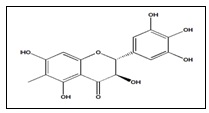
Baicaleinlow the Level of ROS and Treat Vitiligo: Asian traditional medicine makes considerable use of a flavonoid which has been isolated from the roots of Scutellaria baicalensis Georgi 66. It has anti-cytotoxic, anti-tumor, and anti-inflammatory effects 67 likewise, baicalein's antioxidant properties have attracted attention recently, particularly for its ability to lower the levels of reactive oxygen species (ROS) produced by certain chemicals 68 or ultraviolet (UV) rays 69. Baicalein has potent antioxidant properties because it may oxidatively burn the three hydroxyl (OH) groups at positions 5, 6, and 7 in its chemical structure, reducing ROS 70. Its strong antioxidant qualities are made even stronger by the persistent semiquinone radicals it generates 71. The apoptosis that H2O2-induced PIG1 cells endure may be accelerated via the mitochondrial pathway. In a laboratory experiment that replicated H2O2-induced oxidative stress, baicalein offered protection against H2O2-induced oxidative stress and mortality in PIG1 cells. In addition, it produced cytochrome c, decreased the Bax/BcI-2 ratio, and maintained mitochondrial membrane potential. The main procedure involves the regulation of the p38MAPK pathway and the activation of mitochondria-dependent caspase. Liu et al. (2012) discovered that baicalein exhibited the strongest protective effect at a concentration of 40 µM. Baicalein assisted the passage of Nrf2 from the cytoplasm to the nucleus by raising the expression of Nrf2 and its downstream effector HO-1 in human vitiligo melanocytes (PIG3V) exposed to hydrogen peroxide. It indicates that the Nrf2 signaling pathway 72 is essential for baicalein's protective effects on melanocytes. In addition, baicalein displays antioxidant activities in keratinocytes 73, suggesting that creating a topical cream using baicalein to treat vitiligo might be a practical strategy.
Kaempferol (No Cytotoxic Effect for Vitiligo Therapy): This common type of flavonoid is mostly obtained from Kaempferia galanga L.'s rhizome 74. It also seen in wide varieties of fruits, vegetables, and beverages, involving tea, hazelnuts 75. Cardiovascular illnesses, cancer, immunologic dysfunction, diabetes, oxidative stress, and other medical conditions can all be treated with kaempferol 76.
On B16F10 cells, kaempferol does not significantly affect cytotoxicity at doses of 16–32 μm for a 24-hour period 77. An extract from Baccharoides anthelmintica (L.) Moenchknown kaliziri is showing useful as treating vitiligo 78. The main active ingredients in the Baccharoides anthelmintica (L.) Moench79 extract is kaempferol. The melanin available in hmvii cells significantly increased following 7 days of kaempferol treatment at 1, 5, 10, and 20 μm 80. By promoting the development of the tyrosinase protein, it increased tyrosinase activity in mouse buccal hair follicles and HMVII cells.
Utilizing the SDTNBI method along with experimental validation, kaempferol significantly enhanced tyrosinase activity and the gene expression associated with melanin biosynthesis in B16F10 cells, effective in facilitating melanin production.
Vitexin: Multifaceted Flavonoid with Cancer and Skin Disorder Therapeutic Potential: A naturally occurring flavonoid, vitexin (apigenin-8-C-β-D-glucopyranoside) hasfound in a various kind of medicinal plants, including cristalina Vanderpl 81.
Multiple pharmacological behavior, including anti-inflammatory, antiviral, anticancer, and antihypertensive properties 82, were shown by it. Vitexin also known for its anti-oxidant properties 83. By stimulating the MAPK-Nrf2/ARE pathway, which involved a decrease in IL-1β production, Vitexin was able to enhance cell proliferation and also prevent hydrogen peroxide-induced death in tests utilizing hydrogen peroxide-induced human melanocyte PIG1. In addition, it reduced the levels of IL-17A, Bax, caspase-3, and ROS while enhancing the expression of p53, Bcl-2, Nrf2, HO-1, NQO-1, and SOD 84.
Sesamin: A type of lignan present in oil and seeds of Sesamum indicum L., has demonstrated various biological effects beneficial to the human body 85. Reports indicate that sesamin possesses high antioxidant properties 86. Furthermore, its also has anti-nociceptive and anti-inflammatory effects have been documented 87. It has been shown to enhance to cotrienol levels in the skin, thereby reducing the likelihood of sunburn and tumor occurrence 88, mitigating UVB-induced skin erythema, alleviating skin inflammation, and protecting against wrinkle development and light damage. Within the concentration range of 1–10 μM, sesamin stimulates melanin synthesis in a dose-dependent manner. Sesamin's activation of the cAMP/PKA signaling pathway leads to a boost in tyrosinase and MITF expression, which in turn upregulates the CREB gene and promotes the synthesis of melanin. New developments in transdermal drug delivery methods are expected to help the transformation of lignin into an oral remedy for vitiligo 89.
TABLE 1: LIST OF VARIOUS HERBAL DRUGS USED IN THE TREATMENT OF VITILIGO
| Herb | Part used | Major constituents | Mechanism of action | Ref. |
| Psoralea corylifolia | Seeds | Psoralen, bergapten, bakuchiol | Melanogenesis stimulator/ photosensitizer | 90 |
| Ammi visnaga | Seeds | Khellin, visnagin | Melanocyte stimulant | 91 |
| Ginkgo biloba | Leaves | Bilobalide, kaempferol | Immune- modulatory | 92 |
| Camellia sinensis | Leaves | Epigallocatechin-3-gallate | Anti- inflammatory | 93 |
| Aloe vera | Leaf pulp | Aloin, emodin | Anti- inflammatory, wound healing | 94 |
| Polypodium leucotomos | Whole plant | Caffeic acid, ferulic acid | Photoprotective | 95 |
| Piper nigrum | Fruit | Piperine | Enhances melanocyte proliferation | 96 |
| Nigella sativa | Seeds / oil | Thymoquinone, nigellone | Immunomodulatory | 97 |
| Curcuma longa | Rhizome | Curcumin, demethoxycurcumin | Potent antioxidant | 98 |
| Scutellaria baicalensis | Roots | Baicalein, wogonin | Antioxidant (Nrf2/ho-1 activation) | 99 |
| Silybum marianum | Seeds | Silymarin (silybin, silychristin) | Free- radical scavenger | 100 |
| Zingiber officinale | Rhizome | Gingerols, shogaols | Nutritional adjunct | 101 |
| Glycyrrhiza glabra | Roots | Glycyrrhizin, liquiritin | Some topical depigmentation effects | 102 |
| Rosmarinus officinalis | Leaves | Rosamarinic acid, carnosol | Antioxidant, anti-inflammatory | 103 |
| Pongamia pinnata | Seeds / oil | Pongamol, karanjin | In topical skin remedies | 104 |
| Berberis vulgaris | Bark/ roots | Berberine | Immunomodulatory activity | 105 |
| Baicalea | Roots / leaves | Baicalein, baicalin | Nrf2 activation, apoptosis reduction | 106 |
| Quercetin | Bulbs/ leaves | Quercetin, rutin | Protects melanocytes from oxidative damage | 107 |
| Emblica officinalis | Fruits | Ascorbic acid, tannins | Supports melanocyte health | 108 |
| Moringa oleifera | Leaves / Seeds | Flavonoids, phenolics | Skin supportive properties | 109 |
| Eclipta alba | Whole plant | Wedelolactone, ecliptal | Anti-oxidant | 110 |
| Polypodium leucotomos | Leaf extract | Caffeic, ferulic & p- coumaric acids | Photoprotective,adjunct to UV therapies | 111 |
| Amaranthus / Beet & spinaches | Leaves/ vegetables | Carotenoids, folates | Nutritional antioxidant support- reduce oxidative stress | 112 |
| Pueraria | Roots | Puerarin, isoflavones | Cell- protective effects in experimental models | 113 |
| Fenugreek | Seeds | Diosgenin, flavonoids | Anti-inflammatory | 114 |
| Tribulus terrestris | Fruits | Saponins, steroidal saponin | Potentially through activating the PDE/Camp/PKA pathway | 115 |
| Polygonum multiflorum | Roots | Emodin, rhein | Stimulates melanogenesis | 116 |
| Cinnamomum verum | Bark | Cinnamic acid, cinnamaldehyde | Tyrosinase inhibition, regulation of Gene Expression | 117 |
| Syzygium aromaticum | Flower bud | Eugenol, tannins | Influence on signaling pathway | 118 |
| Elettaria cardamomum | Seeds | Terpenes, flavonoids | Melanocyte- Restorative properties | 119 |
| Echinacea purpurea | Roots / aerial | Alkamides, cichoric acid | Immunomodulatory effects | 120 |
| Salvia officinalis | Leaves | Rosmarinic acid, essential oils | Inhibit pro- inflammatory markers | 121 |
| Thymus vulgaris | Leaves | Thymol, carvacrol | Reducing pro-inflammatory cytokines & promoting IL-10 | 122 |
| Melissa officinalis | Leaves | Rosmariic acid | Photoprotection, melanogenesis promotion | 123 |
| Valeriana officinalis | Roots | Valerenic acids | Potentially influencing GABAergic & glutamatergic system | 124 |
| Passiflora incarnata | Aerial parts | Alkaloids, flavonoids | Neuroprotection | 125 |
| Withania somnifera | Roots | Withanolide D, withaferin A | Melanocyte protection & regeneration | 126 |
| Smilax spp. | Roots | Saponins, flavonoids | Antioxidant | 127 |
| Rehmannia glutinosa | Roots | Catalpol, acteoside | Reducing oxidative stress through antioxidant activity | 128 |
| Salvia miltiorrhiza | Roots | Tanshinones, salvianolic acids | Reducing autoimmune- mediated melanocyte destruction | 129 |
| Bupleurum Chinese | Roots | Saikosaponins | Interferon- gamma pathway | 130 |
| Cuscuta chinensis | Whole plant | Flavonoids, alkaloids | Regulation of Apoptosis, mitochondrial protection | 131 |
| Epimedium (Horny goat weed) | Aerial parts | Icariin | Modulating pathways like Nrf2/HO-1, MAPK to protect melanocytes from oxidative stress | 132 |
| Aconite | Roots (processed) | Alkaloids | Interacting with voltage- gated sodium channels to cause persistent cell depolarization | 133 |
| Picrorhiza kurroa | Roots | Picrosides 1 & 2 | Repigmentation, inhibition of inflammatory cells | 134 |
| Bacopa monnieri | Leaves | Bacosides | Enhance cognitive function | 135 |
| Milk thistle | Seeds | Silymarin complex | Modulation of T- cells | 136 |
| Eldeberry | Fruits/ flower | Anthocyanins | Upregulation of Nrf2 pahway | 137 |
| Astragalus membranaceus | Roots | Astragalosides | In TCM adjuncts | 138 |
| Nettle | Leaves | Flavonoids | NF- Kb inhibition | 139 |
Recent Advancement in Treatment of Vitiligo:
Emerging Therapeutics Targeting Janus- Activated Kinase (Jak) Signaling: It consists of various family such as JAK1, JAK2, JAK3, TYK2, which is important in JAK/STAT pathway, show pleiotropic effect on transducing various extracellular signals involved in regulating proliferative signaling, differentiation, migration, etc 140.
No inhibitor is present against dermatological issue, although ruxolitinib and tofacitinib are used to treat myelofibrosis and rheumatoid arthritis. This medication is proved useful to treat vitiligo 141.
Wntsignaling and its Agonist: Wnt signaling is necessary for melanocyte migration, proliferation, and differentiating in vitiligo suffering patient 142, and oxidative stress can halt these processes 143. Along with its downstream enzymes 144, it additionally has a role in MITF activation. Intradermal injection of IWR-1 inhibits the number of melanocytes. A substance which suppresses small interfering RNA and beta-catenin activation against Wnt7-alpha 145. This proof that inhibition of Wntsignalling can be used to treat vitiligo 146.
Emerging Therapeutics Targeting Micronas: It belongs to the class of non-coding RNA molecules, which involve in mRNA expression regulation through degradation of mRNA translation 147. Studies which are performed previously state that miRNAs were involved with genetic polymorphism, immune response, oxidative stress, etc 149-153.
CONCLUSION: Ultimately, a promising strategy for addressing this difficult skin condition involves investigating natural bioactive compounds as potential treatments for vitiligo. The management of vitiligo can take various forms through the use of natural bioactives derived from plant extracts and phytoconstituents. These naturally occurring bioactives offer various pharmacological advantages, including antioxidant, anti-inflammatory, and immunomodulatory effects.
The substances highlighted in this review, ranging from Afzelin to berberine (BRB), target different facets of vitiligo’s pathophysiology through their distinct mechanism of action. Beyond enhancing the overall condition of individuals with vitiligo, these bioactive compounds have the potential to restore skin pigmentation. They facilitate this by initiating melanogenesis, scavenging free radicals, modulating inflammation, and promoting re- pigmentation.
Further research is essential to gain a comprehensive understanding of the mechanisms of these natural compounds and to assess their safety for use in vitiligo. Clinical trials with larger sample sizes and longer durations are needed to confirm and ensure the repeatability of findings from preclinical studies. The exploration of natural bioactive compounds as potential therapies for this challenging skin disorder represents an intriguing and promising area of research that could enhance the quality of life for those affected by vitiligo.
ACKNOWLEDGEMENT: Nil
CONFLICT OF INTEREST: Nil
REFERENCES:
- Parastoo Mashreghi M, Seyed Reza R and Fatemeh Gheybi: A Comprehensive Review on Present and Future of Pharmacotherapy of Vitiligo Disease and Potential Therapeutic Strategies 2023; 3(2): 100437.
- Ezzedine K, Eleftheriadou V, Whitton M and van Geel N: Vitiligo. Lancet 2015; 386: 74–84.
- Krüger C and Schallreuter KU: A review of the worldwide prevalence of vitiligo in children/adolescents and adults. Int J Dermatol 2012; 51: 1206–1212.
- Gauthier Y, Cario Andre M and Taïeb A: A critical appraisal of vitiligo etiologic theories. Is melanocyte loss a melanocytorrhagy? Pigment Cell Res 2003, 16: 322–332.
- D'Mello SA, Finlay GJ, Baguley BC and Askarian-Amiri ME: Signaling pathways in melanogenesis. Int J Mol Sci 2016; 17(1144).
- Videira IF, Moura DF and Magina S: Mechanisms regulating melanogenesis. An Bras Dermatol 2013; 88: 76–83.
- Costin GE and Hearing VJ: Human skin pigmentation: Melanocytes modulate skin color in response to stress. FASEBJ 2007; 21: 976–994.
- Hara M, Toyoda M, Yaar M, Bhawan J, Avila EM, Penner IR and Gilchrest BA: Innervation of melanocytes in human skin. J Exp Med 1996, 184: 1385–1395.
- Videira IF, Moura DF and Magina S: Mechanisms regulating melanogenesis. An Bras Dermatol 2013; 88: 76–83.
- Iannella G, Greco A, Didona D, Didona B, Granata G, Manno A, Pasquariello B and Magliulo G: Vitiligo: Pathogenesis, clinical variants and treatment approaches. Autoimmune Rev 2016; 15: 335–343.
- Gauthier Y, Cario Andre M and Taïeb A: A critical appraisal of vitiligo etiologic theories. Is melanocyte loss a melanocytorrhagy? Pigment Cell Res 2003; 16: 322–332.
- Kundu RV, Mhlaba JM, Rangel SM and Le Poole IC: The convergence theory for vitiligo: A reappraisal. Exp Dermatol 2019; 28: 647–655.
- Moretti S, Spallanzani A, Amato L, Hautmann G, Gallerani I and Fabbri P: Vitiligo and epidermal microenvironment: Possible involvement of keratinocyte-derived cytokines. Arch Dermatol 2002; 138: 273–274.
- Parastoo Mashreghi Moghadam and Seyed Reza Rasouli: 'AComprehensiveReviewonPresentandFutureofPharmacotherapyof Vitiligo Disease and Potential Therapeutic Strategies' Phytomedicine Plus 2023; 3(2): 100437.
- Rutuja R Joge, Piyush U Kathane and Shiv H Joshi: Vitiligo: ANarrative Review, Cureus 2022; 14(9): e29307.
- Naini FF, Shooshtari AV, Ebrahimi B and Molaei R: “The effect of pseudocatalase/superoxide dismutase in the treatment of vitiligo: A pilot study.” J Res Pharm Pract 2012; 1: 77–80.
- Schallreuter KU, Krüger C, Würfel BA, Panske A and Wood JM: “From basic research to the bedside: Efficacy of topical treatment with pseudo catalase PC-KUS in 71 children with vitiligo”. Int J Dermato 2008; 47: 743–753.
- Alshiyab DM, Al-Qarqaz FA, Muhaidat JM, Alkhader YS, Al-Sheyab RF and Jafaar SI: “Comparison of the efficacy of Tacrolimus 0.1% ointment and Tacrolimus 0.1% plus topical pseudocatalase/superoxide dismutase gel in children with limited vitiligo: A randomized controlled trial.” J Dermatolog Treat: 2020; 11. (Epubaheadofprint).
- Agarwal K, Podder I, Kassir M, Vojvodic A, Schwartz RA, Wollina U, Valle Y, Lotti T, Rokni GR, Grabbe S and Goldust M: “Therapeuticoptions in vitiligo with special emphasis on immune modulators: A comprehensive update with review of literature”. Dermatol Ther 2020; 33: 13215.
- Tsuji T and Hamada T: “Topically administered fluorouracil in vitiligo. Arch Dermatol 1983; 119: 722–727.
- Abdelwahab M, Salah M, Samy N, Rabie A and Farrag A: “Effect of Topical 5-fluorouracil alone versus its combination with erbium: YAG(2940nm) laser in treatment of vitiligo. Clin Cosmet Investig Dermatol 2020; 13: 77–85.
- Sethi S, Mahajan BB, Gupta RR and Ohri A: “Comparative evaluation of the therapeutic efficacy of dermabrasion, dermabrasion combined with topical 5% 5-fluorouracilcream, and dermabrasion combined with topical placentrex gel in Winslow L and Kroll DJ: “Herbsas Medicines, Archives of Internal Medicine” 1998; 158: 2192-2199.
- Winslow L and Kroll DJ: “Herbs as Medicines, Archives of Internal Medicine” 1998; 158: 2192-2199.
- De-Smet PGAM: “The role of plant derived drugs and herbal medicines in healthcare drugs” 1997; 54: 801-840. WHO technical report series, “Guidelines for the Assessment of Herbal Medicines”, 1996; 863: 178-184. Harish, P(2001), “Herbaldrugs”, Current Science, 81(1): 15.
- WHO technical report series 1996,“Guidelines for the Assessment of Herbal Medicines”, 863,178-184.
- Harish P”: “Herbal drugs”, Current Science 2001; 81(1): 15.
- Coleman LM and Fowler LL and Williams ME: “Use of unproven therapies by people with alzheimer‟s disease”, Journal of the American Geriatrics Society 1995; 43: 747-750.
- Anoth Maharjan and Bala Murali Krishna Vasamsetti: “A comprehensive review of capsaicin: Biosynthesis, industrial productions, processing to applications, and clinical uses 2024; 10(21): e39721.
- Jun Liu, Jia-YiLi and Jing-Jing Xuetal: Advances in the function of traditional medicine for vitiligo treatment. Traditional Medicine Research 2024; 9(3): 17.
- Becatti M, Prignano F and Fiorillo C: “The involvement of Smac/DIABLO, p53, NF - kB, and MAPK pathways in apoptosis of keratinocytes from perilesional vitiligo skin: Protective effects of curcumin and capsaicin.” Antioxid Redox Signal 2010; 13(9): 1309–21.
- Zhu Y, Wang S and Lin F: “The therapeutic effects of EGCG on vitiligo. Fitoterapia 2014; 99: 243–51.
- Yixuan Yang, Yanyuan Du and Bingnan Cui: “Polyphenols targeting multiple molecular targets and pathways for the treatment of vitiligo.” Front Immunol 2024; 15: 1387329.
- Eken ZE: “Antioxidants. Pigmentary Disorders” 2015; 2: 163.
- Jeong YM, Choi YG and Kim DS: “Cytoprotective effect of green tea extract and quercetin against hydrogen peroxide-induced oxidative stress.” Arch Pharm Res 2005, 8(11): 1251–6.
- Aggarwal BB and Harikumar KB: “Potential therapeutic effects of curcumin, the anti - inflammatory agent, against neurodegenerative, cardiovascular, pulmonary, metabolic, autoimmune and neoplastic diseases.” Int J Biochem Cell Biol 2009; 41(1): 40–59.
- Skyvalidas D, Mavropoulos A, Tsiogkas S, Dardiotis E, Liaskos C, Mamuris Z, Roussaki-Schulze A, Sakkas LI, Zafiriou E and Bogdanos DP: “Curcumin mediates attenuation of pro-inflammatory interferon γ and interleukin 17 cytokine responses in psoriatic disease, strengthening its role as dietary immunosuppressant.” Nutr Res 2020; 75: 95–108.
- Tu CX, Lin M, Lu SS, Qi XY, Zhang RX and Zhang YY: “Curcumin Inhibits Melanogenesis in Human Melanocytes.” Phytother Res 2011; 26: 174–179.
- Lv J, Yang Y, Jia B, Li S, Zhang X and Gao R: “The Inhibitory Effect of Curcumin Derivative J 147 on Melanogenesis and Melanosome Transport by Facilitating ERK-Mediated MITF Degradation. Front Pharmacol 2021; 12: 783730.
- Sadeghian M, Rahmani S, Jamialahmadi T, Johnston TP and Sahebkar A: “The effect of oral curcumin supplementation on health-related quality of life: A systematic review and meta-analysis of randomized controlled trials.” J Affect Disord 2020; 278: 627–636.
- Asawanonda P and Klahan SO: “Tetrahydrocurcuminoid cream plus targeted narrowband UVB phototherapy for vitiligo: a preliminary randomized controlled study.” Photomed Laser Surg 2010; 28(5): 679–84.
- Moreira CG, Carrenho LZB and Pawloski PL: “pre-clinical evidences of Pyrostegiavenusta in the treatment of vitiligo. Journal of Ethnopharmacology 2015; 168: 315–325.
- Moreira CG, Carrenho LZB and Pawloski PL: “pre-clinical evidences of Pyrostegiavenusta in the treatment of vitiligo”. Journal of Ethnopharmacology 2015; 168: 315-325.
- Shen P, Lin W, Deng X, Ba X, Han L, Chen Z, Qin K, Huang Y and Tu S: “Potential Implications of Quercetinin Autoimmune Diseases. Front” Immunol 2021; 12: 1991.
- Guan C, Xu W, Hong W, Zhou M, Lin F, Fu L, Liu D and Xu A: “Quercetin attenuates the effects of H2O2 on endoplasmic reticulum morphology and tyrosinase export from the endoplasmic reticulum in melanocytes.” Mol Med Rep 2015; 11: 4285–4290.
- Takekoshi S, Nagata H and Kitatani K: “Flavonoids enhance melanogenesis in human melanoma cells.” Tokai J Exp Clin Med 2014; 39: 116–121.
- Nagata H, Takekoshi S, Takeyama R, Homma T, Yoshiyuki Osamura R: “Quercetinen hances melanogenes is by increasing the activity and synthesis of tyrosinase in human melanoma cells and in normal human melanocytes.” Pigment Cell Res 2004; 17: 66–73.
- Liu-Smith F and Meyskens FL: “Molecular mechanisms of flavonoids in melanin synthesis and the potential for the prevention and treatment of melanoma.” Mol Nutr Food Res 2016; 60: 1264–1274.
- Samad N, Saleem A, Yasmin F and Shehzad MA: “Quercetin Protects Against Stress-Induced Anxiety-and Depression-Like Behavior and Improves Memory in Male Mice.” Physiol Res 2018, 67:795–808.
- Guan Y, Wang J, Wu X, Song L, Wang Y, Gong M and Li B: “Quercetin reverses chronicun predictable mild stress-induced depression-like behavior in-vivo by involving nuclear factor-E2-related factor 2.” Brain Res 2021; 1772: 147661.
- Nurrachmat Mulianto, Harijono Kariosentono and Bambang Purwantoet: “Efficacy of adjuvant therapy gingkobiloba extracton vitiligo treated by topical desoximetasone to melanin index and vasiscore 2022; 6: 4.
- Orest Szczurko, Neil Shear, Anna Taddio & Heather Boon. “Ginkgo biloba for the treatment of vitilgo vulgaris: an open label pilot clinical trial.” BMC Complementary and Alternative Medicine 2011; 11: 21.
- Dlich RF, Winters KL and Lim HW: “Photoprotection by sunscreens with topical antioxidants and systemic antioxidants to reduce sun exposure.” Journal of Long - Term effects of Medical Implants 2004; 14: 317–340.
- Berman B, Ellis C and Elmets C: “Polypodium Leucotomos – An Overview of Basic Investigative Findings. J Drugs Dermatol 2016; 15(2): 224–8. PMid: 26885792 PMC id: PMC5189711.
- Nestor M, Bucay V and Callender V: “Polypodium leucotomos as an Adjunct Treatment of Pigmentary Disorders. J Clin Aesthet Dermatol 2014; 7(3): 13–7. PMid: 24688621PMCid: PMC3970827.
- Middelkamp-Hup MA, Bos JD and Rius-Diaz F: “Treatment of vitiligo vulgaris with narrow-band UVB and oral Polypodium leucotomos extract: a randomized double - blind placebo - controlled study.” J Eur Acad Dermatol Venereol 2007; 21(7): 942–50.
- Reyes E, Jaén P and delas Heras E: Systemic immune modulatory effects of Polypodium leucotomos as an adjuvant to PUVA therapy in generalized vitiligo: a pilot study.” J Dermatol Sci 2006; 41: 213–216.
- Middelkamp-Hup MA, Bos JD and Rius-Diaz F: “Treatment of vitiligo vulgaris with narrow-band UVB and oral Polypodium leucotomos extract: a randomized double-blind placebo-controlled study.” J Eur Acad Dermatol Venereol 2007; 21: 942–950.
- Pacifico A, Iacovelli P and Paro Vidolin A: “Combined treatment of NBUVB phototherapy and oral Polypodium leucotomos extract versus NB UVB therapy alone in the treatment of patients with vitiligo.”Presented at: American Academy of Dermatology Annual Meeting; San Francisco, California; March 2009; 6-10.
- Bedi KL, Zutshi U and Chopra CL: Picrorhiza kurroa, an ayurvedic herb, may potentiate photochemotherapy in vitiligo. J Ethnopharmacol 1989; 27(3): 347–52.
- Punshi SK: 'Topical use of anacarcin forte (R) oil in vitiligo. Indian J Dermatol Venereol Leprol 1980; 46(2): 102–103. PMid: 28218142.
- Naini FF, Shooshtari AV and Ebrahimi B: The effect of pseudocatalase/superoxide dismutase in the treatment of vitiligo: A pilot study. J Res Pharm Pract 2012; 1(2): 77–80.
- Yuksel EP, Aydin F and Senturk N: Comparison of the efficacy of narrow band ultraviolet B and narrow band ultraviolet B plus topical catalase-superoxide dismutase treatment in vitiligo patients. Eur J Dermatol 2009; 19(4): 341–4.
- Buggiani G, Tsampau D and Hercogovà J: Clinical efficacy of a novel topical formulation for vitiligo:compared evaluation of different treatment modalities in 149 patients. Dermatol T 2012; 25(5): 472–6.
- Kim JK, Kim YS, Kim Y, Uddin MR, Kim YB and Kim HH: Comparative Analysis of Flavonoids and Polar Metabolites from Hairy Roots of ScutellariaBaicalensis and Scutellaria lateriflora. World J Microbiol Biotechnol 2014; 30(3): 887–892.
- Huang WH, Lee AR, Chien PY and Chou TC: Synthesis of Baicalein Derivatives as Potential Anti-aggregatory and Anti-inflammatory Agents. J Pharm Pharmacol 2005; 57(2): 219–225.
- Chiu WT, Shen SC, Chow JM, Lin CW, Shia LT and Chen YC: Contribution of Reactive Oxygen Species to Migration/invasion of Human Glioblastoma Cells U87 via ERK-dependent COX-2/PGE2 Activation. Neurobiol Dis 2010; 37(1): 118–129.
- de Oliveira MR, Nabavi SF, Habtemariam S, Erdogan Orhan I, Daglia M and Nabavi SM: The Effects of Baicalein and Baicalin on Mitochondrial Function and Dynamics: A Review Pharmacological Research 2015; 100: 296–308.
- Gao Z, Huang K, Yang X and Xu H: Free Radical Scavenging and Antioxidant Activities of Flavonoids Extracted from the Radix of Scutellaria baicalensis Georgi. Biochim Biophys Acta (Bba) - Gen. Subjects 1999; 1472(3): 643–650.
- Liu B, Jian Z, Li Q, Li K, Wang Z and Liu L: Baicalein Protects Human Melanocytes from H2O2-Induced Apoptosis via Inhibiting Mitochondria-dependent Caspase Activation and the P38 MAPK Pathway. Free Radic Biol Med 2012; 53(2): 183–193.
- Ma J, Li S, Zhu L, Guo S, Yi X and Cui T: Baicalein Protects Human Vitiligo Melanocytes from Oxidative Stress through Activation of NF-E2-Related Factor2 (Nrf2) Signaling Pathway. Free Radic Biol Med 2018; 129: 492–503.
- Wang YS, Cho JG, Hwang ES, Yang JE, Gao W and Fang MZ: Enhancement of Protective Effects of Radix Scutellariae on UVB-Induced Photo Damage in Human HaCaT Keratinocytes. Appl Biochem Biotechnol 2018; 184(4): 1073–1093.
- Ma J, Li S, Zhu L, Guo S, Yi X and Cui T: Baicalein Protects Human Vitiligo Melanocytes from Oxidative Stress through Activation of NF-E2-Related Factor2 (Nrf2) Signaling Pathway. Free Radic Biol Med 2018; 129: 492–503.
- Wang YS, Cho JG, Hwang ES, Yang JE, Gao W and Fang MZ: Enhancement of Protective Effects of Radix Scutellariae on UVB-Induced Photo Damage in Human HaCaT Keratinocytes. Appl. Biochem. Biotechnol 2018; 184(4): 1073–1093.
- Liu ZQ, Yao GL, Zhai JM, Hu DW and Fan YG: Kaempferol Suppresses Proliferation and Induces Apoptosis and DNA Damage in Human Gallbladder Cancer Cells through the CDK4/CDK6/cyclin D1 Pathway. Eur.Rev Med Pharmacol Sci 2021; 25(3): 1311–1321.
- Calderón-Montaño JM, Burgos-Morón E, Pérez-Guerrero C and López-Lázaro M: A Review on the Dietary Flavonoid Kaempferol. Mini Rev Med Chem 2011; 11(4): 298–344.
- Imran M, Rauf A, Shah ZA, Saeed F, Imran A and Arshad MU: Chemo-preventive and Therapeutic Effect of the Dietary Flavonoid Kaempferol: A Comprehensive Review. Phytotherapy Res 2019; 33(2): 263–275.
- Wang JY, Chen H, Wang YY, Wang XQ, Chen HY and Zhang M: Network Pharmacological Mechanisms of Vernonia anthelmintica (L.) in the Treatment of Vitiligo: Isorhamnetin Induction of Melanogenesis via Up-Regulation of Melanin-Biosynthetic Genes. BMC Syst Biol 2017; 11(1): 103.
- Maimaiti Z, Turak A and Aisa HA: Two New Compounds from the Seeds of Vernonia anthelmintica. J Asian Nat Prod Res 2017; 19(9): 862–868.
- Tuerxuntayi A, Liu YQ, Tulake A, Kabas M, Eblimit A and Aisa HA: Kaliziri Extract Upregulates Tyrosinase, TRP-1, TRP-2 and MITF Expression in Murine B16 Melanoma Cells. BMC Complement Altern Med 2014; 14: 166.
- Takekoshi S, Nagata H and Kitatani K: Flavonoids Enhance Melanogenesis in Human Melanoma Cells. Tokai J Exp Clin Med 2014; 39(3):116–121.
- He M, Min JW, Kong WL, He XH, Li JX and Peng BW: A Review on the Pharmacological Effects of Vitexin and Isovitexin. Fitoterapia 2016; 115: 74–85.
- Ding T, Zhao T, Li Y, Liu Z, Ding J and Ji B: Vitexin exerts protective effects against calcium oxalate crystal-induced kidney pyroptosis in-vivo and in-vitro. Phytomedicine 2021; 86: 153562.
- Ożarowski M and Karpiński TM: Extracts and Flavonoids of Passiflora Species as Promising Anti-inflammatory and Antioxidant Substances. Current Pharmaceutical Design 2020.
- Li XS, Tang XY, Su W and Li X: Vitexin Protects Melanocytes from Oxidative Stress via Activating MAPK-Nrf2/ARE Pathway. Immunopharmacology and Immunotoxicology 2020; 42(6): 594–603.
- Udomruk S, Kaewmool C, Phitak T, Pothacharoen P and Kongtawelert P: Sesamin Promotes Neurite Outgrowth under Insufficient Nerve Growth Factor Condition in PC12 Cells through ERK1/2 Pathway and SIRT1 Modulation. Evid Based Complement Alternat Med 2020; 9145458.
- Pathak N, Rai AK, Kumari R and Bhat KV: Value Addition in Sesame: A Perspective on Bioactive Components for Enhancing Utility and Profitability. Pharmacogn Rev 2014; 8(16): 147–155.
- Jeng KCG, Hou RCW, Wang JC and Ping LI: Sesamin Inhibits Lipopolysaccharide-Induced Cytokine Production by Suppression of P38 Mitogen-Activated Protein Kinase and Nuclear Factor-Κb. Immunol 2005.
- Yamada Y, Obayashi M, Ishikawa T, Kiso Y, Ono Y, Yamashita K: Dietary Tocotrienol Reduces UVB-Induced Skin Damage and Sesamin Enhances Tocotrienol Effects in Hairless Mice J Nutr Sci Vitaminol 2008; 5(2): 117–123.
- Nguyen DV, Li F, Li H, Wong BS, Low CY and Liu XY: Drug Permeation through Skin Is Inversely Correlated with Carrier Gel Rigidity. Mol. Pharmaceutics 2015; 12(2): 444–452.
- Sahu N, Kumar A, Kumar S & Singh R: Fabrication of anti-vitiligo ointment containing Psoralea corylifolia and clinical evaluation. Journal of Intercultural Ethnopharmacology 2016; 5(3): 274–281.
- El-Sayed KA & Eid MM: Ammi visnaga L., a potential medicinal plant: Phytochemistry and Therapeutic Potential 2019.
- Parsad D, Pandhi R & Juneja A: Effectiveness of oral Ginkgo biloba in treating limited, slowly spreading vitiligo. Clinical and Experimental Dermatology 2003; 28(3): 285–287.
- Li C: Epigallocatechin-3-gallate (EGCG) suppresses the trafficking of lymphocytes to epidermal melanocytes via inhibition of JAK2: its implication for vitiligo treatment. Journal of Dermatological Science (study outlining JAK2 inhibition and protective effects) 2014.
- Hegazy MSA: Efficacy and safety of natural Aloe vera gel in stable vitiligo: A randomized clinical trial. Journal of Dermatological Treatment 2018.
- Hup MA., Kollias N & Lim HW: Polypodium leucotomos: a fern extract for photoprotection and adjunct in skin disorders 2014.
- Babu KS & Chatterjee A: Piperine stimulates melanocyte proliferation and melanogenesis: potential for vitiligo therapy 2004.
- Ahmad A and Husain A: A review on therapeutic potential of Nigella sativa: A miracle herb. Asian Pacific Journal of Tropical Biomedicine 2013: 3(5): 337–352.
- S. J & Kalman DS: Curcumin: A Review of Its’ Effects on Human Health. Foods 2017; 6(10): 92.
- Sahoo JR: Plant-Derived Compounds as Promising Therapeutics for Vitiligo. Frontiers in Pharmacology 2021; 12: 685116.
- Wellington K & Jarvis B: Silymarin: a review of its clinical properties in the management of hepatic disorders. Drugs 2001; 61(14): 2035–2063.
- Ali BH, Blunden G, Tanira MO & Nemmar A: Some phytochemical, pharmacological and toxicological properties of ginger (Zingiber officinale Roscoe): a review of recent research. Food and Chemical Toxicology 2008; 46(2): 409–420.
- Fiore C: Antiviral effects of Glycyrrhiza species. Phytotherapy Research 2008; 22(2): 141–148.
- Borrás-Linares I: Chemical characterization and antioxidant activity of Rosmarinus officinalis extracts. Food Chemistry 2014; 151: 100–108.
- Devidas TB, Vyas A, Sridhar K, Chawla P, Bains A & Sharma M: Valorization of pongameoiltree (Millettia pinnata) seed and seed oil: a promising source of phytochemicals and its applications. Waste and Biomass Valorization 2024; 15(10): 5705-5717.
- Rauf A and Uddin G: Berberine: a natural alkaloid with promising therapeutic potential — a review. Environmental Toxicology and Pharmacology 2019; 68: 1–10.
- Sahoo JR, Tiwari SK & Padhy BM: Plant-Derived Compounds as Promising Therapeutics for Vitiligo. Frontiers in Pharmacology 2021; 12: 685116.
- Li Y, Yao J, Han C, Yang J, Chaudhry MT, Wang S, Liu H & Yin Y: Quercetin, inflammation and immunity. Nutrients 2016; 8(3): 167.
- Baliga MS & Dsouza JJ: Amla (Phyllanthus emblica): a review of potential therapeutic applications. International Journal of Food Sciences and Nutrition 2011; 62(6): 595–606.
- Leone A, Spada A, Battezzati A, Schiraldi A, Aristil J & Bertoli S: Cultivation, genetic, ethnopharmacology, phytochemistry and pharmacology of Moringa oleifera leaves: an overview. International Journal of Molecular Sciences 2015; 16(6): 12791–12835. doi: 10.3390/ijms160612791.
- Jurenka JS: Anti-inflammatory properties of curcumin, a major constituent of Curcuma longa: a review of preclinical and clinical research. Alternative Medicine Review 2009; 14(2): 141–153.
- Middelkamp-Hup MA: Polypodium leucotomos: a fern extract for photoprotection and adjunct in skin disorders. Nutrients 2014; 6(12): 5457–5477. doi: 10.3390/nu6125457.
- Rao AV & Rao LG: Carotenoids and human health. Pharmacological Research 2007; 55(3): 207–216. doi: 10.1016/j.phrs.2007.01.012.
- Chen XL, Chen J, Hu L & Hu J: Puerarin: a review of pharmacological effects. Phytotherapy Research 2015; 29(10): 1596–1605. doi: 10.1002/ptr.5418.
- Basch E, Ulbricht C, Kuo G, Szapary P & Smith M: Therapeutic applications of fenugreek. Alternative Medicine Review 2003; 8(1): 20–27.
- Gauthaman K, Adaikan PG & Prasad RNV: Aphrodisiac property of Tribulus terrestris: an evaluation using a rat model. Journal of Ethnopharmacology 2002; 79(3): 409–412. doi: 10.1016/S0378-8741(01)00319-2.
- Zhou SF, Zhou ZW and Wang CC: Metabolism of Polygonum multiflorum compounds and potential toxicity: a review. Journal of Ethnopharmacology 2012; 140(2): 311–322. doi: 10.1016/j.jep.2012.01.007.
- Ranilla LG, Kwon YI, Apostolidis E & Shetty K: Phenolic compounds, antioxidant activity and in-vitro inhibitory potential against key enzymes relevant for hyperglycemia and hypertension of commonly used medicinal plants, herbs and spices in Latin America. Bioresource Technology 2010; 101(12): 4676–4689. doi: 10.1016/j.biortech.2009.12.068.
- Chaieb K: The chemical composition and biological activity of clove essential oil, Eugenia caryophyllata (Syzigium aromaticum L. Myrtaceae): a short review. Phytotherapy Research 2007; 21(6): 501–506. doi: 10.1002/ptr.2124.
- Ali B, Houghton PJ & Soumyanath A: Antidiabetic and hypolipidemic effects of cardamom in rats. Journal of Ethnopharmacology 2008; 115(1): 45–49. doi: 10.1016/j.jep.2007.09.027.
- Hudson JB: Applications of the phytomedicine Echinacea purpurea in infectious diseases. Journal of Ethnopharmacology 2012; 141(3): 794–800. doi: 10.1016/j.jep.2011.11.052.
- Salehi B: Salvia species: A comprehensive review of their phytochemistry and biological properties. Phytotherapy Research 2018; 32(6): 943–970. doi: 10.1002/ptr.6036.
- Soković M: Chemical composition and antimicrobial activity of essential oils of some Thymus species from Serbia. Journal of Agricultural and Food Chemistry 2010; 58(11): 7615–7622. doi: 10.1021/jf100544x.
- Shakeri A, Sahebkar A & Javadi B: Melissa officinalis L. — a review of its traditional uses, phytochemistry and pharmacology. Journal of Ethnopharmacology 2016; 188: 204–228. doi: 10.1016/j.jep.2016.05.003.
- Bent S, Padula A, Moore D, Patterson M & Mehling W: Valerian for sleep: a systematic review and meta-analysis. American Journal of Medicine 2006; 119(12): 1005–1012. doi: 10.1016/j.amjmed.2006.02.026.
- Miyasaka LS: A systematic review of the anxiolytic efficacy of Passiflora incarnata L. Journal of Ethnopharmacology 2007; 109(2): 191–200. doi: 10.1016/j.jep.2006.06.004.
- Singh N, Bhalla M, de Jager P & Gilca M: An overview on Ashwagandha: a Rasayana (rejuvenator) of Ayurveda. African Journal of Traditional, Complementary and Alternative Medicines 2011; 8(5): 208–213. PMID: 22238130.
- Hennion MC & Griffin C: Sarsaparilla (Smilax spp): ethnobotany, phytochemistry and pharmacology. Journal of Ethnopharmacology (review sections). (Use for saponins & antioxidant properties.) 2012.
- Yang LL & Chen S.: Phytochemistry and pharmacology of Rehmannia glutinosa. Journal of Ethnopharmacology 2015; 162, 1–16. doi: 10.1016/j.jep.2014.11.062.
- Zhou L & Zuo Z: Danshen: an overview of its chemistry, pharmacology and clinical use. Journal of Clinical Pharmacy and Therapeutics 2005; 30(3): 219–232.
- Wen C & Bian Z: Saikosaponins: A Review of Structures and Pharmacological Activities. Natural Product Communications (review of saikosaponins and pharmacology).2022, doi:10.1177/1934578X221094908.
- Wang Y, He J & Du Z: Cuscuta chinensis Lam.: A systematic review on ethnopharmacology, phytochemistry and pharmacology of an important traditional herbal medicine. Journal of Ethnopharmacology 2014; 157: 207–231. doi:10.1016/j.jep.2014.09.032.
- Li L: Icariin — pharmacological effects, molecular targets and therapeutic potential: a review 2021.
- Zhao Y: The toxicology and detoxification of Aconitum: modern insights into safe clinical use. Food and Chemical Toxicology / Frontiers review (review of aconitine toxicity and processing to reduce cardiotoxicity/neurotoxicity). 2021.
- Khan S: Pharmacological and clinical efficacy of Picrorhiza kurroa and its active constituents (picrosides): a comprehensive review. Phytotherapy Research / Biomedicine reviews 2022.
- Russo A & Borrelli F: Bacopa monnieri: A Review of its Potential Neuropharmacological Effects and Active Constituents (Bacosides) 2016
- Wellington K & Jarvis B: Silymarin: a review of its clinical properties in the management of hepatic disorders. Drugs 2001; 61(14): 2035–2063. doi:10.2165/00003495-200161140-00006.
- Zhao Y: Elderberry — an ancient remedy: bioactive compounds, anthocyanins and health effects. Annual Review of Food Science and Technology 2023.
- Zhang W: Astragalus polysaccharide: a review of its immunomodulatory effects and mechanisms. Frontiers in Pharmacology 2020; 11: 349. doi:10.3389/fphar.2020.00349.
- Sosnowska D: Nutritional and pharmacological importance of stinging nettle (Urtica dioica L.): a comprehensive review 2022.
- Rawlings JS, Rosler KM and Harrison DA: “The JAK/STAT signaling pathway.” J Cell Sci 2004; 117(8): 1281–3.
- Birlea SA, Costin GE, Roop DR and Norris DA: “Trends in regenerative medicine: Repigmentation in vitiligo through melanocyte stem cell mobilization.” Med Res Rev 2017; 37(4): 907–35.
- Birlea SA, Costin GE, Roop DR and Norris DA: “Trends in regenerative medicine: Repigmentation in vitiligo through melanocyte stem cell mobilization.” Med Res Rev 2017; 37(4): 907–35.
- Regazzetti C, Joly F, Marty C, Rivier M, Mehul B and Reiniche P: “Transcriptional analysis of vitiligo skin reveals the alteration of WNT pathway: A promising target for repigmenting vitiligo patients.” J Invest Dermatol 2015; 135(12): 3105–14.
- Harris JE: “Melanocyte regeneration in vitiligo requires WNT beneath their wings.” J Invest Dermatol 2015; 135(12): 2921–3.
- Yamada T, Hasegawa S, Inoue Y, Date Y, Yamamoto N and Mizutani H: “Wnt/beta-catenin and kit signaling sequentially regulate melanocyte stem cell differentiation in UVB-induced epidermal pigmentation.” J Invest Dermatol 2013; 133(12): 2753–62.
- Han X, Chang Li, Qiu Z, Lin M, Wang Y and Liu D: “Micro-injury induces hair regeneration and vitiligore pigmentation through wnt/β-catenin pathway.”Stem Cells Dev, 2022, 31(5-6):111–8.
- Baek D, Villen J, Shin C, Camargo FD, Gygi SP and Bartel DP: “Theimpact of microRNAs on proteinoutput.” Nature 2008; 455(7209): 64–71.
- Li L: “The role of MicroRNAs invitiligo: Regulators and therapeutictargets.” Annals of Dermatology 2020; 32(6): 441–51.
- Huo J, Liu T, Li F, Song X and Hou X: “MicroRNA215 pprotectsmelanocytes viatargeting STAT3 and modulating Treg/Teff balancetoalleviate vitiligo. Mol Med Rep 2021; 23(1): 51.
- Vaish U, Kumar AA, Varshney S, Ghosh S, Sengupta S and Sood C: “Micro RNAs upregulated in vitiligo skin play an important role in it’s a etiopathogenesis by altering TRP1expressionandkeratinocyte-melanocytes cross-talk.” Sci Rep 2019; 9(1): 10079.
- Zhao C, Wang D, Wang X, Mao Y, Xu Z role in its a etiopathogenesis Sun Y: Down-regulation of exosomal miR 200c derived from keratinocytes in vitiligo lesions up presses melanogenesis.” JCMM 2020; 24(20): 12164–75.
- Li L, Xie Z, Qian X, Wang T, Jiang M melanogenesis Qin J: “Identification of a potentially functional circRNA-miRNA-mRNA regulatory network in melanocytes for investigating pathogenesis of vitiligo.” Front Genet 2021; 12: 663091.
- Shang Z melanogenesis Li H: “Altered expression of four miRNA (miR-1238-3p, miR-202-3p, miR-630 and miR-766-3p) and their potential targets in peripheral blood from vitiligo patients.” The Journal of Dermatology 2014; 44(10): 1138–4.
How to cite this article:
Israni Y, Sahu U, Kumar P, Nand A, Swarnkar, B Rahangdale C, Dadsena H, Tondan H, Hirwani L and Jain V: Potential of medicinal plants in vitiligo management: a review on phytochemical strategies: a narrative review. Int J Pharmacognosy 2026; 13(11): 1108-22. doi link: http://dx.doi.org/10.13040/IJPSR.0975-8232.IJP.13(11).1108-22.
This Journal licensed under a Creative Commons Attribution-Non-commercial-Share Alike 3.0 Unported License.
Article Information
3
1108-1122
846 KB
11
English
IJP
Yashika Israni, Umakant Sahu, Pushpendra Kumar, Abhishek Nand, Bhoomika Swarnkar, Chhavi Rahangdale, Harkesh Dadsena, Helina Tondan, Lokprabha Hirwani and Vishal Jain *
Department of Pharmacognosy, University Institute of Pharmacy, Pt. Ravishankar Shukla University, Raipur, Chhattisgarh, India.
vishaljain123@gmail.com
05 October 2026
26 October 2026
31 October 2026
10.13040/IJPSR.0975-8232.IJP.13(11).1108-22
01 November 2026
 Download