


PHYTOCHEMISTRY TO PHARMACOTHERAPY: AN INTEGRATIVE REVIEW OF CISSUS QUADRANGULARIS L
HTML Full TextPHYTOCHEMISTRY TO PHARMACOTHERAPY: AN INTEGRATIVE REVIEW OF CISSUS QUADRANGULARIS L
Arul Krishnamoorthy *, Deviprabha Janagarathinam, Karthik Chellamuthu, Ragul Elavarasan and Periyasamy Parthiban
The Tamil Nadu Dr MGR Medical University, Chennai, Department of Pharmaceutical Chemistry, Vellalar College of Pharmacy, Maruthi Nagar, Thindal, Erode, Tamil Nadu, India.
ABSTRACT: Cissus quadrangularis L. (Vitaceae) is a plant that has been used by people in Africa the Arabian Peninsula and the Indian subcontinent for more than two thousand years. It is called Asthisamharaka or Hadjod in Ayurveda. It can help with problems, digestive issues and broken bones. Even though this plant has been used for a long time, most of the scientific studies about it are spread out in different places. There hasn't been work to bring all the information together into a clear picture. This review wants to fix that problem by showing what is currently known about the chemical makeup of the plant how it works inside the body and how it acts in life. Chemically the plant is special because it contains ketosteroids, flavonoids such as quercetin, kaempferol and rutin plus triterpenoids, stilbenes and a lot of vitamin C. These compounds seem to give the plant most of its healing power. The plant’s known benefit is for bone health; studies show that the plant can cut the time it takes for fractures to heal by about a third and the plant also helps with weight loss, lowering cholesterol and controlling blood sugar when used in a common formula called CQR‑300. The plant also works to protect the stomach, reduce inflammation; pain fight free radicals, kill germs stop seizures, protect the liver, protect the heart and strengthen veins; these actions help treat haemorrhoids. Safety data are reassuring overall, with only minor and temporary side effects noted. The existing trials tend to be small, short, and inconsistent in how the extracts are prepared limitations that future, larger, and better-standardised studies will need to address before C. quadrangularis can move fully from traditional remedy to accepted clinical treatment.
Keywords: Cissus quadrangularis, Bone healing, β-Sitosterol, Triterpenoids, Saponins, Stilbenes
INTRODUCTION: The Cissus quadrangularis Plant is really cool because it can climb up things. This plant is part of the Vitaceae family. What is special about the Cissus quadrangularis Plant is that it can store water well.
The stems of the Cissus quadrangularis Plant are shaped like squares, which is pretty interesting. It also has tendrils and leaves that are divided into three parts.
The Cissus quadrangularis Plant grows in the wild in dry places. You can find the Cissus quadrangularis Plant in Africa, the Arabian Peninsula, Southeast Asia and the Indian subcontinent 1. People in these countries have been using the Cissus quadrangularis plant for a long time to feel better. They have been using the Cissus quadrangularis plant for more than two thousand years. A long time ago, the Cissus quadrangularis Plant was even used in Ayurveda. The Cissus quadrangularis L. Plant was mostly used to help with injuries to the muscles and the tissues that connect our bodies. Every part of the Cissus quadrangularis plant is used to make medicine. The stems of the Cissus quadrangularis Plant are used the most to make drinks. These special drinks help broken bones heal faster and form calluses 1.
The plant has been used for a long time in many places outside of India. People in parts of the world have used it to treat many health problems. They use the stem and leaves to make medicine for things like healing wounds and reducing swelling. It is also used for stomach problems and issues with how the body works.
A long time ago, people mostly used the plant to help with bone and joint problems. Over time, they found out it could also be used to treat other things, like when joints get stuck together, gout, and problems with how the body works. The plant is really good for things.
Botanical Taxonomy and Vernacular Nomenclature: Cissus quadrangularis is a plant in the order Vitales. The Cissus group has many species, but Cissus quadrangularis is the one that people use the most for medicine because it has a lot of good things in it that can help people.
People have used Cissus quadrangularis for a long time, and it can be found in many different places. This is why it has different names. People call it the Veldt Grape, Adamant Creeper or Devil’s Backbone. These names show that the plant is very strong and can survive in different conditions, and it also has an appearance with joints that look like bones. In India, people have been using Cissus quadrangularis for a long time to help with bone problems. In Ayurveda and Siddha medicine, the plant is known for being good for bones. In Sanskrit, people call it Asthisamharaka, which means the bone unifier or the thing that saves bones.
Rationale and Purpose of the Review: In the world of healthcare today, people are starting to think about how to treat illnesses. They are looking at using plants and herbs to help people get better, along with modern medicine that is based on facts. Problems with muscles and bones like osteoporosis and osteoarthritis are an issue for older people all around the world. These problems cost a lot of money and affect many people.
The usual treatments, like medicines and hormone therapies, can work well, but they can also have bad side effects if people take them for a long time. Because of this, many people want to try plant based treatments that are gentle on the body 2.
People have been using C. quadrangularis for a long time, and now scientists have looked at it closely. They found that it has a lot of things in it that are good for our bodies. C. quadrangularis is full of compounds like flavonoids, triterpenoids, phytosterols, tannins, saponins, and ascorbic acid which is also known as Vitamin C and alkaloids 1.
Recently, scientists did some experiments in labs and with living things. They saw that all these compounds in C. quadrangularis work together to help our bones. The scientists think that C. ouadrangularis can help with osteoporosis and bone remodelling.
Many studies show that C. quadrangularis has substances that are like estrogen or steroids. These substances help our bones by stimulating metabolism. They also help our bodies take in minerals like calcium and strontium 1. C. quadrangularis is really good at helping our bones get stronger. The compounds in C. quadrangularis are very good for our bones because they help them grow and get stronger.
Despite the explosive growth in its commercial application with the global Cissus quadrangularis extract market expanding in the dietary supplement sector a significant gap remains between its ethno medicinal heritage and strictly standardised clinical application. Existing literature is often fragmented across specialised domains of photochemistry and preliminary animal models 2. Therefore, the purpose of this review is to systematically consolidate and critically evaluate the recent advancements in the photochemistry, pharmacological mechanisms, and clinical efficacy of Cissus quadrangularis by synthesizing multidisciplinary data, this article aims to transition the narrative of C. quadrangularis from an empirically used folk remedy to a scientifically validated therapeutic agent. Furthermore, it highlights current methodological limitations and proposes targeted directions for future drug discovery and protocol-based clinical integration.
Botanical Description and Distribution:
Morphology: The Cissus quadrangularis plant is a perennial, fleshy, herbaceous, succulent climber that has a lot of different body parts that help it survive in dry places. Older plants often look like they don't have many leaves, but when they're actively growing, they have a complex structure of stems, tendrils, leaves, and flower clusters 1. suggests specific ways that new drugs can be found and how protocol-based clinical integration can be used in the future.
Root System: The main roots of the plant are made up of fibrous cells, which is common in climbing succulents and helps the plant stay put in rocky or shallow soil. There are many roots in the ground for C. quadrangularis, and it often grows new roots above ground too. The tight nodes of the stems are where these aerial roots start. They go all the way down to the ground. With two sets of roots, this plant can find water and food in a lot of different dry, rough spots.
Stem (The Principal Biomass): The stem Fig. 1 is the different and most useful part of the plant. It is very green, smooth and without hair. It is very thick and fleshy. The main thing about the stem is that it has a four-angled shape or a square shape when you look at it from the side. This shape is often called sharp or wide.
The stem has joints and it is very tight at the points where the leaves grow. The spaces, between the joints are usually 8 to 10 cm long, 1.2 to 1.5 cm wide. As the plant grows older the bottom part of the stem becomes a little hard. The top part stays soft and juicy.
At the points where the leaves grow there are thin, straight and not branched parts called tendrils. These tendrils are actually changed parts of the ends of the stems. They help the plant to climb up plants, hedges and rocks. The stem can make food by using a way called the Crassulacean Acid Metabolism. This way helps the plant save water when there is not water 3.
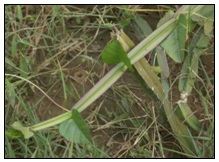
FIG. 1: C. QUADRANGULARIS STEM
Leaves: The leaves Fig. 2 of C. quadrangularis are simple, alternate and change a lot in how they look. They usually look like eggs or like a kidney or kind of triangle shaped. These leaves are bright green to green. They are smooth on both sides. They are about 3 to 5 centimetres long and wide. The edges of the leaves have teeth or little bumps. Sometimes the edges are split into 3 to 7 parts and the top part is shaped like a narrow leaf or a bit pointy. The bottom of the leaf can be. Flat. The leaves grow on a stem and are connected by a long-grooved stem that is about 4 to 10 millimetres long. At the bottom of each leaf stem there are thin, round and short-lived extra parts. Unlike the stem, which uses a special way to make food the leaves use a different way and often fall off when it is dry, for a long time to stop losing too much water 3.
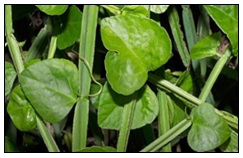
FIG. 2: C. QUADRANGULARIS LEAF
Inflorescence and Flowers: The flowers of C. quadrangularis are small and not very noticeable. They grow in clusters that are flat on top or a little curved. These clusters are found on the stems opposite the leaves. The stems that the flowers are on are between 1 and 2.5 cm long. Each flower is small about 2 mm long. The flowers are a greenish white to pale pink colour. They have a green cup around the base that is about 2 mm wide. The petals are a shape, like an egg and are about 1.5 mm long. They are pointed at the top curled over a bit. The middle of the flower has four stamens, with anthers. The ovary is divided into two parts has a short style and a small stigma. The flowers of C. quadrangularis are a pale colour 1.
Fruit and Seeds: When the plant is pollinated, which usually happens between June and September, it makes berries that are soft and fleshy. These berries are round or kind of egg-shaped. They start out green. As the berries get ripe, they turn a deep red, purplish or almost black colour. The plant produces berries that are pretty small they are about 6 to 10 mm around and they taste very sour and bitter. Each berry usually has one seed inside; sometimes it has two seeds. The seeds Fig. 3 are smooth and shaped like an egg or kind of teardrop shape. They are about 4 to 8 mm, across.
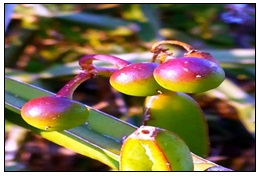
FIG. 3: C. QUADRANGULARIS SEED
Geographical Distribution and Habitat: The C. quadrangularis plant is found in a lot of places. It mostly grows in the parts of the world like the tropical and subtropical regions of the Old World. People think that Africa is where the Cissus genus originally came from. The C. quadrangularis plant is all over Africa especially in South Africa, Senegal, Mali and the dry parts of East and Central Africa 3.
The C. quadrangularis plant started in Africa. Then spread to other places. It went east to the Arabian Peninsula then deep into India. In India you can find the C. quadrangularis plant everywhere. Some places have a lot of it like Tamil Nadu, Kerala, Assam, Madhya Pradesh, Odisha and Uttar Pradesh. The C. quadrangularis plant is also found in countries, like Pakistan, Bangladesh, Sri Lanka, Myanmar, Thailand, Java and the Philippine Islands 1.
The plant is very strong at living in the environment. It does well in dry areas, not too wet and just a bit moist. It is usually seen in places with trees and bushes in forests that lose their leaves near the edges of forests in areas that are not used and often grows along fences and thick plants near the coast at places that are not too high up. This plant changed over time to use a way of making food that helps it save water. This allows it to live through hot times and when there is not much water. This makes it very good at living in places where the soil's not rich and where there is not much rain 3.
Cultivation and Harvesting: C. quadrangularis is a valuable plant when it comes to medicine and people want more of it. Even with all the attention C. quadrangularis is not being used as much as it could be. Usually, people just pick C. quadrangularis from the wild of growing it on farms. Now that companies are looking for supplies of C. quadrangularis extracts to use in health foods, farmers are starting to grow C. quadrangularis in a more organised way.
Soil and Environmental Requirements: The plant does not need much in terms of soil nutrients. It does best in soil that drains well like sandy-loam or rocky soil. If the soil is wet or too hard like clay it can be very bad can quickly cause the roots to rot. The plant grows well in sun and in warm tropical areas. It can handle some shade. If there is a lot of shade from trees it grows more slowly and does not make as many helpful substances 1. A temperature between 25°C and 35°C is best, for getting the most plant material.
Propagation Methods: While it is possible to grow plants using seeds it is not efficient for business purposes. This is because the seeds do not sprout well and the plants grow slowly at first. That is why farmers usually use a method. They use parts of the plant instead. The main parts used are stems. They take stems that are fully grown and healthy. These stems must have least two or three sections between the leaves. The stems are then kept in the shade for one or two days. This helps the ends of the stems to form a layer. This layer stops the stems from getting sick when they are planted. The stems are then put into the soil or special bags. This is done during the time before the rains start or when the rains are just beginning. That is, between May and July. Because there are parts that can grow roots at the sections of the stems the roots grow quickly and strongly 3.
Harvesting: When a plant has grown a lot and started climbing people usually harvest it. This happens 12 to 18 months after the plant was put in the ground. The thick stems are cut back. Not too much. The plant can grow again. If the plant is going to be used for medicine, the stems have to be taken care of away. They are. Cut into pieces. Then they are dried in the shade. People do not dry them in the sun because it can hurt the compounds in the plant, like ascorbic acid and special kinds of flavonoids 1.
Traditional and Ethnomedicinal Uses:
Ayurvedic and Siddha Medicine: Cissus quadrangularis is really important in the medical systems of the Indian subcontinent, especially in Ayurveda and Siddha. A long time ago, people gave it a name that shows what it is mainly used for. In Sanskrit, people call it Asthisamharaka or Asthisamdhani, which means Cissus quadrangularis is something that saves the bones from getting damaged, or it is something that helps fix the bones. People who speak Hindi also know Cissus quadrangularis as Hadjod 1, 4.
Orthopaedic and Musculoskeletal Applications: The old books of Ayurveda, like the ones written by Bhava Prakasha and Chakra Dutta, say that C. Quadrangularis is good for people who have hurt their bones. It helps make them stronger and fixes the problems. People who fix bones have used this plant for a long time. They give it to people to drink and also put it on the outside to help bones heal faster. They use it for jaws, arms and legs and for when joints get out of place.
They make a paste from the plant. Put it on the broken bone to make the pain go away, make the swelling go down and to help the bone heal faster. C. quadrangularis is also used for problems that last a long time, like when the muscles and bones hurt or when people have osteoarthritis, gout or back pain 1, 5.
Digestive and Metabolic Disorders: C. quadrangularis is not just used for bone problems. It is also used to help with stomach and weight issues. In Ayurveda, C. quadrangularis is used to balance the Vata and Kapha doshas. The Vata and Kapha doshas are like the air and water in our body. C. quadrangularis is given to people to help them digest food, feel hungry and clean their blood. The Siddha system of medicine, which is mostly used in South India, uses the stems and leaves of C. quadrangularis to treat stomach problems. These problems include diarrhoea that will not go away, dysentery, gas and diseases of Kapham. C. quadrangularis is also a good remedy for piles. It helps because it can stop bleeding, reduce swelling and protect the stomach from damage. C. quadrangularis is very good for people who have piles because of these properties 4, 6.
Reproductive and Systemic Health: People have used C. quadrangularis for a long time. It is written in Ayurvedic books that C. quadrangularis is very good for the body. Doctors used to give C. quadrangularis to patients who had problems with their health. This includes things like leucorrhea and syphilis. C. quadrangularis was also used to help people with diseases that they got from being with someone. Some people even thought that C. quadrangularis could help people feel more romantic. C. quadrangularis has a lot of Vitamin C in it. So, it was used to treat a disease called scurvy. C. quadrangularis is a way to get Vitamin C 4.
Global Folk Medicine and Tribal Ethnobotany: The healing power of C. quadrangularis is really great. It is used a lot in many places. It is not just used in Ayurveda and Siddha. People in villages and tribes in India, Southeast Asia and Africa also use C. quadrangularis to cure sickness. C. quadrangularis is very important in the medicine of these places. People have been using C. quadrangularis for a long time to make themselves feel better. The use of C. quadrangularis is very common in the medicine of these areas.
Tribal Practices in the Indian Subcontinent: Various tribal communities in India use the plant to deal with health problems. For example, the Gond people in the Raisen district in India use the juice from the stem to treat irregular periods, scurvy and nosebleeds. The juice is also used as ear drops to treat ear discharge or ear infections 4. In areas of Bangladesh and Sri Lanka, the stem is also seen as valuable. People use it for healing bones. Also, as a strong medicine for ulcers, anxiety and fever 7.
Ethnomedicine in Africa and Southeast Asia: As a species that has a wide native area covering South Africa, Madagascar, the Arabian Peninsula and Southeast Asia, C. quadrangularis is an important part of the traditional medicine systems used by many local groups outside of India. Although the names of the tribe’s change depending on where they are the main uses are very similar 8. In African communities, people make a strong liquid from the thick, square-shaped stems of the plant. This liquid is often used to help with swelling problems, like asthma and tightness in the chest. In these areas, the plant is usually made into a drink to help with breathing spasms. Also, because it has healing and germkilling abilities, it has been used for a long time as a cream on burns, deep wounds and insect bites. Local people use the plant's tightness to stop bleeding and stop infections from getting worse in injured skin.9In Asian folk medicine, especially in Thailand and Indonesia, people use the plant to help with pain and reduce fever. They often put the stems of the plant in food like soups, curries and chutneys. This shows that people in these places believe in using the plant as a food that can help keep them healthy and as a medicine to prevent people from getting sick. The plant is used to help keep bones strong, help with digestion and keep the system working well 10, 11.
Phytochemistry (Chemical Composition): The science behind Cissus quadrangularis L. is very interesting because it has different types of chemicals inside it. These chemicals are what make the plant so useful in medicine. When scientists look closely at the parts of the plant that are above the ground, especially the stem and the leaves, they find a lot of important substances. These include things like ketosteroids, flavonoids, triterpenoids, stilbene derivatives, vitamins and minerals 12.
Major Bioactive Compounds:
Ketosteroids and Phytosterols: The kinds of steroids that C. quadrangularis mostly has have special properties that help to build bone and repair injuries. This plant contains rich plant steroids such as phytosterols and other natural steroids. One of these, called β-Sitosterol is found in high amounts. The steroids in C. quadrangularis act like estrogen, which's a hormone that helps our bodies. They look a lot like the hormones that help our bones and muscles, so they can attach to the parts of our bone cells that respond to estrogen. This part of the plant is thought to be the reason it can help fix broken bones quickly, make calcium get into the bone faster and help fix injured ligaments and tendons by making new protein. C. quadrangularis has these properties that help with healing and fixing injuries and that is why it is used to help people get better faster 13.
Flavonoids: Flavonoids are found in the extracts of the leaves and stems of plants. The main flavonoids that we get from C. quadrangularis are quercetin, kaempferol, and rutin. These compounds are very good at stopping damage from oxygen. Quercetin and Kaempferol do this by getting rid of molecules that can hurt our bodies and stopping the damage to fats. This helps prevent the damage that happens when our tissues get hurt and inflamed. Quercetin and Kaempferol help reduce swelling and also protect the bone cells when our bones are being rebuilt 13.
Triterpenoids, Saponins, and Stilbenes: The stem of the plant has some important things in it, like special kinds of triterpenoids. These include δ-amyrin and δ-Amyrone. The stem also has a lot of saponins and glycosides. These things help the plant protect the stomach and intestines. They do this by helping the mucus in the stomach do its job. The scientists have used machines to look really closely at the plant. They found some kinds of stilbenes that are only in this plant. They named them quadrangularis A, B and C. The plant also has some stilbenes that we already know about, like resveratrol, piceatannol and pallidol. These stilbenes are really good at helping the plant fight off inflammation and protect the heart. The δ-amyrin and δ-Amyrone and these stilbenes, are all part of what makes the plant so good at helping our bodies 12.
Vitamins and Minerals: Unlike medicinal herbs that only use secondary metabolites, C. quadrangularis works well as a strong nutritional supplement because it has a lot of primary vitamins and minerals. These vitamins and minerals work together with its steroidal compounds. C. quadrangularis is a nutritional supplement because it has a lot of primary vitamins and minerals. The vitamins and minerals in C. quadrangularis work together with its steroidal compounds. C. quadrangularis stands out from medicinal herbs that only use secondary metabolites.
Ascorbic Acid (Vitamin C): The fresh stems and leaves have a high amount of ascorbic acid (C₆H₈O₆), with some research saying the levels can be as high as 479 mg in every 100 grams of fresh paste. Ascorbic acid is a helper in changing proline and lysine, a process that is needed to make strong triplehelixshaped collagen. The high vitamin C in the plant is why people used it in the past to treat scurvy and why it is used today to fix cartilage and bone structure 14.
Carotene and Calcium: The plant has a lot of carotene in it, 267 units for every 100 grams. It also has a lot of calcium inside its cells, which's in the form of calcium oxalate. When the plant gives us calcium that our bodies can use, it really helps our bones heal when they are broken. The calcium from the plant supports the process of making the osteoid network stronger during fracture healing, which is a big part of how our bones fix themselves. The plant is a source of calcium that our bodies can use and this calcium is important for the mineralization of the osteoid network, during fracture healing of the plants calcium 14.
Solvent Extraction Methods and Their Impact on Potency: Cissus quadrangularis is really good for you. It depends on what liquid is used to get the good stuff out of it. Different liquids can get parts of the Cissus quadrangularis that are good for you 15.
Aqueous Extraction: People usually use water to get the stuff out of the Cissus quadrangularis. This method gets a lot of the Cissus quadrangularis out. It is not very good at getting the parts that are not soluble in water, like some special kinds of steroids. The good stuff that is gotten from water is really good at fighting off microbes and helping with stomach problems, but it is not the best for helping bones heal. The Cissus quadrangularis that is gotten from water has some things in it, like special kinds of carbohydrates and proteins and some tannins. But the Cissus quadrangularis is not just good for one thing; it is also good for things like the antimicrobial and the antiulcer activity of the Cissus quadrangularis.
Methanolic and Ethanolic Extraction: Hydro alcoholic solvents (e.g., 70% or 90% ethanol/methanol) are the gold standard for clinical pharmacology regarding this plant. Methanolic extraction effectively isolates both hydrophilic and lipophilic compounds. Studies demonstrate that methanolic extracts yield the highest concentrations of flavonoids, phytosterols (including β-Sitosterol), saponins, and alkaloids 12. Consequently, methanolic and ethanolic extracts demonstrate the highest free-radical scavenging (antioxidant) activity and are the preferred solvent systems for standardising the 3 ketosteroid content used in oestrogenic dietary supplements.
Non-Polar Solvents (Chloroform, Hexane): Extractions that use non-polar solvents usually result in the smallest amount of crude extract. These methods are very good at pulling out concentrated plant sterols and certain terpenoids. However, they do not take out the flavonoids and ascorbic acid. In the end, for healing uses, especially those that focus on osteoporosis and broken bones, hydro alcoholic extractions such as methanolic or ethanolic extractions are needed. These methods help get the combined effects of the ketosteroids, flavonoids and ascorbic acid found in Cissus quadrangularis 16, 17.
Pharmacological Activities:
Osteogenic & Bone Healing Activity: The well-known and important effect of Cissus quadrangularis L. in medicine is how it helps bones heal faster after a break and makes the bones stronger. This effect happens because of different processes in the body. These processes include changing how hormones work, making new cells grow, and helping the body use minerals better 18, 19, 20.
Mechanisms of Osteoblast Stimulation and Mineralisation: The bone healing process of C. Quadrangularis is mainly caused by its amount of phytoestrogens and ketosteroids at the cell level, these steroid substances work as building agents that connect to estrogen receptors on osteoblasts, starting a chain of bone-forming steps.
In lab studies using osteoblast-like cell lines (like SaOS-2 and MG-63), this effect has been measured. When C. quadrangularis methanolic and petroleum ether extracts are used, there is a dose related growth of osteoblasts. In some cases, scientists have seen a 50% to 75% rise in Alkaline Phosphatase (ALP) activity, which is a main sign of early osteoblast development and bone formation compared to groups that did not get treatment 2.
Also, the plant extracts help the mineralisation part of the bone outside the cells. Tests with Alizarin Red S colouring show that cells treated with C. quadrangularis extracts (at 100 /mL) have 2 to 3 times more calcium mineral nodules by day 14 of growing. This fast mineralisation is also helped by the plants amount of ascorbic acid and easily usable calcium, which give the immediate materials needed for building collagen and then hardening the bone 1.
Impact on Fracture Healing Time and Biomechanical Strength: The way cells work leads directly to the healing of broken bones and stronger bones, as shown in studies with animals and people. In studies with dogs and rats, giving the extract from C. quadrangularis made the healing process faster. The soft area around the break changed into an area much more quickly. When scientists looked at the bones, they saw that the strength of the bone was 50% to 85% higher after 3 weeks compared to the bones that did not get the extract. This shows the new bone was strong and well-formed 2, 21. In people, the effect on healing time is just as big. A big study looked at how C. Quadrangularis helped people with facial injuries. People who took the extract by mouth had their broken bones completely healed in an average of 4 weeks. The usual time is 6 weeks, without the extract. That is 33% faster 13. Also, people who took the extract had less pain, swelling and movement in the broken area in the first 7 to 10 days.
Impact on Bone Mineral Density (BMD): Beyond injuries, the plant's ability to stop bone loss makes it a good option for dealing with osteoporosis. By stopping the process that breaks down bone tissue and helping the process that builds bone, the plant changes the way bones are renewed in a way that leads to more bone growth. In rat models that are used to study osteoporosis after menopause, giving the plants phytoestrogen rich part every day by mouth at a dose of 500 mg per kg completely stopped the usual breakdown of small bone structures. Using a type of scan called QCT, it was found that the rats that got the plant had femoral bone density and thickness that were not different from healthy rats that did not have their ovaries removed. This stopped the 15% to 20% loss of bone density that happened in the rats that did not get the plant 4, 18, 22, 23.
Anti-Obesity and Metabolic Effects: Cissus quadrangularis L. is used for more than just helping with bones. It is also used by companies that make food supplements because it can really help people manage their weight and stay healthy. The Cissus quadrangularis L. Plant has a lot of things, like flavonoids and fibre, that work together to help the body handle fat, make people feel less hungry and help the body use insulin better 24.
Lipid-Lowering Properties and Mechanisms for Weight Management: The weight control systems of C. Quadrangularis work through both stomach and intestine enzyme blocking and brain system control. Laboratory tests show that the extract blocks pancreatic lipase, alphaamylase, and alphaglucosidase. By blocking these digestive enzymes, the extract greatly lowers the breakdown then taking in of fats and complex sugars from food. Also, it is believed that the extract affects the feeling of fullness in the brain by increasing serotonins, which makes people less hungry and feel full faster 25, 26, 27.
The effectiveness of these systems in real life can be measured clearly. In a study with people taking a special version of C. quadrangularis (CQR-300), researchers saw big drops in body measurements. People who were overweight or obese and took 300 mg each day for 8 weeks lost an average of 14.6 per cent of their body weight (about 7.9 kg or 17.4 pounds) compared to very little change in the group that took a fake medicine. Along with losing weight, the group taking the extract had a 12.8 per cent drop in body fat and an 8.6 per cent decrease in waist size, showing that the fat around the stomach was reduced 28.
Impact on Metabolic Syndrome and Blood Glucose Levels: Metabolic syndrome is a group of health problems that include being overweight, having high cholesterol, having trouble with insulin and having a lot of inflammation in the body. This group of problems can really increase the risk of getting heart disease. C. quadrangularis is a plant that can help with all of these problems. It has a lot of antioxidants like quercetin that can help reduce the stress that comes with being severely overweight 26, 29.
Some studies have shown that this plant can really help lower cholesterol and blood sugar levels. In one study, people with metabolic syndrome took the plant extract for 8 weeks. Their cholesterol levels went down a lot. They had 27 per cent lower total cholesterol, 29 per cent less bad cholesterol and 31 percent less triglycerides 28, 30.
The plant also had an impact on blood sugar levels. The people in the study started with a blood sugar level of 105.8. After taking the plant extract, their levels went down to 87.5. That is a 14.8 per cent decrease. This is because the plant can help stop the body from absorbing much sugar, and it can also help the body use insulin better 30.
C. quadrangularis also has anti-inflammatory effects that can help protect the heart. In the study, the people who took the plant extract had 52 per cent less of a protein called C-reactive protein. This protein is a sign of inflammation in the body. It can increase the risk of heart disease. So the fact that it went down much shows that C. quadrangularis can really help protect the heart and the rest of the body 28.
Gastroprotective & Anti-Ulcer Activity: People have been using C. quadrangularis L. for a long time in Siddha and Ayurvedic medicine to treat stomach problems like peptic ulcers and dyspepsia. Cissus quadrangularis L. is also used to treat distress. Studies have shown that Cissus quadrangularis L. really works. The parts of Cissus quadrangularis L. that are used to make medicine have been tested. These parts are mixed with methanol and water to make extracts. The extracts from Cissus quadrangularis L. are very good at preventing stomach ulcers. They work in two ways: they help the stomach lining. They stop the stomach from making too much acid 31.
Reduction of Gastric Acid Secretion (Antisecretory Effects): The ability of C. quadrangularis to stop secretions has been studied a lot in living creatures using pyloric ligation and aspirin induced (NSAID) ulcer models. In those studies, when the plant extract was given, it greatly reduced the factors that cause stomach damage. These factors include the amount of stomach juice, free acidity and total acidity.
In controlled mouse models, when C. quadrangularis extract was given by mouth at a dose of 500 mg per kg of body weight, it had anti-ulcer effects. Scientists found a drop in the total ulcer score by 71% to 82% compared to groups that did not get any treatment. This level of protection was similar to medicines like sucralfate and omeprazole 32. Also, when they looked at the chemicals in the stomach fluid; they found that the extract reduced the amount of stomach acid by about 45% to 50%. This stopping of much acid helps prevent the breakdown of the stomach lining, giving the tissue time to heal 32.
Mucosal Defence Enhancement and Antioxidant Protection: While stopping acid production is important, the main thing that makes C. quadrangularis work as a protectant for the stomach is its ability to strengthen the lining of the stomach. This protection comes mainly from the plant's levels of triterpenoid, saponin and flavonoid (quercetin) parts.
The extract makes the stomach make more of a protein called mucin. This protein forms a layer that covers the inside of the stomach. Studies have shown that when people take C. quadrangularis, the amount of this protein in the stomach goes up. In animals that had ulcers caused by NSAIDs, those that got the extract had a 30% to 40% level of certain sugars in the stomach lining. These sugars help make the mucin stronger. This thicker layer helps protect the stomach from being broken down by acid and pepsin 32.
The plant also stops the stomach lining from dying. This happens because of its ability to fight both inflammation and oxidation. Using NSAIDs makes the stomach lining stressed and can cause damage. C. quadrangularis stops this damage. Tests on stomach tissue showed that the extract reduced the damage caused by oxidation by more than 60%. It also brought back the levels of antioxidants like SOD and CAT to almost normal 33. The extract also helps with inflammation throughout the body. It lowers the levels of signals, like TNF-α and IL-1β, which are linked to long-term stomach ulcers. All these ways show that Cissus quadrangularis is a full way to help the stomach stay healthy.
Anti-inflammatory and Analgesic Properties: Cissus quadrangularis L. Is a plant that has been used for a long time to help with pain and swelling from bone fractures and joint problems. It seems to work well for people with osteoarthritis. The reason it works well is that it has a lot of things in it that help reduce pain and swelling. The plant has things like flavonoids, which are like quercetin and luteolin, and it also has triterpenoids and vitamin C. These things help stop the body from getting too inflamed. Cissus quadrangularis L. Is very good at doing this because it can target the things that cause inflammation in the body 34.
Inhibition of the COX and LOX Pathways: The main way that the plant helps with inflammation is by stopping two things that make inflammation worse. These things are called cyclooxygenase and lipoxygenase enzymes. When a cell is hurt, it releases something called acid. This acid is then changed into things that make inflammation worse by the cyclooxygenase and lipoxygenase enzymes. These things make blood vessels get bigger, make it easier for fluid to get out of the blood vessels and make pain worse. Tests in a lab show that a part of the C. quadrangularis plant stops these enzymes from working. If we look at the numbers, we can see that this part of the plant is very good at stopping one of the cyclooxygenase enzymes called COX-2. This enzyme makes inflammation worse when it is not supposed to. The plant is also safer to use than some medicines that stop inflammation because it does not affect another enzyme called COX-1 as much. When we use 100 micrograms of the plant extract per millilitre, it stops the enzyme from working by 55 to 65 percent and it stops the lipoxygenase enzyme from working by about 60 per cent. By stopping both of these enzymes at the same time, the plant extract prevents something called the shunting effect. This effect happens when one enzyme is stopped. The other one is not, so the inflammation actually gets worse. The plant extract also stops something called Nitric Oxide synthase from working. This makes less of something called nitric oxide, which is made by activated macrophages. The plant extract makes 40 to 50 per cent less of this oxide 33.
In-vivo Anti-inflammatory Efficacy: The effect of the enzyme inhibition that was seen in the lab is the same as a drop in swelling in the body and in one area. The ability of C. quadrangularis to stop inflammation is measured all the time using the test called the carrageenan-induced paw oedema test on small animals. When the extract is given by mouth, it makes the swelling go down the more you give. In tests with animals, when they gave 500 mg per kg of body weight one hour before giving carrageenan, the paw swelling went down by 60% to 70% at the important time, which is 3 to 4 hours later. This works as well as the usual man-made medicines like diclofenac sodium and indomethacin when they are given at the right amounts. The later part of the swelling, in this test, is mainly caused by prostaglandins, which shows the plant parts are stopping the COX process inside the body 9.
Central and Peripheral Analgesic Activity: C. quadrangularis is really good at reducing swelling. It also has strong pain-relieving properties. It works on the pain receptors on the outside of the body and the central nervous system. When we look at pain on the outside of the body, like the kind caused by chemicals, C. quadrangularis does a job of reducing pain. In one test, animals that got 500 mg/kg of the extract had 61 to 65 percent episodes of pain compared to the animals that did not get the extract. This is similar to what happens when animals get pain medicines 9.
C. quadrangularis also helps with pain that is controlled by the nervous system. We know this because of tests that use heat to cause pain, like the hot plate test and the tail flick test. The extract made it take longer for the animals to react to the pain by over 50 per cent. This shows that C. quadrangularis does not just reduce pain by reducing swelling; it also works on the nervous system, probably by stimulating the opioid receptors or by making it harder for the body to feel pain. C. quadrangularis has these pain relieving properties, and it is good at reducing swelling, which makes it very useful for reducing pain.
Antioxidant and Antimicrobial Activity: Cissus quadrangularis L. is a helpful plant. It is especially good at helping wounds heal and making tissue. It also helps keep cells safe. This is because Cissus quadrangularis L. has a lot of power to stop things from getting damaged by antioxidants. It also has a range of things that can stop microbes from growing. Cissus quadrangularis L. has a lot of things inside it, like ascorbic acid and polyphenols. It also has things called quercetin and tannins. It has special helpers called triterpenoids. It help to healing wounds and keeping cells safe.
Free Radical Scavenging and Antioxidant Capacity: When we have bad tissue damage, like when we break a bone or get a stomach ulcer, it can cause a big problem with not enough blood flow to that area. This can trigger a release of something called Reactive Oxygen Species. If we do not stop this, it can cause a lot of damage to the lipids in our cells. Slow down the healing process. C. quadrangularis can help with this problem by getting rid of the radicals and increasing the amount of antioxidants that our body naturally makes. We can measure how well C. quadrangularis can do this using some tests in a lab. We use these tests to see how well the plant can stop radicals from causing damage. We take the plant. Make extracts from it using methanol and ethanol. These extracts are very good at getting rid of radicals, and they work better when we use more of them. When we test the extract from the stem of the plant, we see that it can get rid of 80 to 85 per cent of the radicals. This is similar to how some standard antioxidants work, like Butylated hydroxyl toluene and vitamin C. The extract of C. quadrangularis is also very good at stopping lipid peroxidation. When we add the extract to a model of liver cells, it can stop the formation of some substances that are made when our cells get damaged. The extract can stop over 70 per cent of these substances from forming. This is a deal because it means that C. quadrangularis can help protect our cells from getting damaged by free radicals. C. quadrangularis can help our body heal faster and stay healthy 6.
Broad Spectrum Antimicrobial and Antifungal Efficacy: Historically used as a paste for infected wounds and burns, modern microbiological screening has confirmed that C. quadrangularis has strong biocide properties. The plant's phytochemicals, its tannins and saponins, work by making microbial proteins solid and breaking the structure of bacterial cell walls.
The antimicrobial power is usually checked using agar diffusion tests on a group of human pathogens. Methanolic and ethyl acetate extracts show the stopping power against Grampositive bacteria. When tested at a level of 10 mg/mL, the extract created clear areas where the bacteria could not grow against Staphylococcus aureus and Bacillus subtilis. The areas were between 18 and 22 mm and 20 and 24 mm. These results are as good as the results of antibiotics like ciprofloxacin and ampicillin. Even though it is not as strong against Grambacteria, which have a tough double layer, the extract still works well enough in real life. It made areas between 12 and 15 mm against Escherichia coli and Pseudomonas aeruginosa. In addition to killing bacteria, the plant also works well against fungi. Tests in the lab on fungi like Candida albicans and Aspergillus niger showed that the smallest amount needed to stop growth was between 1.5 and 2.5 mg/mL. This mix of killing bacteria and fungi proves that the use of C. quadrangularis in medicine as a way to fight infections in open wounds and injuries is correct 2.
Anticonvulsant and Sedative Activity: The Plant is really well known in Ayurveda for helping with bone and metabolism problems. In Central and West Africa like in Cameroon and Senegal people have been using this plant for a long time to help with neurological problems. They use the water from the plant to help with things like not being able to sleep feeling anxious and having seizures. Some recent studies on animals have shown that this plant is actually very good at calming the brain and nervous system. It can help people relax sleep better and even stop seizures from happening. The Plant has properties that can calm the nervous system, which is really important, for helping with these kinds of problems.
Sedative and Anxiolytic Activity (GABAergic Modulation): The sleep and anxiety reducing effects of Cissus quadrangularis are mainly caused by the way it affects gamma acid (GABA) the main calming chemical in the nervous system of mammals. In tests that look at how the brain is affected the water extract from the stem shows a strong ability to work with the brains natural calming systems. This extract helps animals fall asleep faster and stay asleep longer in tests that use diazepam to make them sleepy.
This effect gets stronger with amounts of the extract (Ngo Bum et al., 2008). Also the ability of the extract to reduce anxiety has been carefully measured using tests like the Elevated Plus Maze (EPM) and Open Field (OP). In these tests the mice that got the extract spent time and went into the open parts of the maze. They also showed moving around in the closed parts. Tests on the brain tissue show that this change in behaviour happens because the extract stops the enzyme that breaks down GABA. By stopping this enzyme the extract helps the brain keep more of the calming chemical. This leads to longer and calming effects, throughout the body, which helps with sleep and less anxiety 35.
Anticonvulsant and Antiepileptic Efficacy: The medicine that stops seizures and epilepsy from happening has been proven strongly through experiments on animals. It shows a strong protection in the brain when a certain type of seizure is caused. When given in doses from 93 to 372 mg per kg of body weight the water extract taken by mouth helps delay the brain from getting too active. It makes the time before a seizure starts longer by 31.7% to 87.9% compared to animals that did not get the treatment. Also the highest doses of the treatment help stop the seizures from getting worse. It cuts down the number of body shaking seizures from an average of 25.8 to 4.8. It also makes each seizure shorter by 75% from 49.6 seconds to 12.8 seconds. This is as good as the manmade medicine called sodium valproate. This strong effect on the brains calming chemical is very clear. The extract also helps protect the brain by reducing damage caused by molecules. It lowers a substance called malondialdehyde. Brings back a substance called reduced glutathione in the part of the brain called the hippocampus 35. These two ways of stopping much brain activity and stopping cell damage show that C. quadrangularis is very useful, for treating seizures and brain over activity.
Antihaemorrhoidal (Venotonic) Activity: The management of hemorrhoids a condition that happens when the veins around the anus become swollen and inflamed is one of the well-known uses of Cissus quadrangularis L. in Ayurvedic and siddha medicine. In these systems stem extracts and food items made from the stems like chutneys are often given to stop bleeding from the rectum reduce the size of the piles and ease the pain. Recent science suggests that this effect is due to three actions working together: making the veins stronger having a drying effect, on the area and reducing inflammation throughout the body.
Venotonic Mechanisms and Vascular Permeability Reduction: The main thing that makes C. quadrangularis good for hemorrhoids is that it can control the blood vessels and make them less leaky. Hemorrhoids are basically a problem with the blood vessels, where the walls of the veins get blood pools up. The plant has helpers called flavonoids, like quercetin, luteolin and rutin that work directly on the muscles in the vein walls. When scientists tested C. quadrangularis extract in a lab they found that it made the veins contract more when they were supposed to which helps prevent blood from pooling in the hemorrhoids. This is because the extract helps the veins respond to chemicals that tell them to tighten up. The extract also reduces swelling and fluid buildup in the hemorrhoids by making the blood vessels less leaky. In one study mice that got C. quadrangularis extract had less leaking of blood vessels than mice that did not get the extract. The extract was given to the mice at a dose of 500 mg/kg. It reduced the leaking by 60 to 64 percent. So C. quadrangularis is good, for hemorrhoids because it makes the veins stronger and less leaky which helps reduce swelling and inflammation 9.
Astringent Properties and Clinical Symptom Reduction: Alongside its effects Cissus quadrangularis has strong astringent properties. These properties come from an amount of tannin. The tannin causes surface proteins on inflamed mucosa to come. This creates a layer that protects the area. This layer helps with coagulation and stops rectal bleeding from internal hemorrhoids. Clinical studies of products that use C. quadrangularis as the active ingredient show very clear results. These results are seen in people with second-degree hemorrhoids. Within 7 to 14 days of taking treatment which's usually 500 mg standardized capsules twice a day researchers saw quick relief of symptoms. There was a significant drop in important clinical signs. Bleeding stopped completely in than 75% of patients. Pain levels went down by an average of 65% to 70%. Also proctoscopic exams showed a drop, in the size and swelling of hemorrhoidal cushions. This proves the plant can handle symptoms and help repair the blood vessels 1, 9.
Hepatoprotective Activity: The liver can get hurt from some medicines. This is a big problem for people who take pain killers or medicine for tuberculosis for a long time. C. quadrangularis is a plant that can help keep the liver safe. This plant has powers that protect the liver. The special powers of C. quadrangularis come from the way it helps keep the liver cells from getting damaged and stops things from hurting the liver. When scientists did some tests on animals that had liver damage from paracetamol or carbon tetrachloride they found that giving them C. quadrangularis before the damage happened really helped the liver. The animals that got C. quadrangulari shad better liver function and did not have as many bad enzymes in their blood. The scientists saw that the animals that got C. quadrangulari shad 55 to 60 percent less of one enzyme and 50 to 54 percent less of another bad enzyme. C. quadrangularis also helped fix problems with the liver, like high levels of bilirubin in the blood and low levels of glutathione in the liver. This means that C. quadrangularis is a good treatment for liver damage and it works just as well as some other medicines that are used to protect the liver like silymarin. C. quadrangularis is a good thing, for people who have liver problems because it can really help keep the liver safe and make it work better 36.
Cardioprotective Properties: The plant has strong antioxidant properties that help protect the heart tissue during times when blood flow is blocked. C. quadrangularis was studied to see if it can stop or reduce damage to the heart from a heart attack using a model where rodents were given a substance called isoproterenol. This substance causes a lot of stress and damage to the heart muscle like what happens during a heart attack. When the plants extract, the part from the stem was given by mouth for 21 to 30 days before giving isoproterenol it helped keep the structure of the heart tissue mostly intact. The treatment stopped the release of heart enzymes into the blood. The animals that got the treatment had a 40% to 45% level of a heart enzyme called Creatine KinaseMB and a 35% to 42% lower level of another enzyme called Lactate Dehydrogenase compared to the group that did not get the treatment 33. Looking at the tissue under a microscope confirmed these results showing that the extract greatly reduced the damage, to the heart swelling and the presence of cells, which helped keep the walls of the heart strong and whole.
Anthelmintic (Anti-Parasitic) Activity: In ethnomedicine many tribal groups have used the crushed stems of C. quadrangularis to treat intestinal worm infections. This traditional way of treating is now strongly supported by pharmacognosy. The plant has anthelmintic properties because it has a lot of tannins and phenolic compounds. These substances stop the energy production in worms. Break their protective outer layers. This effectiveness is usually tested using the Pheretima posthuma (Indian adult earthworm) model. This model is chosen because it looks and acts like intestinal roundworms. In laboratory tests the methanolic stem extract caused increasing effects that made the worms stop moving and die. At a concentration of 50 mg/mL the worms stopped moving completely in 15 to 18 minutes. Then they died, which was shown by no movement and a fading of their colour within 25 to 30 minutes. This quick effect is similar to the effect of medicines, like Piperazine citrate and Albendazole. This shows that the extract is a natural way to fight parasites 1.
Antipyretic Activity: C. quadrangularis. is a plant that people in Southeast Asia and Africa have used for a time to help with fevers and chills. It also helps with symptoms of malaria. This plant is good at reducing fever and pain. The reason it works is because it has a lot of things in it called flavonoids and triterpenoids. These are what help make C. quadrangularis L. so good, at reducing fever. People have been using C. quadrangularis L. For a time and now we know that it really does work.
Mechanism of Thermoregulatory Modulation: Fever is usually triggered by an infection or bad tissue inflammation. This is what makes the body release chemicals like IL-1beta, IL-6 and TNF-alpha. These chemicals go to the brain. Tell the cells in a part of the brain called the hypothalamus to make something called Prostaglandin E2. The brain uses a pathway to make Prostaglandin E2. When there is much of it changes the way the brain controls body temperature. It is like the brains thermostat gets turned up. The way that C. quadrangularis helps with fever is because it can reduce inflammation. It stops an enzyme called COX-2 from working which's what makes the brain make Prostaglandin E2. The good things in C. quadrangularis can get into the brain stop Prostaglandin E2 from being made. This helps the brains thermostat get back to normal when that happens the body can get rid of heat by sweating. The blood vessels get bigger. C. quadrangularis can do all this because it has things, in it that can reduce inflammation. This is what helps people feel better when they have a fever 9.
In-vivo Antipyretic Efficacy and Quantified Results: The C. quadrangularis plant is really good at reducing fever. Doctors use a test to see how well it works. They give rodents a shot of Brewer’s yeast. This makes the rodents very sick with a high fever. The rodents get a fever that's 1.5 to 2.5 degrees higher than normal. The doctors then give the rodents a drink made from the C. quadrangularis plant. This drink is made from the plant mixed with alcohol. The rodents start to feel better fast. Their fever goes down a lot. The doctors give the rodents an amount of the drink about 500 mg for each kilogram of the rodents weight.
The doctors take the temperature of the rodents. They see that the C. quadrangularis plant starts to work really fast. It starts to reduce the fever in one hour. The plant works the best after three hours. At this time the fever has gone down by 1.2 to 1.8 degrees. This is really good because the rodents are no longer sick with a fever. Their temperature is back to around 37.8 degrees. The C. quadrangularis plant is just as good as medicines like paracetamol and aspirin. It does not hurt the stomach like these other medicines can. The doctors think that the C. quadrangularis plant is a choice because it reduces fever without making the rodents sick, to their stomachs. The C. quadrangularis plant is a way to reduce fever and it is safe to use 9.
Miscellaneous Pharmacological Activities: While the main medical attention on Cissus quadrangularis L. Is on its ability to help bones grow and its effect on metabolism a lot of testing has shown that it has more, than those benefits. These other effects, how it helps the liver the heart and fights parasites show that it is a plant that can help the body in many ways 9.
Clinical Trials and Human Studies: C. quadrangularis L. Has been studied a lot in labs and with animals. These studies have helped us understand how it works. We need to do more studies with people to see if it can really help. For the twenty years people have been looking at how well C. quadrangularis L. Works, for healing broken bones and managing metabolic syndrome. They want to know if C. quadrangularis L. Can really make a difference 20, 24.
Bone and Joint Health Trials: The translation of old 'bone-setter' claims into todays clinical practice has produced very measurable results for C. quadrangularis in the treatment of traumatic fractures and degenerative joint diseases. In a groundbreaking pilot study testing its oestrogenic effects on maxillofacial fracture patients, oral intake of the extract rapidly accelerated the healing cascade; patients reached complete clinical and radiological fracture union in just 4 weeks, significantly faster than the placebo group (33% reduction in total healing time) and with a rapid reduction in localised pain, swelling and fracture mobility within the first 7 to 10 days 13. Beyond acute fractures, the extract has also been very effective in treating osteoarthritis. Clinical evaluation of patients with joint deterioration found that the supplementation with a standardized C. quadrangularis extract significantly improved joint mobility (WOMAC (Western Ontario and McMaster Universities Osteoarthritis Index) pain scores decreased by 31% to 40% over 8 weeks) 2.
Weight Management and Metabolic Trials: The most rigorous human trials, double-blind and placebo-controlled, on C. quadrangularis have focused on its potent anti-obesity and metabolic activity, using for the most part a proprietary standardized extract (CQR-300). In a study that people often talk about scientists gave people with metabolic syndrome characteristics a supplement every day for 8 weeks. The people who got the supplement had some changes in their body. They lost an average of 14.6 percent of their body weight, which is about 7.9 kilograms. They also lost 12.8 percent of their body fat and 8.6 percent of their waist size. The people who did not get the supplement did not have changes. The supplement also had an effect on the people’s heart health. Their blood sugar levels went down by 14.8 percent, which's a big deal. The amount of inflammation in their body also went down a lot by 52 percent. Their cholesterol and triglycerides levels also went down by 27 percent and 31 percent. These changes show that the plant extract is very good, at helping people with obesity and heart problems. The plant extract is a way to manage the physical problems that come with being overweight and to reduce the risk of heart disease 28.
Limitations of Current Studies: Despite the promising therapeutic outcomes, the current body of clinical literature evaluating C. quadrangularis exhibits several methodological limitations that must be addressed before universal clinical integration can occur. Most current trials are small-scale (N<100) and limited to specific demographics, particularly India and Cameroon, and there are no large-scale international studies. Most trials are short term (4 to 8 weeks) with no long term data (6 months to 2 years) to determine sustained efficacy and long term safety, especially in the case of chronic conditions such as osteoporosis. Global standardization of the extract formulations used in trials is also conspicuously absent, leading to large variations in extraction methods and active biomarkers. This inconsistency limits comparative analysis and affects dose response relationships 24, 36.
Toxicity, Safety Profile, and Contraindications: The application of C. quadrangularis L. in traditional ethnomedicine is now evolving into a commercialized dietary supplement worldwide. Current preclinical and clinical data show that standardized extracts of the plant have an extremely wide margin of safety. However, specific pharmacological precautions are still recommended for vulnerable populations and patients on polypharmacy 36, 37.
Acute and Sub-acute Toxicity (LD50 Values): The safety of C. quadrangularis has been checked carefully using standard tests for short-term and longer-term toxicity with animals. These tests followed the rules made by the Organisation for Economic Co-operation and Development. In the shortterm tests when the rats were given the extracts made with methanol and water there were no changes in their behavior no signs of nerve damage and no deaths at the highest doses. These tests showed clearly that the dose needed to kill half the animals is than 3,000 mg per kg of body weight. Because no deaths or bad effects were seen at such high doses the extract is considered safe and not harmful according to the Globally Harmonized System. Also in tests that lasted 90 days the effect of giving the extract every day was studied. Rats that got up to 2,500 mg per kg each day every day had no changes in blood tests in liver tests in kidney tests or in the organs when looked at. So the highest dose that did not cause any effects is 2,500 mg per kg each day, for the extracts that were tested 38.
Adverse Effects in Humans: Human clinical trials support the level of safety that was seen in animal studies. C. quadrangularis is usually very easy for people to take when it is used within the recommended amounts, which are usually between 300 mg and 1,000 mg each day.
In studies that are randomized, blind and controlled with a placebo (like those looking at how well it works for weight control and for building bones over 8 to 10 weeks) the number of people who had bad effects in the group that got the treatment was not different from the group that got the placebo. When side effects do happen they are always described as short-lasting and they go away on their own. The common problems people say they have include
- Mild headaches
- Dry mouth (called xerostomia)
- Problems with the stomach (mainly passing gas, a little diarrhea or feeling gassy)
- Trouble sleeping (this happens very rarely and may be connected to how it affects the central nervous system a little)
It is important to note that in large studies, with hundreds of people very few people stopped taking the plant because of side effects. This shows that the plant is very easy for people to take when used for a time or a medium time 28, 36.
Drug Interactions and Precautions: While it is generally safe the strong effects of C. quadrangularis mean that certain steps need to be taken in a setting especially when it comes to possible interactions between the herb and medicines.
Anti Medications: The extract has strong effects that lower blood sugar and make the body more sensitive to insulin (it can lower blood sugar levels by about 15%). Taking it with medicines that control diabetes like Metformin or Sulfonylureas may cause low blood sugar. People who take these medicines must watch their blood sugar closely. May need to change the amount of medicine they take as decided by a doctor.
Sedatives and CNS Depressants: The plant has been shown to act like a sedative, when taken in high amounts. Using it with medicines that calm the system, such as benzodiazepines or with alcohol could make the effects stronger and possibly slow down the brain and body more than expected.
Contraindications for Pregnancy and Lactation: Even though no harmful effects on the baby were seen in animal studies there are no studies to check how safe the extract is for pregnant or breastfeeding women. Also, because the plant has substances that act like hormones and help build bones it is not allowed to be used during pregnancy or while breastfeeding. This is to avoid any problems, with the hormones of the baby or the newborn 36.
CONCLUSION: C. Quadrangularis has shown to be an effective treatment thanks to a high amount of plant chemicals like ketosteroids, flavonoids and ascorbic acid that start many good processes in the body. In practice it is best known for helping the bones and muscles. It makes bones heal faster after a break by 33 percent. Helps make bones stronger by encouraging the growth of cells that build bone and by helping calcium settle into the bones quickly. In addition to helping bones special extracts have worked well in dealing with metabolic syndrome and weight problems. This has led to drops in weight, body fat, blood sugar before eating and cholesterol. It does this by stopping enzymes in the stomach and by changing how hungry people feel. The plant also helps protect the body. It acts as a protector for the stomach reducing acid and making the lining stronger. It also has effects against inflammation, pain, germs and swelling in the veins, which helps with hemorrhoids. Even though C. quadrangularis has healing powers it is very safe with only small and short-lasting side effects like a dry mouth or a mild headache reported in studies.
However because it is so strong it should not be used by women who're pregnant or nursing. Also people taking medicines for diabetes or for the system should be careful because it might work too well with those medicines. To make this traditional medicine into a treatment that everyone accepts and uses in a standard way the current studies say there are some important things that need to be fixed. Future studies need to do long-term tests in many countries to check that it keeps working over time. Also the way the plant is made into medicine needs to be the same over the world so that the dose is always right and the treatment is always reliable for use, in medicine and business.
ACKNOWLEDGEMENT: Nil
CONFLICT OF INTEREST: Nil
REFERENCES:
- Hamid HS and Patil S: A phytochemical and pharmacological review of an Indian plant: C. Quadrangularis. In Medical Sciences Forum 2023; 21(1): 20.
- Kaur J, Sharma G, Mahajan A, Katare OP, Bhadada SK and Ghoshal G: Role of C. quadrangularis in the management of osteoporosis: an overview. Critical Reviews™ in Therapeutic Drug Carrier Systems 2021; 38(5): 27-51.
- Li Q, Wang Y, Zhou H, Liu Y, Gichuki DK, Hou Y, Zhang J, Aryal R, Hu G, Wan T and Amenu SG: The C. quadrangularis genome reveals its adaptive features in an arid habitat. Horticulture Research 2024; 11(4): 1-38.
- Aswar UM, Mohan V and Bodhankar SL: Antiosteoporotic activity of phytoestrogen-rich fraction separated from ethanol extract of aerial parts of C. quadrangularis in ovariectomized rats. Indian Journal of Pharmacology 2012; 44(3): 345-350.
- Brahmkshatriya HR, Shah KA, Ananthkumar GB and Brahmkshatriya MH: Clinical evaluation of C. quadrangularis as osteogenic agent in maxillofacial fracture: A pilot study. Ayu 2015; 36(2): 169-173.
- Jainu M and Devi CS: In-vitro and in-vivo evaluation of free-radical scavenging potential of C. quadrangularis. Pharmaceutical biology 2005; 43(9): 773-779.
- Nallusamy S, Mannu J, Ravikumar C, Angamuthu K, Nathan B, Nachimuthu K, Ramasamy G, Muthurajan R, Subbarayalu M and Neelakandan K: Exploring phytochemicals of traditional medicinal plants exhibiting inhibitory activity against main protease, spike glycoprotein, RNA-dependent RNA polymerase and non-structural proteins of SARS-CoV-2 through virtual screening. Frontiers in Pharmacology 20218; 12: 667-704.
- Lawal I, Adeniyi O and Ariwoola O: Qualitative and quantitative phytochemical evaluation of Quassia undulata [Guill. & Perr.(D. Dietr.)] leaves using different solvent polarities. Lekovite Sirovine (Herbal Raw Materials).2021:41(1):12–16.
- Panthong A, Supraditaporn W, Kanjanapothi D, Taesotikul T and Reutrakul V: Analgesic, anti-inflammatory and venotonic effects of C. quadrangularis Linn. Journal of Ethnopharmacology 2007; 110(2): 264-70.
- Mishra G, Srivastava S and Nagori BP: Pharmacological and therapeutic activity of C. quadrangularis: an overview. Int J Pharm Tech Res 2010; 2(2): 1298-310.
- Singh N, Singh V & Singh RK: A review on Cissus quadrangularis. The Pharma Innovation Journal 2017; 6(7): 331-335.
- Prabhavathi RM, Prasad MP and Jayaramu M: Studies on qualitative and quantitative phytochemical analysis of C. quadrangularis. Advances in Applied Science Research 2016; 7(4): 11-7.
- Brahmkshatriya HR, Shah KA, Ananthkumar GB and Brahmkshatriya MH: Clinical evaluation of C. quadrangularis as osteogenic agent in maxillofacial fracture: A pilot study. Ayu 2015; 36(2): 169.
- Raj SJ and Baby Joseph BJ: Pharmacognostic and traditional properties of Cissus quadrangularis Linn—an overview. International Journal of Pharma and Bio Sciences 2011; 2(1): 131–139.
- Kumar S, Arya P, Vaidya D, Kaushal M, Devi S, Gupta A and Chand S: Effects of different solvents on phytochemical constituents, in-vitro antimicrobial activity, and volatile components of Boehmeria rugulosa Wedd. wood extract. Scientific Reports 2025; 15: 29135.
- Farjana HN and Valiathan GM: C. quadrangularis: A comprehensive review as an emerging biomaterial for periodontal regeneration. Journal of Oral Research and Review 2025; 17(1): 87-92.
- Toor RH, Malik S, Qamar H, Batool F, Tariq M, Nasir Z, Tassaduq R, Lian JB, Stein JL, Stein GS and Shakoori AR: Osteogenic potential of hexane and dichloromethane fraction of C. quadrangularis on murine preosteoblast cell line MC3T3‐E1 (subclone 4). Journal of Cellular Physiology. 2019; 234(12): 23082-96.
- Azam Z, Sapra L, Baghel K, Sinha N, Gupta RK, Soni V, Saini C, Mishra PK and Srivastava RK: C. quadrangularis (Hadjod) inhibits RANKL-induced osteoclastogenesis and augments bone health in an estrogen-deficient preclinical model of osteoporosis via modulating the host osteoimmune system. Cells 2023; 12(2): 216.
- Singh N, Singh V, Singh RK, Pant AB, Pal US, Malkunje LR and Mehta G: Osteogenic potential of C. quadrangularis assessed with osteopontin expression. National Journal of Maxillofacial Surgery 2013; 4(1): 52.
- Singh V, Singh N, Pal US, Dhasmana S, Mohammad S and Singh N: Clinical evaluation of C. quadrangularis and Moringa oleifera and osteoseal as osteogenic agents in mandibular fracture. National Journal of Maxillofacial Surgery 2011; 2(2): 132.
- Nayak T and R K: An assessment of the osteogenic potential of C. quadrangularis in mandibular fractures: a pilot study. Journal of Maxillofacial and Oral Surgery 2020; 19(1): 106-12.
- Muthusami S, Senthilkumar K, Vignesh C, Ilangovan R, Stanley J, Selvamurugan N and Srinivasan N: Effects of C. quadrangularis on the proliferation, differentiation and matrix mineralization of human osteoblast like SaOS‐2 cells. Journal of Cellular Biochemistry 2011; 112(4): 1035-1045.
- Potu BK, Rao MS, Nampurath GK, Chamallamudi MR, Prasad K, Nayak SR, Dharmavarapu PK, Kedage V and Bhat KM: Evidence-based assessment of antiosteoporotic activity of petroleum-ether extract of C. QuadrangularisLinn. on ovariectomy-induced osteoporosis. Upsala Journal of Medical Sciences 2009; 114(3): 140-148.
- Sawangjit R, Puttarak P, Saokaew S and Chaiyakunapruk N: Efficacy and safety of Cissus quadrangularis L. in clinical use: a systematic review and meta‐analysis of randomized controlled trials. Phytotherapy Research 2017; 31(4): 555-67.
- Al-Robai SA: Analysis of nutritional quality and bioactive components of Cissus rotundifolia, Cyphostem madigitatum and Cissus quadrangularis (Vitaceae). Journal of Animal and Plant Sciences 2024; 34(1): 114-29.
- Zhang J and Crandall I: Expression of both N-and C-terminal GFP-tagged huCD36 and their discrepancy in OxLDL and pRBC binding on CHO cells. Lipids in Health and Disease 2007; 6(1): 24.
- Sompong W, Muangngam N, Kongpatpharnich A, Manacharoenlarp C, Amorworasin C, Suantawee T, Thilavech T and Adisakwattana S: The inhibitory activity of herbal medicines on the key enzymes and steps related to carbohydrate and lipid digestion. BMC Complementary and Alternative Medicine 2016; 16(1): 439.
- Oben J, Kuate D, Agbor G, Momo C and Talla X: The use of a C. quadrangularis formulation in the management of weight loss and metabolic syndrome. Lipids in Health and Disease 2006; 5(1): 24.
- Kim JW, Jeong JS, Kim JH, Chung EH, Kim CY, Lee DR, Choi BK, Lim JH, Ko JW and Kim TW: Anti-hyperglycemic effects of Cissus quadrangularis extract via regulation of gluconeogenesis in type 2 diabetic db/db mice. Frontiers in Pharmacology 2024; 15: 1415670.
- Oben JE, Ngondi JL, Momo CN, Agbor GA and Sobgui CS: The use of a C. Quadrangularis/Irvingiagabonensis combination in the management of weight loss: a double-blind placebo-controlled study. Lipids in Health and Disease 2008; 7(1):12.
- Jainu M, Vijaimohan K and Kannan K: Cissus quadrangularis L. extract attenuates chronic ulcer by possible involvement of polyamines and proliferating cell nuclear antigen. Pharmacognosy Magazine 2010; 6(23): 225.
- Jainu M and Devi CS: Effect of C. quadrangularis on gastric mucosal defensive factors in experimentally induced gastric ulcer a comparative study with sucralfate. Journal of Medicinal Food 2004; 7(3): 372-6.
- Jainu M and Devi CS: Gastroprotective action of C. quadrangularis extract against NSAID induced gastric ulcer: role of proinflammatory cytokines and oxidative damage. Chemico-biological Interactions 2006; 161(3): 262-70.
- Kanwar JR, Samarasinghe RM, Kumar K, Arya R, Sharma S, Zhou SF, Sasidharan S and Kanwar RK: Cissus quadrangularis inhibits IL-1β induced inflammatory responses on chondrocytes and alleviates bone deterioration in osteotomized rats via p38 MAPK signaling. Drug Design, Development and Therapy 2015; 5: 2927-40.
- Moto FC, Arsa’a A, Ngoupaye GT, Taiwe GS, Njapdounke JS, Kandeda AK, Nkantchoua GC, OmamOmam JP, Pale S, Kouemou NE and Ayissi Mbomo ER: Anxiolytic and antiepileptic properties of the aqueous extract of C. quadrangularis (Vitaceae) in mice pilocarpine model of epilepsy. Frontiers in Pharmacology 2018; 9: 751.
- Stohs SJ and Ray SD: A review and evaluation of the efficacy and safety of C. quadrangularis extracts. Phytotherapy Research 2013; 27(8): 1107-14.
- SharaM, Stohs SJ and Ray SD: Toxicological safety evaluation of a specialized extract of Cissus quadrangularis (CQR-300).International Journal of Toxicology 2011; 30(3): 337–352.
- Kothari SC, Shivarudraiah P, Venkataramaiah SB, Koppolu KP, Gavara S, Jairam R, Krishna S, Chandrappa RK and Soni MG: Safety assessment of C. quadrangularis extract (CQR-300): subchronic toxicity and mutagenicity studies. Food and Chemical Toxicology 2011; 49(12): 3343-57.
How to cite this article:
Krishnamoorthy A, Janagarathinam D, Chellamuthu K, Elavarasan R and Parthiban P: Phytochemistry to pharmacotherapy: an integrative review of Cissus quadrangularis L. Int J Pharmacognosy 2026; 13(11): 1090-07. doi link: http://dx.doi.org/10.13040/IJPSR.0975-8232.IJP.13(11).1090-07.
This Journal licensed under a Creative Commons Attribution-Non-commercial-Share Alike 3.0 Unported License.
Article Information
2
1090-1107
761 KB
7
English
IJP
Arul Krishnamoorthy *, Deviprabha Janagarathinam, Karthik Chellamuthu, Ragul Elavarasan and Periyasamy Parthiban
The Tamil Nadu Dr MGR Medical University, Chennai, Department of Pharmaceutical Chemistry, Vellalar College of Pharmacy, Maruthi Nagar, Thindal, Erode, Tamil Nadu, India.
arulk1002@gmail.com
03 October 2026
28 October 2026
31 October 2026
10.13040/IJPSR.0975-8232.IJP.13(11).1090-07
01 November 2026
 Download