



PHYTOCHEMICALS OF AEGLE MARMELOS FRUIT AND THEIR POTENTIAL ROLE IN HEALTH REGULATION: A REVIEW
HTML Full TextPHYTOCHEMICALS OF AEGLE MARMELOS FRUIT AND THEIR POTENTIAL ROLE IN HEALTH REGULATION: A REVIEW
Kunjan T. Lanjewar, Lalchand D. Devhare *, Mayuri R. Raut, Pranjal Thote, Ishika Bawankar, Ankit Kaikade, Sachin M. Hiradeve, Vaibhav P. Uplanchiwar and Vinod M. Thakare
Nagpur College of Pharmacy, Wanadongri, Hingna Road, Nagpur, Maharashtra, India.
ABSTRACT: Aegle marmelos or bael fruit is an important source of traditional medicine and attracts much attention because of the different phytochemistry in its composition as well as many health benefits. This review focuses on phytochemicals in bael fruits and their potential effects on health management. Different bioactive compounds are present in the fruit including tannins, coumarins, alkaloids, flavonoids, phenols, as well as unique chemicals such as marmelosin, aegeline, umbelliferon, skimmianine, and rutin. Phytochemical composition of the fruit varies according to fruit maturity: young fruits are rich in tannins and ripe fruits contain elevated levels of sugars and flavonoids. Antioxidant effect of bael fruit occurs owing to radical-scavenging capacity as well as stimulation of body's defence mechanisms. Anti-inflammatory effect relates to pro-inflammatory mediator inhibition and reduction in cellular damage. Antidiabetic properties of the plant are characterized by a reduction in blood glucose level as well as insulin sensitivity. Moreover, the fruit demonstrates gastroprotective activity that confirms its long-term application for stomach disease treatment. Due to the presence of numerous phytochemicals in Aegle marmelos, its possible benefits as an herbal medicine can be exploited to promote good health as well as prevent the development of chronic diseases. The plant exhibits considerable prospects in terms of production of functional foods and nutraceuticals.
Keywords: Aegle marmelos fruit, Bael fruit, Aegeline, Health regulation, Functional foods
INTRODUCTION:
General Overview: Secondary metabolites called phytochemicals, which are derived from fruits, are highly regarded for their ability to improve human health.
Phenolics, flavonoids, alkaloids, tannins, terpenoids, and coumarins are some examples of such compounds that increase the therapeutic potential of fruits through their various biological effects resulting from interference in oxidative stress and cell signalling processes, including antioxidant, anti-inflammatory, antibacterial, hepatoprotective, and antidiabetic activities 1, 2.
An excessive accumulation of ROS causes oxidative stress, which is considered one of the factors responsible for the onset of chronic diseases like diabetes, cancer, neurological disorders, and cardiovascular ailments. Fruit phytochemicals can reduce oxidative stress by neutralizing such ROS and thus prevent the development of any physiological imbalance within the body 3, 4.
For many years, the traditional medicine systems such as Ayurveda have been exploiting the fruit of Aegle marmelos as an important medicinal fruit. This is due to its efficiency in curing digestive disorders. Since the fruit is rich in tannins and astringency, the unripe fruit pulp is exploited in treating diarrhoea and dysentery, while the ripe one is used for digestion purposes, and even as a laxative and nutrient 5.
A variety of phytochemicals such as flavonoids, phenols, alkaloids, coumarins, and terpenoids have been identified in the bael fruit in contemporary scientific studies. The extensive pharmacological activities of the fruit that include antioxidant activity, antibacterial action, hepatoprotection, cardio protection, anti-inflammatory activity, and antidiabetic are due to key ingredients like marmelosin, aegeline, umbelliferon, and skimmianine 6, 7.
This is further enhanced by recent research which points at its possible use in nutraceuticals and functional foods 8.
Taxonomy and Classification: The bael fruit (Aegle marmelos (L.) Correa) belongs to the family Rutaceae. The bael fruit tree is a very slow-growing deciduous tree renowned for its nutritious and medicinal properties. Due to the presence of phytochemicals in abundance, this particular plant species, the sole representative of the genus Aegle, is used in many traditional healing systems 2, 5.
TABLE 1: TAXONOMICAL CLASSIFICATION OF AEGLE MARMELOS
| Rank | Classification |
| Kingdom | Plantae |
| Subkingdom | Tracheobianta |
| Division | Mangnoliopsida |
| Super division | Spermatophyta |
| Class | Mangnoliopsida |
| Order | Sapindales |
| Family | Rutaceae |
| Subfamily | Aurantioideae |
| Genus | Aegle |
| Species | Aegle marmelos |
The Flavonoids, coumarins, alkaloids, tannins, and phenolic acids are examples of bioactive compounds that are responsible for some of the pharmacological properties of the plant species 3.
Fruit Morphology: Aegle marmelos makes a giant, tough-skinned fruit containing pulp, seeds, and rind. The hard woody rind changes colour from yellow when it matures to green when immature. The pulp is edible and accounts for most of the pharmacologically active compounds. The pulp is slimy and has an aromatic nature. It is made up of many embedded seeds.
The health benefits of the pulp arise from its high levels of important phytochemicals such as phenolic acids, flavonoids, tannins, and coumarins 4, 2.
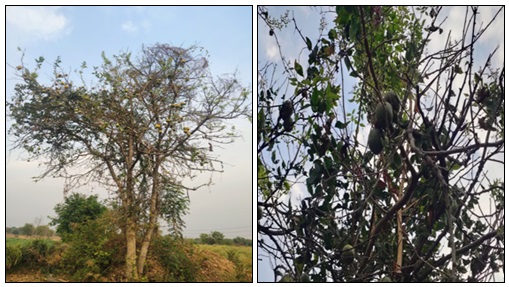
FIG. 1: AEGLE MARMELOS TREE AND FRUIT
Stages of Fruit Maturity (Unripe vs Ripe): The phytochemical composition of the fruit varies significantly with maturity.
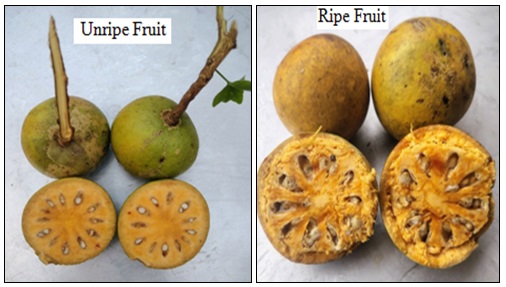
FIG. 2: STAGES OF FRUITS MATURITY
TABLE 2: COMPARISON OF UNRIPE AND RIPE FRUIT
| Feature | Unripe Fruit | Ripe Fruit |
| Taste | Astringent | Sweet aromatic |
| Tannins | High | Low |
| Sugar | Low | High |
| Pectin | Very high | Moderate |
| Main use | Anti-diarrheal | Digestive tonic |
| Activity | Antimicrobial | Antioxidant |
Since unripe fruit contains high tannin content, unripe fruits are used as an antidote for treating problems related to the stomach, while ripe fruits are used for digestion 5.
Functional Role of Fruit Parts: Different parts of the fruit show distinct phytochemical and pharmacological properties.
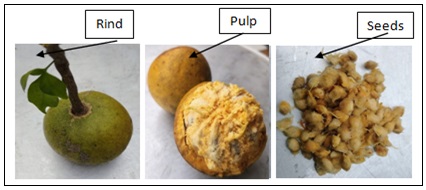
FIG. 3: FRUIT PARTS
TABLE 3: DIFFERENT PARTS OF THE FRUIT SHOW DISTINCT PHYTOCHEMICAL AND PHARMACOLOGICAL PROPERTIES
| Part | Major compounds | Biological Role |
| Rind | Fibers, phenolic | Protective, mild medicinal activity |
| Pulp | Flavonoids, tannins, coumarins | Antioxidant, antidiabetic, gastroprotective |
| Seeds | Alkaloids, Oils | Hypoglycaemic, lipid-lowering effects |
The most pharmacologically important part of Aegle marmelos fruit is pulp, consist of compounds such as marmelosin, aegeline, and umbelliferon 2, 6.
Geographic Distribution and Cultivation: Indigenous to the Indian sub-continent, Aegle marmelos is distributed in South and Southeast Asia. Countries like India, Bangladesh, Sri Lanka, Myanmar, Thailand, as well as parts of Indo-China are some places where the plant is quite common 8, 6. The plant adapts to various environmental situations and thrives in tropical as well as subtropical climates 8.
Due to the exceptional tolerance towards extreme temperatures and drought-like environmental conditions, it makes an ideal candidate for cultivation in semi-arid areas 6, 10. The plant is capable of withstanding tough weather conditions that result in the failure of other fruits harvests 10.
Recent studies have shown that the bael varieties adapt themselves very well in various agro-climatic regions, especially in arid and marginal zones 10. Due to the above reason, it becomes an important underexploited fruit crop in dryland agriculture 11, 12.
Vernacular Names:
TABLE 4: DIFFERENT NAMES ACROSS REGIONS AND LANGUAGES
| Language | Country/region | Local names |
| English | Global | Bael, Wood apple |
| Hindi | India | Bael, Bilva |
| Sanskrit | India | Bilva |
| Tamil | South India | Vilvam |
| Bengali | Eastern India | Bel |
| Telugu | Andra Pradesh | Maredu |
| Thai | Thailand | Ma-tum |
These regional names reflect its wide cultural and medicinal importance across Asia 6, 13.
Nutritional Composition of Aegle marmelos Fruit:
Macronutrients (Carbohydrates, Proteins, Fats): Aegle marmelos is an important fruit source of energy due to its high percentage of carbohydrate content in its pulp. The percentage of carbohydrate content ranges from 30% to 40%, depending upon the maturity stage. The carbohydrates in pulp consist of both sugars and polysaccharides such as cellulose and pectin 14, 19.
Though it contains a fairly small number of proteins ranging between 1.5% and 3.6%, it still offers essential amino acids for metabolic reactions. Due to its low lipid content (1%), it can be included in dietary plans with low-fat sources 15.
Micronutrients (Vitamins and Minerals): The main vitamins that are present in the fruit include Vitamin C, vitamin A (carotenoids), and B complex vitamins (thiamine, riboflavin, and niacin). They are responsible for immunity, energy, and antioxidant protection 16.
Other components include minerals such as potassium, calcium, magnesium, iron, phosphorus, and copper. Potassium is the main mineral, which helps to preserve electrolyte balance and heart functions 6, 18.
Fiber and Pectin Content: Fiber components such as cellulose, hemicellulose, lignin, and pectin are plentiful in the fruits of Aegle marmelos. These fibres are crucial for regulating blood sugar levels, controlling bowel movements, and maintaining overall gut health 17.
Pectin, a water-soluble dietary fibre, plays an important role due to its ability to reduce cholesterol levels and enhance gut microflora balance through prebiotic effects 14, 19.
TABLE 5: NUTRITIONAL COMPOSITION OF AEGLE MARMELOS FRUIT
| Nutritional Category | Component | Functional Role |
| Macronutrients | Carbohydrates | Primary energy source |
| Protein | Metabolic & enzymatic function | |
| Fats | Minimal lipid contribution | |
| Micronutrients | Vitamin (A, B-complex, C) | Antioxidant activity, metabolic regulation |
| Minerals (K, Ca, Fe, Mg, P) | Electrolyte balance, haematopoiesis, bone health | |
| Dietary Fiber | Pectin (soluble Fiber) | Cholesterol reduction, glycaemic control |
| Cellulose (insoluble Fiber) | Improves bowel movement & gut regulation | |
| Lignin (insoluble Fiber) | Supports digestive health & intestinal function |
Phytopharmacological Profile of Aegle marmelos Fruit: Phytochemicals with diverse structures are present in fruits of Aegle marmelos (L.) Correa, making them more useful in terms of medicinal applications. They exist in the pulp, rind, and seed, among other parts of the fruits. Some of the most common phytochemicals present include alkaloids, flavonoids, phenolics, coumarins, tannins, terpenes, glycosides, carotenoids, and polysaccharides. It is their responsibility to ensure many biological functions are performed, and health maintenance occurs.
Major Phytochemical Constituents:
Alkaloids: Some of the essential alkaloids such as dictamine, skimmianine, and aegeline can be found in the fruit pulp and seed of Aegle marmelos. These include aegeline which is a very essential bioactive component that has been found to have lipid-lowering and anti-diabetic effects due to its ability to regulate glucose metabolism and insulin sensitivity. Dictamine and skimmianine are some of the alkaloids that possess neuroprotective and antibacterial effects useful for regulating the central nervous system and infections 20, 21.
Coumarins: The major bioactive constituents of the fruit of Aegle marmelos are coumarins, which are present in the form of imperatorin, psoralen, umbelliferon, scopoletin, marmelosin, and marmesin. The latter compounds can be found in the fruit’s pulp, rind, and seed. Through their ability to inhibit tumour and inflammatory mediator development, both imperatorin and marmelosin demonstrate their antitumor and anti-inflammatory effects. Furthermore, umbelliferon possesses hepatoprotective activity, whereas scopoletin displays antihyperglycemic and antioxidant properties. For the treatment of skin diseases through photochemotherapy, psoralen is used 22, 23.
Phenolic Compounds: The fruit pulp and peel contain various phenolic acids such as gallic acid, chlorogenic acid, protocatechuic acid, and ferulic acid. These components act as excellent antioxidants by eliminating free radicals and lowering oxidative stress. Gallic acid helps in reducing inflammation and preventing cancer, while chlorogenic acid assists in regulating glucose metabolism and controlling diabetes. By changing oxidative pathways, these phenols contribute to preventing chronic disorders such as cancer, diabetes, and heart disease 24, 25.
Flavonoids: The pulp from the fruit is rich in flavonoids including catechin, kaempferol, rutin, and quercetin, which have strong cardioprotective, anticarcinogenic, and antioxidant activity. Rutin improves vascular health and reduces oxidation, while quercetin manages inflammation and apoptosis. These flavonoids have an important part to play in reducing the likelihood of having heart diseases or metabolic syndromes 25, 6.
Tannins: Use of this fruit in treating diarrhoea and dysentery has been common for a long time because of high content of tannins in both green fruits and the skins. This property helps in reducing inflammation while creating protective coatings within the intestines thanks to their anti-inflammatory and anti-ulcer properties. Tannins are therefore vital for protection of the digestive system 25.
Terpenoids and Volatile Compounds: Antibiotic, anti-inflammatory, and analgesic terpenoids such as limonene, β-caryophyllene, cineole, and linalool are present in the rind. Although β-caryophyllene can help reduce pain, limonene possesses anti-tumour effects. They have roles in protecting against infections and inflammation 25, 27.
Carotenoids and Vitamins: Beta-carotene, which serves as a pre-cursor for vitamin A and is an effective antioxidant and immune system regulator, can be obtained from fruit pulp. This nutrient helps maintain overall well-being through enhanced vision, improved immune system, and protection against oxidation 28.
Polysaccharides (Pectin): Fruit pulp is composed of polysaccharides such as pectin which has prebiotic and gastroprotective activities. This helps in maintaining healthy microflora, regulating digestion, and improving overall gut health. Being biocompatible, they can be employed as delivery agents for drugs 24, 28.
TABLE 6: SOME BIOACTIVE COMPOUNDS OF AEGLE MARMELOS FRUIT AND THEIR PHARMACOLOGICAL ACTIVITY
| Sr. no. | Phytochemical class | Bioactive compound | Molecular structure | Pharmacological activity |
| 1. | Alkaloid | Aegeline | 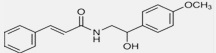 |
Antidiabetic anti-inflammatory, lipid-lowering 20 |
| Skimmianine | 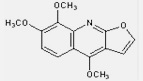 |
Antimicrobial, antioxidant 20, 21 | ||
| Dictamine | 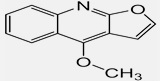 |
Antimicrobial, anti-inflammatory 21 | ||
| 2. | Coumarin | Marmelosin | 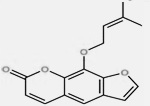 |
Anti-ulcer, antioxidant 22 |
| Psoralen | 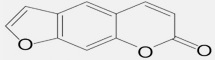 |
Antimicrobial, phototoxic activity 23 | ||
| 3. | Phenolic | Gallic acid | 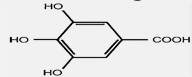 |
Antioxidant,
Anti-inflammatory 24 |
| Ferulic acid | 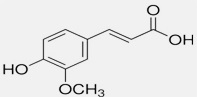 |
Anti-inflammatory, anticancer 25 | ||
| Chlorogenic acid | 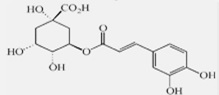 |
Antidiabetic,
Cardioprotective 25 |
||
| 4. | Flavonoid | Rutin | 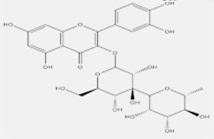 |
Antioxidant, cardioprotective 26 |
| Quercetin | 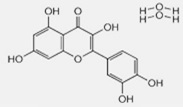 |
Anti-inflammatory, anticancer 25, 26 | ||
| 5. | Terpenoid | Limonene |  |
Anti-inflammatory, antimicrobial 25, 27 |
| β-Caryophyllene | 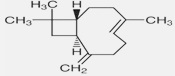 |
Anti-inflammatory, analgesic 25 | ||
| 6. | Carotenoid | β-Carotene | 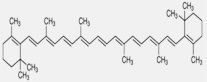 |
Antioxidant, Immune regulation 28 |
Importance of Phytochemicals: The pharmacological and therapeutic properties of the fruit of Aegle marmelos can largely be associated with phytochemical compounds, such as:
- Antioxidants (carotenoids, phenolics, and flavonoids)
- Anti-diabetic activity due to alkaloids and flavonoids.
- Anti-inflammatory due to terpenoids and coumarins.
- Effects on stomach by tannins and coumarins.
- Effects on the heart by phenolics and flavonoids.
- Effects on immunity due to polysaccharides and saponins.
- This synergy in the interactions between these substances improves their efficacy biologically
Pharmacological Profiling of Aegle marmelos Fruit in Health Regulation: By way of various biological functions, the phytochemicals present in the fruits of Aegle marmelos are vital for maintaining physiological balance. These include alkaloids, flavonoids, phenolics, coumarins, tannins, and polysaccharides, to name a few of such components that play an important role in regulating metabolic activities, reducing oxidative stress, modifying immune response, and preventing certain diseases
Antioxidant Activity: The antioxidants present in fruits such as Aegle marmelos include gallic acid, chlorogenic acid, and quercetin, which are some phenolic compounds and flavonoids. Their ability to combat free radicals protects against oxidative damage in cells and thus reduces the probability of developing chronic diseases by eliminating reactive oxygen species (ROS), preventing lipids oxidation, and inducing endogenous enzymes 29, 30.
Antidiabetic Activity: The active components found in the fruit, such as aegeline and chlorogenic acid, possess significant antidiabetic properties.
These chemicals play a crucial role in managing the condition by enhancing insulin resistance, regulating blood sugar levels, and blocking enzymes like α-amylase and α-glucosidase 29, 32.
Antimicrobial Activity: Fruit exhibits antibacterial activity in cases involving several bacteria and fungi infections. The use of fruit in the treatment of infections is due to the presence of such compounds as coumarins, alkaloids, and terpenoids, which act by damaging microorganisms’ membrane enzymes 29, 30.
Anti-inflammatory Activity: Since the fruit inhibits pro-inflammatory mediators such as cytokines, prostaglandins, and nitric oxide, it is known to have anti-inflammatory properties. Quercetin and scopoletin control inflammatory pathways such as NF-kB and others 30.
Anticancer (Potential) Activity: Phytochemicals including marmelosin, quercetin, and imperatorin have shown potential anticancer activity in experimental studies. These compounds induce apoptosis, inhibit tumour cell proliferation, and modulate cancer-related signalling pathways 30, 32.
Cardioprotective Activity: In addition to reducing oxidative stress, improving endothelial function, and ensuring a proper lipid profile, the fruit is effective in promoting cardiovascular well-being. Consequently, it helps prevent heart ailments and protects against atherosclerosis 29, 32.
Gastroprotective and Antidiarrheal Activity: With the formation of the protective mucus layer and reduction of intestinal inflammation, the fruit’s tannins and pectin exhibit gastroprotective action. This fruit is beneficial in the treatment of diarrhoea and dysentery as the compounds reduce intestinal motility and secretion 31, 34.
Neuroprotective Activity: This is because it reduces oxidative stress in neurons and modulates neurotransmission, giving it neuroprotective characteristics. Diseases such as Alzheimer's disease and other neurological disorders can be prevented through its consumption 35.
Immunomodulatory Activity: Polysaccharides and phenolics play an important role in enhancing the immune system activity due to stimulation of immune cells and regulation of inflammatory mediators 30.
Hepatoprotective Activity: The protective effect of Aegle marmelos on the liver is achieved through a reduction in oxidative stress and an increase in liver enzyme activity, which helps in protecting the liver against toxin-induced damage 29.
Antiulcer Activity: The fruit is effective in treating ulcers through reduced stomach acid, increased mucus production, and protection of the stomach lining. This is mainly attributed to tannins and flavonoids 33.
Antihyperlipidemic Activity: By increasing HDL levels and reducing LDL, triglyceride, and total cholesterol levels, the fruit enhances metabolism through control of lipid metabolism 37.
Antipyretic and Analgesic Activity: By affecting inflammatory mediators and reducing pain and fever sensations, some of the components of the fruit exhibit weak antipyretic and analgesic effects 30.
Overall Health Regulation: Overall, the phytochemical compounds present in the fruit of Aegle marmelos interact synergistically to regulate several physiological systems, including the immune system, metabolism, heart, and gut physiology. This fruit is therefore an effective dietary and medicinal supplement that ensures overall well-being and the prevention of chronic diseases due to its various pharmacological functions.Top of Form
Bottom of Form
Integrated Role in Health Regulation: The phytochemicals act collectively to generate a multipoint mechanism of action for health control and include:
- Metabolic disease control (obesity and diabetes).
- Reduction in cell damage and oxidative stress.
- Maintenance of gastrointestinal health
- Inflammation management.
- Enhancement of immunity.
- Protection from virus and heart diseases.
The application of Aegle marmelos fruits as functional foods and herbal remedies is justified by the above synergic effect of phytochemicals, thereby maximizing their overall therapeutic potency.
CONCLUSION: The fruits of the important medicinal herb Aegle marmelos contain high levels of bioactive chemicals, such as flavonoids, alkaloids, tannins, coumarins, and phenols. Many biological activities like antioxidant, antidiabetic, antibacterial, anti-inflammatory, and gastroprotective effects occur due to these natural chemicals. The presence of these bioactive properties increases the utility of the herbal medicine in traditional medicine systems and underscores their importance in maintaining good health and preventing various diseases.
The fruit of Aegle marmelos has also been considered as a potential functional food and a natural source of medicinal agents. The formulation of Aegle marmelosis available in market in various form such as tablets, capsules, syrup etc. Some formulation such as Himalaya wellness pure Herbs tablets and Ayurleaf Bael capsules are used in the digestive health. This has become an ideal candidate in the development of herbal drugs owing to its diverse phytochemical composition. In this review cover all the information related to the fruit because are in other literatures contain overall information on all parts of the Aegle marmelos. Therefore, this review helps in the focus on the fruits concern information. In summary, there seems to be great potential in Aegle marmelos modern medical applications and nutraceuticals.
ACKNOWLEDGEMENT: The authors are grateful to Nagpur College of Pharmacy, Nagpur, Principal Dr. Vinod M. Thakare, Guide Dr. Lalchand D. Devhare and faculty for their constant support and valuable guidance throughout this work.
CONFLICT OF INTEREST: Nil
REFERENCES:
- Sivakumar M: Aegle marmelos (Bael): Nutritional, functional and nutraceutical significance. Food and Humanity 2026. https://doi.org/10.1016/j.foohum.2025.100957
- Monika S: Bioactive compounds of Aegle marmelos L.: Medicinal values and food applications. Phytotherapy Research 2020. https://pubmed.ncbi.nlm.nih.gov/33159390/
- Sharma A: Phytochemicals and oxidative stress in chronic diseases. Journal of Ethnopharmacology 2020. https://doi.org/10.1016/j.jep.2020.113123
- Singh P: Antioxidant properties of medicinal fruits. Plants 2021; 10(12): 2573. https://www.mdpi.com/2223-7747/10/12/2573
- Kumar N: Traditional medicinal uses of Aegle marmelos fruit. Journal of Ayurveda and Integrative Medicine 2019. https://doi.org/10.1016/j.jaim.2019.04.002
- Sivakumar M: Phytochemical and pharmacological review of Aegle marmelos. Asian Journal of Biological Sciences 2024; 13(2): 250–257. https://www.ajbls.com/article/2024/13/2/250-257
- Kanaujiya R: Nutraceutical potential of Aegle marmelos fruit. International Journal of Pharmaceutical Research 2025. https://ijphr.com/index.php/ijphr/article/view/135
- Sharma P: Functional food potential of medicinal fruits. Food Chemistry Reviews 2022.
- Sharma N, Radha Kumar M, Zhang B & Kumari N: Aegle marmelos (L.) Correa: An underutilized fruit with high nutraceutical values: A review. International Journal of Molecular Sciences 2022; 23(18): 10889. https://www.mdpi.com/1422-0067/23/18/10889
- Singh P, Sharma A and Tandon V: Genetic diversity and population structure of bael genotypes. Scientific Reports 2024; 14: 18032. https://www.nature.com/articles/s41598-024-69030-1
- Paul SK: Development and characterization of bael leaf extract coating. Sustainable Food Technology 2024; 2: 1709–1723. https://pubs.rsc.org/en/content/articlelanding/2024/fb/d4fb00160e
- Singh AK and Yadav LP: Genetic diversity assessment of bael varieties under semi-arid conditions. BMC Plant Biology 2025; 25: 1143. https://link.springer.com/article/10.1186/s12870-025-06985-x
- Awasthi HK, Kishore K & Gupta H: Aegle marmelos: A potential medicinal tree – A review. International Journal of Creative Research Thoughts 2024. https://ijcrt.org/papers/IJCRT2407783.pdf
- Sivakumar M: Aegle marmelos: Nutritional and functional significance. Food and Humanity 2025. https://doi.org/10.1016/j.foohum.2025.100957
- Bisht V, Neeraj & Johar V: Nutritional and therapeutic potential of bael (Aegle marmelos) fruit: A review. International Journal of Current Microbiology and Applied Sciences 2017; 6(3): 1870–1887. https://doi.org/10.20546/ijcmas.2017.603.213
- Sharma R & Singh B: Nutritional composition and functional properties of bael (Aegle marmelos) fruit pulp. Journal of Pharmacognosy and Phytochemistry 2018; 7(2): 295-299. https://www.phytojournal.com/archives/2018/vol7issue2/PartE/7-2-34-567.pdf
- Sarkar T, Salauddin M, Hazra SK & Chakraborty R: Nutritional profile, bioactive compounds, and health benefits of bael (Aegle marmelos). Heliyon 2020; 6(11): e05407. https://doi.org/10.1016/j.heliyon.2020.e05407
- Singh P, Sharma A, Gupta SK, Salgotra RK, Sharma M, Gupta V & Jasrotia A: Genotypic diversity and nutritional profiling of bael (Aegle marmelos (L.) Corrêa) genotypes in India. Scientific Reports 2025; 15: 31231. https://doi.org/10.1038/s41598-025-12986-5
- Yadav P & Singh R: Nutritional evaluation and antioxidant activity of bael (Aegle marmelos) fruit pulp. International Journal of Chemical Studies 2019; 7(3): 2345–2349. https://www.chemijournal.com/archives/2019/vol7issue3/PartF/7-3-45-678.pdf
- Rajan S, Satish S, Shankar K, Pandeti S, Varshney S, Srivastava A, Kumar D, Gupta A, Gupta S, Choudhary R, Balaramnavar VM, Narender T & Gaikwad AN: Metabolism. Clinical and Experimental 2018; 85: 1–13.https://doi.org/10.1016/j.metabol.2018.03.001
- Kushwah M, Bhadauria S, Singh KP & Gaur MS: Antibacterial and antioxidant activity of biosynthesized silver nanoparticles produced by Aegle marmelos fruit peel extract. Analytical Chemistry Letters 2019; 9(3): 329–344.https://doi.org/10.1080/22297928.2019.1626279
- Pynam H & Dharmesh SM: Antioxidant and anti-inflammatory properties of marmelosin from Aegle marmelos (L.) Correa: Inhibition of TNF-α-mediated inflammatory and tumormarkers. Biomedicine & Pharmacotherapy 2018; 106: 98–108. https://doi.org/10.1016/j.biopha.2018.06.053
- Polat E & Kang K: Natural photosensitizers in antimicrobial photodynamic therapy. Biomedicines 2021; 9(6): 584. https://doi.org/10.3390/biomedicines9060584
- Ramakrishna YG, Savithri K, Kist M & Devaraj SN: Aegle marmelos fruit extract attenuates Helicobacter pylori-induced oxidative stress and gastric ulcer in rats.BMC Complementary and Alternative Medicine 2015; 15: 375. https://pmc.ncbi.nlm.nih.gov/articles/PMC4615325
- Monika S, Thirumal M & Kumar PR: Phytochemical and biological review of Aegle marmelos. Future Science OA 2023; 9(3): FSO856. https://doi.org/10.2144/fsoa-2022-01252
- Sankirtha H, Thirumani L, Alex A, Neha B, Vimal S & Madar IH: Systematic evaluation of Aegle marmelos-derived compounds: Potential therapeutic agents against inflammation and oxidative stress. Cureus 2024; 16(4): e57499.https://pmc.ncbi.nlm.nih.gov/articles/PMC11066703
- Yu L, Yan J & Sun Z: D-limonene exhibits anti-inflammatory and antioxidant properties in an ulcerative colitis rat model via regulation of iNOS, COX-2, PGE2 and ERK signaling pathways. Molecular Medicine Reports 2017; 16: 2339-2346. https://doi.org/10.3892/mmr.2017.6241
- Singh A, Sharma S & Kaur R: Characterization of phytochemicals, minerals and in vitro medicinal activities of bael (Aegle marmelos L.) pulp and differently dried edible leathers. Journal of Food Science and Technology, 2020; 57: 4071–4082.https://pmc.ncbi.nlm.nih.gov/articles/PMC7610326
- Manandhar B, Paudel KR, Sharma B & Karki R: Phytochemical profile and pharmacological activity of Aegle marmelos Linn. Journal of Integrative Medicine 2018; 16(3): 153–163. https://doi.org/10.1016/j.joim.2018.04.007
- Monika S, Thirumal M & Kumar PR: Phytochemical and biological review of Aegle marmelos Linn. Future Science OA 2023; 9(3): FSO849. https://doi.org/10.2144/fsoa-2022-0068
- Singh P, Garg A & Srivastava RK: The phytochemistry and therapeutical values of Aegle marmelos L: A review. Medicinal Plants – International Journal of Phytomedicines 2024; 16(3): 401–409. https://doi.org/10.5958/0975-6892.2024.00043.0
- Ramakrishna S & Vidyashree GN: A comprehensive review on traditional uses, phytochemistry, and pharmacological activities of Aegle marmelos. Journal of Pharma Insights and Research 2024; 2(2): 136–142. https://jopir.in/index.php/journals/article/view/136
- Singh R, Singh A, Babu N & Navneet: Ethno-medicinal and pharmacological activities of Aegle marmelos (Linn.) Corr: A review. The Pharma Inno J 2019; 8(6): 176–181. URL:https://www.thepharmajournal.com/archives/?ArticleId=3548&issue=6&vol=8&year=2019
- Swarnkar R, Singh D, Choudhary A, Anand S, Rathore A & Jediya HK: Pharmacological properties of Aegle marmelos: A review. International Journal of Current Microbiology and Applied Sciences 2019; 8(5): 1600–1608. https://doi.org/10.20546/ijcmas.2019.805.185
- Bhar K, Mondal S & Suresh P: An eye-catching review of Aegle marmelos L. (Golden Apple). Pharmacognosy Journal 2019; 11(2): 207–224. https://doi.org/10.5530/pj.2019.11.34
- Savita, Singh AP & Singh AP: Aegle marmelos (L.) (Bael): A systematic review. Journal of Drug Delivery and Therapeutics 2021; 11(3): 131–136. https://doi.org/10.22270/jddt.v11i3-S.4834
- Sharma GN, Dubey SK, Sharma P & Sati N: Phytochemical composition, antilipidemic and antihypercholesterolemic perspectives of bael (Aegle marmelos) leaf extracts. Lipids in Health and Disease 2018; 17: 68. https://doi.org/10.1186/s12944-018-0713-9
How to cite this article:
Lanjewar KT, Devhare LD, Raut MR, Thote P, Bawankar I, Kaikade A, Hiradeve SM, Uplanchiwar VP and Thakare VM: Phytochemicals of Aegle marmelos fruit and their potential role in health regulation: a review. Int J Pharmacognosy 2026; 13(8): 768-77. doi link: http://dx.doi.org/10.13040/IJPSR.0975-8232.IJP.13(8).768-77.
This Journal licensed under a Creative Commons Attribution-Non-commercial-Share Alike 3.0 Unported License.
Article Information
4
768-777
2460 KB
278
English
IJP
Kunjan T. Lanjewar, Lalchand D. Devhare *, Mayuri R. Raut, Pranjal Thote, Ishika Bawankar, Ankit Kaikade, Sachin M. Hiradeve, Vaibhav P. Uplanchiwar and Vinod M. Thakare
Nagpur College of Pharmacy, Wanadongri, Hingna Road, Nagpur, Maharashtra, India.
lalchand.devhare@gmail.com
25 June 2026
14 July 2026
23 July 2026
10.13040/IJPSR.0975-8232.IJP.13(8).768-77
01 August 2026
 Download