



PHARMACOGNOSTIC EVALUATION AND STANDARDISATION OF THE STEM BARK OF TERMINALIA TOMENTOSA ROXB.
HTML Full TextPHARMACOGNOSTIC EVALUATION AND STANDARDISATION OF THE STEM BARK OF TERMINALIA TOMENTOSA ROXB.
Sunil Sajjan, Akshata Sayappa Koli *, Vijay C. Tegginamani, Shankramma Dhuttargi, Y. Srinivas and Poornima C. Hosamath
Department of Pharmacology, HSK College of Pharmacy, Bagalkote, Karnataka, India.
ABSTRACT: Background: Terminalia tomentosa Roxb. (Combretaceae), commonly known as the crocodile-bark tree, is a large deciduous tree whose stem bark occupies a prominent place in Ayurvedic, Siddha and folk medicine systems across India for the management of diarrhoea, bronchitis, fractures, haemorrhages and inflammatory conditions. Despite this long traditional use, the stem bark has not been subjected to a systematic pharmacognostic and physicochemical evaluation, leaving an important gap with respect to its authentication and quality control. Objective: The present study was undertaken to perform a comprehensive pharmacognostic and preliminary phytochemical standardisation of the stem bark of T. tomentosa, generating reference parameters for its identification and quality assessment. Methods: Authenticated stem bark collected from the Dandeli-Tinaighat forest Karnataka, was evaluated for organoleptic and morphological characteristics, transverse-section and powder microscopy and standard physicochemical parameters including moisture content, ash values, extractive values, fibre dimensions and foaming index. A 70% ethanolic extract was screened qualitatively for major phytoconstituents and quantitatively for total phenolic, flavonoid and tannin content using validated spectrophotometric assays referenced against gallic acid, quercetin and tannic acid standards, respectively. Results: The bark was dark grey to black, odourless, bitter and granular in fracture. Microscopy revealed a multilayered cork of 25-30 rectangular cell layers, prismatic calcium oxalate rosettes, simple and compound starch grains, phloem fibres and uniseriate to occasionally biseriate medullary rays. Moisture content was 6.6% w/w; total, acid-insoluble and water-soluble ash were 0.615 g, 0.35 g and 0.585 g respectively. Alcohol-soluble and water-soluble extractive values were 8.2% w/w and 3.8% w/w. Mean fibre length and width were 18.67 mm and 1.58 mm and the foaming index was below 100. Qualitative screening indicated the presence of tannins, triglycerides, flavonoids, saponins, carbohydrates and phenolic compounds, with alkaloids, proteins, steroids and glycosides absent in both extracts. Regression analysis yielded strong linearity for total phenolic (R² = 0.956), flavonoid (R² = 0.908) and tannin (R² = 0.985) content. Conclusion: The morphological, microscopical and physicochemical parameters established in this study provide a reliable reference profile for the identification, authentication and quality control of T. tomentosa stem bark and may serve as a foundation for future pharmacopoeial standardisation and pharmacological investigation.
Keywords: Terminalia tomentosa, Pharmacognosy, Standardisation, Microscopy, Phytochemical screening, Extractive value, Quality control
INTRODUCTION: Plant-derived medicines continue to occupy a central place in global healthcare, particularly in regions such as India where traditional systems including Ayurveda and Siddha have documented the therapeutic use of botanical drugs for several millennia 1, 2, 3, 4, 5, 6.
Terminalia tomentosa Roxb. (ex-DC) Wight & Arn., synonymously known as Terminalia alata Heyne ex Roth and Terminalia elliptica Willd., is a large deciduous tree of the family Combretaceae, reaching heights of 20-35 metres and trunk diameters of up to one metre 7.
It’s rough, deeply fissured, dark grey to black bark has earned it the common name ‘crocodile-bark tree’ and forms the basis of its long-standing medicinal reputation 7, 15.
Classical Ayurvedic texts, including the Charaka Samhita, describe a decoction of the bark for the management of diabetes, rheumatism, fever, and urinary disorders, while folk and Siddha traditions employ bark and leaf preparations for diarrhoea, dysentery, piles, vertigo, constipation, bronchitis, fractures, and haemorrhagic conditions 15, 16, 17. Phytochemical investigations on related Terminalia species have identified triterpenoids such as oleanolic and betulinic acid, the steroid β-sitosterol, and a range of tannins including arjunic acid, arjunolic acid, arjunetin, ellagic acid, and gallic acid, alongside reports of antifungal, antioxidant, anti-hyperglycaemic, anti-diarrhoeal, and antileucorrhoeal activity 9, 10, 11, 12, 13, 14.
Chronic inflammation underlies a wide spectrum of pathological conditions, including atherosclerosis, metabolic syndrome, arthritis, and various autoimmune disorders, for which current therapeutic options are dominated by steroidal and non-steroidal anti-inflammatory drugs and biologic agents such as adalimumab, both of which carry considerable adverse-effect burdens 7, 18. This has renewed interest in plant-derived alternatives such as T. tomentosa, whose polyphenol- and tannin-rich bark may offer a safer therapeutic avenue, provided its identity and quality can be reliably established 8.
Despite the breadth of traditional and pharmacological interest in this species, a systematic literature search indicated that the stem bark of T. tomentosa has not previously been subjected to a comprehensive pharmacognostic evaluation encompassing organoleptic, microscopic, and physicochemical standardisation. The absence of such reference data limits the scope for reliable authentication, increases the risk of adulteration, and constrains the development of pharmacopoeial quality standards.
Pharmacognostic characterisation remains an indispensable first step in herbal drug standardisation, since it allows unambiguous identification of the crude drug independent of more resource-intensive analytical techniques, and provides the foundation upon which subsequent pharmacological and toxicological studies can be reliably built 19, 20, 21, 24.
Accordingly, the present study was designed with the primary objective of conducting pharmacognostic and quality-control evaluation of T. tomentosa stem bark, and the secondary objectives of characterising its organoleptic and physical properties and performing qualitative and quantitative screening of its principal phytochemical constituents.
MATERIALS AND METHODS:
Plant Material: Fresh stem bark of T. tomentosa was collected from the Dandeli-Tinaighat forest range, Karnataka, India. The plant material was identified and authenticated by the Assistant Professor and Head, Department of Botany, Rani Channamma University, Belagavi, M K Ganachari and a voucher specimen was retained for future reference (Annexure No: 10.1).
Chemicals and Reagents: All reagents used, including Mayer’s, Dragendorff’s, Wagner’s, and Hager’s reagents, Fehling’s solutions A and B, Benedict’s reagent, Millon’s reagent, ninhydrin, Folin-Ciocalteu phenol reagent, aluminium chloride, sodium nitrite, sodium carbonate, and the reference standards gallic acid, quercetin, and tannic acid, were of analytical grade and procured from standard commercial suppliers.
Organoleptic and Morphological Evaluation: The colour, odour, taste, shape, size, and surface and fracture characteristics of the bark were assessed and recorded according to standard pharmacognostic protocols 19, 20.
Microscopic Evaluation: A transverse section of the stem bark was prepared, mounted, and examined under low- and high-power light microscopy 19, 20. For powder microscopy, dried bark was coarsely powdered, cleared by boiling with chloral hydrate solution for 5-10 minutes, and stained with a 1:1 mixture of phloroglucinol and concentrated hydrochloric acid. Diagnostic elements including cork cells, cortex, medullary rays, phloem fibres, calcium oxalate crystals, mucilage cells, and starch grains were identified and photographed at 10x magnification.
Determination of Physicochemical (Proximate) Parameters: Alcohol-soluble (Fig. 5) and water-soluble (Fig. 6) extractive values were determined by cold maceration of accurately weighed, air-dried powdered bark (5.0 g for alcohol, 4.0 g for water) with the respective solvent for 24 and 6 hours followed by 18 hours of standing, after which an aliquot of filtrate was evaporated to dryness, dried at 105°C, and weighed. Moisture content was determined by loss on drying of 2 g powdered bark at 100-105°C to constant weight. Total ash, acid-insoluble ash, and water-soluble ash (Fig. 7, 8, 9) were determined by incineration of 2 g powdered bark at 500-600°C, followed by treatment of the resulting ash with dilute hydrochloric acid or water as applicable, in accordance with standard pharmacopoeial procedures 20, 22, 24, 26. Fibre length and width were measured using a Camera lucida on a minimum of twenty-five randomly selected, phloroglucinol-HCl-stained fibres. The foaming index (Fig. 10) was determined by serial dilution of an aqueous decoction in stoppered tubes followed by standardised shaking and assessment of foam height after fifteen minutes.
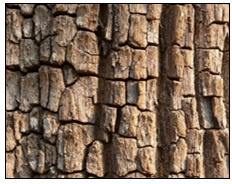
FIG. 1: BARK
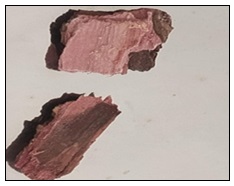
FIG. 2: INNER LAYER OF BARK
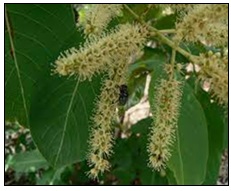
FIG. 3: FLOWERS
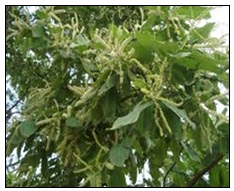
FIG. 4: LEAVES
Extraction: Five hundred grams of coarsely powdered, air-dried bark was extracted with 70% ethanol. The resulting extract was concentrated under reduced pressure using a rotary flash evaporator, dried over calcium carbonate in a desiccator, and weighed to determine percentage yield prior to phytochemical analysis.
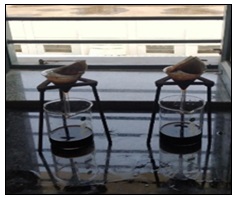
FIG. 5: ALCOHOL SOLUBLE EXTRACTION
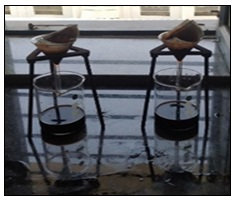
FIG. 6: WATER SOLUBLE EXTRACTION
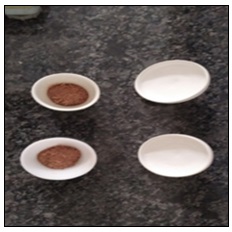
FIG. 7: TOTAL ASH
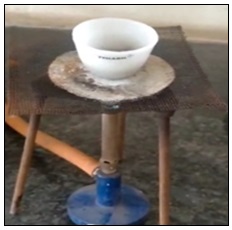
FIG. 8: ACID INSOLUBLE ASH
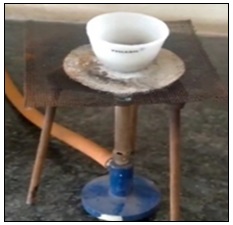
FIG. 9: WATER SOLUBLE ASH
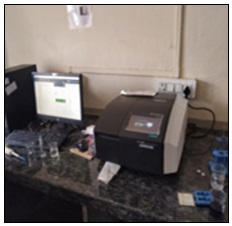
FIG. 10: FOAMING INDEX
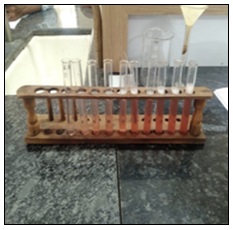
FIG. 11: PHENOLS, FLAVONOIDS & TANNINS
Qualitative Phytochemical Screening: Aqueous and alcoholic extracts were screened for carbohydrates (Molisch’s, Benedict’s, Barfoed’s, and Fehling’s tests), proteins and amino acids (Millon’s and ninhydrin tests), sterols and triterpenoids (Liebermann-Burchard and Salkowski tests), glycosides (acid- and water-hydrolysis Fehling’s comparison tests), alkaloids (Mayer’s, Dragendorff’s, Wagner’s, and Hager’s tests), phenolic compounds (ferric chloride, Shinoda, and zinc-hydrochloride reduction tests), flavonoids (Shinoda test), and tannins (ferric chloride test), following established pharmacognostic protocols.
Quantitative Estimation of Phytoconstituents: Total phenolic content was estimated by the Folin-Ciocalteu method using a gallic acid standard curve, with absorbance read at 725 nm (Fig. 15). Total flavonoid content was estimated by the aluminium chloride colorimetric method using a quercetin standard curve, with absorbance read at 510 nm (Fig. 16). Total tannin content was estimated by the Folin-Ciocalteu method using a tannic acid standard curve, with absorbance read at 700 nm (Fig. 17).
All quantitative estimations were performed in triplicate, and results were expressed as the relevant standard equivalents per unit weight of extract.
Statistical Analysis: Quantitative data are expressed as obtained from triplicate determinations. Linear regression analysis was used to construct standard calibration curves for total phenolic, flavonoid, and tannin content, with the coefficient of determination (R²) used to assess linearity.
RESULTS:
Organoleptic and Morphological Characteristics: The stem bark of T. tomentosa was dark grey to black in colour, odourless, and bitter in taste, with an irregular shape, a rough outer surface and a comparatively smooth inner layer, and a granular fracture. Morphological parameters are summarised in Table 1.
TABLE 1: MORPHOLOGICAL CHARACTERISTICS OF T. TOMENTOSA STEM BARK
| S. no. | Feature | Observation |
| 1 | Colour | Dark grey to black |
| 2 | Odour | Odourless |
| 3 | Taste | Bitter |
| 4 | Size | 20-35 m height; 1 m diameter |
| 5 | Shape | Irregular |
| 6 | Inner layer | Slightly smooth |
| 7 | Outer layer | Rough |
| 8 | Fracture | Granular |
Microscopic Characteristics: Transverse-section microscopy of the bark revealed a multilayered cork zone composed of approximately 25-30 layers of rectangular cork cells, an underlying cortex region, prismatic rosette crystals of calcium oxalate distributed through the cortex, simple and compound starch grains, phloem fibres, and medullary rays that were predominantly uniseriate with occasional biseriate arrangement.
Powder microscopy confirmed the presence of thin, elongated, flexible fibres, thick gummy mucilage cells, prismatic calcium oxalate crystals, and rectangular cork cells, consistent with the transverse-section findings. The coarse powder was light brown in colour, odourless, and exhibited the characteristic taste of the crude drug. These findings are summarised in Table 2.
TABLE 2: POWDER MICROSCOPIC CHARACTERISTICS OF T. TOMENTOSA STEM BARK
| S. no. | Feature | Observation |
| 1 | Nature | Coarse powder |
| 2 | Colour | Light brown |
| 3 | Odour | Odourless |
| Microscopic | ||
| 4 | Fibres | Thin, long, flexible thread-like structures |
| 5 | Mucilage cells | Thick, gluey substance |
| 6 | Calcium oxalate / starch | Rosette crystals with simple and compound starch grains scattered through the cortex |
| 7 | Cork | Multilayered, 25-30 layers of rectangular cork cells |
| 8 | Medullary rays | Predominantly uniseriate, occasionally biseriate |
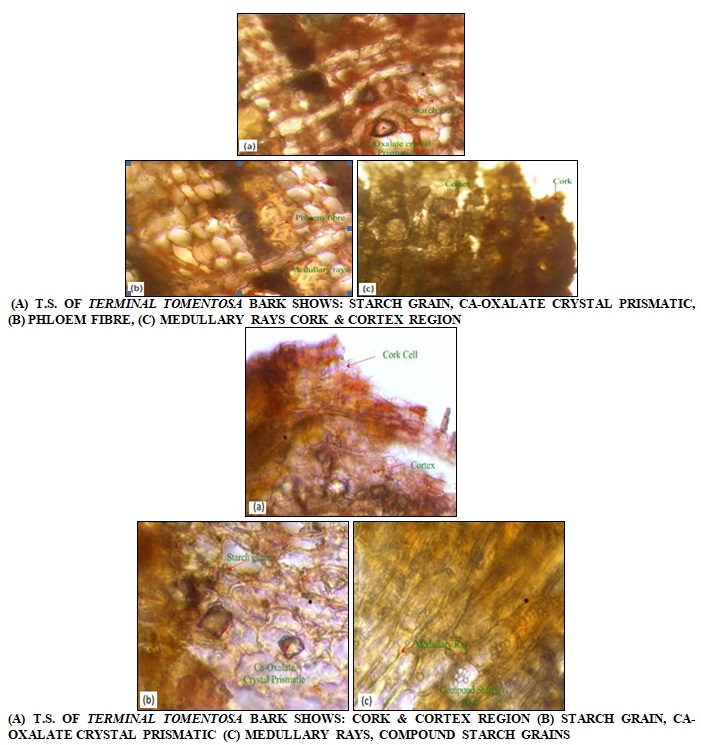
FIG. 12: TRANSVERSE SECTION OF THE BARK OF T. TOMENTOSA
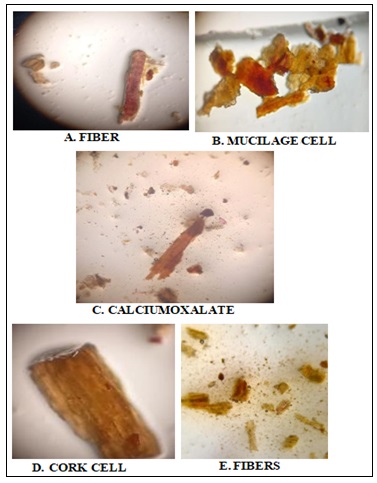
FIG. 13: POWDER CHARACTERISTICS OF BARK OF PLANT OF TERMINALIA TOMANTOSA ROXB
Physicochemical (Proximate) Parameters: The alcohol-soluble and water-soluble extractive values of the powdered bark were 8.2% w/w and 3.8% w/w, respectively, indicating a moderate proportion of polar constituents such as phenolics and flavonoids extractable by both solvent systems. Moisture content, determined by loss on drying, was 6.6% w/w, falling within the generally accepted limit for crude plant drugs and suggesting low susceptibility to microbial or fungal degradation on storage. Total ash, acid-insoluble ash, and water-soluble ash were found to be 0.615 g, 0.35 g, and 0.585 g respectively, parameters that are of particular value in assessing the purity of the drug and the presence of inorganic or siliceous contaminants. Fibre dimension analysis showed a mean fibre length of 18.67 mm (range 9.29-46.11 mm) and a mean fibre width of 1.58 mm (range 1.11-2.97 mm). The foaming index of the aqueous decoction was determined to be less than 100, indicating a low saponin-related foaming capacity. These results are summarised in Table 3-6.
TABLE 3: EXTRACTIVE VALUES (COLD MACERATION)
| S. no. | Parameter | Value (% w/w) |
| 1 | Alcohol-soluble extractive value | 8.2 |
| 2 | Water-soluble extractive value | 3.8 |
TABLE 4: ASH VALUES AND MOISTURE CONTENT
| S. no. | Parameter | Determined value |
| 1 | Total ash | 0.615 g |
| 2 | Acid-insoluble ash | 0.35 g |
| 3 | Water-soluble ash | 0.585 g |
| 4 | Moisture content by loss on drying | 6.6% w/w |
TABLE 5: FIBRE LENGTH AND WIDTH DETERMINATION
| S. no. | Parameter | Value |
| 1 | Minimum fibre length | 9.29 mm |
| 2 | Maximum fibre length | 46.11 mm |
| 3 | Average fibre length | 18.67 mm |
| 4 | Minimum fibre width | 1.11 mm |
| 5 | Maximum fibre width | 2.97 mm |
| 6 | Average fibre width | 1.58 mm |
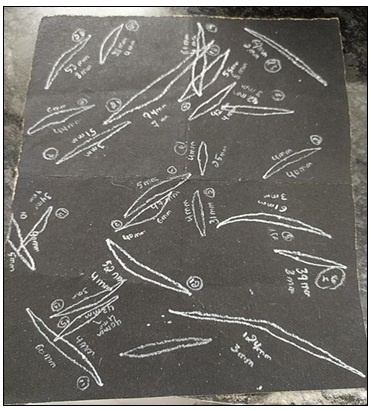
FIG. 14: DETERMINATION OF FIBER LENGTH
Extractive Yield and Physical Characteristics:
TABLE 6: PERCENTAGE YIELD AND PHYSICAL CHARACTERISTICS OF EXTRACTS
| Extract | % Dry weight (g) | Colour | Odour | Consistency |
| Aqueous (40-60°C) | 3.8 | Brownish red | Characteristic | Powder |
| Alcoholic | 8.2 | Brownish red | Characteristic | Powder |
Qualitative Phytochemical Screening: Preliminary qualitative screening of both the aqueous and alcoholic extracts demonstrated the presence of tannins, triglycerides, flavonoids, saponins, carbohydrates, and phenolic compounds. Alkaloids, proteins, steroids, and glycosides were not detected in either extract, suggesting that the principal bioactive load of the bark resides in its polyphenolic and tanniniferous fraction. The complete qualitative screening profile is presented in Table 7.
TABLE 7: QUALITATIVE PHYTOCHEMICAL SCREENING OF T. TOMENTOSA BARK EXTRACTS
| S. no. | Constituent | Aqueous extract | Alcoholic extract |
| 1 | Alkaloids | Absent | Absent |
| 2 | Proteins | Absent | Absent |
| 3 | Tannins | Present | Present |
| 4 | Steroids | Absent | Absent |
| 5 | Triglycerides | Present | Present |
| 6 | Glycosides | Absent | Absent |
| 7 | Flavonoids | Present | Present |
| 8 | Saponins | Present | Present |
| 9 | Carbohydrates | Present | Present |
| 10 | Phenols | Present | Present |
Quantitative Estimation of Phytoconstituents: Linear regression analysis of the standard calibration curves confirmed good linearity across the concentration ranges tested for all three assays: total phenolic content (y = 0.0045x + 0.1885, R² = 0.956), total flavonoid content (y = 0.0064x + 0.7772, R² = 0.908), and total tannin content (y = 0.0067x + 0.6753, R² = 0.985). The absorbance values recorded for the test extract across the assayed concentration range increased proportionally with concentration in each assay, consistent with a dose-dependent presence of phenolics, flavonoids, and tannins in the ethanolic bark extract. Detailed absorbance data are presented in Table 8-10.
TABLE 8: TOTAL PHENOLIC CONTENT DETERMINATION (GALLIC ACID EQUIVALENT; R² = 0.956)
| Sample | Absorbance at 725 nm |
| Standard 25 µg/ml | 0.543 |
| Standard 50 µg/ml | 1.543 |
| Standard 100 µg/ml | 2.130 |
| Test 25 µg/ml | 0.274 |
| Test 50 µg/ml | 0.490 |
| Test 100 µg/ml | 0.629 |
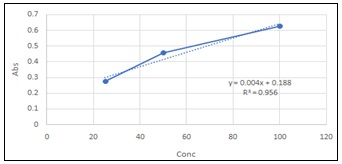
FIG. 15: TOTAL PHENOL
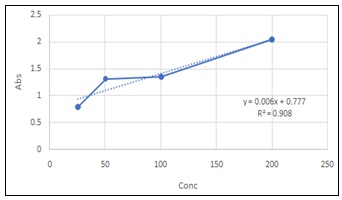
FIG. 16: TOTAL FLAVONOIDS
TABLE 9: TOTAL FLAVONOID CONTENT DETERMINATION (QUERCETIN EQUIVALENT; R² = 0.908)
| Sample | Absorbance at 510 nm |
| Blank | 0.001 |
| Test 25 µg/ml | 0.013 |
| Test 50 µg/ml | 0.036 |
| Test 100 µg/ml | 0.074 |
| Test 200 µg/ml | 0.129 |
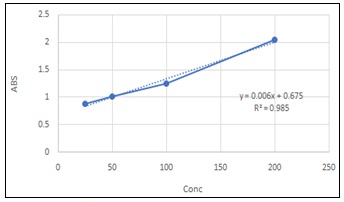
FIG. 17: TOTAL TANNIN
TABLE 10: TOTAL TANNIN CONTENT DETERMINATION (TANNIC ACID EQUIVALENT; R² = 0.985)
| Sample | Absorbance at 700 nm |
| Standard 25 µg/ml | 0.814 |
| Standard 50 µg/ml | 1.486 |
| Standard 100 µg/ml | 2.158 |
| Standard 200 µg/ml | 2.255 |
| Test 25 µg/ml | 0.287 |
| Test 50 µg/ml | 0.412 |
| Test 100 µg/ml | 0.848 |
| Test 200 µg/ml | 1.545 |
DISCUSSION: This study generated, for the first time, a consolidated set of organoleptic, microscopic, and physicochemical reference parameters for the stem bark of T. tomentosa, addressing a notable gap in the pharmacognostic literature on this ethnomedicinally important species. The macroscopic features observed, namely the dark grey to black, deeply fissured, granular-fracture bark, are consistent with field descriptions of the species and support its common designation as the crocodile-bark tree, while providing a practical basis for preliminary field-level authentication. Microscopic evaluation provided more discriminating diagnostic value. The presence of a thick, multilayered cork zone, prismatic calcium oxalate rosettes, simple and compound starch grains, and predominantly uniseriate medullary rays constitutes a characteristic anatomical fingerprint that can be used to distinguish genuine T. tomentosa bark from morphologically similar adulterants or substitutes, a recurring concern in the herbal trade given the morphological overlap among several Terminalia species 19, 20, 25.
Among the physicochemical parameters, total ash and its acid-insoluble and water-soluble fractions are of particular relevance to drug purity, since elevated values may indicate contamination with sand, soil, or other inorganic material 22, 24. The moderate ash and extractive values obtained in this study fall within ranges generally regarded as acceptable for bark-derived crude drugs, although direct comparison with pharmacopoeial limits is constrained by the absence of an existing official monograph for this species. The comparatively higher alcohol-soluble extractive value relative to the water-soluble value is consistent with the qualitative screening results, which indicated a predominance of moderately polar constituents, including tannins, flavonoids, and other phenolics, that partition preferentially into hydroalcoholic solvent systems. The low foaming index obtained suggests a comparatively limited saponin-driven surface activity in the aqueous decoction, despite the qualitative detection of saponins, indicating that saponin content, while present, is not the dominant constituent class.
The qualitative phytochemical profile, characterised by the consistent presence of tannins, flavonoids, phenolics, triglycerides, saponins, and carbohydrates alongside the absence of alkaloids, proteins, steroids, and glycosides in both extracts, aligns broadly with prior phytochemical reports on related Terminalia species, which have similarly emphasised a polyphenol- and triterpenoid-dominated constituent profile 9, 10, 12, 13, 14. The strong linearity obtained for the phenolic, flavonoid, and tannin calibration curves (R² values of 0.956, 0.908, and 0.985 respectively) lends confidence to the quantitative estimations and indicates that the spectrophotometric assays employed are well suited to future batch-to-batch quality comparisons of this crude drug. Given the established association between polyphenolic and tannin content and antioxidant, anti-inflammatory, and antimicrobial activity in related species, 4, 13, 18 the relatively rich tannin and phenolic content identified here provides a plausible phytochemical basis for several of the traditional indications historically ascribed to T. tomentosa bark, including its use in diarrhoea, wound healing, and inflammatory conditions, although this inference requires confirmation through dedicated pharmacological evaluation. This study is not without limitations. The investigation was restricted to a single geographical collection site and a single extraction solvent system for quantitative analysis, and did not extend to chromatographic fingerprinting (such as HPTLC or HPLC) or to isolation and structural elucidation of individual marker compounds. Seasonal and geographical variation in phytoconstituent content, a well-recognised phenomenon in medicinal plants, was also outside the scope of the present work. Future studies incorporating multi-site sampling, chromatographic marker profiling, and correlated pharmacological evaluation would substantially strengthen the standardisation framework proposed here and support its eventual incorporation into formal pharmacopoeial monographs.
CONCLUSION: The present investigation establishes a comprehensive pharmacognostic and physicochemical reference profile for the stem bark of Terminalia tomentosa, encompassing organoleptic, microscopic, and quantitative physicochemical parameters together with a qualitative and quantitative phytochemical profile. These findings provide a scientifically grounded basis for the identification, authentication, and quality control of this ethnomedicinally significant crude drug and may inform the development of future pharmacopoeial standards. Pharmacognostic standardisation of this nature, although more traditional than instrumental analytical techniques, remains a dependable and accessible first step in herbal drug authentication and provides a necessary foundation for the pharmacological and toxicological evaluation of T. tomentosa in subsequent research.
ACKNOWLEDGEMENT: "The author gratefully acknowledges the Department of Botany, Rani Channamma University, Belagavi, for authentication of the plant material, and the Department of Pharmacognosy, HSK College of Pharmacy, Bagalkote, for providing the laboratory facilities necessary to carry out this work.
CONFLICTS OF INTEREST: The authors declare that they have no conflict of interest."
REFERENCES:
- Kiew R and Baas P: Nyctanthes is a member of the Oleaceae. Proc Indian Acad Sci (Plant Sci) 1984; 93: 349-358.
- Cooke T: The Flora of the Presidency of Bombay. Calcutta: Botanical Survey of India 1967; 510.
- Singh AP: Controversial Herbal Drugs of Ayurveda. Jodhpur: Scientific Publishers 2013; 42-43.
- Meriga B, Naidu PB, Muniswamy G, Kumar GH, Naik RR and Pothani S: Ethanolic fraction of Terminalia tomentosa attenuates biochemical and physiological derangements in a diet-induced obese rat model by regulating key lipid-metabolising enzymes and adipokines. Phcog Mag 2017; 13: 385-392.
- Alladi S, Prakash SD and Nalini M: Antihyperglycemic activity of the leaves of Terminalia tomentosa against normal and alloxan-induced diabetic rats. Res J Pharm Technol 2012; 5: 1577.
- Mahato RB and Chaudhary RP: Ethnomedicinal study and antibacterial activities of selected plants of Palpa district Nepal Sci World 2005; 3: 26-31.
- Kumar V, Abbas AK, Fausto N and Mitchell R: Robbins Basic Pathology. Philadelphia: Elsevier Health Scien 2007.
- Vogl S, Picker P and Mihaly-Bison J: Ethnopharmacological in-vitro studies on Austria’s folk medicine – an unexplored lore in-vitro anti-inflammatory activities of 71 Austrian traditional herbal drugs. J Ethnopharmacol 2013; 149(3): 750-771.
- Mallavarapu GR, Muralikrishna E, Rao SB and Rao GSRS: Triterpenoids of the heartwood of Terminalia alata Heyne ex Roth. Indian J Chem Sect B 1980; 19: 713-714.
- Anjaneyulu ASR, Reddy AVR, Mallavarapu GR and Chandrasekara RS: 3-acetyl maslinic acid from the root bark of T. alata. Phytochemistry 1986; 25: 2670-2671.
- Srivastava SK, Srivastava SD and Chouksey BK: New antifungal constituents from Terminalia alata. Fitoterapia 2001; 72: 106-112.
- Shinde SL, Wadje SS, More SM and Junne SB: The antifungal activity of five Terminalia species checked by paper disc method. Int J Pharm Res Dev 2011; 3: 36-40.
- Jain VC, Patel NM, Shah DP, Patel PK and Joshi BH: Antioxidant and antimicrobial activities of Terminalia crenulata Roth bark. Pharmacology 2010; 2: 204-217.
- Row LR and Rao GSRS: Chemistry of Terminalia species – VI: the constitution of tomentosic acid, a new triterpene carboxylic acid from Terminalia tomentosa Wight et Arn. Tetrahedron 1962; 18: 827-838.
- Khare CP: Indian Medicinal Plants: An Illustrated Dictionary. New Delhi: Springer India 2007; 655-656.
- Kirtikar KR and Basu BD: Indian Medicinal Plants. Delhi: Periodical Experts Book Agency 1991; 1028.
- Varier VPS: Indian medicinal plants: a compendium of 500 species. Hyderabad: Orient Longman 1993; 275.
- Eloff JN, Katerere DR and McGaw LJ: The biological activity and chemistry of the southern African Combretaceae. J Ethnopharmacol 2008; 119: 686-699.
- Evans WC: Trease and Evans’ Pharmacognosy. 15th ed. London: WB Saunders 2002.
- Kokate CK, Purohit AP and Gokhale SB: Practical Pharmacognosy. 2nd ed. Pune: Nirali Prakashan 1994.
- Khandelwal KR: Practical Pharmacognosy. 1st ed. Pune: Nirali Publications 1995.
- Indian Pharmacopoeia: Vol. II, Appendix 3.23. New Delhi: Ministry of Health and Family Welfare 1996; 2: 47.
- Mukherjee PK: Quality Control of Herbal Drugs. 1st ed. New Delhi: Business Horizons 2002.
- World Health Organization: Quality Control Methods for Medicinal Plant Materials. Geneva: WHO 1998.
- Wallis TE. Textbook of Pharmacognosy. 5th ed. New Delhi: CBS Publishers & Distributors 1985.
- Iyengar MA: Pharmacognosy Laboratory Manual. Pune: Nirali Prakashan 1998.
How to cite this article:
Sajjan S, Koli A, Tegginamani VC, Dhuttargi S, Srinivas Y and Hosamath PC: Pharmacognostic evaluation and standardisation of the stem bark of Terminalia tomentosa Roxb. Int J Pharmacognosy 2026; 13(8): 862-71. doi link: http://dx.doi.org/10.13040/IJPSR.0975-8232.IJP.13(8).862-71.
This Journal licensed under a Creative Commons Attribution-Non-commercial-Share Alike 3.0 Unported License.
Article Information
12
862-871
2476 KB
121
English
IJP
Sunil Sajjan, Akshata Sayappa Koli *, Vijay C. Tegginamani, Shankramma Dhuttargi, Y. Srinivas and Poornima C. Hosamath
Department of Pharmacology, HSK College of Pharmacy, Bagalkote, Karnataka, India.
ak4511052@gmail.com
01 July 2026
14 July 2026
23 July 2026
10.13040/IJPSR.0975-8232.IJP.13(8).862-71
01 August 2026
 Download