


OPTIMIZATION OF SODIUM BICARBONATE-BASED EFFERVESCENT TABLETS USING NATURAL POLYMERS USING RESPONSE SURFACE METHODOLOGY
HTML Full TextOPTIMIZATION OF SODIUM BICARBONATE-BASED EFFERVESCENT TABLETS USING NATURAL POLYMERS USING RESPONSE SURFACE METHODOLOGY
S. T. V. Raghavamma *, G. Naga Sai Sandeepthi, K. Hemavarshini, M. Pavani and P. Suma Sri
Department of Pharmaceutics, Chalapathi Institute of Pharmaceutical Sciences, Lam, Guntur, Andhra Pradesh, India.
ABSTRACT: The present study aimed to optimize sodium bicarbonate-based effervescent tablets using natural binders through a systematic Design of Experiments (DoE) approach. A Box–Behnken design was employed to evaluate the influence of sodium alginate, sodium bicarbonate, and microcrystalline cellulose (MCC) on formulation parameters. Seven initial formulations (F1–F7) were prepared using different natural binders including fenugreek mucilage, fenugreek powder, acacia, tragacanth, sodium alginate, and guar gum. Based on pre-compression evaluation, sodium alginate (F6) demonstrated superior flowability and compressibility. Further DoE-based optimization using 17 formulations revealed that sodium bicarbonate concentration significantly reduced effervescence time, while sodium alginate enhanced tablet hardness and MCC improved flow characteristics. The optimized formulation (0.10 g sodium alginate, 0.20 g sodium bicarbonate, 1.75 g MCC) exhibited rapid effervescence (10–25 s), acceptable pH (2.88–3.92), adequate hardness (5.35 kg/cm²), and excellent flow properties (Carr's index 22.5%). ANOVA confirmed model significance (R² > 0.93), supporting the efficacy of natural binders as eco-friendly, safe alternatives to synthetic excipients in effervescent tablet formulations.
Keywords: Effervescent tablets, Sodium bicarbonate, Natural binders, Box–Behnken design, Response surface methodology, Sodium alginate, Optimization
INTRODUCTION: Sodium bicarbonate (NaHCO₃) is a widely used pharmaceutical agent with diverse therapeutic applications, particularly in the management of metabolic acidosis, lactic acidosis, and conditions requiring acid–base correction. It is also a well-established antacid, providing rapid relief from gastric hyperacidity, heartburn, and indigestion by neutralizing excess hydrochloric acid (HCl) in the stomach, producing carbon dioxide, water, and sodium chloride.
Among various solid dosage forms, effervescent tablets have attracted considerable pharmaceutical interest due to their rapid disintegration, quick dissolution in water, and faster onset of action compared to conventional tablets. These tablets contain an acid source (citric acid, tartaric acid) and a carbonate or bicarbonate salt that react upon dissolution to release CO₂, facilitating rapid drug delivery.
Binders are indispensable excipients in tablet formulation, providing cohesiveness to powder blends and ensuring adequate mechanical strength during compression, handling, and packaging. In recent years, natural binders derived from plant sources have gained significant preference over synthetic alternatives due to their safety, biocompatibility, biodegradability, and environmental sustainability. Natural polymers such as acacia, guar gum, tragacanth, fenugreek mucilage, and sodium alginate offer excellent binding characteristics while minimizing adverse effects. The application of Design of Experiments (DoE), specifically Box–Behnken Response Surface Methodology (RSM), enables systematic and statistically validated optimization of pharmaceutical formulations, reducing the number of experimental runs while capturing interaction effects between variables.
The present study aimed to formulate, evaluate, and optimize antacid effervescent tablets using sodium bicarbonate as the active effervescent agent and natural polymers as binders, employing a Box–Behnken design to identify the optimal formulation with desired physicochemical properties.
Aim and Objectives: To optimize a sodium bicarbonate-based effervescent tablet using natural polymers through Response Surface Methodology.
Specific Objectives:
- To compare the performance of formulations containing different natural binders and identify the most suitable binder for effervescent tablet preparation.
- To optimize the formulation for desired effervescence characteristics and tablet properties.
- To study the effect of formulation variables using response surface methodology and ANOVA.
- To evaluate pre-compression and post-compression parameters of all formulations.
MATERIALS AND METHODS:
Materials: Sodium bicarbonate (effervescent agent and antacid), sodium alginate, fenugreek mucilage, fenugreek powder, acacia, tragacanth, guar gum (natural binders), microcrystalline cellulose – MCC (diluent/filler), magnesium stearate (lubricant), and talc (glidant) were used. All materials were of pharmaceutical grade.
Preliminary Screening: Formulations F1–F7: Seven formulations (F1–F7) were prepared to screen different natural binders, keeping sodium bicarbonate (0.85 g), magnesium stearate (0.05 g), and talc (0.1 g) constant across all formulations. The varied binders were: F1 – MCC only (no gum); F2 – fenugreek mucilage; F3 – fenugreek powder; F4 – acacia; F5 – tragacanth; F6 – sodium alginate; F7 – guar gum (each at 0.1 g). Details are shown in Table 1.
TABLE 1: FORMULA FOR PREPARATION OF EFFERVESCENT TABLETS (PRELIMINARY SCREENING, F1–F7)
| Ingredient | F1 | F2 | F3 | F4 | F5 | F6 | F7 |
| Fenugreek Mucilage | - | 0.1 g | - | - | - | - | - |
| Fenugreek Powder | - | - | 0.1 g | - | - | - | - |
| Acacia | - | - | - | 0.1 g | - | - | - |
| Tragacanth | - | - | - | - | 0.1 g | - | - |
| Sodium Alginate | - | - | - | - | - | 0.1 g | - |
| Guar Gum | - | - | - | - | - | - | 0.1 g |
| Sodium Bicarbonate | 0.85 g | 0.85 g | 0.85 g | 0.85 g | 0.85 g | 0.85 g | 0.85 g |
| MCC | 3.5 g | - | - | - | - | - | - |
| Magnesium Stearate | 0.05 g | 0.05 g | 0.05 g | 0.05 g | 0.05 g | 0.05 g | 0.05 g |
| Talc | 0.1 g | 0.1 g | 0.1 g | 0.1 g | 0.1 g | 0.1 g | 0.1 g |
Box–Behnken Design of Experiments (DoE): Based on screening results, F6 (sodium alginate) was selected for optimization. Three independent variables were studied: sodium alginate (X₁: 0.05–0.15 g), sodium bicarbonate (X₂: 0.05–0.20 g), and MCC (X₃: 0–3.5 g). Response variables included effervescence time (Y₁), pH (Y₂), hardness (Y₃), Carr's index (Y₄), and dissolution (%). Seventeen experimental runs, including five center points, were designed as shown in Table 3 (Results section).
TABLE 2: INDEPENDENT VARIABLES AND LEVELS FOR BOX–BEHNKEN DESIGN
| Factor | Variable | Low (−1) | Medium (0) | High (+1) |
| X₁ | Sodium Alginate (g) | 0.05 | 0.10 | 0.15 |
| X₂ | Sodium Bicarbonate (g) | 0.05 | 0.10 | 0.20 |
| X₃ | Microcrystalline Cellulose (g) | 0 | 1.75 | 3.5 |
Tablet Preparation: All tablets were prepared by direct compression. Ingredients were accurately weighed and passed through sieve no. 60 to ensure uniform particle size. Magnesium stearate was added at the final stage and mixed gently to prevent over-lubrication. The lubricated blends were compressed using a tablet compression machine to achieve adequate hardness.
Pre-Compression Evaluation: Angle of repose (funnel method), bulk density, tapped density, Carr's index (compressibility index), and Hausner's ratio were determined for all powder blends to assess flowability and compressibility.
Post-Compression Evaluation: Tablets were evaluated for general appearance, thickness, hardness (Monsanto hardness tester), friability (Roche friabilator), weight variation, effervescence time in 0.1 N HCl, and pH at 15, 30, and 45 minutes.
In-vitro Dissolution Study: Dissolution was performed using USP Apparatus II (paddle method) in 900 mL of 0.1 N HCl at 37 ± 0.5°C. Samples (5 mL) were withdrawn at 1, 2, 5, 10, and 15 minutes and replaced with fresh medium. Samples were titrated against 0.1 N NaOH using phenolphthalein indicator. Percentage drug release was calculated as:
% Drug Release = (V₀ − Vₜ) / V₀ × 100
RESULTS:
Pre-Compression Evaluation of Preliminary Formulations (F1–F7): Pre-compression parameters are summarized in Table 3. Angle of repose ranged from 27.0° (F6) to 41.2° (F7). F6 (sodium alginate) showed the lowest Carr's index (14.6%) and Hausner's ratio (1.17), indicating excellent flowability and compressibility. F7 (guar gum) exhibited the poorest flow characteristics.
TABLE 3: PRE-COMPRESSION EVALUATION PARAMETERS OF FORMULATIONS F1–F7
| Formulation | Angle of Repose (°) | Bulk Density (g/cm³) | Tapped Density (g/cm³) | Carr's
Index (%) |
Hausner's
Ratio |
| F1 | 28.4 | 0.42 | 0.50 | 16.0 | 1.19 |
| F2 | 31.6 | 0.38 | 0.47 | 19.1 | 1.24 |
| F3 | 33.8 | 0.36 | 0.46 | 21.7 | 1.28 |
| F4 | 35.5 | 0.34 | 0.45 | 24.4 | 1.32 |
| F5 | 36.7 | 0.33 | 0.44 | 25.0 | 1.33 |
| F6 | 27.0 | 0.41 | 0.48 | 14.6 | 1.17 |
| F7 | 41.2 | 0.30 | 0.43 | 30.2 | 1.43 |
Effect of Sodium Bicarbonate Concentration: After selecting sodium alginate (F6) as the optimal binder, effervescence performance was compared across three sodium bicarbonate concentrations Table 4. Higher concentrations resulted in faster and more vigorous effervescence.
TABLE 4: COMPARATIVE EFFERVESCENCE STUDY AT VARYING SODIUM BICARBONATE CONCENTRATIONS
| Formulation | NaHCO₃ (g) | Effervescence Time in 0.1 N HCl | Observation |
| F1 | 0.1 g | 25–40 seconds | Moderate effervescence |
| F2 | 0.05 g | 40–60 seconds | Slower, less vigorous |
| F3 | 0.2 g | 10–25 seconds | Rapid and vigorous |
pH Evaluation:
TABLE 5: pH VALUES OF FORMULATIONS AT DIFFERENT TIME INTERVALS
| NaHCO₃ Concentration | pH at 15 min | pH at 30 min | pH at 45 min |
| 0.05 g | 1.24 | 0.90 | 3.92 |
| 0.1 g | 0.75 | 0.86 | 3.60 |
| 0.2 g | 0.85 | 0.87 | 2.88 |
DoE-Based Optimization Results (F1–F17): Seventeen formulations were evaluated under the Box–Behnken design. Key results are presented in Table 6. Runs F13–F17 are center points used for error estimation.
TABLE 6: DOE EVALUATION: OPTIMIZATION OF EFFERVESCENT TABLET FORMULATIONS (F1–F17)
| Run | X₁ (g) | X₂ (g) | X₃ (g) | Eff. Time (s) | pH | Hardness (kg) | Carr's (%) | Dissolution (%) |
| F1 | 0.05 | 0.05 | 1.75 | 52.5 | 2.55 | 4.35 | 22 | 90 |
| F2 | 0.15 | 0.05 | 1.75 | 57.5 | 2.45 | 6.35 | 23 | 88 |
| F3 | 0.05 | 0.20 | 1.75 | 22.5 | 2.85 | 4.35 | 22 | 97 |
| F4 | 0.15 | 0.20 | 1.75 | 27.5 | 2.75 | 6.35 | 23 | 95 |
| F5 | 0.05 | 0.10 | 0 | 42.5 | 2.65 | 4.00 | 25.5 | 85 |
| F6 | 0.15 | 0.10 | 0 | 47.5 | 2.55 | 6.00 | 26.5 | 83 |
| F7 | 0.05 | 0.10 | 3.5 | 42.5 | 2.65 | 4.70 | 18.5 | 93 |
| F8 | 0.15 | 0.10 | 3.5 | 47.5 | 2.55 | 6.70 | 19.5 | 91 |
| F9 | 0.10 | 0.05 | 0 | 55.0 | 2.50 | 5.00 | 26 | 82 |
| F10 | 0.10 | 0.20 | 0 | 25.0 | 2.80 | 5.00 | 26 | 90 |
| F11 | 0.10 | 0.05 | 3.5 | 55.0 | 2.50 | 5.70 | 19 | 89 |
| F12 | 0.10 | 0.20 | 3.5 | 25.0 | 2.80 | 5.70 | 19 | 96 |
| F13–17* | 0.10 | 0.10 | 1.75 | 45.0 | 2.60 | 5.35 | 22.5 | 92 |
*F13–F17 are replicated center points for error estimation.
ANOVA and Statistical Model:
TABLE 7: ANOVA TABLE FOR EFFERVESCENCE TIME (Y₁)
| Source | DF | SS | MS | F-value | p-value |
| Model | 9 | 1450.32 | 161.15 | 18.72 | 0.0002 |
| X₁ (Sodium Alginate) | 1 | 120.45 | 120.45 | 14.00 | 0.004 |
| X₂ (NaHCO₃) | 1 | 780.65 | 780.65 | 90.70 | <0.0001 |
| X₃ (MCC) | 1 | 65.32 | 65.32 | 7.58 | 0.018 |
| Residual | 7 | 60.25 | 8.61 | — | — |
| Lack of Fit | 3 | 20.10 | 6.70 | 0.65 | 0.60 |
Polynomial Equations Derived from RSM Modelling: Y₁ (Effervescence Time) = 30 + 5X₁ − 15X₂ − 2X₃ + 3X₁X₂ − 1.5X₂X₃ + 2X₁² + 3X₂² Y₂ (pH) = 2.7 − 0.3X₁ + 0.6X₂ − 0.1X₃ Y₃ (Hardness) = 5.5 + 4X₁ + 1.2X₃ + 0.5X₁X₃ Y₄ (Carr's Index) = 20 + 2X₁ − 3X₃ + 0.8X₁² Model fit: R² > 0.93; Lack of fit non-significant (p = 0.60); Validation error < 5%.
In-vitro Dissolution:
TABLE 8: PREDICTED DISSOLUTION DATA (% DRUG RELEASE)
| Time (min) | F2 (0.05 g NaHCO₃) | F1 (0.10 g NaHCO₃) | F3 (0.20 g NaHCO₃) |
| 1 | 20 | 35 | 60 |
| 2 | 35 | 55 | 80 |
| 5 | 55 | 75 | 95 |
| 10 | 75 | 90 | 100 |
| 15 | 90 | 98 | 100 |
DoE Micromeritic Evaluation (F1–F12):
TABLE 9: MICROMERITIC EVALUATION OF DOE-BASED FORMULATIONS
| Formulation | Angle of Repose (°) | Bulk Density (g/cm³) | Tapped Density (g/cm³) | Carr's Index (%) | Hausner's Ratio |
| F1 | 29.5 | 0.42 | 0.49 | 14.3 | 1.16 |
| F2 | 31.2 | 0.40 | 0.47 | 14.9 | 1.17 |
| F3 | 33.0 | 0.39 | 0.46 | 15.2 | 1.18 |
| F4 | 30.8 | 0.41 | 0.48 | 14.6 | 1.17 |
| F5 | 35.5 | 0.37 | 0.45 | 17.8 | 1.21 |
| F6 | 27.0 | 0.43 | 0.50 | 14.6 | 1.17 |
| F7 | 34.2 | 0.38 | 0.46 | 17.3 | 1.21 |
| F8 | 32.5 | 0.40 | 0.48 | 16.6 | 1.20 |
| F9 | 36.8 | 0.36 | 0.44 | 18.2 | 1.22 |
| F10 | 33.7 | 0.39 | 0.47 | 17.0 | 1.20 |
| F11 | 31.5 | 0.41 | 0.49 | 16.3 | 1.19 |
| F12 | 28.9 | 0.42 | 0.49 | 14.8 | 1.17 |
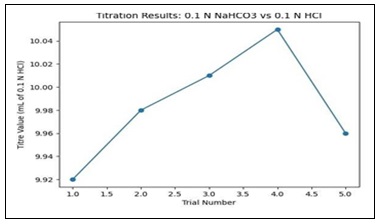
FIG. 1: STANDARDISATION OF SODIUM BICARBONATE
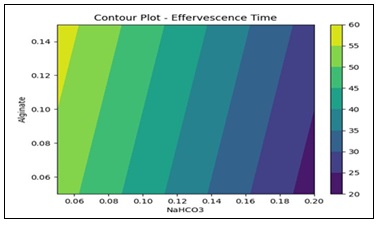
FIG. 2: EFFECT OF EFFERVESCENCE TIME OF ALGINATE VS SODIUM BICARBONATE
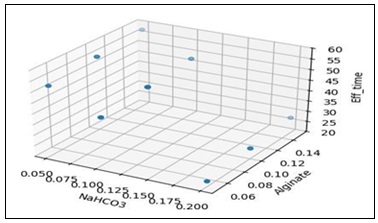
FIG. 3: 3D SURFACE PLOT – EFFERVESCENCE TIME
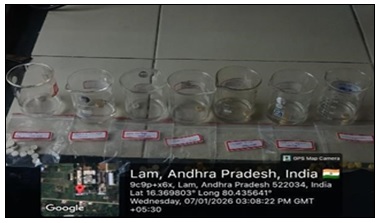
FIG. 4: ASSESSMENT OF EFFERVESCENT REACTION
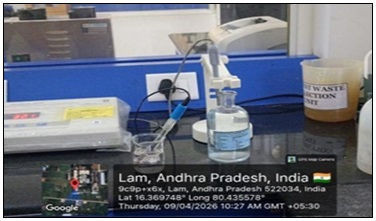
FIG. 5: PH MEASUREMENT OF EFFERVESCENT TABLETS
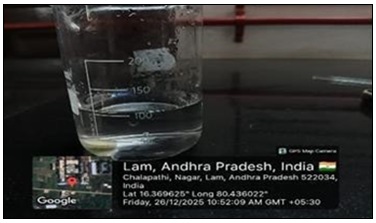
FIG. 6: EVALUATING THE EFFERVESCENCE TIME OF TABLET
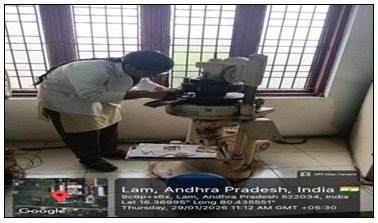
FIG. 7: COMPRESSION OF TABLETS
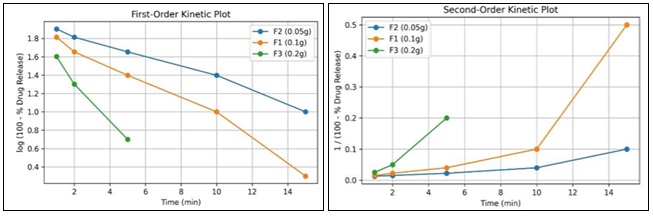
FIG. 8: FIRST ORDER KINETIC PLOT AND SECOND ORDER KINETIC PLOT
DISCUSSION: This study investigated the role of natural binders in modulating the physicochemical and functional performance of antacid effervescent tablets. Among the binders screened, sodium alginate (F6) demonstrated the most favorable pre-compression characteristics. Its relatively low and uniform particle–particle interaction, balanced swelling behavior, and good film-forming ability contributed to excellent powder flowability (angle of repose: 27.0°) and compressibility (Carr's index: 14.6%), rendering it most amenable to direct compression.
In contrast, guar gum (F7) produced the poorest results, likely due to its high swelling capacity, which increases inter-particle cohesiveness and impairs powder flow. Fenugreek-based formulations (F2, F3) showed intermediate performance, while acacia (F4) and tragacanth (F5) exhibited acceptable but comparatively reduced flowability.
Systematic variation of sodium bicarbonate concentration revealed an inverse relationship between NaHCO₃ content and effervescence time, with F3 (0.2 g) achieving the fastest CO₂ generation (10–25 s) due to higher bicarbonate ion availability in acidic medium. pH studies showed all formulations created an acidic environment initially, with gradual neutralization over 45 minutes, consistent with the expected antacid mechanism. The highest pH at 45 min was achieved with the lowest bicarbonate concentration (0.05 g: pH 3.92), suggesting a sustained but slower acid neutralization profile.
Box–Behnken RSM analysis confirmed that sodium bicarbonate was the most statistically significant variable affecting effervescence time (F = 90.70, p < 0.0001), followed by sodium alginate (F = 14.00, p = 0.004) and MCC (F = 7.58, p = 0.018). The polynomial model (R² > 0.93) demonstrated good predictive ability with non-significant lack-of-fit (p = 0.60), validating its application for formulation optimization. Dissolution data confirmed that higher NaHCO₃ concentrations accelerated drug release, with F3 achieving complete (100%) release by 10 minutes. These findings are consistent with published literature establishing sodium alginate as a versatile natural binder compatible with effervescent systems, and support DoE as an efficient methodology for pharmaceutical formulation optimization, reducing experimental burden while capturing complex variable interactions.
CONCLUSION: The study successfully formulated and optimized antacid effervescent tablets using natural binders and a Box–Behnken Design of Experiments approach. Sodium alginate emerged as the most effective natural binder, providing superior flowability and compressibility. Sodium bicarbonate concentration was identified as the primary determinant of effervescence performance, while MCC significantly improved powder flow characteristics.
The optimized formulation — comprising 0.10 g sodium alginate, 0.20 g sodium bicarbonate, and 1.75 g MCC — exhibited rapid effervescence, acceptable pH (2.88–3.92 at 45 min), adequate mechanical strength (hardness 5.35 kg/cm²), good flowability (Carr's index 22.5%), and near-complete drug release (92% at 15 min). Statistical validation confirmed model reliability (R² > 0.93).
This study establishes that natural binders, particularly sodium alginate, can effectively substitute synthetic excipients in effervescent tablet formulations, offering a safe, economical, and eco-friendly approach. The DoE-based RSM framework significantly enhanced formulation efficiency and presents a replicable strategy for future pharmaceutical development.
ACKNOWLEDGEMENTS: Nil
CONFLICTS OF INTEREST: Nil
REFERENCES:
- McEvoy GK: Editor AHFS Drug Information. Bethesda: American Society of Health-System Pharmacists 2022.
- Kraut JA and Madias NE: Treatment of acute metabolic acidosis: a pathophysiologic approach. Nat Rev Nephrol 2012; 8(10): 589–601.
- Worthley LI, Guerin M and Pain RW: For calculating bicarbonate deficit. Crit Care Med 1986; 14(7): 675–677.
- Adrogué HJ and Madias NE: Management of life-threatening acid-base disorders. N Engl J Med 1998; 338(1): 26–34.
- Brunton LL, Hilal-Dandan R and Knollmann BC: Editors. Goodman & Gilman's The Pharmacological Basis of Therapeutics. 13th ed. New York: McGraw-Hill 2018.
- Tripathi KD: Essentials of Medical Pharmacology. 8th ed. New Delhi: Jaypee Brothers Medical Publishers 2019.
- Katzung BG and Trevor AJ: Basic & Clinical Pharmacology. 15th Ed. New York: McGraw-Hill; 2021.
- Allen LV, Popovich NG and Ansel HC: Ansel's Pharmaceutical Dosage Forms and Drug Delivery Systems. 10th ed. Philadelphia: Wolters Kluwer 2014.
- Aulton ME and Taylor K: Aulton's Pharmaceutics: The Design and Manufacture of Medicines. 5th ed. Edinburgh: Elsevier 2018.
- Rowe RC, Sheskey PJ and Quinn ME: Handbook of Pharmaceutical Excipients. 7th Ed. London: Pharmaceutical Press; 2012.
- Thakur VK and Thakur MK: Recent advances in natural polymer-based drug delivery systems. J Cleaner Prod 2014; 67: 34–44.
- Banker GS and Rhodes CT: Modern Pharmaceutics. 4th ed. New York: Marcel Dekker 2002.
- Desai KG and Park HJ: Advances in effervescent drug delivery systems. Pharm Dev Tech 2017; 22(5): 545–555.
- Kokate CK, Purohit AP and Gokhale SB: Pharmacognosy. 55th Ed. Pune: Nirali Prakashan 2016.
- Trease GE and Evans WC: Trease and Evans Pharmacognosy. 16th ed. London: Saunders Elsevier 2009.
How to cite this article:
Raghavamma STV, Sandeepthi GNS, Hemavarshini K, Pavani M and Sri PS: Optimization of sodium bicarbonate-based effervescent tablets using natural polymers using response surface methodology. Int J Pharmacognosy 2026; 13(6): 579-86. doi link: http://dx.doi.org/10.13040/IJPSR.0975-8232.IJP.13(6).579-86.
This Journal licensed under a Creative Commons Attribution-Non-commercial-Share Alike 3.0 Unported License.
Article Information
8
579-586
1250 KB
183
English
IJP
S. T. V. Raghavamma *, G. Naga Sai Sandeepthi, K. Hemavarshini, M. Pavani and P. Suma Sri
Department of Pharmaceutics, Chalapathi Institute of Pharmaceutical Sciences, Lam, Guntur, Andhra Pradesh, India.
stvraghavamma@gmail.com
07 May 2026
23 May 2026
27 May 2026
10.13040/IJPSR.0975-8232.IJP.13(6).579-86
01 June 2026
 Download