



NETWORK PHARMACOLOGY AND MOLECULAR DOCKING-BASED INVESTIGATION OF THE MOLECULAR MECHANISMS OF CLITORIA TERNATEA IN MYASTHENIA GRAVIS
HTML Full TextNETWORK PHARMACOLOGY AND MOLECULAR DOCKING-BASED INVESTIGATION OF THE MOLECULAR MECHANISMS OF CLITORIA TERNATEA IN MYASTHENIA GRAVIS
A. Vishali *, K. Asok Kumar, K. Priyadarshini, S. R. Kadhir, M. Kowsalya and M. Mohanraj
Department of Pharmacology, SRIPMS College of Pharmacy, Coimbatore, Tamil Nadu, India.
ABSTRACT: Myasthenia Gravis is a chronic autoimmune neuromuscular disorder characterized by impaired neuromuscular transmission, resulting in fluctuating skeletal muscle weakness. The present study aimed to investigate the potential therapeutic effects and underlying molecular mechanisms of Clitoria ternatea against MG using an integrated network pharmacology and molecular docking approach. Phytoconstituents reported from C. ternatea were collected from published literature and phytochemical databases, and their chemical structures were retrieved from PubChem. The identified compounds were evaluated for drug-likeness and pharmacokinetic properties using SwissADME, followed by prediction of their potential protein targets and identification of MG-associated targets. The overlapping targets were subjected to protein–protein interaction analysis, Gene Ontology enrichment, and Kyoto Encyclopedia of Genes and Genomes pathway analysis to elucidate the potential biological functions and signaling pathways involved. A total of 110 potential targets were identified, with significant enrichment in biological processes and pathways associated with cholinergic neurotransmission, synaptic function, acetylcholine metabolism, and cellular metabolic processes. Among the identified targets, acetylcholinesterase emerged as a key target relevant to cholinergic signaling in MG. Molecular docking analysis revealed favorable interactions between selected C. ternatea phytoconstituents and the selected target protein, involving hydrogen bonds, hydrophobic interactions, and other stabilizing molecular interactions. Overall, the findings suggest that C. ternatea may exert potential therapeutic effects against MG through the multi-target modulation of cholinergic neurotransmission and related molecular pathways. These findings provide a computational basis for further experimental investigation of C. ternatea as a potential source of bioactive compounds for MG management.
Keywords: Network pharmacology, Clitori aternatea, Myasthenia Gravis, AChE, Gene Ontology
INTRODUCTION: Myasthenia gravis (MG) is a chronic autoimmune disorder that affects communication between nerves and skeletal muscles. It is mainly characterized by fluctuating muscle weakness and easy fatigability.
The disease commonly affects the eye, facial, swallowing, speech, respiratory, and limb muscles, leading to symptoms such as ptosis, diplopia, difficulty in swallowing, difficulty in speaking, and generalized muscle weakness.
The neuromuscular junction plays an important role in muscle contraction. Normally, acetylcholine (ACh) released from the motor nerve terminal binds to nicotinic acetylcholine receptors (AChRs) on the muscle membrane and produces muscle contraction. In MG, the immune system produces autoantibodies against proteins involved in neuromuscular transmission. The most common form involves antibodies against AChRs, which reduce receptor function and number and can cause damage to the postsynaptic membrane. Autoantibodies against other proteins, such as muscle-specific receptor tyrosine kinase (MuSK) and low-density lipoprotein receptor-related protein 4 (LRP4), may also occur. These changes reduce the efficiency of neuromuscular transmission and result in muscle weakness and fatigue. The development of MG involves several immune and molecular mechanisms. T cells, B cells, plasma cells, complement proteins, cytokines, and other inflammatory mediators contribute to the autoimmune response. Therefore, MG is considered a complex disease involving multiple molecular targets and biological pathways. Understanding these interactions is important for identifying new therapeutic approaches. Current treatment options for MG include acetylcholinesterase inhibitors, corticosteroids, immunosuppressive drugs, intravenous immunoglobulin, plasma exchange, biological therapies, and thymectomy in selected patients. Acetylcholinesterase inhibitors improve neuromuscular transmission by increasing the availability of acetylcholine at the neuromuscular junction. However, they mainly provide symptomatic relief and do not directly control the underlying autoimmune process. Long-term use of immunosuppressive drugs may also cause adverse effects. These limitations create a need for safer and more effective therapeutic approaches. Medicinal plants are important sources of bioactive compounds and may act on multiple molecular targets. Clitoria ternatea L. (Fabaceae), commonly known as butterfly pea, is a medicinal plant traditionally used for various health-related conditions. It has been reported to possess antioxidant, anti-inflammatory, neuroprotective, anxiolytic, antidepressant, and cognitive-enhancing properties. The plant contains several phytochemicals, including flavonoids, anthocyanins, flavonols, and terpenoids 1-6. However, its potential molecular effects against MG have not been sufficiently investigated. Network pharmacology is a systems-biology approach that is useful for studying complex diseases and multi-component medicinal plants. It integrates compound–target interactions, protein–protein interactions, Gene Ontology (GO) analysis, and Kyoto Encyclopedia of Genes and Genomes (KEGG) pathway analysis. This approach can help identify potential active compounds, disease-related targets, hub proteins, and important biological pathways involved in the therapeutic effects of C. ternatea.
Molecular docking is another useful computational technique for studying interactions between phytochemicals and target proteins. It predicts the possible binding orientation of a compound within a protein and provides an estimate of binding affinity. Combining network pharmacology with molecular docking can therefore provide a better understanding of the possible mechanisms of action of C. ternatea against MG. Therefore, the present study was designed to investigate the potential therapeutic effects of Clitoria ternatea against Myasthenia Gravis using an integrated network pharmacology and molecular docking approach. The study aims to identify the major phytoconstituents of C. ternatea, predict their potential molecular targets, identify common targets associated with MG, construct protein–protein interaction networks, determine hub targets, and analyze important GO functions and KEGG pathways. Molecular docking will then be used to evaluate the interactions of selected phytoconstituents with key target proteins. This integrated approach may provide useful insights into the multi-target mechanism of C. ternatea and help identify potential lead compounds and therapeutic targets for further experimental investigation in MG.
MATERIAL AND METHODS 7-15:
Identification of Clitoria ternatea Phytoconstituents: Phytoconstituents of Clitoria ternatea were collected from scientific literature and phytochemical databases. The chemical structures and compound information were obtained from PubChem. Compounds with available structures were selected for further analysis.
ADME and Drug-Likeness Screening: The ADME and drug-likeness properties of the phytoconstituents were analyzed using SwissADME. Molecular weight, hydrogen-bond donors and acceptors, lipophilicity, TPSA, gastrointestinal absorption, and Lipinski's rule of five were evaluated. Compounds with acceptable properties were selected for further study.
Prediction of Potential Targets: The possible protein targets of the selected C. ternatea compounds were identified using target-prediction databases. The obtained targets were standardized using UniProt. Duplicate targets were removed.
Collection of Myasthenia Gravis Targets: Myasthenia Gravis (MG)-related targets were collected from GeneCards, DisGeNET, OMIM, and CTD using the keyword “Myasthenia Gravis.” All targets were combined and duplicate targets were removed.
Identification of Common Targets: The targets of C. ternatea compounds were compared with the MG-related targets. The overlapping targets were identified using a Venn diagram. These common targets were considered potential targets of C. ternatea against MG.
Protein–Protein Interaction Network: The common targets were analyzed using the STRING database to identify protein–protein interactions. The organism was selected as Homo sapiens. The resulting network was imported into Cytoscape. Degree centrality, betweenness centrality, and closeness centrality were analyzed. Highly connected targets were considered potential hub targets.
Gene Ontology Analysis: Gene Ontology (GO) analysis was performed to identify the functions of the common targets. The analysis included: Biological Process, Molecular Function, Cellular Component (CC). Significantly enriched GO terms were identified and presented using graphical plots.
KEGG Pathway Analysis: KEGG pathway analysis was performed to identify important pathways related to the common targets. Significantly enriched pathways were identified using p-values and adjusted p-values. Pathways related to cholinergic signaling, immune responses, inflammation, and neuromuscular function were examined when present.
Compound–Target–Pathway Network: A compound–target–pathway network was created using Cytoscape. The network included C. ternatea compounds, common MG targets, and enriched pathways. Highly connected compounds and targets were identified.
Protein Preparation for Molecular Docking: The selected hub proteins were chosen for molecular docking. Their 3D structures were obtained from the Protein Data Bank (PDB).
Before docking, unwanted water molecules and co-crystallized ligands were removed. Hydrogen atoms and charges were added, and the proteins were saved in the required docking format.
Ligand Preparation: The 3D structures of selected C. ternatea compounds were obtained from PubChem. The compounds were energy-minimized and converted into the required format for docking.
Molecular Docking: Molecular docking was performed using AutoDock 16. Selected C. ternatea compounds were docked with the identified hub proteins. The docking site was selected based on the known or predicted active site of each protein.
The compounds were ranked according to their binding energy. Compounds with lower or more negative binding energies were considered to have stronger predicted binding. The best docking poses and interactions with important amino acid residues were analyzed.
RESULT AND DISCUSSION: Lipinski’s Rule of Five (Ro5) is widely used to evaluate the drug-likeness and physicochemical properties of small molecules that influence their pharmacokinetic behavior and oral bioavailability. According to the rule, a compound is more likely to exhibit favorable oral drug-like properties when it has a molecular weight (MW) of ≤500 Da, a calculated octanol/water partition coefficient (logP) of ≤5, no more than 5 hydrogen-bond donors (HBD), and no more than 10 hydrogen-bond acceptors (HBA). Compounds with no more than one violation of these criteria are generally considered to have acceptable drug-like characteristics. In the present study, the drug-likeness properties of the phytoconstituents identified from Clitoria ternatea were evaluated using the SwissADME web tool. Based on Lipinski’s Rule of Five, 53 phytoconstituents satisfied the specified drug-likeness criteria, whereas 10 phytoconstituents exhibited one or more violations. The majority of the identified compounds therefore demonstrated favorable physicochemical characteristics, suggesting their potential for further investigation as orally active bioactive candidates. However, compounds showing Lipinski violations should not be considered automatically inactive, as some bioactive natural products may deviate from these conventional criteria while still exhibiting pharmacological activity. Gene Ontology (GO) enrichment analysis was performed for the 110 common targets identified between Clitoria ternatea phytoconstituent targets and Myasthenia Gravis-associated targets. The analysis was categorized into Biological Process, Cellular Component, and Molecular Function Fig. 1. The Biological Process analysis showed enrichment of several processes related to cholinergic signaling, neuromuscular junction function, synaptic activity, and cellular communication. Among the enriched terms, acetylcholine-related processes, synaptic organization, and neuromuscular junction-associated processes were prominent. These findings are particularly relevant to Myasthenia Gravis because the disease is mainly associated with impaired communication between motor neurons and skeletal muscle at the neuromuscular junction. The enrichment of processes related to acetylcholine metabolism and synaptic function suggests that the common targets may influence cholinergic neurotransmission. Since acetylcholine is the major neurotransmitter responsible for skeletal muscle contraction, modulation of these processes may contribute to improved neuromuscular communication. The Cellular Component analysis demonstrated that the common targets were mainly associated with neuronal and synaptic structures, plasma membrane, receptor complexes, and extracellular regions. The highest enrichment was observed for receptor-related and membrane-associated components, indicating the involvement of proteins located at or near the cell membrane. These findings are relevant to MG because acetylcholine receptors and other proteins involved in neuromuscular transmission are located at the neuromuscular junction. Therefore, the enrichment of membrane and receptor-associated components supports the possible involvement of C. ternatea phytoconstituents in regulating molecular events associated with neuromuscular signaling. The Molecular Function analysis showed enrichment of functions including enzyme activity, protein binding, receptor binding, acetylcholine-related activity, and other molecular interactions. Among the identified terms, cholinesterase-related activity showed prominent enrichment in the analysis. Cholinesterases regulate the level of acetylcholine at the neuromuscular junction by hydrolyzing acetylcholine. Therefore, the enrichment of cholinesterase-related molecular functions is particularly important in the context of MG. Modulation of cholinergic activity may increase the availability of acetylcholine and support neuromuscular transmission.
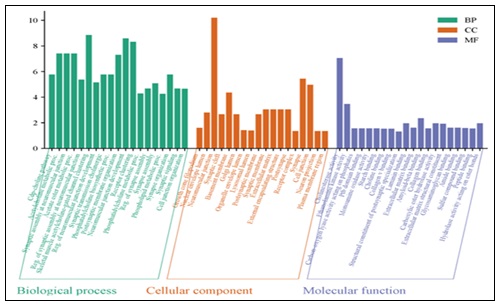
FIG. 1: GENE ONTOLOGY ENRICHMENT ANALYSIS OF BIOLOGICAL PROCESS (BP), CELLULAR COMPONENT (CC), AND MOLECULAR FUNCTION (MF)
The Fig. 2 shows the disease enrichment analysis of the identified target genes. The analysis indicates that several of the predicted targets are significantly associated with neuromuscular and nervous-system disorders, particularly myasthenic syndromes. Disease enrichment analysis revealed that the predicted target genes were significantly associated with several neurological and neuromuscular disorders. Among the enriched disease terms, myasthenic syndromes and acetylcholine receptor deficiency-associated myasthenic syndromes showed prominent associations. Several target genes, including ACHE, BCHE, CHAT, MUSK, DOK7, LRP4, AGRN, COLQ and RAPSN, were linked to these disease categories. These genes are involved in acetylcholine metabolism and cholinergic neurotransmission, as well as the formation, organization and maintenance of the neuromuscular junction given in Table 1. The enrichment of myasthenia-related disease terms suggests that the identified phytoconstituent targets may potentially influence molecular mechanisms associated with impaired neuromuscular transmission. Overall, the disease enrichment results provide computational support for the potential relevance of the identified Clitoria ternatea targets to Myasthenia Gravis and associated neuromuscular dysfunction.
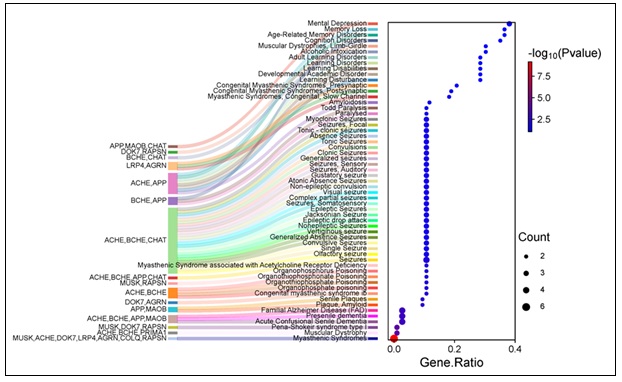
FIG. 2: THE DISEASE ENRICHMENT ANALYSIS OF THE IDENTIFIED TARGET
TABLE 1: THE IDENTIFIED TARGET THEIR ROLE IN MYASTHENIA GRAVIS
| Target | Full name | Role in Myasthenia Gravis |
| ACHE | Acetylcholinesterase | Breaks down acetylcholine (ACh) in the synaptic cleft. Increased AChE activity can reduce ACh availability and weaken neuromuscular transmission. AChE inhibition increases ACh at the NMJ and is therefore an important symptomatic therapeutic mechanism in MG. |
| BCHE | Butyrylcholinesterase | A cholinesterase that can hydrolyze acetylcholine and other choline esters. It may contribute to regulation of cholinergic signaling, although AChE is the major enzyme responsible for ACh hydrolysis at the NMJ. |
| CHAT | Choline O-acetyltransferase | Synthesizes acetylcholine from choline and acetyl-CoA in cholinergic neurons. Alterations in CHAT can influence ACh availability for neurotransmission and therefore may affect NMJ function. |
| MUSK | Muscle-specific kinase | A key postsynaptic receptor tyrosine kinase involved in organization and maintenance of the NMJ. MuSK signaling is essential for clustering acetylcholine receptors (AChRs). Autoantibodies against MuSK cause a distinct subtype of MG and impair NMJ transmission. |
| DOK7 | Docking protein 7 | Activates MuSK signaling and is essential for NMJ formation and maintenance. Genetic defects in DOK7 cause congenital myasthenic syndromes by disrupting NMJ development and function. |
| LRP4 | LDL receptor-related protein 4 | Functions as a critical component of the agrin–LRP4–MuSKsignaling pathway. LRP4 interacts with agrin and activates MuSK to promote AChR clustering. LRP4 autoantibodies are also detected in a subset of patients with autoimmune MG. |
| AGRN | Agrin | A motor-neuron-derived extracellular matrix protein that initiates signaling required for AChR clustering at the NMJ. Agrin activates LRP4, which subsequently stimulates MuSK signaling. Disruption of this pathway can impair NMJ integrity. |
| COLQ | Collagen-like tail subunit of asymmetric acetylcholinesterase | Anchors AChE to the NMJ through the collagen-like tail of the enzyme. COLQ defects can impair localization of AChE at the NMJ and cause congenital myasthenic syndrome. |
| RAPSN | Receptor-associated protein of the synapse | An important postsynaptic protein involved in clustering and stabilization of AChRs at the NMJ. RAPSN mutations can cause congenital myasthenic syndromes by reducing functional AChR clustering. |
Topological analysis based on degree centrality, betweenness centrality, and closeness centrality identified ACHE as prominent hub proteins. ACHE demonstrated the highest degree centrality (26), indicating extensive direct interactions with other proteins in the network. Importantly, ACHE also exhibited the highest betweenness centrality (0.123553) and closeness centrality (0.933333). Its high betweenness value suggests that ACHE occupies an important position for connecting different regions of the interaction network, whereas its high closeness value indicates that it is relatively close to other network components. Molecular docking analysis was performed to investigate the interaction of the identified Clitoria ternatea phytoconstituents with acetylcholinesterase an important therapeutic target associated with cholinergic neurotransmission in Myasthenia Gravis. The docking scores of the selected phytoconstituents ranged from −5.36 to −11.32 kcal/mol, indicating variable binding affinities toward the target protein. Compounds exhibiting more negative binding energies were considered to possess stronger predicted binding interactions with AChE. Among the investigated phytoconstituents, alpha tocopherol exhibited the most favorable binding energy of −11.32 kcal/mol, followed by gamma tocopherol −10.98 kcal/mol. The binding affinity of these compounds was comparable that of the standard drug pyridostigmine which showed a docking score of −11.67 kcal/mol. Overall, the docking results indicated that alpha & gamma tocopherol demonstrated the most favorable predicted interaction with AChE among the investigated phytoconstituents given in Fig. 3. These findings suggest that the compound may possess potential AChE inhibitory activity and could contribute to the modulation of cholinergic neurotransmission relevant to Myasthenia Gravis. However, the docking results represent computational predictions and require confirmation through appropriate in-vitro enzyme inhibition and experimental studies.
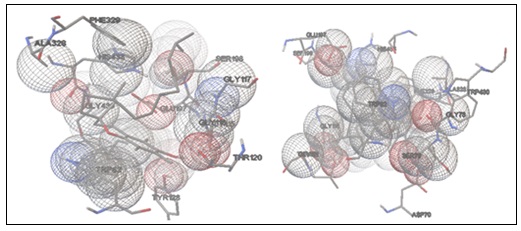
FIG. 3: AMINO ACIDS INTERACTIONS OF α- TOCOPHEROL, γ – TOCOPHEROL AGAINST TARGET
CONCLUSION: The present study provides a computational framework for exploring the therapeutic potential of Clitoria ternatea phytoconstituents against Myasthenia Gravis. Network pharmacology analysis identified multiple potential therapeutic targets and revealed their involvement in biological processes and pathways associated with cholinergic neurotransmission, synaptic function, and cellular metabolism. Among the identified targets, acetylcholinesterase represents an important target because modulation of acetylcholine metabolism may influence neurotransmission at the neuromuscular junction. Molecular docking analysis further demonstrated that several C. ternatea phytoconstituents exhibited favorable binding interactions with the selected target proteins. The presence of hydrogen bonds, hydrophobic interactions, and other stabilizing interactions supported the potential affinity of the identified compounds toward the target. The compounds with the most favorable docking scores may therefore represent promising candidates for further investigation. Overall, the integrated network pharmacology and molecular docking findings suggest that C. ternatea may exert its potential effects against Myasthenia Gravis through multi-target modulation of cholinergic and related molecular pathways. However, these findings are based on computational predictions and should be validated through in-vitro enzyme inhibition studies, cellular experiments, and appropriate in-vivo investigations to establish their pharmacological efficacy and mechanism of action.
ACKNOWLEDGEMENT: Nil
CONFLICT OF INTEREST: Nil
REFERENCES:
- Damodaran T, Cheah PS, Murugaiyah V and Hassan Z: The nootropic and anticholinesterase activities of Clitoria ternatea root extract: potential treatment for cognitive decline. Neurochem Int 2020; 139: 1047-85. doi:10.1016/j.neuint.2020.1047-85.
- Oguis GK, Gilding EK, Jackson MA and Craik DJ: Butterfly pea (Clitoria ternatea), a cyclotide-bearing plant with applications in agriculture and medicine. Front Plant Sci 2019; 10: 645. doi:10.3389/fpls.2019.00645.
- Nugraha AP, Rahmadhani D, Puspitaningrum MS, Rizqianti Y, Kharisma VD and Ernawati DS: Molecular docking of anthocyanins and ternatin in Clitoria ternatea as coronavirus disease oral manifestation therapy. J Adv Pharm Technol Res 2021; 12(4): 362-367. doi:10.4103/japtr.japtr_126_21.
- Ahmed N, Rashid PT, Tabassum N and Deea BJ: Role of Clitoria ternatea (Butterfly Pea) flower in endometriosis and related pain: a network pharmacology-based investigation and experimental validation. Proceedings 2024; 103(1): 6. doi:10.3390/proceedings2024103006.
- Ahmed N, Tabassum N, Rashid PT, Deea BJ, Richi FT and Chandra A: Clitoria ternatea (Butterfly Pea) flower against endometrial pain: integrating preliminary in-vivo and in-vitro experimentations supported by network pharmacology, molecular docking, and molecular dynamics simulation studies. Life (Basel) 2024; 14(11): 1473. doi:10.3390/life14111473.
- Uzawa A, Kanai T and Oda F: Myasthenia gravis: from the viewpoint of pathogenicity focusing on acetylcholine receptor clustering, trans-synaptic homeostasis and synaptic stability. Front Mol Neurosci 2020; 13: 86. doi:10.3389/fnmol.2020.00086.
- Vishali A, Sriram S, Karan T, Asok Kumar K and Sivashanmugam AT: Unraveling the multi-target mechanisms of Cosmos sulphureus in diabetic neuropathy through network pharmacology. High Technol Lett 2026; 32(6): 621-633.
- Vishali A, Sriram S, Kaviyarasu M, Asok Kumar K and Francis MS: Deciphering the multi-target actions of isatin analogues as TAAR1 agonists for schizophrenia through network pharmacology. Hayat 2026; 15(8): 10-26.
- Jiao X, Jin X, Ma Y, Yang Y, Li J and Liang L: A comprehensive application: molecular docking and network pharmacology for the prediction of bioactive constituents and elucidation of mechanisms of action in component-based Chinese medicine. Comput Biol Chem 2021; 90: 107402. doi:10.1016/j.compbiolchem.2020.107402.
- Wang YX, Yang Z, Wang WX, Huang YX, Zhang Q and Li JJ: Methodology of network pharmacology for research on Chinese herbal medicine against COVID-19: a review. J Integr Med 2022; 20(6): 477-487. doi:10.1016/j.joim.2022.09.004.
- Liu Y, Chang D and Zhou X: Development of novel herbal compound formulations targeting neuroinflammation: network pharmacology, molecular docking, and experimental verification. Evid Based Complement Alternat Med 2023; 2023: 2558415. doi:10.1155/2023/2558415.
- Khairy A, Ghareeb DA, Celik I, Hammoda HM, Zaatout HM and Ibrahim RS: Forecasting of potential anti-inflammatory targets of some immunomodulatory plants and their constituents using in-vitro, molecular docking and network pharmacology-based analysis. Sci Rep 2023; 13: 9539. doi:10.1038/s41598-023-36540-3.
- Ali A, Wani AB, Malla BA, Poyya J, Dar NJ and Ali F: Network pharmacology integrated molecular docking and dynamics to elucidate saffron compounds targeting human COX-2 protein. Medicina (Kaunas) 2023; 59(12): 2058. doi:10.3390/medicina59122058.
- Nath R, Baishya S, Nath D, Nahar L, Sarker SD and Choudhury MD: Identifying druggable targets from active constituents of Azadirachta indica Juss. for non-small cell lung cancer using network pharmacology and validation through molecular docking. Phytochem Anal 2023; 34(7): 855-868. doi:10.1002/pca.3254.
- Prakash SRS, Kamalnath SM, Antonisamy AJ, Marimuthu S, Malayandi S. In silico molecular docking of phytochemicals for type 2 diabetes mellitus therapy: a network pharmacology approach. Int J Mol Cell Med 2023; 12(4): 372-387. doi:10.22088/IJMCM.BUMS.12.4.372.
- Pooja GS and Vishali A: In-silico molecular docking on some commercially available flavonoids against carbonic anhydrase as target in the treatment of glaucoma: a computational approach. High Technol L 2024; 30(7): 242-252.
How to cite this article:
Vishali A, Kumar KA, Priyadarshini K, Kadhir SR, Kowsalya M and Mohanraj M: Network pharmacology and molecular docking-based investigation of the molecular mechanisms of Clitoria ternatea in myasthenia gravis. Int J Pharmacognosy 2026; 13(10): 1037-44. doi link: http://dx.doi.org/10.13040/IJPSR.0975-8232.IJP.13(10).1037-44.
This Journal licensed under a Creative Commons Attribution-Non-commercial-Share Alike 3.0 Unported License.
Article Information
6
1037-1044
879 KB
7
English
IJP
A. Vishali *, K. Asok Kumar, K. Priyadarshini, S. R. Kadhir, M. Kowsalya and M. Mohanraj
Department of Pharmacology, SRIPMS College of Pharmacy, Coimbatore, Tamil Nadu, India.
vishaliarulkumar@gmail.com
15 September 2026
29 September 2026
30 September 2026
10.13040/IJPSR.0975-8232.IJP.13(10).1037-44
01 October 2026
 Download