


MEDICINAL PLANTS USED FOR THE MANAGEMENT OF HIGH BLOOD PRESSURE IN THE SOUTHERN PART OF CHAD: REVIEW AND PHYTOCHEMICAL SCREENING
HTML Full TextMEDICINAL PLANTS USED FOR THE MANAGEMENT OF HIGH BLOOD PRESSURE IN THE SOUTHERN PART OF CHAD: REVIEW AND PHYTOCHEMICAL SCREENING
Mbaïndogoum Koundambaye, Mahoudo Fidèle Assogba *, Mahamat Nour Adam Sakine, Ngoussou Mbailaou, Mahougnan Placide Toklo, Lysette D. C. Kinsou, Yéba Mbaidé, Adama Moussa SAKHO, Yaya Mahmout and Joachim Djimon Gbenou
Laboratoire de Recherche des Sciences Appliquées, Institut Supérieur de Technologie de Mamou, Guinée.
ABSTRACT: In Africa, hypertension has become a public health problem in recent years. While access to modern treatments remains limited for a large part of the population in several developing countries such as Chad. The present study aims to identify the plant species used by populations in the far south of Chad to treat this condition. To this end, an ethnobotanical survey was carried out among traditional practitioners who treat these illnesses. Phytochemical screening was carried out on the two most frequently cited plants and those less widely studied. The ethnobotanical inventory carried out in four (4) administrative regions among a sample of 46 traditional healers identified 57 plant species, including 31 recipes based on a single plant and 12 recipes composed of at least two plants. The plant organs most frequently used were leaves (31.6%), roots (24.5%) and bark (16.3%). Decoction (73.4%) is the most frequently cited mode of use. The phytotherapeutic citation index ranged from 1.0 to 6.1, and identified the twelve (12) most widely used plants. An inventory of chemical and pharmacological studies was carried out on these plants. Phytochemical screening of two plants least studied on hypertension (Fadogia pobeguinii and Siphonochilus aethiopicus) revealed their richness in phenolic compounds, reducing compounds, mucilages, saponosides, triterpenoids and steroids. Further studies will be carried out on these plants with a view to their valorization.
Keywords: Ethnobotanical inventory, Hypertension, Traditional healers, Pharmacological, Phytochemical screening, Plants
INTRODUCTION: Hypertension, or high blood pressure, is a condition in which the pressure in the blood vessels is constantly high. It is a serious disease, and can increase the risk of heart, brain, kidney and other diseases. It is one of the world's leading causes of death.
Recent epidemiological data indicate that 1.4 billion adults aged 30 to 79 had high blood pressure. Two-thirds of them live in low- and middle-income countries.
While the African region has the highest prevalence which is projected to continue rising due in part to urbanization, unhealthy diets, sedentary lifestyles, and excessive alcohol and tobacco use Chad’s prevalence stands at 34 percent, compared to the global average of 36 percent 1. This wave of hypertension and non-transmissible diseases has taken African countries by surprise, as they are faced with other competing health priorities. An analysis of the costs of drug treatment for hypertension shows that African countries cannot afford the conventional treatments used in high-income countries 2. People are turning to traditional medicine, which in most cases harnesses the power of plants. In Chad, as in most low-income countries, botanical knowledge plays a key role in health. Otchom describes it as “an authentic mark of our civilization and an important element of our cultural identity” 3. In these predominantly oral societies, phytotherapeutic knowledge is being eroded. A few prospective ethnobotanical studies have laid the foundations for the transcription of this ancestral knowledge. But in the context of cardiovascular disease, only a survey 4 conducted in one administrative region noted the use of 17 plants in the treatment of hypertension and the major groups of compounds present in these plant parts used. Further ethnobotanical and pharmacochemical knowledge is required.
The aim of this article is, on the one hand, to transcribe the characteristics of traditional medicine in the deep south of Chad in the face of anti-hypertensive disease and, on the other hand, to research the main families of compounds in the fragments or organs of promising plants inventoried to plan suitable methods for their extraction with a view to their valorization.
MATERIAL AND METHODS:
Study Area: Chad is located in the heart of Africa, between the 7th and 24th parallels of latitude in the north and the 13th and 24th parallels in the East. One of the largest countries in Africa, it stretches 1,700 km from North to South and 1,000 km from East to West, covering an area of 1,284,000 km2.
Its borders are with Libya to the North, Sudan to the East, the Central African Republic to the South and Cameroon, Nigeria and Niger to the West.
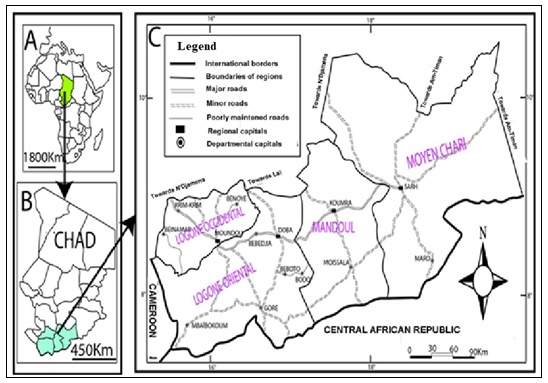
FIG. 1: GEOGRAPHICAL LOCATION OF THE STUDY AREA
Three major phytogeographical or bioclimatic zones cover the country. From North to South, we find successively the Saharan zone, the Sahelian zone and the Sudanian zone. The Sudanian zone comprises sub-equatorial regions with isohyets of between 800 and 2,000 millimetres per year. Thus defined, the Sudanian zone of Chad lies between the 7thand 11th degrees north latitude 5. Our study area falls within this zone. The study area comprises four (04) administrative provinces: Logone Occidental, Logone Oriental, Mandoul and Moyen-Chari. This subset occupies1/14th of the national territory and accounts for about ¼ of the population 6. Figure 1shows the study area. According to Dumont, the Sara people, who make up 33.9% of the country's population, mainly occupy these areas. This area includes vast, highly fertile areas for both cash and food crops (rice, pearl millet, groundnuts, sorghum) and other food crops including oilseeds and tubers 7.
Data Collection: The inventory of presumed antihypertensive plants was carried out from January 2022 to July 2022 in two departments of each of the four (04) provinces. A pre-designed questionnaire, usually used by our research team, was used as a guide for an interview with each person interviewed 8. The interviewees were traditional healers selected on the basis of their reputation in their community and their willingness to cooperate with us. A total of 46 people agreed to participate in the study. The questionnaire includes, among other things, the profile of the healers (age, sex, etc.), an exhaustive list of the remedies prescribed, the ingredients of these remedies and their preparation and administration methods.
Plant Identification: The plants, referred to by their local names, were collected and taken to the Biology Laboratory of the University of Sarh, where they were identified by Dr. Saradoum GOY. For the complete identification of the plants, the online taxonomic key databases of PROTA, Plant resources of Tropical Africa (www.prota.org) and IPNI, International Plant Names Index were used.
Data Treatment: Microsoft Excel 2013 spreadsheet software from Office 365 was used to calculate the phytotherapeutic citation index of each plant species using formula1 9. Plots were generated using Sigma-Plot 12.5 software (Systat Software Inc., San Jose, USA).
Formula 1∶ CIs = 100 × Nq / Nt
Nq is the number of questionnaires in which the given species was cited, Nt the total number of citations of all plants used in the treatment of arterial hypertension.
Pharmacological Activity Points and Isolated Compounds of Frequently Used Plants: Data on the isolated compounds and pharmacological activities of plants commonly used in the extreme south of Chad were collected from bibliographic databases and search engines such as ScienceDirect, PubMed, ResearchGate and Google Scholar. The search was based on scientific articles, memoirs and theses. A selection of keywords was adapted to each plant studied, in order to optimize the collection of information. In addition, general terms were used, such as “isolated compounds of plant, phytochemistry of plant, chemical study of plant, biological activity of plant, and pharmacological activity of plant …, to ensure a more exhaustive search.
Collection of Plant Material for the Analysis of Phytochemicals: The roots of Fadogia pobeguinii were collected in November, 1st 2022 on the banks of the Chari River, at Sarh. The rhizomes of Siphonochilus aethiopicus were harvested in November, 10th 2022 at Mbalkabra, about 30 km north of Moundou. Each batch was sorted, cleaned and dried at 25°C in the Chemistry Laboratory of the University of Sarh before being ground and sieved to obtain a fine powder ready to analyse.
Phytochemical Screening: It is performed using test tube reactions. The operating protocol described by 10 was used for the characterisation of alkaloids, anthocyanins and leucoanthocyanins, anthracene derivatives, catechin and gallic tannins, coumarins, cyanogenic derivatives, flavonoids, mucilages, quinones and their derivatives, saponosides, triterpenoids and steroids.
RESULTS AND DISCUSSION:
Overview of the Traditional Health Practitioners: In this part of the country, there are a large number of traditional healers with recipes for the treatment of high blood pressure. They were men and women, aged at least 35, with at least ten years' experience in traditional medicine. Of these, 86.96% were male. The predominance of men as healers is a feature observed elsewhere in the central region of Togo and in the Mbour region of Senegal, where the proportion of men was 85.71% and 100% respectively 11, 12. It is justified by the primacy given to men (boys) in our societies in terms of inheritance, property rights and succession within the patrilineal lineage system in force in the study area 13. In addition to being traditional healers, the men were farmers, teachers, soldiers, religious leaders, village heads, hunters, etc., while the women were housewives.
Plant Diversity in the Treatment of High Blood Pressure: This research has led to an inventory of 64 recipes involving 57 plant species belonging to 54 genera and 27 botanical families. The Fabaceae family was the most frequently cited (21.88%) and the most represented (13 species).
This was followed by Anacardiaceae (7.29%, 2 species), Combretaceae (7.29%, 5 species) and Rubiaceae (7.29%, 3 species), then Apocynaceae (6.25%, 4 species), Arecaceae (6.25%, 2 species), Moringaceae (6.25%, 1 specie) and Zingiberaceae (4.17%, 1 specie). 11 other families were mentioned only once (1.04%). The recorded recipes are divided into two categories. The first, representing 81.25% of the recipes, includes those in which only one plant specie is used in the preparation Table 1. The second category (18.75%) is made up of recipes in which 2, 4, 5 or even 8 species are used in their preparation Table 2. The citation indices for herbal medicines are not very high due to the low number of plant citations. This shows that traditional healers offer a wide variety of medicines. Cross-checking of the information collected allowed us to retain twelve (12) plant species that were cited more than once (CI >1.04) and by different traditional healers. Table 3 lists these species and, for each, the molecules isolated and the biological properties already studied. As far as we know, Fadogia pobeguinii and Siphonochilus aethiopicus have not been investigated for treating hypertension.
TABLE 1: UNIQUE PLANT RECIPES FOR THE MANAGEMENT OF HYPERTENSION
| S. no. | Scientific name
|
Family | Local
Name |
Plant part
|
Method of
preparation |
Route of
administration |
CI |
| 1 | Anacardium occidentale | Anacardiaceae | ND | Leaves
Bark |
Decoction
Infusion/ Decoction |
Oral
Oral |
4.1 |
| 2 | Sclerocarya birrea | Anacardiaceae | Lobè-lobè | Bark
Leaves/ Root |
Infusion
Decoction |
Oral | 3.1 |
| 3 | Chrysanthemum americanum | Asteraceae | Djeurmadjein | Whole plant | Decoction | Oral | 1.0 |
| 4 | Catharantus roseus | Apocynaceae | ND | Flowers | Decoction | Oral | 1.0 |
| 5 | Calotropis procera | Apocynaceae | Kamndabinan | Leaves/Root
Root |
Decoction
Powder |
Oral
Nasal |
3.1 |
| 6 | Hyphaene thebaica | Arecaceae | Gaï | Fruits | Chewing | Oral | 3.1 |
| 7 | Borassus aethiopum | Arecaceae | Mar | Bark | Calcination | Oral | 3.1 |
| 8 | Heliotropium indicum | Boraginaceae | Korba | Aerial part | Decoction | Oral | 1.0 |
| 9 | Crateva adansonii | Carparidaceae | Bôò | Leaves | Decoction | Oral | 1.0 |
| 10 | Ipomoea batatas | Convolvulaceae | Bangaou | Leaves | Decoction | Oral | 1.0 |
| 11 | Combretum collinum | Combretaceae | Rǝmbe | Bark | Decoction | Oral | 1.0 |
| 12 | Combretum nigricans | Combretaceae | Ndeybina | Fruits | Powder | Oral | 1.0 |
| 13 | Guiera senegalensis | Combretaceae | Kamnda | Root | Powder | Oral | 2.0 |
| 14 | Tetracera masuiana | Dilenaceae | Mba-gon-nasǝ | Root | Decoction | Oral | 1.0 |
| 15 | Entada africana | Fabaceae | Ndangkeur | Bark | Decoction | Cutaneous | 2.0 |
| 16 | Amblygonocarpus
andongensis |
Fabaceae | Mǝro | Seeds
Leaves |
Powder
Decoction |
Oral
Oral |
3.1 |
| 17 | Isoberlinia doka | Fabaceae | Kabǝ | Seeds | Sauce | Oral | 2.0 |
| 18 | Parkia biglobosa | Fabaceae | Matǝ | Bark | Decoction | Oral | 2.0 |
| 19 | Senna nigricans | Fabaceae | Kad-kolé | Leaves | Decoction | Oral | 1.0 |
| 20 | Allium sativum | Liliaceae | Toum | Cloves | Chewing/
Infusion |
Oral | 3.1 |
| 21 | Azadirachta indica | Meliaceae | ND | Leaves | Maceration | Oral | 1.0 |
| 22 | Moringa oleifera
|
Moringaceae | Kagǝ-ndogǝ | Seeds
Flower/Leaves Bark/Root |
Chewing
Decoction Decoction |
Oral
Oral Oral |
6.1 |
| 23 | Boerhavia diffusa | Nyctagynaceae | Dǝlem | Whole plant | Decoction | Oral | 1.0 |
| 24 | Phyllanthus amarus | Phyllanthaceae | Kum-nang | Aerial part | Decoction | Oral | 1.0 |
| 25 | Oxytenanthera abyssinica | Poaceae | Nal | Leaves | Decoction | Oral | 1.0 |
| 26 | Zea mays | Poaceae | Massar | Corn | Decoction | Oral | 1.0 |
| 27 | Fadogia pobeguinii | Rubiaceae | Kǝnga-mǝra | Root | Decoction | Oral | 4.1 |
| 28 | Crossopterix febrifuga | Rubiaceae | Ndǝbǝ | Bark | Decoction | Oral | 2.0 |
| 29 | Zanthoxylum zanthoxyloides | Rutaceae | Ogbedelokal | Bark | Decoction | Oral | 2.0 |
| 30 | Sterculia setigera | Sterculiaceae | Da-kula | Bark | Decoction | Oral | 1.0 |
| 31 | Siphonochilus aethiopicus | Zingiberaceae | Mbǝue | Rhizome | Decoction/
Powder |
Oral/Cutaneous | 4.1 |
TABLE 2: RECIPES MADE OF AT LEAST TWO PLANTS FOR THE MANAGEMENT OF HYPERTENSION
| S. no. | Scientific name | Family | Local name | CI | Plant part | Mode of
preparation |
Route of
administration |
| 1 | Afzelia africana | Fabaceae | Tagla | 1.0 | Bark | Decoction | Oral |
| Annona senegalensis | Annonaceae | Mboro | 1.0 | Root | |||
| 2 | Allium sativum | Liliaceae | Toum | 3.1 | Cloves | Maceration | Oral |
| Citrus aurantifolia | Rutaceae | ND | 2.0 | Fruits | |||
| 3 | Burkea africana | Fabaceae | Waroun | 1.0 | Bark | Decoction | Oral/Cutaneous |
| Crossopterix febrifuga | Rubiaceae | Ndǝbǝ | 2.0 | Bark | |||
| 4 | Entada africana | Fabaceae | Mbimbii | 2.0 | Bark | Decoction | Oral |
| Hyphaene thebaica | Arecaceae | Gaï | 3.1 | Fruits | |||
| 5 | Ficus polita | Moraceae | ND | 1.0 | Leaves/
bark |
Decoction | Oral |
| Tamarindus indica | Fabaceae | Masse | 1.0 | Fruits | |||
| 6 | Hyphaene thebaica | Arecaceae | Gaï | 3.1 | Root | Decoction | Oral |
| Parkia biglobosa | Fabaceae | Matǝ | 2.0 | Bark | |||
| 7 | Citrus aurantifolia | Rutaceae | ND | 2.0 | Fruits |
Maceration |
Oral |
| Kigelia africana | Bignoniaceae | Kǝ-mbaa-bo | 1.0 | Root | |||
| Moringa oleifera | Moringaceae | Kagǝ-ndogǝ | 6.0 | Root | |||
| Securidaca longipedunculata | Polygalaceae | Kǝlamar | 1.0 | Root | |||
| 8 | Acacia nilotica | Fabaceae | Garatte | 1.0 | Fruits |
Decoction |
Oral |
| Leptadenia hastata | Apocynaceae | Ɗǝsa | 1.0 | Root | |||
| Sarcocephallus latifolius | Rubiaceae | Gan-ké | 1.0 | Root | |||
| Senna sieberiana | Fabaceae | Kǝ-leng-leng | 1.0 | Root | |||
| 9 | Anogeissus leiocarpa | Combretaceae | Yida | 3.1 | Root |
Decoction |
Oral |
| Detarium microcarpum | Fabaceae | Mourkoutou | 2.1 | Root | |||
| Isoberlinia doka | Fabaceae | Kabǝ | 1.0 | Root | |||
| Lonchocarpus laxiflorus | Papilionoideae | Do-mbala | 1.0 | Root | |||
| Stereospermum kunthianiron | Bignoniaceae | Nd | 1.0 | Root | |||
| 10 | Hyphaene thebaica | Arecaceae | Gaï | 3.1 | Fruits | Decoction | Oral |
| Ximenia americana | Ximeniaceae | Titǝ | 2.0 | Leaves | |||
| Hexalobus monopetalus | Annonaceae | Nam | 2.0 | Leaves | |||
| Senna obtusifolia | Fabaceae | Jenga-suu | 2.0 | Leaves | |||
| Prosopis africana | Fabaceae | Ɗer | 1.0 | Leaves | |||
| 11 | Fadogia pobeguinii | Rubiaceae | Kǝnga-mǝra | 4.1 | Whole plant | Decoction | Oral |
| Ximenia americana | Ximeniaceae | Titǝ | 2.0 | Leaves | |||
| Parkia biglobosa | Fabaceae | Matǝ | 2.0 | Leaves | |||
| Anogeissus leiocarpa | Combretaceae | Yida | 3.1 | Leaves | |||
| Hexalobus monopetalus | Annonaceae | Nam | 2.0 | Leaves | |||
| Senna obtusifolia | Fabaceae | Jenga-suu | 2.0 | Leaves | |||
| Diospyros mespiliformis | Ebenaceae | kͻm | 1.0 | Leaves | |||
| 12 | Anogeissus leiocarpa | Combretaceae | Yida | 3.1 | Leaves | Decoction | Oral |
| Cymbopogon giganteus | Poaceae | Karwey | 1.0 | Leaves | |||
| Guiera senegalensis | Combretaceae | Kamnda | 2.0 | Leaves | |||
| Detarium microcarpum | Fabaceae | Mourkoutou | 2.0 | Leaves | |||
| Ectadiopsis oblengiflora | Apocynaceae | Sigam-dül | 1.0 | Leaves | |||
| Flueggea virosa | Phyllanthaceae | Kesǝbyan | 1.0 | Leaves | |||
| Terminalia laxiflora | Combretaceae | Rͻ-ndul | 1.0 | Leaves | |||
| Trichilia emetica | Meliaceae | Kouma dée | 1.0 | Leaves |
TABLE 3: PLANTS FREQUENTLY USED IN THE EXTREME SOUTHERN REGIONS OF CHAD
| N° | Plant | Isolated compounds | Biological properties investigated |
| 1 | Amblygonocrapus andongensis | Butein, isoliquiritignin naringenin, aesculetin, aridanin, L-γ-methyleneglutamic acid, L-γ-ethylideneglutamic acid, scopoletin, umbelliferone, ferulicacid14 | Antibacterial, molluscidal, antipsychotic, antioxidant, antidiarrhoeal, hepatoprotective hypotensive, anti-inflammatory 15,16 |
| 2 | Anacardium. occidentale | Gallic acid and its glucosides, agathisflavone, luteolin, quercetin galloyl- O- eoxyhexoside, epicatechin gallate, quercetin O-hexoside, B-type rocyanidin dimer 18. | Antibacterial, antidiarrhoeal, antioxidant hypotensive, vascular relaxant 19,20. |
| 3 | Allium sativum
|
Ajoen, alliin, allicin, diallyldisulfide, diallyltrisulfide, 3-vinyl-1,2-dithiin, apigenin, rutin, diallylsulfide, apigenin, bergamottinenobiletin, sativoside B1-5 21. | Antifungal, antimicrobial, antiscavenging, antioxidant, fumigant effect, antihypertensive, insecticidal22,23,24. |
| 4 | Crossopterix febrifuga. | Crosssoptine A-B, vitexin, isovitexin, orientin, myricetin 3-galactoside, quercetin 3-rutinoside, quercetin-3-arabinosi de, severalsterols, triterpenoids and iridoids25,26,27. | Analgesic, antipyretic, antiinflammatory, antimalarialantimicrobial, antihypertensive 28,29,30 |
| 5 | Calotropis procera | Phytyl iso-octylether, procerasesterterpenoyl triglucoside, calotropin, calotoxin, uscharidin, akundarol, uscharidin, calotropin, frugoside, calotroposides A- G 31,32. | Anti-inflammatory, antioxidant, antidiabetic, analgesic activity, anticancer, hypotensive 32,33. |
| 6 | Guiera
senegalensis |
Harman, tetrahydroharman, guieranone A, epicatchin, rutin, catechin, catechin3-O-gallate, 5-méthylflavasperone, myricitrin, hyoscyaminevitexin, rhamnetin, solanine 34,35. | Antiplasmodial, antimicrobial, antidiabetic, anti- diarrhoeal, antioxidant, anti-hypertensive35,36,37.
|
| 7 | Fadogia.
pobeguinii |
No compound known | Stimulation of the intramural nerves of the vas deferens via postsynap α1-adrenergicreceptors 38 |
| 8 | Hyphaene. thebaica | luteoline-O-rutinoside, chrysoeriol-O-rutinoside, chrysoe riol, luteolin, tricin, ferulic acid, vanillic acid, malic acid, citric acid, chlorogenic acid, O-caféylshikimicacid39,40 | Antidiabetic, anti- and hypotensive, hypolipidemic, antioxidant, antimicrobial, inhibition effect of renin and angiotension conversion enzyme 41,42 |
| 9 | Moringa
oleifera |
Moringine, moringinine, 4-hydroxymelline, niaziminine, niazininane, niazimicine acetate aurantiamide, isoquercitrinquercetin, kaempferat, rhamnetin, kaempferitrin43,44. | Antibacterial, antioxidant, anti-inflammatory, anti-hyperglycemic, anti-dislipidemic, hypotensive properties44,45 |
| 10 | Sclerocarya birrea | Flavanone, myricetin glucoside, homaloside D, (epi)catechin gallate and isomers, caryophyllene, α-humulene, copaene and stearic, palmitic arachidonic, azelaic ,ellagicacids46,47. | Antimicrobial, antioxidant, antodiabetic, anti-inflammatory, analgesic, anti-hypertensive 48,49. |
| 11 | Siphonochilus. aethiopicus | Curzerenone, epi-curzerenone, furanodiene, furanodienone ,1,8-cineoleisofuranodiene, zerumin A, cis-alloocimene, siphonochilone50,51. | Anti-asthmatic, antimicrobial, antioxidant, antiplasmodial, anti-inflammatory50,52. |
| 12 | Zanthoxylum zanthoxyloides | Acridone alkaloids, burkinabines A-C, zanthoamides G-I, α-pinene, trans-β-ocimene, citronellol, α-terpinolene, the α-phellandrene, geraniol, limonene, β-myrcene53,54 | Antimicrobial, antioxidant, antiparasitic, antitumoral insecticidal, antidiabetic, activity, hypotensive 53,55 |
Traditional healers often use fragments or specific organs of plants. 11 plant parts were identified, with the leaf being the most commonly used (31.63%), followed by the root (24.49%) and then the bark of the trunk (16.33%); the beard is the least commonly used (1.02%), as shown in Fig. 2. This finding on the use of plant parts is supported by some research conducted in the country 4, 56. The use of leaves in traditherapy would not threaten the plant resources exploited, but the use of roots would expose the life of these plants and lead to their extinction.
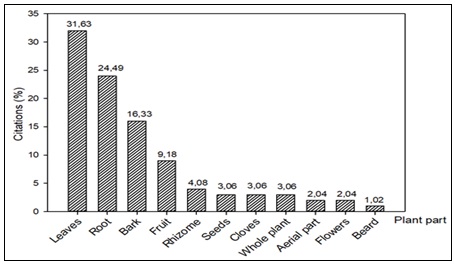
FIG. 2: MEDICINAL PLANT PARTS USED BY TRADITIONAL HEALERS FOR THE MANAGEMENT OF HYPERTENSION
Modes of Preparation and Administration of Medicinal Plants: Phytomedicines are mainly prepared by decoction (73.44%), powder (7.81%) or maceration (6.25%). Calcination or cooking of plant parts is rare (1.06%). Fig. 3 illustrates these preparation methods with the frequency with which they were used. Three routes of administration of phytomedicines were recorded: oral (96.75%), dermal (3.10%) and nasal (3.10%). It is likely that decoction is the preferred route of treatment for arterial hypertension in sub-Saharan Africa 57, 58. Although decoction allows maximum extraction of the active compounds from the plant organs, it has been suggested that it destroys thermodegradable molecules. According to 9, this method of preparation dilutes the toxic effects of extracts.
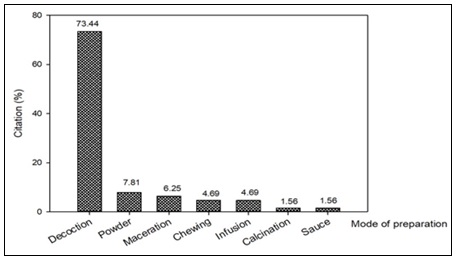
FIG. 3: MODES OF PREPARATION OF MEDICINAL PLANTS BY TRADITIONAL HEALERS FOR HYPERTENSION
Main Chemical Groups Present in F. pobeguinii and S. aethiopicus: Phytochemical investigations showed the richness of F. pobeguinii root and S. aethiopicus rhizome in phenolic compounds, notably flavonoids and tannins, reducing compounds, mucilages, saponosides, triterpenoids and steroids Table 4. In addition to these groups of compounds, there are coumarins and anthracene derivatives in F. pobeguinii; essential oil is found in the rhizome of S. aethiopicus Table 4.
TABLE 4: CHEMICAL GROUPS PRESENT IN F. POBEGUINII ROOTS AND S. AETHIOPICUS RHIZOMES
| Specific metabolites | Results | |
| F. pobeguinii roots | S. aethiopicus rhizomes | |
| Alkaloids | - | - |
| Anthocyanes | - | - |
| Leucoanthocyanes | - | - |
| Anthracenederivatives | + | - |
| Cardenolides | - | - |
| Coumarins | + | - |
| Cyanogenicderivatives | - | - |
| Essential oil | - | + |
| Flavonoids | + | + |
| Quinone derivatives | - | - |
| Mucilages | + | + |
| Reducing compounds | + | + |
| Saponins | + | + |
| Sterols | + | + |
| Triterpenes | + | + |
| Catechic tannins | + | + |
| Gallic tannins | + | + |
| Legend :+ : present - : absent | ||
Flavonoids and tannins present in 2 plants are groups of compounds with a reputation for anti-hypertensive activity. Flavonoids act by 3 mechanisms: (i) increasing the bioavailability of nitric oxide (ii) reducing oxidative stress in endothelial cells (iii) modulating vascular ion channels 59, 60, 61, 62.
The hypotensive effects of tannins are mediated by inhibition of the converting enzyme 63, 64. Saponins have a diuretic effect and may lower blood pressure 65 By excreting water and the electrolyte Na+, they reduce blood volume and thereby blood pressure. In addition, triterpenoids present may be linked to hypotensive effects, as the essential oils of many Zingiberaceae, rich in monoterpenes and sesquiterpenes, have been shown to have hypotensive effects via different mechanisms 66.
The presence of all these groups of compounds in these plant organs would explain their folkloric use in the treatment of arterial hypertension.
CONCLUSION: The present study involved an ethnobotanical inventory of plants and remedies used in the treatment of arterial hypertension in southern Chad. Compilation and analysis of the data collected enabled us to draw up a list of twelve plant species commonly used to treat this condition. A bibliographical review of these plants identified two (Fadogia pobeguinii and Siphonochilus aethiopicus) that had not been previously studied in relation to arterial hypertension. Phytochemical screening of these plants revealed, among other things, their richness in flavonoids, tannins, saponins, triterpenoids and steroids, which could justify their use in the treatment of hypertension. Extracting these families of compounds and testing them on experimental models of hypertension will enable us to better understand the use of these plants.
ACKNOWLEDGEMENTS: The authors would like to express their deep gratitude to traditional healers for generously sharing their valuable knowledge of medicinal plants and traditional remedies.
Statements and Declarations: Additional information No additional information is available for this paper.
Dedication: We pay respectful tribute to the memory of Doctor Saradoum GOY for his invaluable contribution to plant identification. His scientific works will continue to inspire future generations. May God welcome him into his eternal bliss.
Funding: Not applicable
Availability of Data and Material: Not applicable
CONFLICT OF INTEREST: The authors have no interests to declare.
REFERENCES:
- World Health Organisazation. 2025. Global report on hypertension. High stakes-turning evidence in to action.
- Yaya SH and Kengne AP: L’hypertension artérielle en Afrique: présent et nouvelles perspectives. In: Le défi de la prévention des maladies cardiovasculaires et ses perspectives en Afrique [Internet]. [cited 2024 Oct 29] 2014; 1–16.
- Otchom BB: Organisation de la médecine traditionnelle au Tchad. Pharmacopée et Médecine Traditionnelles Africaines 11 2001; l07-11.
- Laohudumaye BA, Mbayngone E and Mapongmetsem PM: Etude ethnobotanique et phytochimique de quelques plantes utilisées dans le traitement des maladies cardio-vasculaires dans le Logone occidental au Tchad (Afrique Centrale).2018; Revue Scientifique du Tchad - série B 01: 2018; 49-61.
- Mfewou A, Tata Nfor J and Nadji P: Variabilité climatique au Tchad : perception et stratégie d’adaptation paysanne à Kélo (Tchad). VertigO 2022; 22(1): 1–17.
- Institut National de la Statistique, des Etudes Economiques et Démographiques (INSEED) [Internet]. 2023; Population [cited 2024 Sep 15]. Available from :https://www.inseed.td/index.php/thematiques/statistique-demographique/population
- Dumont GF: Géopolitique et populations au Tchad. Outre-terre. Revue européenne de géopolitique 2008; 20: 263-88.
- Mbaïhougadobe S, Ngakegni-Limbili AC, Tsiba Gouollaly T, Ngaïssona P, Koane JN, Nkounkou LC, Mahmout Y and Ouamba JM: Inventaire et essais phytochimiques sur quelques plantes du Tchad utilisées dans le traitement de la goutte. International Journal Biological and Chemical Sciences 2017; 11(6): 2693-703.
- Bahassan A, Zidane L, El Yacoubi H and Rochdi A: Ethnobotanique et taxonomie des plantes médicinales utilisées pour le traitement des pathologies du système digestif à Hadramaout (Yémen). Phytothérapie 2014; 12: 399-416.
- Houghton PJ and Raman A: Laboratory handbook for the fractionation of natural extracts. New York 1998; Chapman and Hall.
- Karou SD, Tchacondo T, Tchibozo MAD, Abdoul-Rahaman S, Anani K, Koudouvo K, Batawila K, Agbonon A, Simpore J and de Souza C: Ethnobotanical study of medicinal plants used in the management of diabetes mellitus and hypertension in the Central Region of Togo. Pharmaceutical Biology 2011; 49(12): 1286–97.
- Fall ABK, Thioune M, Thioune O and Lo I: Traitement de l’hypertension artérielle par des tradipraticiens de la région de Thiès (Sénégal): plantes et formes d’administration. Sciences Lib 2013; 5: 130804.
- Apema R, Mozouloua D, Kosh-komba E and Ngoule Y: Les plantes médicinales utilisées dans le traitement de l’hypertension artérielle par les tradipraticiens à Bangui [Internet]. 2011; Available from.https://www.gfmer.ch/Activites_internationales_Fr/HTA-Apema-2011.htm
- Fleischer TC, Komlaga G, Mensah AY, Mensah MLK, Wood E, Sawer AI and Grey AI: Flavonoid constituents of the mature fruit of Tetrapleura tetraptera schum. et thonn.). J Food Sci Technol 2006; 26(1): 47–53.
- Ugwah, OM, Ugwah-Oguejiofor CJ, Abubakar K, Okorie NA and Njan AA: Anti-diarrhoeal activities of aqueous stem bark extract of Amblygonocarpus andongensis (Welw.ex Oliv.) Exell & Torre. Nigerian Journal of Pharmaceutical Sciences 2014; 13(2): 01-11.
- Okoli JTN, Agbo MO and Ukekwe I: Antioxidant and Hepatoprotective Activity of Fruit Extracts of Tetrapleura tetraptera (Schum & Thonn) Taubert. Jordan Journal of Biological Sciences 2014; 7(4): 251-255.
- Kuate D, Kengne APN, Biapa CPN, Azantsa BGK and Muda WAMBW: Tetrapleura tetraptera spice attenuates high-carbohydrate, high-fat diet-induced obese and type 2 diabetic rats with metabolic syndrome features. Lipids in Health and Disease 2015; 14: 15.
- Costa AR, de Lima Silva JR, de Oliveira TJS, da Silva TG, Pereirad PS, Oliveira Borbad EF, de Britoe ES, Ribeiroe PRV, Almeida-Bezerra JW, Calixto Junior JT, de Menezes IRA, Kamdem JP, Duarte AE and Barrosc LM: Phytochemical profile and anti-Candida and cytotoxic potential of Anacardium occidentale L. (cashew tree). South African Journal of Botany 2020; 135: 355-66.
- Omoboyowa DA, Nwodo OFC and Joshua PE: Anti- diarrhoeal activity of chloroform-ethanol extracts of Cashew (Anacardium occidentale) kernel. Journal of Natural Products 2013; 6: 109-117.
- Okey-Ndeche FN, Unegbu VN, Obum-Nnadi CN and Anyaegbunam BC: Phytochemical and Antibacterial Activities of Anacardium occidentale Fruits Extracts (cashew) on two Drug Resistant Bacteria. International Journal of Science & Healthcare Research 2020; 5(2): 81-87.
- Tudu CK, Dutta T, Ghorai M, Biswas P, Samanta D, Oleksak P, Jha NK, Kumar M, Radha, Pro´cków J, Pérez de la Lastra JM and Dey A: Traditional uses, phytochemistry, pharmacology and toxicology of garlic (Allium sativum), a storehouseof diverse phytochemicals: A review of research from the last decade focusing on health and nutritional implications. Front Nutr 2022; 99: 49554.
- Meriga B, Mopuri R, Murali and Krishna T: Insecticidal, antimicrobial and antioxidant activities of bulb extracts of Allium sativum. Asian Pacific Journal of Tropical Medicine 2012; 391-95.
- Ameh GI, Eze SC and Omeje FU: Phytochemical screening and antimicrobial studies on the methanolic bulb extract of Allium sativum L. African Journal of Biotechnology 2013; 12(14): 1665-68.
- Ashraf R, Khan RA, Ashraf I and Qureshi AA: Effects of Allium sativum (Garlic) on systolic and diastolic blood pressure in patients with essential hypertension. Pak J Pharm Sci 2013; 26(5): 859-863.
- Martins D and Nunez CV: Secondary Metabolites from Rubiaceae species. Molecules 2015; 20: 13442-95.
- Karou SD, Tchacondo T, Ilboudo DP and Simpore J: Sub- Saharan Rubiacaea. A Review of their traditional Uses. Phytochemistry and Biological Activities. Pakistan Journal of Biological Sciences 2011; 14(3): 149-69.
- Ibekwe NN: Crossopteryxfebrifuga (Afzel. ex G.Don) Benth. Ethnobotany, Phytochemistry and Pharmacology of an African Tree for Malaria. Trop J Nat Prod Res 2022; 6(11): 1755-64.
- Chouna JR, Tamokou J, Nkeng-Efouet-Alango P, Lenta BN and Sewald N. Antimicrobial triterpenes from the stem bark of Crossopteryx febrifuga. Z. Naturforsch 2015; 70 (7-8): 169-73.
- Halilu ME, Abubakar A, Garba MK and Isah A: Antimicrobial and Preliminary Phytochemical studies of Methanol Extract of Root Bark of Crossopteryx febrifuga (Rubiaceae). Journal of Applied Pharmaceutical Science 2012; 2(12): 066-070.
- Audu IO, Idu MD, Timothy O and Amaechina FC: Antihypertensive Effects of Crossopteryx febrifuga Leaf Methanol Extract in Adrenaline Induced Hypertension in Wistar Rats. Journal of Science 2022; 9: 1-13.
- Mittal A and Ali M: Acyclic diterpenic constituents from the roots of Calotropis procera (Ait.) R. Br. Journal of Saudi Chemical Society 2015; 19: 59–63.
- Oloumi H: Phytochemistry and Ethno-Pharmaceutics of Calotropis procera. Ethno-Pharmaceutical Products 2014; 1(2): 1-8.
- Moustafa AMY, Ahmed SH, Nabilµ ZI, Hussein AA and Omran MA: Extraction and phytochemical investigation of Calotropis procera: Effect of plant extracts on the activity of diverse muscles. Pharmaceutical Biology 2010; 48(10): 1180–90.
- Fiot J, Sanon S, Azas N, Mahiou V, Jansen O, Angenot L, Balansard G and Ollivier E: Phytochemical and pharmacological study of roots and leaves of Guiera senegalensis J.F. Gmel (Combretaceae). Journal of Ethnopharmacology 2008; 106: 173–78.
- Salihu SO and Usman AA: Antimicrobial and phytochemical study of the bioactive fractions of Guiera senegalensis from Alasan Tambuwal, Nigeria. Journal of Pharmacognosy and Phytochemistry 2015; 3(6): 106-11.
- 36-Shettima YA, Tijjani MA, Karumi Y and Sodipo YA. Phytochemical and anti-diarrhoeal properties of methanol root extract of Guiera senegalensis J. F. Gmel. International Research Journal of Pharmacy 2012; 3(11): 61-65.
- Osman MO, Yassen HH, Deng JD, Mustafa RO and Hussein SM: General Phytochemical Screening and Antioxidant Activity of Some Sudanese. Medicinal plants journal of forest products & industries 2014; 3(6): 292-95.
- Ohiomokhare SO, Adelaiye AB and Okwasaba FK: Effects of the crude extract of Fadogia pobeguinii roots on field stimulation of intramural nerves of the vas deferens. Journal of Neurochemistry 2003; 87(1): 46-48.
- Khallaf ISA, Wahman R, Hanan SM. Farghaly HSM and Bayoumi SAL: The Inhibitory Effect OfDoum Palm (Hyphaene thebaica L. Mart.) Leaves Extract on Α-Glucosidase Activity. Bull Pharm Sci Assiut University 2022; 45(1): 163-76.
- Hsu B, Coupar IM and Ng K: Antioxidant activity of hot water extract from the fruit of the Doum palm, Hyphaene thebaica. Food Chemistry 2006; 98: 317–28.
- Elhaj NA and ElBagir NM: Hypolipidemic Effect of Hyphaene thebaica (Doum-palm) in Induced Hypercholestrolemic Wistar Albino Rats. International Journal of Biochemistry and Biophysics 2016; 4(2): 11-15.
- Salib JY, Michael HN and Eskande EF: Anti-diabetic properties of flavonoid compounds isolated from Hyphaene thebaica epicarp on alloxan induced diabetic rats. Pharmacognosy Res 2013; 5(1): 22-29.
- Mbikay M: Therapeutic potential of Moringa oleifera leaves in chronic hyperglycemia and dyslipidemia:a review. Frontiers in Pharmacology 2012; 3: 1-24.
- Alhakmani F, Kumar S and Khan SA: Estimation of total phenolic content, in-vitro antioxidant and anti-inflammatory activity of flowers of Moringa oleifera. Asian Pacific Journal of Tropical Biomedicine 2013; 3(8): 623-27.
- Aisha Sana A, Saleem R and Faizi S: Hypotensive Activity of Moringa oleifera Lam (Moringaceae) Root Extracts and its Volatile Constituents. Tropical Journal of Pharmaceutical Research 2015; 14(5): 823-30.
- Njume C, Afolayan AJ, Green E and Ndip RN. Volatile compounds in the stem bark of Sclerocarya birrea (Anacardiaceae) possess antimicrobial activity against drug-resistant strains of Helicobacter pylori. International Journal of Antimicrobial Agents 2011; 38: 319– 24.
- De la Luz Cádiz-Gurrea M, Lozano-Sánchez J, Fernández-Ochoa A and Segura-Carretero A: Enhancing the Yield of Bioactive Compounds from Sclerocarya birrea Bark by Green Extraction Approaches Molecules 2019; 24: 966.
- Manzo LM, Bako DH, Moussa I and Ikhiri K: Phytochemical Screening and Antibacterial Activity of Stem Bark, Leaf and Root Extract of Sclerocarya birrea (A. Rich.) Hochst. Int J Enteric Pathog 2017; 5(4): 127-131.
- Gondwe M, Kamadyaapa DR, Tufts M, Chuturgoon AA and Musabayane CT: Sclerocarya birrea [(A. Rich.) Hochst.] [Anacardiaceae] stem-bark ethanolic extract (SBE) modulates blood glucose, glomerular filtration rate (GFR) and mean arterial blood pressure (MAP) of STZ-induced diabetic rats. Phytomedecine 2008; 15(9): 699-709.
- Mokgehle SN, Tesfay SZ, Araya HT and du Plooy CP: Antioxidant activity and soluble sugars of African ginger (Siphonochilus aethiopicus) in response to irrigation regimen and nitrogen levels. Acta Agriculturae Scandinavica, Section B — Soil & Plant Science 2017; 67(5): 425-434.
- Igoli NP, Obanu ZA, Gray AI and Clements C: Bioactive diterpenes and sesquiterpenes from the rhizomes of wild ginger (Siphonochilus aethiopicus (Schweinf) B.L Burtt). Afr J Tradit Complement Altern Med 2012; 9(1): 88‐93.
- Atindehou M, Hounguè R, Adovelande J, Sanni A and Lagnika L: Phytochemical Screening and Antimicrobial Activities of Siphonochilus aethiopicus Extracts from Benin. Journal of Scientific and Innovative Research 2019; 8(3): 73-77.
- Guetchueng ST, Nahar L, Ritchie KJ, Ismail FMD, Evans AR., Satyajit D. Sarke SD. and Zanthoamides G-I: Three new alkamides from Zanthoxylum zanthoxyloides. Phytochemistry Letters 2018; 26: 125-29.
- Wouatsa VN, Misra L, Kumar S, Prakash O, Khan F, Tchoumbougnang F and Venkatesh RK: Aromatase and glycosyl transferase inhibiting acridone alkaloids from fruits of Cameroonian Zanthoxylum species. Chemistry Central Journal 2013; 7(1): 125.
- Aloke C, Nwachukwu N, Ugwuja EI, Idenyi JN, Nwachi EU, Obasi IO and Oga O: Effects of Zanthoxylum zanthoxyloides leaves on blood glucose, lipid profile and some liver enzymes in alloxan induced diabetic rats. International Journal of Science and Nature 2012; 3(3): 497-501.
- Ranebaye D, Nguinambaye MM, Ndjewbo OM and Brahim BO: Etude ethnobotanique et screening Phytochimique des plantes médicinales utilisées dans le traitement des hémorroïdaires dans les provinces du Sud Tchad. Revue Ramres – Série Pharmacopée et Médecine Traditionnelles Africaines 2023; 22(1): 46-66.
- Bio A, Toyi SSM, Yoka J, Djego GJ, Awede B, Laleye A and Sinsin AB. Contribution aux connaissances des principales plantes antihypertensives utilisées en médecine traditionnelle à Bassila (Bénin, Afrique de l’Ouest). Revue CAMES - Série Pharm. Méd Trad Afr 2015; 17(2): 8-18.
- 58-Belemnaba L, Nitiema M, Traoré S, Somé N, Traore A, Ouédraogo S and Guissou IP: Recherche de plantes à potentialités antihypertensives dans la biodiversité du Burkina Faso. Revue CAMES – Série Pharm. Méd Trad Afr 2014; 17(1): 33‐40.
- Maaliki D, Shaito AA, Pintus G, El-Yazbi A and Eid AH: Flavonoids in hypertension: a brief review of the underlying mechanisms. Current Opinion in Pharmacology 2019; 45: 57–65.
- Ciumărnean L, Milaciu MV, Runcan O, Vesa VC, Răchisan AL, Negrean V, Perné M-G, Donca VI, Alexescu T-G, Para I and Dogaru G: The Effects of Flavonoids in Cardiovascular Diseases. Molecules 2020; 25: 4320.
- Liu D, Homan LL and Dillon JS: Genistein acutely stimulates nitric oxide synthesis in vascular endothelial cells by a cyclic adenosine 50-monophosphate-dependent mechanism. Endocrinology 2004; 145: 5532–39.
- Larson AJ, Symons JD and Jalili T: Therapeutic potential of quercetin to decrease blood pressure. Review of efficacy and mechanisms. Advances in Nutrition 2012; 3: 39–46.
- Liu JC, Hsu FL, Tsai JC, Chan P, Liu JY, Thomas GN, Tomlinson B, Lo MY and Lin JY: Antihypertensive effects of tannins isolated from traditional Chinese herbs as non-specific inhibitors of angiontensin converting enzyme. Life Sciences 2003; 73(12): 1543–55.
- Simões DM, Malheiros J, Antunes PE, Figueirinha A, Cotrim MD and Fonseca DA: Vascular activity of infusion and fractions of Cymbopogon citrates (DC) Stapf. in human arteries. J of Ethnopharma 2020; 258: 112947
- Ibarrola DA, Arrua W, Gonzalez JE, Soverina Escobar MS, J. Centurión, Campuzano Benitez AM, Ovando Soria FM, Rodas González EI, Arrúa KG, Acevedo Barrios MB, O.Y. Heinichen OY, Montalbetti Y, Campuzano-Bublitz MA, Kennedy ML, Figueredo Thiel SJ, Alvarenga NL and Hellión-Ibarrola MC: The antihypertensive and diuretic effect of crude root extract and saponins from Solanum sisymbriifolium Lam., in L-NAME-induced hypertension in rats. Journal of Ethnopharmacology 2022; 298: 115605.
- Alves-Silva JM, Zuzarte M, Henrique Girão H and Salgueiro L: The Role of Essential Oils and Their Main Compounds in the Management of Cardiovascular Disease Risk Factors. Molecules 2021; 26: 3506.
How to cite this article:
Koundambaye M, Assogba MF, SAKINE MNA, NGOUSSOUMBAILAOU, P TOKLO MA, Lysette KDC, MBAIDE Y, YAYAMAHMOUT and GBENOU JD: Medicinal plants used for the management of high blood pressure in the southern part of chad: review and phytochemical screening. Int J Pharmacognosy 2026; 13(10): 998-08. doi link: http://dx.doi.org/10.13040/IJPSR.0975-8232.IJP.13(10).998-08
This Journal licensed under a Creative Commons Attribution-Non-commercial-Share Alike 3.0 Unported License.
Article Information
1
998-1008
881 KB
9
English
IJP
Mbaïndogoum Koundambaye, Mahoudo Fidèle Assogba *, Mahamat Nour Adam Sakine, Ngoussou Mbailaou, Mahougnan Placide Toklo, Lysette D. C. Kinsou, Yéba Mbaidé, Adama Moussa SAKHO, Yaya Mahmout and Joachim Djimon Gbenou
Laboratoire de Recherche des Sciences Appliquées, Institut Supérieur de Technologie de Mamou, Guinée.
fideleassaogba@gmail.com
04 September 2026
29 September 2026
30 September 2026
10.13040/IJPSR.0975-8232.IJP.13(10).998-08
01 October 2026
 Download