



MEDICINAL PLANTS IN NIGERIA EMPLOYED AS TRADITIONAL OXYTOCICS. AN UPDATED REVIEW
HTML Full TextMEDICINAL PLANTS IN NIGERIA EMPLOYED AS TRADITIONAL OXYTOCICS. AN UPDATED REVIEW
A. A. Gbolade
Department of Pharmacognosy, Faculty of Pharmacy, Lead City University, Ibadan, Oyo State, Nigeria.
ABSTRACT: This review examines research activities into oxytocic plants in Nigeria in the past 44 years (1982 2026) which focused on pregnant and non-pregnant female rats (73.07%), human (15.38%) and guinea pig (7.69%). According to publications, research activity was minimal (3.70%) during 1982-1991 period, but rose sharply to peak at 48.15% in 2012-2021. From various oxytocic research reports, 52 scientifically-proven medicinal plants in 36 families predominated by Apocynaceae (8.33%) and Fabaceae (6.25%) were identified. Leaf (47.06%) and stem (21.56%) top the list of frequently researched morphological parts, followed by fruit (11.76%), root (9.80%), whole herb (5.88%) and seed (3.92%). Apart from uterotonic activity (83.05%) of plant extracts which formed the focus of this review, tocolytic action has also been documented for eleven plant extracts (16.95%). Studies involving potentiation of effect of agonists were few (7.02%) and were exemplified by Vitex doniana stem bark, Spondias mombin leaf, Piper guineense leaf and seed, Opuntia ficus-indica stem and Musanga cecropioides stem bark. In this review, Spondias mombin, Xylopia aethiopica, Ocimum gratissimum and Vernonia amygdalina were the most investigated oxytocic plants. Inhibition of contractile effect of extracts on rat uterus by atropine or salbutamol was documented in few researched cases (11.36%), for example Phoenix dactylifera fruit, Hunteria umbellata fruit and Globimetula braunii leaf. Full characterization of bioactive compounds was limited to five (9.80%) of the documented plants for example Ficus exasperata leaf, Sida acuta leaf and Monechma ciliatum leaf. This review has documented efficacious oxytocic plants growing in Nigeria and emphasized the need for isolation of their bioactive compounds for future clinical trials.
Keywords: Oxytocic activity, Nigeria, Leaf, Apocynaceae, Spondias mombin, Ocimum gratissimum, Xylopia aethiopica, Vernonia amygdalina
INTRODUCTION: Oxytocics are natural products or chemical entities used to induce and maintain labour, remove the retained placenta, regulate post-partum bleeding and as abortifacient. They increase the spontaneous activity of the uterus causing increase in contractions 1, 2. Medicinal plants used to speed birth are usually taken towards the end of gestation period or at the on-set of labour pains.
Plants that produce uterine contractions have similar action as that of oxytocin hormone, produced on the posterior lobule of the hypophysis, which stimulates the uterus, experience strong contractions, thus producing labour 1.
From literature, several studies have documented numerous medicinal plants employed by rural populations in Africa to facilitate childbirth. Examples include those of Uganda 3, Democratic Republic of Congo 4, Tanzania 5, Cameroon 6, Côte d'Ivoire 7 and Ghana 8. However, in Nigeria, few ethnobotanical surveys involving pregnant women and traditional birth attendants in the north (Katsina State) which listed 16 plant species 9 and in Bayelsa State in the south-south where labour induction rank third with 35 species (16% of the plants used in family planning programme) 10 are known. Furthermore, Attah et al. 11 reported contractile effects for nine plants including Commelina africana, Sida corymbosa, Vernonia amygdalina, and Ocimum gratissimum in a combined ethnobotanical survey in Sokoto State, Abuja (northern Nigeria) and Edo State in the south-south. A polyherbal preparation in the Southeast Nigeria comprising one uterotonic plant, Uvaria chamae and five tocolytic plants (Barteria fistulosa, Napoleonaea vogelii, Spondias mombin, Euphorbia convolvuloides and Ceiba pentandra) was identified 12.
The need to update the traditional African herbal pharmacopoeia with scientifically-proven medicinal plants used in labour induction during childbirth as part of the family planning programme in Nigeria forms the basis of this review.
METHODS: In the course of this work, an extensive literature search was performed using platforms such as PubMed central, Google and Google Scholar. The search terms used were “oxytocic activity”, “labour-inducing plants”, “uterotonic activity”, “contractile activity”, “uterine contractile”, “bioactive compounds”, “ethnobotanical survey”, “ethnographic studies” and “Nigerian plants”. Focus was solely on reports in English. In addition, information on in-vitro studies published in original articles, peer-reviewed journals, books were included in the review.
RESULTS AND DISUSSION:
Distribution and Oxytocic Activities of Nigerian Folklore: A review of publications on medicinal plants used in the traditional induction of labour in pregnant women conducted in Nigeria between 1982 and 2026 revealed 52 plant species distributed within 50 genera and 36 families Table 1. The predominant families were Apocynaceae (8.33%) and Fabaceae (6.25%), followed by eight less prominent families such as Anacardiaceae, Rubiaceae, Lauraceae, Malvaceae, Euphorbiaceae, Acanthaceae, Lamiaceae and Asteraceae in equal ranking of 4.16%. By comparison, Fabaceae and Euphorbiaceae in Cote d’Ivoire 7, Fabaceae in Democratic Republic of Congo 4, Asteraceae and Malvaceae in Cameroon 6, were the top ranking families in other African countries. The similarity in families of Nigerian oxytocic plants with those of other countries is because tropical plants grow commonly in sub-Saharan Africa. In addition, twenty five least popular families accounted for 52.08% of the distribution. From this review, apart from Euphorbia and Sida, every other genus was represented by one plant species. Furthermore, the frequently researched morphological parts were leaf (47.06%), stem (21.56%) and fruit (11.76%) Fig. 1 probably because of ease of collection. Thus, Nigerian traditional oxytocics appear to have similar dominant morphological part with those of other African countries 3, 4, 5, 7, 8. In this current review, root bark (9.80%), whole herb (5.88%) and seed (3.92%) were uncommonly investigated. In view of the large number of plant species with proven oxytocic action in Nigeria, there may be need to undertake further ethnobotanical surveys to discover more traditional labour-inducing plants for pharmacological studies. Large number of oxytocic plants have been documented in ethnobotanical surveys in other African countries such as Uganda (75 plants) 3, Democratic Republic of Congo (98 plants) 4, Cote d’Ivoire (48 plants) 7 and Cameroon (22 plants) 6 without appreciable scientific validation of activity.
TABLE 1: PROFILE OF NIGERIAN PLANTS WITH OXYTOCIC ACTIVITY
| S. no. | Plant/Family | Common name | Plant part
studied |
Activity | Isolated bioactive
compounds |
Ref. |
| 1 | Ananas comosus (L.) Merr. (Bromeliaceae) | Pineapple | fruit | Undiluted juice increased amplitude of contractions dose-dependently in non-pregnant ratuteri in-vitro. Similar results replicated in pregnant rats | 5-Hydroxy tryptamine | 13
14 |
| 2 | Anthocleista djalonensis A. Chev (Gentianaceae) | Cabbage tree | Leaf | AQ fraction of MeOH extract inhibited (tocolytic action) contractile responses of oxytocin and Ca2+ ions on
diethylstilboesterol- |
Secoiridoids and iridoids, alkaloids | 15 |
| pretreated no-
pregnant ratuterus |
||||||
| 3 | Barteria fistulosa Mast. (Passifloraceae) | Ant tree | Leaf | Ethanol (EtOH) extract gave tocolytic effect on
Female rat uterus |
Saponins, alkaloids | 12 |
| 4 | Brachystegia eurycoma Harms (Fabaceae) | African soup thickener | Stem bark | Fresh methanol (MeOH) extract inhibited female mouse uterine contractility (IC50 1.4 mg/ml), contractility restored in extract stored for at least
24h |
Isoflavones (Genistein, prunetin) and caffeine | 16 |
| 5 | Brysocarpus coccineus Schum & Thonn. (Connaraceae) | Huntsman’s pepper | Leaf | EtOH extract enhanced spontaneous uterine muscle contraction in non-gravid rat and sustained it from day 14 to day
28. Effect was not attenuated by atropine |
Flavonoids | 1, 17 |
| 6 | Calotropis procera (Aiton)
W. T. Aiton (Apocynaceae) |
Sodom apple | Stem bark | Aqueous (AQ) extract (200, 400 µg/mL) induced sustained increase in human myometrial smooth muscle cell
contractility |
Saponin glycosides, cardiac glycosides, flavonoids, triterpenoids | 11 |
| 7 | Carica papaya L. (Caricaceae) | Pawpaw | Leaf | MeOH extract caused dose related, significant increaseinbaseline tone and induced spontaneous, rhythmic, myogenic contractions of the uterine muscle strips from stilboesterol-pretreated, non-pregnant female
and pregnant rats |
Proteolytic enzymes (papain and chymopapain), alkaloids (carpain, pseudocarpain) | 18 |
| 8 | Cassytha filiformis L. (Lauraceae) | Dodder laurel | Stem | AQ extract stimulated rat uterine contraction | Aporphine alkaloids (cassythine,
dicentrine) |
19 |
| comparable to
oxytocin |
||||||
| 9 | Ceiba pentandra
L. (Gaertn,) (Malvaceae) |
Silk cotton tree | Stem bark | EtOH extract gave tocolytic effect on
female rat uterus |
Sterols, flavonoids,
triterpenoids |
12 |
| 10 | Chrysophyllum albidum L. (Sapotaceae) | Cherry | Fruit | Undiluted juice (0.05-0.4 mL),
administered for 24-72 h., induced multiple contractions (249- 461.60%) of fertile female pregnant rat uteri |
Alkaloids, flavonoids, saponins | 20 |
| 11 | Commelina africana L. (Commelinaceae) | Dayflower | Leaf | AQ extract (200, 400 µg/mL) induced sustained increase (2.5-3.5h) in human myometrial smooth muscle cell contractility (31.80% in 210 min) | Alkaloids, flavonoids, saponins | 11 |
| 12 | Costus lucanusianus J. Braun (Costaceae) | Spiral ginger | Whole herb | AQ extract stimulated increased contractions in stilboesterol-pretreated uterus on non-pregnant rat. Atropine and salbutamol antagonized effect of extract | Saponins, steroidal sapogeniss, alkaloids, terpenoids | 21 |
| 13 | Dalbergia saxatilis Hook.f (Fabaceae) | West African rosewood | Root | Contractility of uterine smooth muscle by isolated glycoside was
attenuated in Ca2+-free medium |
Glycoside (dalsaxin) | 22 |
| 14 | Diodia scandens
Sw.(Rubiaceae) |
Itching grass | Leaf | EtOH extract stimulated uterine
contractions of pregnant guinea pig |
Saponins, alkaloids, cardiac glycosides | 23 |
| 15 | Dryopteris filix-mas (L.) Schott (Dryopteridaceae) | Male fern | Leaf | MeOH extract inhibited oxytocin-induced and high KCL-induced uterine contractions
In rat |
Fatty acids, alkaloids, saponin glycosides | 24 |
| 16 | Duranta repens
L. (Verbenaceae) |
Sky flower | Leaf | AQ extract (100,
200 µg/mL) |
Iridoid glycosides, | 11 |
| induced sustained increase in human myometrial smooth muscle cell contractility | phenylethanoid glycosides, sitosterol | |||||
| 17 | Entada mannii (Oliv.) Tisser (Fabaceae) | African dream herb | root bark | MeOH exerted smooth muscle uterotonic effect on non-pregnant female rat uterus without potentiating effect
of agonists |
Flavonoids, sterols, polyterpenes | 25 |
| 18 | Euphorbia convolvuloides
Hochst. ex. Benth. (Euphorbiaceae) |
Dove’s milk | Whole plant | EtOH extract gave tocolytic effect on female rat uterus | Triterpenoids (lupeol, betulinic acid) | 12 |
| 19 | Euphorbia heterophylla L. (Euphorbiaceae) | Mexican fire plant | Leaf | AQ extract enhanced uterine contractility in female rats and comparable to oxytocin and acetylcholine. Pretreatment with salbutamol reduced uterine contractility
In Ca2+deficient medium |
Phenols, triterpenoids, glucosides | 26 |
| 20 | Ficus exasperata
Vahl.(Moraceae) |
Sandpaper tree | Leaf | AQ extract stimulated contractions on uterus of pregnant rat at higher concentrations | Pheophytin, pheophorbide, flavonoids and pyrimidine derivatives | 27 |
| 21 | Globimetula braunii (Engl.) Van Tiegh (Loranthaceae) | Mistletoe | Leaf | AQ extract stimulated increased contractions in stilboesterol-pretreated uterus on non-pregnant rat, comparable to oxytocin. Atropine and salbutamol inhibited oxytocin. | Flavonoids, alkaloids, saponins, triterpenes | 28 |
| 22 | Graptophyllum pictum (Linn.) Griff. (Acanthaceae). | Caricature plant | Leaf | EtOH extract (400 mg/mL) exerted increased uterine contraction in
pregnant rat |
Alkaloids, flavonoids steroids | 27 |
| 23 | Hunteria
umbellate (K. |
“Abe ere” | Fruit
pulp |
AQ extract stimulated | Alkaloids,
flavonoids |
30 |
| Schum) Hallierf. (Apocynaceae) | Increased contractions in stilboesterol-pretreated uterus on non-pregnant rat. Effect was antagonized by atropine | |||||
| 24 | Hyptis suaveolens (L.) Poit (Lamiaceae) | Bush mint | Leaf | AQ extract (200, 400 µg/mL) induced sustained increase in human myometrial smooth muscle cell contractility | Terpenoids, alkaloids, flavonoids | 11 |
| 25 | Icacina trichantha Oliv. (Icaniaceae) | False yam | Leaf | MeOH extract significantly decreased oxytocin and acetylcholine-induced contractions of uterus of non-pregnant female rat (relaxant action) | - | 31 |
| 26 | Lagenaria breviflora (Benth.) Roberty (Cucurbitaceae) | Wild colocynth | Fruit | AQ extract induced oxytocin-like contractions of gravid and non-
gravid isolated rat uteri. |
Saponins, cucurbitacins, alkaloids | 32 |
| 27 | Launaea taraxacifolia (Willd.) Aminex
C. Jeffrey (Asteraceae) |
Wild lettuce | Whole plant | AQ extract produced concentration-dependent uterotonic activity (greater than oxytocin) on stilboesterol-pretreated isolated
uterine horns from non-pregnant rat. |
Saponins, flavonoids, triterpenoids | 33 |
| 28 | Laurus nobilis L. (Lauraceae) | Bay leaf | Leaf | Exhibited uterorelaxant effect on non-pregnant mouse uterus | Essential oils (Eucalyptol, eugenol), flavonoids, sesquiterpene lactones (costunolide, reynosin) | 34 |
| 29 | Monechma ciliatum (Jacq.) Milne-Redh. (Acanthaceae) | Lizard’s tail | Leaf | MeOH extract stimulated increased contractions in stilboesterol-pretreated uterus on
non-pregnant rat |
Peptide containing tyrosine, leucine and serine | 35 |
| 30 | Morinda lucida Benth (Rubiaceae) | Brimstone tree | Leaf | Extract reduced contraction of stilboesterol-pretreated uterine smooth muscle in pregnant and non-pregnant mice. It blocked contraction induced by
oxytocin (tocolytic action) |
- | 36 |
| 31 | Musanga cecropioides R. Brown (Urticaceae) | Umbrella tree | Stem bark | AQ extract (12.5– 1600 mg/mL) produced dose-related increase in force of uterine contractions on stilboesterol-pre-treated non-pregnant female Wister albino virgin rats. Oxytocin potentiated action of extract | Saponins, flavonoids, alkaoids | 37 |
| 32 | Napoleona vogelii Hook &
Planch. (Lecythidaceae) |
Africannut tree | Leaf | EtOH extract gave tocolytic effect on female rat uterus | Saponins, flavonoids | 12 |
| 33 | Newbouldia laevis (P.Beauv.) Seem ex Bureau (Bignoniaceae) | African border tree | Leaf | EtOH extract (0.0005-2.0
mg/mL) was more active than AQ in promoting uterine contractions of isolated non-pregnant rat uterus pre-treated with diethylstilboesterol |
Alkaloids, saponins, flavonoids | 38 |
| 34 | Ocimum gratissimum L. (Lamiaceae) | Scent leaf | Leaf | n-Hexane fraction (100-800mg/mL)
of EtOH extract was the most active to contract uterus of virgin female guineapig. |
Flavonoids and phenols | 11, 39 |
| 35 | Opuntia ficus-indica (L.)Mill. (Cactaceae) | Prickly pear | stem | MeOH extract (0.2- 2.0 mg/mL) was more potent than AQ fraction in stimulating concentration-dependent increase in amplitude of spontaneous rat uterine contraction accompanied by inhibition of contraction frequency in normal salt medium. Both tested agents failed to potentiate oxytocin in the absence of calcium, and also inhibited high KCL by suppressing contraction amplitude | Flavonoids, phenolic acids | 40
40 |
| 36 | Petiveria alliacea
L. (Petiveriaceae) |
Guinea hen weed | Seeds | AQ extract stimulated contractions on uterus of pregnant rat | Sulphur compounds | 41 |
| 37 | Phoenix dactylifera L. (Arecaceae) | Datepalm | Fruit | Salbutamol inhibited EtOH extract-induced spontaneous contraction of pregnant rat uterus | Alkaloids, saponins, flavonoids | 42 |
| 38 | Psidium guajava
L. (Myrtaceae) |
Guava | stem bark | MeOH extract was more potent than AQ and DCM fractions in eliciting oxytocic effects on isolated
rat uterus |
Flavonoids, terpenoids, phenolicacids | 43 |
| 39 | Piper guineense Schum. (Piperaceae) | Ashanti pepper | Leaf, seed | AQ extract induced spontaneous concentration-dependent rat uterine muscle contractions up to
14 days, also potentiated |
Alkaloids, glycosides, flavonoids, anthraquinones | 1, 44 |
| oxytocin-induced
contractions |
||||||
| 40 | Rinorea dentata
P. Beauv) Kuntze (Violaceae) |
Kuntze | N/A | Weak uterotonic effect | Cyclotides, peptide (riden) | 45 |
| 41 | Saba comorensis (Boj. ex A.DC) Pichon (Apocynaceae) | Rubber vine | Root bark | AQ extract (100 µg/mL) induced sustained increase in human myometrial smooth muscle cell
contractility |
Alkaloids, flavonoids saponins | 11 |
| 42 | Sclerocarya birrea (A.Rich) Hochst (Anacardiaceae) | Jelly plum | Stem bark | AQ extract (200 µg/mL) induced sustained increase in human myometrial smooth muscle cell
contractility |
Polyphenols, flavonoids, triterpenoids | 11 |
| 43 | Sida acuta Burm.
f. (Malvaceae) |
Common Wire weed | Leaf | Ergometrine produced 50% reduction in EtOH extract-induced rat uterine contraction, while atropine gave inhibition | Quinazoline alkaloid (vasicine) | 46 |
| 44 | Sida corymbosa
R.E.Fr. (Malvaceae) |
Broom weed | Leaf | AQ extract (200, 400 µg/mL) induced sustained increase (2.5 -3.5h) in human myometrial smooth muscle cell contractility (28.3% in 210 min) | Polypeptides | 11 |
| 45 | Spondias mombin
L. (Anacardiaceae) |
Hogplum | Leaf | MeOH extract was more active than fractions in significantly (P < 0.05) increasing amplitude and frequency of spontaneous contraction of isolated uteri (gravid and non-gravid) of rat, also potentiated uterine-stimulant effects of acetylcholine, oxytocin, ergometrine and | Flavonoids, saponins, glycosides, terpenes, steroids | 1, 47 |
|
Root bark |
PGF2a dose-dependently
MeOH extract contracted uterine horns of both stilboesterol-pretreated non-pregnant and pregnant female rats EtOH extract caused tocolytic effect on female rat uterus |
48
12 |
||||
| 46 | Solanum nigrum
L. (Solanaceae) |
Black nightshade | Leaf | EtOH-AQ extract inhihited release of Ca , acetylcholine and oxytocin-induced contraction in distil boesterol-pretreated uterine smooth muscle in female rat,
(relaxant effect) |
Steroidal saponin, steroid alalkaloid | 49 |
| 47 | Tacazzea apiculata Oliv. (Apocynaceae) | Craw craw vine | Stem | MeOH extract (10-
1000 mg/kg) contracted non-pregnant female rat uterus |
Flavonoids, alkaloids, saponins | 50 |
| 48 | Trema orientale (L.) Blume (Cannabaceae) | Charcoal tree | Root bark | MeOH extract elicited dose-dependent increases in amplitude and frequency of spontaneous rat uterine contraction. No potentiation of effects of agonists. Extract demonstrated tocolyticproperties on a preliminary basis, not contractile | Alkaloids, steroidal saponins, flavonoids | 51
51 |
| 49 | Uvaria chamae P.
Beauv (Annonaceae) |
Bush banana | Stem | Uterine contractile effect on female rat by EtOH extract | Flavonoids,
alkaloids, saponins |
12 |
| 50 | Vernonia amygdalina Del. (Asteraceae) | Bitter leaf | Leaf | Uterine contraction amplitude induced by AQ extract (100 mg/mL) in virgin guinea pig matched that of ergometrine (9.58±0.39 mm) AQ extract(100,
200 µg/mL) induced sustained increase (2.5 -3.5h) in human myometrial smooth muscle cell contractility (28.3% in150min) |
Saponins, sesquiterpene lactones | 52
11 |
| 51 | Vitex doniana Sweet (Verbenaceae) | Black plum | Stem bark | AQ extract stimulated contractions on uterus of pregnant rat and potentiated action of oxytocin and ergometrine | Alkaloids, flavonoids, saponins | 53 |
| 52 | Xylopia aethiopica (Dunal)A. Rich (Annonaceae) | Ethiopian pepper | Fruit | n-Hexane fraction (100-800mg/mL)
of EtOH extract was the most active to contract uterus of virgin female guinea pig |
Flavonoids and phenols | 39, 54 |
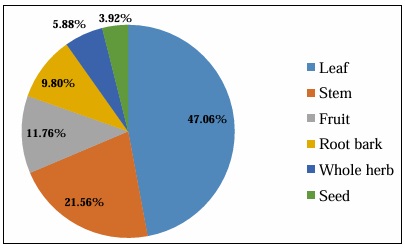
FIG. 1: DISTRIBUTION OF MORPHOLOGICAL PARTS
The trend of oxytocic research activities in the past 44 years (1982-2026) in Nigeria on ten-year basis is presented in Fig 2: 1982-1991 (3.70%), 1992-2001 (7.40%), 2002-2011 (22.22%), 2012 2021 (48.15%), 2022-2031 (18.52% ongoing). In Nigeria, oxytocic research was minimal at the onset in 1982-1991, but rose to attain a maximum (48.15%) in 2021 Fig. 2. The improved research activity (18.52%) in the current research interval (2022-2031) is noteworthy, with prospects of further improvement by 2031. Overall, 52 scientifically-investigated oxytocic plant species are documented for Nigeria. In sub-Saharan Africa, out of the over 200 plant species recognized as traditional oxytocics, only 82 species (approx. 41%) have been pharmacologically validated as at 201355. In this review, the large number of scientifically-validated oxytocic plants in Nigeria (52) compared with other countries possibly ranks Nigeria first in this research area.
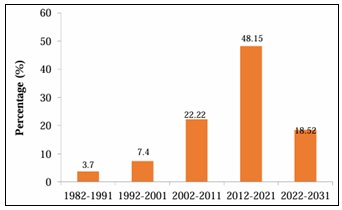
FIG. 2: TREND OF OXYTOCIC RESEARCH IN NIGERIA
A comprehensive documentation of reports of investigations into Nigerian folklore for oxytocic activity using different in vitro models is presented in Table 1. Based on this review, uterotonic action in pregnant and non-pregnant female rats (73.07%) was mostly reported. In addition, studies on human (15.38%), guinea pig (7.69%) and mice (3.84%) myometrial smooth muscle were documented. This is in agreement with similar studies reported elsewhere 46.
However, tocolytic action has been established for eleven plant extracts (16.95%) including Trema orientale root bark, Spondias mombin root bark, Napoleona vogelii leaf, Laurus nobilis leaf and Euphorbia convolvuloides whole herb. In the few studies involving potentiation of agonists, positive results were recorded for only five plants (8.69%) for example Vitex doniana stem bark, Spondias mombin leaf, Piper guineense leaf and seed, and Musanga cecropioides stem bark. According to the number of publications considered for this review, Spondias mombin was the most studied plant (5.88%), followed by Ocimum gratissimum, Vernonia amygdalina and Xylopia aethiopica in equal ranking of 3.92%. Inhibition of contractile effect of extracts on rat uterus by atropine or salbutamol was documented in few researched cases, for example Phoenix dactylifera fruit, Hunteria umbellata fruit and Globimetula braunii leaf Table 1.
It is noteworthy that some of the plant species documented in this review were found to be used elsewhere for similar purpose. For example, Calotropis procera, Ficus exasperata and Piper guineense in Cote d’Ivoire7, as well as Vernonia amygdalina, Carica papaya and Commelina africana in Ugandan 3 oxytocic herbal remedies have been published. In most African traditional settings, oxytocic liquid recipes are usually administered orally 3, 6, 7 in the third trimester of pregnancy. Occasionally, rectal evacuation enema for example in Cameroon 6 and cataplasm in Democratic Republic of Congo 4 are alternative routes of administration.
Isolated Bioactive Compounds: Furthermore, limited full characterization of bioactive compounds from five Nigerian oxytocic plants (9.80%) was evident from this review Table 1. Ficus exasperata leaf aqueous extract that furnished a chlorophyll derivative, pheophytin and its derivative, pheophorbide in addition to flavonoids and pyrimidine derivatives is known 23. Earlier, Uguru et al 29 isolated peptide containing tyrosine, leucine and serine from Monechma ciliatum, while Bello et al 16 characterized isoflavones from Brachystegia eurycoma. Moreover, a quinazoline alkaloid (vasicine) was reported in Sida acuta 45.
Other bioactive compounds such as riden, a cyclotide peptide from Rinorea dentata 44 and the triterpenoid glycoside (dalsaxin) from Dalbergia saxatilis root 22, have also been reported. Nevertheless, specific bioactive oxytocic compounds were not isolated from majority of the plants, but activity was rather attributed to the group of secondary phytochemicals. However, Gruber et al 14 have previously reviewed constituents of labour-inducing plant extracts. This finding therefore corroborates the limited characterization reported for Nigerian plants.
CONCLUSION: This review has documented fifty-two medicinal plants in Nigeria which are dominant in the Apocynaceae and Fabaceae. These have been studied for their possible oxytocic effects during the past forty-four years. Mainly uterotonic and to a lesser extent, tocolytic effects of mostly leaves and stem were frequently published.
Although, oxytocic research became popular in Nigeria during 2012-2021 research period, it is nevertheless an uncommonly investigated pharmacological activity in view of the number of plants involved. Of the four frequently studied plant-based oxytocics, Spondias mombin, Xylopia aethiopica, Ocimum gratissimum and Vernonia amygdalina, none has been fully characterized for their bioactive compounds and mechanisms of action. More experimental studies will be required in this direction before the assessment of clinical efficacy.
ACKNOWLEDGEMENTS: My profound appreciation goes to Dr. I. A. Akinwumi, Department of Pharmacognosy, Lead City University, Ibadan for the drawing of bar and pie charts.
Funding: All sources of funding for this work was generated from personal emoluments of the sole author.
CONFLICTS OF INTEREST: The author expresses no conflict of interest whatsoever during the course of this review exercise.
REFERENCES:
- Gruber CW and O’Brien M: Uterotonic plants and their bioactive constituents. Planta Medica 2011; 77(3): 207-220.
- Veale DJH, Oliver DW and Havlik I: The effects of herbal oxytocics on the isolated “stripped” myometrium model. Life Sciences 2000; 67(11): 1381–1388.
- Kamatenesi-Mugisha M and Oryem-Origa H: Medicinal plants used to induce labour during childbirth in western Uganda. Journal of Ethnopharmacology 2007; 109: 1–9.
- Valentin BC, Philippe ON, Mutumbo CS, Henry MM, Evodie NWI, Salvius BA, Nkwanga JC, Gregoir SK, Glaubert MK, Melman M and Baptiste LS: Ethnomedicinal knowledge of plants used in alternative medicine as uterotonics in Lumumbashi, Hamt-Katanga, Democratic Republic of Congo. PLoS One 2026; 21(8): e0355373.
- Fukunaga R, Morof D, Blanton C, Ruiz A, Maro G and Serbanescu F: Factors associated with local herb use during pregnancy and labor among women in Kigoma region, Tanzania, 2014– 2016. BMC Pregnancy and Childbirth 2020; 20: 122
- Henri E, Valere MK, Theophile NN, Merlin B, Roger EM, Calixte PI, Grâce TT, Gregory HE, Pascal F, Telesphore ME: The problem of traditional African pharmacopoeia in obstetrics: Use of plants for utero-tonic purposes and materno-fetal outcome in Douala (Cameroon). Open Journal of Obstetrics and Gynecology 2019; 9: 1464-1476.
- Koman SR, Kpan WB, Yao K and Ouattara D: Medicinal uses of plants by traditional birth attendants to facilitate childbirth among Djimini women in Dabakala (Center-North of Côte d'Ivoire). Ethnobotany Research & Applications 2021; 21: 23 doi.org/10.32859/era.21.23.1-12.
- Sumankuuro J, Baatiema L, Crockett J and Young J: Women’s use of non‑conventional herbal uterotonic in pregnancy and labour: evidence from birth attendants. BMC Pregnancy and Childbirth 2022; 22: 600 doi.org/10.1186/s12884-022-04934-2.
- Mainassara MM and Khadijah KR: Survey on medicinal plants used in traditional maternal health care in selected areas of Katsina State, Nigeria. Savanna Journal of Basic and Applied Sciences 2019; 1(2): 239-247.
- Alade G, Oladele A, Okpako E, Ajibesin K and Awotona O: A survey of plants used for family planning in Bayelsa State, southern Nigeria. Journal of Intercultural Ethnopharmacology 2018; 7(1): 25–44.
- Attah AF, O’Brien M, Koehbach J, Sonibare MA, Moody JO, Smith TJ and Gruber CW: Uterine contractility of plants used to facilitate childbirth in Nigerian ethnomedicine. Journal of Ethnopharmacology 2012; 143(1): 377-382.
- Ijioma SN, Osim EE, Nwankwo AA, Kanu KC and Orieke D: Southeast Nigerian polyherbal (Ajumbise): A potential uterotonic and tocolytic agents. Scientific African 2020; 8 e00393.
- Nwankudu ON, Ijioma SN and Nwosu CO: In-vitro investigation of fresh juices of ripe Ananas comosus (pineapple), Carica papaya (pawpaw) and Citrullus vulgaris (water melon) for uterine contractile properties in non-pregnant rats. International Journal of Zoology 2014; 4(3): 79-84.
- Airaodion AI, Okoroukwu VN, Ogbuagu EO and Ogbuagu U: In-vitro and in-vivo evaluation of Ananas comosus fruit (pineapple) on abortion/ miscarriage in Wister rats. International Journal of Bio-Science and Bio-Technology 2019a; 11(9): 69-75.
- Bafor EE and Okunrobo LO: In-vitro myometrial inhibition by the partitioned aqueous fraction of Anthocleista djalonensis Canadian Journal of Physiology and Pharmacology 2010; 88(9): 880-887.
- Bello IO, Ayinde BA, Ofeimun JO, Amaechina FC, Kamal N, Gruber CW and Bafor EE: Investigation of the uterine modulating activities and mechanisms of Brachystegia eurycoma Harmas (Leguminosae) methanol stem bark extract and fractions. Scientific African 2024; 25: e02298
- Amos S, Binda L, Kunle OF, Wambebe C and Gamaniel K: Uterotonic properties of the ethanol extract of Brysocarpus coccineus. Pharmaceutical Biology 2002; 40: 33–38.
- Odoh UE, Osadebe PO and Etienne FE: Evaluation of the oxytocic and haematogical effects of leaves of Carica papaya Linn (Caricaceae). World Journal of Advanced Research and Reviews, 2020; 06(02): 212–226.
- Aguwa CN: Uterotonic activity of Cassytha filiformis. Fitoterapia 1987; 58: 291-294.
- Airaodion AI, Airaodion EO, Ogbuagu EO, Okoroukwu VN and Ogbuagu U: Does Chrysophyllum albidum fruit (cherry) induce abortion/miscarriage or not. International Journal of Research and Reports in Gynaecology 2019b; 2(1): 1-7.
- Owolabi OJ, Omogbai EKI and Falodun A: Oxytocic effect of the aqueous leaf extract of Costus lucanusianus –family Costaceae on non-pregnant rat uterus. Pakistan Journal of Pharmaceutical Science 2010; 23(2): 207-2011.
- Uchendu CN: Role of Ca2+ on uterine force stimulated by a glycoside from the root of Dalbergia saxatilis. Indian Journal of Physiology and Pharmacology 1999; 43(2): 171-178.
- Onuaguluchi G and Nwafor P: Pharmacological basis for the use of antivenene water soluble extract of Diodia scandens as a laxative, oxytocic agent and a possible aphrodisiac in traditional medicine practice in eastern Nigeria. Phytotherapy Research 1999; 13(6): 459-463.
- Bafor EE, Omokaro WO, Uwumarongie OH, Elvis-Offiah UB, Omoruyi O, Viegelmann CV and Edrada-Ebel R: Dryopters- filix-mas (Dryopteridaceae) leaves inhibit uterine activity. Journal of Medicinal Plants for Economic Development 2017; 1(1): doi.org/10.4102/jumped.v1i1.25.
- Gbolade AA and Ogona SK: In-vitro evaluation of uterotonic effect of Entada mannii (Oliv.) Tisser (Fabaceae) root bark methanol extract and aqueous fraction on rat. African Journal of Pharmaceutical Research and Development 2025; 17(1): 9-17.
- Elemo OO, Elemo GN and Omole OJ: Uterine contractile activity and abortifacient effect of aqueous Euphorbia heterophylla leaf extract in albino rats. Pharmacology & Toxicology of Natural Medicines 2022; 8(3): 45–53.
- Bafor EE, Lim CV, Rowan EG and Edrada-Ebel R: The leaves of Ficus exasperata Vahl (Moraceae) generates uterine active chemical constituents. Journal of Ethnopharmacology 2013; 145(3): 803-812.
- Oboh LE and Nworgu ZAM: Oxytocic properties of the aqueous extract of Globemetula braunii (Loranthaceae). Pakistan J of Pharma Sciences 2008; 21(4): 356-360.
- Olagbende-Dada SO, Ukpo GE, Coker HAB, Adesina SA. Oxytocic and anti-implantation activities of the leaf extracts of Graptophyllum pictum (Linn.) Griff. (Acanthaceae). African Journal of Biotechnology 2009; 8(21): 5979-5984.
- Falodun A, Nworgu ZA and Ikponmwonsa MO: Phytochemical compounds of Hunteria umbellata (K. Schum.) and its effect on isolated non-pregnant rat uterus in oestrus. Pakistan Journal of Pharmaceutical Science 2006; 19: 256-258.
- Okieimen EF, Owolabi OJ, Iyekowa O and Jonathan EM: Uterine contractile activity of extract of Icacina trichantha on albino non-pregnant rat uterus. Tropical Journal of Natural Product Research 2018; 2(2): 118-121.
- Ojewole JAO and Elujoba AA: Preliminary investigation of the oxytocic actions of an aqueous extract of Lagenaria breviflora International Journal of Crude Drug Research 1982; 20: 157 163.
- Adebisi MI and Alka H: Uterotonic effect of aqueous extract of Launaea taraxacifolia on rat isolated uterine horns. African Journal of Biotechnology 2019; 18(19): 399-407.
- Uchendu A and Nwachukwu MU: Uterorelaxant activity of Laurus nobilis leaf extract on mouse uterine contractility. Nigerian Journal of Pharmacy and Applied Scientific Research 2026; 15(1): 36-46.
- Uguru MO, Ekwenchi MM and Evans F: Bioassay-directed isolation of oxytocic principles from the methanol extract of Monechma ciliatum. Phytotherapy Research 1999; 13: 696-699.
- Elias SO, Ladipo CO, Oduwole BP, Emeka PM, Ojobor PD and Sofola OA: Morinda lucida reduces contractility of isolated uterine smooth muscle of pregnant and non-pregnant mice. Niger Journal of Physiological Sciences 2007; 22(1-2): 129-134.
- Ayinde BA, Onwukaeme DN and Nworgu ZAM: Oxytocic effects of the water extract of Musanga cecropioides Brown (Moraceae) stem bark. African Journal of Biotechnology 2006; 5(14): 1350-1354.
- Bafor E and Sanni U: Uterine contractile effects of the aqueous and ethanol leaf extracts of Newbouldia laevis (Bignoniaceae) in-vitro. Indian Journal of Pharmaceutical Science 2009; 71(2): 124-127.
- Omodamiro OD, Ohaeri OC, Nweke IN. Oxytocic effect of aqueous, ethanolic, n-hexane and chloroform extracts of Xylopia aethiopica (Annonaceae) and Ocimum gratissimum (Labiatae) on guinea pig uterus. Asian Journal of Plant Scientific Research 2012; 2 (1): 73-78.
- Gbolade AA and Igbinedion EP: Evaluation of oxytocic activities of methanol extract and aqueous fraction of Opuntia ficus-indica (L.) Mill. (Cactaceae) stem in rats in-vitro. Pharmaceutical J of Kenya 2024b; 28(3), 76-81.
- Oluwole FS and Bolarinwa AF: The uterine contractile effect of Petiveria alliacea seeds. Fitoterapia 1998; 69: 3-6.
- Omodamiro OD, Omodamiro RM, Kanu OC, Obeagu EI and Chinelo O: Oxytocic and abortifacient potential of ethanolic extract of date fruit (Pheonix dactylifera) in albino rats. Elite Journal of Medical Science 2024; 2(4): 40-59.
- Gbolade AA, Adedokun OA and Evans P: Uterotonic effect of methanol extract and fractions of Psidium guajava (Myrtaceae) stem bark on female white albino rats. Igbinedion University Okada Journal of Pharmaceutical Science 2023; 2(1): 036-044.
- Udoh FV: Uterine muscle reactivity to repeated administration and phytochemistry of the leaf and seed extracts of Piper guineense. Phytotherapy Research 1999; 13: 55–58.
- Attah AF, Hellinger R, Sonibare MA, Moody JO, Arrowsmith S, Wray S, Gruber CW: Ethnobotanical survey of Rinorea dentata (Violaceae) used in South-Western Nigerian ethnomedicine and detection of cyclotides. Journal of Ethnopharmacology 2016; 179: 83-91.
- Eze OB, Nwodo O, Ogugua V and Joshua P: Uterine contractile effect of ethanol extracts of Sida acuta Burm f. leaves. Journal of Investigational Biochemistry 2016; 5(2): 37-40.
- Nworu CS, Akah PA, Okoli CO and Okoye TC: Oxytocic activity of leaf extract of Spondias mombin. Pharmaceutical Biology 2007; 45: 366–371.
- Odoh UE and Nwadimkpa AL: Evaluation of oxytocic and haematologiccal effects of methanol extract of the root bark of Spondias mombin (Anacardiaceae). Journal of Pharmacognosy and Phytochemistry 2020; 9(3): 41-47.
- Agoreyo FO, Ohimai BR and Omigie MI: Effect of Solanum nigrum on uterus of non-gravid rats. Ethiopian Journal of Health Sciences 2017; 27(3): 239-244.
- Oguntokun OJ, Bukar BB and Aguiyi JC: Contractile effects of methanol extract of Tacazzea apiculata stem on albino rats uterine strips. International Journal of Pharmaceutical Science 2025; 3(9): 2076-2085.
- Gbolade AA, Adedokun OA and Ibrahim TL: Assessment of contractile effect of Trema orientale (Cannabaceae) root bark extracted with methanol on uterus of non-pregnant rat. Science World Journal 2024a; 19(4): 955-958.
- Ijeh II, Igwe KK and Ejike CECC: Effect of leaf aqueous extracts of Vernonia amygdalina Del on contraction of mammary gland and uterus of guinea pig dams. American Journal of Tropical Medicine & Public Health 2011; 1(3): 107-116.
- Ladeji O, Udoh FV and Okoye ZSC: Activity of aqueous extract of the bark of Vitex doniana on uterine muscle response to drugs. Phytotherapy 2005; 19(9): 804-806.
- Nwafor AV, Ohanme EO, Ofonakara U, Eze CN, Okoroafor FC, Iwe CB, Uchenna CV, Onwe AB, Orofuke GN and Ghasi S: Oxytocic and abortifacient activities of Xylopia aethiopica ethanol fruit extracton female Wister rats. International Journal of Human and Health Sciences 2024; 8(3): 268-274.
- Tripathi V, Stanton C and Anderson FWJ: Traditional preparations used as uterotonics in Sub Saharan Africa and their pharmacologic effects. International Journal of Gynaecology and Obstetrics 2013; 120(1): 16-22.
How to cite this article:
Gbolade AA: Medicinal plants in Nigeria employed as traditional oxytocics. An updated review. Int J Pharmacognosy 2026; 13(11): 1131-40. doi link: http://dx.doi.org/10.13040/IJPSR.0975-8232.IJP.13(11).1131-40.
This Journal licensed under a Creative Commons Attribution-Non-commercial-Share Alike 3.0 Unported License.
Article Information
5
1131-1140
572 KB
5
English
IJP
A. A. Gbolade
Department of Pharmacognosy, Faculty of Pharmacy, Lead City University, Ibadan, Oyo State, Nigeria.
debayodele22@gmail.com
07 October 2026
29 October 2026
31 October 2026
10.13040/IJPSR.0975-8232.IJP.13(11).1131-40
01 November 2026
 Download