


IVY LEAF (HEDERA HELIX): PHYTOCONSTITUENTS, THERAPEUTIC POTENTIAL & PHARMACOLOGICAL ACTIVITIES – AN INTEGRATIVE REVIEW
HTML Full TextIVY LEAF (HEDERA HELIX): PHYTOCONSTITUENTS, THERAPEUTIC POTENTIAL & PHARMACOLOGICAL ACTIVITIES – AN INTEGRATIVE REVIEW
S. Abhirami, Aksa Biju, Ameena, Jithin Joseph and Sneha Susan Thomas *
Caritas College of Pharmacy, Ettumanoor, Kottayam, Kerala, India.
ABSTRACT: Hedera helix L. (commonly known as ivy leaf), belonging to the Araliaceous family, is a widely acknowledged medicinal plant that has been traditionally utilized for treating respiratory conditions, especially productive cough, bronchitis, and inflammatory airway issues. The therapeutic benefits of ivy leaf are primarily due to its abundant phytochemical constituents, which include triterpene saponins (such as α-hederin, hederacoside C, and hederasaponins), flavonoids (including rutin, quercetin, and kaempferol), phenolic acids (like chlorogenic acid and caffeic acid), coumarins, sterols, volatile oils, and various other antioxidant components. These bioactive substances are responsible for a range of pharmacological effects, including bronchodilation, mucolytic action, expectorant properties, anti-inflammatory effects, antimicrobial activity, antitussive effects, and antioxidant capabilities. From a mechanistic perspective, α-hederin improves the responsiveness of β2-adrenergic receptors by preventing their internalization, which results in elevated levels of intracellular cyclic AMP, relaxation of airway smooth muscles, and enhanced mucus clearance. Standardized extracts of ivy leaf, particularly dry hydroethanolic formulations like EA 575®, have shown clinical effectiveness in managing both acute and chronic bronchitis, upper respiratory tract infections, and cough-related disorders in individuals of all ages. A variety of dosage forms, including syrups, drops, tablets, effervescent tablets, and combined herbal preparations, are available on the market. Techniques for extraction and standardization, such as hydroalcoholic extraction and HPLC analysis, are crucial for maintaining consistent quality, safety, and phytochemical content. Toxicological assessments reveal a favorable safety profile when used at recommended dosages, with mild gastrointestinal disturbances and infrequent allergic reactions being the most commonly noted adverse effects. The overall review demonstrates that Hedera helix possesses a broad spectrum of bioactive phytoconstituents responsible for multiple pharmacological activities, including respiratory, anti-inflammatory, antimicrobial, antioxidant, anticancer, and immunomodulatory effects. Advances in extraction, standardization, formulation, and safety evaluation further support its therapeutic potential and justify continued research into its clinical applications.
Keywords: Hedera helix, Phytoconstituents, Triterpene saponins, Respiratory disorders, Bronchodilator, Expectorant, Pharmacological activities
INTRODUCTION: Leaves of Hedera helix (ivy) have long been used to treat productive cough and chronic inflammatory bronchitis.
Its therapeutic effects are believed to come from a variety of active compounds that may work together in additive or even synergistic ways.
This comparative study aimed to analyze the composition of key bioactive components such as flavonoids, phenolic acids, triterpene saponins, amino acids, and fast-acting antioxidants 1. The therapeutic effects of ivy leaves are mainly attributed to a rich variety of bioactive compounds. These include triterpene saponins such as α-hederin, hederasaponin C, hederacoside E, and hederacoside F. Pharmacological studies have shown that ivy leaf extracts possess multiple beneficial actions, including mucolytic (mucus-thinning), antispasmodic, bronchodilator, and antibacterial effects. Because of these properties, they are commonly used in the treatment of productive cough, upper respiratory tract infections, and chronic inflammatory bronchial conditions 2. The bronchodilatory (bronchospasm-relieving) and mucus-clearing (secretolytic) effects of dry extracts from ivy leaves can be explained by their ability to enhance the responsiveness of β2-adrenergic receptors in the airways. Recent studies have shown that α-hederin helps prevent the internalization of β2-adrenergic receptors (β2AR) when they are stimulated. As a result, more receptors remain active on the cell surface. In experiments, cells pre-treated with α-hederin such as alveolar type II cells and human airway smooth muscle cells showed increased binding of β2AR and a higher level of intracellular cyclic AMP (cAMP), which is a key messenger involved in relaxing airway muscles and improving mucus clearance 3.
Taxonomical Classification 4:
Kingdom: Plantae
Division: Magnoliophyta (Angiosperms)
Class: Magnoliopsida (Dicotyledons)
Order: Apiales
Family: Araliaceae
Genus: Hedera
Species: Hedera helix Top of Form
Plant Description:
Bottom of Form
Hedera helix L. (ivy leaf) is a perennial, evergreen woody climber belonging to the family Araliaceae. Hedera helix L., sometimes known as common ivy (CI), is an evergreen vine that clings to walls, fences, tree trunks, and other vertical surfaces. Because CI reduces the effects of urban heat islands and enhances urban air quality, governments in Europe have advised planting it in urban areas. These vertical greenery systems would need to be regularly trimmed in order to produce a potentially intriguing new biomass resource for urban biorefinery concepts. Additionally, CI extracts include pharmaceutically active substances including α-hederin and hederacoside C, which are the active ingredients of cough syrups that are sold commercially 5.
Hedera L. taxa's trichomes have long been a crucial feature in species delineation. Hedera has two different types of trichomes: stellate and scale-like.
Using scanning electron microscopy, this study investigated the trichome variation in sixteen currently identified Hedera taxa. Trichome morphology measurements were made, and differences between taxa were analysed. H. maderensis Rutherford subsp. maderensis has the longest rays, the biggest fusion of rays, and the longest overall length among the taxa having scale-like trichomes.
In addition to having the longest and widest rays among the species with stellate trichomes, H. helix has the largest overall 6.
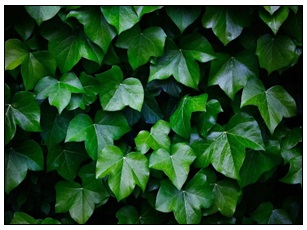
FIG. 1:
Botanical Assessment: Hedera helix L. is a climbing species that belongs to the Araliaceae family. It is a perennial plant that reaches heights of 20 to 30 meters. The development can occur at ground level as ground cover, or upward if there is an appropriate support (vertical surfaces like trees, walls, or rocks) to which it attaches itself using aerial roots. Ivy thrives in soils with varying pH levels but favors a neutral condition (optimal pH = 6.5).
It favors damp, shaded areas and cannot withstand harsh, direct sunlight; variations in climate affect the growth of ivy in wooded regions.
The leaves are arranged alternately, measuring between 5 –10 cm in length, and consist of two varieties: juvenile leaves (palmate, with five lobes, found on creeping and climbing stems) and adult leaves (cordate, unlobed, present on fertile flowering stems).
The flowers have an umbel shape with a diameter of 3 –5 cm, and the fruits are purple-black, measuring 6 –8 mm in diameter 7.
Ayurvedic Significance: Traditional families in the Himalayan foothills used hemp-like braided ivy vines as temporary splints for broken limbs, according to post-independence research in India. This practice was based more on practical immobilization than chemical action, though some Ayurvedic elders claimed that topical application of a hot ivy leaf pastes simultaneously reduced swelling more quickly than standard bandaging alone.
The fact that these tales persisted in oral traditions and were occasionally documented in local gazettes serves as a reminder of how dynamic and regionally specific the story of Hedera helix truly is 8. In the Ayurvedic medicinal system, ivy leaf has the following characteristics:
Guna (Quality): Laghu, Ruksha, Tikshna
Rasa (Taste): Tikta
Vipaka (post-digestive effect): Katu
Virya (Potency): Ushna
Prabhav (Specific action): Hridya
Phytoconstituents of Hedera helix: The preliminary phytochemical analysis of Hedera helix indicated that the plant comprises unsaturated sterols, tannins, phenolic compounds, terpenoids, glycosides, alkaloids, flavonoids, carbohydrates, reducing sugars, and saponins 9, 10, 11. The chemicals included triterpene saponins such as helixoside A, helixoside B, 3-O-β-glucosyl hederagenin, 3-O-β-glucosyl-(9→10)-β-glucosyl oleanolic acid, and 3-O-β-glucosyl-(9→10)-β-glucosyl hederagenin staunoside A (3-O-β-glucosyl -28-O-β-glucosyl-(9→14)-β-glucosyl hederagenin); polyacetylenes like falcarinon, falcarinol, and panaxidol ((Z)-9, 10-epoxy-1-heptadecene-4,6-diyn-3-one); fatty acids including petroselinic, oleic, cis-vaccenic, and palmitoleic; as well as β-lectins 12, 13.
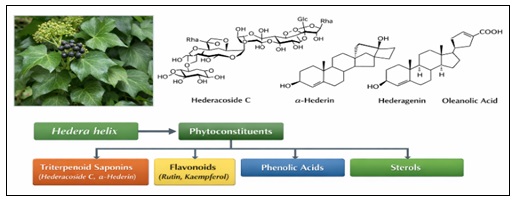
FIG. 2: PHYTOCONSTITUENTS OF HEDERA HELIX
In contrast, the chemical groups derived from the plant aretriterpene saponin derivatives such as hederagenin, oleanolic acid, bayogenin (2β-OH-hederagenin), hederasaponin C (=hederacoside C), and hederasaponins B, D, E, F, G, H, and I, along with hederasaponin A, 3-sulfates of oleanolic acid 14, 16, 17 and echinocystic acid, and 3-sulfate of 28-O-β-gentiobiosyloleanate = helicoside L-8a; monodesmosides like α-hederin and hederagenin 3-O-β-glucoside; volatile oils such as germacrene B, β-elemene, γ-elemene (elixen), methylethyl ketone, methylisobutyl ketone, trans-2-hexanal, trans-2-hexanol, germacrene D, β-caryophyllene, sabinene, α-, β-pinene, limonene, and furfurol; 14, 15, 20 phenolic acids including caffeic, chlorogenic (5-O-caffeoylquinic), neochlorogenic (3-O-caffeoylquinic), 3,5-O-dicaffeoyl-quinic, 4,5-O-dicaffeoyl-quinic, and rosmarinic [(R)-(+) enantiomer]; dihydroxybenzoic, protocatechuic, and p-coumaric acids; 14, 15, 17 flavonoids such as quercetin, kaempferol, rutin (quercetin 3-O-rutinoside), isoquercitrin (quercetin 3-O-glucoside), astragalin (kaempferol 3-O-glucoside), and kaempferol 3-O-rutinoside; 18 coumarins like scopolin (scopoletin 7-O-glycoside); 15 polyacetylenes including falcarinon, falcarinol, and 11,12-dehydrofalcarinol; 14, 15, 19 anthocyanin: cyanidin 3-monoside; 14 and sterols such as cholesterol, campesterol, stigmasterol, sitosterol, and α-spinasterol; 14, 15 5α-stigma-7-en-3β-ol; A.
TABLE 1:
| Part | Class of Compounds | Compounds |
| Leaves | Triterpene saponins | Hederasaponin C (hederacoside C), Hederasaponins B, D, E, F, G, H, I; Hederasaponin A; α-hederin; Hederagenin 3-O-β-glucoside; Derivatives of hederagenin, oleanolic acid, bayogenin |
| Flavonoids | Quercetin, Kaempferol; Rutin, Isoquercitrin, Astragalin, Kaempferol 3-O-rutinoside | |
| Coumarins | Scopolin (Scopoletin 7-O-glycoside) | |
| Polyacetylenes | Falcarinon, Falcarinol, 11,12-dehydrofalcarinol | |
| Phenolic acids | Caffeic, Chlorogenic, Neochlorogenic, Dicaffeoyl-quinic acids, Rosmarinic acid, Protocatechuic, p-coumaric | |
| Anthocyanins | Cyanidin 3-monoside | |
| Sterols | Cholesterol, Campesterol, Stigmasterol, Sitosterol, α-spinasterol | |
| Volatile oil | Germacrene B, β-elemene, γ-elemene, Methylethyl ketone, Methylisobutyl ketone, trans-2-hexanal, Germacrene D, β-caryophyllene, Sabinene, α-pinene, β-pinene, Limonene, Furfural | |
| Stems | Saponins | α-Hederin, Hederacoside C (Hederasaponin C), Hederagenin, Hederasaponins B–I |
| Sterols | β-Sitosterol, Stigmasterol, Campesterol | |
| Phenolic compounds | Chlorogenic acid, Caffeic acid, Neochlorogenic acid | |
| Fruit | Triterpene saponins | helicoside A (3-O- β-glucosyl-(1→2)- β-glucosyl-28-O-β-glucosyl -(1→6)- β-glucosyl hederagenin),helicoside B (oleanolic acid 3-O- β-glucosyl-(1→2)- β-glucosyl 28- O- β-glucosyl-(1→6)- β-glucosyl, 3-O- β-glucosyl hederagenin,3-O- β-glucosyl-(1→2)- β-glucosyl oleanolic acid,3-O- β-glucosyl-(1→2)- β-glucosyl hederagenin,staunoside A (3-O- β-glucosyl- 28-O-β-glucosyl-(1→6)- β-glucosyl hederagenin) |
| Fatty acids | petroselinic, oleic, cis- vaccenic, palmitoleic | |
| polyacetylenes | falcarinon, falcarinol, panaxidol ((Z)-9,10-epoxy-1-heptadecene-4,6-diyn-3-one) |
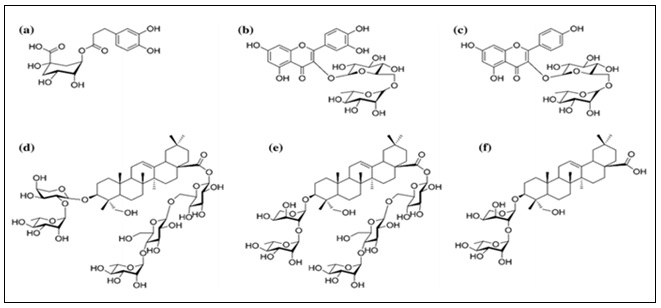
FIG. 3: STRUCTURES OF SIX COMPOUNDS: A CHLOROGENIC ACID, B RUTIN, C NICOTIFLORIN, D HEDERACOSIDE C, E HEDERASAPONIN B, AND FΑ-HEDERIN FROM LEAVES OF HEDERA HELIX L.
Therapeutic Potential and Pharmacological Activities:
Respiratory Activity: The respiratory benefits of Hedera helix are mainly linked to its active saponin, α-hederin, which shows strong bronchodilatory activity. Experimental studies suggest that α-hederin enhances airway relaxation indirectly by improving the responsiveness of β2-adrenergic receptors. It appears to prevent receptor internalization and desensitization, especially under conditions of high muscarinic stimulation, thereby maintaining receptor availability and increasing intracellular cyclic AMP levels. This ultimately supports smooth muscle relaxation in the airways 21, 22, 23.
Animal studies further support these findings, showing that ivy leaf extracts can reduce bronchoconstriction triggered by allergens such as ovalbumin and inflammatory mediators. In addition, α-hederin has demonstrated anti-inflammatory effects by lowering cytokines like IL-17 and regulating gene expression involved in airway remodeling. Histological observations in asthma models revealed reduced mucus-secreting goblet cells and decreased thickening of airway structures following treatment 24, 25, 26.
Clinical evidence aligns with these experimental results. Trials in patients, particularly children with asthma or bronchitis, have reported improvements in lung function parameters such as expiratory flow rates and vital capacity. Large observational studies also indicate that ivy leaf preparations help reduce cough severity, mucus production, and airway resistance, with good safety and tolerability. Combinations with other herbal agents, such as thyme, have shown enhanced effectiveness in reducing symptoms of bronchitis and improving overall respiratory health 27, 28, 29.
Anti-Inflammatory and Analgesic Activity: Hedera helix also demonstrates notable anti-inflammatory activity. Experimental studies show that its extracts can significantly reduce inflammation, with effects comparable to standard anti-inflammatory drugs such as Diclofenac in certain models 30. Both crude and purified saponin extracts have been effective in reducing acute and chronic inflammation, suggesting that different constituents may contribute to different stages of the inflammatory response 31. Studies using animal pain models indicate that various solvent fractions, particularly chloroform and aqueous extracts, can reduce pain responses effectively. These effects are likely due to the combined action of saponins and phenolic compounds, which may interfere with inflammatory mediators and pain signaling pathways 32.
Anti-Cancer Activity: Research into the anticancer potential of Hedera helix has shown promising results, particularly in laboratory-based studies. Extracts of the plant have demonstrated cytotoxic effects in screening assays and have been shown to inhibit the growth and proliferation of cancer cells 33, 34. Compounds such as α-hederin, hederagenin, and β-amyrin appear to play important roles in these effects.
These compounds can induce programmed cell death (apoptosis) through mechanisms involving oxidative stress and regulation of key apoptotic proteins 35, 36. (Additionally, α-hederin has been reported to enhance the effectiveness of certain chemotherapy drugs, including 5-Fluorouracil, suggesting a possible role as an adjunct in cancer treatment. However, these findings are largely preclinical and require further validation in human studies 37, 38.
Antimicrobial and Antiviral Activity: Hedera helix possesses a broad range of antimicrobial properties. They have been shown to act against both Gram-positive and Gram-negative bacteria, as well as fungal organisms 39. The antibacterial effects are particularly evident in methanolic and ethyl acetate extracts, while α-hederin exhibits strong antifungal activity, especially against Candida species 40, 41. In terms of antiviral activity, ivy extracts have demonstrated the ability to enhance the effectiveness of antiviral drugs such as Oseltamivir in influenza models 42, 43. This combination has been associated with reduced viral replication and inflammation. Certain compounds, such as hederasaponin B, also show direct antiviral effects by interfering with viral protein synthesis, indicating multiple mechanisms of action 44, 45.
Anti -Parasitic Activity: The antiparasitic activity of Hedera helix is mainly attributed to its saponin content. Studies have shown that these compounds are effective against protozoan parasites such as Leishmania species 46, 47. Additionally, the plant exhibits anthelmintic activity against parasitic worms such as Haemonchus contortus. Experimental studies indicate reductions in egg counts and parasite load following treatment, although results may vary depending on dosage and experimental conditions 48, 49.
Anti-oxidant Activity: Hedera helix shows significant antioxidant potential, primarily due to its phenolic compounds and saponins. Various extracts have demonstrated strong free radical scavenging activity in laboratory assays, particularly those obtained using methanol and ethyl acetate 50, 51.
Furthermore, certain saponins, including α-hederin, have been shown to inhibit lipid peroxidation, which is an important mechanism in preventing cellular damage caused by oxidative stress. These properties highlight the potential of Hedera helix in managing oxidative stress-related conditions 52.
Effects on the Digestive System: The plant also exerts notable effects on the gastrointestinal system. Studies have shown that aqueous extracts of Hedera helix can protect against gastric ulcers, significantly reducing ulcer formation in experimental models. This suggests a possible cytoprotective effect on the gastric mucosa 53, 54. In addition, α-hederin influences gastrointestinal motility by promoting smooth muscle contraction through calcium influx mechanisms. Interestingly, the plant also exhibits antispasmodic activity in certain models, indicating that its effects on gut motility may vary depending on concentration and context. These dual actions are likely due to the presence of both saponins and phenolic compounds 55, 56.
Antimutagenic and Immunomodulatory Activity: α-Hederin has shown the ability to counteract mutagenic effects caused by certain chemical agents, including Doxorubicin. This protective effect may be related to the activation of detoxifying enzymes that reduce DNA damage 57, 58.
In addition, ivy leaf extracts exhibit immunomodulatory properties. Studies have shown that they can reduce the production of pro-inflammatory cytokines such as IL-6 in immune cells, suggesting potential benefits in inflammatory and immune-related conditions, particularly those affecting the respiratory system 59, 60.
Anti Thrombin Activity: Some fractions of Hedera helix have demonstrated moderate antithrombin activity in laboratory studies. Compounds such as β-amyrin, stigmasterol, and hexadecanoic acid appear to contribute to this effect 61.
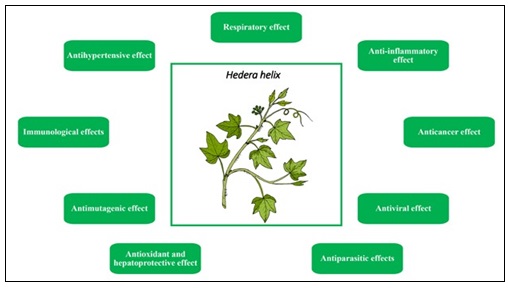
FIG. 4: THERAPEUTIC APPLICATIONS OF HEDERA HELIX (IVY LEAF) EXTRACTS
Toxicity and Side Effects: Common ivy (Hedera helix subsp. helix) is a widely recognized native and decorative plant found in Europe. Since 1899, there have been consistent reports of contact dermatitis associated with ivy. Recently, it has been proposed that allergic contact dermatitis resulting from this plant may be frequently misdiagnosed, in part due to the unavailability of commercial patch test allergens 62. The oral LD50 of ivy leaf extracts in mice was greater than 3 g/kg body weight. The oral LD50 of saponin mixtures derived from ivy leaves, which contained 60% and 90% of hederacoside C, as well as hederasaponin C and α-hederin, was greater than 4 g/kg body weight.
The intraperitoneal LD50 of α-hederin was recorded at 1.8 g/kg body weight, while the saponin mixture containing 60% hederacoside C had an LD50 of 2.3 g/kg body weight. The dry leaf extract induced diarrhea in rats, but no fatalities were observed within 72 hours when administered orally at doses up to 4.1 g/kg body weight 63, 66, 67. A daily oral administration of the dry leaf extract at a dose of 1.5 g/kg body weight for 100 days in rats did not result in any hematological, biochemical, or histological alterations. However, hemolytic effects were noted following the oral administration of a hydroethanolic dry extract of the leaves at a dosage of 4 g/kg body weight over a period of 90 days 63.
In a study involving 361 patients, treatment with a fixed fluid extract combination of thyme and ivy leaves (5.4 ml three times daily for 11 days) was well tolerated, showing no significant difference in the frequency or severity of adverse events when compared to the placebo group. No severe or serious adverse events were reported 65. Adverse events were noted in 1.2% of 5181 children treated with Prospan cough syrup. Forty-six patients (0.5%) discontinued treatment due to adverse events, primarily gastrointestinal issues. The predominant adverse events included gastrointestinal disorders at a rate of 1.5% (diarrhea 0.8%, abdominal and epigastric pain 0.4%, nausea and vomiting 0.3%) and skin allergies at 0.1%. Other adverse events occurring at a frequency of less than 0.1% included dry mouth and thirst, anorexia, eructation, stomatitis, anxiety, headache, and drowsiness 64. However, fresh leaves and leaf juice were associated with allergic contact dermatitis. Exposure to common ivy may result in sensitization, leading to a delayed hypersensitivity reaction. The underlying mechanism was identified as a type IV reaction following initial sensitization. Consequently, individuals with frequent exposure to common ivy, and thus at a heightened risk of sensitization, should don suitable protective clothing 68, 69.
CONCLUSION: Hedera helix (ivy leaf) is a scientifically validated medicinal plant with significant therapeutic value, particularly in the management of respiratory disorders. Its pharmacological efficacy is primarily attributed to a diverse range of bioactive phytoconstituents, including triterpene saponins (especially α-hederin and hederacoside C), flavonoids, phenolic acids, coumarins, sterols, volatile oils, and polyacetylenes. These constituents collectively contribute to its bronchodilatory, expectorant, mucolytic, anti-inflammatory, antimicrobial, antioxidant, immunomodulatory, and other pharmacological activities. Clinical and experimental evidence supports the use of standardized ivy leaf extracts in the treatment of productive cough, acute and chronic bronchitis, and other respiratory tract disorders, with favorable efficacy and safety profiles when administered at recommended doses.
Advances in extraction techniques, phytochemical characterization, and analytical standardization have further improved the quality, consistency, and therapeutic reliability of ivy leaf preparations. Although emerging studies also suggest promising anticancer, antiviral, antiparasitic, gastroprotective, and antithrombotic properties, most of these findings are based on preclinical investigations and require further validation through well-designed clinical trials. Overall, Hedera helix represents an important medicinal plant with broad pharmacological potential and substantial clinical relevance. Future research should focus on elucidating its molecular mechanisms, establishing long-term safety, optimizing dosage formulations, and conducting large-scale randomized clinical studies to expand its evidence-based therapeutic applications and facilitate its integration into modern phytopharmaceutical practice.
ACKNOWLEDGEMENT: Nil
CONFLICT OF INTEREST: Nil
REFERENCES:
- Sierocinski E, Holzinger F and Chenot JF: Ivy leaf (Hedera helix) for acute upper respiratory tract infections: an updated systematic review. European Journal of Clinical Pharmacology 2021; 77(8): 1113-22.
- Bioactive phenolics fraction of Hedera helix L. (Common Ivy Leaf) standardized extract ameliorates LPS-induced acute lung injury in the mouse model through the inhibition of proinflammatory cytokines and oxidative stress.
- A systematic study on the influence of the main ingredients of an ivy leaves dry extract on the β2-adrenergic responsiveness of human airway smooth muscle cells.
- Kew Science. Hedera helix L. Plants of the World Online. Royal Botanic Gardens, Kew.
- Vercruysse W, Noppen B, Jozefczak M, Huybrechts M, Derveaux E, Vandecasteele B, Cuypers A, Marchal W and Vandamme D: Common ivy (Hedera helix L.) as a novel green resource in an urban biorefinery concept. ACS Sustainable Chemistry & Eng 2023; 11(39): 14267-86.
- Ackerfield J: Trichome morphology in Hedera (Araliaceae). Edinburgh J of Botany 2001; 58(2): 259-67.
- Florin SA and Simona RO: Characterization of the Hedera helix L. leaves geometry based on some dimensional parameters and calculated ratios. Life Science and Sustainable Development 2022; 3(2): 7-16.
- https://ask-ayurveda.com/wiki/article/4571-hedera-helix
- Rashed KNZ: Antioxidant activity of Hedera helix L. extracts and the main phytoconstituents. Int J of Allied Med Sci and Clin Res 2013; 1(2): 62-64.
- Saiah H, Allem R and El Kebir FZ: Antioxidant and antibacterial activities of six Algerian medicinal plants. Int J Pharm Sci 2016; 8(1): 367-374.
- Raynaud J: Les heterosides flavononiques d´Hedera helix. Plantes Médicinales et Phytothérapie 1982; 16: 318-320.
- Bedir E, Kirmizipekmez H, Sticher O and Caliş I: Triterpene saponins from the fruits of Hedera helix. Phytochemistry 2000; 53(8): 905-909.
- Christensen LP, Lam J and Thomasen T: Polyacetylenes from the fruits of Hedera helix. Phytochemistry 1991; 30(12): 4151-2.
- Wichtl M: Herbal Drugs and Phytopharmaceuticals. A Handbook for Practice on a Scientific Basis. 3rd ed. Stuttgart 2004; 274-7.
- Grishkovec VI, Kondratenko AJe, Tolkachova NV and Shashkov AS: Triterpene glycosides of Hedera helix I. Structure of glycosides L-1, L-2a, L-2b, L-3, L-4a, L-4b, L-6a, L-6b, L-6c, L-7a and L-7b from Hedera helix leaves. Chimija Prirodnyh Sojedinenij 1994; 6: 742-6.
- Crespin F, Elias R, Morice C, Ollivier E, Balansard G and Faure R: Identification of 3-O-β-D-glucopyranosyl hederagenin from the leaves of Hedera helix. Fitoterapia LXVI 1995; (5): 477.
- Trute A and Nahrstedt A: Identification and quantitative analysis of phenolic compounds from the dry extract of Hedera helix. Planta Med 1997; 63(2): 177-9.
- Gafner F, Reynolds GW and Rodriguez E: The diacetylene 11, 12-dehydrofalcarinol from Hedera helix. Phytochemistry 1989; 28(4): 1256-7.
- Machran GH, Hilal SH and el-Alfy TS: The isolation and characterisation of emetine alkaloid from Hedera helix. Planta Med 1975; 27(2): 127-32.
- Gruenwald J, Brendler T and Jaenicke C: PDR for Herbal Medicines. Med Economics Com Montvale 2000; 284-5.
- Wolf A, Gosens R, Meurs H and Häberlein H: Pre-treatment with α-hederin increases β-adrenoceptor mediated relaxation of airway smooth muscle. Phytomedicine 2011; 18(2-3): 214-218.
- Sieben A, Prenner L, Sorkalla T, Wolf A, Jakobs D, Runkel F and Häberlein H: Alpha-hederin, but not hederacoside C and hederagenin from Hedera helix, affects the binding behavior, dynamics, and regulation of beta 2-adrenergic receptors. Biochemistry 2009; 48(15): 3477-3482.
- Greunke C, Hage-Hülsmann A, Sorkalla T, Keksel N, Häberlein F and Häberlein H: A systematic study on the influence of the main ingredients of an ivy leaves dry extract on the β2-adrenergic responsiveness of human airway smooth muscle cells. Pulm Pharmacol Ther 2015; 31: 92-98.
- European Pharmacopoeia. 7th ed. Monograph. 01/2008:2148.
- Ebrahimi H, Fallahi M, Khamaneh AM, Ebrahimi Saadatlou MA, Saadat S and Keyhanmanesh R: Effect of α-hederin on IL-2 and IL-17 mRNA and miRNA-133a levels in lungs of ovalbumin-sensitized male rats. Drug Dev Res 2016; 77(2): 87-93.
- Hocaoglu AB, Karaman O, Erge DO, Erbil G, Yilmaz O, Kivcak B, Bagriyanik HA and Uzuner N: Effect of Hedera helix on lung histopathology in chronic asthma. Iran J Allergy Asthma Immunol 2012; 11(4): 316-323.
- Zeil S, Schwanebeck U and Vogelberg C: Tolerance and effect of an add-on treatment with a cough medicine containing ivy leaves dry extract on lung function in children with bronchial asthma. Phytomedicine 2014; 21(10): 1216-1220.
- Hofmann D, Hecker M and Völp A: Efficacy of dry extract of ivy leaves in children with bronchial asthma-a review of randomized controlled trials. Phytomedicine 2003; 10(2-3): 213-220.
- Fazio S, Pouso J, Dolinsky D, Fernandez A, Hernandez M, Clavier G and Hecker M: Tolerance, safety and efficacy of Hedera helix extract in inflammatory bronchial diseases under clinical practice conditions: a prospective, open, multicentre postmarketing study in 9657 patients. Phytomedicine 2009; 16(1): 17-24.
- Rai A: The Antiinflammatory and antiarthritic properties of ethanol extract of Hedera helix. Indian J Pharm Sci 2013; 75(1): 99-102.
- Süleyman H, Mshvildadze V, Gepdiremen A and Elias R: Acute and chronic antiinflammatory profile of the ivy plant, Hedera helix, in rats. Phytomedicine 2003; 10(5): 370-374.
- Rauf A, Uddin G, Khan H, Siddiqui BS, Arfan M, Yousuf M and Hussain A: Analgesic and antioxidant activity of crude extracts and isolated fractions of aerial parts of Hedera helix L. JSM Chem 2014; 2(2): 1012.
- Medeiros JR, Medeiros H, Mascarenhas C, Davin LB and Lewis NG: Bioactive components of Hedera helix. Arquipélago, Life and Marine Sciences 2002; 19: 27-32.
- Ibrar M, Ilahi I and Hussain F: The cytotoxic potential of Ivy (Hedra helix L.) leaves. Pak J Bot 2001; (Special issue): 697-702. [91]. Gumushan-Aktas H and Altun S. Effects of Hedera helix L extracts on rat prostate cancer cell proliferation and motility. Oncol Lett 2016; 12(4): 2985-2991.
- Gumushan-Aktas H and Altun S: Effects of Hedera helix L extracts on rat prostate cancer cell proliferation and motility. Oncol Lett 2016; 12(4): 2985-2991.
- Danloy S, Quetin JL, Coucke P, Pawgillet MC, Elias R, Balansard G, Angenot L and Bassleer R: Effects of α-hederin, a saponin extracted from Hedera helix, on cells cultured in-vitro. Planta Medica 1994; 60: 45-49.
- Bun SS, Elias R, Baghdikian B, Ciccolini J, Ollivier E and Balansard G: Alpha hederin potentiates 5-FU antitumor activity in human colon adenocarcinoma cells. Phytother Res 2008; 22(10): 1299-1302.
- Liu BX, Zhou JY, Li Y, Zou X, Wu J, Gu JF, Yuan JR, Zhao BJ, Feng L, Jia XB and Wang RP: Hederagenin from the leaves of ivy (Hedera helix L.) induces apoptosis in human LoVo colon cells through the mitochondrial pathway. BMC Complement Altern Med 2014; 14: 412. doi: 10.1186/1472-6882-14-412.
- Saiah H, Allem R and El Kebir FZ: Antioxidant and antibacterial activities of six Algerian medicinal plants. Int J Pharm Sci 2016; 8(1): 367-374.
- Uddin G, Rauf A, Qaisar M, Ur Rehman T, Latif A and Ali M: Preliminary phytochemical screening and antimicrobial activity of Hedera helix L. Middle-East Journal of Scientific Research 2011; 8 (1): 198-202.
- Cioaca C, Margineanu C and Cucu V: The saponins of Hedera helix with antibacterial activity. Pharmazie 1978; 33(9): 609-610.
- Favel A, Steinmetz MD, Regli P, Vidal-Ollivier E, Elias R and Balansard G: In-vitro antifungal activity of triterpenoid saponins. Planta Med 1994; 60(1): 50-53.
- Prescott TA, Rigby LP, Veitch NC and Simmonds MS: The haploinsufficiency profile of α-hederin suggests a caspofungin-like antifungal mode of action. Phytochemistry 2014; 101: 116-120.
- Hong EH, Song JH, Shim A, Lee BR, Kwon BE, Song HH, Kim YJ, Chang SY, Jeong HG, Kim JG, Seo SU, Kim H, Kwon Y and Ko HJ: Coadministration of Hedera helix L. extract enabled mice to overcome insufficient protection against influenza A/PR/8 virus infection under suboptimal treatment with oseltamivir. PLoS One 2015; 10(6): e0131089. doi: 10.1371/journal.pone.0131089.
- Song J, Yeo SG, Hong EH, Lee BR, Kim JW, Kim J, Jeong H, Kwon Y, Kim H, Lee S, Park JH and Ko HJ: Antiviral activity of hederasaponin B from Hedera helix against enterovirus 71 subgenotypes C3 and C4a. Biomol Ther (Seoul) 2014; 22(1): 41-46.
- Majester-Savornin B, Elias R, Diaz-Lanza AM, Balansard G, Gasquet M and Delmas F: Saponins of the ivy plant, Hedera helix, and their leishmanicidic activity. Planta Med 1991; 57(3): 260-262.
- Eguale T, Tilahun G, Debella A, Feleke A and Makonnen E: Haemonchus contortus: in-vitro and in-vivo anthelmintic activity of aqueous and hydro-alcoholic extracts of H. helix. Experimental Parasitology 2007; 116(4): 340-345.
- Hooshyar H, Talari S and Feyzi F: Therapeutic effect of Hedera helix alcoholic extract against cutaneous leishmaniasis caused by Leishmania major in Balb/c mice. Jundishapur Journal of Microbiology 2014; 7(4): 9432.
- Julien J, Gasquet M, Maillard C, Balansard G and Timon-David P: Extracts of the ivy plant, Hedera helix, and their anthelminthic activity on liver flukes. Planta Med 1985; 3: 205-208.
- Rashed KNZ: Antioxidant activity of Hedera helix L. extracts and the main phytoconstituents. Int J of Allied Med Sci and Clin Res 2013; 1(2): 62-64.
- Rauf A, Uddin G, Khan H, Siddiqui BS, Arfan M, Yousuf M and Hussain A: Analgesic and antioxidant activity of crude extracts and isolated fractions of aerial parts of Hedera helix L. JSM Chem 2014; 2(2): 1012.
- Gulcin I, Mshvildadze V, Gepdiremen A and Elias R: Antioxidant activity of saponins isolated ivy: alpha-hederin, hederasaponin-C, hederacolchiside-E and hederacolchiside-F. Planta Med 2004; 70(6): 561-563.
- Mulkijanyan K, Novikova Zh, Sulakvelidze M, Getia M, Mshvildadze V and Dekanosidze G: Ivy water extracts as gastric ulcer preventive agents. Georgian Med News 2013; (224): 63-66.
- Mendel M, Chł opecka M, Dziekan N and Wiechetek M: The effect of the whole extract of common ivy (Hedera helix) leaves and selected active substances on the motoric activity of rat isolated stomach strips. J Ethnopharmacol 2011; 134(3): 796 802.
- Mendel M, Chł opecka M, Dziekan N, Karlik W and Wiechetek M: Participation of extracellular calcium in α-hederin-induced contractions of rat isolated stomach strips. J Ethnopharmacol 2013; 146(1): 423-426.
- Trute A, Gross J, Mutschler E and Nahrstedt A: In-vitro antispasmodic compounds of the dry extract obtained from Hedera helix. Planta Med 1997; 63(2): 125-129.
- Villani P, Orsiere T, Sari-Minodier I, Bouvenot G and Botta A: In-vitro study of the antimutagenic activity of alphahederin. Ann Biol Clin (Paris) 2001; 59(3): 285-289.
- Amara-Mokrane YA, Lehucher-Michel MP, Balansard G, Duménil G and Botta A: Protective effects of alfahederin, chlorophyllin and ascorbic acid towards the induction of micronuclei by doxorubicin in cultured human lymphocytes. Mutagenesis 1996; 11: 161-7.
- Elias R, De Méo M, Vidal-Ollivier E, Laget M, Balansard G and Dumenil G: Antimutagenic activity of some saponins isolated from C. officinalis L., C. arvensis L. and H. helix L. Mutagenesis 1990; 5(4): 327-31.
- Schulte-Michels J, Runkel F, Gokorsch S and Häberlein H: Ivy leave dry extract EA 575® decreases LPS-induced IL-6 release from murine macrophages. Pharmazie 2016; 71(3): 158-161.
- Medeiros JR, Medeiros H, Mascarenhas C, Davin LB and Lewis NG: Bioactive components of Hedera helix. Arquipélago, Life and Marine Sciences 2002; 19: 27-32.
- Paulsen E, Christensen LP and Andersen KE: Dermatitis from common ivy (Hedera helix L. subsp. helix) in Europe: past, present, and future. Contact Dermatitis 2010; 62(4): 201-9.
- European Pharmacopoeia. 7th ed. Monograph. 01/2008:2148.
- Fazio S, Pouso J, Dolinsky D, Fernandez A, Hernandez M, Clavier G and Hecker M: Tolerance, safety and efficacy of Hedera helix extract in inflammatory bronchial diseases under clinical practice conditions: a prospective, open, multicentre postmarketing study in 9657 patients. Phytomedicine 2009; 16(1): 17-24.
- Kemmerich B, Eberhardt R and Stammer H: Efficacy and tolerability of a fluid extract combination of thyme herb and ivy leaves and matched placebo in adults suffering from acute bronchitis with productive cough: A prospective, double-blind, placebocontrolled clinical trial. Arzneim. -Forsch/Drug Res 2006; 56(9): 652−660.
- Lanza JP, Steinmetz MD, Pellegrin E and Mourgue M: Actions toxique et pharmacodynamique sur le rat d’extraits de lierre grimpant (Hedera helix L.). Plantes Med Phytother 1980; 14: 221-229.
- Timon-David P, Julien J, Gasquet M, Balansard G and Bernard P: Recherche d’une activite antifongique de plusieurs principes actifs. Extraits du lierre grimpant: Hedera helix L. Ann Pharm Fr 1980; 38: 545-552.
- Lurquin E, Swinnen I and Goossens A: Allergic contact dermatitis caused by Hedera helix arborescens and not by Hedera helix L. Contact Dermatitis 2012; 66(6): 352- 353.
- Ozdemir C, Schneider LA, Hinrichs R, Staib G, Weber L, Weiss JM and ScharffetterKochanek K: Allergic contact dermatitis to common ivy (Hedera helix L.). Hautarzt 2003; 54(10): 966-969.
How to cite this article:
Abhirami S, Biju A, Ameena, Joseph J and Thomas SS: Ivy leaf (Hedera helix): phytoconstituents, therapeutic potential & pharmacological activities – an integrative review. Int J Pharmacognosy 2026; 13(9): 926-34. doi link: http://dx.doi.org/10.13040/IJPSR.0975-8232.IJP.13(9).926-34.
This Journal licensed under a Creative Commons Attribution-Non-commercial-Share Alike 3.0 Unported License.
Article Information
3
926-934
841 KB
177
English
IJP
S. Abhirami, Aksa Biju, Ameena, Jithin Joseph and Sneha Susan Thomas *
Caritas College of Pharmacy, Ettumanoor, Kottayam, Kerala, India.
snehasusanthomas29@gmail.com
28 July 2026
25 August 2026
27 August 2026
10.13040/IJPSR.0975-8232.IJP.13(9).926-34
01 September 2026
 Download