


FROM CONVENTIONAL TO COMPLEMENTARY: PHYTOTHERAPY IN LUNG CANCER MANAGEMENT
HTML Full TextFROM CONVENTIONAL TO COMPLEMENTARY: PHYTOTHERAPY IN LUNG CANCER MANAGEMENT
Pushpendra Kumar, Umakant Sahu, Harkesh Dadsena, Chhavi Rahangdale, Lokprabha Hirwani, Bhoomika Swarnkar, Abhishek Nand, Helina Tondan, Yashika Israni and Vishal Jain *
Department of Pharmacognosy, University Institute of Pharmacy, Pt. Ravishankar Shuka University, Raipur, Chhattisgarh, India.
ABSTRACT: Lung cancer, which is primarily caused by smoking tobacco products, environmental pollutants, and genetic predispositions, continues to be ranked among the biggest contributors of cancer-related death worldwide. Numerous sophisticated cancer treatment methods are inefficient because of metastatic spread and susceptibility to traditional anti-cancer medications. Natural therapeutic compounds developed from plants are presently of considerable curiosity because of their excellent absorption and lack of side effects. Relevant instances involve ginsenosides (from ginseng), curcumin (from Curcuma longa), resveratrol (from grapes), and epigallocatechin gallate (from green tea). These compounds all alter important molecular pathways linked to the growth of lung cancer including NF-κB, STAT3, MAPK, and PI3K/Akt signalling. This article highlights the molecular understandings, experimental evidence, and fresh clinical data that support the utilization of natural products effective adjuvant and chemo preventive therapy for lung cancer.
Keywords: Lung cancer, Herbal medicine, Adjuvant treatments, Mortality, Phytotherapy
INTRODUCTION: One of the most difficult problems in oncology is still lung cancer 1. Due to tobacco use and air pollution, lung cancer is one of the highest rates of mortality worldwide. It is a disease marked by excessive growth of cells 2. About 85% of occurrences of lung cancer are caused by tobacco use, making it the primary cause of the disease 3. Nicotine exposure contains carcinogens including nitrogenous compounds and PATH that directly harm DNA and cause errors in important genes like TP53, KRAS, and EGFR 4. However, lung cancer also occurs in non-smokers, underscoring the role of other environmental and occupational exposures 5. Long-term exposure to air pollutants such as nitrogen oxides, particulate matter (PM2.5), and volatile organic compounds greatly raises the risk 6.
Lung cancer is mostly caused by radioactive decay products, such as radon gas, which can build up inside 7. Additional risk factors include exposure to asbestos, arsenic, and silica dust, as well as chronic lung inflammation and genetic susceptibility 8. Together, these environmental and lifestyle factors contribute to the complex etiology and rising burden of lung cancer globally 9. Since it is hard to restrict the development of the tumor in its intermediate and terminal stages, the purpose of curative therapy for lung cancer is to ensure mortality 10. When cancer is treated chemically, there are frequently severe adverse reactions, medication obstruction, and substandard clinical results 11.
Consequently, there is an urgent need for effective preventive and adjunctive strategies that can not only inhibit tumor development but also protect normal lung tissue and improve therapeutic outcomes 12. Many cultures have relied on traditional herbal remedies for centuries to manage respiratory illnesses, reduce inflammation, and strengthen immunity.
These phytochemicals can scavenge reactive oxygen species, modulate detoxification enzymes, inhibit oncogenic signalling pathways, and enhance the body’s immune defences against tumor cells 13. Numerous herbal remedies have demonstrated notable anti-tumor effects on immunological regulation 14. For example, it has been demonstrated that the compounds curcumin from turmeric (Curcuma longa), resveratrol from grapes, and epigallocatechin gallate from green tea inhibit the formation of lung tumors via controlling pathways related to blood vessel formation, cell death, cell division, and transmission 15. Similarly, ginsenosides from ginseng have shown encouraging results in the cancerous preliminary studies 16.
Lung Cancer Prevalence and Patterns: One of the most dangerous public health problems in the world, lung cancer still has a major impact on incidence, mortality, and prevalence in both developed and developing nations, including those in Asia, Europe, North America, Latin America and the Caribbean, Africa, and Oceania 17. It now accounts for 12.4% of all cancer cases and has surpassed breast carcinoma as the most prevalent form of cancer incidence globally, with an anticipated 24,80,675 new cases in 2022. The lung cancer incidence, mortality and prevalence in Asia (63.1%, 62.9%, 63.9%), Europe (19.5%, 20.7%, 18.9%), Northern America (10.4%. 8.3%, 10.1%), Latin America and the Caribbean (4.2%, 5.0%, 4.2%), Africa (2.0%, 2.5%, 2.2%), Oceania (0.71%, 0.69%, 0.66%) according to IARC Fig. 1 & 2. Lung cancer incidence is notably high in Asia due to a combination of factors, primarily including high rates of tobacco use, exposure to air pollution, and genetic predispositions. According to epidemiologic research conducted in East Asia, including the republics of China, Japan, Mongolia, North Korea, and the Republic of Korea, almost thirty percent of all lung cancer individuals never smoked 18.

FIG. 1: WORLD HEALTH ORGANIZATION: ESTIMATED NUMBER OF LUNG CANCER CASES IN 2022, WORLDWIDE
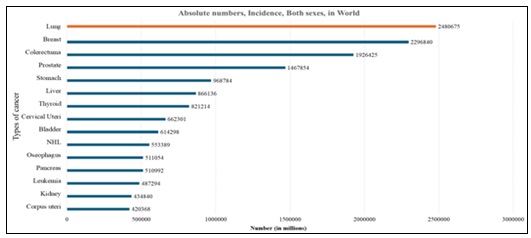
FIG. 2: NUMBER OF NEW CASES, BOTH SEXES, ALL AGES
Pathophysiology of Lung Cancer: Lung cancer comes in two main forms: SCLC and NSCLC. Approximately 10% to 15% of all lung cancers are SCLC, while 80% to 85% of lung cancers are NSCLC. Around 80% to 85% of lung cancer cases globally are NSCLC rather than SCLC 19, 20.
Complex genetic and molecular changes that promote unchecked cell proliferation are part of the pathology underlying NSCLC 21. Genes like EGFR, KRAS, and ALK frequently have important mutations that activate signaling channels like PI3K/AKT and MAPK, which support tumor cell proliferation, survival, and inhibition of death. Additionally, tumor suppressor genes like TP53 may be inactivated, further enabling malignancy 22. NSCLC can also exploit the immune system by overexpressing PD-L1, allowing them to evade immune detection 23. VEGF promotes blood vessel development, which keeps the growth of tumors going by providing a steady flow of oxygen as well as nutrients 24. These molecular insights have paved the way for targeted therapies and immunotherapies, improving patient outcomes. However, resistance mechanisms and tumor heterogeneity remain major challenges in effective NSCLC management 25.
The forceful neuroendocrine system carcinoma known as small cell lung cancer (SCLC) is distinguished by its quick growth and early metastases 26. The disease mostly affects the central airways and is closely associated with tobacco use, which results in mutations in DNA such the deactivation of the genes that regulate tumor suppression RB1 and TP53 27. Loss of TP53 disrupts the cell’s ability to repair DNA damage and regulate apoptosis, while RB1 loss removes control over cell cycle progression, driving uncontrolled proliferation 28. Amplification of MYC family oncogenes further accelerates tumor growth and promotes metabolic reprogramming 29. Neuroendocrine markers, including synaptophysin and chromogranin A, are commonly expressed, reflecting the tumor’s origin from neuroendocrine precursor cells 30. SCLC cells secrete paracrine factors that create an immunosuppressive microenvironment and enhance angiogenesis, supporting tumor expansion and dissemination 31. Due to its high mitotic index and propensity for early spread to the brain, liver, and bone marrow, SCLC often presents at advanced stages, making treatment challenging 32 Fig. 3.
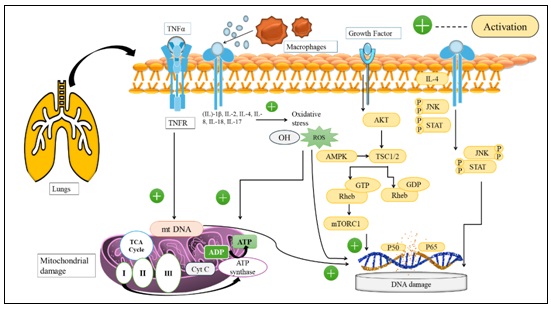
FIG. 3: PATHOPHYSIOLOGY OF LUNG CANCER
Treatment and their Problems: Highly effective approaches for combating lung cancer are treatments called immunotherapies that involve 33.
Cytokines and other Non-specific Immunotherapies: Cytokines are proteins that help immune cells communicate, and some are being tested to treat lung cancer 34. MABP1 blocks IL-1α, a protein linked to cancer growth. In a small study, lung cancer patients pretreated with EGFR-targeting drugs lived longer with MABP1. IL-2, another cytokine, showed mixed results one large study found no benefit, while a smaller study combining IL-2 with chemotherapy and surgery improved 5-year survival. IL-15, given under the skin, boosted natural killer cells that fight cancer. An IL-15-based drug, ALT-803, combined with nivolumab, helped patients whose cancers resisted other treatments 35, 36.
Problems: Cytokines and other non-specific immune-mediated therapies seek to strengthen the body's resistance generally against cancer; however, they frequently result in major issues 37. Widespread immunological activation brought on by treatments utilizing cytokines like IL-2 and IL-15 can result in serious adverse effects such fever, low blood pressure, exhaustion, and organ damage 38. While some studies show improved survival, results are inconsistent and benefits are limited to select patients 39. High toxicity often restricts dosing and long-term use. Additionally, cytokines can unintentionally promote inflammation that harms healthy tissues. Overall, while promising, non-specific cytokine therapies require careful monitoring and more research to improve safety and effectiveness in lung cancer 40, 41.
Monoclonal Antibodies (mAbs) and Immune Checkpoint Inhibitors: Monoclonal antibodies (mAbs) are proteins that bind to targets on cancer cells to block growth signals or mark them for immune destruction 42. ICIs block proteins like PD-1, PD-L1, and CTLA-4, helping the immune system attack cancer 43. Approved ICIs for lung cancer include pembrolizumab, nivolumab, atezolizumab, and durvalumab 44. ADCs, like trastuzumab deruxtecan for HER2-positive lung cancer, deliver chemotherapy directly to tumors. There are also other ADCs in development that target HER2, HER3, Trop-2, and c-Met 45.
Problems: Immune checkpoint inhibitors (ICIs) and monoclonal antibodies (mAbs) have increased lung cancer survival by reviving immune responses and obstructing cancer growth signals 46. However, they can cause serious side effects. ICIs often trigger immune-related problems, like inflammation of the lungs, liver, intestines, or skin. Some patients develop severe pneumonitis or colitis requiring steroids or stopping treatment 47. mAbs may lead to infusion reactions, fatigue, and risk of infections. Combination therapies, though more effective, increase toxicity 48. Additionally, not all patients respond, especially those without specific targets or biomarkers, making it essential to identify who will benefit from these treatments safely 49.
Oncolytic Virus Therapy: Oncolytic virus research for lung cancer is presently being conducted in 14 clinical research studies 50. Oncolytic viruses are special viruses designed to mainly infect and destroy cancer cells 51. As they multiply inside the tumor, they kill cancer cells directly and also trigger the immune system to attack the tumor 52. In one early study (Phase 1), a virus called enadenotucirev (formerly ColoAd1), which targets tumors, was given through a vein to lung cancer patients before their tumors were removed 53. This treatment caused a strong local immune response and brought many cancer-fighting CD8+ T cells into the tumor 54. Another approach uses vaccines made from tumor cells infected with modified adenovirus or vaccinia virus (called VIReST) to help train the immune system 55.
This method could prevent tumors from growing in high-risk people and create lasting protection against cancer 56. The myxoma virus (MYXV) is a poxvirus that normally only infects rabbits and doesn’t cause disease in other animals 57. Surprisingly, MYXV can infect and kill human cancer cells from different tumor types. Researchers tested MYXV in lab models of small-cell lung cancer (SCLC) to see if it could be used as a treatment 58. An oncolytic therapeutic vaccination teaches the immune response to identify and combat cancer cells more successfully by combining an oncolytic virus with antigens linked to cancer 59.
Problems: Using viral designed to spread and eliminate cancerous cells while triggering immune responses, oncolytic virus treatment 60. Treatments like enadenotucirev and myxoma virus show promise in lung cancer by attracting immune cells to tumors and killing cancer cells directly 61. However, this therapy has challenges. Some patients may develop fever, inflammation, or flu-like symptoms 62. Delivering the virus effectively to all tumor sites can be difficult, and the body’s immune system may clear the virus before it works 63. There is also a risk of harming healthy tissues or causing unexpected infections. More research is needed to improve safety and effectiveness 64.
Cancer Vaccines: There are different types of lung cancer vaccines. Some use proteins or small pieces of proteins (like MAGE-A3 or L-BLP25), while others use whole cells (like GVAX or Belagenpumatucel-L) 65. For example, the MAGE-A3 vaccine was tested in a large clinical trial for patients whose tumors had the MAGE-A3 protein, which is linked to worse outcomes 66. The vaccine used the MAGE-A3 protein mixed with an immune booster 67. Sadly, the study showed no benefit patients did not live longer without cancer returning so this vaccine is no longer being developed for lung cancer 68.
Another vaccine, TG4010, targets a protein called MUC1 and uses a harmless virus (MVA) to deliver MUC1 and an immune-boosting signal (IL-2) to the body. Belagenpumatucel-L is made from lung cancer cells that have been treated so they can’t grow. It contains genetic material to block TGF-β, substance cancers use to weaken the immune system 69, 70.
Problems: The MAGE-A3 vaccine failed to show any improvement in how long patients lived without cancer coming back, even in those whose tumors had the MAGE-A3 protein, leading to the end of its development for lung cancer 71. Belagenpumatucel-L also faced problems because lung cancers use many ways to hide from the immune system, like reducing important immune recognition proteins or releasing substances that suppress immune responses 71. These tactics limit the vaccine’s effectiveness. Overall, both vaccines struggled because the immune system could not generate a strong, lasting attack against the tumor, and the cancer continued to evade detection 72.
Anti-Lung Cancer Activities of Plants as A Potential Herbal Medicine:
Panax ginseng: Ginseng (Panax ginseng) has garnered a lot of interest as a potential natural remedy and preventative measure for lung cancer because of its many bioactive components, chiefly ginsenosides 73. Recent studies have elucidated that ginsenosides exert anticancer effects through multiple molecular mechanisms 74. By causing cell cycle arrest at the G0/G1 or G2/M phases, they prevent the growth of lung cancer cells. This is accomplished by upregulating the proteins p21 and p27 and downregulating cyclin-dependent kinases 75. It has been demonstrated that ginsenosides like Rg3 and Rh2 cause apoptosis through mitochondrial pathways, which are marked by a boost in the Bax/Bcl-2 ratio, cytochrome c release, and caspase-3 initiation 76. Additionally, ginseng inhibits the PI3K/Akt and NF-κB signaling pathways, which lowers the expression of VEGF, also known as vascular endothelial growth and collagen metalloproteinases (MMP-2 and MMP-9). This decreases angiogenesis and metastasis 77. Emerging evidence also indicates that ginseng modulates the tumor microenvironment by enhancing immune surveillance, reducing chronic inflammation, and regulating oxidative stress through activation of Nrf2-dependent antioxidant enzymes 78. Notably, nanoparticle formulations of ginsenosides have improved their bioavailability and demonstrated enhanced anticancer efficacy in lung tumor xenograft models 79. Collectively, these mechanistic insights underscore the potential of ginseng as both a chemopreventive and therapeutic agent against lung cancer, warranting further clinical investigation 80.
TABLE 1: LIST OF HERBAL PLANT THAT’S HAVE ANTI LUNG CANCER ACTIVITY
| Herbal medicinal plant | Common name and family | Part used | Bioactive constituents | Mechanism of action | Ref. |
| Panax ginseng
|
CN. Asian ginseng and Chinese ginseng
FN. Araliaceae |
Roots | Ginsenosides, Amino acids, Polysacharides, Volatile oils | Enhance immune surveillance against tumor cells. | 81 |
| Althaea officinalis | CN. Marshmallow
FN. Malvaceae |
Flowers and leaves | Flavonoids (e.g. Quercetin, Kaempferol) | Reduce oxidative stress-induced DNA damage. | 82 |
| Achillea millefolium
|
CN. Yarrow
FN. Asteraceae |
Flowers | flavonoids (apigenin, luteolin), phenolic acids, and sesquiterpene lactones | Inhibits tumor-promoting inflammatory mediators (COX-2, TNF-α), and exerts antioxidant effects. | 83 |
| Taraxacum mongolicum | CN. Mongolian dandelion
FN. Asteraceae |
Whole plant, leaves, and roots | taraxasterol, chlorogenic acid, caffeic acid derivatives, and polysaccharides | Promotes cancer cell apoptosis via ROS generation, downregulates PI3K/Akt and MAPK pathways | 84 |
| Curcuma longa
|
CN. Turmeric, Indian saffron
FN. Zingiberaceae |
Rhizomes | Curcumin | Inhibits NF-κB and STAT3 signaling | 85 |
| Allium sativum
|
CN. Garlic
FN. Amaryllidaceae |
Bulb | Allicin, diallyl disulfide, and S-allyl cysteine | Suppress carcinogen activation enzymes | 86 |
| Taxus brevifolia
|
CN. Pacific yew, western yew
FN. Taxaceae |
Bark | Paclitaxel | Inhibition of tumor growth and metastasis. | 87 |
| Tinospora cordifolia
|
CN. Giloy, Guduchi, Gulvel,
FN. Menispermaceae |
Stem and root | Tinosporaside, berberine, and cordifolioside | Induce apoptosis through mitochondrial pathways oxidative damage | 88 |
| Vitis vinifera
|
CN. wine grape
FN. Vitaceae |
Grape skin and seeds | Resveratrol and Proanthocyanidins | Inhibits proliferation, suppresses NF-κB and STAT3 and protects DNA from oxidative damage | 89 |
| Camellia sinensis
|
CN. Tea plant
FN. Theaceae |
Dried leaves | Epigallocatechin-3-gallate (EGCG) | Inhibits EGFR and VEGF signaling | 90 |
Althaea officinalis: The marshmallow, Althaea officinalis L., has long been used to treat respiratory conditions because of its calming, anti-inflammatory, and mucilaginous qualities 91. Recent pharmacological investigations have highlighted its potential in lung cancer prevention and therapy 92. The plant's bioactive constituents particularly flavonoids (e.g., quercetin, kaempferol), phenolic acids, and polysaccharides exert anticancer effects through multiple mechanisms 93. Studies suggest that extracts of A. officinalis can inhibit lung cancer cell proliferation by inducing cell cycle arrest and promoting apoptosis via mitochondrial-dependent pathways, characterized by activation of caspase-3 and enhanced Bax/Bcl-2 ratio 94. Additionally, by increasing levels of enzyme and superoxide dismutase (SOD) and decreasing intracellular reactive oxygen species (ROS), A. officinalis demonstrates strong antioxidant activity, shielding pulmonary cells against oxidative DNA damage, a major cause of cancer 95. Suppression of NF-κB signaling, which is essential for tumor development and metastasis, and decreased levels of pro-inflammatory cytokines like IL-6 and TNF-α have also been shown to have anti-inflammatory properties96. In experimental lung models, A. officinalis extract reduced histopathological damage, preserved alveolar architecture, and attenuated inflammatory cell infiltration 97. These findings suggest that Althaea officinalis may offer dual benefits protecting healthy lung tissue while exerting antiproliferative effects on malignant cells positioning it as a promising adjunct in lung cancer prevention and supportive therapy. However, further in-depth molecular studies and clinical validation are required to fully establish its efficacy and safety in oncology 98. (Table 1 provided list of major plants in lung cancer activity).
Achillea millefolium: Recent investigations have identified Achillea millefolium (yarrow) as a promising source of anticancer compounds against lung cancer 99. By causing G2/M cell cycle arrest and initiating intrinsic apoptosis via mitochondrial mechanisms, its flavonoids (including apigenin and luteolin), phenolic acids, and sesquiterpene lactones have antiproliferative actions. Those factors stimulate caspase-3 and caspase-9, raise the Bax/Bcl-2 ratio, and encourage cytochrome c release 100. Furthermore, yarrow extracts reduce inflammatory mediators and lower tumor-promoting cytokines including TNF-α and IL-6 via inhibiting the PI3K/Akt and NF-κB signaling pathways. By neutralizing oxygen pollutants and upregulating Nrf2-regulated enzymes that inhibit free radicals, Achillea millefolium also exhibits antioxidant action, shielding lung epithelial cells from oxidative DNA damage.101. Recent in-vivo studies have shown reduced tumor growth and improved lung histopathology following yarrow treatment102. Together, these findings highlight A. millefolium as a multi-targeted natural agent with chemo preventive and therapeutic potential against lung cancer 103.
Taraxacum mongolicum: Taraxacum mongolicum, often referred to as Mongolian dandelion, has emerged as a promising medicinal herb with anticancer potential, notably in respiratory malignancies such as lung cancer 104. Recent studies have identified that its bioactive components including taraxasterol, chlorogenic acid, caffeic acid derivatives, and polysaccharides exert multiple chemopreventive and therapeutic mechanisms 105. According to in-vitro studies, T. mongolicum extracts dramatically reduce the growth of non-small cell lung cancer cells by downregulating the production of CDK4 and cyclin D1, which causes cell cycle arrest at the G0/G1 phase 106. Furthermore, as demonstrated by elevated cytochrome c release, caspase-9 and caspase-3 activation, and the Bax/Bcl-2 ratio, taraxasterol stimulates mitochondrial-mediated apoptosis. A key component of its protective impact is its anti-inflammatory action, which is achieved by suppressing the NF-κB and STAT3 signaling pathways. This lowers the production of pro-inflammatory cytokines like TNF-α and IL-6, which are known to promote tumor growth 107. Furthermore, T. mongolicum exhibits potent antioxidant effects by enhancing the activities of superoxide dismutase and glutathione peroxidase while reducing intracellular reactive oxygen species, thereby protecting lung tissue from oxidative DNA damage and mutagenesis 108. Recent in-vivo models have confirmed that oral administration of T. mongolicum extract can attenuate tumor growth, inhibit angiogenesis by downregulating VEGF expression, and improve histopathological features of lung tissue exposed to carcinogens 109. According to these results, Taraxacum mongolicum has multi-targeted effects, including antiproliferative, pro-apoptotic, anti-inflammatory, and antioxidant properties, making it a viable natural option for early detection and supportive treatment of lung cancer 110. To determine its safety, ideal dosage, and therapeutic effectiveness in human populations, more clinical research is necessary 111.
Curcuma longa: Over the last few years, a great deal of research has been done on the anticancer effects of Curcuma longa, also known as turmeric, especially in relation to lung cancer 112. Recent research has shown that curcumin, its main bioactive ingredient, inhibits the growth and spread of lung tumors through a variety of ways 113. By suppressing the production of cyclin B1 and CDK1, curcumin stops cell division by stopping a cell cycle in the G2/M phase 114. Through the mitochondrial route, it triggers apoptosis, which is shown by an elevated Bax/Bcl-2 ratio, depolarization of the cell membrane potential of the mitochondria, release of cytochrome c, and the expression of caspase-3 and caspase-9 115. Curcumin also inhibits the PI3K/Akt/mTOR and NF-κB signaling pathways, which lowers the transcription of pro-inflammatory and anti-apoptotic genes including Bcl-xL, COX-2, and TNF-α all of which are important contributors to lung carcinogenesis 116. Recent evidence has also highlighted its capacity to inhibit EMT, thereby reducing invasion and metastasis by downregulating matrix metalloproteinases (MMP-2 and MMP-9) and suppressing vimentin production 117. Moreover, curcumin exhibits strong antioxidant activity by eliminating unstable oxygen species and upregulating Nrf2-mediated expression of detoxifying enzymes, protecting normal lung epithelial cells from oxidative DNA damage 118. Novel nano-formulations and curcumin-loaded lipid carriers have further improved its bioavailability and demonstrated enhanced chemotherapeutic efficacy in lung cancer xenograft models 119. Although carefully planned research studies are required to confirm its therapeutic usefulness, these results collectively highlight Curcuma longa's potential as a promising natural drug for the chemoprevention and adjuvant therapy of lung cancer120.
Allium sativum: Recent research highlights Allium sativum (garlic) as a potent natural agent against lung cancer through multiple mechanisms 121. Allicin, diallyl disulphide, and S-allyl cysteine are examples of bioactive sulphur compounds that stop the growth of lung cancer cells by causing a cell cycle stoppage and triggering the mitochondrial mortality systems 122. These compounds upregulate Bax, downregulate Bcl-2, and trigger caspase-3 activation, promoting programmed cell death 123. Garlic extracts also suppress PI3K/Akt and NF-κB signaling, reducing inflammatory cytokines (TNF-α, IL-6) that support tumor growth 124.
Additionally, garlic’s antioxidant properties decrease reactive oxygen species and prevent oxidative DNA damage in lung epithelial cells 125. Recent in-vivo studies have demonstrated that garlic supplementation attenuates tumor volume and limits metastasis by inhibiting matrix metalloproteinases and angiogenesis markers like VEGF 126. Collectively, these findings indicate that Allium sativum offers multi-targeted protective effects, supporting its role as a chemopreventive and adjunct therapeutic agent against lung cancer 127.
Taxus brevifolia: Taxus brevifolia, the Pacific Yew, is renowned for producing paclitaxel, a diterpenoid extensively used in lung cancer chemotherapy 128. Paclitaxel possesses curative properties through stabilizing microtubules and preventing their depolymerization, which arrests the cell cycle at the G2/M phase and leads to mitotic catastrophe 129. According to recent studies, paclitaxel also causes lung cancer cells to undergo mortality by triggering the release of cytochrome c and activating caspase-9 and caspase-3 130. Furthermore, paclitaxel decreases the formation of vessels by downregulating vascular endothelial growth factor (VEGF) and inhibits epithelial–mesenchymal transition, reducing metastasis potential 131. Emerging nanoparticle formulations and albumin-bound paclitaxel have enhanced drug solubility, tumor targeting, and reduced systemic toxicity 132. Studies also report paclitaxel’s ability to alter antibody responses by encouraging the developmental stages of dendritic cells and enhancing cytotoxic T-cell activity against lung tumors 133. Collectively, Taxus brevifolia remains a cornerstone in lung cancer treatment due to its unique multi-targeted mechanisms and clinical efficacy 134.
Tinospora cordifolia: Recent investigations highlight Tinospora cordifolia (Guduchi) as a promising botanical for lung cancer prevention and adjunct therapy 135. Its bioactive constituents, including tinosporaside, berberine, and cordifolioside, exert multiple anticancer mechanisms 136. Studies demonstrate that T. cordifolia extracts induce apoptosis in lung cancer cells by increasing Bax/Bcl-2 ratios, activating caspase-3, and disrupting mitochondrial membrane potential 137. Furthermore, the plant downregulates pro-inflammatory cytokines such as TNF-α and IL-6 by inhibiting NF-κB signaling, thereby reducing tumor-promoting inflammation 138. Antioxidant properties further contribute to chemoprevention by eliminating unstable oxygen species and enhancing endogenous defense enzymes like superoxide dismutase and catalase, protecting lung tissue from oxidative DNA damage 139. In-vivo models show that T. cordifolia suppresses tumor growth, preserves lung histoarchitecture, and improves immune responses by stimulating natural killer cell activity. Collectively, these findings underscore Tinospora cordifolia’s multi-targeted promise as an organic, safe lung cancer treatment management and prevention 140.
Vitis vinifera: Vitis vinifera (grape) has gained attention for its rich polyphenolic content, especially resveratrol and proanthocyanidins, which exhibit potent anticancer effects against lung cancer 141. According to recent research, resveratrol causes lung cancer cells to undergo mortality via triggering the breakdown of mitochondria, which is shown by an elevated Bax/Bcl-2 ratio and caspase-3 activation 142. It also inhibits cell proliferation by arresting the cell cycle at the S-phase and suppressing cyclin D1 expression 143. Additionally, resveratrol downregulates PI3K/Akt and NF-κB signaling, reducing pro-inflammatory cytokines and survival signals critical for tumor growth 144, 145. Grape-derived polyphenols exhibit strong antioxidant properties, scavenging reactive oxygen species and protecting lung epithelial cells from oxidative DNA damage 146. In-vivo models reveal that grape extracts suppress angiogenesis by lowering VEGF levels and inhibit metastasis through modulation of matrix metalloproteinases 147. Collectively, Vitis vinifera demonstrates multi-targeted chemo preventive and therapeutic potential, supporting its use as a complementary strategy against lung cancer 148.
Camellia sinensis: Camellia sinensis, widely consumed as green tea, has shown significant anticancer potential against lung cancer through its abundant polyphenols, particularly EGCG 149. According to recent research, EGCG suppresses the growth of lung cancer cells by downregulating cyclin D1 and CDK4 to cause cell cycle arrest at the G1 phase 150. Through mitochondrial mechanisms, it induces apoptosis, which is shown by an increase in the Bax/Bcl-2 ratio, cytochrome c release, and caspase-3 activation. Furthermore, EGCG inhibits the MAPK and PI3K/Akt signalling mechanisms, which lowers tumor growth and survival. Because of its potent antioxidant properties, it scavenges reactive oxygen species and shields cells in the lung epithelium from DNA oxidation 151. Green tea polyphenols also inhibit angiogenesis by downregulating VEGF and limit metastasis by decreasing matrix metalloproteinase expression 152. Recent in-vivo studies confirm that green tea extracts reduce tumor volume and improve survival in lung cancer models 153. Collectively, Camellia sinensis offers promising chemo preventive and therapeutic benefits for lung cancer management 154. (Table 2 & Fig. 4 provided major phytoconstituents in lung cancer activity)
TABLE 2: LIST OF PLANT BASED INDIVIDUAL COMPOUNDS SHOWING ANTI LUNG CANCER ACTIVITY
| Individual compound | Cell lines | Mechanism of action | Ref. |
| Ginsenosides | A549, H460, H1299 | Inhibits cell proliferation and invasion by modulating PI3K/Akt, MAPK, and NF-κB pathways. | 81 |
| Quercetin | A549, H460, H1975 | Inhibits STAT3 and PI3K/Akt signaling, and causes cell cycle arrest | 82 |
| Flavonoids | A549, H1299 | Block NF-κB activation | 83 |
| Taraxasterol | A549 | Suppresses proliferation, induces apoptosis, inhibits NF-κB and MAPK pathways | 84 |
| Curcumin | A549, H1299, H460 | Induces apoptosis and inhibits proliferation through suppression of NF-κB, STAT3, and EGFR pathways and causes G2/M cell cycle arrest | 85 |
| Allicin | A549, H520 | Induces apoptosis via caspase-3 activation,
inhibits angiogenesis by downregulating VEGF and MMPs |
86 |
| Paclitaxel | A549, H460, H1299 | Binds to β-tubulin, stabilizes microtubules, causing mitotic arrest and apoptosis | 87 |
| Tinosporaside | A549 | Inducing effects by mitochondrial pathway activation | 88 |
| Resveratrol | A549, H1299, H1975 | Induces apoptosis via activation of p53 and caspases, suppresses NF-κB, inhibits proliferation and metastasis | 89 |
| Epigallocatechin-3-gallate | A549, H460, H1975 | Induces apoptosis, inhibits PI3K/Akt and MAPK pathways, suppresses VEGF and telomerase activity. | 90 |
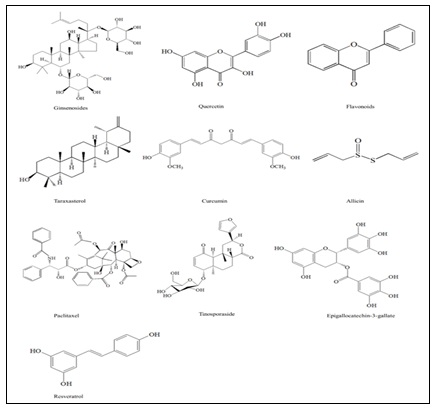
FIG. 4: POTENTIAL HERBAL COMPOUNDS THAT’S HAVE INHIBITORY ACTION IN LUNG CANCER
TABLE 3: LIST OF ANOTHER HERBAL PLANT THAT’S HAVE ANTI LUNG CANCER ACTIVITY
| Herbal medicinal plant | Common name and family | Part used | Bioactive constituents | Mechanism of action | Ref. |
| Catharanthus roseus | CN. Vinca alkaloids
FN. Apocynaceae |
Flowers and leaves | Vinblastine, vincristine, | Non-small cell lung cancer. | 155 |
| Camptotheca acuminata | CN. Cancer Tree
FN. Nyssaceae |
Bark, fruits, and leaves | Camptothecin | Inhibit DNA replication | 155 |
| Dioscorea bulbifera | C. Air Potato
F. Dioscoreaceae |
Flowers | Diosgenin, kaempferol-3, 5- dimethyl ether, lutein, zeaxanthin | Inhibits tumor-promoting inflammatory mediators (COX-2, TNF-α), and exerts antioxidant effects. | 155 |
| Podophyllum peltatum | CN. mayapple
FN. Berberidaceae |
Whole plant, leaves, and roots | Podophyllotoxin | Prevent the polymerization of tubulin | 155 |
| Cephalo taxus harringtonia | CN. Japanese plum yew
FN. Taxaceae |
Rhizomes | Cephalotaxin | Blocking the synthesis in the peptidyl transferase center | 156 |
| Salvia coccinea | CN. Scarlet Sage
FN. Lamiaceae |
Aerial parts and leaves | Apigenin, luteolin, and rosmarinic acid | Inhibiting cell proliferation and migration | 157 |
| Salvia leucantha | CN. Mexican bush sage FN. Lamiaceae | Flowers, leaves, and aerial parts | Sesquiterpene Hydrocarbons, such as β-caryophyllene, α-guaiene, and germacrene D | Inhibition of tumor growth and metastasis. | 157 |
| Salvia splendens | CN. Scarlet Sage (Red) FN. Lamiaceae | Seed | Splenolides, terpenes and terpenoids such as β-cubebene | Inducing apoptosis, inhibiting proliferation | 157 |
| Rosmarinus officinalis | CN. rosemary
FN. Lamiaceae |
Leaves | Rosmarinic acid, Carnosic Acid | Inducing apoptosis (programmed cell death) | 158 |
| Lonica japonica | CN. Japanese honeysuckle FN. Caprifoliaceae | Flower buds and stems | Linalool and fatty acids | blocking the cell cycle | 159 |
| Matricaria chamomile | CN. chamomile
FN. Asteraceae |
Flower head | Caffeic acid phenethyl ester, terpenoids, flavonoids, and coumarins | Significant apoptotic effects on pulmonary epithelial cancer cells (A549) | 159 |
| Clausena excavata Burm | CN. pink lime-berry FN. Rutaceae | Leaves, roots, stems, and fruit | Coumarins and carbazole alkaloids | Growth inhibition of non-small-lung cancer, NCI-H460, cell line via apoptosis | 160 |
| Carica papaya | CN. papaya
FN. Caricaceae
|
Seed | Flavonoids, alkaloids, sapponents, terpenoids, and amino acids | Role on the mRNA expression of IL-6 and TNF-a | 161 |
| Plantago lanceolata | CN. ribwort plantain
FN. Plantaginaceae |
Leaves | Polysaccharides, tannins, flavonoids, phenolic acids and iridoid glycosides | Suppress proliferation in lung cancer cell lines | 162 |
| Andrographis paniculata | CN. Kalmegh
FN. Acanthaceae |
Leaves | Andrographolide, Andrographoside, β-Sitosterol | Against a target ERK2 (Extracellular Signal-related kinase | 163 |
| Ocimum sanctum | CN. Holy Basil or Tulsi
FN. Lamiaceae |
Leaves | Eugenol, rosmarinic acid, ursolic acid | Stabilize mast cells, suppress IgE | 164 |
| Alhagi maurorum | CN. Camel Thorn camelthorn
FN. Fabaceae |
Leaves | Steroids, resins, flavonoids, fatty acids, coumarins and vitamins | Treatment of lung cancer | 165 |
| Thymus fedtschenkoi | CN. Fedtschenko's thyme
FN. Lamiaceae |
Stem, leaf, and flower | Thymol and carvacrol | Inhibiting effect on the lung cancer cell lines: NCI-H661 | 166 |
| Artemisia annua | CN. Sweet wormwood
FN. Asteraceae |
Leaves, flowering tops | Artemisinin and various volatile | Inhibiting the multiple pathways like PI3K/AKT, JAK-STAT | 167 |
| Artemisia afra | CN. African wormwood
FN. Asteraceae |
leaves, young stems, and roots | camphor, thujone, and cineole | suppressing angiogenesis | 167 |
| Alpinia galanga | CN. greater galangal FN. Zingiberaceae | rhizome | 1',S'-1'-acetoxychavicol acetate, β-pinene | preventing cancer cell proliferation | 168 |
| Piper nigrum | CN. Black Pepper
FN. Piperaceae |
dried unripe fruits | Piperine, β-caryophyllene, limonene, and β-pinene | inhibiting angiogenesis (new blood vessel formation) | 168 |
| Citrus aurantifolia | CN. Key Lime
FN. Rutaceae |
fruit, leaves, rind, and roots | limonene, linalool, citral | induce apoptosis in cancer cells through pathways like the caspase-3 and p53 pathway | 168 |
| Tiliacora triandra | CN. Yanang or Bai Yanang
FN. Menispermaceae |
leaves and roots | Tiliacorinine, | inhibiting key cancer signaling pathways | 168 |
| Cannabis sativa | CN. hemp or marijuana
FN. Cannabaceae |
flowers, seed,leaves | cannabinoids, terpenes, and flavonoids | inhibit proliferation, invasion, and metastasis | 168 |
| Origanum majorana | CN. sweet marjoram
FN. Lamiaceae |
stem | terpinen-4-ol, cis-sabinene hydrate, α-terpineol, and γ-terpinene | inducing apoptosis and mitotic arrest, downregulating survivin | 169 |
| Crinum bulbispermum | CN. Orange River Lily, Vaal River Lily FN. Amaryllidaceae | bulb | Isoquinoline, lycorine | inhibiting NSCLC proliferation and migration | 170 |
| Pancratium maritimum | CN. sea daffodil
FN. Amaryllidaceae |
bulbs and seeds | lycorine, galanthamine, crinine, and pancracine | inhibiting NSCLC proliferation and migration | 170 |
| Hippeastrum vittatum | CN. Amaryllis
FN. Amaryllidaceae |
bulbs | lycorine, narciclasine, vittacarboline, and O-methylismine | inhibiting NSCLC proliferation and migration | 170 |
| Acorus calamus | CN. Sweet flag
FN. Acoraceae |
Rhizome | Beta-asarone, Methyl Isoeugenol, Alpha-asarone, lectins | apoptosis in lung carcinoma cells (A549)
|
171 |
| Dicoma anomala | CN. Fever bush, stomach bush
FN. Asteraceae |
Leaves and roots | flavonoids, sesquiterpenes, phytosterols, and triterpenes | decreased proliferation and increased apoptosis induction | 172 |
| Zingiber officianale | CN. Ginger
FN. Zingiberaceae |
rhizome | 6-Shogaol, gingerols, shogaols, zingiberene | 6-Shogaol directly regulates Akt1/2 pathways, which will in turn lead to the growth inhibition or induce apoptotic cell death | 172 |
| Lavatera cashmeriana | CN. Kashmiri tree-mallow
FN. Malvaceae |
seeds, tubers, and bulbs | Phytol, 1-Eicosanol, 2,6,10-trimethyl,14-ethylene-14-pentadecane | Inhibit cancer cell proliferation
|
173 |
| Hypericum perforatum | CN. St. John's wort FN. Hypericaceae | flowers | Caffeic acid, vanillic acid, volatile oil, catechin and epicatechin | Inhibition of NF-κB | 174 |
| Lythrum salicaria | CN. purple loosestrife
FN. Lythraceae |
aerial-part | coumarins, ellagic acid derivatives, triterpenes, steroids, 5-hydroxypyrrolidin-2-one, phytol, and dodecanoic acid | induced the apoptosis of the A549 NSCLC cell line | 174 |
| Melilotus officinalis | CN. yellow sweet clover
FN. Fabaceae |
leaves | daucosterol, androsin, p-hydroxycinnamic and phydroxybenzoic acids | Increasing the expression of pro-apoptotic proteins such as p53 | 174 |
| Mentha longifolia | CN. wild mint
FN. Lamiaceae |
aerial-part | catechin; cinnamic, Benzoic, hydroxybenzoic, coumaric | against A549 NCI-H322 | 174 |
| Pinus sylvestris | CN. Scots pine
FN. Pinaceae |
Bark and leaves | Cinnamic, (+)-catechin, rutin, resveratrol | Against LU-1, A549 IMR90, HEK293 A549 | 174 |
| Plantago major L | CN. greater plantain
FN. Plantaginaceae |
Whole plant | Luteolin, apigenin, and baicalein | Against A549 | 174 |
| Sambucus nigra | CN. common elder
FN. Caprifoliaceae |
Berries and flowers | Palmitic acid, naringenin, Anthocyanins | Against A549 | 174 |
| Thymus serpyllum | CN. wild thyme
FN. Lamiaceae |
Stems | gallic, caffeic, and 4-hydroxybenzoic acids; rutin; naringin; and catechol | Against A549 | 174 |
| Tussilago farfara | CN. coltsfoot
FN. Compositae (Asteraceae) |
Leaves | Valine, leucine, threonine, myricetin | Against A549 | 174 |
CONCLUSION: In conclusion, comparison to different cancers, lung cancer is becoming more common and fatal globally. This is mostly because of genetic predispositions, environmental contaminants, and tobacco smoking. Despite being frequently used, significant side effects, limited efficacy in advanced stages, and the evolution of drug resistance are some of the challenges faced by conventional chemotherapy. The necessity to investigate methods that can improve treatment results while lowering toxicity is highlighted by this. One possible interdisciplinary strategy for the treatment of lung cancer is phytotherapy, which uses bioactive compounds produced by plants. While typically having fewer side effects than traditional medications, natural substances like ginsenosides, curcumin, resveratrol, and epigallocatechin gallate have shown the capacity to modify important molecular pathways, such as NF-κB, STAT3, MAPK, and PI3K/Akt, which are crucial for the development, progression, and metastasis of tumors. In the future, lung cancer care may undergo a significant shift with the adoption of an integrated treatment strategy which integrates the benefits of contemporary chemotherapy with based on research phytotherapy, eventually providing patients with better outcomes of life and better life chances.
ACKNOWLEDGEMENT: Nil
CONFLICT OF INTEREST: Nil
REFERENCES:
- Barr T, Ma S, Li Z and Yu J: Recent advances and remaining challenges in lung cancer therapy. Chinese Medical Journal. Lippincott Williams and Wilkins 2024; 137: 533–46.
- Thandra KC, Barsouk A, Saginala K, Aluru JS and Barsouk A: Epidemiology of lung cancer. Wspolczesna Onkologia 2021; 25.
- Leiter A, Veluswamy RR and Wisnivesky JP: The global burden of lung cancer: current status and future trends. Nature Reviews Clinical Oncology 2023; 20.
- Hecht SS and Hatsukami DK: Smokeless tobacco and cigarette smoking: chemical mechanisms and cancer prevention. Nature Reviews Cancer 2022; 22.
- S Cheng E, Weber M, Steinberg J and Qin Yu X: Lung cancer risk in never-smokers: An overview of environmental and genetic factors. Chinese Journal of Cancer Research 2021; 33(5).
- Thangavel P, Park D and Lee YC: Recent Insights into Particulate Matter (PM2.5)-Mediated Toxicity in Humans: An Overview. Int J Environ Res Public Health 2022; 19(12).
- Riudavets M, Garcia de Herreros M, Besse B and Mezquita L: Radon and Lung Cancer: Current Trends and Future Perspectives. Cancers (Basel) 2022; 14(13).
- Gbemudu BA: Environmental Risk Factors in Lung and Skin Cancer. SSRN Electronic Journal 2023;
- Zhou B, Zang R, Zhang M, Song P, Liu L and Bie F: Worldwide burden and epidemiological trends of tracheal, bronchus, and lung cancer: A population-based study. E Bio Medicine 2022; 78.
- Megyesfalvi Z, Gay CM, Popper H, Pirker R, Ostoros G and Heeke S: Clinical insights into small cell lung cancer: Tumor heterogeneity, diagnosis, therapy, and future directions. CA Cancer J Clin 2023; 73(6).
- Ramos A, Sadeghi S and Tabatabaeian H: Battling chemoresistance in cancer: Root causes and strategies to uproot them. International Journal of Molecular Sciences 2021; 22.
- Liu L, Chen G, Gong S, Huang R and Fan C: Targeting tumor-associated macrophage: an adjuvant strategy for lung cancer therapy. Frontiers in Immunology 2023; 14.
- Murai T and Matsuda S: Pleiotropic Signaling by Reactive Oxygen Species Concerted with Dietary Phytochemicals and Microbial-Derived Metabolites as Potent Therapeutic Regulators of the Tumor Microenvironment. Antioxidants 2023; 14.
- Sun K, Wu L, Wang S and Deng W: Antitumor effects of Chinese herbal medicine compounds and their nano-formulations on regulating the immune system microenvironment. Frontiers in Oncology 2022; 12.
- Hayakawa S, Ohishi T, Oishi Y, Isemura M and Miyoshi N: Contribution of non-coding rnas to anticancer effects of dietary polyphenols: chlorogenic acid, curcumin, epigallocatechin-3-gallate, genistein, quercetin and resveratrol. Antioxidants 2022; 11.
- Zhou L, Li ZK, Li CY, Liang YQ and Yang F: Anticancer properties and pharmaceutical applications of ginsenoside compound K: A review. Chem Biol Drug Des 2022; 99(2).
- Islami F, Torre LA and Jemal A: Global trends of lung cancer mortality and smoking prevalence. Translational Lung Cancer Research 2015; 4.
- Kratzer TB, Bandi P, Freedman ND, Smith RA, Travis WD and Jemal A: Lung Cancer Statistics 2023; 130: Cancer 2024.
- Alduais Y, Zhang H, Fan F, Chen J and Chen B: Non-small cell lung cancer (NSCLC): A review of risk factors, diagnosis, and treatment. Medicine (United States) 2023; 102(8).
- Omore I, Brimah I, Soe-Htwe Y and Ayinla R: The enormity of small cell lung cancer that never ceases to amaze. Chest 2021; 160(4).
- Padinharayil H, Varghese J, John MC, Rajanikant GK, Wilson CM and Al-Yozbaki M: Non-small cell lung carcinoma (NSCLC): Implications on molecular pathology and advances in early diagnostics and therapeutics. Genes and Diseases 2023; 10.
- Stefani C, Miricescu D, Stanescu-Spinu II, Nica RI, Greabu M and Totan AR: Growth factors, pi3k/akt/mtor and mapk signaling pathways in colorectal cancer pathogenesis: Where are we now? International Journal of Molecular Sciences 2021; 22.
- Zhang Y, Wu J, Zhao C, Zhang S and Zhu J: Recent Advancement of PD-L1 Detection Technologies and Clinical Applications in the Era of Precision Cancer Therapy. Journal of Cancer 2023; 14.
- Liu ZL, Chen HH, Zheng LL, Sun LP and Shi L: Angiogenic signaling pathways and anti-angiogenic therapy for cancer. Signal Transduction and Targeted Therapy 2023; 8.
- Zafar A, Khan MJ, Abu J and Naeem A: Revolutionizing cancer care strategies: immunotherapy, gene therapy, and molecular targeted therapy. Molecular Biology Reports 2024; 51.
- Fernandez-Cuesta L, Sexton-Oates A, Bayat L, Foll M, Lau SCM and Leal T: Spotlight on small-cell lung cancer and other lung neuroendocrine neoplasms. American Society of Clinical Oncology Educational Book 2023; (43).
- Hamouz M, Hammouz RY, Bajwa MA, Alsayed AW, Orzechowska M and Bednarek AK: A functional genomics review of non-small-cell lung cancer in never smokers. International Journal of Molecular Sciences 2023; 24.
- Engeland K: Cell cycle regulation: p53-p21-RB signaling. Cell Death and Differentiation 2022; 29.
- Papavassiliou KA, Sofianidi AA, Gogou VA, Anagnostopoulos N and Papavassiliou AG: P53 and Rb Aberrations in Small Cell Lung Cancer (SCLC): From Molecular Mechanisms to Therapeutic Modulation. International Journal of Molecular Sciences 2024; 25.
- Konukiewitz B, Jesinghaus M, Kasajima A and Klöppel G: Neuroendocrine neoplasms of the pancreas: diagnosis and pitfalls. Virchows Archiv 2022; 480.
- Batrash F, Shaik A, Rauf R, Kutmah M and Zhang J: Paracrine Regulation and immune system pathways in the inflammatory tumor microenvironment of lung cancer: insights into oncogenesis and immunotherapeutic strategies. Cancers 2024; 16.
- García-Campelo R, Sullivan I, Arriola E, Insa A, Juan Vidal O and Cruz-Castellanos P: SEOM-GECP Clinical guidelines for diagnosis, treatment and follow-up of small-cell lung cancer (SCLC) (2022). Clinical and Translational Oncology 2023; 25(9).
- Lahiri A, Maji A, Potdar PD, Singh N, Parikh P and Bisht B: Lung cancer immunotherapy: progress, pitfalls, and promises. Molecular Cancer 2023; 22.
- Essogmo FE, Zhilenkova AV, Tchawe YSN, Owoicho AM, Rusanov AS and Boroda A: Cytokine Profile in Lung Cancer Patients: Anti-Tumor and Oncogenic Cytokines. Cancers 2023; 15.
- Wojas-Krawczyk K, Krawczyk P, Gil M and Strzemski M: Two complementarity immunotherapeutics in non-small-cell lung cancer patients—mechanism of action and future concepts. Cancers 2021; 13.
- Mamdani H, Matosevic S, Khalid AB, Durm G and Jalal SI: Immunotherapy in lung cancer: current landscape and future directions. Frontiers in Immunology 2022; 13.
- Rybchenko VS, Aliev TK, Panina AA, Kirpichnikov MP and Dolgikh DA: Targeted Cytokine Delivery for Cancer Treatment: Engineering and Biological Effects. Pharmaceutics 2023; 15.
- Zhang R, Zhao Y, Chen X, Zhuang Z, Li X and Shen E: Low-dose IL-2 therapy in autoimmune diseases: An update review. International Reviews of Immunology 2024; 43.
- Caminiti C, Maglietta G, Diodati F, Puntoni M, Marcomini B and Lazzarelli S: The effects of patient-reported outcome screening on the survival of people with cancer: a systematic review and meta-analysis. Cancers 2022; 14.
- Indini A, Rijavec E and Grossi F: Circulating biomarkers of response and toxicity of immunotherapy in advanced non-small cell lung cancer (NSCLC): A comprehensive review. Cancers 2021; 13.
- Pires IS, Hammond PT and Irvine DJ: Engineering Strategies for Immunomodulatory Cytokine Therapies: Challenges and Clinical Progress. Advanced Therapeutics 2021; 4.
- Desnoyer A, Broutin S, Delahousse J, Maritaz C, Blondel L and Mir O: Pharmacokinetic/pharmacodynamic relationship of therapeutic monoclonal antibodies used in oncology: Part 2, immune checkpoint inhibitor antibodies. European Journal of Cancer 2020; 128.
- Pandey P, Khan F, Qari HA, Upadhyay TK, Alkhateeb AF and Oves M: Revolutionization in Cancer Therapeutics via Targeting Major Immune Checkpoints PD‐1, PD‐L1 and CTLA‐4. Pharmaceuticals 2022; 15.
- Chen J, Wang J and Xu H: Comparison of atezolizumab, durvalumab, pembrolizumab, and nivolumab as first-line treatment in patients with extensive-stage small cell lung cancer: A systematic review and network meta-analysis. Medicine (United States) 2021; 100.
- Passiglia F, Galvano A, Rizzo S, Incorvaia L, Listì A and Bazan V: Looking for the best immune-checkpoint inhibitor in pre-treated NSCLC patients: An indirect comparison between nivolumab, pembrolizumab and atezolizumab. Int J Cancer 2018; 142(6).
- Zhou F, Qiao M and Zhou C: The cutting-edge progress of immune-checkpoint blockade in lung cancer. Cellular and Molecular Immunology 2021; 18.
- de Miguel M and Calvo E: Clinical Challenges of Immune Checkpoint Inhibitors. Cancer Cell 2020; 38.
- Baldo BA: Immune-and Non-Immune-Mediated Adverse Effects of Monoclonal Antibody Therapy: A Survey of 110 Approved Antibodies. Antibodies 2022; 11.
- Passaro A, Al Bakir M, Hamilton EG, Diehn M, André F and Roy-Chowdhuri S: Cancer biomarkers: Emerging trends and clinical implications for personalized treatment. Cell 2024; 187.
- Shalhout SZ, Miller DM, Emerick KS and Kaufman HL: Therapy with oncolytic viruses: progress and challenges. Nature Reviews Clinical Oncology 2023; 20.
- Rahman MM and McFadden G: Oncolytic viruses: Newest frontier for cancer immunotherapy. Cancers 2021; 13.
- Peña-Romero AC and Orenes-Piñero E: Dual Effect of Immune Cells within Tumour Microenvironment: Pro-and Anti-Tumour Effects and Their Triggers. Cancers 2022; 14.
- Garcia-Carbonero R, Salazar R, Duran I, Osman-Garcia I, Paz-Ares L and Bozada JM: Phase 1 study of intravenous administration of the chimeric adenovirus enadenotucirev in patients undergoing primary tumor resection. J Immunother Cancer 2017; 5(1).
- Zheng M, Huang J, Tong A and Yang H: Oncolytic Viruses for Cancer Therapy: Barriers and Recent Advances. Molecular Therapy Oncolytics 2019 15.
- Zhang Z, Lu S, Dunmall LSC, Wang Z, Cheng Z and Zhang Z: Treatment and Prevention of Lung Cancer Using a Virus-Infected Reprogrammed Somatic Cell-Derived Tumor Cell Vaccination (VIReST) Regime. Front Immunol 2020; 11.
- Marino P, Mininni M, Deiana G, Marino G, Divella R and Bochicchio I: Healthy lifestyle and cancer risk: modifiable risk factors to prevent cancer. Nutrients 2024; 16.
- Abade dos Santos FA, Carvalho CL, Monteiro M, Carvalho P, Mendonça P and Peleteiro M da C: Recombinant myxoma virus infection associated with high mortality in rabbit farming (Oryctolagus cuniculus). Transbound Emerg Dis 2021; 68(4).
- Shabashvili DE, Rahman M, Kellish P, Messer H, Reinhard M and McFadden G: Myxomavirus (MYXV) therapy for small cell lung cancer (SCLC) using patient samples and a genetically engineered SCLC mouse model. Journal of Thoracic Oncology 2016; 11(2).
- Twumasi-Boateng K, Pettigrew JL, Kwok YYE, Bell JC and Nelson BH: Oncolytic viruses as engineering platforms for combination immunotherapy. Nature Reviews Cancer 2018; 18.
- Jhawar SR, Thandoni A, Bommareddy PK, Hassan S, Kohlhapp FJ and Goyal S: Oncolytic viruses-natural and genetically engineered cancer immunotherapies. Frontiers in Oncology 2017; 7.
- Li Z, Feiyue Z, Gaofeng L and Haifeng L: Lung cancer and oncolytic virotherapy— enemy’s enemy. Translational Oncology 2023 27.
- Davis JJ and Fang B: Oncolytic virotherapy for cancer treatment: Challenges and solutions. JGM 2005; 7.
- Riley RS, June CH, Langer R and Mitchell MJ: Delivery technologies for cancer immunotherapy. Nature Reviews Drug Discovery 2019; 18.
- Macedo N, Miller DM, Haq R and Kaufman HL: Clinical landscape of oncolytic virus research in 2020. Journal for Immuno Therapy of Cancer 2020; 8.
- Donninger H, Li C, Eaton JW and Yaddanapudi K: Cancer vaccines: Promising therapeutics or an unattainable dream. Vaccines 2021; 9.
- Mohsenzadegan M, Razmi M, Vafaei S, Abolhasani M, Madjd Z and Saeednejad Zanjani L: Co-expression of cancer-testis antigens of MAGE-A6 and MAGE-A11 is associated with tumor aggressiveness in patients with bladder cancer. Sci Rep 2022; 12(1).
- García-Pardo M, Gorria T, Malenica I, Corgnac S, Teixidó C and Mezquita L: Vaccine therapy in non-small cell lung cancer. Vaccines 2022; 10.
- Kjeldsen JW, Iversen TZ, Engell-Noerregaard L, Mellemgaard A, Andersen MH and Svane IM: Durable clinical responses and long-term follow-up of stage III-IV non-small-cell lung cancer (NSCLC) patients treated with IDO peptide vaccine in a phase i study-a brief research report. Front Immunol 2018; 9(9).
- Giaccone G, Bazhenova LA, Nemunaitis J, Tan M, Juhász E and Ramlau R: A phase III study of belagenpumatucel-L, an allogeneic tumour cell vaccine, as maintenance therapy for non-small cell lung cancer. Eur J Cancer 2015; 51(16).
- Larson C, Oronsky B, Carter CA, Oronsky A, Knox SJ and Sher D: TGF-beta: a master immune regulator. Expert Opinion on Therapeutic Targets 2020; 24.
- Schooten E, Di Maggio A, van Bergen en Henegouwen PMP and Kijanka MM: MAGE-A antigens as targets for cancer immunotherapy. Cancer Treatment Reviews 2018; 67.
- Liu D, Che X, Wang X, Ma C and Wu G: Tumor Vaccines: Unleashing the power of the immune system to fight cancer. Pharmaceuticals 2023; 16.
- Jang WY, Hwang JY and Cho JY: Ginsenosides from Panax ginseng as Key Modulators of NF-κB Signaling Are Powerful Anti-Inflammatory and Anticancer Agents. International Journal of Molecular Sciences 2023; 24.
- Chen H, Yang H, Fan D and Deng J: The Anticancer Activity and Mechanisms of Ginsenosides: An Updated Review. eFood 2020; 1.
- Choi S, Kim TW and Singh SV: Ginsenoside Rh2-mediated G1 phase cell cycle arrest in human breast cancer cells is caused by p15 Ink4B and p27 Kip1 -dependent Inhibition of Cyclin-dependent Kinases. Pharm Res 2009; 26(10).
- Huang Q, Gao S, Zhao D and Li X: Review of ginsenosides targeting mitochondrial function to treat multiple disorders: Current status and perspectives. Journal of Ginseng Research 2021; 45.
- Lee SY: Anti-metastatic and anti-inflammatory effects of matrix metalloproteinase inhibition by ginsenosides. Biomedicines 2021; 9.
- Morshed MN, Ahn JC, Mathiyalagan R, Rupa EJ, Akter R and Karim MR: Antioxidant Activity of Panax ginseng to Regulate ROS in Various Chronic Diseases. Applied Sciences (Switzerland) 2023; 13.
- Wang H, Zheng Y, Sun Q, Zhang Z, Zhao M and Peng C: Ginsenosides emerging as both bifunctional drugs and nanocarriers for enhanced antitumor therapies. Journal of Nanobiotechnology 2021; 19.
- He Z, Wang Y, Han L, Hu Y and Cong X: The mechanism and application of traditional Chinese medicine extracts in the treatment of lung cancer and other lung-related diseases. Frontiers in Pharmacology 2023; 14.
- Ulbricht C, Basch E, Ulbricht C, Hammerness P and Vora M: Marshmallow (Althaea officinalis) Monograph. J Herb Pharmacother 2003; 3(3).
- Wang Z, Jiang X, Zhang L and Chen H: Protective effects of Althaea officinalis extract against N-diethylnitrosamine-induced hepatocellular carcinoma in male Wistar rats through antioxidative, anti-inflammatory, mitochondrial apoptosis and PI3K/Akt/mTOR signaling pathways. Food Sci Nutr 2023; 11(8).
- Kopustinskiene DM, Jakstas V, Savickas A and Bernatoniene J: Flavonoids as anticancer agents. Nutrients 2020; 12.
- Martins-Gomes C, Nunes FM and Silva AM: Modulation of Cell Death Pathways for Cellular Protection and Anti-Tumoral Activity: The Role of Thymus spp. Extracts and Their Bioactive Molecules. International Journal of Molecular Sciences 2023; 24.
- Bonaterra GA, Bronischewski K, Hunold P, Schwarzbach H, Heinrich EU and Fink C: Anti-inflammatory and Anti-oxidative Effects of Phytohustil® and Root Extract of Althaea officinalis on Macrophages in-vitro. Front Pharmacol 2020; 11.
- Zappavigna S, Cossu AM, Grimaldi A, Bocchetti M, Ferraro GA and Nicoletti GF: Anti-inflammatory drugs as anticancer agents. Int J Mol Sci 2020; 21(7).
- Rahimi A, Alimohammadi M, Faramarzi F, Alizadeh-Navaei R and Rafiei A: The effects of apigenin administration on the inhibition of inflammatory responses and oxidative stress in the lung injury models: a systematic review and meta-analysis of preclinical evidence. Inflammopharmacology 2022; 30.
- Zhang Q, Pan J, Xiong D, Zheng J, McPherson KN and Lee S: Aerosolized miR-138-5p and miR-200c targets PD-L1 for lung cancer prevention. Front Immunol 2023; 14.
- Jangjoo M, Joshaghani A and Tahernejadgatabi F: The role of Achillea millefolium in traditional medicine: A review of its use in different cultures. Journal of Multidisciplinary Care 2023; 12(3): 152–6.
- D’Arcy MS: A review of biologically active flavonoids as inducers of autophagy and apoptosis in neoplastic cells and as cytoprotective agents in non-neoplastic cells. Cell Biology International 2022; 46.
- Garcia-Oliveira P, Barral M, Carpena M, Gullón P, Fraga-Corral M and Otero P: Traditional plants from Asteraceae family as potential candidates for functional food industry. Food and Function 2021; 12.
- Bağcı Uzun G, Nisari M, Hanım Yay A, Şeker Karatoprak G, Al Ö and Uçar S: Investigating the anti-tumoral effect of yarrow (Achillea milllefolium) on the mice in which ehrlich solid tumor is created. Medical Oncology 2023; 40(1).
- Gupta C and Prakash D: Phytochemicals as the Source of Natural Immunomodulator and Their Role in Cancer Chemoprevention. In: Immunomodulators and Human Health 2022.
- Fan M, Zhang X, Song H and Zhang Y: Dandelion (Taraxacum genus): A Review of Chemical Constituents and Pharmacological Effects. Molecules 2023; 28.
- Zhang Y, Huang Y, Li Z, Wu H, Zou B and Xu Y: Exploring natural products as radioprotective agents for cancer therapy: mechanisms, challenges, and opportunities. Cancers 2023; 15.
- Albahri G, Badran A, Abdel Baki Z, Alame M, Hijazi A and Daou A: Potential anti-tumorigenic properties of diverse medicinal plants against the majority of common types of cancer. Pharmaceuticals. Multidisciplinary Digital Publishing Institute (MDPI) 2024; 17.
- Elumalai P, Muninathan N, Megalatha ST, Suresh A, Kumar KS and Jhansi N: Constituents: A Review of Molecular Mechanisms. Evidence-based Complementary and Alternative Medicine 2022.
- Badamjav R, Sonom D, Wu Y, Zhang Y, Kou J and Yu B: The protective effects of Thalictrum minus on lipopolysaccharide-induced acute lung injury. J Ethnopharmacol 2020; 248.
- Badamjav R, Zhang L, Sonom D, Wu YH, Kou JP and Yu BY: Thalictrum minus ameliorates particulate matter-induced acute lung injury in mice. J Ethnopharmacol 2021; 264.
- Khedr AIM, Goda MS, Farrag AFS, Nasr AM, Swidan SA and Nafie MS: Silver Nanoparticles Formulation of Flower Head’s Polyphenols of Cynara scolymus: A Promising Candidate against Prostate (PC-3) Cancer Cell Line through Apoptosis Activation. Molecules 2022; 27(19).
- Zhang Y, Hu YF, Li W, Xu GY, Wang KR and Li L: Updates and advances on pharmacological properties of Taraxacum mongolicum-Mazz and its potential applications. Food Chem 2022; 373.
- Jyotirmayee B and Mahalik G: A review on selected pharmacological activities of Curcuma longa International Journal of Food Properties 2022; 25.
- Gull N, Arshad F, Naikoo GA, Hassan IU, Pedram MZ and Ahmad A: Recent advances in anticancer activity of novel plant extracts and compounds from Curcuma longa in Hepatocellular Carcinoma. Journal of Gastrointestinal Cancer 2023; 54.
- Xu D, Feng X, Wan Y, Yang L, Gao Q and Yang Z: Curcumin nano-prodrug induces multi-phase cell cycle arrest in colorectal cancer through suppression of CDKs and specific down-regulation of PLK1. Smart Mater Med 2023; 4.
- Zhang S, Rao S, Yang M, Ma C, Hong F and Yang S: Role of Mitochondrial Pathways in Cell Apoptosis during He-Patic Ischemia/Reperfusion Injury. International Journal of Molecular Sciences 2022; 23.
- Farghadani R and Naidu R: Curcumin: Modulator of key molecular signaling pathways in hormone-independent breast cancer. Cancers 2021; 13.
- Shoari A, Ashja Ardalan A, Dimesa AM and Coban MA: Targeting Invasion: The Role of MMP-2 and MMP-9 Inhibition in Colorectal Cancer Therapy. Biomolecules. Multidisciplinary Digital Publishing Institute 2025; 15.
- Shahcheraghi SH, Salemi F, Peirovi N, Ayatollahi J, Alam W and Khan H: Nrf2 regulation by curcumin: Molecular aspects for therapeutic prospects. Molecules 2022; 27.
- Maleki Dizaj S, Alipour M, Dalir Abdolahinia E, Ahmadian E, Eftekhari A and Forouhandeh H: Curcumin nanoformulations: Beneficial nanomedicine against cancer. Phytotherapy Research 2022; 36.
- Siddiquee T, Bhaskaran NA, Nathani K and Sawarkar SP: Empowering lung cancer treatment: Harnessing the potential of natural phytoconstituent-loaded nanoparticles. Phytotherapy Research. John Wiley and Sons Ltd 2024; 38: 3899–920.
- Talib WH, Atawneh S, Shakhatreh AN, Shakhatreh GN, aljarrah ISR and Hamed RA: Anticancer potential of garlic bioactive constituents: Allicin, Z-ajoene, and organosulfur compounds. Pharmacia 2024; 71: 1–23.
- Mitra S, Das R, Emran T Bin, Labib RK, Noor-E-Tabassum and Islam F: Diallyl Disulfide: A Bioactive Garlic Compound with Anticancer Potential. Frontiers in Pharmacology 2022; 13.
- Bhuker S, Kaur A, Rajauria K, Tuli HS, Saini AK and Saini R V: Allicin: a promising modulator of apoptosis and survival signaling in cancer. Medical Oncology Springer; 2024; 41.
- Stępień AE, Trojniak J and Tabarkiewicz J: Anti-Cancer and anti-inflammatory properties of black garlic. International Journal of Molecular Sciences 2024; 25.
- Sánchez-Gloria JL, Rada KM, Juárez-Rojas JG, Sánchez-Lozada LG, Rubio-Gayosso I and Sánchez-Muñoz F: Role of sulfur compounds in garlic as potential therapeutic option for inflammation and oxidative stress in asthma. International Journal of Molecular Sciences 2022; 23.
- Gam DH, Park JH, Kim JH, Beak DH and Kim JW: Effects of sativum stem extract on growth and migration in melanoma cells through inhibition of vegf, mmp-2, and mmp-9 genes expression. Molecules 2022; 27(1).
- Vivanco PG, Taboada P and Coelho A: The southern european atlantic diet and its supplements: the chemical bases of its anticancer properties. Nutrients 2023; 15.
- Cech NB, Oberlies NH: From plant to cancer drug: lessons learned from the discovery of taxol. Natural Product Reports 2023; 40.
- Sati P, Sharma E, Dhyani P, Attri DC, Rana R and Kiyekbayeva L: Paclitaxel and its semi-synthetic derivatives: comprehensive insights into chemical structure, mechanisms of action, and anticancer properties. European Journal of Medical Research 2024; 29.
- Zhang Y, Tang Y, Tang X, Wang Y, Zhang Z and Yang H: Paclitaxel induces the apoptosis of prostate cancer cells via ros-mediated hif-1α expression. Molecules 2022; 27(21).
- Wang H, Guo S, Kim SJ, Shao F, Kei Ho JW and Wong KU: Cisplatin prevents breast cancer metastasis through blocking early EMT and retards cancer growth together with paclitaxel. Theranostics 2021; 11(5).
- Spada A, Emami J, Tuszynski JA and Lavasanifar A: The Uniqueness of Albumin as a Carrier in Nanodrug Delivery. Mol Pharm 2021; 18(5).
- Long J, Li D, Zhao W, Liang G, Huang L and Lei S: Nanoassemblies loaded with low-dose paclitaxel can enhance the response of lung cancer immunotherapy by activating dendritic cells. TLCR 2025; 14(4): 1418–40.
- Asevedo EA, Ramos Santiago L, Kim HJ, Syahputra RA, Park MN and Ribeiro RIMA: Unlocking the therapeutic mechanism of Caesalpinia sappan: a comprehensive review of its antioxidant and anti-cancer properties, ethnopharmacology, and phytochemistry. Frontiers in Pharmacology. Frontiers Media SA 2024; 15.
- Gupta A, Gupta P and Bajpai G: Tinospora cordifolia (Giloy): An insight on the multifarious pharmacological paradigms of a most promising medicinal ayurvedic herb. Heliyon 2024; 10.
- Ravindra B. Malabadi, Sadiya MR, Kiran P. Kolkar, Raju K. Chalannavar and Himansu Baijnath: Tinospora cordifolia (Amruthballi): Medicinal plant with Anticancer activity. Magna Scientia Advanced Biology and Pharmacy 2024; 11(2).
- Rashmi KC, Harsha Raj M, Paul M, Girish KS, Salimath BP and Aparna HS: A new pyrrole based small molecule from Tinospora cordifolia induces apoptosis in MDA-MB-231 breast cancer cells via ROS mediated mitochondrial damage and restoration of p53 activity. CBI 2019; 299.
- Khan H, Ullah H, Castilho PCMF, Gomila AS, D’Onofrio G and Filosa R: Targeting NF-κB signaling pathway in cancer by dietary polyphenols. Critical Reviews in Food Science and Nutrition 2020; 60.
- Janciauskiene S: The beneficial effects of antioxidants in health and diseases. Chronic Obstructive Pulmonary Diseases 2020; 7.
- Chen Y, Fan W, Zhao Y, Liu M, Hu L and Zhang W: Progress in the Regulation of Immune Cells in the Tumor Microenvironment by Bioactive Compounds of Traditional Chinese Medicine. Molecules. Multidisciplinary Digital Publishing Institute (MDPI) 2024; 29.
- Neira-Ospina E, Rojas J, Santa-Gonzalez GA and Garzón MAG: Phenolic compounds in grapes (genus Vitis): A review of their antioxidant activity, antiproliferative capacity, and cytotoxic effect on colorectal cancer. J Appl Pharm Sci 2024; 14(6): 71–89.
- LI W, LI C, MA L and JIN F: Resveratrol inhibits viability and induces apoptosis in the small-cell lung cancer H446 cell line via the PI3K/Akt/c-Myc pathway. Oncol Rep 2020; 44(5).
- Yu XD, Yang J lei, Zhang WL and Liu DX: Resveratrol inhibits oral squamous cell carcinoma through induction of apoptosis and G2/M phase cell cycle arrest. Tumor Biology 2016; 37(3).
- Ma C, Wang Y, Dong L, Li M and Cai W: Anti-inflammatory effect of resveratrol through the suppression of NF-κB and JAK/STAT signaling pathways. Acta Biochim Biophys Sin (Shanghai) 2015; 47(3).
- Meng T, Xiao D, Muhammed A, Deng J, Chen L and He J: Anti-Inflammatory Action and Mechanisms of Resveratrol. Molecules 2021; 26.
- Magrone T, Magrone M, Russo MA and Jirillo E: Recent advances on the anti-inflammatory and antioxidant properties of red grape polyphenols: In-vitro and in-vivo Antioxidants 2020; 9.
- Rampino A, Annese T, Margari A, Tamma R and Ribatti D: Nutraceuticals and their role in tumor angiogenesis. Experimental Cell Research 2021; 408.
- Upadhyay P, Ghosh A, Sarangthem V and Singh TD: Nanocarrier mediated co-delivery of phytochemicals and chemo-drugs: an emerging strategy to combat lung cancer in a systemic way. Phytochemistry Reviews 2024; 23.
- Almatrood SA, Almatroudi A, Khan AA, Alhumaydh FA, Alsahl MA and Rahmani AH: Potential therapeutic targets of epigallocatechin gallate (EGCG), the most abundant catechin in green tea, and its role in the therapy of various types of cancer. Molecules 2020; 25.
- Li CH, Huang J, Chen S, Shi Y, Wang XJ and Li FJ: Epigallocatechin gallate from green tea exhibits potent an-ticancer effects in A-549 non-small lung cancer cells by inducing apoptosis, cell cycle arrest and inhibition of cell migration. JBUON 2017; 22(6): 1422–7.
- Sehgal A, Bhat MA, Dogra D, Rawat S and Dhatwalia SK: EGCG: The antioxidant powerhouse in lung cancer management and chemotherapy enhancement. Advances in Redox Research 2023; 9.
- Rashidi B, Malekzadeh M, Goodarzi M, Masoudifar A and Mirzaei H: Green tea and its anti-angiogenesis effects. Biomedicine and Pharmacotherapy 2017; 89.
- Zhang L, Wen JX, Hai L, Wang YF, Yan L and Gao WH: Preventive and therapeutic effects of green tea on lung cancer: a narrative review of evidence from clinical and basic research. Journal of Thoracic Disease 2022; 14.
- Samanta S: Potential Bioactive Components and Health Promotional Benefits of Tea (Camellia sinensis). Journal of the American College of Nutrition 2020.
- Yoo HS, Kim JM, Jo E, Cho CK, Lee SY and Kang HS: Modified Panax ginseng extract regulates autophagy by AMPK signaling in A549 human lung cancer cells. Oncol Rep 2017; 37(6).
- Özdemir FA and Turan M: Investigation of antimicrobial and anticancer activity of extracts obtained following UV application to Althaea officinalis callus cultures. International Journal of Secondary Metabolite 2023; 10(3).
- Pereira JM, Peixoto V, Teixeira A, Sousa D, Barros L and Ferreira ICFR: Achillea millefolium hydroethanolic extract inhibits growth of human tumor cell lines by interfering with cell cycle and inducing apoptosis. Food and Chemical Toxicology 2018; 118.
- Lin CJ, Chen JT, Yeh LJ, Yang RC, Huang SM and Chen TW: Characteristics of the Cytotoxicity of Taraxacum mongolicum and Taraxacum formosanum in Human Breast Cancer Cells. Int J Mol Sci 2022; 23(19).
- Namwan N, Senawong G, Phaosiri C, Kumboonma P, Somsakeesit LO and Samankul A: HDAC Inhibitory and Anti-Cancer Activities of Curcumin and Curcumin Derivative CU17 against Human Lung Cancer A549 Cells. Molecules 2022; 27(13).
- Padmini R, Nallal VUM, Razia M, Sivaramakrishnan S, Alodaini HA and Hatamleh AA: Cytotoxic effect of silver nanoparticles synthesized from ethanolic extract of Allium sativum on A549 lung cancer cell line. J King Saud Univ Sci 2022; 34(4).
- Sun L, Ding S, Luo Q, Wang P, Yang X and Wu L: Taxus wallichiana chinensis (Pilg.) Florin Aqueous Extract Suppresses the Proliferation and Metastasis in Lung Carcinoma via JAK/STAT3 Signaling Pathway. Front Pharmacol 2021; 12.
- Patil S, Ashi H, Hosmani J, Almalki AY, Alhazmi YA and Mushtaq S: Tinospora cordifolia (Thunb.) Miers (Giloy) inhibits oral cancer cells in a dose-dependent manner by inducing apoptosis and attenuating epithelial-mesenchymal transition. Saudi J Biol Sci 2021; 28(8).
- Balea ŞS, Pârvu AE, Pârvu M, Vlase L, Dehelean CA and Pop TI: Antioxidant, Anti-Inflammatory and Antiproliferative Effects of the Vitis vinifera var. Fetească Neagră and Pinot Noir Pomace Extracts. Front Pharmacol 2020; 11.
- Esghaei M, Ghaffari H, Esboei BR, Tapeh ZE, Salim FB and Motevalian M: Evaluation of anticancer activity of Camellia sinensis in the Caco-2 colorectal cancer cell line. Asian Pacific Journal of Cancer Prevention 2018; 19(6).
- Ravindra B. Malabadi, Sadiya MR, Kiran P. Kolkar, Simuzar S. Mammadova, Raju K. Chalannavar and Himansu Baijnath: Role of Plant derived-medicine for controlling Cancer. International Journal of Science and Research Archive 2024; 11(1).
- Regassa H, Sourirajan A, Kumar V, Pandey S, Kumar D and Dev K: A Review of Medicinal Plants of the Himalayas with Anti-Proliferative Activity for the Treatment of Various Cancers. Cancers 2022; 14.
- Rajendran R, Pullani S, Thavamurugan S, Radhika R and Lakshmi Prabha A: Green fabrication of silver nanoparticles from Salvia species extracts: characterization and anticancer activities against A549 human lung cancer cell line. Applied Nanoscience (Switzerland) 2023; 13(3).
- Alharbi KS, Afzal O, almalki WH, Kazmi I, Javed Shaikh MA and Thangavelu L: Nuclear factor-kappa B (NF-κB) inhibition as a therapeutic target for plant nutraceuticals in mitigating inflammatory lung diseases. Chemico-Biological Interactions 2022; 354.
- Ahmadnejad M, Tolouei M, Jarolmasjed SH and Rafinejad J: Evaluation of Maggot Therapy Effects on the Progression of Equine Sarcoid. Iran JVM 2022; 16(1).
- Albaayit SFA, Khan MA, Abdullah R and Noor MHM: Ethyl acetate extract of Clausena excavata induces growth inhibition of non-small-lung cancer, NCI-H460, cell line via J Appl Biomed 2021; 19(1).
- Padmapriya A, Preetha S, Selvaraj J and Sridevi G: Effect of Carica papaya seed extract on IL-6 and TNF-α in human lung cancer cell lines-an In-vitro Res J Pharm Technol 2022; 15(12).
- Manisali E, Adiyil R, Dinçer Y, Zikşahna K and Ihlamur M: Evaluation of the Cytotoxic Effects of Plantago lanceolata Extract and Its Combinations with Chemotherapeutic Agents on Lung Cancer Cells. Original Article International Journal of Basic and Clinical Studies, Manisali E 2025; 14.
- Pratap Gurjar S, Roy A and Gupta A: Competitive inhibition of catechol from Andrographis paniculata in the complex of ERK2 in lung metastasis [Internet]. 2024, J Integr Sci Technol Available from: http://pubs.thesciencein.org/jist
- Kustiati U, Nugrahaningsih DAA, Kusindarta DL and Wihadmadyatami H: Lung cancer: Animal model of lung cancer, molecular carcinogenesis of lung cancer, and antitumor effect of Ocimum sanctum against lung cancer. Open Veterinary Journal. Faculty of Veterinary Medicine, University of Tripoli 2025; 15: 482–503.
- Bai J, Gongsun X, Xue L and Zangeneh MM: Introducing a modern chemotherapeutic drug formulated by iron nanoparticles for the treatment of human lung cancer. J Exp Nanosci 2021; 16(1).
- Dehnoee A, Javad Kalbasi R, Zangeneh MM, Delnavazi MR and Zangeneh A: Characterization, anti-lung cancer activity, and cytotoxicity of bio-synthesized copper nanoparticles by thymus fedtschenkoi leaf extract. J Clust Sci 2024; 35(3).
- van Loggenberg S, Willers C, van der Kooy F, Gouws C, Hamman JH and Steyn JD: Evaluating in-vitro cytotoxic effects of Artemisia afra and Artemisia annua infusions against selected lung cancer cell lines. South African Journal of Botany 2022; 150.
- Jongrungraungchok S, Madaka F, Wunnakup T, Sudsai T, Pongphaew C and Songsak T: In-vitro antioxidant, anti-inflammatory, and anticancer activities of mixture Thai medicinal plants. BMC Comp Med Ther 2023; 23(1).
- Gökhan A: Evaluation of Cytotoxic, Membrane Damaging and Apoptotic Effects of Origanum majorana Essential Oil on Lung Cancer and Epidermoid Carcinoma Cells. Cyprus Journal of Medical Sciences 2022; 7(2).
- Shaala LA, Youssef DTA, Ramadan MA, Khalifa AA, Ibrahim RS and Valeriote F: Molecular mechanisms of phytoconstituents from selected Egyptian plants against non-small cell lung cancer using integrated in-vitro network pharmacology and molecular docking approach. Naunyn Schmiedebergs Arch Pharmacol 2025; 398(7): 9061–82.
- Thakkar AB, Sargara P, Subramanian RB, Thakkar VR and Thakor P: Induction of apoptosis in lung carcinoma cells (A549) by hydromethanolic extract of Acorus calamus Process Biochemistry 2022; 123.
- Chota A, George BP and Abrahamse H: Potential treatment of breast and lung cancer using Dicoma anomala, an african medicinal plant. Molecules 2020; 25.
- Rakashanda S, Qazi AK, Majeed R, Andrabi SM, Hamid A and Sharma PR: Plant-derived protease inhibitors LC-pi (Lavatera cashmeriana) inhibit human lung cancer cell proliferation in-vitro. Nutr Cancer 2015; 67(1).
- Virchea LI, Frum A, Georgescu C, Pecsenye B, Máthé E and Mironescu M: An Overview of the Bioactivity of Spontaneous Medicinal Plants Suitable for the Improvement of Lung Cancer Therapies. Pharmaceutics. Multidisciplinary Digital Publishing Institute (MDPI) 2025; 17.
How to cite this article:
Kumar P, Sahu U, Dadsena H, Rahangdale C, Hirwani L, Swarnkar B, Nand A, Tondan H, Israni Y and Jain V: From conventional to complementary: phytotherapy in lung cancer management. Int J Pharmacognosy 2026; 13(6): 512-28. doi link: http://dx.doi.org/10.13040/IJPSR.0975-8232.IJP.13(6).512-28.
This Journal licensed under a Creative Commons Attribution-Non-commercial-Share Alike 3.0 Unported License.
Article Information
1
512-528
890 KB
300
English
IJP
Pushpendra Kumar, Umakant Sahu, Harkesh Dadsena, Chhavi Rahangdale, Lokprabha Hirwani, Bhoomika Swarnkar, Abhishek Nand, Helina Tondan, Yashika Israni and Vishal Jain *
Department of Pharmacognosy, University Institute of Pharmacy, Pt. Ravishankar Shuka University, Raipur, Chhattisgarh, India
vishaljain123@gmail.com
03 May 2026
15 May 2026
26 May 2026
10.13040/IJPSR.0975-8232.IJP.13(6).512-28
01 June 2026
 Download