


FORMULATION AND EVALUATION OF POLYHERBAL ANTI-INFLAMMATORY OINTMENT FROM AMARANTHUS SPECIES
HTML Full TextFORMULATION AND EVALUATION OF POLYHERBAL ANTI-INFLAMMATORY OINTMENT FROM AMARANTHUS SPECIES
Udaya Guttikonda *, Kandukuru Aasritha Varshini, V. Srisai, Damavarapu Archana, Bacchu Sumana and Pachipulusu Harshini
Department of Pharmacognosy, Narayana Pharmacy College, Nellore, Andhra Pradesh, India.
ABSTRACT: Background/Objective: Inflammation is a protective response of the body against harmful stimuli such as pathogens, tissue injury and irritants however, chronic inflammation is associated with ailments including Arthritis, Cardiovascular disorders and autoimmune conditions. Methods: Dried leaves of both the species were extracted by maceration using 70% ethanol and concentrated by rotary evaporator. The present study aimed to evaluate the phytochemicals and anti-inflammatory activity of two Amaranthus species- Amaranthus dubius and Amaranthus cruentus through the inhibition of protein denaturation using the Egg Albumin assay. Results: The extract of both species of Amaranthus exhibited the presence of bioactive phytochemicals such as Carbohydrates, Proteins, Flavonoids, Alkaloids, Tannins, Glycosides, etc. confirmed by phytochemical analysis. The extract demonstrated significant anti-inflammatory potential showing a concentration dependent increase in inhibition, which indicates effective protection of proteins from structural damage associated with inflammatory conditions. Furthermore, the formulated Amaranthus based ointment exhibited physicochemical characteristics suggesting its suitability for topical application, although further stability and antimicrobial studies are required in this context to validate the same. Conclusion: The significant in-vitro activity observed for the Amaranthus species may serve as a safer alternative or complementary therapy to conventional synthetic drugs such as Aspirin, however further in-vivo studies and clinical trials are necessary to further validate its efficacy.
Keywords: Anti-inflammatory, Protein denaturation, Egg albumin, Flavonoids, Antioxidant activity
INTRODUCTION: Inflammation is a defensive response of the body against harmful stimuli such as microbial infection, burn, tissue injury, allergens and toxic chemical irritants. From time immortal, phytochemicals derived from many plants were used to inhibit inflammatory pathways with fewer side effects 1.
Inflammation is an immune mediated response in chronic ailments Rheumatoid arthritis, Cardiovascular diseases, Diabetes mellitus, Asthma and Autoimmune disorders. Enhanced production of Reactive oxygen species and oxidative stress is reported to enhance the production of inflammatory mediators leading to para-inflammation.
Para-inflammation may be responsible for the chronic inflammation in many ailments occurring in modern times. It is an essential part of the healing process involving vascular changes, immune cell migration and release of inflammatory mediators like cytokines 2, 3, 4.
Although conventional anti-inflammatory drugs such as non-steroidal anti-inflammatory drugs (NSAIDs) such as Aspirin are widely used, prolonged administration is often associated with hemorrhagic effects like gastric bleed, intracranial bleed, hemorrhagic ulcer, renal toxicity and hypersensitivity reactions 5, 6, 7. Hence, there is increasing demand for safer and effective herbal alternatives for the management of inflammatory disorders.
Medicinal plants are important sources of bioactive compounds with significant therapeutic potential. Among these, Amaranthus species belonging to the family Amaranthaceae are widely cultivated as leafy vegetables and traditional medicinal herbs in tropical and subtropical regions widely reported for strong antioxidant potential 8. Recent phytochemical investigations revealed that Amaranthus contains terpenoids, flavonoids, phenolic acids, unsaturated fatty acids, alkaloids, saponins, betalains which are known for antioxidant, anti-inflammatory, antimicrobial and other pharmacological activities 8, 9, 10. Amaranthusis climate tenacious crop which is resistant to biotic and abiotic stresses. The genus is reported to contain approximately 70-74 species having more than 50 phytochemicals possessing various pharmacological activities 11. Different species such as Amaranthus viridis, Amaranthus spinosus and Amaranthus tricolor have been traditionally used for the treatment of fever, wounds, pain, ulcers and inflammatory conditions 12.
The anti-inflammatory potential of plant extracts can be assessed by various in-vitro methods among which inhibition of protein denaturation is one of the most commonly employed techniques. This method measures the ability of the phytochemical to inhibit protein denaturation. Protein denaturation is a process in which proteins lose their native structure under stress conditions such as heat or chemicals leading to inflammatory responses. Therefore, substances capable of preventing denaturation of proteins may exhibit anti-inflammatory properties. The Egg Albumin denaturation assay is a simple, economical and reliable method used to evaluate this activity 13. Topical drug delivery systems such as ointments are highly beneficial for localized inflammatory conditions because they provide direct application to the affected site, reduce systemic adverse effects, improve patient compliance and enhance drug contact time on the skin. Polyherbal formulations, which combine multiple plant ingredients or extracts, are increasingly preferred because they may provide synergistic therapeutic action and broader pharmacological benefits 14, 15.
Amaranthus species belonging to the family Amaranthaceae have been used since ancient times as both nutritional and medicinal plants. Historical evidence indicates that these plants were cultivated more than 4000 years ago by ancient civilizations such as the Aztecs, Mayans and traditional Asian communities. In traditional medicine systems, including Ayurveda and folk medicine, Amaranthus species were widely utilized for their therapeutic properties and nutritional value 16.
Numerous species of Amaranthus have been studied for various nutritional and medicinal activities, however there are very few studies involving the species Amaranthus dubius and Amaranthus cruentus for their anti-inflammatory potential, comparison of their synergistic effect and its standardisation involving various extracts. Based on these considerations, the present study aims at the formulation and evaluation of a polyherbal anti-inflammatory ointment prepared from Amaranthus species. The study investigates its anti-inflammatory potential using the Egg Albumin protein denaturation method and evaluates the physicochemical properties of the ointment to determine its suitability for topical use. The development of such herbal formulation may provide a safer and cost-effective alternative to conventional synthetic anti-inflammatory preparations.
MATERIALS AND METHODS:
Collection and Authentication of Plant Material: The leaves of Amaranthus cruentus and Amaranthus dubius were purchased from local market areas of Nellore and taxonomically identified and authenticated by G.Prabhakar, Junior Lecturer in Botany, T.N.C. Govt. Junior College, Kovur, SPSR Nellore (Dt.), Andhra Pradesh.
Preparation for Drying: Freshly purchased leaves were cleaned from the weeds, washed and shade dried until they were crisp and then they were coarsely powdered using mixer grinder. The powder was stored in an air tight container until extraction.
Preparation of Hydro-alcoholic Extract: The powdered leaf material of both the plants was extracted by cold maceration method and double maceration was performed. 200g of dried leaf material was soaked in 1L of 70% alcohol for 4 days involving 2-3 times periodical shaking to ensure efficient extraction and then filtered through muslin cloth followed by Whatman No. 1 filter paper and the marc was further soaked for another 3 days in the solvent to ensure complete extraction with periodical shaking on daily basis. The filtration was done as stated above. The combined filtrates were further concentrated using rotary evaporator and the concentrated extract was stored in a sealed container for further analytical testing 17.
Phytochemical Screening: Qualitative phytochemical analysis of the hydroalcoholic extract of both the plants was performed according to the method described by Khandelwal (2008) 18 for the detection of various primary and secondary metabolites by standard chemical precipitating reagents.
In-vitro Egg Albumin Protein Denaturation Assay: Anti-inflammatory activity was assessed using in-vitro egg albumin denaturation assay using commercially available bovine egg albumin as standard as per the method described by Fernandes, 2018 19.
Reagent Preparation:
Preparation of Phosphate Buffer Saline: Accurately weigh 2.38g of disodium hydrogen phosphate, 0.19g of potassium dihydrogen phosphate and 8g of sodium chloride and dissolve in sufficient distilled water to make the volume upto 1000ml and pH was adjusted to 6.3.
Preparation of Test Solution (5ml): 0.45ml of 1% solution of commercially available bovine egg albumin powder and 0.05 ml of sample extracts in different combinations.
Preparation of Control Solution (5ml): 0.2 ml of 1% solution of commercially available bovine egg albumin, 2.8 ml of phosphate buffer solution and make up the volume to 5 ml with distilled water.
Standard Solution (5ml): 0.2 ml of 1% solution of commercially available bovine egg albumin, 2.8 ml of phosphate buffer solution and 2 ml of different concentrations (100μg/ml to 500μg/ml) of standard Aspirin drug.
Blank Solution: Distilled water of 5ml.
Procedure: The in-vitro Egg albumin denaturation inhibition assay for the determination of anti-inflammatory activity of the crude extracts of Amaranthus was performed according to the following procedure:
- Reaction mixture to be tested was prepared by adding 1% solution of commercially available bovine egg albumin solution, 2ml of the extract to be tested or standard drug at different concentrations and 2.8ml of phosphate-buffer were thoroughly mixed to get 5ml volume in total.
- The control was prepared by adding 2ml of distilled water, 0.2 ml of 1% bovine albumin solution followed by addition of 2.8ml of phosphate-buffer.
- Incubation of the reaction mixture was carried out at 37±2°C for half an hour and followed by heating on water bath for 15 min at 70±2°C.
- Reaction mixture was allowed to cool followed by measurement of absorbance at 660nm by Schimadzu UV-1800 spectrophotometer.
- Distilled water was used as Blank 19, 20.
The % Inhibition of protein denaturation by calculated according to the following formula:
% Inhibition = Absorbance of control – Absorbance of test / Absorbance of control x 100
Preparation of Anti-Inflammatory Ointment:
Oily Phase Preparation: Weigh 4g each of Cetostearyl alcohol, hard paraffin, Yellow soft paraffin and Lanolin. Melt them together in a beaker using a water bath.
Aqueous Phase Preparation: Slowly add 1 g of concentrated extract of Amaranthus cruentus (red variety) and 0.5 g of the concentrated extract of Amaranthus dubius to the melted oily base and mix well. Add methyl paraben 0.1g as preservative.
Mix well. Allow it to cool and store it in a well closed container and label it accordingly 20.
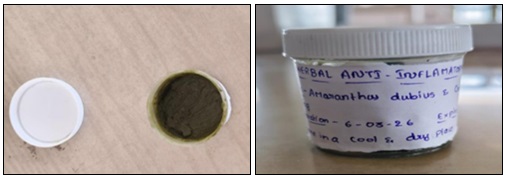
FIG. 1: ANTI-INFLAMMATORY OINTMENT OF AMARANTHUS
Evaluation Methods for Anti-inflammatory Ointment:
Identification Test Ointment:
- Colour b. Odour c. Consistency
Washability Test: It was determined by rubbing the small quantity of base on hand for test.
Irritancy Test: Little quantity of ointment was applied on skin and wait for 10 minutes, after 10 minutes ointment properties on skin were evaluated.
Spreadability Test: Sample was placed between the two glass slides and 100 g weight was placed on the glass slide for 5 min to compress the sample to a uniform thickness.
Weight (100 g) was added to the pan. The time in seconds required to separate the two slides was taken as a measure of spreadability.
Spreadability = 100gm x 2.5cm/5
Spreadability was calculated by following formula:
S = M × L / T
Where S = Spreadability M = Weight Tied to upper side, L = Length of glass slides, T = Time taken to separate the slides It was found to 5 seconds.
Identification Test of pH: To find out the pH of Anti-inflammatory ointment, in practical bases, the electrode can dip in the test solution. The solution was prepared by one gram of the weighed formulation was dispersed in 100 mL of diluted tween 80 (polysorbate 80).
Test of Solubility: The contents should be soluble in 9 parts of water and in 1.7 parts of hot water. The contents should be miscible with alcohol, ether and chloroform.
Viscosity: Viscosity of ointment was measured by the Brookfield viscometer. The correct spindle was selected (spindle no. 4) for the given product then the operating condition was setup. Then the viscosity was measured directly at 6 rpm speed by keeping the torque constant. The mean was obtained.
The viscosity is determined by following formula:
Viscosity = Reading × Factor
For I.V-4 at 6 RPM Factor is 1M (1000)
Loss on Drying: 1.5 g of the powdered drug was weighed in a flat porcelain dish. Dry in the oven at 100°C or 105°C, until two consecutive weights do not differ by more than 0.5 mg. Cool in a desiccators and weigh. The loss in weight is expressed in % w/w 21.
RESULT AND DISCUSSION:
Percentage Yield: Table 1 presents the percentage yield of a crude drug which is significant as it reflects the quantity of extractable active constituents obtained from the raw plant material, which directly impacts its therapeutic potential and commercial viability. The % Yield was found to be 15.26% w/w for the Amaranthus dubius (green variety) and 23.16% w/w for the Amaranthus cruentus (red variety). The nature of the extract of a crude drug is significant because it determines the type and concentration of bioactive compounds present.
TABLE 1: PERCENTAGE YIELD OF LEAF EXTRACTS OF AMARANTHUS SPECIES AND ITS NATURE
| Plant name | Part used | Solvent | % Yield | Colour and nature of extract |
| Amaranthus dubius | Leaf | 70% Alcohol | 15.26% | Bottle green and non-greasy |
| Amaranthus cruentus | Leaf | 70% Alcohol | 23.16% | Dark Green and sticky |
Qualitative Phytochemical Tests: Table 2 indicates the various metabolites present in the extracts of Amaranthus species responsible for the respective Pharmacological activity.
TABLE 2: QUALITATIVE PHYTOCHEMICAL ANALYSIS OF HERBAL EXTRACTS
| S. no. | Tests | Phytochemical | Amaranthus dubius | Amaranthus cruentus |
| 1 | Wagner’s, Dragendroff’s | Alkaloids | + | + |
| 2 | Ninhydrin test, Millon’s test | Amino acids and proteins | + | + |
| 3 | Benedict’s test, Molisch test | Carbohydrates | + | + |
| 4 | Lead acetate test, Sulphuric acid test | Flavonoids | + | + |
| 5 | Baeyer’s test, Lead acetate test | Tannins | + | + |
| 6 | Bromine water test, Foam test | Glycoside | + | + |
+ indicates presence and – indicates absence of Phytoconstituent.
In the present study, qualitative phytochemical investigation revealed that hydroethanolic extract of Amaranthus species viz. dubius and cruentus contains alkaloids, glycosides, flavonoids, tannins, proteins. These results co-relate with the previously reported phytochemical studies 22, 23.
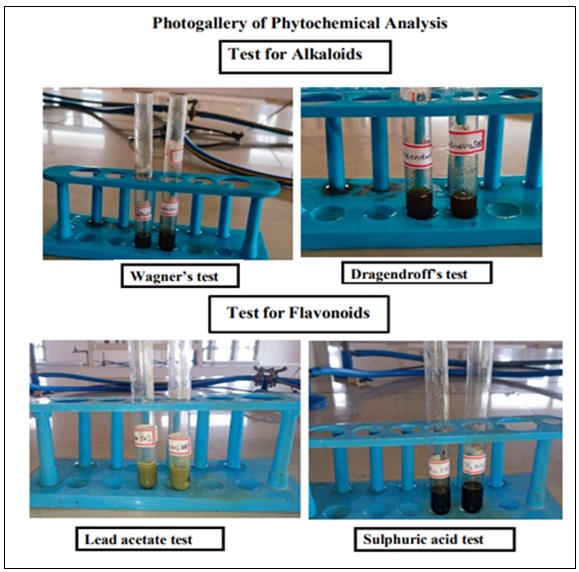
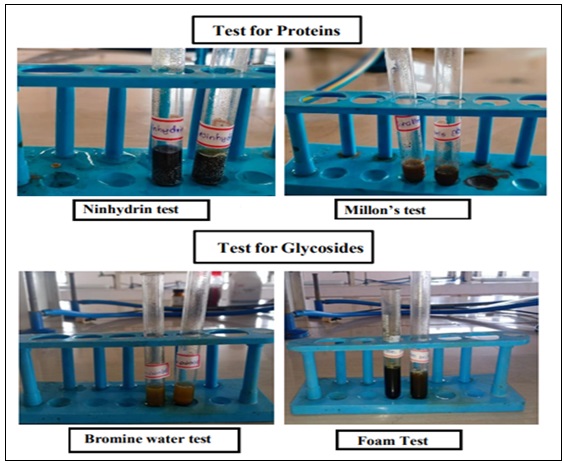
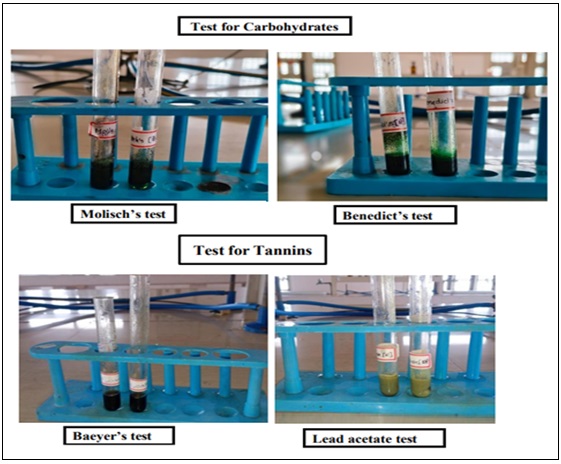
FIG. 2: PHOTOGALLERY OF PHYTOCHEMICAL ANALYSIS OF AMARANTHUS EXTRACTS
Fig. 1 shows the various qualitative phytochemical tests performed for the identification of various primary and secondary metabolites of both the varieties of Amaranathus.
In-vitro Anti-inflammatory Activity by Egg Albumin Denaturation Assay: Protein Denaturation is a key event in the inflammatory process, where structural alteration of proteins under stress conditions such as heat leads to the formation of autoantigens and subsequent inflammatory responses.
The egg albumin denaturation assay is widely used to evaluate the in vitro anti-inflammatory potential of compounds based on their ability to inhibit protein denaturation. Aspirin, used as the standard drug in this study, showed a higher percentage inhibition compared to the plant extracts, which is expected due to its well-established anti-inflammatory mechanism. Aspirin (acetylsalicylic acid) exerts its effect primarily through inhibition of cyclooxygenase (COX) enzymes, thereby reducing prostaglandin synthesis and stabilizing lysosomal membranes. Its strong ability to prevent protein denaturation serves as a benchmark for evaluating the efficacy of test samples.
Although the Amaranthus extracts showed slightly lower activity than aspirin, their significant inhibitory effect suggests the presence of potent phytochemicals contributing to anti-inflammatory action.
These include flavonoids, phenolic compounds, tannins and saponins, which are known to possess protein stabilizing and antioxidant properties. These compounds may interact with protein molecules through hydrogen bonding and hydrophobic interactions, thereby preventing conformational changes and denaturation.
TABLE 3: COMPARATIVE ANALYSIS OF % PROTEIN INHIBITION OF STANDARD DRUG AND EXTRACTS OF AMARANTHUS
| S. no. | Conc. (µg/ml) | % Inhi. Standard | % Inhi. A. dubius | % Inhi. A. cruentus |
| 1 | 100 | 33.51 | 21.62 | 24.54 |
| 2 | 200 | 43.89 | 30.59 | 35.78 |
| 3 | 300 | 55.45 | 37.94 | 46.59 |
| 4 | 400 | 64.86 | 55.13 | 60.54 |
| 5 | 500 | 74.59 | 67.45 | 69.40 |
Table 3 results demonstrate that extracts inhibited protein denaturation in concentration dependent manner. To assess the anti-inflammatory activities of different varieties of amaranth, hydroethanolic extracts (70%) were prepared and their anti-inflammatory activities were analyzed by using egg albumin denaturation assay by using Aspirin as the standard drug and scanning wavelength of 660nm was employed.
The standard Calibration curve was made using the data generated by the in-vitro test and it was found to be linear. Red Amaranthus exhibited better protein denaturation when compared to the green one.
At highest concentration, hydroethanolic extracts of green variety produced 67.45% inhibition of protein denaturation and red variety produce 69.40% inhibition while standard Aspirin at 500µg/ml exhibited 74.59% inhibition of protein denaturation. Previous studies on Amaranthus species have also reported notable pharmacological activities, including antioxidant, antimicrobial, and anti-inflammatory effects, supporting the findings of the present investigation.
The results align with earlier reports that plant-derived extracts rich in polyphenols exhibit strong inhibition of albumin denaturation 24, 25.
The anti-inflammatory activity, evaluated by the protein denaturation method, showed significant inhibition of protein denaturation when compared with the standard drug Aspirin.
Amaranthus cruentus (red variety) exhibited better % inhibition of protein denaturation when compared to the green variety. Hence they were used in the ratio of 2:1 to get the % inhibition comparable to the standard drug.
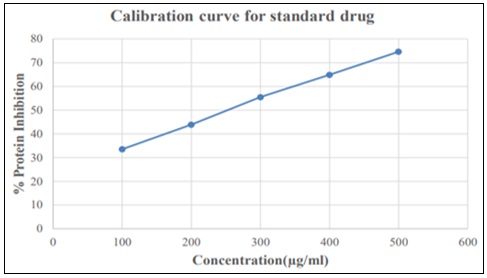
FIG. 3: CALIBRATION CURVE FOR STANDARD DRUG-ASPIRIN
Fig. 3 Illustrates the calibration curve plotted with varying concentrations ranging from 100µg/ml to 500 µg/ml of the standard drug Aspirin against % Protein Inhibition in the egg albumin denaturation assay.
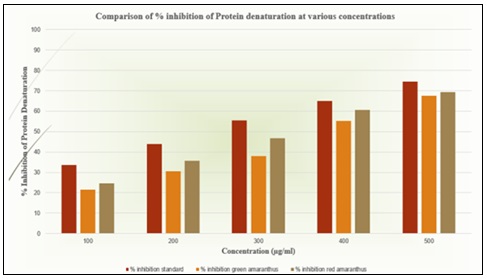
FIG. 4: COMPARATIVE ANALYSIS OF % PROTEIN INHIBITION OF STANDARD DRUG AND EXTRACTS AT DIFFERENT CONCENTRATIONS
Fig. 4 Illustrates the Comparative Analysis of % Protein Inhibition of the standard drug Aspirin and the concentrated hydro-alcoholic extracts of both species of Amaranthus in the egg albumin denaturation assay.
TABLE 4: EVALUATION METHODS FOR ANTI-INFLAMMATORY OINTMENT
| S. no. | Tests | Observation |
| 1 | Colour | Green |
| 2 | Odour | Aromatic |
| 3 | Consistency | Viscous |
| 4 | pH | 6.04 |
| 5 | Spreadability | 49 mm |
| 6 | Loss on drying | 35% w/w |
| 7 | Washability | Slightly washable and sticky |
| 8 | Non-irritancy | Non--irritant |
| 9 | Viscosity | 42cps |
Table 4 results show that the formulated ointment showed good physical properties including suitable color, smooth consistency, homogeneity, acceptable pH and good spreadability, indicating that it is appropriate for topical application. Results showed that the ointment had a good appealing appearance and smooth texture, and they were all homogenous with no signs of phase separation.
CONCLUSION: The present study confirms that Amaranthus exhibits significant anti-inflammatory activity, as demonstrated by its ability to inhibit protein denaturation in the egg albumin assay. The extract showed a concentration-dependent response, indicating that its bioactive constituents effectively protect proteins from structural damage associated with inflammatory conditions.
The anti-inflammatory potential of Amaranthus can be attributed to the presence of phytochemicals such as flavonoids, phenolic compounds, tannins and other secondary metabolites which are known for their antioxidant and protein-stabilizing properties, reducing inflammation by preventing denaturation and minimizing oxidative stress. The formulated ointment exhibited good physicochemical characteristics but further stability and antimicrobial studies needs to be conducted for further evaluation. The moderate yet significant activity observed suggests that Amaranthus extracts may serve as a safer alternative or complementary therapy to synthetic drugs like aspirin, which are often associated with side effects such as gastric irritation and ulceration upon prolonged use.
However, further studies involving in-vivo evaluation, clinical trials and isolation of active constituents are necessary to confirm its efficacy, safety, and mechanism of action. In conclusion, Amaranthus holds significant potential as a valuable herbal source for the development of safe and effective anti-inflammatory topical formulations.
ACKNOWLEDGEMENTS: The authors would like to thank Mr. G. Prabhakar Junior Lecturer in Botany, T. N. C. Govt. Junior College, Kovur, SPSR Nellore (Dt.), Andhra Pradesh and also Principal and Management of Narayana Pharmacy College for the support rendered in the completion of this research work.
CONFLICTS OF INTEREST: There are no conflicts of interest to declare.
REFERENCES:
- Guttikonda Udaya, Vemula Yamini, Sk. Moheeth and Mallam Salma: Comparative phytochemical investigation and evaluation of in-vitro anti-inflammatory activity of different herbal extracts. World Journal of Pharmaceutical Science and Research 2025; 4(4): 674-684.
- Jameel N, Dwivedi A, Khushtar M, Haider MF, Nematullah M & Rahman MA: Inflammation demystified: An in-depth comprehensive review. Biomedical Reasearch and Therapy 2025; 12(10): 7820-7836.
- Mittal Manish, Siddiqui Mohd Rizwan and Tran Kim: Reactive oxygen species in inflammation and tissue injury. Antioxid Redox Signal 2014; 20(7): 1126-67.
- Medzhitov R: Origin and physiological roles of inflammation. Nature 2008; 454: 428–435.
- Kwok CS and Loke YK: Critical Overview on the Benefits and Harms of Aspirin. Pharmaceuticals (Basel) 2010; 3(5): 1491-1506.
- Kazaal, Meraim, Abbas, Ghanim, Al-kurdy, Masar, Betti, Ahlam, Al Dulaimi and Zaid: Clinical Evaluation of Side Effects Resulting from the Use of Aspirin Cardio.2nd International Conference on Engineering and Science to Achieve the Sustainable Development Goals 2024.
- Vivette D' Agati: Does aspirin cause acute or chronic renal failure in experimental animals and in humans. American Journal of Kidney Diseases 1996; 28(1): 24-29.
- Peter K & Gandhi P: Rediscovering the therapeutic potential of Amaranthus species: A review. Egyptian Journal of Basic and Applied Sciences 2017; 4(3): 196–205.
- Singh MP, Goel B, Kumar R and Rathor S: Phytochemical and pharmacological aspects of genus Amaranthus. Fitoterapia 2024; 176: 106036.
- Lourembam E, Gogoi S and Das RT: Unraveling the Therapeutic Benefits of Amaranthus species: a Comprehensive Review. Plant Foods Hum Nutr 2025; 80: 180.
- Ajay Kumar Sharma, Satya Vart Dwivedi, Jyoti Devi, Nakul Gupta, Nagendra Rai, TK Behera and Vidya Sagar: Botany, ethnomedicine, phytochemistry and pharmacology of Amaranthus spp.- a review. South African Journal of Botany 2025; 178: 198-216.
- Lu GBN, Nguyen TV, Tran LC and Vu HT: A review on the phytochemical composition and bioactivities of Amaranthus spinosus, Amaranthus tricolor, and Amaranthus viridis. Trop J Nat Prod Res 2026; 10(3).
- Tharindu Madhuranga, Hewa Dikkumburage & Samarakoon and Nirmani: In-vitro anti-inflammatory egg albumin denaturation assay: an enhanced approach. Journal of Natural & Ayurvedic Medicine 2023; 7(3): 000411.
- Bellale Sneha Somnath, Vansika, Bavage Ashlesha Shivanand, Torkade Vishal Mahadev and Kiran C. Rodage: A comprehensive overview on topical dosage form. Journal of Emerging Technologies and Innovative Research 2025; 12(1).
- Parasuraman, Subramani, Thing, Gan, So and Dhanaraj: Polyherbal formulation: Concept of Ayurveda. Pharmacognosy Reviews 2014; 8: 73-80.
- Ajay Kumar Sharma, Satya Vart Dwivedi, Jyoti Devi, Nakul Gupta, Nagendra Rai, TK Behera and Vidya Sagar: Botany, ethnomedicine, phytochemistry and pharmacology of Amaranthus- a review. South African Journal of Botany 2025; 178: 198-216.
- Saravanabavan N, Salwe KJ, Sudar Codi R and Kumarappan M: Herbal extraction procedures: need of the hour. IBCP 2020; 9(7): 1135–1139.
- Khandelwal KR: Practical Pharmacognosy. Nirali Prakashan Publications 2008.
- Zeena Fernandes: In-vitro anti inflammatory activity on the Ethanolic bark extract of Perseaamericana M. Research J Pharm and Tech 2018; 11(12): 5517-5519.
- Akombaetwa N, Muungo L, Nyirenda J, Muwowo S, Chichonyi AK, Mukosha M & Mwila C: Formulation and Assessment of the Efficacy and Stability of an Ointment Containing Ocimum americanum Extract. Clinical Complementary Medicine and Pharmacology 2022.
- Lahare SH, Lahare KH, Lonsane JR, Girbane Y and Chouthe E: Formulation and evaluation of herbal ointment containing Neem and Turmeric extract. World J Pharm Res 2024; 13(11): 1057.
- A A & A J: Qualitative Phytochemical Profiling of Amaranthus dubius The Scientific Temper 2025.
- Magdum AB, Shinde KV, Mane MP, Patil RS and Nimbalkar MS: Comprehensive analysis of bioactive peptides from spleen amaranth (Amaranthus dubius) and Multi-Functional Bioactivity Evaluation. Journal of Food Science 2025; 90(9): e70507.
- Baghani, Mohsen and Es-haghi Al: Biosynthesis, characterization of silver nanoparticles using Amaranthus cruentus and Their Biological Activities. Bioinspired Biomimetic and Nanobiomaterials 2019; 9: 1-8.
- Olajide OA, Ogunleye BR & Erinle TO: Anti-inflammatory Properties of Amaranthus spinosus Leaf Extract. Pharmaceutical Biology 2004; 42(7): 521–525.
How to cite this article:
Guttikonda U, Varshini KA, Srisai V, Archana D, Sumana B and Harshini P: Formulation and evaluation of polyherbal anti-inflammatory ointment from Amaranthus species. Int J Pharmacognosy 2026; 13(8): 877-86. doi link: http://dx.doi.org/10.13040/IJPSR.0975-8232.IJP.13(8).877-86.
This Journal licensed under a Creative Commons Attribution-Non-commercial-Share Alike 3.0 Unported License.
Article Information
14
877-886
1493 KB
101
English
IJP
Udaya Guttikonda *, Kandukuru Aasritha Varshini, V. Srisai, Damavarapu Archana, Bacchu Sumana and Pachipulusu Harshini
Department of Pharmacognosy, Narayana Pharmacy College, Nellore, Andhra Pradesh, India.
guttikonda.udaya1@gmail.com
04 July 2026
22 July 2026
23 July 2026
10.13040/IJPSR.0975-8232.IJP.13(8).877-86
01 August 2026
 Download