


DESIGN AND CHARACTERIZATION OF A POLYHERBAL NUTRACEUTICAL GUMMY FOR THE SUPPORTIVE MANAGEMENT OF IRON DEFICIENCY ANEMIA
HTML Full TextDESIGN AND CHARACTERIZATION OF A POLYHERBAL NUTRACEUTICAL GUMMY FOR THE SUPPORTIVE MANAGEMENT OF IRON DEFICIENCY ANEMIA
Aditi Shinde, Shubham Vishwakarma * and Swati Patil
Department of Pharmacognosy, Principal K. M. Kundnani College of Pharmacy, Mumbai, Maharashtra, India.
ABSTRACT: Background: Iron deficiency anemia is a common nutritional disorder, and gastrointestinal adverse effects associated with conventional iron supplements may reduce adherence. Plant based gummies may provide a convenient dosage form, but their formulation characteristics require systematic evaluation. Objective: To develop and preliminarily evaluate a polyherbal nutraceutical gummy containing aqueous extracts of Moringa oleifera, Withania somnifera, Beta vulgaris, and Triphala. Methods: The plant materials were extracted separately with distilled water using ultrasonication. The extracts were evaluated for total ash, water-soluble extractive yield, qualitative phytochemical constituents, and iron content using the 1,10-phenanthroline UV–visible spectrophotometric method. Gummies prepared with agar and guar gum were assessed for weight variation, pH, moisture content, solubility, texture, non-specific UV diffusion at 278 nm, and preliminary stability. Results: Extractive yields were 15.02% for M. oleifera, 25.87% for W. somnifera, 20.05% for B. vulgaris, and 43.84% for Triphala. Their iron contents were 122.73, 24.44, 3.47, and 36.23 mg/100 g extract, respectively. The gummies had an average weight of 1.390 g, pH of 4.5, and moisture content of 18.85%. Texture analysis showed a hardness of 19.68 N, springiness of 2.42 mm, springiness index of 0.61, gumminess of 7.87 N, and chewiness of 19.05 mJ. The UV diffusion concentration reached 56.16 µg/mL at 24 h. No visible physical deterioration was observed during the reported storage periods. Conclusion: The aqueous polyherbal gummy was successfully formulated with measurable iron content and satisfactory physicochemical, textural and short-term stability characteristics, demonstrating its feasibility as a convenient plant-based nutraceutical dosage form.
Keywords: Iron deficiency anemia, Polyherbal gummy, Moringa oleifera, Aqueous extract, Iron estimation, nutraceutical
INTRODUCTION: IDA is a widespread nutritional disorder globally affecting both developed and underdeveloped countries. Ayurveda describes IDA as Pandu Roga, characterized by pallor (Panduta). Results from inadequate dietary intake poor absorption, chronic blood loss, leading to decreased haemoglobin synthesis.
Common symptoms like fatigue, weakness, pallor, decrease work capacity affects the quality of life groups 1. The latest National Family Health Survey (NFHS-5) (2019-21) data indicates that over 50% of women and children in India are anaemic 2. The prevalence is even higher in pregnant women, with 52.2% 3.
Current management strategies rely heavily on iron supplementation in the form of various iron salts such as ferrous sulphate, ferric ammonium citrate. Although effective in replenishing iron stores, these formulation are frequently associated with side effects like constipation, nausea, gastric irritation which can reduce compliance. This has spurred interest in herbal formulations that naturally replenish iron and support hematopoiesis through bioactive phytochemicals
Plant Profile:
Moringa oleifera (Drumstick Tree):
Common Names:
English: Drumstick tree, Horseradish tree, Miracle tree
Sanskrit: Shigru
Family: Moringaceae
Species: M. oleifera Lam.
A representative image of Moringa oleifera leaves is shown in Fig. 1 4; it is not a photograph of the material used in the present study.
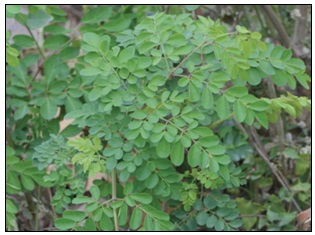
FIG. 1: MORINGA OLEIFERA LEAVES. Representative image; not the study sample
Phytochemical Composition:
Flavonoids: Quercetin (~0.5–2.0% dry weight) and kaempferol; exhibit antioxidant and anti-inflammatory activity (COX and LOX inhibition) 5.
Total Polyphenols: ~2,000–8,000 mg GAE/100 g (dry weight); contribute to free radical scavenging.
Glucosinolates & Isothiocyanates: Glucomoringin-derived moringin; along with thiocarbamates (e.g., niazimicin) showing cytoprotective effects.
Carotenoids: β-carotene (~6–10 mg/100 g fresh; ~15–30 mg/100 g dry); supports hematopoiesis.
Vitamin C: ~100–200 mg/100 g (fresh leaves); enhances non-heme iron absorption.
Iron & Bioavailability: Contains non-heme iron.
Human Supplementation Evidence: Human studies have used Moringa leaf powder, leaf extracts, or Moringa-containing preparations, with heterogeneous interventions and outcomes 6.
Pharmacological Relevance for IDA: Moringa leaves contain iron and antioxidant phytochemicals; however, their contribution to iron status depends on the administered dose and the bioavailability of the nutrients. The human evidence reviewed for Moringa supplementation reported variable maternal haematological outcomes and does not establish the iron bioavailability or clinical efficacy of the present gummy 6.
A community-based human intervention reported a greater increase in haemoglobin after Moringa oleifera leaf-powder supplementation than after nutrition education alone 7. This evidence supports further investigation but does not establish the clinical efficacy of the present gummy formulation.
Withania Somnifera (Ashwagandha):
Common Names:
English: Indian ginseng, Winter cherry, Ashwagandha
Sanskrit: Ashwagandha ("smell of horse")
Family: Solanaceae
Species: W. somnifera (L.) Dunal
A representative image of Ashwagandha root and powder is shown in Fig. 2 8; it is not a photograph of the material used in the present study.
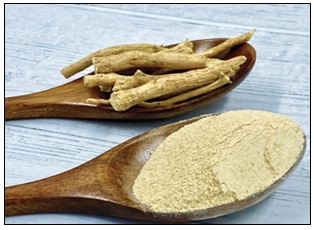
FIG. 2: WITHANIA SOMNIFERA (ASHWAGANDHA) ROOT AND POWDER. Representative image; not the study sample
Phytochemical Composition:
Withanolides— (Steroidal Lactones): Principal bioactive markers of ashwagandha - >40 withanolides identified 9.
Withanolide A: 0.02-0.5% dry weight (primary commercial marker).
Withaferin A: Potent lactonized steroid; found predominantly in leaves and in aerial parts.
Other Withanolides: Includes withanolide B, D, E-M, Withanone, etc contribute to synergistic pharmacological effects.
Withanoside IV: More water soluble and may show better bioavailability compared to aglycones
Sitoindosides VII –X are glycowithanolides contributing to adaptogenic and antistress activity
Alkaloids: 10-12 alkaloids identified (eg: somniferine, anaferine); present in smaller quantities and contribute to overall activity.
Standardized Extract Evidence: The Ashwagandha root extract evaluated in a human trial was a specified standardized commercial extract; the present aqueous extract was not marker-standardized and should not be assumed equivalent 10.
Pharmacological Relevance for IDA:
Clinical Evidence: A randomized, double-blind, placebo-controlled trial in adults experiencing stress and fatigue found a greater reduction in fatigue symptoms with an Ashwagandha root extract than with placebo 10.
Relevance to IDA: The clinical trial did not evaluate iron status, haemoglobin synthesis, erythropoiesis, or red-blood-cell protection.
Interpretation: Ashwagandha was therefore included primarily for its traditional adaptogenic role and possible supportive effect on fatigue rather than as a direct source of iron.
Evidence Limitation: Direct claims that Ashwagandha stimulates erythropoiesis or prevents haemolysis are not supported by the present formulation study.
Beta vulgaris (Red Beetroot):
Common Names:
English: Red beetroot, Garden beet, Table beet
Family: Amaranthaceae
Species: B. vulgaris L., subsp. Vulgaris
A representative image of fresh beetroot is presented in Fig. 3; 11 it is not a photograph of the material used in the present study.
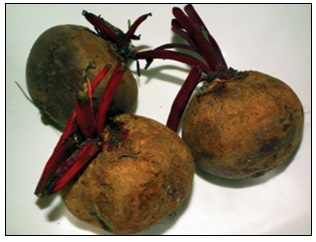
FIG. 3: BETA VULGARIS (BEETROOT). Representative image; not the study sample
Phytochemical Composition:
Betalains:
Betacyanins (Red Pigments): Betanin (major pigment) and isobetanin; total betalain content typically ranges ~50–300 mg/100 g fresh weight (varies by cultivar and processing). Betacyanins constitute ~70–90% of total betalains 12.
Betaxanthins (Yellow Pigments): Includes vulgaxanthin I & II, miraxanthin; present in lower concentrations.
Polyphenolic Compounds: Includes rutin, epicatechin, caffeic acid, and cinnamic acid derivatives. Total phenolic content: ~200–300 mg GAE/100 g (fresh weight); contributes to antioxidant and vascular protective effects.
Inorganic Bioactives (Dietary Nitrates):
Nitrate Content: typically ~250–400 mg/100 g (fresh weight) (high but variable).
Dietary nitrate is converted through the nitrate-nitrite-nitric oxide pathway and may influence oxygen utilization and exercise tolerance under specific physiological conditions.
Pharmacological Relevance for IDA:
Folate Provision: Essential co-factor for DNA synthesis (RBC production) and methylation reactions
Betalain-Mediated RBC Protection: Betanin exhibits strong antioxidant activity, scavenging ROS and protecting erythrocyte membrane lipids from peroxidation, thereby reducing hemolysis.
Nitric Oxide–Mediated Effects: In a randomized crossover trial, nitrate-rich beetroot juice improved exercise tolerance under hypoxic conditions but not under normoxic or hyperoxic conditions; therefore, a direct benefit in iron deficiency anemia cannot be assumed 13.
Iron Support (Indirect): Raw beetroot provides approximately 0.80 mg iron, 4.9 mg vitamin C, 23 mg magnesium, and 0.075 mg copper per 100 g 14.
Triphala:
Botanical Components: Composition (1:1:1 ratio, equal parts):
Phyllanthus emblica L. (Amalaki—Indian gooseberry):
Family: Phyllanthaceae
Part: Dried fruit
Terminalia chebula Retz. (Haritaki—Chebulic myrobalan)
Family: Combretaceae
Part: Dried fruit
Terminalia bellirica Roxb. (Bibhitaki—Belliric myrobalan)
Family: Combretaceae
Part: Dried fruit
The botanical constituents of Triphala are illustrated in Fig. 4 15, 16, 17.
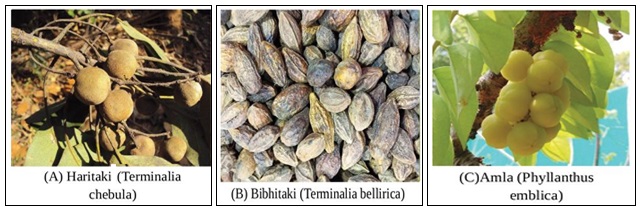
FIG. 4: TRIPHALA - PRINCIPAL FRUITS COMPRISING TRIPHALA, NAMELY PHYLLANTHUS EMBLICA (AMALAKI), TERMINALIA CHEBULA (HARITAKI), AND TERMINALIA BELLIRICA (BIBHITAKI)
Phytochemical Composition:
Overall Composition: Triphala (1:1:1 combination of Terminalia chebula, Phyllanthus emblica, Terminalia bellirica) is rich in polyphenols, tannins, flavonoids, and vitamin C 18.
LC-MS–based studies report hundreds of metabolites, with a diverse polyphenolic profile dominated by phenolic acids and flavonoids.
Amalaki (Phyllanthus emblica): Rich source of vitamin C (~100–300 mg/100 g fresh fruit) and polyphenols (e.g., ellagic acid).
Enhances non-heme iron absorption by reducing Fe³⁺ → Fe²⁺.
Shows highest antioxidant potential among the three fruits.
Haritaki (Terminalia chebula): Contains high levels of tannins (~20–30%) including chebulinic and gallic acid.
Provides trace minerals (iron, copper, zinc) supporting iron metabolism.
Strong antioxidant and mild laxative properties.
Bibhitaki (Terminalia bellirica): Contains tannins (~10–20%) and supportive minerals.
Contributes complementary antioxidant and anti-inflammatory activity.
Synergistic Phytochemical Profile: The three fruits provide complementary and diverse metabolites, enhancing overall antioxidant and therapeutic potential.
A small randomized human pilot study found that Triphala supplementation altered fecal microbial communities, although responses were individualized and no uniform microbial signature was observed 19.
Pharmacological Relevance for IDA:
Iron Absorption Support: Amalaki provides vitamin C, enhancing non-heme iron absorption (Fe³⁺ → Fe²⁺).
Antioxidant & RBC Protection: Tannins and polyphenols (gallic acid, chebulinic acid) reduce oxidative stress, protecting RBC membranes and preventing hemolysis.
Anti-inflammatory Action: Modulates inflammatory pathways, indirectly supporting hematopoiesis.
Digestive Support: Evidence that Triphala improves iron absorption or prevents constipation associated with iron therapy remains insufficient, and these outcomes were not evaluated in the present study.
In context, the present research aims to explore the evidence supporting herbal preparation in addressing iron deficiency anemia and to highlight their relevance as a part of holistic healing approach.
The four botanicals were selected to combine a relatively iron-rich component (Moringa), beetroot-derived folate, nitrate and betalain constituents, and traditional antioxidant or adaptogenic ingredients. Human studies have examined Moringa leaf powder in anemia, Ashwagandha for fatigue, beetroot nitrate effects on exercise physiology, and Triphala-related microbiota changes; however, these studies used different preparations and populations and do not establish the efficacy of the present gummy 7, 10, 13, 19. The present investigation therefore focuses on formulation development and physicochemical characterization rather than clinical effectiveness.
MATERIALS AND METHODOLOGY:
Procurement and Identification of Plant Materials: The study utilized herbal and plant-based raw materials sourced locally from Mumbai, India. Fresh beetroot (Beta vulgaris L.) roots and Moringa (Moringa oleifera Lam.) leaves were purchased from a local vegetable vendor at Mulund West Market, Mumbai, Maharashtra, India, while Ashwagandha (Withania somnifera (L.) Dunal) root powder and Triphala powder, comprising Terminalia chebula, Terminalia bellirica, and Phyllanthus emblica, were purchased from an Ayurvedic retail shop in Chinchpokli, Mumbai, Maharashtra, India, during May 2026. All materials were cleaned and stored appropriately before further processing. The identity and organoleptic characteristics of the materials were assessed by a qualified pharmacognosy expert holding a PhD in Pharmacognosy based on their appearance, colour, odour, taste, and other characteristic features.
METHODOLOGY:
Preparation of Herbal Extracts: Triphala powder and Ashwagandha powder were accurately weighed for extraction. The procured Ashwagandha powder used for extraction is presented in Fig. 5. Fresh Moringa leaves were tray-dried and pulverized into powder. The tray-dried Moringa leaves prior to powdering are shown in Fig. 8. Fresh beetroot was washed thoroughly and grated, and the prepared grated beetroot is depicted in Fig. 6.
Each sample was separately mixed with distilled water at a ratio of 1:5 (w/v) and subjected to ultrasonication for 30 min, followed by filtration through muslin cloth. The ultrasonicator used during the extraction process is shown in Fig. 9A and 9B. The obtained filtrates were concentrated on a water bath maintained at 95 °C until semi-solid extracts were formed. The extracts were then stored in airtight containers at 4 °C until further use. The overall sample preparation procedure prior to extraction is illustrated in Fig. 7.
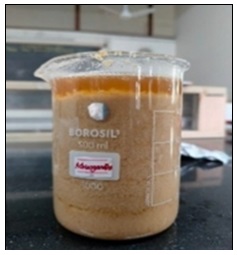
FIG. 5: ASHWAGANDHA POWDER – USED AS A RAW MATERIAL FOR AQUEOUS EXTRACTION
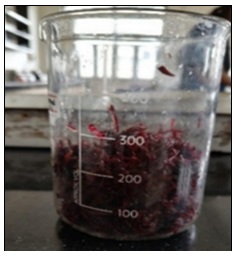
FIG. 6: GRATED BEETROOT – FRESH BEETROOT SAMPLE USED FOR AQUEOUS EXTRACTION
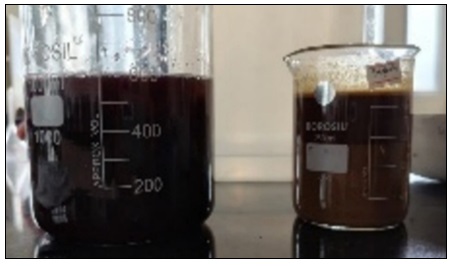
FIG. 7: SAMPLE PREPARATION FOR AQUEOUS EXTRACTION OF HERBAL MATERIALS
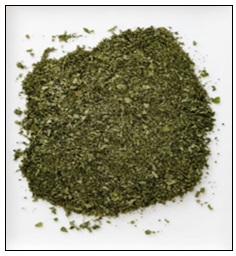
FIG. 8: DRIED MORINGA LEAVES. Tray-dried moringa oleifera leaves
(Background removal was performed using an AI-assisted image editing tool for presentation purposes. The image content was reviewed by the authors, and no scientific features of the sample were altered).
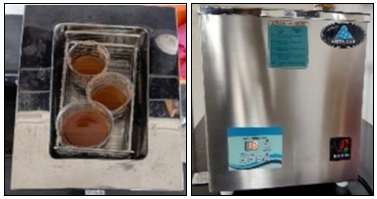
FIG. 9A AND 9B: ULTRASONICATOR USED FOR EXTRACTION. Figure shows Ultrasonicator Used for Preparation of Herbal Extracts.
Standardization of Crude Drugs: The procured crude drugs were subjected to physicochemical standardization by determination of total ash value as per standard procedures described in the Ayurvedic Pharmacopoeia of India, Government of India, Ministry of AYUSH, 2008 20.
Preliminary Phytochemical Screening:
TABLE 1: QUALITATIVE PHYTOCHEMICAL TESTS USED FOR SCREENING OF HERBAL EXTRACTS
| Name of Phytoconstituent | Name of test | Inference |
| Alkaloid | Wagner’s test | Reddish-brown precipitates |
| Hager’s test | Yellow coloured precipitate | |
| Dragendroff test | Orange/reddish-brown precipitate | |
| Saponin | Foam formation test | Stable foam |
| Flavonoid | Alkaline reagent test | Yellow Colour disappears on addition of dil HCl |
| Shinoda test | Red/Pink color | |
| Steroids/triterpenoids | Salkowski’s test | Reddish- pink color in acid layer |
| Libermann Burchard’s Test | Bluish green color | |
| Tannin | Ferric Chloride Test | Blue black colour |
| Lead acetate test | White precipitate | |
| Phenols | Ferric chloride test | Deep blue color |
| Glycosides | Borntragers test | Pink color in ammonical layer |
| Betalains | Alkali test | Yellow brown color |
| Nitrates | Diphenylamine test | Deep blue color |
| Glucosinolates | Ferricyanide test | Reddish-brown color |
| Niazimin | Niazimin test | Green ppt |
| Isothiocyanate | Isothiocyanate test | White/cream ppt |
Standardization of Extract:
Estimation of Iron Content:
Determination of Iron Content by UV-Visible Spectrophotometry: Iron content was estimated by the 1,10-phenanthroline UV–Visible spectrophotometric method. In acidic medium, ferric ions are reduced to ferrous ions by hydroxylamine hydrochloride. The ferrous ions then react with 1,10-phenanthroline reagent to form a stable orange-red colored ferrous–phenanthroline complex. The intensity of the colored complex is directly proportional to the concentration of iron present in the sample and was measured spectrophotometrically at 520 nm 21.
Procedure:
Preparation of Standard Solution: Diluted 0.07 g Ferrous ammonium sulfate solution to 1 L with distilled water, followed by addition of 2.5 ml conc. sulfuric acid.
Preparation of Sample Solution: 1g extract + 10 ml 10% sulfuric acid. From this, 1ml was further diluted to 10ml with distilled water.
Preparation of Test Solution:
- Into six another 100 ml volumetric flask, pipette 1, 5, 10, 15, 20 and 25 ml portions of standard iron solution.
- Put 100ml DW into another flask to serve as blank.
- To each flask including prepared unknown, add 1ml of hydroxylamine solution, 10 ml of 1,10 phenanthroline solution and 8 ml of sodium acetate solution.
- Dilute all solutions to the mark (100 ml) and keep for 10 min with occasional shaking of flask
- Using blank as reference and any one std iron solution, measure absorbance at different wavelength (400-600nm) (Readjust 0%T and 100% T settings whenever wavelength is changed)
- Take reading 20 nm apart except in the region of maximum absorbance where intervals of 5nm should be used.
- Graph: absorbance vs wavelength was plotted
- The absorbance of standard and sample solutions was measured at 520 nm using UV–Visible spectrophotometer.
- Graph: absorbance vs concentration of standards (Check if Beers law is followed)
- Using absorbance of unknown sol calculated % (w/w) iron in sample solution.
Formulation Development:
Procedure for Preparation of Polyherbal Gummies:
- Herbal extracts of Beetroot, Moringa, Triphala, and Ashwagandha were accurately weighed and dissolved in a small quantity of distilled water to obtain a uniform herbal extract solution.
- Agar and gum guar were dispersed in water and heated at about 80–90°C with continuous stirring until completely dissolved and a clear viscous gelling base was formed.
- Sucrose was added to the gelling base and heated with stirring until a uniform syrup was obtained.
- The temperature was reduced to about 50–60°C, and citric acid and sodium benzoate were added with continuous stirring.
- The prepared herbal extract solution was slowly incorporated into the gummy base and mixed thoroughly to obtain a homogeneous solution.
- The mixture was poured into molds and allowed to cool at room temperature until completely set.
- The prepared gummies were removed from molds and stored in refrigerator for further evaluation 22.
The composition of the developed polyherbal nutraceutical gummy formulation, along with the functional role of each ingredient, is presented in Table 2.
The prepared polyherbal nutraceutical gummies are illustrated in Fig. 10.
TABLE 2: COMPOSITION OF POLYHERBAL NUTRACEUTICAL GUMMIES
| Sr. no. | Ingredients | Quantity (%) | Uses |
| 1 | Beetroot extract | 4% | Active ingredient |
| 2 | Moringa extract | 5% | Active ingredient |
| 3 | Triphala extract | 2.5% | Active ingredient |
| 4 | Ashwagandha extract | 2.5% | Active ingredient |
| 5 | Agar | 4% | Gelling agent |
| 6 | Gum guar | 1% | Co-gelling agent |
| 7 | Citric acid | 0.3% | Acidulant |
| 8 | Sodium benzoate | 0.1% | Preservative |
| 9 | Sucrose | 30% | Sweetening agent |
| 10 | Distilled Water | QS | Solvent |
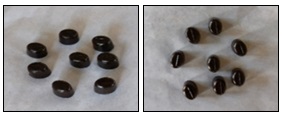
FIG. 10A AND 10B: FORMULATED POLYHERBAL NUTRACEUTICAL GUMMIES. Prepared Using Herbal Extracts, Agar, and Guar Gum.
Evaluation of Gummies:
Visual and Physical Examination: The prepared polyherbal gummies were evaluated for visual and physical parameters including color, odor, appearance, and texture through visual and sensory observation.
Physicochemical Evaluation:
Weight Variation: The weight variation test was performed to ensure uniformity of the prepared gummies. Ten gummies were randomly selected and individually weighed using an analytical balance, and the average weight was calculated. The deviation of individual gummy weight from the average weight was determined.
Acceptance Criteria: According to pharmacopeial standards, the individual weight should not deviate by more than ±7.5% from the average weight for dosage forms below 5 g.
pH Determination: The pH of the gummy formulation was determined using a calibrated digital pH meter. The gummy sample was dispersed in distilled water, and the pH was recorded at room temperature.
Moisture Content: Moisture content was determined by drying a known weight of gummy sample in a hot air oven at 105°C until a constant weight was obtained. The loss in weight was calculated as moisture content.
Formula:
Moisture Content (%) = W1 - W2 / W1 × 100
Where, W₁ = Initial weight of gummy sample, W₂ = Final weight after drying (constant weight).
Solubility: The solubility of the formulated gummies was evaluated in distilled water, 0.1 N HCl, and Ethanol. The gummies were observed for their solubility behavior in each medium and recorded accordingly.
Texture Profile Analysis (TPA): Texture Profile Analysis (TPA) of the formulated gummies was carried out using a Brookfield Texture Analyzer with a two-cycle compression test. The gummies were compressed to a target distance of 4 mm using a TA3/100 probe and 10 kg load cell.
The parameters evaluated included hardness, cohesiveness, springiness, gumminess, chewiness, adhesiveness, and resilience. Hardness was determined as the force required to compress the gummy sample, while cohesiveness represented the internal structural strength. Springiness indicated the ability of the gummy to recover its shape after compression, and chewiness was calculated to assess the energy required for mastication.
In-vitro Diffusion Study: The in-vitro diffusion study using a Franz diffusion cell was performed. The Franz diffusion cell assembly used for the diffusion study is shown in Fig. 11. Because the 278-nm measurement did not quantify a chemically identified marker, the experiment was used to monitor non-specific UV-absorbing gummy-extract equivalents diffusing through a semi-permeable membrane. Samples were withdrawn at predetermined intervals and analyzed spectrophotometrically to describe the non-specific UV diffusion profile of the formulation 23.
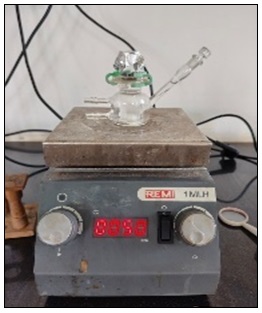
FIG. 11: FRANZ DIFFUSION CELL APPARATUS. Apparatus used for the in-vitro diffusion study.
Determination of λmax: The λmax of the gummy-derived solution was determined by UV–Visible spectrophotometric scanning in the range of 200–400 nm using distilled water as blank. The maximum absorbance was observed at 278 nm, which was used only for non-specific UV monitoring and was not assigned to an individual phytoconstituent.
Calibration Curve: The gummy formulation was dissolved in distilled water to prepare a stock solution, followed by serial dilutions in the microgram/mL range. The absorbance of each concentration was measured at 278 nm, and a calibration curve was constructed by plotting absorbance versus concentration. The resulting regression equation was used to calculate non-specific UV-absorbing gummy-extract equivalents in the in-vitro diffusion study.
Preparation of Receptor Medium:
- Accurately weighed 1.387 g of potassium dihydrogen phosphate (KH₂PO₄).
- Accurately weighed 3.508 g of disodium hydrogen phosphate (Na₂HPO₄).
- Both salts were dissolved in sufficient quantity of distilled water.
- The volume was made up to 100 mL with distilled water.
- The prepared phosphate buffer pH 6.8 was stored in a cool place and used as the receptor medium for the in-vitro diffusion study.
Procedure:
- In-vitro diffusion studies were carried out using a Franz diffusion cell fitted with a synthetic dialysis membrane.
- The receptor compartment (6.5 mL capacity) was filled with phosphate-buffered saline (pH 6.8).
- The synthetic dialysis membrane was hydrated in receptor medium for 24 h prior to the study and mounted between the donor and receptor compartments.
- Approximately 1.5 g of gummy formulation was accurately weighed, dispersed in 5 mL distilled water to form a paste, and applied onto the membrane surface in the donor compartment.
- The diffusion cells were tightly sealed to prevent evaporation and maintained at 38 ± 1 °C with continuous stirring at 80–100 rpm using a magnetic stirrer.
- Aliquots of 3 mL were withdrawn from the receptor compartment at predetermined intervals of 0, 15, 30, 45, 60, 120, 180, 240 min, and 22, 24, and 28 h.
- Each withdrawn sample was replaced with an equal volume of fresh receptor medium to maintain constant volume and sink conditions.
- Samples collected up to 1 hr were analysed without dilution. Samples collected from 2 to 28 hr were to diluted tenfold by transferring 1 ml of sample into a 10 ml volumetric flask and making up the volume with receptor medium.
- The absorbance of the samples was measured using a UV–Visible spectrophotometer at a wavelength of 278 nm. Concentrations were calculated from the calibration equation and the concentrations of diluted samples were corrected using a dilution factor of 10 24.
Stability Study: Stability studies of the formulated polyherbal gummies were carried out according to the International Council for Harmonisation (ICH) guidelines to evaluate the physical stability and storage characteristics of the formulation under different environmental conditions 25. The studies were performed to assess the effect of temperature and humidity on the quality, appearance, and physicochemical properties of the gummies over a specified period.
Real-Time Stability Study: Real-time stability studies were conducted for a period of three months under climatic conditions recommended for Zone IVb (30 ± 2 °C / 75 ± 5% RH) as well as under refrigerated conditions (4 ± 2 °C) as mentioned in Table 3. The formulated gummies were stored in suitable containers and evaluated periodically for changes in color, odor, appearance, texture, and physicochemical characteristics.
TABLE 3: REAL TIME STABILITY STUDY STORAGE CONDITIONS
| Intended storage condition | ICH Test temperature and humidity | Test Period |
| Room Temperature | 30± 2 °C / 75 ± 5% RH | 3 months |
| Refrigerated | 4 ± 2 °C | 3 months |
Accelerated Stability Study: Accelerated stability studies were performed to predict the long-term stability of the formulation under stressed environmental conditions. The gummies were stored in a stability chamber maintained at 40 ± 2 °C and 75 ± 5% RH for one month as per ICH guidelines mentioned in Table 4. The formulations were evaluated at predetermined intervals for any significant changes in physical appearance, texture, odor, and physicochemical properties 26.
TABLE 4: ACCELERATED STABILITY STUDY STORAGE CONDITIONS
| Intended storage condition | ICH Test temperature and humidity | Test Period |
| Accelerated Ambient | 40 ºC ± 2 ºC & 75% RH | 1 month |
RESULTS AND DISCUSSION:
Standardization of Crude Drugs:
Ash Value Determination:
TABLE 5: TOTAL ASH VALUES OF SELECTED CRUDE DRUGS
| Herbal drug | Total ash value(%w/w) | Standard limits |
| Ashwagandha | 6.15% | NMT 7% |
| Moringa | 11.5% | NMT 16% |
| Triphala | 4.3% | NMT 15% |
| Beetroot | 3.3% | NMT 6% |
The total ash values obtained for the selected crude drugs are presented in Table 5. The ash values of the selected crude drugs were found to be within the prescribed pharmacopoeial limits, indicating acceptable purity and quality of the raw materials used in the formulation. The comparatively higher ash value observed in Moringa oleifera may be attributed to its naturally high mineral content, particularly iron, calcium, potassium, and magnesium. The low ash values of beetroot and Triphala indicate minimal inorganic contamination and proper handling of the crude drugs. The obtained results confirm the authenticity and acceptable quality of the herbal materials, making them suitable for further extraction and formulation processes.
Preparation of Herbal Extract:
Percentage Yield:
TABLE 6: WATER-SOLUBLE EXTRACTIVE VALUES OF SELECTED HERBAL DRUGS
| Herbal drug | Water soluble extractive values (%w/w) | Standard limits |
| Ashwagandha | 25.87% | NLT 15% |
| Moringa | 15.02% | NLT 10% |
| Triphala | 43.84% | - |
| Beetroot | 20.05% | - |
The water-soluble extractive values obtained for the selected herbal drugs are summarized in Table 6. Which indicates efficient extraction of water-soluble phytoconstituents such as polyphenols, flavonoids, tannins, alkaloids, glycosides, and sugars 27.
The use of aqueous extraction was appropriate because several bioactive constituents associated with hematinic and antioxidant activity are water soluble in nature. Among the selected herbs, Triphala exhibited the highest extractive value, which may be due to the abundance of tannins, polyphenols, and hydrolysable phytoconstituents present in its components. Withania somnifera and Beta vulgaris also demonstrated satisfactory extractive yields, indicating effective recovery of active constituents.
The obtained extractive values suggest good extraction efficiency and support the suitability of ultrasonication-assisted aqueous extraction for preparation of the herbal extracts
Preliminary Phytochemical Screening:
Interpretation:
| + | +++ | - | ± |
| Present | Strongly Present | Absent | Partially present |
TABLE 7: PRELIMINARY PHYTOCHEMICAL SCREENING RESULTS OF SELECTED HERBAL EXTRACTS
| Phytoconstituent | Test Performed | Ashwagandha | Triphala | Beetroot | Moringa |
| Alkaloid | Wagner’s test | + | ± | - | + |
| Hager’s test | + | ± | - | + | |
| Dragendroff test | + | ± | - | + | |
| Saponin | Foam formation test | + | + | ± | + |
| Flavonoid | Alkaline reagent test | + | + | + | + |
| Shinoda test | + | + | + | + | |
| Steroids/triterpenoids | Salkowski’s test | +++ | ± | - | ± |
| Libermann Burchard’s Test | +++ | ± | - | ± | |
| Tannin | Ferric Chloride Test | + | +++ | + | + |
| Lead acetate test | + | +++ | + | + | |
| Phenols | Ferric chloride test | + | +++ | + | + |
| Glycosides | Borntragers test | - | + | - | ± |
| Betalains | Alkali test | - | - | +++ | - |
| Nitrates | Diphenylamine test | - | - | +++ | - |
| Glucosinolates | Ferricyanide test | - | - | - | +++ |
| Niazimin | Niazimin test | - | - | - | +++ |
| Moringin | Isothiocyanate test | - | - | - | +++ |
The phytochemical profile presented in Table 7 confirmed the presence of several important bioactive constituents in the selected extracts, including flavonoids, tannins, phenolics, alkaloids, saponins, glucosinolates, betalains, nitrates, and steroidal compounds. These phytoconstituents are known to contribute synergistically toward antioxidant, hematinic, adaptogenic, and anti-inflammatory activities.
Flavonoids and phenolic compounds detected in all extracts possess potent antioxidant activity and may protect erythrocytes against oxidative damage. Tannins and polyphenols present abundantly in Triphala contribute to free radical scavenging and support gastrointestinal health. The strong presence of betalains and nitrates in beetroot indicates its potential role in improving oxygen transport and vascular circulation. The glucosinolates, moringin, and niazimin detected in Moringa oleifera suggest antioxidant and cytoprotective potential, while steroidal withanolides identified in Withania somnifera may support erythrocyte stabilization and adaptogenic activity. Overall, thephytochemical profile supports the rationale for selecting these herbs for management of iron deficiency anemia.
Standardization of Extract:
Iron Content Estimation:
Standard Calibration Curve Figure: The iron content of the selected herbal extracts was estimated using the 1,10-phenanthroline UV–Visible spectrophotometric method at 520 nm. As shown in Fig. 12, the calibration curve exhibited satisfactory linearity with a regression equation:
y = 0.1526x + 0.0077
and correlation coefficient:
R2 = 0.9925
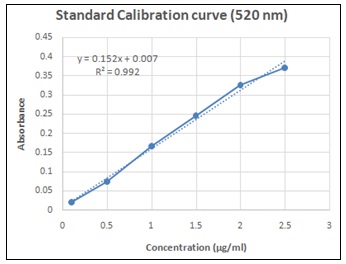
FIG. 12: CALIBRATION CURVE OF IRON STANDARD USING 1,10 PHENANTHROLINE METHOD AT 520 NM
TABLE 8: IRON CONTENT OF SELECTED HERBAL EXTRACTS DETERMINED BY UV–VISIBLE SPECTROPHOTOMETRY
| Herbal extract | Absorbance at 520 nm | Iron content (mg/100g extract) |
| Moringa | 0.195 | 122.73 |
| Triphala | 0.063 | 36.23 |
| Ashwagandha | 0.045 | 24.44 |
| Beetroot | 0.013 | 3.47 |
The iron content estimated in the selected herbal extracts using the 1,10-phenanthroline method is presented in Table 8. Among the selected herbal extracts, Moringa oleifera showed comparatively higher iron content, followed by Triphala and Withania somnifera. The observed values were found to be comparable with previously reported literature values for these herbal materials. The presence of natural iron along with antioxidant phytoconstituents such as flavonoids, phenolics, tannins, betalains, and vitamin C may contribute synergistically toward hematinic activity and improvement of iron metabolism.
Although Beta vulgaris exhibited comparatively lower iron content, its folate, nitrate, and betalain content may support erythropoiesis, vascular circulation, and antioxidant protection.
Overall, the obtained results support the potential use of the selected herbs in the supportive management of iron deficiency anemia.
Evaluation of Gummies:
TABLE 9: EVALUATION OF POLYHERBAL NUTRACEUTICAL GUMMIES
| Sr. no. | Parameters | Result | Inference |
| Visual and Physical Examination | |||
| 1 | Color | Dark Brown | Due to extracts |
| 2 | Odor | Mild Herbal aroma | Acceptable |
| 3 | Appearance | Smooth, Glossy, Uniformly shaped | Acceptable |
| 4 | Texture | Soft | Qualitative observation during handling |
| Physicochemical Evaluation | |||
| 1 | Weight variation | Avg Wt: 1.390 g | Within ± 7.5% limit |
| 2 | pH | 4.5 | Within acceptable range (3.5-5.5) |
| 3 | Moisture Content | 18.85 % | Acceptable for soft gummies |
| 4a | Solubility in Water | Partially Soluble | Indicates hydrophilic nature |
| 4b | Solubility in HCl | Soluble | Suitable for gastric release |
| 4c | Solubility in Ethanol | Insoluble | Due to hydrophilic constituents |
| Texture Profile Analysis (TPA) | |||
| 1 | Hardness | 19.68 N | Adequate firmness |
| 2 | Cohesiveness | 0.40 | Good internal strength |
| 3 | Springiness index | 0.61 | Good elastic recovery |
| 4 | Gumminess | 7.87 N | Acceptable chewability |
| 5 | Chewiness | 19.05 mJ | Suitable mouthfeel |
Table 9 summarises the visual, physicochemical, solubility and textural characteristics of the formulated polyherbal gummies. The gummies were dark brown, with a mild herbal odour and a smooth, glossy and uniformly shaped appearance. These findings were recorded as qualitative investigator observations; no human sensory, palatability or acceptability assessment was performed. The dark-brown colour was consistent with the incorporated herbal extracts.
Physicochemical evaluation demonstrated that the prepared gummies complied with acceptable pharmacopoeial limits for weight variation, indicating uniform mixing, proper molding, and dose consistency of active phytoconstituents.
The pH of the formulation was found to be within the acceptable acidic range for gummy preparations, which may support product stability, preservative efficacy, and suitability for oral administration without irritation. The observed moisture content was within an acceptable range for soft gummy formulations, contributing toward desirable softness, chewiness, and elasticity while maintaining formulation stability.
Solubility studies revealed partial solubility in water, good solubility in acidic medium, and insolubility in ethanol, suggesting predominance of hydrophilic constituents and favorable dissolution behavior under gastric conditions. The presence of hydrophilic polysaccharides such as agar and guar gum along with water-soluble phytoconstituents may have contributed to the observed solubility characteristics.
Texture profile analysis further confirmed satisfactory mechanical and functional properties of the developed gummies. The hardness, cohesiveness, springiness, gumminess, and chewiness values indicated adequate structural integrity, elastic recovery, and acceptable mastication properties, contributing to favorable mouthfeel and patient acceptability. The optimized combination of agar and guar gum provided suitable gel strength and texture required for nutraceutical gummy formulations.
Overall, the findings demonstrate the successful preparation of an aqueous polyherbal gummy with documented physicochemical and textural characteristics.
In-vitro Diffusion Study:
Standard Calibration Curve Figure:
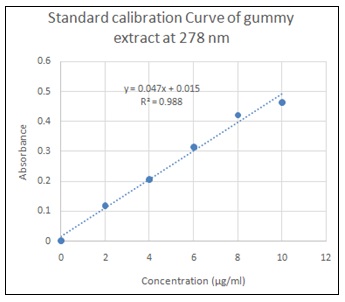
FIG. 13: CALIBRATION CURVE FOR IN-VITRO DIFFUSION STUDY AT 278 NM
A calibration curve was prepared from serial dilutions of the gummy-derived stock solution in distilled water and analyzed at 278 nm using a UV–Visible spectrophotometer. As shown in Fig. 13, the calibration curve exhibited satisfactory linearity with the regression equation:
y = 0.0477x + 0.0155
and correlation coefficient:
R2 = 0.9887
The calculated concentrations of non-specific UV-absorbing gummy-extract equivalents at different time intervals during the in-vitro diffusion study are presented in Table 10.
Samples from 2 to 28 hr were diluted 1:10 and the reported concentrations were corrected using a dilution factor of 10.
Determination of Non-specific UV-absorbing Gummy-extract Equivalents:
TABLE 10: NON-SPECIFIC UV DIFFUSION PROFILE OF POLYHERBAL GUMMIES THROUGH A FRANZ DIFFUSION CELL
| Time | Absorbance | Dilution Factor | Gummy-extract equivalents (µg/mL) |
| 0 min | 0.1774 | 1 | 3.39 |
| 15 min | 0.4784 | 1 | 9.70 |
| 30 min | 0.6698 | 1 | 13.72 |
| 45 min | 0.7079 | 1 | 14.51 |
| 1 hr | 0.9039 | 1 | 18.62 |
| 2 hr | 0.1527 | 10 | 28.77 |
| 3 hr | 0.1690 | 10 | 32.20 |
| 4 hr | 0.1890 | 10 | 36.56 |
| 22 hr | 0.2701 | 10 | 53.39 |
| 24 hr | 0.2833 | 10 | 56.16 |
| 28 hr | 0.2790 | 10 | 55.25 |
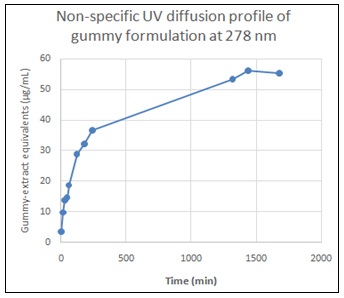
FIG. 14: NON-SPECIFIC UV DIFFUSION PROFILE OF GUMMIES AT 278 NM
The non-specific UV diffusion profile presented in Table 10 and Fig. 14 showed an increase in calculated gummy-extract-equivalent concentration over the observation period. Because the 278-nm response was not linked to a validated chemical marker, the data describe only non-specific UV-absorbing material and do not establish diffusion of individual phytoconstituents.
The observed profile may reflect diffusion of UV-absorbing gummy-extract components through the dialysis membrane. The highest calculated concentration was observed at 24 h, followed by a small change at 28 h; no conclusion regarding a sustained or controlled pattern can be drawn from this non-specific measurement.
Accordingly, the experiment provides a preliminary descriptive profile of non-specific UV-absorbing gummy-extract equivalents and does not demonstrate pharmacokinetic or clinical performance.
Stability Studies: The prepared polyherbal gummies were subjected to long-term and accelerated stability studies. Long-term studies were carried out under room temperature and refrigerated conditions, while accelerated stability studies were performed at 40°C ± 2°C and 75% RH ± 5% RH in Stability chamber.
The stability chamber used for accelerated stability testing is shown in Fig. 15.
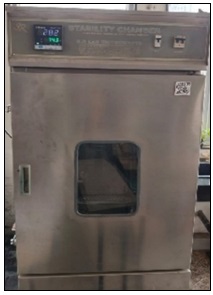
FIG. 15: STABILITY TESTING CHAMBER - Used for Accelerated Stability Studies
The formulated gummies remained stable under both long-term and accelerated storage conditions throughout the study period. Representative samples stored under stability conditions are shown in Fig. 16. No visible changes were observed in color, odor, texture, appearance, or physicochemical properties, indicating satisfactory formulation stability.
The stability of the gummies may be attributed to the optimized composition of gelling agents, appropriate moisture content, acidic pH, and the presence of sodium benzoate as preservative. Refrigerated storage further helped maintain product integrity and minimize degradation of sensitive phytoconstituents. These findings suggest that the developed gummy formulation possesses acceptable physical stability and storage characteristics suitable for nutraceutical applications.
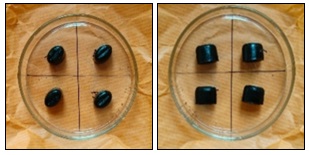
FIG. 16A AND 16B: GUMMIES STORED UNDER STABILITY CONDITIONS - Polyherbal Gummies Stored Under Long-Term and Accelerated Stability Conditions.
CONCLUSION: The present investigation successfully developed and evaluated a novel polyherbal nutraceutical gummy incorporating extracts of Moringa oleifera, Withania somnifera, Beta vulgaris, and Triphala for the supportive management of iron deficiency anemia (IDA). Unlike conventional iron supplements, which are often associated with gastrointestinal discomfort, poor compliance, and limited bioavailability, this formulation seeks to bridge a critical gap in modern medicine by offering a safe, palatable, and patient-friendly alternative.
Preliminary phytochemical screening confirmed the presence of diverse bioactive constituents including flavonoids, tannins, phenolics, alkaloids, betalains, glucosinolates, and antioxidant compounds. These phytochemicals are known to enhance iron absorption, stimulate erythropoiesis, and mitigate oxidative stress—mechanisms that directly address the multifactorial pathology of IDA. The synergistic interplay between iron-rich botanicals (Beta vulgaris, Moringa oleifera) and adaptogenic, antioxidant-rich herbs (Withania somnifera, Triphala) represents a holistic approach that goes beyond simple iron replacement therapy.
The formulated gummies demonstrated excellent organoleptic properties (taste, color, texture), acceptable physicochemical parameters (pH, weight variation, moisture content), and robust stability under both long-term and accelerated storage conditions. These findings highlight the formulation’s suitability for oral administration, ensuring high patient acceptability and compliance, which are often lacking in conventional iron therapies.
By combining nutritional supplementation with phytotherapeutic support, this polyherbal gummy formulation addresses modern iron therapy with holistic support for hematopoiesis. Thus, it offers a comprehensive, integrative solution that not only improves iron availability but also supports overall metabolic balance. This innovation underscores the potential of nutraceuticals to complement modern medicine, filling therapeutic gaps with natural, evidence-based interventions that are both effective and consumer-friendly.
CRediT Authorship Contribution Statement: Aditi Shinde: Conceptualization, Investigation, Methodology, Data curation, Formal analysis, Writing – original draft. Shubham Vishwakarma: Investigation, Methodology, Data curation, Formal analysis, Visualization, Writing – review & editing. Swati Patil: Supervision, Validation, Resources, Project administration.
Funding: This research did not receive any specific grant from funding agencies in the public, commercial, or not-for-profit sectors.
ACKNOWLEDGEMENTS: The authors sincerely thank Principal K. M. Kundnani College of Pharmacy, Mumbai, for providing the laboratory facilities and institutional support required to conduct this study.
Data Availability: The data generated and analysed during the current study are included in this article.
Ethics Statement: This study involved plant materials and laboratory-based physicochemical analyses and did not involve human biological materials, animals, animal-derived tissues or animal-derived cell lines. Therefore, institutional ethics committee approval and informed consent were not required.
Declaration of Generative AI and AI-assisted Technologies in the Manuscript Preparation Process: During the preparation of this work, the authors used ChatGPT (OpenAI) to assist with grammatical errors. Also an AI-assisted image-editing tool was also used only to remove the background from Fig. 8. After using these tools, the authors reviewed and edited the content as needed and take full responsibility for the content of the published article. No scientific features of the sample image were altered.
CONFLICTS OF INTERESTS: The authors declare that they have no known competing financial interests or personal relationships that could have appeared to influence the work reported in this paper.
REFERENCES:
- Kumar A, Sharma E, Marley A, Samaan MA and Brookes MJ: Iron deficiency anaemia: Pathophysiology, assessment, practical management. BMJ Open Gastroenterol 2022; 9:e000759. https://doi.org/10.1136/bmjgast-2021-000759.
- International Institute for Population Sciences, ICF: National Family Health Survey (NFHS-5), 2019–21: India Fact Sheet. Ministry of Health and Family Welfare, Government of India, 2021.
- Tang GH and Sholzberg M: Iron deficiency anemia among women: An issue of health equity. Blood Rev 2024; 64:101159. https://doi.org/10.1016/j.blre.2023.101159.
- Valke D: Moringa oleifera Lam. Wikimedia Commons, n.d. https://commons.wikimedia.org/w/index.php?curid=118008456 (accessed 26 June 2026).
- Leone A, Spada A, Battezzati A, Schiraldi A, Aristil J and Bertoli S: Cultivation, genetic, ethnopharmacology, phytochemistry and pharmacology of Moringa oleifera leaves: An overview. Int J Mol Sci 2015; 16:12791–12835. https://doi.org/10.3390/ijms160612791.
- Rotella R, Soriano JM, Llopis-González A and Morales-Suarez-Varela M: The impact of Moringa oleifera supplementation on anemia and other variables during pregnancy and breastfeeding: A narrative review. Nutrients 2023; 15: 2674.
- Shija AE, Rumisha SF, Oriyo NM, Kilima SP and Massaga JJ: Effect of Moringa oleifera leaf powder supplementation on reducing anemia in children below two years in Kisarawe District, Tanzania. Food Sci Nutr 2019; 7: 2584–2594. https://doi.org/10.1002/fsn3.1110.
- Ashwagandha Powder and Root on Spoons - 50191697031.jpg: Wikimedia Commons, 2024. https://commons.wikimedia.org/w/index.php?title=File:Ashwagandha_Powder_and_Root_on_Spoons_-_50191697031.jpg&oldid=879081410 (accessed 26 June 2026).
- Bashir A, Nabi M, Tabassum N, Afzal S and Ayoub M: An updated review on phytochemistry and molecular targets of Withania somnifera (L.) Dunal (Ashwagandha). Front Pharmacol 2023; 14: 1049334. https://doi.org/10.3389/fphar.2023.1049334.
- Smith SJ, Lopresti AL and Fairchild TJ: Exploring the efficacy and safety of a novel standardized Ashwagandha (Withania somnifera) root extract in adults experiencing high stress and fatigue in a randomized, double-blind, placebo-controlled trial. J Psychopharmacol 2023; 37: 1091–1104. https://doi.org/10.1177/02698811231200023.
- Beetroot on plate.jpg: Wikimedia Commons, 2025. https://commons.wikimedia.org/w/index.php?title=File:Beetroot_on_plate.jpg&oldid=1106958104 (accessed 26 June 2026).
- Milton-Laskibar I, Martínez JA and Portillo MP: Current knowledge on beetroot bioactive compounds: Role of nitrate and betalains in health and disease. Foods 2021; 10:1314. https://doi.org/10.3390/foods10061314.
- Cocksedge SP, Breese BC, Morgan PT, Nogueira L, Thompson C, Wylie LJ, Jones AM and Bailey SJ: Influence of muscle oxygenation and nitrate-rich beetroot juice supplementation on O2 uptake kinetics and exercise tolerance. Nitric Oxide 2020; 99: 25–33. https://doi.org/10.1016/j.niox.2020.03.007.
- S. Department of Agriculture, Agricultural Research Service, Beltsville Human Nutrition Research Center: FoodData Central: Beets, raw (FDC ID 169145). n.d. https://fdc.nal.usda.gov/ (accessed July 2026).
- Haritaki (Terminalia chebula) fruits 01.jpg: Wikimedia Commons, 2024. https://commons.wikimedia.org/w/index.php?title=File:Haritaki_(Terminalia_chebula)_fruits_01.jpg&oldid=870884832 (accessed 26 June 2026).
- Indian Gooseberry 1.jpg: Wikimedia Commons, 2025. https://commons.wikimedia.org/w/index.php?title=File:Indian_Gooseberry_1.jpg&oldid=1137559015 (accessed 26 June 2026).
- Terminalia bellericaJPG: Wikimedia Commons, 2026. https://commons.wikimedia.org/w/index.php?title=File:Terminalia_bellerica_06.JPG&oldid=1165580455 (accessed 26 June 2026).
- Tarasiuk A, Mosińska P and Fichna J: Triphala: Current applications and new perspectives on the treatment of functional gastrointestinal disorders. Chin Med 2018; 13: 39. https://doi.org/10.1186/s13020-018-0197-6.
- Peterson CT, Pourang A, Dhaliwal S, Kohn JN, Uchitel S and Singh H: Modulatory effects of Triphala and Manjistha dietary supplementation on human gut microbiota: A double-blind, randomized, placebo-controlled pilot study. J Altern Complement Med 2020; 26: 1015–1024. https://doi.org/10.1089/acm.2020.0148.
- Rahul K and Jacob J: Estimation of total iron content of aqueous extract of Lepidagathis incurva. Asian J Biomed Pharm Sci 2013; 3:61–62.
- Rawat S, Rai S, Sangeeta S, Kumar A, Ramachandran P and Sharma SK: Application of plant-based hydrocolloids on the textural profile of vegan gummies supplemented with turmeric and black pepper. Int J Food Sci 2024; 2024: 7127635. https://doi.org/10.1155/2024/7127635.
- Aslani A, Zolfaghari B and Fereidani Y: Design, formulation, and evaluation of a herbal gel containing Melissa, sumac, licorice, rosemary, and geranium for treatment of recurrent labial herpes infections. Dent Res J 2018; 15: 191–200. https://doi.org/10.4103/1735-3327.231865.
- Amalraj A, Abraham EK, Nair AS, Sivarajakumar P and Gopi S: Development of highly stable vitamin C gummies using innovative in-situ soft sphere integrated (ISSI) liposomal technology: Characterization and in-vitro release studies. ACS Omega 2026; 11: 5798–5812. https://doi.org/10.1021/acsomega.5c09739.
- International Conference on Harmonisation: ICH Q1A(R2): Stability Testing of New Drug Substances and Products. ICH Secretariat, Geneva 2003.
- Pokharana M, Vaishnav R, Goyal A and Shrivastava A: Stability testing guidelines of pharmaceutical products. J Drug Deliv Ther 2018; 8(2): 169–175.
- Government of India, Ministry of AYUSH: The Ayurvedic Pharmacopoeia of India, Part I, Vol. VI. Department of AYUSH, Ministry of Health and Family Welfare, New Delhi 2008; 63.
- Indian Pharmacopoeia Commission: Indian Pharmacopoeia 2022, Vol. I. Indian Pharmacopoeia Commission, Ghaziabad 2022; 4175: 4284.
How to cite this article:
Shinde A, Vishwakarma S and Patil S: Design and characterization of a polyherbal nutraceutical gummy for the supportive management of iron deficiency anemia. Int J Pharmacognosy 2026; 13(10): 1058-75. doi link: http://dx.doi.org/10.13040/IJPSR.0975-8232.IJP.13(10).1058-75.
This Journal licensed under a Creative Commons Attribution-Non-commercial-Share Alike 3.0 Unported License.
Article Information
9
1058-1075
2109 KB
15
English
IJP
Aditi Shinde, Shubham Vishwakarma * and Swati Patil
Department of Pharmacognosy, Principal K. M. Kundnani College of Pharmacy, Mumbai, Maharashtra, India.
shubham.9nov2004@gmail.com
17 August 2026
29 September 2026
30 September 2026
10.13040/IJPSR.0975-8232.IJP.13(10).1058-75
01 October 2026
 Download