


COMPREHENSIVE REVIEW OF THE BOTANICAL, PHYTOCHEMICAL, AND PHARMACOLOGICAL ASPECTS OF ADENIUM OBESUM (APOCYNACEAE)
HTML Full TextCOMPREHENSIVE REVIEW OF THE BOTANICAL, PHYTOCHEMICAL, AND PHARMACOLOGICAL ASPECTS OF ADENIUM OBESUM (APOCYNACEAE)
Hema Agrawal *, Sadhna Rajvanshi and Anurag Kumar
Shree Krishna College of Pharmacy, Sitapur, Uttar Pradesh, India.
ABSTRACT: Adenium obesum, commonly known as Desert Rose, belongs to the family Apocynaceae and is widely distributed in Africa and tropical regions. Traditionally valued as an ornamental and medicinal plant, it possesses diverse pharmacological properties attributed to its rich phytochemical composition, including alkaloids, flavonoids, glycosides, terpenoids, tannins, and phenolic compounds. Various studies have demonstrated its antimicrobial, antioxidant, anti-inflammatory, anti-arthritic, antidiabetic, anti-obesity, wound healing, anticancer, and trypanocidal activities. Different plant parts such as flowers, leaves, roots, stems, and bark have shown significant biological activities through in-vitro and in-vivo investigations. The pharmacological effects are strongly influenced by extraction methods and solvent polarity. This review summarizes the taxonomy, ethnomedicinal uses, phytochemistry, and major pharmacological activities of Adenium obesum, highlighting its therapeutic potential and future prospects in phytopharmaceutical research.
Keywords: Adenium obesum, Phytochemistry, Antioxidant activity, Antimicrobial activity, Antidiabetic activity
INTRODUCTION: According to the World Health Organization, a large proportion of the world's population relies on traditional herbal remedies for primary healthcare. Herbal medicine continues to gain popularity due to its perceived natural origin, cultural acceptance, and potential therapeutic benefits 1. The Apocynaceae family is also known as the dogbane family because some taxa are used to poison dogs. Several taxa in this family are widespread in the subtropics and tropics 2. It is divided into five subfamilies, i.e., Rauvolfioideae, Apocynoideae, Periplocoideae, Secamonoideae, and Asclepiadoideae. Apocynaceae contain 424 genera with more than 4600 species 3.
Several genera in Apocynaceae are Acokanthera, Adenium, Allamanda, Amsonia, Apocynum, Brachystelma, Carissa, Ceropegia, Cryptostegia, Cynanchum, Duvalia, Plumeria, and Vinca 4. Apocynaceae consist of herbs, shrubs, lianas, or trees. The unique characteristic is that tissues contain latex 2. Several species are generally cultivated as ornamental plants. Nevertheless, most species in Apocynaceae are rich in alkaloids and cardiac glycosides 4, 5. Therefore, Apocynaceae have enormous medicinal benefits. Some traditional medical practices, such as Chinese, Thai, and Indian medicine, use this family. However, some taxa can be used as poisons 4. An example species that belongs to Apocynaceae is Adenium obesum.
Adenium obesum, commonly known as the 'desert rose,' is widely recognized as an ornamental plant. Native to the African continent, it is found in countries such as Senegal, Kenya, Ethiopia, Somalia, Tanzania, and Sudan 6, 7. Beyond its native range, Adenium obesum is also cultivated in tropical regions, including Indonesia, Oman, Yemen, Saudi Arabia, Thailand, India, the Philippines, and Malaysia 8, 9, 10. In addition to its ornamental value, Adenium obesum possesses significant medicinal potential. Paul et al. 11 reported its biological activities, including antibacterial, antiviral, antioxidant, and anticancer properties. This is further corroborated by Shafiq et al. 12, who summarized the phytochemical constituents of Adenium obesum. Despite these findings, there is a notable lack of comprehensive information regarding the ethnobotanical uses of Adenium obesum. Therefore, the present review aims to provide an updated overview of the ethnobotanical applications of Adenium obesum.
Taxonomy:
Kingdom: Plantae
Division: Magnoliophyta
Class: Magnoliopsida
Order: Gentianales
Family: Apocynaceae
Genus: Adenium
Species: Adenium obesum
Vernacular Names:
English: Desert Rose
Arabic: Sabi Star
Hindi: Adenium
African regions: Kudu Lily
Thai: Chuan Chom 12
Habitat and Geographical Distribution: Adenium obesum is a drought-tolerant succulent plant adapted to arid and semi-arid climatic conditions. It commonly grows in sandy, well-drained soils, dry savannahs, rocky habitats, and warm tropical to subtropical regions receiving abundant sunlight. The plant possesses a thick succulent stem (caudex) that stores water, enabling it to survive prolonged drought conditions. Adenium obesum is native to the eastern and northeastern regions of Africa and the Arabian Peninsula, particularly in countries such as Sudan, Somalia, Kenya, Tanzania, Yemen, and Saudi Arabia. Owing to its ornamental value and adaptability, the plant is now cultivated widely in tropical and subtropical countries worldwide, including India 13, 14.
Botanical Description: The morphological characteristic of Adenium obesum is that it has roots that can enlarge, like tubers, which store water from the upper roots or base of the stem. The shape of the roots, which can expand, twists to the left and right and coincides with each other so it looks artistic Fig. 1 15. The enlarged roots are covered with root hairs or a large number of tiny roots, especially at the bottom, sides and top together with the enlarged roots. The enlargement of the base of the stem is due to old age. The older it is, the bigger the roots. Adenium obesum has an upright stem accompanied by fine branches, grayish green to brown with irregular branch spacing, making it unique and attractive for making bonsai. The leaves are simple and spirally arranged at the ends of the branches. Leaves are around 3-12 x 0.5-5 cm. The flowers are white or pink to dark red, shaped like trumpets 16, 17. They also have wavy petals. Adenium obesum is a group of terminal flowers formed throughout the year. The plant may die almost entirely during the summer, but the flowers are covered. When ripe, the fruit follicle will split on one side and release the seed with a hairy pappus attached to it, which is spread by the wind. Adenium obesum is unique because it can secrete white latex when injured. The tall between 0.4 – 5 m 18.
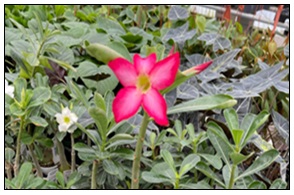
FIG. 1: LEAVES AND FLOWERS OF ADENIUM OBESUM
Ethnomedicinal Uses: Traditionally, different parts of the plant have been used for medicinal and cultural purposes.
Traditional Uses:
- Treatment of skin infections and wounds
- Management of lice and parasitic infestations
- Treatment of rheumatic pain
- Use as an antimicrobial remedy
- Latex used as fish poison and arrow poison in some African communities
- Treatment of venereal diseases in folk medicine
Veterinary Uses:
- Used for treating animal skin diseases
- Applied externally for parasitic infections
Phytochemistry: A complete AO plant growing locally was found to contain a variety of chemicals, the amount of which rising with age 19. The selected plant contained, among other chemical compounds, carbohydrates, flavonoids, cardiac glycoside, flavonoid, terpenoids, and pregnanes, according to the phytochemical study. The most of the isolated chemical components of the chosen plant were physiologically active 20. 53 compounds in all were isolated and identified in earlier studies of the selected plant by different authors. While certain have biological properties like antiviral, anticancer, and cytotoxic impact, others are toxic 21. Few studies have been done in Gulf countries on the chosen local medicinal plant. The chemical components of the bark and stem were betulin and rosmarinic acid. While leaves confirmed for several chemical components, such as Honghelin, Obeside-B & C, the stem exhibited 3,5,7,3,4,5-Hexahydroxy flavone and 5,7,3,4-Tetrahydroxy flavone 22, 23.
Pharmacological Activity:
Antimicrobial and Antioxidant Activity: Adenium obesum has gained considerable scientific attention due to its rich phytochemical composition and diverse pharmacological activities, particularly its antimicrobial and antioxidant potential. Various studies have investigated different parts of the plant including flowers, leaves, stems, roots, and stem bark using multiple extraction methods and analytical techniques to identify bioactive compounds and evaluate their biological efficacy. Early studies demonstrated the antimicrobial significance of the plant 23. Tijjani A et al. (2011) evaluated methanolic and petroleum ether extracts of the stem bark against several Gram-negative bacterial strains including Escherichia coli, Pseudomonas aeruginosa, Salmonella typhi, Neisseria gonorrhoeae, and Klebsiella pneumoniae. The extracts exhibited broad-spectrum antibacterial activity with significant zones of inhibition. Phytochemical analysis confirmed the presence of alkaloids, flavonoids, tannins, steroids, glycosides, anthraquinones, and saponins, which were considered responsible for the observed antimicrobial effects 24. Similarly, Atawodi SE (2005) reported strong trypanocidal activity of stem-bark extracts of Adenium obesum against Trypanosoma brucei, indicating its potential application as a source of antiprotozoal agents 25.
Bungihan ME and Matias CA (2013) investigated the phytochemical profile, antioxidant potential, and antibacterial activity of ornamental flowers including Adenium obesum. Thin layer chromatography revealed the presence of phenolics, alkaloids, terpenes, and essential oils. Although some ornamental flowers exhibited comparatively higher antioxidant activity, Adenium obesum demonstrated considerable antibacterial activity against Staphylococcus aureus and Escherichia coli 26. In the same year, Alseini AII (2014) assessed the antioxidant capacity of ten Arabian medicinal plants and found that Adenium obesum possessed high total phenolic and flavonoid contents along with significant Trolox equivalent antioxidant capacity (TEAC), suggesting strong free radical scavenging properties and possible protective effects against oxidative stress-related diseases 27.
Hossain MA et al. (2014) further evaluated the antimicrobial potency of stem extracts obtained through Soxhlet and maceration methods. Different solvent fractions exhibited moderate to significant antibacterial activity against food-borne pathogenic bacteria. The study concluded that extraction methods influence the antimicrobial efficacy of plant extracts 28. In another investigation, AL-Ghudani MKN and Hossain MA (2015) analyzed the total phenolic content, flavonoid content, and antioxidant activity of root extracts prepared using Soxhlet and maceration techniques. The study demonstrated that different extraction procedures and solvents significantly affected the recovery of antioxidant phytochemicals.
Soxhlet extraction yielded higher phenolic contents in ethyl acetate fractions, while methanol extracts from maceration showed greater flavonoid concentration and antioxidant activity 29.
Sharma Y et al. (2015) investigated antibacterial activity of aqueous and methanolic leaf extracts against Gram-positive bacteria (Bacillus amyloliquefaciens and Staphylococcus aureus) and Gram-negative bacteria (Pseudomonas aeruginosa and Escherichia coli). Methanolic extracts exhibited stronger antibacterial activity, especially against Gram-positive bacteria. Phytochemical screening confirmed the presence of bioactive constituents such as flavonoids, alkaloids, tannins, and glycosides, supporting the therapeutic potential of the plant as an antimicrobial agent 30.
Akhtar MS et al. (2016) isolated and characterized bioactive compounds from the chloroform extract of Adenium obesum. Traditional medicinal applications of the plant in Oman for treating wounds, skin diseases, headaches, and joint pain motivated the investigation. The isolated compounds were characterized using chromatographic and spectroscopic methods including TLC, column chromatography, IR, MS, and NMR techniques. The study confirmed significant antioxidant and antimicrobial activities of the isolated constituents and represented the first successful characterization of compounds from chloroform extracts of the plant 31.
Further investigations by Tijjani A et al. (2019) demonstrated synergistic antibacterial activity when methanolic stem-bark extracts were combined with oxytetracycline. The extract exhibited potent inhibitory effects against both Gram-positive and Gram-negative clinical bacterial isolates, especially Streptococcus pyogenes. The minimum inhibitory concentration ranged between 62.5 µg/ml and 1250 µg/ml. Phytochemical analysis again confirmed the presence of alkaloids, flavonoids, steroids, tannins, anthraquinones, glycosides, and saponins 32.
Kalva S (2019) evaluated methanolic flower extracts of Adenium obesum for antimicrobial activity against Staphylococcus aureus, Escherichia coli, and Candida albicans. The study reported significant antibacterial and antifungal activities comparable to standard drugs such as ciprofloxacin and fluconazole. Phytochemical screening identified alkaloids, flavonoids, phenols, tannins, cardiac glycosides, proteins, amino acids, and steroids as major constituents responsible for the observed bioactivity. Recent studies have focused more extensively on antioxidant properties and phytochemical characterization 33.
Menachery SJ et al. (2025) performed a comprehensive phytochemical investigation of methanolic cold extracts of Adenium obesum flowers using GC-MS, LC-MS, FT-IR, and NMR techniques. The extract exhibited remarkable antioxidant and antibacterial activities against both Gram-positive and Gram-negative bacteria. Ethyl iso-allocholate was identified as the predominant compound and was proposed as a major contributor to the plant’s pharmacological effects. The study emphasized the therapeutic potential of Adenium obesum flower extracts as natural antioxidant and antibacterial agents for future pharmaceutical applications 34. Overall, the literature strongly supports that Adenium obesum is a rich source of bioactive phytochemicals including alkaloids, flavonoids, tannins, phenolics, glycosides, steroids, terpenoids, and saponins. These compounds contribute significantly to its antimicrobial, antioxidant, trypanocidal, and therapeutic activities. Variations in extraction methods, solvent polarity, and plant parts greatly influence phytochemical yield and biological activity. The cumulative findings validate the traditional medicinal use of the plant and highlight its potential for the development of novel phytopharmaceuticals, antimicrobial formulations, and natural antioxidant agents.
Anti-obesity and Wound Healing Activity: Recent studies have highlighted the diverse pharmacological potential of plants belonging to the genus Adenium obesum and Adenium socotranum. Al-Hakami IA et al. (2025) investigated the phytochemical composition, antioxidant, antimicrobial, and wound healing activities of the methanolic leaf extract of Adenium socotranum. Phytochemical characterization using GC-MS identified methyl palmitate, methyl stearate, β-sitosterol, and α-amyrin as major constituents.
The extract demonstrated significant antioxidant activity in the DPPH assay and potent antibacterial activity, particularly against Enterococcus faecalis. In-vivo wound healing studies in rats revealed accelerated wound contraction, increased hydroxyproline content, enhanced collagen deposition, improved angiogenesis, and reduced inflammatory cell infiltration following topical application of the extract. Molecular docking analysis further suggested that compounds such as α-tocospiro B, α-amyrin, and 1,2-benzenedicarboxylic acid may contribute to wound healing by interacting with TNF-α and TGF-βR1 pathways. The findings established the therapeutic potential of Adenium socotranum as a promising natural source for wound healing and antimicrobial applications 35.
Similarly, Hussain S et al. (2024) evaluated the phytochemical constituents and anti-obesity potential of aqueous leaf extracts of Adenium obesum in Wistar rats. The extract was prepared by macerating powdered leaves in distilled water followed by filtration and concentration using a rotary evaporator. Preliminary phytochemical screening confirmed the presence of bioactive compounds. Obesity was induced in rats using progesterone, and the animals were treated with different doses of the plant extract for thirty days 36. The study demonstrated significant reductions in body weight, liver, spleen, and kidney weights, as well as decreased cholesterol, triglyceride, and blood glucose levels in treated groups compared to disease controls. These findings indicate that Adenium obesum possesses notable anti-obesity and hypolipidemic activities, supporting its potential role as a natural therapeutic agent for obesity management and metabolic disorders. Together, these studies emphasize the broad pharmacological significance of Adenium species and their potential for future phytopharmaceutical development.
Anti-inflammatory Activity: Recent scientific investigations have highlighted the therapeutic potential of Adenium obesum, particularly its ethanolic leaf extracts, in addressing inflammation-related disorders. Patel A et al. (2025) studied the phytochemical composition and evaluated the anti-arthritic and anti-inflammatory activities of ethanolic extracts and column fractions of the plant. The extract was prepared using Soxhlet extraction followed by fractionation through TLC-guided column chromatography. GC-MS analysis revealed the presence of multiple bioactive constituents. The anti-arthritic activity was assessed using the human red blood cell (HRBC) membrane stabilization method, while anti-inflammatory potential was evaluated through COX-2 inhibition assays. The results demonstrated significant membrane stabilization and enzyme inhibition, indicating strong anti-inflammatory and anti-arthritic potential of the plant extracts 37.
Further supporting its pharmacological relevance, Deepak S et al. (2024) investigated the antioxidant and antibacterial properties of ethanolic leaf extracts of Adenium obesum. GC-MS analysis identified around 45 phytochemical constituents, including benzofuran, phenolic compounds, and other secondary metabolites. The extract exhibited strong free radical scavenging activity using the DPPH assay in a dose-dependent manner, comparable to ascorbic acid. Additionally, significant antibacterial activity was observed against both Staphylococcus aureus and Escherichia coli, with notable zones of inhibition, suggesting that the bioactivity of the plant is strongly associated with its diverse phytochemical profile 38.
Similarly, Alshehri A et al. (2022) evaluated the ethanolic leaf extract of Adenium obesum for antioxidant, anti-inflammatory, and anticancer activities. The study employed multiple antioxidant assays, including DPPH, ABTS, superoxide, hydroxyl radical scavenging, and lipid peroxidation inhibition tests. The extract demonstrated strong antioxidant potential compared to standard ascorbic acid. In-vitro anti-inflammatory activity showed significant reduction of pro-inflammatory mediators such as TNF-α in murine macrophage cell lines. Furthermore, cytotoxic effects were observed against A549 lung cancer cells, indicating the broad therapeutic potential of the plant 39.
Supporting evidence from other medicinal plants reinforces the relevance of these findings. Farooq S et al. (2022) evaluated the anti-arthritic and anti-inflammatory activities of several medicinal plants using HRBC membrane stabilization and protein denaturation assays. The study reported significant inhibition of inflammatory responses in tested extracts, confirming the role of phytochemicals such as flavonoids, alkaloids, phenols, and terpenoids in anti-inflammatory mechanisms. These findings align with the observed biological effects of Adenium obesum, suggesting that similar phytoconstituents may contribute to its pharmacological activity 40. Overall, the reviewed studies demonstrate that Adenium obesum contains a wide range of bioactive compounds responsible for its antioxidant, antibacterial, anti-inflammatory, and anti-arthritic properties. These activities are strongly linked to its rich phytochemical profile, including flavonoids, phenolics, alkaloids, and terpenoids. The evidence supports its traditional medicinal use and highlights its potential as a promising candidate for the development of natural therapeutic agents for inflammatory and oxidative stress-related diseases.
Antidiabetic Activity: Journal IJPR et al., 2019 Several recent studies have demonstrated the promising antidiabetic potential of Adenium obesum through both in-vitro and in-vivo experimental models. In one study, the methanolic (MEAO) and ethyl acetate (EAEAO) flower extracts of Adenium obesum were evaluated for antidiabetic activity in streptozotocin-induced diabetic rats. Diabetes was induced by intraperitoneal administration of streptozotocin (35–50 mg/kg), and the extracts were administered orally at doses of 100, 200, and 300 mg/kg. The in vitro α-amylase inhibitory assay demonstrated strong dose-dependent enzyme inhibition by both extracts when compared with the standard drug acarbose. In-vivo studies further revealed significant reductions in blood glucose levels (p < 0.0001) along with marked increases in serum insulin levels in treated diabetic rats. Metformin (50 mg/kg) was used as the standard antidiabetic drug. The findings suggested that flower extracts of Adenium obesum possess potent antihyperglycemic activity and may help in the management of diabetes mellitus through inhibition of carbohydrate digestion and enhancement of insulin secretion 41.
Similarly, Sharma R et al. (2025) investigated the antioxidant and antidiabetic activities of ethanolic leaf extracts of Adenium obesum in alloxan-induced diabetic Wistar rats. Diabetes was induced by administering alloxan monohydrate (150 mg/kg, s.c.), and the animals were treated with ethanolic leaf extract at doses of 200 mg/kg and 400 mg/kg for 21 days. The study evaluated antioxidant activity using the DPPH free radical scavenging assay along with parameters such as body weight, blood glucose levels, and oral glucose tolerance tests. Both extract-treated groups exhibited significant reductions in blood glucose levels compared to diabetic controls, with values decreasing to 109.23±0.46 mg/dl and 98.46±0.24 mg/dl at doses of 200 mg/kg and 400 mg/kg, respectively. The study concluded that Adenium obesum possesses significant antioxidant and antidiabetic activities and may serve as a potential herbal therapeutic agent for diabetes management, although further studies are needed to elucidate its exact mechanism of action and optimal therapeutic dosage 42.
CONCLUSION: Adenium obesum is an important medicinal plant possessing significant ethnopharmacological and therapeutic value. The plant contains a wide variety of bioactive phytoconstituents such as flavonoids, alkaloids, glycosides, phenolics, terpenoids, and steroids that contribute to its diverse pharmacological properties. Scientific studies have validated its antimicrobial, antioxidant, anti-inflammatory, anti-arthritic, wound healing, anti-obesity, anticancer, and antidiabetic activities through various experimental models. Different extraction techniques and solvent systems have been shown to influence the yield and biological efficacy of phytochemicals. The cumulative evidence supports the traditional medicinal use of Adenium obesum and highlights its potential as a promising source for the development of novel phytopharmaceuticals and natural therapeutic agents. However, further detailed toxicological, mechanistic, and clinical studies are required to establish its safety, efficacy, and therapeutic applications in modern medicine.
ACKNOWLEDGEMENT: Nil
CONFLICT OF INTEREST: Nil
REFERENCES:
- Bijauliya RK, Jain SK, Alok S, Dixit VK, Singh VK and Singh M: Macroscopical, microscopical and physico-chemical studies on leaves of Dalbergia sissoo Linn. (Fabaceae). Int J Pharm Sci Res 2017; 8(4): 1865-73.doi: 10.13040/IJPSR.0975-8232.8(4).1865-73.
- Versiani MA, Ahmed SK, Ikram A, Ali ST, Yasmeen K and Faizi S: Chemical constituents and biological activities of Adenium obesum (Forsk.) Roem. et Schult. Chem. Biodivers 2014; 11(2): 171–180. 10.1002/cbdv.201200254
- Kiyohara H, Ichino C, Kawamura Y, Nagai T, Sato N, and Yamada H: In-vitro anti-influenza virus activity of a cardiotonic glycoside from Adenium obesum (Forssk.). Phytomedicine 2012; 19(2): 111–114. 10.1016/j.phymed.2011.07.004
- Hossain MA and Rahman SMM: Total Phenolics, Flavonoids and Antioxidant Activity of Tropical Fruit Pineapple. Food Res Int 2011; 44(3): 672–676. 10.1016/j.foodres.2010.11.036 [DOI] [Google Scholar]
- Hossain MA, Sohail Akhtar M, Said S and Al-Abri THA: Two New Flavonoids from Adenium obesum Grown in Oman. J King Saud Univ Sci 2017; 29(1): 62–69. 10.1016/j.jksus.2016.04.004 [DOI] [Google Scholar]
- Dhanalakshmi and Rajendran: Synthesis of silver nanoparticles using Tridax pnocumbens and its antimicrobial activity. Sch Res Lib 2012; 4(3): 1289-1293.
- Johan MR, Si-Wen K, Hawari N and Aznan NAK: Synthesis and characterization of copper, iodide nanoparticles via chemical route. Int J Electrochem Sci 2012; 7: 4942-4950.
- Prakash RT and Thiagarajan UP: Synthesis and characterization of silver nanoparticles using Penicillium sp. isolated from soil. IJASTR 2012; 1(2): 137-149.
- Pawlyta M, Tukowiec D and Dobrzanska-Danikiewicz AD: Characterization of carbon nanotubes decorated with platinum nanoparticles. J Achiev Material & Manufac Eng 2012; 53(2): 67-75.
- Mishra P and Mishra S: Study of antibacterial activity of Ocimum sanctum extract against Gram Positive and Grma Negative bacteria. American J Food Tech 2011; 6(4): 336-341.
- Sivakumar J, Premkumar C, Santhanam P and Saraswathi N: Biosynthesis of silver nanoparticles using Calotropis gigantean leaf. African J Basic & Applied Sci 2011; 3(6): 265-270.
- Michael Whitehead. A review of the uses of Nanoscience in medicine. Int J Chem & Pharm Res 2010; 2-14.
- Nagaraj B, Divya TK, Barasa M, Krishnamurthy NB, Dinesh R, Negrila CC and Predoi D: Phytosynthesis of gold nanoparticles using Caesalpinia pulcherrima flower extract and evaluation of their antimicrobial activity. Dig J Nano & Biost 2012; 7(3): 899-905.
- Grace ANand Pandian K: Antimicrobial efficiency of aminoglycosidic antibiotics protected gold nanoparticles –A brief studies; Colloids and surfaces A: Physico Chem Engi Aspects 2007; 297: 63-70.
- Meruva H, Vangalapati M, Chippada SC and Bammidi SR: Synthesis and characterization of zinc oxide nanoparticles and its antimicrobial activity against Bacillus subtilus and E. coli. Ras J Chem 2011; 4(1): 217-222.
- Yoo whan J, Lee SM, Kim HT and EI-Sayed MA: Shape control of platinum nanoparticles by using different copping organic materials. Bull Korean Chem Soc 2004; 4(1): 217-222.
- Ahmad A, Mukherjee P, Senapati S, Mandal D, Khan MI, Kumar R and Sastry M: Extracellular biosynthesis of silver nanoparticles using the fungus Fusarium oxysporum Int J Colloid Surf B 2010; 28: 313.
- Sastry M, Ahmad A, Khan MI and Kumar R: Biosynthesis of metal nanoparticles using fungi and Actinomycete. Int J Current Sci 2003; 85(2): 162-170.
- Vahabi K, Mansoori GM and Karimi S: Biosynthesis of silver nanoparticles by fungus Tricodermareesei. Int J Nanotech Sci 2012.
- Alappat CF, Kannan KP and Vasanthi NS: Biosynthesis of Au-nanoparticles using the Endophytic fungi isolated from Bahunia variegate L. Eng Sci & Tech Int J 2012; 2(3): 377-380.
- Moharrer S, Mohammadi B, Gharamohammadi RA and Yargoli M: Biological synthesis of silver nanoparticles by Aspergillus flavus, isolated from soil of Ahar copper mine. Indian J Sci & Tech 2012; 5(53): 2443-2444.
- Sangappa M and Thiagarajan P: Mycobiosynthesis and characterization of silver nanoparticles from Aspergillus niger; A soil fingal isolate. Int. J Life Sci Biotech & Pharma Res 2012; 1(2): 281-289.
- Rodzinski A, Guduru R, Liang P, Hadjikhani A, Stewart T, Stimphil E, Runowicz C, Cote R, Altman N and Datar R: Targeted and controlled anticancer drug delivery and release with magnetoelectric nanoparticles. Sci Rep 2016; 6: 20867. doi: 10.1038/srep20867. [DOI] [PMC free article] [PubMed] [Google Scholar]
- Tijjani A, Ndukwe IG and Ayo RG: Studies on antibacterial activity of Adenium obesum (Apocynaceae) stembark. Continental Journal of Microbiology 2011; 5(1): 12-17.
- Atawodi SE: Comparative in-vitro trypanocidal activities of petroleum ether, chloroform, methanol and aqueous extracts of some Nigerian savannah plants. African Journal of Biotechnology 2005; 4(2): 177-182.
- Bungihan Melfei Estrada and Claribel Asuncion Matias: Determination of the Antioxidant, Phytochemical and Antibacterial Profiles of Flowers from Selected Ornamental Plants in Nueva Vizcaya, Philippines. Journal of Agricultural Science and Technology B 3 2013; 833-841.
- Alseini AII: Total phenolic, total flavonoid contents and radical scavenging activities of 10 Arabian herbs and spices. Unique Journal of Pharmaceutical and Biological Sciences 2014; 2(3): 5-11.
- Hossain MA, Alabri THA, Al-Musalami AHS, Akhtar MS and Said S: Evaluation of in vitro antioxidant potential of different polarities stem crude extracts by different extraction methods of Adenium obesum. Journal of Coastal Life Medicine 2014; 2(9): 699-703.
- AL-Ghudani MKN and Hossain MA: Determination of total phenolics, flavonoids and antioxidant activity of root crude extracts of Adenium obesum traditionally used for the treatment of bone dislocations and rheumatism. Asian Pacific Journal of Tropical Disease 2015; 5: 155-158.
- Sharma Y, Nagar A and Shukla S: Antimicrobial activity and phytochemical screening of Adenium obesum (desert rose) leaf. International Journal of Pharma and Bio Sciences 2015; 6(3): 85-92.
- Akhtar MS, Hossain MA and Said SA: Isolation and characterization of antimicrobial compound from the stem-bark of the traditionally used medicinal plant Adenium obesum. J Tradit Complement Med 2016; 7(3): 296-300. doi: 10.1016/j.jtcme.2016.08.003. PMID: 28725623; PMCID: PMC5506627.
- Tijjani A, Sallau MS and Sunusi I: Synergistic activity of methanolic extract of Adenium obesum (Apocynaceae) stem-bark and oxytetracycline against some clinical bacterial isolates. Bayero Journal of Pure and Applied Sciences 2019; 4(1): 79-82.
- Kalva S and Raghunandan N: Preliminary phytochemical screening and antimicrobial activity of dried flowers of Adenium obesum. Int J Curr Pharm Res 2019; 11(2): 34-36.
- Menachery SJ, Moni SS and Khardali A: Bioactive Constituents of Adenium obesum Flowers: Spectroscopic Profiling, Antioxidant, and Antibacterial Properties. Natural Product Communications 2025; 20(9). doi:10.1177/1934578X251375712
- Al-Hakami IA, Moharram BA, AL-Mahbashi HM, Al Maqtari T and Al-Madhagi WM: Wound healing potential of Adenium socotranum (Vierh.) leaf extract: Phytochemical profiling and molecular docking analysis. J Appl Pharm Sci 2025; 15(12): 146-160. http://doi.org/10.7324/JAPS.2025.261427
- Hussain S, Puspa Verma, Ms. Niketa Yadav, Anshika Kapoor and Shyam Darsh Mishra: Phytochemical screening and anti-obesity potential of aqueous leaves extract of Adenium obesum in Wistar rats. African Journal of Biomedical Research 2024; 27(4): 15587-15592. https://doi.org/10.53555/AJBR.v27i4S.7772
- Patel A, Kakade T, Deshpande A, Kothawade K, Shaikh W and Daphal G: Phytochemical investigation of Adenium obesum plant ethanolic extract fractions for treatment of rheumatoid arthritis. Int J Drug Deliv Technol 2025; 15(4): 1750-1761, DOI: 10.25258/ijddt.15.4.26
- Deepak S, Padmapriya S, Sathiyamurthy VA, Renuka R and Santhanakrishnan VP: Phytochemical profiling and bioactive potential of Adenium obesum (Forssk.) Roem. & Schult. leaf extracts. Ann. Phytomed 2024; 13(2): 1008-1018. http://dx.doi.org/10.54085/ap.2024.13.2.104.
- Alshehri A, Ahmad A, Tiwari RK, Ahmad I, Alkhathami AG, Alshahrani MY, Asiri MA, Almeleebia TM, Saeed M, Yadav DK and Ansari IA: In-vitro evaluation of antioxidant, anticancer, and anti-inflammatory activities of ethanolic leaf extract of Adenium obesum. Front Pharmacol 2022; 13: 847534. doi: 10.3389/fphar.2022.847534. PMID: 35928278; PMCID: PMC9343940.
- Farooq S, Shaheen G and Asif HM: Preliminary phytochemical analysis: in-vitro comparative evaluation of anti-arthritic and anti-inflammatory potential of some traditionally used medicinal plants. Dose-Response 2022; 20(1). doi:10.1177/15593258211069720
- Kalva S & Raghunandan N: In-vitro and in-vivo potential of Adenium obesum flower extracts in diabetic challanged rat model. International Journal of Pharmaceutical Research 2018; 10(3): 09752366. Sharma R, Shamim Ahmad and Jainedra Kumar: Evaluation of antioxidant and antidiabetic potential of leaves extract of Adenium obesum in alloxan induced diabetic rats. World Journal of Pharmacy and Pharmaceutical Research 2025; 2(1).
How to cite this article:
Agrawal H, Rajvanshi S and Kumar A: Comprehensive review of the botanical, phytochemical, and pharmacological aspects of Adenium obesum (Apocynaceae). Int J Pharmacognosy 2026; 13(8): 760-67. doi link: http://dx.doi.org/10.13040/IJPSR.0975-8232.IJP.13(8).760-67.
This Journal licensed under a Creative Commons Attribution-Non-commercial-Share Alike 3.0 Unported License.
 Download