


CHEMICAL CONSTITUENTS, BIOLOGICAL ACTIVITIES AND PART SPECIFIC PHARMACOLOGY OF PUNICA GRANATUM L.: REVIEW
HTML Full TextCHEMICAL CONSTITUENTS, BIOLOGICAL ACTIVITIES AND PART SPECIFIC PHARMACOLOGY OF PUNICA GRANATUM L.: REVIEW
P. Devi Guna Sireesha *, Shaik Chandini, S. K. Gousia Sadiqa and Shaik Imran
Department of Pharmacology, Nimra College of Pharmacy, Ibrahimpatnam, Nimra Nagar, Vijayawada, Andhra Pradesh, India.
ABSTRACT: Punica granatum L., commonly known as pomegranate, is a medicinal and edible plant valued for its nutritional properties and diverse pharmacological potential. Different parts of the plant including root, stem bark, leaves, flowers, fruit peel, arils, juice, seeds, and seed oil contain chemically distinct groups of bioactive compounds. Hydrolysable tannins and ellagitannins, particularly punicalagin, punicalin, ellagic acid, and gallic acid, are abundant in the peel, bark, leaves, flowers, and fruit. Flavonoids, anthocyanins, alkaloids, triterpenes, sterols, and fatty acids further contribute to the biological effects of the plant. Reported activities include antioxidant, anti-inflammatory, antimicrobial, antidiabetic, cardioprotective, hepatoprotective, neuroprotective, anthelmintic, wound-healing, and anticancer effects. However, the evidence is predominantly derived from chemical assays, cell-based experiments, and animal studies. Clinical evidence remains comparatively limited and is mainly available for fruit juice and standardized fruit extracts. Chemical composition varies according to cultivar, geographical origin, maturity, plant part, extraction method, and storage conditions. Therefore, botanical authentication, extract standardization, appropriate toxicity evaluation, and well-designed clinical studies are essential before therapeutic claims can be established.
Keywords: Punica granatum, Phytochemicals, Ellagitannins, Punicalagin, Biological activities, Pharmacology, Toxicity
INTRODUCTION: Pomegranate, botanically identified as Punica granatum L., is a small deciduous tree or shrub traditionally associated with regions extending from the Middle East to northern India. It is now cultivated widely in Mediterranean, subtropical and tropical areas. The plant is valued both as a food crop and as a traditional medicinal resource.
Its edible fruit consists of arils containing juice and seeds, surrounded by a leathery pericarp or peel. In addition to the fruit, the root, stem bark, leaves and flowers have been used in traditional systems of medicine for gastrointestinal disorders, infections, inflammation, parasitic diseases and wound-related conditions 1.
Interest in pomegranate has increased because of its high content of polyphenols and other secondary metabolites. Early research focused mainly on fruit juice and peel, whereas recent investigations have expanded to leaves, flowers, seed oil, bark and isolated constituents. The plant is now being explored for nutraceutical, pharmaceutical, cosmetic, food-preservative and functional-food applications 2-4. The biological activity of pomegranate should not be attributed to a single compound. Instead, it results from the combined effects of ellagitannins, phenolic acids, flavonoids, anthocyanins, fatty acids, triterpenes, sterols and in the bark and roots, alkaloids. Some effects may also depend on the metabolism of pomegranate constituents by intestinal microorganisms. For example, ellagitannins can release ellagic acid, which may subsequently be converted into urolithins such as urolithin A and urolithin B 5.
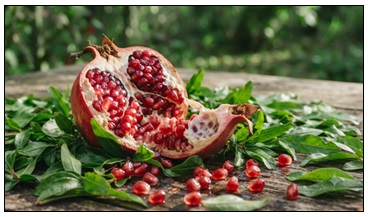
FIG. 1: POMEGRANATE FRUIT SHOWING THE ARILS, SEEDS, AND SURROUNDING LEAVES
Phytochemical Composition: The chemical profile of P. granatum differs considerably among anatomical parts. Peel and bark generally contain high concentrations of hydrolysable tannins and ellagitannins. Juice and arils contain anthocyanins, organic acids, ellagitannins and soluble phenolics. Leaves and flowers contain flavonoids, phenolic acids, tannins, and triterpenoids. Seeds and seed oil are characterized by punicic acid and other unsaturated fatty acids, together with tocopherols and phytosterols 6.
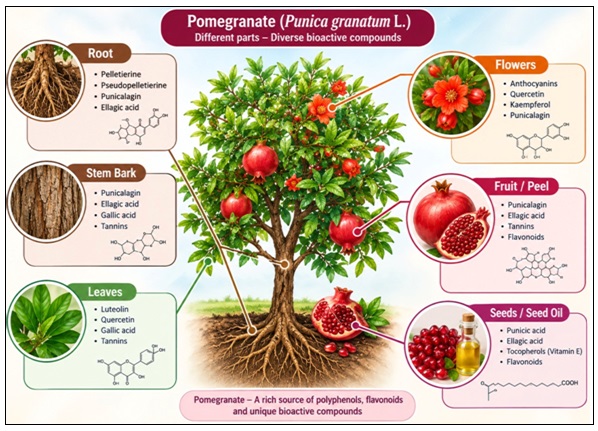
FIG. 2: OVERVIEW OF REPORTED BIOACTIVE CONSTITUENTS ACROSS DIFFERENT PARTS OF PUNICA GRANATUM L.
Ellagitannins and Tannins: Hydrolysable tannins are among the most characteristic constituents of pomegranate. Important compounds include punicalagin, punicalin, pedunculagin, corilagin, granatins, punicacorteins, punicafolin, tellimagrandin, gallagyldilactone and related gallotannins. Punicalagin is particularly abundant in the peel and has also been reported in bark, fruit and juice. These compounds can undergo hydrolysis to produce ellagic acid and other lower-molecular-weight phenolics. Ellagitannins are associated with antioxidant, antimicrobial, anti-inflammatory, antidiabetic, gastroprotective and antiproliferative activities. Their high molecular weight may limit direct intestinal absorption, meaning that their metabolites could be important contributors to systemic effects 7.
Phenolic Acids: Pomegranate contains gallic acid, ellagic acid, caffeic acid, chlorogenic acid, ferulic acid, protocatechuic acid, p-coumaric acid, vanillic acid, syringic acid and related compounds. Gallic acid and ellagic acid are frequently reported in the peel, bark, leaves, flowers and fruit. Caffeic, chlorogenic, ferulic, and p-coumaric acids are also detected in fruit and juice.
Phenolic acids can scavenge reactive oxygen species, inhibit lipid peroxidation, modulate inflammatory pathways, and contribute to antimicrobial and cytoprotective effects. Ellagic acid is one of the most commonly used marker compounds for pomegranate extracts, although its limited water solubility and variable absorption are important formulation considerations 7.
Flavonoids: The flavonoid fraction includes catechin, epicatechin, quercetin, kaempferol, luteolin, apigenin, myricetin, rutin, and glycosylated derivatives. Leaves and flowers may be particularly useful sources of luteolin, apigenin, quercetin, and kaempferol derivatives, whereas catechins and related compounds occur in fruit and peel.
Flavonoids are associated with antioxidant, anti-inflammatory, antimicrobial, antidiabetic, neuroprotective, cardioprotective, and antiproliferative effects. Luteolin and quercetin have attracted attention in studies of inflammatory signaling, cancer-cell proliferation, neuro-inflammation, and oxidative stress 8.
Anthocyanins: Anthocyanins are responsible for the red, purple, or deep violet coloration of pomegranate juice and arils. Common anthocyanins include cyanidin-3-glucoside, cyanidin-3,5-diglucoside, delphinidin-3-glucoside, delphinidin-3,5-diglucoside, pelargonidin-3-glucoside, and corresponding derivatives.
These pigments contribute to the antioxidant capacity of fruit juice and may support endothelial protection, anti-inflammatory activity, metabolic regulation, and protection against oxidative cellular injury. Their content varies significantly with cultivar, maturity, storage, and processing conditions 9.
Alkaloids: Root and stem bark contain pelletierine-type alkaloids, including pelletierine, pseudopelletierine, isopelletierine, N-methylpelletierine, hygrine, and related compounds. These constituents are historically associated with the anthelmintic activity of pomegranate bark and root preparations.
Although alkaloids may contribute to activity against intestinal helminths, they also raise toxicological concerns. Excessive or poorly standardized bark and root preparations may produce gastrointestinal, neurological, muscular, or cardiovascular toxicity. Consequently, bark and root extracts require alkaloid quantification and dedicated safety assessment before pharmaceutical development 10.
Fatty Acids, Triterpenes, and Sterols: Pomegranate seed oil is distinguished by its content of punicic acid, a conjugated octadecatrienoic fatty acid. Linoleic acid, oleic acid, palmitic acid, and stearic acid are also present. The oil may additionally contain tocopherols, β-sitosterol, stigmasterol, campesterol, and other minor lipid constituents.
Leaves, seeds, peel, and bark contain triterpenes such as ursolic acid, oleanolic acid, maslinic acid, betulinic acid, and asiatic acid. These compounds have been studied for anti-inflammatory, hepatoprotective, metabolic, antimicrobial, wound-healing, and anticancer properties. Punicic acid is of interest in research on lipid metabolism, inflammation, glucose homeostasis, obesity, and cancer-cell signaling 11.
Biological Activities:
Antioxidant Activity: Antioxidant activity is one of the most frequently reported properties of pomegranate. Peel, bark, leaves, flowers, juice, and seed oil have demonstrated radical-scavenging and reducing activity in chemical assays. Punicalagin, punicalin, ellagic acid, gallic acid, catechins, quercetin, anthocyanins, tocopherols, and other phenolics may contribute to this effect. Pomegranate constituents may act through several mechanisms: direct neutralization of free radicals, metal chelation, inhibition of lipid peroxidation, and enhancement of endogenous antioxidant defenses. Experimental studies have associated pomegranate treatment with increased activity of superoxide dismutase, catalase, and glutathione peroxidase, together with reductions in malondialdehyde and other oxidative-stress markers 12.
However, chemical antioxidant capacity should not be equated directly with therapeutic antioxidant efficacy in humans. Assays such as DPPH, ABTS, FRAP, and ORAC are useful for screening but do not establish tissue exposure, pharmacokinetics, or clinical benefit.
Anti-inflammatory Activity: Pomegranate extracts and constituents have demonstrated anti-inflammatory effects in cellular and animal models. Ellagitannins, ellagic acid, gallic acid, quercetin, luteolin, apigenin, ursolic acid, maslinic acid, and punicic acid may contribute to these effects.
Proposed mechanisms include inhibition of NF-κB and MAPK signaling, downregulation of COX-2 and inducible nitric oxide synthase, reduction of nitric oxide and prostaglandin production, and suppression of cytokines such as TNF-α, IL-1β, and IL-6. Pomegranate preparations have been investigated in models of colitis, arthritis, metabolic inflammation, skin inflammation, and oxidative tissue injury 13.
The anti-inflammatory activity is usually stronger in tannin- and phenolic-rich fractions than in simple aqueous sugar-rich fractions. Nevertheless, the responsible molecules may differ depending on the extraction method and experimental model.
Antimicrobial and Antifungal Activity: Pomegranate peel, bark, leaves, flowers, and fruit extracts have shown activity against several Gram-positive and Gram-negative bacteria, as well as selected fungi. The activity is commonly attributed to hydrolysable tannins, ellagic acid, gallic acid, flavonoids, and other phenolics.
Proposed mechanisms include disruption of microbial membranes, precipitation of microbial proteins, inhibition of microbial enzymes, interference with adhesion, and impairment of biofilm formation. Pomegranate preparations have been examined against oral pathogens, foodborne organisms, Staphylococcus aureus, and selected fungal species 14.
Because antimicrobial activity depends strongly on extract concentration, solvent, pH, microbial strain, and assay method, minimum inhibitory concentration and minimum bactericidal concentration should be reported rather than relying only on agar diffusion zones.
Antidiabetic and Metabolic Activity: Pomegranate extracts have shown antidiabetic potential through α-amylase and α-glucosidase inhibition, antioxidant protection, modulation of glucose metabolism, and possible effects on insulin signaling. Ellagic acid, gallic acid, quercetin, catechins, anthocyanins, punicic acid, and maslinic acid have all been investigated in this context.
Peel and flower extracts may show strong enzyme-inhibitory activity because of their tannin and polyphenol content. Seed oil has been studied for effects on lipid metabolism, adipocyte differentiation, inflammation, and insulin sensitivity. However, tannins can also produce nonspecific enzyme inhibition, so confirmatory studies using physiological concentrations and cellular glucose-uptake models are necessary 15.
Cardiovascular Activity: Pomegranate fruit and juice have been investigated for endothelial, antihypertensive, antiatherosclerotic, and lipid-modulating effects. Anthocyanins, punicalagin, ellagic acid, quercetin, gallic acid, and potassium may contribute to the overall cardiovascular profile. Proposed mechanisms include enhancement of nitric oxide bioavailability, reduction of oxidative modification of low-density lipoprotein, inhibition of angiotensin-converting enzyme, improvement of endothelial function, and reduction of vascular inflammation. Some clinical studies have reported favorable changes in blood pressure or oxidative-stress markers, but outcomes have not been uniform across trials because of differences in juice composition, dose, treatment duration, and participant characteristics 16.
Anticancer Potential: Pomegranate has shown anticancer potential in cell culture and animal models involving prostate, breast, colon, lung, skin, and other cancers. The most frequently investigated compounds include punicalagin, ellagic acid, gallic acid, quercetin, luteolin, apigenin, catechins, ursolic acid, maslinic acid, and punicic acid.
Reported mechanisms include:
- Inhibition of cancer-cell proliferation.
- Induction of apoptosis through caspase activation and mitochondrial pathways.
- Alteration of the Bax/Bcl-2 balance.
- Cell-cycle arrest through modulation of cyclins and cyclin-dependent kinases.
- Inhibition of NF-κB, PI3K/Akt, mTOR, and MAPK signaling.
- Suppression of angiogenesis and vascular endothelial growth factor.
- Reduction of matrix metalloproteinases and tumor-cell invasion.
- Modulation of aromatase and steroidogenic enzymes.
Ellagic acid and ellagitannin-derived urolithins may contribute to antiproliferative effects after intestinal metabolism. However, preclinical anticancer activity should not be interpreted as evidence that pomegranate products can treat cancer. A systematic assessment of clinical studies found limited and low-quality clinical evidence, despite substantial preclinical interest 17.
Neuroprotective Activity: Pomegranate polyphenols have been investigated in models of neuroinflammation, hypoxic-ischemic injury, oxidative neuronal damage, and Alzheimer-type pathology. Ellagic acid, urolithins, quercetin, luteolin, apigenin, catechins, and anthocyanins may be relevant because of their antioxidant, anti-inflammatory, mitochondrial, and antiapoptotic effects 18. Potential mechanisms include reduction of lipid peroxidation, suppression of microglial inflammatory signaling, protection of mitochondrial function, inhibition of neuronal apoptosis, and modulation of cholinesterase activity. These findings provide a basis for further investigation, but human evidence for prevention or treatment of neurodegenerative disease remains insufficient.
Anthelmintic Activity: The traditional anthelmintic effect of pomegranate is mainly linked to alkaloids in the root and bark, especially pelletierine and related compounds. Tannins may also contribute through protein precipitation and adverse effects on parasite attachment or motility 19.
Because the same alkaloids may produce toxicity in humans, root and bark preparations should not be used without chemical standardization and toxicological evaluation. The edible fruit and juice cannot be assumed to have equivalent anthelmintic potency.
Wound-healing and Dermatological Activity: Pomegranate peel, flowers, leaves, and seed oil have been examined for wound-healing, antimicrobial, anti-inflammatory, and photoprotective properties. Tannins may support astringent and tissue-contracting effects, while phenolic compounds can reduce oxidative damage and inflammatory signaling. Seed oil supplies punicic acid, tocopherols, phytosterols, and other lipids that may support skin-barrier function 20.
Potential applications include topical gels, creams, wound dressings, films, nanoemulsions, and phytosomal preparations. Before clinical use, formulation stability, skin permeation, irritation, sensitization, microbial limits, and marker-compound content should be assessed.
Part-specific Pharmacological Significance:
Root and Stem Bark: Root and bark are rich in alkaloids and tannins. Their traditional uses include anthelmintic, astringent, antidiarrhoeal, and antimicrobial applications.
Bark extracts may also show antioxidant, anti-inflammatory, and cytotoxic effects. However, these parts have a narrower safety margin than fruit preparations because of pelletierine-type alkaloids. Their use in research should include alkaloid profiling, acute toxicity, repeated-dose toxicity, neurotoxicity, and cardiovascular monitoring 21.
Leaves: Leaves contain phenolic acids, flavonoids, hydrolysable tannins, triterpenes, and sterols. Studies report antioxidant, antimicrobial, anti-inflammatory, antidiabetic, hepatoprotective, antimetabolic, and anticancer activities. Leaves are a renewable source of biomass and may be suitable for standardized extracts, topical products, phytosomes, and functional ingredients 22.
Flowers: Flowers contain flavonoids, tannins, gallic acid, ellagic acid, and other phenolic compounds. Reported effects include antioxidant, anti-inflammatory, antimicrobial, antidiabetic, antidiarrhoeal, and wound-healing activity. Compared with fruit and peel, flower pharmacology remains less studied, particularly in validated animal models and clinical trials 23.
Fruit, Juice, and Arils: The fruit contains anthocyanins, ellagitannins, phenolic acids, flavonoids, sugars, organic acids, vitamins, and minerals. Juice and arils have the strongest human evidence among pomegranate preparations, especially for cardiovascular, metabolic, and oxidative-stress outcomes. However, the results of clinical trials remain dependent on cultivar, processing, dose, duration, and standardization 24.
Peel: Peel is often the richest part in punicalagin, punicalin, ellagic acid, gallagic acid, gallic acid, catechins, and other tannins. It demonstrates strong antioxidant, antimicrobial, anti-inflammatory, antidiabetic, anti-mutagenic, and antiproliferative activity in laboratory studies. Because peel is generated as a major food-processing by-product, it is attractive for value-added development. Nevertheless, high tannin content can reduce palatability, alter nutrient absorption, and create tolerability concerns 25.
Seeds and Seed Oil: Seeds contain oil, proteins, fibre, phytosterols, tocopherols, and triterpenes. Seed oil is particularly notable for punicic acid, together with linoleic and oleic acids. Its reported activities include anti-inflammatory, lipid-modulating, anti-obesity, antidiabetic, cardioprotective, wound-healing, and skin-protective effects. Additional studies are required to clarify the absorption, metabolism, and clinical relevance of punicic acid 26.
Safety and Limitations: Pomegranate preparations are not pharmacologically identical. Fruit juice, peel extract, bark extract, root extract, and seed oil differ substantially in chemical composition and safety. Clinical studies have generally reported good short-term tolerability for fruit juice and selected standardized extracts, but gastrointestinal symptoms and rare allergic reactions have been described 27.
Root and bark preparations require particular caution because of their alkaloid content. Concentrated peel extracts also require safety evaluation because high tannin exposure may cause gastrointestinal irritation or interfere with nutrient and drug absorption. Pomegranate may influence drug-metabolizing enzymes and transporters, although the clinical importance of proposed CYP-mediated interactions remains uncertain. Patients receiving narrow-therapeutic-index medicines, immunosuppressants, anticoagulants, or lipid-lowering drugs should use concentrated preparations only with appropriate medical supervision 28.
Several methodological limitations affect interpretation of the literature:
- Many studies do not identify the cultivar or geographical source.
- Plant parts are sometimes incompletely authenticated.
- Extraction solvents and drug-to-extract ratios are inconsistently reported.
- Total phenolic content is often used as a substitute for detailed chemical standardization.
- Folin-Ciocalteu values do not identify individual active constituents.
- Many studies rely on chemical antioxidant tests rather than biological models.
- Most evidence is preclinical, while human trials mainly involve fruit juice or fruit extracts.
- Results cannot be reliably compared when preparations contain different amounts of punicalagin, ellagic acid, anthocyanins, or punicic acid.
A review of pomegranate bioactivity literature reported that approximately 91% of studies were preclinical, with only a small proportion involving human participants. This indicates that pomegranate has substantial research potential, but many pharmacological claims should remain provisional 29.
CONCLUSION: Punica granatum L. is a chemically diverse medicinal plant whose biological activities are distributed among different anatomical parts. Ellagitannins, especially punicalagin and punicalin, are major contributors to the antioxidant, anti-inflammatory, antimicrobial, antidiabetic, and antiproliferative properties of peel, bark, leaves, flowers, and fruit. Ellagic acid, gallic acid, flavonoids, and anthocyanins further contribute to the activity of fruit and polyphenol-rich extracts, whereas punicic acid, tocopherols, phytosterols, and triterpenes are important in seeds and seed oil. Pelletierine-type alkaloids explain much of the traditional anthelmintic interest in root and bark but also create important safety concerns.
Overall, the strongest human evidence relates to fruit juice and selected standardized fruit products, while most claims concerning leaves, flowers, bark, root, peel, and seed oil remain preclinical. Future therapeutic development should therefore emphasize chemical standardization, bioavailability, mechanism-based testing, toxicological characterization, and high-quality clinical trials rather than relying on generalized claims about the whole plant.
ACKNOWLEDGEMENT: Nil
CONFLICT OF INTEREST: Nil
REFERENCES:
- Rahimi HR, Arastoo M and Ostad SN: A comprehensive review of Punica granatum (pomegranate) properties in toxicological, pharmacological, cellular and molecular biology researches. Iran JPR 2012; 11(2): 385-400.
- Melgarejo-Sánchez P, Núñez-Gómez D, Martínez-Nicolás JJ, Hernández F, Legua P and Melgarejo P: Pomegranate variety and pomegranate plant part, relevance from bioactive point of view: a review. Bioresour Bioprocess 2021; 8: 2.
- Pirzadeh M, Caporaso N, Rauf A, Shariati MA, Yessimbekov Z and Khan MU: Pomegranate as a source of bioactive constituents: a review on their characterization, properties and applications. Crit Rev Food Sci Nutr 2021; 61(6): 982-999.
- Mastrogiovanni F, Cossu A and Francioli S: Pomegranate peel as a source of bioactive compounds: a review. Int J Food Sci Nutr 2022; 73(3): 1-17.
- García-Villalba R, Espín JC, Aaby K, Alasalvar C, Heinonen M and Jacobs G: Bioavailability of pomegranate phenolic compounds: urolithins and health effects. Food Funct 2020; 11(11): 1-20.
- Gil MI, Tomás-Barberán FA, Hess-Pierce B, Holcroft DM and Kader AA: Antioxidant activity of pomegranate juice and its relationship with phenolic composition and processing. J Agric Food Chem 2000; 48(10): 4581-4589.
- Bhandari PR. Pomegranate (Punica granatum L): a review of potential pharmacological and therapeutic properties. Int J Pharm Sci Rev Res 2012; 13(2): 43-48.
- Oliveira I, Nunes A and Mercadante AZ: Punica granatum leaves as a source of active compounds: a review of biological activities, bioactive compounds, food, and technological application. Food Chem Adv 2023; 2: 100209.
- Fischer UA, Carle R and Kammerer DR: Thermal stability of anthocyanins and colourless phenolics in pomegranate (Punica granatum) juices and model solutions. Food Chem 2013; 138(2-3): 1800-1809.
- Lansky EP and Newman RA: Punica granatum (pomegranate) and its potential for prevention and treatment of inflammation and cancer. J Ethnopharmacol 2007; 109(2): 177-206.
- Almoraie M, Spencer J and Wagstaff C: Punicic acid: a potential nutraceutical compound in pomegranate seed oil and its cardiovascular benefits. Foods 2025; 14(14): 2412.
- Jalali A, Kiafar M, Seddigh M and Zarshenas MM: Punica granatum as a source of natural antioxidant and antimicrobial agent: a comprehensive review on related investigations. CDDT 2021; 18(2): 207-224.
- Jurenka JS: Therapeutic applications of pomegranate (Punica granatum L.): a review. Altern Med Rev 2008; 13(2): 128-144.
- Singh N: Antimicrobial potential of pomegranate peel: a review. Int J Food Sci Technol 2019; 54(4): 959-965.
- Khajebishak Y, Payahoo L, Alivand M and Alipour B: Punicic acid: a potential compound of pomegranate seed oil in Type 2 diabetes mellitus management. J Cell Physiol 2019; 234(3): 2112-2120.
- Vlachojannis C, Erne P, Schoenenberger AW and Chrubasik-Hausmann S: A critical evaluation of the clinical evidence for pomegranate preparations in the prevention and treatment of cardiovascular diseases. Phytother Res 2015; 29(4): 501-508.
- Afaq F, Saleem M, Krueger CG, Reed JD and Mukhtar H: Anthocyanin- and hydrolyzable tannin-rich pomegranate fruit extract modulates MAPK and NF-kappaB pathways and inhibits skin tumorigenesis in CD-1 mice. Int J Cancer 2005; 113(3): 423-433.
- Hartman RE, Shah A, Fagan AM, Schwetye KE, Parsadanian M and Schulman RN: Pomegranate juice decreases amyloid load and improves behavior in a mouse model of Alzheimer's disease. Neurobiol Dis 2006; 24(3): 506-515.
- Jurenka JS: Therapeutic applications of pomegranate (Punica granatum): a review. Altern Med Rev 2008; 13(2): 128-144.
- Hayouni EA, Miled K, Boubaker S, Bellasfar Z, Abedrabba M and Iwaski H: Hydroalcoholic extract based-ointment from Punica granatum peels with enhanced in-vivo healing potential on dermal wounds. Phytomedicine 2011; 18(11): 976-984.
- Rahimi HR, Arastoo M and Ostad SN: A comprehensive review of Punica granatum (pomegranate) properties in toxicological, pharmacological, cellular and molecular biology researches. Iran JPR 2012; 11(2): 385-400.
- Oliveira I, Nunes A and Mercadante AZ: Punica granatum leaves as a source of active compounds: a review of biological activities, bioactive compounds, food, and technological application. Food Chem Adv 2023; 2: 100209.
- Li Y, Qi Y, Huang THW, Yamahara J and Roufogalis BD: Pomegranate flower: a unique traditional antidiabetic medicine with dual PPAR-alpha/-gamma activator properties. Diabetes ObesMetab 2008; 10(1): 10-17. doi:10.1111/j.1463-1326.2007.00708.x.
- Vlachojannis C, Erne P, Schoenenberger AW and Chrubasik-Hausmann S: A critical evaluation of the clinical evidence for pomegranate preparations in the prevention and treatment of cardiovascular diseases. Phytother Res 2015; 29(4): 501-508.
- Singh N: Antimicrobial potential of pomegranate peel: a review. Int J Food Sci Technol 2019; 54(4): 959-965. doi:10.1111/ijfs.13964.
- Almoraie M, Spencer J and Wagstaff C: Punicic acid: a potential nutraceutical compound in pomegranate seed oil and its cardiovascular benefits. Foods 2025; 14(14): 2412.
- Vlachojannis C, Zimmermann BF and Chrubasik-Hausmann S: Efficacy and safety of pomegranate medicinal products for cancer. Evid Based Complement Alternat Med 2015; 2015: 258598.
- Farkas D, Nurulain SM and Ververis K: Is pomegranate juice a potential perpetrator of clinical drug-drug interactions? A review of the evidence. Eur J Drug Metab Pharmacokinet 2013; 38(4): 1-10.
- Dogara AM: Update on the potential of Punica granatum traditional uses and pharmacological uses: a review. Adv Pharmacol Pharm Sci 2024; 2024: 6523809.
How to cite this article:
Sireesha PDG, Chandini S, Sadiqa SKG and Imran S: Chemical constituents, biological activities and part specific pharmacology of Punica granatum L.: review. Int J Pharmacognosy 2026; 13(11): 1123-30. doi link: http://dx.doi.org/10.13040/IJPSR.0975-8232.IJP.13(11).1123-30.
This Journal licensed under a Creative Commons Attribution-Non-commercial-Share Alike 3.0 Unported License.
Article Information
4
1123-1130
1321 KB
6
English
IJP
P. Devi Guna Sireesha *, Shaik Chandini, S. K. Gousia Sadiqa and Shaik Imran
Department of Pharmacology, Nimra College of Pharmacy, Ibrahimpatnam, Nimra Nagar, Vijayawada, Andhra Pradesh, India.
drdevipcology@gmail.com
11 October 2026
26 October 2026
31 October 2026
10.13040/IJPSR.0975-8232.IJP.13(11).1123-30
01 November 2026
 Download