


BRYOPHYLLUM PINNATUM (MIRACLE LEAF): A REVIEW OF ITS PHYTOCHEMICAL COMPOSITION AND PHARMACOLOGICAL ACTIVITIES
HTML Full TextBRYOPHYLLUM PINNATUM (MIRACLE LEAF): A REVIEW OF ITS PHYTOCHEMICAL COMPOSITION AND PHARMACOLOGICAL ACTIVITIES
Yuvraj Vishwakarma *, Devendra Dhanorya and Gaurav Kumar Bairagi
Department of Pharmacy, Mangalayatan University, Jabalpur, Madhya Pradesh, India.
ABSTRACT: Bryophyllum pinnatum or Kalanchoe pinnata, commonly known as the air plant, life plant, or miracle leaf, belongs to the Crassulaceae family. Due to its strong nephroprotective (kidney-protecting) and anti-urolithiatic qualities, this prospective medicinal plant is widely used, especially for the treatment of kidney and gall bladder stones. A comprehensive review was conducted through an online study on websites such as Google Scholar, PubMed, ScienceDirect, ResearchGate, and Scopus. Previous studies have reported that Bryophyllum pinnatum contains alkaloids, glycosides, tannins, terpenoids, and flavonoids. This plant has demonstrated numerous pharmacological actions, including nephroprotective, hepatoprotective, antioxidant, immunomodulatory, antibacterial, anticancer, antidiabetic, memory-enhancing, cardioprotective, and gastroprotective effects. To provide a foundation for further research in the field of phytomedicine, this study investigated the phytochemical composition, pharmacological activity, and toxicity of Bryophyllum pinnatum (BP).
Keywords: Bryophyllum pinnatum, Clinical trials, Toxicological studies, Phytochemistry, Ethnomedicine, Secondary metabolites, Phytopharmaceuticals
INTRODUCTION: Plants are essential for feeding and subsistence, and nature is an amazing source of medicine. Medicinal plants have been used for thousands of years to treat ailments because they contain bioactive components that can help alleviate various disorders 1. A large number of people in both urban and rural areas depend on traditional medicine to treat several illnesses, including diabetes. The easy access and affordability of these medicinal plants have increased their demand worldwide. Approximately 25% of the pharmaceutical medications used today are derived from plants, and many synthetic counterparts are based on model compounds originating from plants.
The fact that plant-based medications have no adverse effects is driving their demand. Studies have demonstrated the significant influence of numerous secondary metabolites, such as lactones, alkaloids, glycosides, terpenes, flavonoids, and saponins, on the therapeutic properties of plants 3. An example of such a widely plant is Bryophyllum pinnatum, which is part of the Crassulaceae family and is also known as the “life plant” and “miracle leaf.” This family is the third largest group of succulent plants worldwide and has substantial economic value. Originating in Madagascar, this perennial herb has successfully spread to various tropical and subtropical regions worldwide.
In these regions, Bryophyllum pinnatum is often cultivated for its aesthetic and medicinal value. The plant is characterized by thick, moisture-conserving leaves arranged alternately along its stems 2. It is well suited to a variety of habitats, including rocky terrain, open forests, and disturbed sites 4. Bryophyllum pinnatum has significant ethnopharmacological value on a global scale. Traditionally, it has been used to address a wide array of health issues, including conjunctivitis, edema, piles, wounds, eczema, constipation, epilepsy, cholera, asthma, chest colds, menstrual disorders, chickenpox, fever, and other pathological conditions 5, 6.
This review highlights the therapeutic potential of Bryophyllum pinnatum by examining its botanical features, phytochemical constituents, ethnomedicinal applications, pharmacological effects of its extracts, and undocumented clinical trials.
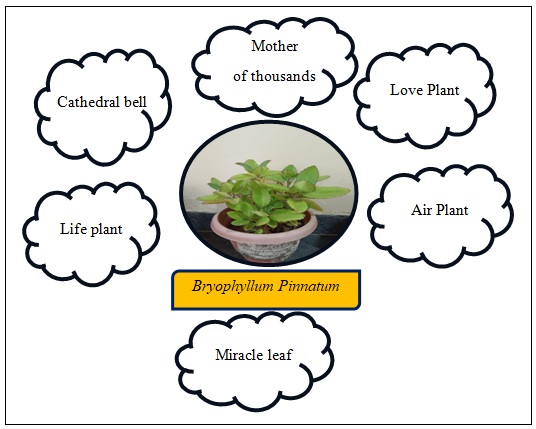
FIG. 1: COMMON NAMES OF B. PINNATE 77
Plant Description 3:
Plant: The succulent herb Bryophyllum pinnatum is short, growing between 0.3 and 1.2 m tall 89.
Stem: Plant stems are dimly quadrangular, with older stems lighter in color and younger stems reddish with a hint of white 89.
Leaves: Characterized by their decussate arrangement, the plant's lower leaves can be simple or complex. The upper leaves are composed of three to seven leaflets, each connected by a long petiole. A ridge, formed where the petioles converge, was evident around the stem. The leaves are elliptical or ovate with serrated or crenate margins 89.
Flower: The plant features large, ostentatious yellowish-green to pastel-green sepals along with pendulous blooms that are approximately 7 cm long and a stem that holds the flower, which is 10–25 mm in length. Reddish-pink dots adorn the tube-like structure formed by the partially joined sepals underneath the flower 89, 90. The petals were approximately 3–6 cm long and had a reddish-purple hue. At the base, they were octagonal and enlarged with lobe triangles. The anther is black and pinkish-hastate, with green filaments and a green style. The plant flowers most in winter and spring 90, 91.
Fruits: Four cylindrical carpels make up the plant's delicate, membranous follicles, which typically remains enclosed in the flower parts 6, 92.
Seeds: The seeds of Bryophyllum pinnatum are tiny, smooth, oblong, brown, and faintly striated 92.
Vernacular Names:
TABLE 1: VERNACULAR NAME OF BRYOPHYLLUM PINNATUM 83
| S. no. | Local name | Language/System of Medicine |
| 1. | Pathharchoor, Zakhmhaiyat | Hindi |
| 2. | Air Plant | English |
| 3. | Parnabeeja, Asthibhaksha | Sanskrit |
| 4. | Chubehayat | Urdu and Persian |
| 5. | Gayamari | Marathi |
| 6. | Gandukalinga, Kadu basale | Kannada |
| 7. | Ranapala | Telugu |
| 8. | Malaikalli, Ranakalli | Tamil |
| 9. | Elamarunga | Malayalam |
| 10. | Koppatha, Patharkuchi | Bengali |
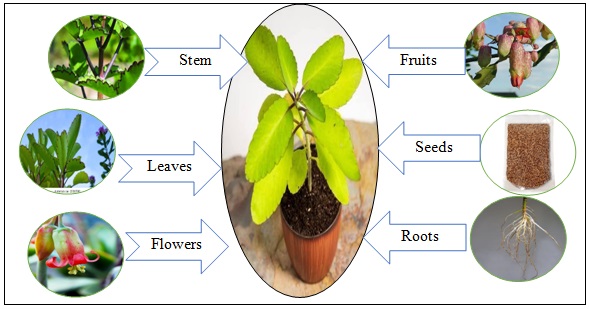
FIG. 2: MORPHOLOGY OF BRYOPHYLLUM PINNATUM (PREPARED BY AUTHORS)
METHODOLOGY: A brief review of the literature was conducted to gather scientific evidence on Bryophyllum pinnatum. This includes its pharmacognostic properties, traditional uses and chemical compositions, toxicity, and therapeutic effects. We accessed articles from January 2000 to June 2026 through the various databases like Scopus, Elsevier, PubMed, ScienceDirect, Google Scholar, Research Gate, Wiley online library, Bentham Science, CrossRef and SpringerLink. The final search was conducted on June 27, 2026. The search strategy used various types of keywords, including (“Bryophyllum pinnatum” OR “Kalanchoe pinnata) AND (phytochemistry OR pharmacology OR biological activity OR toxicity OR ethnomedicine), to identify relevant studies. We included only peer-reviewed articles in English. This review covered original research articles, review articles, clinical trials, ethnobotanical information, and in-vivo and in-vitro investigations, and excluded duplicate publications, conference abstracts, and non-English articles. This article systematically compiles and provides a clear summary of the current scientific knowledge on Bryophyllum pinnatum.
Ethnomedicinal Utility: In Brazil, periodontal disease, cracked lips in children, cheilitis, wounds, and boils are treated locally using B. pinnatum juice 66. In Indonesia, rheumatism 67, insect bites in India and Sri Lanka 68, fever, skin conditions, coughing, and cytotoxic action 69, therapy for stomach ulcers, lung infections, and immunomodulatory conditions 70.
In Africa, headaches are relieved by rubbing or tying crushed leaves to the head. Ear infections, dysentery in Nigeria 71, 72, burn injuries, and dermatological conditions have been treated using B. pinnatum as a plaster or as a poultice 77.
TABLE 2: ETHNOPHARMACOLOGICAL USES OF B. PINNATUM
| S. no. | Disease condition | Country | Parts used | Traditional preparation and dose | Route of Administration (ROA) | Reference |
| 1. | Diarrhea and dysentery | Madagascar | Leaves | Decoction of leaves | Oral | 86 |
| 2. | Burns and skin disorders | India | Leaves | Leaves paste | Topical | 87 |
| 3. | Kidney stones | India | Leaves | Fresh leaf juice | Oral | 88 |
| 4. | Cuts and wounds | India | leaves | Leaf paste applied on injured area | Topical | 87 |
| 5. | Joint pain | African countries | Leaves | Heated leaves placed on affected area | Topical | 89 |
| 6. | Insects’ bites | Caribbean region | Leaves | Crushed leaves applied on locally | Topical | 90 |
| 7. | Gastric ulcer, gastritis and skin inflammation | Brazil | leaves | Leaves decoction and leaf poultice applied externally | Oral (Gastric ulcer and gastritis) and Topical (Skin disorders) | 91 |
| 8. | Cough, cold and earache | Nigeria | Leaves | liquid from fresh leaves for colds and coughs, as well as liquid applied to ears | Oral and Ear drops | 89 |
| 9. | Diabetes management | Trinidad and Tobago | Leaves | Decoction of leaves | Oral | 90 |
Substance Profile: The widespread traditional use of B. pinnatum has prompted researchers to investigate its physicochemical and phytochemical compositions, which may be responsible for its therapeutic properties. According to a review of the literature, the physicochemical characteristics of B. Pinnatum were discovered in the following values: 5.1 percent for total ash, 1.69 percent for acid insoluble ash, 19.80 percent for water soluble ash and 5.60 percent for alcohol extractive value 73.
Phytochemistry:
Preliminary Phytochemical Screening: Initial phytochemical investigations of various solvent extracts from Bryophyllum pinnatum have repeatedly shown the presence of alkaloids, tannins, flavonoids, saponins, terpenoids, steroids, glycosides, organic acids, and phenolic compounds. The phytochemical profile varies depending on the plant part examined and the extraction solvent. Although preliminary screening offers qualitative insights into these groups, it does not verify the specific identities of individual compounds. Consequently, advanced chromatographic and spectroscopic methods are necessary for precise identification and structural analysis 3, 5, 6.
Compounds Identified by Chromatographic and Spectrometric Techniques: Chromatographic profiling has advanced the identification of phytoconstituents in B. pinnatum. Abdulrahman (2022) conducted an analysis using GC-MS on extracts from the aerial parts, employing solvents with varying polarities. The study found that the dichloromethane extract contained the most volatile compounds, with 39 identified, while the hexane extract had 25 significant constituents. This highlights the significant impact of solvent polarity on the phytochemical composition 11.
Isolated and Structurally Characterized Compounds:
Flavonoids: Several flavonoids have been extracted from B. pinnatum using of bioassay-guided fractionation and chromatographic purification. In their research, Fernandes et al, identified and described the structures of three key flavonoid glycosides: kaempferol 3-O-alpha-L-arabinopyranosyl-(1→2)-O-alpha-L-rhamnopyranoside (Bp2), quercetin 3-O-L-rhamnopyranoside-(Bp3), and quercetin 3-O-alpha – L – arabinopyranosyl - (1→2) – O - alpha -L-rhamnopyranoside (Bp1). Additionally, the species contains other flavonoids, including quercetin, rutin, luteolin, kaempferol, myricitrin, diosmin, and afzelin 3, 6, 53-57.
Alkaloids: In the study of B. pinnatum phytochemistry, many alkaloidal compounds have been investigated, including bryophylline and phenanthrene derivatives such as 2-(9-undecenyl)-phenanthrene, 2-(9-decenyl)-phenanthrene, and 1-ethanamino – 7 – hex – 1 -yne-5-one phenanthrene. These compounds were identified using spectroscopic and chromatographic techniques 3, 6, 58-61.
Bufadienolides: Bufadienolides are the primary secondary metabolites in B. pinnatum. Around 13 compounds structures analyzed and isolated, including Bryophyllin A, Bryophyllin B, Bryophyllin C, Bryotoxin A, Bryotoxin B, Diagremontianin, kalantubosides, and Bersaldegenin derivatives. These cardiotonic steroids play a crucial role in the plants cardiotonic, anticancer and anti-inflammatory properties 6, 16, 17.
Major Phytochemical Classes and Biological Importance:
Tannins: Tannins have been investigated in various extracts of B. pinnatum, which may be responsible for its role in promoting wound healing and antioxidant effects 5, 6.
Flavonoids: Flavonoids, which are some of the most ubiquitous phytochemicals in B. pinnatum, mainly contribute to its neuroprotective, antioxidant, and anti-inflammatory 6, 12, 17.
Saponins: Saponins, which are primarily identified through initial phytochemical screening, are believed to have antimicrobial properties and to protect the kidneys as well 5, 6.
Terpenoids: The anti-inflammatory, antimicrobial, and antioxidant properties of B. pinnatum are attributed to the terpenoids found within it 6, 14, 15.
TABLE 3: PHYTOCHEMICAL COMPOUNDS INVESTIGATED FROM B. PINNATUM
| Class | Part | Compounds | Method | Evidence | Reference |
| Flavonoid | leaves | Kaempferol | HPLC | Isolated | 3 |
| Flavonoid | leaves | Rutin | LC-MS | Identified | 54 |
| Bufadienolide | Leaves | Bryophyllin A | NMR/MS | Isolated | 17 |
| Bufadienolide | Leaves | Bryophyllin B | NMR/MS | Isolated | 17 |
| Alkaloid | Aerial parts | 1-Ethanaminophenanthrene | GC-MS | Identified | 58 |
Pharmacological Activities: Research on B. pinnatum extracts has extensively explored their potential therapeutic benefits, including antibacterial, antifungal, wound healing, immunomodulatory, antioxidant, anticancer, hemostatic, larvicidal, and anticoagulant properties. Both in-vitro and in-vivo studies have investigated the pharmacological activities of B. pinnatum extracts.
Neuroprotective Effect: The neuroprotective potential of B. pinnatum against several forms of chemically induced neurotoxicity is supported by increasing experimental evidence. Neuronal degeneration is primarily via oxidative stress, which is defined as an excess of reactive oxygen species (ROS). Methanolic leaf extracts of B. pinnatum reduced the production of hydroxyl radicals caused by the Fenton reaction. Pinnatum preserves cellular integrity and neuronal membranes while significantly reducing lipid peroxidation and oxidative biomarkers in iron (Fe²⁺)-induced ex-vivo oxidative injury models 18.
In-vivo studies have confirmed its efficacy in reducing heavy metal-induced neurotoxicity. Exposure to lead acetate in Wistar rats caused Purkinje cell degeneration, increased levels of malondialdehyde (MDA), and decreased antioxidant enzyme activities of superoxide dismutase and catalase (SOD and CAT); however, co-administration with B. pinnatum retained cerebellar architecture and restored antioxidant defenses 19. Similarly, the extract reduced acetylcholinesterase (AChE) activity, rectified redox imbalance, and lessened neuronal damage in aluminum-induced neurotoxicity, indicating the regulation of oxidative stress pathways and cholinergic dysfunction 22.
Furthermore, methanolic extract and its flavonoid-rich fraction showed protective benefits against neurotoxicity caused by monosodium glutamate (MSG), with flavonoids playing a major role in antioxidant and neuronal protection 20. B. pinnatum enhances antioxidant status, preserves the histological integrity of brain tissues, and dose-dependently reverses aberrant neurotransmitter levels in ketamine-induced neurotoxicity models 21.
These results highlight the potential of B. pinnatum as a treatment for oxidative stress-related neurodegenerative diseases, demonstrating its neuroprotective effects through antioxidant, metal-chelating, anti-lipid peroxidative, anti-cholinesterase, and neurotransmitter-modulatory mechanisms.
Cardioprotective Effect: Research has shown that B. pinnatum can protect the hearts of rats from doxorubicin-induced cardiotoxicity. When doxorubicin was administered, there was a marked increase in inflammatory markers (CRP, IL-6, and apolipoprotein-E), a decrease in apolipoprotein-A and nitric oxide levels, and an increase in serum cardiac biomarkers (troponin, myoglobin, CK-MB, and ACE). Additionally, it significantly reduced endogenous antioxidant enzyme levels (SOD, CAT, glutathione peroxidase (GPx), and total antioxidant capacity) and caused structural damage to cardiomyocytes. Simultaneous administration of B's ethanolic extract. Similar to the common medication bisoprolol, pinnatum significantly reduced biochemical and histological changes. The extract preserved myocardial architecture, decreased inflammation, restored antioxidant defense systems, and normalized cardiac biomarkers. These result simply that B has cardioprotective effects. Antioxidants are the main mediators of B. pinnatum 23. According to a clinical trial, short-term ingestion of B. pinnatum leaf extract dramatically improved lipid profiles and decreased cardiovascular risk indicators, such as low-density lipoprotein (LDL), Atherogenic Index of Plasma, and Castelli risk ratios. However, prolonged intake showed a reversal tendency, with some of these benefits being lost. These findings suggest a potential short-term cardioprotective effect, while highlighting the need for prudence and further long-term safety evaluation 24.
Anti-cancer Effect: Plant-based bioactive compounds are gaining popularity as alternative cancer treatments due to the drawbacks and adverse consequences of conventional cancer treatments such as chemotherapy, radiation, and surgery. Because of its numerous pharmacological effects, B. pinnatum has garnered considerable interest. B. pinnatum leaf extract has been reported to have significant cytotoxic effects on human colorectal cancer (HCT116) cells using both in-vitro and in-silico approaches 26. Mechanistic research revealed that it resulted in G2/M phase cell cycle arrest and increased intracellular ROS, which triggered apoptosis by raising pro-apoptotic markers such as caspase-3, BAX, and p53, while lowering BCL-2. Activation of the p53-dependent apoptotic pathway was further confirmed by enhanced nuclear p53 expression 26.
Ionic gelation has been used to manufacture B. pinnatum-loaded chitosan nanoparticles (BPCNPs) to improve their therapeutic efficacy 27. Compared to the raw extract, this nanoformulation demonstrated enhanced physicochemical stability and increased biological activity, exhibiting notable antioxidant, antibacterial, and anticancer effects. The improved efficacy of BPCNPs was likely influenced by the enhanced bioavailability and cellular absorption of the phytoconstituents 27. Additionally, the potential of B. pinnatum to prevent liver cancer has been studied 28. Substances such as bryophyllin A and β-sitosterol block important oncogenic pathways, such as PI3K and IGF-1R signalling, which are critical for the development of liver cancer. B. pinnatum exhibits promising potential as a natural cancer prevention and therapeutic agent by targeting these molecular pathways 28.
Wound Healing Effect: The skin, the largest organ in the integumentary system, accounts for approximately 15% of an individual’s total body weight. It protects the internal organs by acting as a primary barrier against external environmental threats 29. In this sense, B. pinnatum (Lam.) Oken's ability to cure wounds has been extensively studied. Leaf extracts prepared using petroleum ether, ethyl acetate, and ethanol were evaluated invivo using acute excision and burn wound models. A control and conventional therapy (Cipladine® 1%) were compared to ointment formulations containing 1% and 2% (w/w) extracts. Increased wound contraction, faster epithelialization, and improved angiogenesis demonstrated that the ethanolic extract had the best therapeutic outcome among the evaluated formulations 29. Further preclinical research revealed that a topical gel containing leaf extract from B. pinnatum significantly reduced inflammation in acute edema models and promoted efficient wound healing 30. Furthermore, hydroalcoholic extracts of Moringa oleifera and B. pinnatum leaves (MUE and BPE) were rich in phenolics, flavonoids, and other secondary metabolites with antioxidant, cytoprotective, and wound-healing effects. These bioactive substances may support tissue regeneration, strengthen cellular defense systems, and reduce oxidative stress 31. Overall, our results support the use of B. pinnatum as a promising natural therapeutic option for wound care, highlighting its substantial wound healing capacity.
Hepatoprotective Effect: The liver is crucial for maintaining metabolic homeostasis and is necessary for the biotransformation, detoxification, and elimination of both endogenous metabolites and exogenous substances, such as drugs and environmental contaminants 32. These essential physiological functions make the liver particularly susceptible to chemical-induced injury. The potential hepatoprotective properties of B. pinnatum have been extensively studied in experimental studies. In Wistar rats with paracetamol-induced hepatotoxicity, leaf extract significantly decreased liver damage and improved antioxidant status, with more pronounced effects at higher dosages 33.
These findings suggest that it can be used therapeutically to alleviate drug-induced liver damage caused by drugs. The ethanolic leaf extract also exhibited notable hepatoprotective and antioxidant properties in adrenaline-induced liver damage models. Superoxide dismutase (SOD), reduced glutathione (GSH), malondialdehyde (MDA), aspartate aminotransferase (AST), alanine aminotransferase (ALT), alkaline phosphatase (ALP), and bilirubin levels were among the biochemical parameters that were normalized by treatment, and micronodular cirrhosis was successfully reversed 34, 35. Moreover, the hepatoprotective effectiveness of the ethanolic leaf extract was validated in Wistar albino rats and hepatotoxicity induced by carbon tetrachloride (CCl₄). The extract exhibited excellent antioxidant activity and considerably reduced the increased levels of serum liver indicators. Flavonoids, phenolic compounds, and other bioactive components were identified through phytochemical screening, which may help elucidate their capacity to lower oxidative stress-induced liver damage 25.
Antidiabetic Effect: Diabetes mellitus is a chronic metabolic disease that diminishes the quality of life, social functioning and general health. Although insulin and other oral hypoglycemic drugs significantly enhance glycemic control, their adverse effects highlight the need for additional therapeutic strategies. An aqueous leaf extract of B. pinnatum was evaluated for its antidiabetic potential in a previous study, which found that it considerably lowered blood glucose levels. When combined with glibenclamide, the extract dramatically improved its therapeutic efficacy, suggesting a possible synergistic interaction 36. The potent ability of the extract to scavenge free radicals, which is linked to its rich phytochemical composition, particularly flavonoids and phenolic components, may contribute to its purported antidiabetic properties. The antioxidant properties of B. pinnatum support its conventional use in treating diabetes mellitus by decreasing oxidative stress-induced pancreatic β-cell malfunction and enhancing glucose homeostasis 37.
Nephroprotective Effect: The kidney is a life-sustaining organ that filters blood, removes metabolic waste products from metabolism, controls fluid and mineral balance, and produces hormones such as erythropoietin and renin, which are necessary for blood pressure management and hematopoiesis, respectively 38.
Ketamine is an anesthetic that has been linked to nephrotoxicity. Notable protective effects against ketamine-induced kidney injury were observed in an experimental study evaluating the nephroprotective capacity of B. pinnatum. According to these results, B. pinnatum may be a good treatment option for treating renal toxicities induced by ketamine 39. Moreover, a recent study investigated the impact of B. pinnatum leaf extract on renal calculi prevention and in-vivo dissolution. Treatment with the extract significantly reduced urine oxalate and calcium levels and enhanced kidney histoarchitecture compared to the control group. These results suggest that B. pinnatum leaf extract has potent litholytic and nephroprotective properties 40.
Immunomodulatory Effect: A study examined the antifungal and immunomodulatory properties of B. pinnatum extracts prepared using ethanol and aqueous solvents against five distinct fungal species. These findings suggest that B. pinnatum has strong haematological and immunomodulatory effects, in addition to significant antifungal activity. These results suggest that the plant may have antibacterial properties and favorable effects on haematological markers 41.
Systemic lupus erythematosus (SLE) is an elaborate autoimmune disease marked by disrupted immune responses. Patients with SLE usually have reduced regulatory T-cell activity and overactive B cells. Pro-inflammatory cytokines, such as tumor necrosis factor-alpha and transforming growth factor-beta (TNF-α and TGF-β), are produced when B cell activity is elevated because it extends the absorption and presentation of autoantigens to T cells. According to reports, the B. pinnatum ethanol extract inhibits B-cell maturation, which may lessen autoantigen presentation to T cells and subsequently modify aberrant immunological responses 42. Further research is required to fully understand the immunomodulatory effects of B. pinnatum and to determine its safety and effectiveness for human use.
Memory Enhancing Effect: The effects of a methanolic extract of B. pinnatum leaves on memory recall and cognitive function in experimental mice, as well as the measurement of phenolic compounds and the capacity of 2,2-diphenyl-1-picrylhydrazyl (DPPH) radicals to neutralize them, have been investigated. The memory-enhancing activity in scopolamine-induced amnesic mice was measured using the elevated plus-maze method with Shankhpushpi, an ayurvedic standard treatment, and piracetam, an allopathic pharmaceutical. This study claims that both herbs have been scientifically shown to enhance memory 43. Another study examined the effect of B. pinnatum (AEBP) leaf aqueous extract on acetylcholinesterase activity in rats with carbon tetrachloride (CCl4)-induced short-term memory impairment 44.
Gastroprotective Effect: Gastric ulcers are one of the most prevalent gastrointestinal conditions affecting people globally. This condition, which is thought to affect 10% of the world's population, is a major health issue that significantly lowers the quality of life of millions of people 46. Gastric ulcers can pierce the muscular layers of the stomach, causing acute lesions in the gastric mucosa. If left untreated, it can cause chronic inflammation, bleeding, and perforation 47, 48.
A recent investigation indicated that compared to pretreatment with Bp1, treatment with B. pinnatum extract contained a higher inhibition percentage. Therefore, this implies that Bp1 has gastroprotective properties 49.
Anthelmintic Activity: An investigation suggested that the methanolic extract of B. pinnatum has potential anthelmintic activity 50.
Antidiarrheal Effect: An estimated 2.2 million people worldwide die from diarrhea annually. Most of them are young children and infants under the age of five 51. B. pinnatum extracts have been shown to have significant antidiarrheal effects in animal models. Compared to the castor oil-treated negative control, both ethanol and ethyl acetate extracts demonstrated a dose-dependent decrease in intestinal motility and diarrhea. Flavonoids, such as 5-methyl-4,5,7-trihydroxyflavone, extracted from the ethanol extract, may be responsible for the relatively higher activity of the extract at 400 mg/kg 52.
Urolithiatic Effect: Urolithiasis, also referred to as kidney stone disease, is the most excruciating urological condition worldwide. Solid crystal aggregates, including calcium phosphate, calcium oxalate, and ammonium magnesium phosphate, are known as kidney stones. An in-vitro study explored the potential of B. pinnatum ethanolic leaf extracts to counteract urolithiasis. In a controlled experiment, researchers synthesized calcium phosphate and calcium oxalate crystals and compared their development with that of the standard drug, cystone, using the nucleation assay method. The findings revealed that the extract significantly hindered the crystallization of calcium oxalate 76 in another study, calcium oxalate crystals were dissolved by the ethyl acetate extract of B. pinnatum, which also showed potent antiurolithiatic effects 75.
Psychoactive Effect: The leaves of B. Pinnatum are rich in flavonoids and have been traditionally employed to address inflammation, anxiety, sleep disorders, and infections. Research involving larval zebrafish revealed that an aqueous extract of B. pinnatum leaves induced behavioral changes in a dose-dependent manner, such as diminished movement, reduced anxiety-related behaviors, and enhanced swimming speed, suggesting possible anxiolytic and psychoactive properties 77.
Antibacterial Effect: A recent investigation revealed the antibacterial potential of B. pinnatum leaf and stem extracts using aqueous and ethanol solvents against Pseudomonas aeruginosa, Staphylococcus aureus, and Micrococcus spp. at concentration of 60-200 mg/ml. the extract showed no inhibitory his study investigated the B. pinnatum live plant fractions’ effects on the activities of angiotensin-converting-enzyme (ACE), arginase, blood pressure, and biochemical parameters in sodium fluoride (NaF)-induced hypertensive rats. The results revealed that diastolic blood pressure, systolic blood pressure, mean arterial pressure, heart rate, and arginase activity were reduced, with increased nitric oxide levels, compared to those in hypertensive rats. The aqueous fraction (AQF), n-hexane fraction (NHF), and ethyl acetate fractions (EAF) boosted superoxide dismutase (SOD), catalase (CAT), and reduced glutathione (GSH) levels with a reduction in malondialdehyde (in hypertensive-treated rats activity against the tested bacteria, whereas tetracycline produced significant inhibition zones. These findings indicate limited antibacterial efficacy under the tested conditions, suggesting the need for further studies using different extraction techniques and microbial strains 78.
A study explored the effects of live plant fractions of B. pinnatum on angiotensin-converting enzyme (ACE) activity, arginase activity, blood pressure, and biochemical parameters in rats with sodium fluoride (NaF)-induced hypertension. The results showed that administering the aqueous (AQF), n-hexane (NHF), and ethyl acetate (EAF) fractions led to a notable decrease in systolic and diastolic blood pressure, mean arterial pressure, heart rate, and arginase activity, whereas nitric oxide levels increased compared to untreated hypertensive rats. Additionally, these fractions boosted antioxidant defense by elevating the levels of superoxide dismutase (SOD), catalase (CAT), and reduced glutathione (GSH), and by lowering malondialdehyde (MDA) concentrations. These findings suggest that B. pinnatum has significant antihypertensive and antioxidant properties, potentially contributing to its cardioprotective effects in management 78.
Anti-hypertensive Effect: An investigation suggested that different fractions of B. pinnatum affect arginase activity, blood pressure, (ACE), and biochemical parameters in Sodium Fluoride (NaF)-induced hypertensive rats.
The results demonstrated that treatment with plant fractions significantly lowered Systolic and Diastolic blood pressure, heart rate, mean arterial pressure, and arginase activity. However, nitric oxide levels were compared with those of untreated hypertensive rats 79.
Central Nervous System Depressant Effect: Sleep is characterized as a state of unconsciousness that can be triggered by sensory or other inputs. It is a reversible physiological state marked by reduced mobility and sensitivity to sensory stimuli 81.
The hydro methanol extract of B. pinnatum significantly decreased sleep onset and prolonged diazepam-induced sleep duration. The study suggested a dose-dependent central nervous system depressant activity of the plant extract 82.
Anti-convulsant Effect: Epilepsy is a long-term neurological condition with a high morbidity rate 84. The anticonvulsant effect was studied using the maximal electroshock test (MEST) and pentylenetetrazol on one-day-old chicks and mice at 250,500 and 1000 mg/kg body weight of extract. The findings revealed that the methanolic extract of B. pinnatum aerial parts significantly decreased the mean recovery time of seizures caused by MEST at doses of 500 and 1000 mg/kg 84, 85.
Pharmacokinetics and Toxicity: Despite encouraging preclinical data, there have been few pharmacokinetic investigations of B. pinnatum. There are data that point to the low bioavailability of flavonoids, which could be enhanced by distribution using nanoparticles.
B. pinnatum contains bufadienolides, which raise toxicity concerns because they can cause cardiotoxicity in high quantities. Safety evaluations and reproducibility of results are typically complicated by variations in the chemical levels in plant extracts caused by extraction techniques, environment, and climate 6.
TABLE 4: PHARMACOLOGICAL ACTIVITIES OF B. PINNATUM
| S. no. | Pharmacological effect | Extract | Model | Reference |
| 1. | Neuroprotective | Methanolic | Ketamine induced neurotoxicity | 21 |
| Leaf extract | Aluminium induced neurotoxicity model | 22 | ||
| Lead Acetate induced neurotoxicity in Wistar rats | 19 | |||
| Methanolic extraction and flavonoids rich fraction | MSG- induced neurotoxicity | 20 | ||
| 2. | Cardioprotective | Ethanolic leaf extract | Doxorubicin induced cardiotoxicity in rats | 23 |
| 3. | Cardioprotective
/Hypolipidemic |
Leaf extract | Clinical trials | 24 |
| 4. | Hepatoprotective | Leaf extract | Paracetamol-induced hepatotoxicity in Wistar rats | 33 |
| Ethanolic | Carbon tetra chloride induced hepatotoxicity in Wistar albino rats | 25 | ||
| Adrenaline-induced liver injury model | 34,35 | |||
| 5. | Anticancer (Cytotoxic) | Leaf Extract | Human colorectal cancer HCT116 cells | |
| Anticancer/
Antioxidant/ Antimicrobial |
B. Pinnatum loaded chitosan nanoparticles | In-vitro biological evaluation | 27 | |
| 6. | Anticancer (Hepatocellular carcinoma prevention) | Bioactive compounds (beta-sitosterol, bryophyllin A) | Molecular pathway analysis | 28 |
| 7. | Wound healing | Petroleum ether,ethyl acetate and ethanolic acetate extract (ointment formulation) | Acute excision and burn wound model | 29 |
| 8. | Wound healing and Anti inflammatory | Topical gel containing leaf extract | Acute edema and wound models | 30 |
| 9. | Wound healing and antioxidant | Hydroalcoholic leaf extract (single and with moringa oleifera) | Preclinical evaluation | 31 |
| 10. | Antidiabetic | Aq. Leaf extract | - | 36 |
| 11. | Antidiabetic/
Antioxidant |
Leaf extract | Oxidative stress related pancreatic dysfunction model | 37 |
| 12. | Nephroprotective | Leaf extract | Ketamine induced nephrotoxicity model | 39 |
| 13. | Nephroprotective/
Litholytic |
Leaf extract | In-vivo renal calculi model | 40 |
| 14. | Neuroprotective/
Memory enhancing |
Methanolic leaf extract | Scopolamine induced amnesic mice | 43 |
| 15. | Neuroprotective/
AChE modulation |
Aq. Leaf extract | Carbon tetra chloride induced short term memory impairment in rats | 44 |
| 16. | Gastroprotective effect | Quercetin derivatives | Ethanol and indomethacin induced gastric lesion models | 49 |
| 17. | Antidiarrheal effect | Ethyl acetate and ethanolic extract of leaf’s | Castor oil induced diarrhoea model in mice | 52 |
| 18. | Urolithiatic effect | Ethanolic and ethyl acetate leaf extract | In-vitro calcium oxalate and calcium phosphate crystallization and in-vitro calcium oxalate crystal dissolution model | 75,76 |
| 19. | Antihypertensive effect | Aqueous fraction, n-hexane fraction, and ethyl acetate fraction | NaF (Sodium fluoride) induced hypertensive in rats | 79 |
| 20. | Central nervous system depressant effect | Hydromethanolic leaf extract | Diazepam induced sleep model | 82 |
| 21. | Anticonvulsant effect | Methanolic extract of aerial parts | Maximal electroshock test and pentylenetetrazol seizure model in one day old chicks and mice | 85 |
| 22. | Psychoactive effect | Aqueous leaf extract | Larval zebrafish behavioral model | 77 |
Nutritional Composition of B. pinnatum 45: B. pinnatum contains minerals and bioactive substances, such as terpenoids, flavonoids, glaucidanes, and alkaloids.
TABLE 5: NUTRIENTS COMPOSITION
| Composition | Percent (%) | Composition | Percent (%) |
| Fats and oils | 1.28 | Fibre | 6.02 |
| Protein | 5.38 | Carbohydrate | 72.92 |
| Iron | 0.18 | Copper | 0.03 |
| Zinc | 3.49 | Potassium | 3.49 |
| Nickel | 0.08 | Calcium | 4.99 |
| Sodium | 0.32 | Lead | 0.03 |
CONCLUSION: Communities in several countries, including Indonesia, use the herb B. pinnatum for ethnomedical purposes. As previously mentioned, B. pinnatum's biochemical peculiarity is its unique bioactive chemicals, which may lead to the development of semi-synthetic medications and herbal cures. This review emphasizes the anticancer, antibacterial, antidiabetic, anti-inflammatory, and antioxidant properties of B. pinnatum leaf extracts, which support its biomedical applications.
Therefore, significant research and scientific confirmation are still needed to explore new possibilities for the phytochemical potential of B. pinnatum. The pharmaceutical sector could greatly benefit from research discoveries in this field by developing novel therapeutic medicines. In addition to strengthening medical sovereignty, using B. pinnatum as a natural treatment can help farmers by promoting the production of medicinal plant.
ACKNOWLEDGEMENT: Nil
CONFLICT OF INTEREST: Nil
REFERENCES:
- Vijishna LV, Ramesh MM, Adarkar R, Nison M, Kotian M, Pai VR, Bhat CKS and Lobo R: Sesbania grandiflora (L.) Pers.: A review of its phytochemistry, molecular pharmacology, and clinical potential. J Appl Pharm Sci 2026; 16(03): 001-013. http://doi.org/10.7324/JAPS.2026.276745
- Halberstein RA and Saunders AB: Traditional medical practices and medicinal plant usage on a Bahamian Island. Cult Med Psych 1978; 2: 177–203. https://doi.org/10.1007/BF00054583
- Sharma G, Jangra A and Sihag S: Bryophyllum pinnatum (Lam.) Oken: unravelling therapeutic potential and navigating toxicity. Physiol Mol Biol Plants 2024; 30: 1413–1427. https://doi.org/10.1007/s12298-024-01509-7
- Ahirwar K. Effective healthful medicinal plants as antilithiatic Agents. J Pharmacogn Phytochem 2019; 8: 1849-60.
- Latif A, Ashiq K, Qayyum M, Ashiq S, Ali E and Anwer I: Phytochemical and pharmacological profile of the medicinal herb: B. pinnatum. JAPS: Journal of Animal and Plant Sciences 2019; 29(6).
- Isibor J: Phytochemistry and bioactivity studies of Bryophyllum pinnatum: a review. Discov Chem 2026; 3: 33. https://doi.org/10.1007/s44371-025-00360-3
- Aziz ZA, Ahmad A, Setapar SH, Karakucuk A, Azim MM, Lokhat D, Rafatullah M, Ganash M, Kamal MA and Ashraf GM: Essential oils: extraction techniques, pharmaceutical and therapeutic potential-a review. Current Drug Metabolism 2018; 19(13): 1100-10.https://doi.org/10.2174/1389200219666180723144850.
- Masyita A, Sari RM, Astuti AD, Yasir B, Rumata NR, Emran TB, Nainu F and Simal-Gandara J: Terpenes and terpenoids as main bioactive compounds of essential oils, their roles in human health and potential application as natural food preservatives.(Masyita et al., 2022) Food chemistry: X 2022; 13: 100217. https://doi.org/10.1016/j.fochx.2022.100217.
- Pezantes-Orellana C, German Bermúdez F, Matías De la Cruz C, Montalvo JL and Orellana-Manzano A: Essential oils: a systematic review on revolutionizing health, nutrition, and omics for optimal well-being. Front Med 2024; 11:1337785. doi: 10.3389/fmed.2024.1337785.
- Ingole VV, Mhaske PC and Katade SR: Phytochemistry and pharmacological aspects of Tridax procumbens (L.): A systematic and comprehensive review. Phytomedicine Plus 2022; 2(1): 100199. https://doi.org/10.1016/j.phyplu.2021.100199.
- Abdulrahman MD: Hemical composition of pinnatum (Lam.) Oken. Indonesian J of Pharmacy 2022; 33(2): 193–199.
- Ogidigo JO, Anosike CA, Joshua PE, Ibeji CU, Nwanguma BC & Nwodo OFC: Neuroprotective effect of Bryophyllum pinnatum flavonoids against aluminum chloride-induced neurotoxicity in rats. Toxicology Mechanisms and Methods 2022; 32(4): 243–258. https://doi.org/10.1080/15376516.2021.1995557
- Heinrich M, Mah J and Amirkia V: Alkaloids used as medicines: Structural phytochemistry meets biodiversity—An update and forward look. Molecules 2021; 26(7): 1836. https://doi.org/10.3390/molecules26071836.
- Câmara JS, Perestrelo R, Ferreira R, Berenguer CV, Pereira JA and Castilho PC: Plant-derived terpenoids: A plethora of bioactive compounds with several health functions and industrial applications—A comprehensive overview. Molecules 2024; 29(16): 3861.https://doi.org/10.3390/molecules29163861.
- Yang W, Chen X, Li Y, Guo S, Wang Z and Yu X: Advances in pharmacological activities of terpenoids. Natural Product Communications 2020; 15(3): 1934578X20903555.https://doi.org/10.1177/1934578X20903555.
- Fürer K, Simões-Wüst AP, von Mandach U, Hamburger M and Potterat O: pinnatum and related species used in anthroposophic medicine: constituents, pharmacological activities, and clinical efficacy. Planta Medica 2016; 82(11/12): 930-41.DOI: 10.1055/s-0042-106727.
- Abaniwo RM, Ayeni G, Jegede RE, Audu GA, Shaibu IE, Sule FA, Obakachi V, Govender K and Pooe OJ: Bioprospecting the brain protective activity of pinnatum leaf: Ex-vivo study and molecular docking-interaction analysis. Scientific African 2026; 31: 03254.https://doi.org/10.1016/j.sciaf.2026.e03254.
- Bamgbose OA, Akanji OD, Olayemi EO, Taiwo-Ola DO, Odubela KO, Akanbi BA and Fakunle PB: Neuroprotective effects of aqueous extract of pinnatum against lead acetate induced damage in the cerebellum of rats. AUIQ Complementary Biological System 2025; 2(3): 92-99.https://doi.org/10.70176/3007-973X.1050.
- Adekalin LA, Fakunle PB and Taiwo-Ola DO: pinnatum methanolic extract and flavonoid-rich fraction regulate antioxidant/neurotransmitter levels in MSG-induced rat neurotoxicity. World J Adv Res R 2024; 23(2): 2711-24.https://doi.org/10.30574/wjarr.2024.23.2.2575.
- Uahomo PO and Isirima JC: Neuroprotective effects of pinnatum against ketamine-induced neurotoxicity in Wistar rats: Neurochemical, oxidative stress, and histological investigation. International Neuropsychiatric Disease Journal 2024; 21(6): 19-40.https://doi.org/10.9734/indj/2024/v21i6452.
- Ogidigo JO, Anosike CA, Joshua PE, Ibeji CU, Nwanguma BC & Nwodo OFC: Neuroprotective effect of Bryophyllum pinnatum flavonoids against aluminum chloride-induced neurotoxicity in rats. Toxicology Mechanisms and Methods 2022; 32(4): 243–258. https://doi.org/10.1080/15376516.2021.1995557.
- Beshel JA, Ujong GO, Nwoke FA, Ejim CI and Idam B: Cardio-protective potentials of pinnatum against doxorubicin-induced heart impairment in Wistar rats.https://doi.org/10.30574/wjarr.2025.28.1.3513.
- Kalio IS, Chidinma EV and Aleru-Chuku MD: Effect of pinnatum leaf extract consumption on lipid concentrations and cardiovascular risk indices in apparently healthy individuals. Asian Journal of Biochemistry, Genetics and Molecular Biology 2023; 13(4): 40-8.10.9734/ajbgmb/2023/v13i4302.
- Anadozie SO, Akinyemi JA, Agunbiade S, Ajiboye BO and Adewale OB: pinnatum inhibits arginase II activity and prevents oxidative damage occasioned by carbon tetrachloride (CCl4) in rats. Biomedicine & Pharmacotherapy 2018; 101: 8-13.https://doi.org/10.1016/j.biopha.2018.01.156.
- Mukherjee S, Banik SK, Chakraborty S, Das T, Choudhury MD and Tripathi A: pinnatum Induces p53‐Dependent Apoptosis of Colorectal Cancer Cells via Increased Intracellular ROS and G2/M Cell‐Cycle Arrest in-vitro and Validated in-silico by Molecular Docking. Cell Biology International 2025; 49(5): 534-54.https://doi.org/10.1002/cbin.70004.
- Shehu AM and Ozgor E: Development of Novel B. pinnatum Chitosan Loaded Nanoparticle for In-vitro Antioxidant, Antimicrobial Anticancer Studies. Journal of the Chemical Society of Pakistan. 2025; 47(2).10.52568/001639/jcsp/47.02.2025.
- Kombathula L and Chernapalli V: Evaluation of efficacy of selected pinnatum phytochemicals in hepatocarcinogenic therapy through in-silico approach: Efficacy of B. pinnatum phytochemicals on hepatocarcinoma. Indian Journal of Experimental Biology (IJEB) 2024; 62(09): 752-9.https://doi.org/10.56042/ijeb.v62i09.8016.
- Takeo M, Lee W and Ito M: Wound healing and skin regeneration. Cold Spring Harbor Perspectives in Medicine 2015; 5(1): 023267.doi: 10.1101/cshperspect.a023267.
- Singh H, Singh M, Nag S, Mohanto S, Jain K, Shrivastav A, Mishra AK, Pallavi J, Bhunia A, Subramaniyan V and Kumar A: Isolation and characterization of secondary metabolites from Bryophylum pinnatum (Lam.) Oken and assessment of wound healing efficacy using animal model. South African Journal of Botany 2024; 169: 531-42.https://doi.org/10.1016/j.sajb.2024.05.008.
- Chetna Faujdar P: Comparative study of hydroalcoholic extracts of pinnatum and Macrotyloma uniflorum for their antioxidant, antiurolithiatic, and wound healing potential. Journal of Applied Biology & Biotechnology Vol. 2022.DOI: 10.7324/JABB.2021.100124.
- Ahn K: The worldwide trend of using botanical drugs and strategies for developing global drugs. BMB Rep 2017; 50(3): 111-116. doi: 10.5483/bmbrep.2017.50.3.221.
- Ogidi OI, Orlu HA and Poripo BE: Evaluation of hepatoprotective activities of pinnatum leaf extract in paracetamol induced toxicity in wistar Rats. Trends in Pharmaceutical Sciences and Technologies 2025; 11(1): 29-38.https://doi.org/10.30476/tips.2025.105055.1272.
- Beshel JA, Ujong GO, Okon IA, Ejim CI, Idam B and Gekpe CG: Hepato-protective Potentials of pinnatum Ethanolic Leaf Extract on Adrenaline-induced Liver Damage in Wistar Rats. Journal of Pharmaceutical Research International 2025; 37(10): 35-48.https://dx.doi.org/10.9734/jpri/2025/v37i107752.
- Nneoyi-Egbe AF, Onyenweaku E and Akpanukoh A: Hepatoprotective activity of pinnatum leaves (boiled extract) on albino Wistar rats–in-vivo study. Methodology. 2021 Aug.DOI: 10.9734/IJBCRR/2023/v32i3803.
- Aransiola EF, Daramola MO, Iwalewa EO, Seluwa AM and Olufowobi OO: Anti-diabetic effect of pinnatum leaves. Group. 2014; 120: 3-60. http://scholar.waset.org/1307-6892/9997719.
- Ogunmoyole T, Odunyemi PO, Akeem YA, Johnson OD, Adefila AO and Ogundare AM: Antioxidant and antidiabetic potential of pinnatum leaf extract in-vitro. Euro J Appl Sci 2025; 13(03): 238-55.https://dx.doi.org/10.54203/scil.2025.wvj57.
- Wandile PM: Complexity and Management of Chronic Kidney. Nephrology 2023; 13: 280-91.
- Yadav, Mahendra; Gulkari, Vijay D, Wanjari and Manish M: Bryophyllum pinnatum Leaf Extracts Prevent Formation of Renal Calculi in Lithiatic Rats. Ancient Science of Life 2016; 36(2): 90-97: DOI: 10.4103/asl.ASL_90_16.
- Okpoho JE, Evbuomwan L and Ebiala FI: Antifungal and immunomodulatory activity of pinnatum leaf extracts. Asian J Immunol 2018; 1(1): 1-8.DOI: 10.9734/AJI/2018/v1i130092.
- Dantara TW, Syaban MF, Mustafa SA, Ikhsani H, Syafitri FE, Hapsari NK and Khoirunnisa A: Effect of pinnatum leaves ethanol extract in TNF-α and TGF-β as candidate therapy of SLE in pristane-induced SLE BALB/c mice model. Research Journal of Pharmacy and Technology 2021; 14(2): 1069-72.DOI: 10.5958/0974-360X.2021.00192.X.
- Bhandari, Ravin, Gyawali, Sabina, Aryal, Nisha, Gaire, Devika, Paudyal, Kalpana, Panta, Abaru, Panth, Pooja, Joshi, Dirgha Raj, Rokaya, Rabindra Kumar, Aryal, Pramod, Pandey and Jitendra: Evaluation of Phytochemical, Antioxidant, and Memory-Enhancing Activity of Garuga pinnata Bark and Bryophyllum pinnatum (Lam) Oken. Leaves, The Scientific World Journal 2021; 6649574: 7. https://doi.org/10.1155/2021/6649574
- Anadozie SO, Akinyemi JA, Adewale OB and Isitua CC: Prevention of short-term memory impairment by pinnatum (Lam.) Oken and its effect on acetylcholinesterase changes in CCl4-induced neurotoxicity in rats. Journal of Basic and Clinical Physiology and Pharmacology 2019 Sep 25;30(5):20180161.https://doi.org/10.1515/jbcpp-2018-0161.
- Deore LY, Dashpute VV, Jadhav AV, Rathod AS, Golait MR, Dana T and Nikam MB: aA review article on potential uses and pharmacological activity of B. pinnatum. Journal of Advance and Future Research 2025; 3(12): 709-26.
- Havens JM, Castillo-Angeles M, Nitzschke SL and Salim A: Disparities in peptic ulcer disease: a nationwide study. The American Journal of Surgery 2018; 216(6): 1127-8.https://doi.org/10.1016/j.amjsurg.2018.08.025
- Tarnawski AS: Cellular and Molecular Mechanisms of Gastrointestinal Ulcer Healing. Dig Dis Sci 50 (Suppl 1), S24–S33 (2005). https://doi.org/10.1007/s10620-005-2803-6
- Wang XY, Yin JY, Zhao MM, Liu SY, Nie SP and Xie MY: Gastroprotective activity of polysaccharide from Hericium erinaceus against ethanol-induced gastric mucosal lesion and pylorus ligation-induced gastric ulcer, and its antioxidant activities. Carbohydrate Polymers 2018; 186: 100-9.
- De Araújo ER, Guerra GC, Andrade AW, Fernandes JM, Da Silva VC and De Aragão TE: Gastric ulcer healing property of pinnatum leaf extract in chronic model in vivo and gastroprotective activity of its major flavonoid. Front Pharmacol 2021; 12: 744192. View Article 2021.doi: 10.3389/fphar.2021.744192
- Lunkad AS, Agrawal MR and Kothawade SN: Anthelmintic activity of pinnatum. Research Journal of Pharmacognosy and Phytochemistry 2016; 8(1): 21.DOI: 10.5958/0975-4385.2016.00005.4
- Venkatesan N, Thiyagarajan V, Narayanan S, Arul A, Raja S, Kumar SV, Rajarajan T and Perianayagam JB: Anti-diarrhoeal potential of Asparagus racemosus wild root extracts in laboratory animals. J Pharm Pharm Sci 2005; 8(1): 39-46.
- Yadav P, Mishra AK and Singh H: Evaluation of Antidiarrheal Activity of pinnatum Lam. (Oken) Leaves Extracts and Isolation of Active Principles. Oriental Journal of Chemistry 2022; 38(5). https://doi.org10.13005/ojc/380504
- Ndendoung JT, Tane P, Csupor D, Forgo P and Hohmann J: Kaempferol rhamnosides from pinnatum, a medicinal plant used against infectious diseases and as analgesic in Mbouda, Cameroon. Planta Medica 2010; 76(12): 437. https://doi.org.10.1055/s-0030-1264735
- Ijatuyi TT, Lawal AO, Akinjiyan MO, Ojo FM, Koledoye OF, Agboola OO, Dahunsi DT, Folorunso IM and Elekofehinti OO: Effects of pinnatum on dysfunctional autophagy in rats lungs exposed to zinc oxide nanoparticles. International Immunopharmacology 2024; 141: 113005.https://doi.org/10.1016/j.intimp.2024.113005
- Lourenço EM, Fernandes JM, Carvalho VD, Grougnet R, Martins MA, Jordão AK, Zucolotto SM and Barbosa EG: Identification of a selective PDE4B inhibitor from B. pinnatumby target fishing study and in-vitro evaluation of quercetin 3-O-α-L-arabinopyranosyl-(1→ 2)-O-α-L-rhamnopyranoside. Frontiers in Pharmacology 2020; 10: 1582.https://doi.org/10.3389/fphar.2019.01582
- Carrillo-Martinez EJ, Flores-Hernández FY, Salazar-Montes AM, Nario-Chaidez HF and Hernández-Ortega LD: Quercetin, a Flavonoid with Great Pharmacological Capacity. Molecules 2024; 29(5): 1000.
- Sakai E, Farhana F, Yamaguchi Y and Tsukuba T: Potentials of natural antioxidants from plants as antiosteoporotic agents. Studies in Natural Products Chemistry 2022; 72: 1-28.https://doi.org/10.1016/B978-0-12-823944-5.00002-8
- Elufioye TO, Oyedeji AO and Habtemariam S: A review of the traditional uses, phytochemistry and pharmacology of pinnatum (Lam.) (Crassulaceae). Journal of Biologically Active Products from Nature 2022; 12(3): 190-222.https://doi.org/10.1080/22311866.2021.1988706
- Majaz Q, Nazim S, Siraj S, Zameeruddin M and Khan R: Phytochemical analysis of methanolic extract of roots of Kalanchoe pinnata by HPLC and GCMS. Asian J Res Chem 2011; 4: 655-8.
- Yadav NP and Dixit VK: Hepatoprotective activity of leaves of Kalanchoe pinnata Journal of Ethnopharmacology 2003; 86(2-3): 197-202.https://doi.org/10.1016/S0378-8741(03)00074-6
- Majaz QA, Nazim S, Afsar S, Siraj S and Siddik PM: Evaluation of antimicrobial activity of roots of Kalanchoe pinnata. International Journal of Pharmacology and Biological Sciences 2011; 5(1): 93.
- El Aziz MMA, Ashour AS and Melad ASG: A review on saponins from medicinal plants: chemistry, isolation, and determination. J Nanomed Res 2019; 8(1): 6‒12. DOI: 10.15406/jnmr.2019.08.00199
- Khooshbu P and Ansari I: A pharmacognostical and pharmacological review on pinnatum (Panphuti). Asian J Pharm Clin Res 2019; 12(1): 34-9. DOI: http://dx.doi.org/10.22159/ajpcr.2019.v12i1.28988
- Ozogul Y, Ucar Y, Tadesse EE, Rathod N, Kulawik P, Trif M, Esatbeyoglu T and Ozogul F: Tannins for food preservation and human health: A review of current knowledge. Applied Food Research 2025; 5(1): 100738.https://doi.org/10.1016/j.afres.2025.100738
- Kayode AJ, Igwaran A, Banji-Onisile F, Akwu NA, Unuofin JO, Osunla AC, Egbewale SO and Purnobasuki H: Unveiling the Hidden Allies in the Fight Against Antimicrobial Resistance—Medicinal Plant Endophytes. Bacteria 2025; 4(2): 26. https://doi.org/10.3390/bacteria4020026
- Mourão RHV, Santos FO, Franzotti EM, Moreno MPN and Antoniolli AR: Antiinflammatory activity and acute toxicity (LD50) of the juice of Kalanchoe brasiliensis (comb.) leaves picked before and during blooming. Phytother Res 1999; 13: 352-354. https://doi.org/10.1002/(SICI)1099-1573(199906)13:4<352::AID-PTR452>3.0.CO;2-T
- Supratman U, Fujita T, Akiyama K and Hayashi H: Insecticidal compounds from Kalanchoe daigremontiana × tubiflora. Phytochemistry 2001; 58(2): 311-4.https://doi.org/10.1016/S0031-9422(01)00199-6
- Rossi‐Bergmann B, Costa SS, Borges MB, Da Silva SA, Noleto GR, Souza ML and Moraes VL: Immunosuppressive effect of the aqueous extract of Kalanchoe pinnata in mice. Phytotherapy Research 1994; 8(7): 399-402.https://doi.org/10.1002/ptr.2650080704
- Kuo PC, Kuo TH, Su CR, Liou MJ and Wu TS: Cytotoxic principles and α-pyrone ring-opening derivatives of bufadienolides from Kalanchoe hybrida. Tetrahedron 2008; 64(15): 3392-6.https://doi.org/10.1016/j.tet.2008.01.090
- Akinpelu DA: Antimicrobial activity of pinnatum leaves. Fitoterapia 2000; 71(2): 193-4.https://doi.org/10.1016/S0367-326X(99)00135-5
- Latif A, Ashiq K, Qayyum M, Ashiq S, Ali E and Anwer I: Phytochemical and pharmacological profile of the medicinal herb: pinnatum. JAPS: Journal of Animal & Plant Sciences 2019; 29(6). https://doi.org/10.56536/ijpihs.v4i1.54
- Yadav P, Mishra AK and Singh H: A Brief Review on Chemistry and Biological Activities of Bryophyllum pinatum (Lam.) Oken Family: Crassulaceae. Oriental Journal of Chemistry 2021; 37(2). http://dx.doi.org/10.13005/ojc/370202
- Costa SS, Souza MD, Ibrahim T, Melo GO, Almeida AP, Guette C, Férézou JP and Koatz VL: Kalanchosine Dimalate, an Anti-inflammatory Salt from Kalanchoe b rasiliensis. Journal of Natural Products 2006; 69(5): 815-8.https://doi.org/10.1021/np050475
- Kaviraj M, Pradeep MA and Satheesh D: In-vitro investigation on antiurolithiatic activity and phytochemical examination of Aerva lanata and pinnatum: A comparative study. Journal of the Indian Chemical Society. 2022; 99(6): 100487.
- Fernandes JM, Cunha LM, Azevedo EP, Lourenço EM, Fernandes-Pedrosa MF and Zucolotto SM: Kalanchoe laciniata and pinnatum: an updated review about ethnopharmacology, phytochemistry, pharmacology and toxicology. Revista Brasileira de Farmacognosia 2019; 29(4): 529-58.https://doi.org/10.1016/j.bjp.2019.01.012
- Martins Fernandes Pereira K, Calheiros de Carvalho A, André Moura Veiga T, Melgoza A, Bonne Hernández R, dos Santos Grecco S, Uchiyama Nakamura M and Guo S: The psychoactive effects of pinnatum (Lam.) Oken leaves in young zebrafish. PLoS One 2022; 17(3): 0264987.https://doi.org/10.1371/journal.pone.0264987
- Dantani M, Rabe AM and Dantani A: Antibacterial activity of leaves and stem of Bryohyllum pinnatum (miracle leaf) in Sokoto State, Nigeria. bioRxiv. 2025 Feb 11:2025-02.doi: https://doi.org/10.1101/2025.02.09.637277
- Adetunji JB, Agbolade AO, Iyoha AE, Adewale OO, Adefegha AS and Salaudeen WO: B. pinnatum inhibits angiotensin converting enzyme and arginase activities in sodium flouride induced hypertensive rats. Journal of Herbs, Spices & Medicinal Plants 2023; 29(4): 375-91.https://doi.org/10.1080/10496475.2023.2184897
- Chaithra SR: A Review On Pharmacological Activities of pinnatum. Linn. American Journal of Pharmacy & Health Research 2020.
- Guyton AC and Hall JE: Medical physiology. Gökhan N, Çavuşoğlu H (Çeviren) 2006; 3.
- Idoko OD: Effects of hydro-methanol leaf extract of pinnatum on diazepam-induced sleeping time and pentylenetetrazole-induced seizure test in mice. Journal of Arts & Humanities 2024; 17(2).
- Ingole RD, Thalkari AB, Karwa PN, Zambare KK and Shinde PS: pinnatum: A magical herb. Alcohol 2020; 19: 05.http://dx.doi.org/10.5958/0975-4385.2020.00027.8
- Fisher RS, Boas WV, Blume W, Elger C, Genton P, Lee P and Engel J: Epileptic seizures and epilepsy: definitions proposed by the International League Against Epilepsy (ILAE) and the International Bureau for Epilepsy (IBE). Epilepsia 2005; 46(4): 470-2.https://doi.org/10.1111/j.0013-9580.2005.66104.x
- Bakare LO, Abdullahi SM, Sadam M, Salaudeen AA and Ilyas MA: Evaluation of anticonvulsant properties of methanol aerial extract of pinnatum (Lam.) Oken (Crassulaceae) in mice and chicks. Nig J Pharmaceut Res 2020; 1: 45-9.https://dx.doi.org/10.4314/njpr.v16i2.6S
- Perry LM and Metzger J: Medicinal plants of East and Southeast Asia: attributed properties and uses 1980.
- Ayyanar M and Ignacimuthu S: Herbal medicines for wound healing among tribal people in Southern India: Ethnobotanical and Scientific evidences. International Journal of Applied Research in Natural Products 2009; 2(3): 29-42.
- Kamboj A and Saluja A: pinnatum (Lam.) Kurz.: phytochemical and pharmacological profile: a review. Pharmacognosy Reviews 2009; 3(6): 364.
- Gill LS: Ethnomedical uses of plants in Nigeria. Uniben Press 1992.
- Lans CA: Ethnomedicines used in Trinidad and Tobago for urinary problems and diabetes mellitus. Journal of Ethnobiology and Ethnomedicine 2006; 2(1): 45.https://doi.org/10.1186/1746-4269-2-45
- Fernandes JM, Cunha LM, Azevedo EP, Lourenço EM, Fernandes-Pedrosa MF and Zucolotto SM: Kalanchoe laciniata and pinnatum: an updated review about ethnopharmacology, phytochemistry, pharmacology and toxicology. Revista Brasileira de Farmacognosia 2019; 29(4): 529-58.https://doi.org/10.1016/j.bjp.2019.01.012
- Dhumane S, Naik T, Shelke M, Dukare K and Dhongade K: Exploring the therapeutic potential: Phytochemistry and pharmacology of Bryophyllum pinnatum. Journal of Drug Delivery and Therapeutics 2024; 14(2): 171-177.http://dx.doi.org/10.22270/jddt.v14i2.6282
- Maksoud AE and Hanan S: Leaf morphology of some species of tribe Phaseoleae in Egypt. Egyptian Journal of Agricultural Sciences 2018; 69(4): 341-52.
- Rudall PJ: Embryology of Flowering Plants. Terminology aisnd Concepts. Kew Bulletin 2006; 61(2): 286.
- Ramesh D. Ingole, Avinash B. Thalkari, Pawan N. Karwa, Krushna K. Zambare and Pallavi S: Shinde. Bryophyllum pinnatum: A Magical Herb. Res. J. Pharmacognosy and Phytochem 2020; 12(3): 162-167. doi: 10.5958/0975-4385.2020.00027.8.
How to cite this article:
Vishwakarma Y: Bryophyllum pinnatum (miracle leaf): a review of its phytochemical composition and pharmacological activities. Int J Pharmacognosy 2026; 13(8): 778-91. doi link: http://dx.doi.org/10.13040/IJPSR.0975-8232.IJP.13(8).778-91.
This Journal licensed under a Creative Commons Attribution-Non-commercial-Share Alike 3.0 Unported License.
Article Information
5
778-791
827 KB
274
English
IJP
Yuvraj Vishwakarma *, Devendra Dhanorya and Gaurav Kumar Bairagi
Department of Pharmacy, Mangalayatan University, Jabalpur, Madhya Pradesh, India.
yuvraj.vishwakarma@mangalayatan.ac.in
08 July 2026
17 July 2026
23 July 2026
10.13040/IJPSR.0975-8232.IJP.13(8).778-91
01 August 2026
 Download