


A STUDY TO EVALUATE THE IN-VITRO ANTI-DIABETIC ACTIVITY OF CORIANDRUM SATIVUM L. EXTRACTS
HTML Full TextA STUDY TO EVALUATE THE IN-VITRO ANTI-DIABETIC ACTIVITY OF CORIANDRUM SATIVUM L. EXTRACTS
Lalit Kumar *, Raman Shivhare, Sunil Singh and Yogendra Singh
Shri Ramnath Singh Mahavidyalaya (Pharmacy), Gormi, Bhind, Madhya Pradesh, India.
ABSTRACT: The present study investigated the pharmacognostic characteristics, phytochemical profile, antioxidant activity, and in-vitro antidiabetic potential of Coriandrum sativum L. flowers. The powdered flowers were evaluated for physicochemical parameters, fluorescence characteristics, and extractive values. Successive extraction was performed using petroleum ether, chloroform, and methanol, followed by preliminary phytochemical screening. Antioxidant activity was assessed using DPPH radical-scavenging, total antioxidant, and reducing-power assays. Antidiabetic potential was evaluated using yeast cell glucose uptake and α-amylase and α-glucosidase inhibition assays. The methanolic extract showed the highest extraction yield and contained flavonoids, tannins, saponins, and phenolic compounds. It demonstrated the strongest DPPH activity and highest glucose uptake among the extracts. The methanolic extract also exhibited comparatively greater α-amylase and α-glucosidase inhibitory activity. These findings indicate that C. sativum flowers possess promising antioxidant and in-vitro antidiabetic potential and warrant further phytochemical and pharmacological investigation.
Keywords: Coriandrum sativum, Pharmacognosy, Antioxidant, Antidiabetic, Phytochemicals
INTRODUCTION: Diabetes mellitus is a chronic metabolic disorder characterized by persistent elevation of blood glucose levels resulting from impaired insulin secretion, impaired insulin action, or a combination of both 1. It is associated with disturbances in carbohydrate, protein and lipid metabolism and may lead to serious long-term complications involving the cardiovascular system, kidneys, eyes and nervous system 2, 3. The increasing prevalence of diabetes mellitus has created a significant need for effective and affordable therapeutic approaches.
Although several synthetic antidiabetic drugs are available, their use may be associated with adverse effects, limitations in efficacy and cost considerations 4, 5, 6. Consequently, medicinal plants and dietary plants containing biologically active phytoconstituents continue to attract considerable attention as potential sources of complementary antidiabetic agents 7.
Coriandrum sativum L., commonly known as coriander or cilantro, belongs to the family Apiaceae. It is an aromatic annual herb widely cultivated and used as a culinary spice and traditional medicinal plant 8. Different parts of the plant, particularly the fruits/seeds and leaves, have been investigated for various biological activities. Phytochemical studies indicate that C. sativum contains several classes of bioactive compounds, including phenolic compounds, flavonoids, terpenoids, essential oils and other secondary metabolites. Constituents reported from coriander include compounds such as linalool, flavonoids and phenolic acids 9, 10.
These phytochemicals may contribute to the antioxidant, anti-inflammatory and metabolic effects reported for the plant. Experimental investigations have suggested that coriander preparations may influence glucose metabolism. However, plant activity can vary considerably depending on the plant part, geographical origin, extraction solvent and extraction conditions 11, 12.
Therefore, systematic evaluation of different extracts using validated in-vitro antidiabetic assays is important for identifying the most active extract and establishing a basis for further phytochemical investigation 13. The present study is therefore proposed to prepare different extracts of Coriandrum sativum L. and evaluate their potential in-vitro antidiabetic activity, particularly through inhibition of carbohydrate-hydrolyzing enzymes such as α-amylase and α-glucosidase.
MATERIALS AND METHODS:
Collection of Coriander Flowers: Fresh coriander (Coriandrum sativum L.) flowers were collected from the local market of Gormi, Bhind, Madhya Pradesh, India. The flowers were collected during the flowering season and were carefully selected to ensure that they were fresh, healthy, and free from visible contamination, insect infestation, and physical damage. The collected plant material was placed in clean, labelled containers and transported to the laboratory for further processing. The material was subsequently authenticated by a qualified botanist/taxonomist, and a voucher specimen was preserved for future reference.
Morphological Evaluation: The collected coriander flowers of Coriandrum sativum L. were subjected to morphological evaluation based on their colour, odour, shape, size, arrangement, surface characteristics, and other observable features 14.
Physiochemical Evaluation: The physicochemical evaluation of the dried coriander (Coriandrum sativum L.) flowers was carried out according to standard pharmacopoeial procedures. The parameters evaluated included total ash, acid-insoluble ash, water-soluble ash, loss on drying, swelling index, foaming index, and extractive values 15.
Fluorescence Analysis: Fluorescence analysis was conducted as a preliminary pharmacognostic evaluation for the identification and standardization of powdered Coriandrum sativum L. flowers. Approximately 1 g of finely powdered drug was placed separately in clean, dry test tubes and treated with different reagents, including distilled water, methanol, ethanol, chloroform, acetone, dilute and concentrated hydrochloric acid, sodium hydroxide, sulphuric acid, nitric acid, and ammonia solution. Each mixture was thoroughly mixed and allowed to react for a few minutes. The resulting colour and fluorescence were observed under daylight and UV light at 254 and 366 nm and recorded systematically in tabulated form 16.
Extraction of Sample by Serial Extraction through Maceration Method: Approximately 100 g of dried, powdered Coriandrum sativum L. flowers was successively extracted with petroleum ether, chloroform, and methanol in increasing order of polarity. Each extraction was performed for about 24 hours below the solvent’s boiling point with intermittent shaking. The extracts were filtered, concentrated, and dried below 40°C to prevent degradation of thermolabile constituents. The dried extracts were accurately weighed, and percentage yields were calculated. Finally, the extracts were stored in tightly closed, labelled containers at approximately 4°C for further phytochemical and pharmacological evaluation 17, 18.
Preliminary Phytochemical Screening: All the 3 extracts of coriander were subjected to preliminary phytochemical screening. To find the presence of phytochemical constituents, test for alkaloids, flavonoids, tannins, saponins, terpenoids and phenolic compounds 19.
In-vitro Antioxidant Assays:
Free-Radical Scavenging Activity: The free-radical scavenging activity of Coriandrum sativum L. flower extracts was evaluated using the DPPH assay. Each extract was prepared at five concentrations ranging from 25–200 µg/mL. Briefly, 1 mL of each sample was mixed with 4 mL of 0.1 mM DPPH solution and incubated in the dark at room temperature for 30 min. Absorbance was measured at 517 nm using a UV–Visible spectrophotometer. Ascorbic acid served as the standard antioxidant, while the reaction mixture without extract or standard was used as the control. All measurements were performed in triplicate. DPPH scavenging activity was calculated using the following equation 20:
DPPH scavenging activity (%) = Ac – As / Ac × 100
Where (Ac) = absorbance of control and (As) = absorbance of sample. The IC₅₀ value was determined by plotting percentage inhibition against extract concentration. A lower IC₅₀ value indicated stronger antioxidant activity.
Total Antioxidant Activity: The total antioxidant activity of Coriandrum sativum L. flower extract was determined using the phosphomolybdenum method. The reagent was freshly prepared by mixing 4 mM ammonium molybdate, 0.6 M sulphuric acid, and 28 mM sodium phosphate. Briefly, 1 mL of extract (1 mg/mL) was mixed with 2 mL of reagent and incubated at 95°C for 90 min. After cooling, absorbance was measured at 695 nm using a UV–Visible spectrophotometer.
Ascorbic acid (25–200 µg/mL) served as the standard, while reagent without extract was used as the blank. Antioxidant activity was calculated from the ascorbic acid calibration curve. All measurements were performed in triplicate 21.
Reducing Power Assay: The reducing power of Coriandrum sativum L. flower extract was evaluated based on its ability to reduce Fe³⁺ to Fe²⁺. Different concentrations of the extract and ascorbic acid standard (25–200 µg/mL) were prepared. Briefly, 1 mL of each sample was mixed with 2.5 mL of 0.2 M phosphate buffer (pH 6.6) and 2.5 mL of 1% potassium ferricyanide, followed by incubation at 50°C for 20 min. Subsequently, 2.5 mL of 10% TCA was added, and the mixture was centrifuged at 5000 rpm for 10 min 22.
The upper layer was mixed with distilled water and 0.1% FeCl₃, incubated for 10 min, and absorbance was measured at 700 nm. The assay was performed in triplicate, with higher absorbance indicating greater reducing power.
In-vitro Antidiabetic Activity:
Glucose Uptake in Yeast Cell Model: The in-vitro antidiabetic activity of Coriandrum sativum L. flower extracts was evaluated using the yeast cell glucose uptake method described by Shettar et al. A 1% suspension of commercially available Saccharomyces cerevisiae was prepared in distilled water, centrifuged repeatedly at 4200 rpm for 5 min, and a 10% v/v suspension was prepared. Different extract concentrations (100–500 µg/mL) and the standard drug were separately mixed with 1 mL of 10 mM glucose solution and incubated at 37°C for 10 min. The reaction was initiated by adding 100 µL of yeast suspension, followed by incubation at 37°C for 60 min. After centrifugation at 3800 rpm for 5 min, residual glucose in the supernatant was measured at 520 nm. A control without extract was included. The experiment was performed in triplicate 23.
Glucose uptake (%) = Ac – As / Ac × 100
Where (Ac) represents the absorbance of the control and (As) represents the absorbance of the sample.
α-Amylase and α-glucosidase Inhibition Assay: The effect of the plant crude extract and solvent fractions on α-amylase and α-glucosidase activity was determined according to the method described by Kazeem et al. with modifications. The in-vitro α-amylase and α-glucosidase inhibitory activities of Coriandrum sativum L. flower extracts were evaluated using starch–DNSA and pNPG methods, respectively. Extract concentrations of 0–360 µg/mL (α-amylase) and 0–40 µg/mL (α-glucosidase) were tested. For α-amylase, the reaction was incubated with starch and DNSA, and absorbance was measured at 540 nm. For α-glucosidase, extracts were incubated with enzyme and pNPG, and absorbance was measured at 405 nm. Appropriate controls were included, and assays were performed in triplicate 24, 25. Percentage inhibition was calculated using:
% Inhibition = 𝐴𝑐 −𝐴𝑡 / 𝐴𝑐𝑥 100
Where Ac and At are the absorbance of control and tests respectively
The concentration of the extracts resulting in 50% inhibition of the enzyme activity (IC50) will be determined graphically.
RESULTS AND DISCUSSION:
Morphological Evaluation: The flowers were small, delicate, and typically white to pale pink in colour. They were arranged in characteristic compound umbels, with several slender flower stalks arising from a common point. The flowers were actinomorphic to slightly zygomorphic and possessed small petals, five stamens, and a central ovary. The flowers exhibited a characteristic aromatic odour. The morphological characteristics were recorded and compared with standard pharmacognostic descriptions to support the preliminary identification and authentication of the collected plant material.
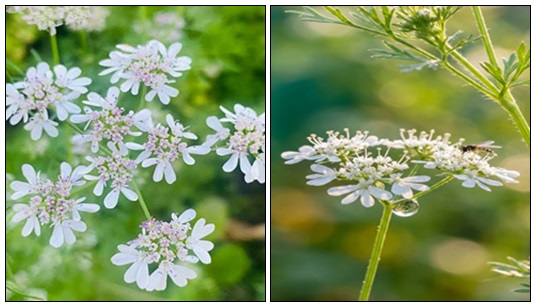
FIG. 1: MORPHOLOGICAL STUDY OF CORIANDER FLOWER
Physicochemical Evaluation: The results obtained for ash values, loss on drying, swelling index, foaming index, and extractive values are summarized in Table 1. The physicochemical evaluation of powdered Coriandrum sativum L. flowers showed a total ash value of 7.20 ± 0.18% w/w, acid-insoluble ash of 1.15 ± 0.06% w/w, and water-soluble ash of 5.48 ± 0.14% w/w. Loss on drying was 8.35 ± 0.21% w/w, indicating moderate moisture content. The swelling index was 2.40 ± 0.10 mL/g, while the foaming index was below 100. Alcohol- and water-soluble extractive values were 12.60 ± 0.32% and 18.40 ± 0.45% w/w, respectively. These findings established useful preliminary quality-control parameters and provided baseline data for further phytochemical investigations.
TABLE 1: PHYSICOCHEMICAL EVALUATION OF CORIANDRUM SATIVUM L. FLOWERS
| S. no. | Physicochemical Parameter | Result |
| 1 | Total Ash Value (% w/w) | 7.20 ± 0.18 |
| 2 | Acid-Insoluble Ash (% w/w) | 1.15 ± 0.06 |
| 3 | Water-Soluble Ash (% w/w) | 5.48 ± 0.14 |
| 4 | Loss on Drying (% w/w) | 8.35 ± 0.21 |
| 5 | Swelling Index (mL/g) | 2.40 ± 0.10 |
| 6 | Foaming Index | <100 |
| 7 | Alcohol-Soluble Extractive (% w/w) | 12.60 ± 0.32 |
| 8 | Water-Soluble Extractive (% w/w) | 18.40 ± 0.45 |
Values are expressed as mean ± SD (n = 3).
Fluorescence Analysis: Fluorescence analysis of the powdered flowers of Coriandrum sativum L. was carried out using different chemical reagents under visible light and ultraviolet light at 254 nm and 366 nm. The powdered drug exhibited characteristic colour changes and fluorescence responses after treatment with different reagents. The observations are summarized in Table 2. The fluorescence analysis demonstrated distinct colour and fluorescence characteristics of the powdered Coriandrum sativum L. flowers following treatment with different reagents. Several treated samples exhibited enhanced fluorescence under UV light, particularly at 366 nm, compared with their appearance under ordinary daylight. The variation in fluorescence intensity and colour may be attributed to the presence of different classes of phytoconstituents and their chemical reactions with the respective reagents. These characteristic fluorescence profiles can serve as useful preliminary pharmacognostic parameters for the identification and standardization of Coriandrum sativum L. flowers.
TABLE 2: FLUORESCENCE ANALYSIS OF THE POWDERED FLOWERS OF CORIANDRUM SATIVUM L.
| S. no. | Treatment/Reagent | Visible Light | UV Light (254 nm) | UV Light (366 nm) |
| 1 | Powder + Distilled water | Light green | Green | Greenish-yellow |
| 2 | Powder + Methanol | Greenish-brown | Dark green | Yellowish-green |
| 3 | Powder + Ethanol | Greenish-brown | Green | Greenish-yellow |
| 4 | Powder + Chloroform | Green | Dark green | Green |
| 5 | Powder + Acetone | Yellowish-green | Green | Yellowish-green |
| 6 | Powder + Dilute HCl | Light brown | Brownish-green | Yellow |
| 7 | Powder + Dilute NaOH | Yellowish-green | Yellow-green | Bright yellow |
| 8 | Powder + Conc. HCl | Brown | Dark brown | Yellowish-brown |
| 9 | Powder + Conc. H₂SO₄ | Dark brown | Blackish-brown | Dark brown |
| 10 | Powder + Nitric acid | Yellowish-brown | Brown | Orange-yellow |
| 11 | Powder + Ammonia solution | Yellow-green | Greenish-yellow | Bright yellow-green |
Extraction: The percentage yield of each extract was calculated based on the weight of the dried plant material used for extraction.
TABLE 3: EXTRACT CHARACTERISTICS
| S. no. | Solvent Used | Nature of Extract | Appearance | Weight of Dried Extract (g) | Percentage Yield (% w/w) |
| 1 | Petroleum ether | Petroleum ether extract | Greenish to yellowish, semisolid | 3.20 | 3.20 |
| 2 | Chloroform | Chloroform extract | Greenish-brown, semisolid | 4.65 | 4.65 |
| 3 | Methanol | Methanolic extract | Dark brown, semisolid | 8.75 | 8.75 |
Preliminary Phytochemical Screening: The preliminary phytochemical screening of methanolic coriander flowers extract showed the presence of phytoconstituents as mentioned in the Table 4.
The preliminary phytochemical screening of the different coriander (Coriandrum sativum L.) flowers extracts revealed the presence of several important classes of phytoconstituents. The petroleum ether extract showed the presence of alkaloids and flavonoids, while terpenoids, tannins, saponins, and phenolic compounds were not detected. The chloroform extract exhibited the presence of alkaloids and terpenoids, whereas flavonoids, tannins, saponins, and phenolic compounds were absent.
In contrast, the methanolic extract showed the presence of flavonoids, tannins, saponins, and phenolic compounds, while alkaloids and terpenoids were not detected. Overall, the methanolic extract demonstrated a comparatively broader phytochemical profile, indicating that the polar solvent methanol was effective in extracting several polar and moderately polar phytoconstituents from coriander flowers.
TABLE 4: PRELIMINARY PHYTOCHEMICAL SCREENING OF CORIANDER (CORIANDRUM SATIVUM L.) FLOWERS EXTRACTS
| S. no. | Phytochemical Test | Petroleum Ether Extract | Chloroform Extract | Methanol Extract |
| 1 | Alkaloids | +ve | +ve | -ve |
| 2 | Terpenoids | -ve | +ve | -ve |
| 3 | Flavonoids | +ve | -ve | +ve |
| 4 | Tannins | -ve | -ve | +ve |
| 5 | Saponins | -ve | -ve | +ve |
| 6 | Phenolic compounds | -ve | -ve | +ve |
In-vitro Antioxidant Assays:
DPPH Assay: The DPPH radical-scavenging activity of three Coriandrum sativum L. flower extracts at 200 µg/mL is presented in Fig. 2. Methanol extract showed the highest activity (44.78%; IC₅₀ 197.77 ± 8.39 µg/mL), followed by chloroform (33.87%; IC₅₀ 289.78 ± 6.76 µg/mL) and petroleum ether (21.65%; IC₅₀ 432.64 ± 8.87 µg/mL). Ascorbic acid exhibited markedly higher activity (85.78%; IC₅₀ 67.45 ± 6.32 µg/mL). Thus, activity followed methanol > chloroform > petroleum ether. Values represent mean ± SD (n = 3), with significant differences (p < 0.001).
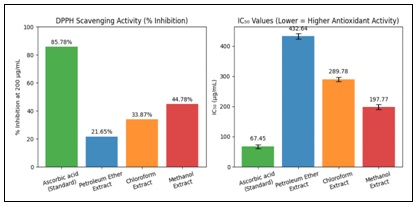
FIG. 2: DPPH FREE RADICAL SCAVENGING ACTIVITY
Total Antioxidant Activity: The total antioxidant activity of the different extracts was evaluated and the results are presented in the Fig. 3. All the tested extracts exhibited antioxidant activity, although the activity varied considerably among the extracts. The petroleum ether extract showed the highest total antioxidant activity with a value of 155.32 ± 3.55 µg/mL, followed by the chloroform extract (87.65 ± 6.77 µg/mL) and methanol extract (62.44 ± 0.65 µg/mL). Ascorbic acid showed a total antioxidant activity of 41.76 ± 0.65 µg/mL. Based on the observed values, the antioxidant activity followed the order Petroleum ether extract > Chloroform extract > Methanol extract > Ascorbic acid. The experimental values were expressed as mean ± SD of triplicate determinations (n = 3). The different superscript letters (a, b, c) indicate a statistically significant difference among the tested groups at p < 0.001.
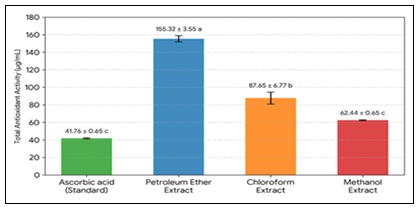
FIG. 3: TOTAL ANTIOXIDANT ACTIVITY OF ALL THE THREE EXTRACTS
Reducing Power Activity: The reducing power of the coriander flower extracts was evaluated at concentrations ranging from 25 to 200 µg/mL, using ascorbic acid as the standard. The results presented in Fig. 4 showed a concentration-dependent increase in absorbance for all the tested samples, indicating an increase in reducing power with increasing extract concentration. Ascorbic acid showed absorbance values ranging from approximately 0.39 at 25 µg/mL to 2.32 at 200 µg/mL. Among the coriander flower extracts, the chloroform extract exhibited the highest reducing power, with absorbance increasing from approximately 0.55 at 25 µg/mL to 3.65 at 200 µg/mL. The petroleum ether extract also demonstrated considerable reducing activity, with absorbance increasing from approximately 0.45 to 3.56 over the same concentration range.
The methanol extract showed a progressive increase in absorbance from approximately 0.40 at 25 µg/mL to 2.16 at 200 µg/mL.
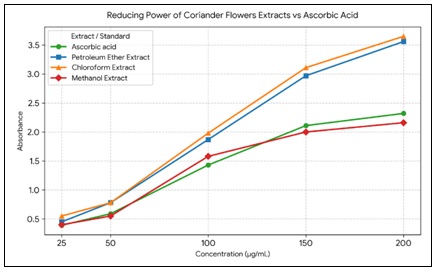
FIG. 4: REDUCING POWER OF CORIANDER FLOWERS EXTRACTS & STANDARD ASCORBIC
In-vitro Antidiabetic Activity:
Glucose Uptake by Yeast Cell Assay: The glucose uptake activity of the petroleum ether, chloroform, and methanol extracts was evaluated at concentrations ranging from 100 to 500 µg/mL, using metformin (MTZ) as the standard. The results showed a concentration-dependent increase in glucose uptake for all the tested extracts. Metformin exhibited the highest glucose uptake activity, increasing from 40% at 100 µg/mL to 76% at 500 µg/mL. Among the extracts, the methanol extract showed the highest glucose uptake activity, with values increasing from 17% at 100 µg/mL to 51% at 500 µg/mL. The chloroform extract demonstrated moderate activity, with glucose uptake increasing from 7% to 28%, whereas the petroleum ether extract exhibited the lowest activity, increasing from 0% at 100 µg/mL to 19% at 500 µg/mL.
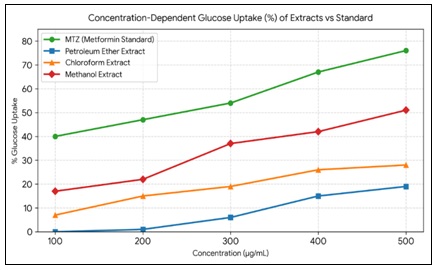
FIG. 5: EFFECT OF CORIANDER FLOWER EXTRACTS ON GLUCOSE UPTAKE
Overall, the glucose uptake activity followed the order Metformin > Methanol extract > Chloroform extract > Petroleum ether extract. These findings suggest that the methanol extract possessed comparatively better glucose uptake-promoting activity among the tested coriander flower extracts.
α-amylase and α-glucosidase Inhibitory Activity: The inhibitory activity of the coriander flower extracts against α-amylase and α-glucosidase was evaluated in-vitro, and the results are presented in Fig. 5. The standard drug, metformin (MTZ), showed strong inhibitory activity, with IC₅₀ values of 119.76 ± 1.98 µg/mL against α-amylase and 467.54 ± 17.08 µg/mL against α-glucosidase. Among the tested extracts, the methanol extract exhibited the highest inhibitory activity, with an IC₅₀ value of 803.6 ± 66.3 µg/mL against α-amylase and 439.8 ± 33.6 µg/mL against α-glucosidase. The chloroform extract showed moderate α-amylase inhibitory activity, with an IC₅₀ value of 1087.0 ± 58.6 µg/mL, whereas the petroleum ether extract exhibited comparatively lower activity, with an IC₅₀ value of 1343.5 ± 65.6 µg/mL. No significant α-glucosidase inhibition was observed for the petroleum ether and chloroform extracts. Overall, based on the α-amylase IC₅₀ values, the inhibitory activity of the extracts followed the order Methanol extract > Chloroform extract > Petroleum ether extract. The results indicate that the methanol extract possessed the most promising in-vitro enzyme inhibitory activity among the tested coriander flower extracts. All values are expressed as mean ± SEM (n = 3), and values bearing the same superscript within a column were not statistically different (p > 0.001).
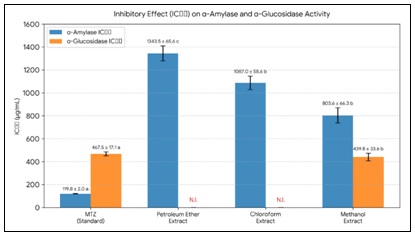
FIG. 6: INHIBITORY EFFECT (IC₅₀) OF EXTRACTS OF CORIANDER FLOWER AND STANDARD DRUG
DISCUSSION: The pharmacognostic evaluation provided useful baseline parameters for the identification and quality assessment of Coriandrum sativum L. flowers. The total ash, acid-insoluble ash, water-soluble ash, loss on drying, swelling index, and extractive values established preliminary physicochemical standards for the powdered drug. The comparatively higher water-soluble extractive value suggested the presence of appreciable water-soluble constituents. Fluorescence analysis further demonstrated characteristic colour and fluorescence responses with different reagents, supporting its application as a preliminary identification and standardization parameter.
Successive extraction produced the highest yield with methanol (8.75%), followed by chloroform (4.65%) and petroleum ether (3.20%). The broader phytochemical profile of the methanolic extract, particularly the presence of flavonoids, tannins, saponins, and phenolic compounds, may contribute to its observed biological activities.
The antioxidant results demonstrated solvent-dependent activity. Methanol extract showed the highest DPPH radical-scavenging activity among the tested extracts, with 44.78% inhibition and an IC₅₀ of 197.77 ± 8.39 µg/mL. The reducing-power assay showed a concentration-dependent increase in activity, with chloroform extract producing the highest absorbance among the extracts at the tested concentrations.
The antidiabetic assays further demonstrated extract-dependent effects. Methanolic extract produced the highest glucose uptake among the coriander flower extracts, reaching 51% at 500 µg/mL. It also showed the lowest IC₅₀ against α-amylase among the extracts and demonstrated α-glucosidase inhibitory activity. These findings suggest that the methanolic extract contains constituents capable of contributing to carbohydrate-metabolism-related activity in the tested in-vitro models.
CONCLUSION: The present investigation established preliminary pharmacognostic and physicochemical parameters for Coriandrum sativum L. flowers and demonstrated their potential as a source of biologically active phytoconstituents. The methanolic extract showed the highest extraction yield and a broader phytochemical profile, particularly containing flavonoids, tannins, saponins, and phenolic compounds. Among the tested extracts, it exhibited comparatively stronger DPPH radical-scavenging activity and glucose uptake and showed the most prominent α-amylase and α-glucosidase inhibitory effects. The findings collectively indicate that coriander flowers possess promising antioxidant and in-vitro antidiabetic potential. However, the present results are based on preliminary in-vitro investigations; therefore, isolation and characterization of active constituents, mechanistic studies, and appropriate in-vivo investigations are required to establish their therapeutic relevance.
ACKNOWLEDGEMENT: Nil
CONFLICT OF INTEREST: Nil
REFERENCES:
- IDF Diabetes Atlas 11th Edition 2025. International Diabetes Federation 2025. Available online: https://diabetesatlas.org/resources/idf-diabetes-atlas-2025/ (accessed on 20 December 2025).
- American Diabetes Association Professional Practice Committee for Diabetes. Introduction and Methodology: Standards of Care in Diabetes-2026. Diabetes Care 2026, 49, S1–S5.
- American Diabetes Association Professional Practice Committee for Diabetes. Summary of revisions: Standards of Care in Diabetes-2026. Diabetes Care 2026; 49: S6–S12.
- American Diabetes Association Professional Practice Committee for Diabetes. 7. Diabetes Technology: Standards of Care in Diabetes-2026. Diabetes Care 2026; 49: S150–S165.
- Martens T, Beck RW, Bailey R, Ruedy KJ, Calhoun P, Peters AL, Pop-Busui R, Philis-Tsimikas A, Bao S and Umpierrez G: Effect of Continuous Glucose Monitoring on Glycemic Control in Patients with Type 2 Diabetes Treated with Basal Insulin: A Randomized Clinical Trial JAMA 2021; 325: 2262–2272.
- Grace T and Salyer J: Use of Real-Time Continuous Glucose Monitoring Improves Glycemic Control and Other Clinical Outcomes in Type 2 Diabetes Patients Treated with Less Intensive Therapy. Diabetes Technol Ther 2022; 24: 26–31.
- Price DA, Deng Q, Kipnes M and Beck SE: Episodic Real-Time CGM Use in Adults with Type 2 Diabetes: Results of a Pilot Randomized Controlled Trial. Diabetes Ther 2021; 12: 2089–2099.
- Sriti J, Wannes WA, Talou T, Mhamdi B, Cerny M and Marzouk B: Lipid profiles of Tunisian coriander (Coriandrum sativum) seed. J Am Oil Chem Soc 2010; 87: 395–400. doi: 10.1007/s11746-009-1505-1.
- Sreelatha S and Inbavalli R: Antioxidant, antihyperglycemic, and antihyperlipidemic effects of Coriandrum sativum leaf and stem in alloxan-induced diabetic rats. J. Food Sci 2012; 77: T119–T123. doi: 10.1111/j.1750-3841.2012.02755.x.
- Pavlenko AA, Dorovskikh EA, Tarasova MI, Ivanova AV, Sergunova EV and Kovaleva T Yu: Pharmacognostic Study of Coriander Herb (Coriandrum sativum). Research Journal Pharmacy and Technology 2026; 19(6): 2835-2. doi: 10.52711/0974-360X.2026.00405
- Veras MNB, de Castro RD and Araújo IGA: Effects of Coriandrum sativum (coriander) essential oil on Candida spp. in oral infection: Scoping review. Arch Oral Biol 2026; 188: 106632. doi: 10.1016/j.archoralbio.2026.106632. Epub 2026 May 23. PMID: 42214910.
- Patel MK and Jain A: Coriandrum sativum: Review of Its Botany, Medicinal Uses, Pharmacological Activities and Phytochemistry. J. Drug Delivery Ther. [Internet]. 2025 Aug. 15 [cited 2026 Aug. 27]; 15(8): 294-302. Available from: https://jddtonline.info/index.php/jddt/article/view/7340
- Dhyani N, Parveen A, Siddiqi A, Hussain ME and Fahim M: Cardioprotective Efficacy of Coriandrum sativum (L.) Seed Extract in Heart Failure Rats through Modulation of Endothelin Receptors and Antioxidant Potential. J Diet Suppl 2020; 17: 13–26. doi: 10.1080/19390211.2018.1481483.
- Bebu I, Braffett BH, de Boer IH, Aiello LP, Bantle JP, Lorenzi GM, Herman WH, Gubitosi-Klug RA, Perkins BA and Lachin JM: Relationships between the cumulative incidences of long-term complications in type 1 diabetes: the DCCT/EDIC Study. Diabetes Care 2023; 46: 361–368.
- Ashagrie YN, Chaubey K, Tadesse MG, Dayal D, Bachheti RK and Rai N: Antidiabetic phytochemicals: an overview of medicinal plants and their bioactive compounds in diabetes mellitus treatment. None 2025; https://doi.org/10.1515/znc-2024-0192.
- Kury LAA: Modulatory effect of medicinal plants and their active constituents on ATP-Sensitive potassium channels (KATP) in diabetes. Pharmaceuticals 2023 https://doi.org/10.3390/ph16040523.
- Dangana RS, Abubakar I, Shinkafi TS, Aja PM and Nwozo S: Ethnobotany, Pharmacology and phytochemistry of medicinal plants used for management of diabetes mellitus in Uganda, Kenya, Tanzania and the Democratic Republic of congo. None 2024. https://doi.org/10.1007/s42452-024-05970-7.
- Juarez-Rojop IK, Diaz-Zagoya JC and Ble-Castillo JC: Hypoglycemic effect of Carica papaya leaves in streptozotocin- induced diabetes rats. BMC Complement Altern Med 2012; 12: 236. doi: 10.1186/1472-6882-12-236.
- Hassan SW, Ladan MJ and Dogondaji RA: Phytochemical and toxicological studies of aqueous leaves extracts of Erythrophleum africanum. Pak J Biol Sci 2007; 10: 3815–21. doi: 10.3923/pjbs.2007.3815.3821.
- Gavali Y, Deore D, Surwase SP and Zingade U: Study of the serum superoxide dismutax levels in smoking and non-smoking patience with COPD. Int J Recent Trends Sci Technol 2013; 5: 121–6.
- Prabhakara PV, Reddya UA and Singha SP: Oxidative stress induced by aluminum oxide nanomaterials after acute oral treatment in Wistar rats. J Appl Toxicol 2012; 32: 436–45. doi: 10.1002/jat.1775.
- Ilok-Assanga SB, Lewi-Lujan LM and Lara-Espinoza CL: Solvent effects on phytochemical constituent profiles and antioxidant activities, using four different extractions formulation for analysis of Bucida buceras and Phoradendron California. BMC Res Notes 2015; 8: 396–410. doi: 10.1186/s13104-015-1388-1.
- Hassan SK, EL-Sammad NM and Mousa AM: Hypoglycemic and antioxidant activities of Caesalpinia ferra Martius leaf extract in Streptozotocin-Induced diabetic rats. Asian, Pacific J Trop Med 2015; 5: 462–73.
- El-Beshbishy H and Bahashwan S: Hypoglycemic effect of basil (Ocimum basilicum) aqueous extract is mediated through inhibition of a-glucosidase and a-amylase activities: An in-vitro Toxicol Ind Health 2012; 28: 42–50. doi: 10.1177/0748233711403193.
- Malapermal V, Botha I, Krishna SBN and Mbatha JN: Enhancing antidiabetic and antimicrobial performance of Ocimum basilicum and Ocimum sanctum (L) using silver nanoparticles. Saudi J Biol Sci 2015; 24: 1294–305. doi: 10.1016/j.sjbs.2015.06.026.
How to cite this article:
Kumar L, Shivhare R, Singh S and Singh Y: A study to evaluate the in-vitro anti-diabetic activity of Coriandrum sativum l. extracts. Int J Pharmacognosy 2026; 13(11): 1172-81. doi link: http://dx.doi.org/10.13040/IJPSR.0975-8232.IJP.13(11).1172-81.
This Journal licensed under a Creative Commons Attribution-Non-commercial-Share Alike 3.0 Unported License.
Article Information
7
1148-1157
903 KB
4
English
IJP
Lalit Kumar *, Raman Shivhare, Sunil Singh and Yogendra Singh
Shri Ramnath Singh Mahavidyalaya (Pharmacy), Gormi, Bhind, Madhya Pradesh, India.
researchaspm@gmail.com
29 September 2026
28 October 2026
31 October 2026
10.13040/IJPSR.0975-8232.IJP.13(11).1172-81
01 November 2026
 Download