


A COMPREHENSIVE REVIEW ON SYZYGIUM AQUEUM: PHYTOCHEMISTRY, PHARMACOLOGICAL ACTIVITIES, TRADITIONAL USES AND THERAPEUTIC POTENTIAL
HTML Full TextA COMPREHENSIVE REVIEW ON SYZYGIUM AQUEUM: PHYTOCHEMISTRY, PHARMACOLOGICAL ACTIVITIES, TRADITIONAL USES AND THERAPEUTIC POTENTIAL
Poonam C. Rahangdale * and Harish Sharma
Department of Pharmacy, Anjaneya University, Raipur, Chhattisgarh, India.
ABSTRACT: Syzygium aqueum, belonging to the family Myrtaceae, is an important medicinal and edible plant widely distributed in Southeast Asia, India, Sri Lanka, Australia, and the Pacific Islands. Commonly known as water apple, bell fruit, or watery rose apple, the plant has been traditionally used for treating fever, diabetes, gastrointestinal disorders, inflammation, skin diseases, and infections. Different parts of the plant, including fruits, leaves, bark, roots, and seeds, possess numerous bioactive compounds such as flavonoids, phenolic acids, tannins, terpenoids, anthocyanins, alkaloids, saponins, and essential oils. Recent scientific investigations have demonstrated its antioxidant, antidiabetic, antimicrobial, anti-inflammatory, hepatoprotective, anticancer, cardioprotective, nephroprotective, antihyperlipidemic, wound healing, and immunomodulatory activities. This review summarizes the taxonomy, botanical description, phytochemical composition, pharmacological activities, nutritional value, traditional medicinal uses, toxicity, and future prospects of S. aqueum. The review emphasizes the plant's potential as a promising source of natural therapeutic agents for pharmaceutical and nutraceutical applications.
Keywords: Syzygium aqueum, Water apple, Myrtaceae, Phytochemistry, Antioxidant, Antidiabetic, Medicinal plant
INTRODUCTION: The family Myrtaceae includes over 5500 species covering between 130 and 150 genera. Syzygium is considered the largest genus of the flowering plants within the family. The genus includes 1100–1200 species that possess high diversity and are cultivated for many purposes. The species of this genus are distributed in the tropical and subtropical regions of the world. Syzygium aqueum (Burm. f. Alston f.), a synonym of Eugenia aquea Burm. f., is one of the most common species within the genus Syzygium.
It is native to the Pacific regions, viz., Malaysia and Indonesia, especially on Java Island, and extends to the tropics, Africa, and Southern Asia, specifically India and Thailand. The common names of S. aqueum are water apple and jambo apple that are related to its succulent fruit. It has numerous exceptional organoleptic features like its agreeable aroma of roses, in addition to being glossy, colorful, and with a sweet low-acidity taste 1.
The plant has been widely employed in folk medicine and has been mentioned to have a plethora of biological activities. The fruit is used to treat liver diseases and the fresh leaves have been consumed to relieve childbirth pain and used as well in their dried powdered form to treat mouth ulcers. Preparations of the roots have been employed to alleviate itching and reduce swelling, while a decoction of its bark is utilized for thrush.
Humans have been used medicinal plants from a very long time to treat various diseases. Currently, various medicinal plants have been scientifically reported to be able to help humans in overcoming various health problems. Medicinal components from plants plays an important role in the treatment of various health diseases. They were the sole source of active constituents capable of curing the various disease and helps in maintaining the physiological condition 2.
Syzygium aqueum is widely cultivated because of its edible fruits and medicinal importance. Traditionally, various parts of the plant have been employed in treating fever, diabetes mellitus, dysentery, stomach disorders, skin infections, and inflammatory conditions. Modern pharmacological research has validated many of these traditional claims 2.
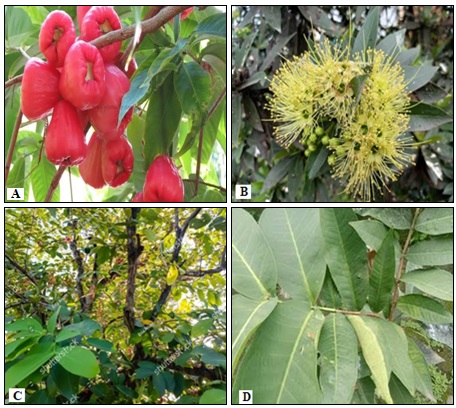
FIG. 1: (A) S. AQUEUM FRUIT (B) S. AQUEUM FLOWER (C) S. AQUEUM TREE (D) S. AQUEUM LEAVES 3
TABLE 1: TAXONOMICAL CLASSIFICATION 4
| Kingdom | Plantae |
| Clade | Eudicots, Rosids |
| Order | Myrtales |
| Family | Myrtaceae |
| Species | Syzigium |
| Genus | S. aqueum |
| Genus | S. aqueum |
Geographical Distribution: The species has its origin in tropical Asia to north Queensland. It is commonly cultivated in India, Southeast Asia and in the Pacific Islands. In the Philippines, S. aqueum thrives abundantly in the provinces of Mindanao, Basilan, Dinagat, and Samar, appearing almost as if it were growing wild. It is occasionally grown in Trinidad and Hawaii. S. aqueum particularly distributed in Sri Lanka, Pakistan and Malaysia. In India, it is most likely to occur in moist deciduous forests up to an altitude of 1500 m. It generally grows in the warmer parts like Andhra Pradesh, Assam, Karnataka, Kerala, Orissa, Maharashtra, West Bengal, Punjab, Rajasthan and Tamil Nadu. It also grown in southern and south-eastern Asia including Philippines, Myanmar, and Afghanistan 4.
Morphology:
- Evergreen tree, 3–10 m tall
- Leaves: Opposite, lanceolate, aromatic
- Flowers: White to yellowish, with numerous stamens
- Fruits: Bell-shaped, watery, crisp, and mildly sweet 5
Phytochemical Composition of S. aqueum: S. aqueum is rich in polyphenols, flavonoids, tannins, steroids, and volatile oils which confers its different biological activities. It is also an ample source of iron, calcium, vitamins, and antioxidants. Different studies have investigated and reported the biological activities of different parts of S. aqueum. These include antidiabetic cosmeceutical, antioxidant, anti-inflammatory, hepatoprotective, lipolytic, and anticellulite activities, as well as anticancer activity. Polyphenols are the most abundant compounds found in different parts of S. aqueum, which provide nutritional advantages and contribute to preventing chronic diseases 6. The chemical composition of the plant and its involvement in human health will be discussed in this study. S. aqueum is still not well exploited as a medicinal plant which leaves room for research and could significantly contribute to the identification of novel drug leads. In this regard, this review is aimed at recapitulating the research established on the phytochemistry, pharmaceutical, toxicology, and food applications of S. aqueum, focusing on the role of its secondary metabolites in alleviating inflammation-related disorders. Further, this review highlights the importance of S. aqueum and provides a baseline for future research studies 7.
TABLE 2: DIFFERENT PHYTOCHEMICAL CONSTITUENTS PRESENT IN S. AQUEUM 8
| Part of the plant | Phyto Constituents |
| Fruit | Alkaloids, glycosides, formic acid, tartaric acid flavonoids, phenolic content and steroids, and epigallocatechin gallate. myricetin-3-O-rhamnoside and europetin-3-O-rhamnoside |
| Bark | Tannin, Riedelin, beta-amyrin acetate, betulinic acid and lupeol |
| Leaf | Phenolic compounds, Flavonoids myricetin and quercetin3-O-βD-xylopyranosyl (1→2) α L rhamnopyranosides, Ursolic acid and myricitrin. Hydroxycoumarins, Stilbenes, p-Coumaric acid, myricetin rhamnosides, quercetin glucosides |
A total of 42 volatile constituents were identified in water apple fruit, the largest number and proportion (41.4%) were terpenoids, among which gamma – terpinene was dominant
TABLE 3: SELECTED COMPOUNDS IDENTIFIED FROM S. AQUEUM EXTRACTS 9
| Classes | Phytochemicals |
| Phenolic acids | 4-Hydroxybenzoic acid 4-Oglucoside Methoxyphenyl acetic acid, Dihydro-p-coumaric acid, 5-Caffeoylquinic acid, 4-Caffeoylquinic acid, Chlorogenic acid, Gallic acid, p-Coumaric acid, Ferulic acid 19 |
| Proanthocyanidins | (−)-Epigallocatechin, (−)-Epigallocatechin 3-gallate Epicatechin 3-O-gallate Prodelphinidin B-2,3,3 ″ -di-Ogallate, Samarangenin A, Samarangenin B |
| Stilbenes | Resveratrol , Resveratrol 5-O-glucoside |
| Oleuropein- aglycone, 3,4-DHPEA-EA, 6-Gingerol, 2,4-Di-tertbutylphenol 18 | |
| Flavonoids | Myricetin-3-O-rhamnoside, Chrysoeriol 7-O-glucoside Quercetin 3-O-galactoside Quercetin 3-O-glucoside, Quercetin 4′-O-glucoside., Sakuranetin Europetin 3-O-rhamnoside. |
| Hydroxycoumarins | Umbelliferone, Coumarin, 4-Hydroxycoumarin, Scopoletin, 3,4-Dihydroxyphenylglycol |
| Volatile compounds | Eucalyptol α-Pinene L-Verbenone Borneol, α-Terpineol, Camphene Cis-Geraniol, Camphor, β-Linalool, α-Caryophyllene, 0 β-Caryophyllene |
| Fatty acids and steroids | Butyrospermol-3-β-palmitate, β-Sitosterone, Butyrospermol 19 |
Isolated Compounds:
Leaves and Fruits:
Flavonoids: Methanol extract of S. aqueum leaves contained a number of 87 different compounds rich in flavonoids, for example, myricetin rhamnoside, myrigalone G pentoside, quercetin galloylpentoside, cryptostrobin, in which myrigalone- B and myrigalone- G were the major flavonoid compounds. Six flavonoids (e.g., 4- hydroxybenzaldehyde, myricetin- 3- Orhamnoside, europetin- 3- O- rhamnoside, phloretin, myrigalone- G, and myrigalone- B) were isolated from the ethanol leaf extracts of S. aqueum. Among them, myricetin- 3- Orhamnoside and europetin- 3- O- rhamnoside showed antihyperglycemic activity 10.
Phenols: Methanol extract of S. aqueum leaves contained a few phenolic compounds (e.g. caffeic acid).
Tannins: Methanol extract of S. aqueum leaves contained few number of tannin compounds (e.g. galloylquinic acid).
Proantrocyanins: Methanol extract of S. aqueum leaves contained 87 different compounds which were determined through high- resolution LC- ESIMS/MS analysis; among them, major proanthocyanins were samarangenin A; (epi)- gallocatechin gallate; (epi)- catechin- (epi)- gallocatechin.
Essential Oils: Essential oils can be utilized as a prime source of antioxidants in traditional remedies and cosmetics. The fruits and leaves of S. aqueum contain a considerable amount of essential oils. Terpenoids and γ-terpinene are the main predominant components present in the fruit volatile oils while the leaves contain α- and β-caryophyllene, β-selinene, caryophyllene oxide, cuminylaldehyde, cinnamaldehyde, β-elemene, and eudesm-7(11)-en-4-ol. However, the flavor profile of water apple juices and ciders showed different volatile compounds. 1-Butanol, 3-methyl- acetate, 4-hexen-1-ol, (E)-, ethene, fluoro-, and 3-methoxy benzenamine were predominant in the ciders, while hexanal, 4-hexen-1-ol, (E)-, caryophyllene, and 3-hexen-1-ol, (Z)- were the most predominant compounds in the juices 11.
Qualitative Phytochemical Analysis:
Alkaloid:
Mayers Test: Add a few drops of Mayer's reagent (potassium mercuric iodide) to a sample of the extract. The formation of a cream-colored precipitate indicates the presence of alkaloids.
Hager's Test: Add a few drops of Hager's reagent (saturated picric acid) to another sample of the extract. A bright yellow precipitate suggests the presence of alkaloids.
Wagner's Test: Along the side of the test tube, add a few drops of Wagner's reagent (iodine in potassium iodide) to the extract. The appearance of a reddish-brown precipitate confirms the presence of alkaloids.
Dragendorff's Test: Add 1 ml of Dragendorff's reagent (potassium bismuth iodide solution) to1 ml of the extract. An orange-red precipitate indicates the presence of alkaloids.
Glycoside:
Borntragers Test: Take 2 ml of extract, add dilute sulfuric acid, and boil and filter the solution. Cool the filtrate and add an equal volume of chloroform, shake well. Separate the chloroform layer and shake it with dilute ammonia. Ammonia layer turns a rose-pink or red color, which show presence of glycosides.
Keller-Kiliani Test (for Cardiacglycosides): Mix 2 ml of a plant extract with 1 ml of glacial acetic acid. Add a few drops of 5% iron (III) chloride solution. Carefully add 1 ml of concentrated sulfuric acid to the side of the test tube, allow in git to formalayer below the acetic acid mixture.
Fehling's Test (for Reducing Sugars after Hydrolysis): Heat 1 ml of the plant extract with a small amount of dilute acid to hydrolyze the glycosides. After hydrolysis, neutralize the solution. Add equal amounts of Fehling's solution A and Fehling's solution B. Heat the mixture in a water bath. The formation of a brick-red precipitate indicates the presence of reducing sugars.
Legal's Test: To the plant extract, add 1 ml of pyridine and a few drops of sodium nitroprusside solution. Add sodium hydroxide solution to make the mixture alkaline. The appearance of a pink-to-red color indicates the presence of glycosides.
Saponins:
Test for Saponins: With 20 ml of distilled water, the extract was dissolved and agitated for 15 minutes. The presence of saponins was demonstrated by the creation of a 1 cm layer of foam over time.
Flavonoids:
With Sodium Hydroxide: 1 ml sodium hydroxide solution was added to the extract. Anthocyanins are found in blue to violet colors, Flavanones are found in yellow to orange colors and flavones are found in yellow.
Concentrated Sulphuric Acid: Concentrated sulphuric acid was added to the extract. The presence of anthocyaninis indicated by a yellow orange, while the presence of flavones is indicated by an orange-to-red tint.
Shinoda Test: Extract was dissolved in ethanol and magnesium turnings were added to perform Shinoda’s test concentration of hydrochloric acid was added to this combination. The presence of flavonoids is indicated by a change in hue from magenta to purple.
Tannins:
Test for Tannins (Ferric Chloride Test): To every 2 ml of the extracts, 2 ml of water was added. Two (2) drops of 5% ferric chloride (FeCl3) solution was added. The positive test was in ferred by the appearance of blue, black, or green colour.
Phenol:
Phenol Test (Phenol Test): A gram of each extract was spotted on a filter paper followed by the addition of phoshomolybdic acid reagent (single drop). The spotted extract on the filter paper was exposed to ammonia vapours. A Positive result was observed following the appearance of blue colour on the spot.
Steroid:
Test for steroids (Liebermann-Burchardt Test): One (1) ml of each of the extract and that of chloroform was mixed and 2 ml of acetic anhydride was added. Two (2) drops of concentrated sulphuric acid were added again and the presence of dark green coloration indicates a positive result
Pharmacological Activities and Health Benefits:
Anticancer Activity: S. aqueum leaves underwent methanol extraction to assess cytotoxicity via the sulforhodamine B (SRB) assay.
The study evaluated its effects on human breast cancer cells (MDA-MB-231) in comparison to doxorubicin, a standard cytotoxic drug. The extract demonstrated lower toxicity towards the cancer cell line, with an IC50 value exceeding 100 µg/mL 20.
Antiproliferative Property: The antiproliferative properties of Syzygium fruit, namely water apple (S. aqueum) against two types of cancer-origin cells, namely MCF-7 (hormone dependent breast cancer cell line) and MDA-MB-231 (non-hormone dependent breast cancer cell line) were investigated 12.
Anti-inflammatory Activity: Anti- inflammatory is an action of a substance, which affects the CNS to block the pain signalling to the brain and helps to reduce inflammation and pain.
The polyphenol- enriched leaf extract of S. aqueum exhibited promising anti- inflammatory activities where it inhibited LOX, COX- 1, and COX- 2 with a higher COX- 2 selectivity than that of standards indomethacin and diclofenac and reduced the extent of lysis of erythrocytes upon incubation with hypotonic buffer solution,
Antiaging Activity: The ability of S. aqueum extracts to act as whitening agents by preventing melanin production was assessed by the inhibition of tyrosinase. As a result, the IC50 of ethanol (71 μg/mL) and propylene glycol (57 μg/mL) leaf extracts were comparable to that of kojic acid, positive control used as a skin whitening agent (IC50 = 52 μg/mL). The plant may also possess UVB blocking ability 16. In another study, the methanol extract of the leaves exhibited shielding properties against oxidative stress induced by UVA radiation. In general, UVA significantly increased DCF fluorescence intensity in keratinocytes (HaCaT cells), compared to the no irradiated cells 13.
Cosmeceutical Activity: S. aqueum leaf extracts may be used as a skin treatment ingredient because it is not only an antioxidant but has tyrosinase inhibition activity and may also possess UVB blocking ability.
Prevent Constipation: The dietary fibres present in Rose Apple aid in promoting regular bowel movements and alleviating constipation, thereby supporting overall digestive health. Additionally, these fibres contribute to maintaining a healthy weight and reducing the risk of heart disease and diabetes.
Prevent Muscle Cramping: Rose Apple possess adequate amount of potassium. It enhances the strength of muscles and reduces the muscle cramps which is due to the low level of potassium 16, 17.
Fights Free Radical Damage: Rose Apple is renowned for its high Vitamin C content, which serves to counteract the damage caused by free radicals, pollutants, and toxins implicated in health conditions like heart disease, cancer, and arthritis. Free radicals arise in the body due to exposure to radiation, tobacco, smoke, and the metabolic breakdown of food. Vitamin C supports the production and function of white blood cells, acting as an antioxidant to mitigate oxidative damage and promote optimal functioning. Additionally, it is believed to bolster the immune system, aiding in the defense against colds 14.
Reduced Risk of Stroke: The abundance of Vitamin C in Rose Apples contributes to reducing the risk of stroke and various health conditions, including inflammation, oxidative damage, cardiac issues, atherosclerosis, high blood pressure, and endothelial dysfunction. By countering the development of plaque in the body, Vitamin C plays a crucial role in minimizing the likelihood of strokes and heart attacks.
Boost Good HDL Cholesterol: Rose Apple serves as a natural source of niacin, a nutrient known to regulate cholesterol levels. Niacin supplementation is associated with increased HDL cholesterol levels and decreased levels of triglycerides and LDL cholesterol.
Prevent Diabetes: Research indicates that the consumption of Rose Apple leads to a reduction in blood glucose levels by enhancing the activities of key carbohydrate metabolic enzymes, including glucose-6-phosphate dehydrogenase, hexokinase, and glucose-6-phosphatase 15.
Hepatoprotective Activity: A single dose of the methanol extract of the plant reduced the elevated levels of alanine aminotransferase (ALT), aspartate aminotransferase (AST), total cholesterol (TC), total bilirubin (TB), and triglycerides (TG) in acutely CCl4 -intoxicated rats. In addition, the extract noticeably restored superoxide dismutase (SOD) and liver glutathione (GSH) to the normal control levels in liver tissue homogenates and stabilized the damaging histopathologic changes in the liver after CCl4 injection 19. The obtained activities were attributed to the presence of several polyphenolic compounds, including myricetin rhamnosides, quercetin glucosides, and epigallocatechin gallate. Triterpene acids that show strong protective effects against liver injury 13.
Traditional Uses of S. aqueum: S. aqueum has been used traditionally for several medicinal purposes. Leaves, bark, and fruits possessed many medicinal uses for digestive conditions, liver detox, headaches, fever treatments, skin conditions, and cancer prevention. In Malaysia, powdered dried leaves are utilized to cure a cracked tongue and a root preparation is applied to relieve itching and reduce swelling. An infusion of the leaves is used in the treatment of stomach aches and dysentery. The leaves have been utilized to relieve childbirth pains. The decoction of the bark can alleviate thrush that is caused by Candida albicans and affecting the oral cavity and other parts of the body. The efficacy of a plant as traditional medicine is related to the bioactive compounds contained in the plant extract such as phenolic acids, flavonoids, tannins, lignans, and stilbenes 18, 19.
CONCLUSION: Syzygium aqueum is a valuable medicinal and nutritional plant with a wide range of traditional and scientifically validated pharmacological activities. Leaves of S. aqueum with either pink or red fruits contained secondary metabolites, namely flavonoids, phenolics, and triterpenoids, while their stem barks contained not only flavonoids, phenolics, and triterpenoids but also saponins and alkaloids. Leaves and stem bark extracts of these plants with either pink or red fruits exhibited antioxidant activities and contributes to potent antioxidant, antidiabetic, antimicrobial, anti-inflammatory, hepatoprotective, cardioprotective, nephroprotective, and anticancer properties. Although preclinical evidence is promising, further standardization, toxicological studies, and well-designed clinical trials are necessary to support its therapeutic use. With continued research, S. aqueum has significant potential as a source of novel phytopharmaceuticals, functional foods, and nutraceutical products.
ACKNOWLEDGEMENT: Nil
CONFLICT OF INTEREST: Nil
REFERENCES:
- Chandana G and Suresha BS: Syzigium aqueum: A Comprehensive Plant Review. IJP 2024; 11(6): 255-261.
- Aung EE, Kristanti AN, Aminah NS, Takaya Y and Ramadhan R: Phytochemicals Constituents in Medicinal Plant Syzygium aqueum (Burm.) Alston (Myrtaceae). Egyptian Journal of Chemistry 2023; 66(3): 301-8.
- Abd El-Ghffar EA, Eldahshan OA, Barakat A and Efferth T: The prophylactic effect of a Eugenia aquea extract against oxidative stress and inflammation associated with the development of arthritis in an adjuvant-induced arthritis rat model. Food & Function 2018; 9(12): 6643–6651.
- Sobeh M, Braun MS, Krstin S, Youssef FS, Ashour ML and Wink M: Chemical profiling of the essential oils of Syzygium aqueum, Syzygium samarangense and Eugenia uniflora and their discrimination using chemometric analysis. Chemistry & Biodiversity 2016; 13(11): 1537–1550.
- Rocchetti G, Lucini L, Ahmed SR and Saber FR: In-vitro cytotoxic activity of six Syzygium leaf extracts as related to their phenolic profiles: an untargeted UHPLC-QTOFMS approach. Food Research International 2019; 126: 108715.
- Rahman MM, Rahaman MS and Islam MR: Role of phenolic compounds in human disease: current knowledge and future prospects. Molecules 2022; 27: 233.
- Uddin AN, Hossain F, Reza AA, Nasrin MS and Alam AK: Traditional uses, pharmacological activities, and phytochemical constituents of the genus Syzygium: A review. Food Science & Nutrition 2022; 10(6): 1789-819.
- Sushma M, Bhavana A and Padmalatha K: Overview of phytochemistry and pharmacology of Syzygium aqueum. International J of Modern Pharmaceutical Res 2021; 5(4).
- Aung EE, Kristanti AN, Aminah NS, Takaya Y and Ramadhan R: Plant description, phytochemical constituents and bioactivities of Syzygium genus: Areview. Open Chemistry 2020; 18(1): 1256-81.
- Palanisamy UD and Manaharan T: Syzygium aqueum leaf extracts for possible antidiabetic treatment. Medicinal Plants and Natural Products 2015; 13-22.
- Sirisha KS and Shreeja K: Rose apple: A systematic review. The Pharma Innovation Journal 2019; 8(7): 673-6.
- Verdcourt B: Syzygium aqueum (Burm.f.) Alston [family Myrtaceae], Flora of Tropical East Africa. JSTOR 2001.
- Sonawane MS: Dietary benefits of watery rose apple (Syzygium aqueum (Burm. f.) Alston). Int Arch App Sci Tech 2018; 9(4): 126-9.
- Yassir M, Bakrim WB, Mahmoud MF, Drissi B, Kouisni L and Sobeh M: Watery rose apple: a comprehensive review of its traditional uses, nutritional value, phytochemistry, and therapeutic merits against inflammation-related disorders. Oxidative Medicine and Cellular Longevity 2022.
- Wax Apple Industry in Taiwan: A Success Story. Asia- Pacific Association of Agricultural Research Institutions, Bangkok, Thailand 2014; 48.
- Tahir HU, Sarfraz RA, Ashraf A & Adil S: Chemical composition and antidiabetic activity of essential oils obtained from two spices (Syzygium aromaticum and Cuminum cyminum). International Journal of Food Properties 2016; 19(10): 2156– 2164.
- Kumaran KR, Wahab HA and Hassan Z: In-vitro anti-cholinesterase activity and in-vivo screening of Coccoloba uvifera, Mimusops elengi and Syzygium aqueum extracts on learning and memory function of chronic cerebral hypoperfusion rat. Neuroscience Research Notes 2021; 4(2): 1–13.
- Tehrani M, Sharif Hossain A and Nasrulhaq-Boyce A: Postharvest physico-chemical and mechanical changes in’ Jambu air’ (Syzygium aqueum Alston) fruits. Australian Journal of Crop Science 2011; 5: 32–38.
- Neha K, Haider MR, Pathak A and Yar MS: Medicinal prospects of antioxidants: a review. European Journal of Medicinal Chemistry 2019; 178: 687–704.
- Thamilvaani Manaharana and Srikumar Chakravarthi: In-vivo toxicity evaluation of a standardized extract of S. aqueum leaf, Toxicology Reports 1 2014; 718–25.
How to cite this article:
Rahangdale PC and Sharma H: A comprehensive review on Syzygium aqueum: phytochemistry, pharmacological activities, traditional uses and therapeutic potential. Int J Pharmacognosy 2026; 13(9): 943-49. doi link: http://dx.doi.org/10.13040/IJPSR.0975-8232.IJP.13(9).943-49.
This Journal licensed under a Creative Commons Attribution-Non-commercial-Share Alike 3.0 Unported License.
Article Information
5
943-949
860 KB
171
English
IJP
Poonam C. Rahangdale * and Harish Sharma
Department of Pharmacy, Anjaneya University, Raipur, Chhattisgarh, India.
poonamrahangdale1998@gmail.com
04 August 2026
25 August 2026
27 August 2026
10.13040/IJPSR.0975-8232.IJP.13(9).943-49
01 September 2026
 Download