


A COMPREHENSIVE REVIEW ON CUCURBITA PEPO L.: PHARMACOGNOSTICAL CHARACTERIZATION, PHYTOCHEMISTRY, NUTRITIONAL COMPOSITION, TOXICITY PROFILE AND PHARMACOLOGICAL ACTIVITIES
HTML Full TextA COMPREHENSIVE REVIEW ON CUCURBITA PEPO L.: PHARMACOGNOSTICAL CHARACTERIZATION, PHYTOCHEMISTRY, NUTRITIONAL COMPOSITION, TOXICITY PROFILE AND PHARMACOLOGICAL ACTIVITIES
S. Monisha, B. Kumudhaveni *, A. J. Sindhu, P. Kiruthiga, G. Yuvaranjani and Mohamed Hussain
Department of Pharmacognosy, College of Pharmacy, Madras Medical College, Chennai, Tamil Nadu, India.
ABSTRACT: Cucurbita pepo L. (Cucurbitaceae), commonly known as pumpkin, squash, or zucchini, is an economically important food crop with a long history of traditional medicinal use and increasing scientific interest due to its diverse phytochemical composition and therapeutic potential. This review provides a comprehensive pharmacognostic overview of C. pepo, integrating current knowledge on its taxonomy, botanical description, macroscopic and microscopic diagnostic characteristics, powder microscopy, ethnomedicinal applications, phytochemistry, and pharmacological activities. The species is characterized by distinctive pharmacognostic features, including bicollateral vascular bundles, glandular and non-glandular trichomes, schizogenous secretory ducts, and characteristic seed testa anatomy, which are valuable for authentication and quality control. Phytochemical investigations have identified a broad spectrum of bioactive constituents, including polyunsaturated fatty acids, phytosterols (predominantly Δ7-sterols), cucurbitacins, carotenoids, tocopherols, flavonoids, phenolic acids, lignans, and other triterpenoids that collectively contribute to its biological activities. Experimental and clinical evidence demonstrates significant antioxidant, anti-inflammatory, antidiabetic, antimicrobial, hepatoprotective, antiulcer, anticancer, anthelmintic, and benign prostatic hyperplasia-relieving properties, supporting many of its traditional therapeutic applications. Despite extensive research, available information remains fragmented, with considerable variation in plant parts investigated, extraction methods, and pharmacological evaluation, limiting the standardization and clinical translation of C. pepo-based phytopharmaceuticals. This review consolidates the existing evidence into a unified pharmacognostic framework, highlights the relationship between phytochemical constituents and pharmacological effects, identifies current knowledge gaps, and emphasizes the need for standardized quality control parameters, comprehensive pharmacognostic profiling, and well-designed clinical studies to facilitate the development of safe, effective, and evidence-based herbal formulations derived from C. pepo.
Keywords: Cucurbita pepo, Cucurbitaceae, Cucurbitacins, Phytoconstituents, Pharmacological activities
INTRODUCTION: Cucurbita pepo Linn. (family Cucurbitaceae), commonly known as pumpkin, squash, or zucchini depending on the cultivar, is one of the most widely grown and consumed vegetable crops in the world. It is valued as a dietary staple and as a plant of long-standing ethnomedicinal significance.
It is thought to have been domesticated in Mesoamerica several thousand years ago, making it one of the earliest cultivated crop plants known to humans. C. pepo's fruit, seeds, seed oil, flowers, and leaves have been traditionally used for gastrointestinal complaints, intestinal parasites, and urinary disorders. The seeds and fruit pulp are recognized nutritional sources of carotenoids, tocopherols, essential fatty acids, minerals, and functional polysaccharides 1, 2. Since then, the species has spread throughout temperate and subtropical regions of the Americas. C. pepo is classified as a member of the Cucurbitaceae family, which includes roughly 90-125 genera and several hundred species of significant commercial value as food crops 3, 4. Cucurbita has five domesticated species: C. pepo, C. moschata, C. maxima, C. argyrosperma, and C. ficifolia. C. pepo is the genus' type species and one of the most morphologically diverse 3, 5. The plant is a monoecious, fast-growing annual herb with trailing or climbing habit, angular stems reaching several meters in length, and enormous, beautiful yellow-orange unisexual blooms borne singly in the leaf axils 5, 6. Its fruit is a unique berry variety known as a "pepo," with a strong rind surrounding a fleshy mesocarp and endocarp with numerous flattened seeds.
In recent decades, scientific interest in the species has expanded considerably beyond its culinary role, with numerous studies documenting hepatoprotective, antidiabetic, antioxidant, anticancer, antimicrobial, anti-inflammatory, antiulcer, and benign prostatic hyperplasia (BPH)-ameliorating activities, largely attributed to constituents such as cucurbitacins, cucurbitane- and multiflorane-type triterpenoids, phytosterols, carotenoids, tocopherols, and polyunsaturated fatty acids.
Despite this growing body of evidence, the existing literature on C. pepo is fragmented across phytochemical, nutritional, and pharmacological studies rather than consolidated within a single pharmacognostic framework, with significant variation in extract preparation, plant part used and reported potency across studies. This scattering of data impedes its translational development as a standardized phytopharmaceutical agent. In this review, we systematically synthesized data from peer-reviewed literature on C. pepo's botanical description and pharmacognostic characteristics, taxonomic classification, traditional uses, chemical constituents, and pharmacological activities in order to provide an integrated and up-to-date resource. The current study provides a consolidated framework for highlighting the major bioactive constituents and their underlying mechanisms across the principal pharmacological activities reported, facilitating evidence-based development of C. pepo-derived phytopharmaceuticals and guiding future standardization efforts.
MATERIALS AND METHODS: This review was conducted as a structured, non-systematic narrative synthesis of the peer-reviewed and regulatory literature available on Cucurbita pepo L. Relevant publications were identified through electronic searches of PubMed/MEDLINE, Scopus, Google Scholar, and ScienceDirect, supplemented by regulatory and reference sources including the European Medicines Agency (EMA) HMPC (Committee on Herbal Medicinal Products), Herbal monograph database, Kew's Plants of the World Online, and the USDA Food Data Central database, covering literature up to July 2026. Search terms included combinations of “Cucurbita pepo”, “pumpkin”, “pumpkin seed”, “pharmacognosy”, “phytochemistry”, “cucurbitacin”, “phytosterol”, “nutritional composition”, and specific pharmacological terms such as “antidiabetic”, “antioxidant”, “hepatoprotective”, “anticancer”, “antimicrobial”, “benign prostatic hyperplasia”, and “toxicity”, used individually and in combination. Original research articles, review articles, regulatory monographs, and case reports published in English that reported on the botany, pharmacognostic characterization, phytochemistry, nutritional composition, pharmacological activity, or toxicity/safety profile of C. pepo were included. Non-English publications, articles for which the full text could not be accessed, and sources unrelated to C. pepo pharmacognosy or pharmacology were excluded. Titles and abstracts were first screened for relevance, followed by full-text evaluation of shortlisted articles; data extracted from each included source were organized under the thematic headings used in this review (botanical description, taxonomy, pharmacognostical and microscopic characters, phytochemistry, nutritional composition, pharmacological activities, and toxicity), and findings were qualitatively synthesized and cross-checked against multiple sources where possible to resolve inconsistencies.
Botanical Description: C. pepo is an annual herbaceous vine or bush with a shallow, branching root system originating from a well-developed taproot 2, 5. The stems are thick, robust, angular (5-angled), setose (bristly), and can climb up to several meters in length, often root at the nodes. Multiply branching tendrils originating at the leaf axils enable the plant to climb over nearby plants 7. The leaves are simple, borne on stout, fleshy, setose petioles up to 10 cm long, with a broadly triangular to ovate-cordate blade, 20-30 cm across, irregularly 3-5-lobed, cordate at the base, dentate at the margin, and acute at the apex. The upper and lower surfaces are rough owing to stiff trichomes distributed along the veins and petiole 5, 6.
The flowers are large, showy, and unisexual (monoecious), pentamerous, with a campanulate corolla 5.5-11 cm long and lanceolate-subulate sepals. Male flowers are borne on longer pedicels (4.5-15 cm) than female flowers (0.5-5 cm), and each flower opens for a single day, typically in the early morning 5, 8.
The fruit, botanically a "pepo," is extraordinarily variable in size, shape, and rind color/pattern (light to dark green, cream, yellow, or orange, plain or speckled). It has a rigid outer rind, cream-to-pale-orange flesh, and a robust, strongly angular, minimally expanded pedicel at the point of fruit attachment 5, 7. The seeds are flattened, ovate to elliptical, dirty-white to cream in color, bordered/marginate, and typically 8-20 mm long, 4-12 mm wide, and 1.5-2.5 mm thick 5, 8.
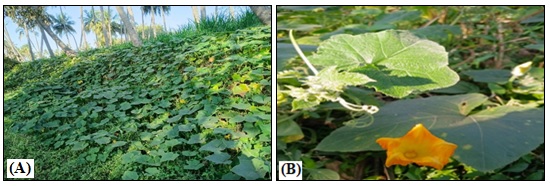
FIG. 1: FIELD PHOTOGRAPHS OF CUCURBITA PEPO L. (A) Close-up view of the lobed, cordate leaf lamina, rough pubescent leaf surface, coiled multifid tendril, and a solitary large showy yellow-orange flower, illustrating the macroscopic leaf and flower characters described above. (B) The trailing, prostrate vine growth habit of the plant forming a dense ground cover, illustrating the herbaceous climbing/trailing stem habit.
Taxonomic Classification: C. pepo is classified as follows:
| Rank | Taxon |
| Kingdom | Plantae |
| Clade | Tracheophytes, Angiosperms, Eudicots, Rosids |
| Order | Cucurbitales |
| Family | Cucurbitaceae |
| Genus | Cucurbita |
| Species | pepo |
Carl Linnaeus described the species in Species Plantarum (1753), and it is the type species of the genus Cucurbita 5, 9. C pepo is classified into three subspecies based on allozyme variation and seed morphology: subsppepo, subsp. texana, and subsp. fraterna. Subsp. pepo includes most cultivated forms, while subsp. texana and subsp. fraterna represent free-living/wild populations 9. Molecular, morphological, and archaeobotanical evidence suggests that C. pepo was domesticated multiple times in eastern North America and Mexico 9, 10.
Synonyms: Synonyms for C. pepo include Cucurbita melopepo L., Cucurbita ovifera L., Cucurbita aurantia Willd., Cucurbita verrucosa L., Cucumis pepo (L.) Dumort., and Citrullus variegatus Schrad. ex M. Roem., reflecting the historical taxonomic splitting of what is now recognized as a single, highly polymorphic species 5, 8.
Vernacular Names: In English, C. pepo is known as pumpkin, summer squash, marrow, vegetable marrow, zucchini, or courgette, depending on cultivar group and regional use 5. In South Asia, it is commonly referred to as "Kadoo" or "Kaddu" in Urdu, Saraiki, and Hindi 11, 12 and carries distinct names across the major regional languages of India, including Pucani (Tamil), Kumbalakaayi (Kannada), Kumpalam (Malayalam), Kashiphal (Marathi), Kumra (Assamese), Gummadi (Telugu), and Kumara (Bengali) 12.
Regional and vernacular names vary widely across its extensive area of cultivation.
Traditional/Ethnomedicinal Use: C. pepo fruit pulp, seeds, seed oil, flowers, and leaves are used in traditional medicine systems in Africa and Asia to treat fever, whooping cough, urinary problems, scurvy, benign prostatic hyperplasia, rheumatism, hemorrhoids, threatened miscarriage, prostate cancer, constipation, and impaired vision, among other conditions 11. The seeds have a long-standing reputation as a natural anthelmintic, being used to remove intestinal worms in numerous folk medicine traditions 1. Leaf extracts have been shown to have antibacterial activity against various Gram-negative pathogens including Providencia stuartii, Pseudomonas aeruginosa, Klebsiella pneumoniae, Escherichia coli, Enterobacter aerogenes, and Enterobacter cloacae. This lends scientific support to traditional applications. Several taxa in the Cucurbitaceae family, including Cucurbita, have been used in ethnoveterinary therapy to treat livestock ailments, highlighting the plant's dual significance in both human and animal traditional healthcare systems 13.
Pharmacognostical Characters: The stem of C. pepo is striate, fleshy, angular, and sparsely pubescent. It has prominent capitate glandular hairs, simple non-glandular bristles, and axillary tendrils 14. Overall, the stem is rugged and bristly, with lateral branches 6-24 cm long that root freely at the nodes 2. The leaf is a large (up to 20-30 cm across), broadly triangular to ovate-cordate lamina with a cordate base, an irregularly 3-5-lobed, dentate margin, an acute apex, and a rough-textured surface on both faces owing to the dense covering of trichomes. It is dull to dark green, odourless, and mildly mucilaginous on crushing, with a stout, fleshy, setose petiole 5, 14. The seed is flattened-ovate to elliptical, 8-20 mm long, dirty-white to cream in color, with a smooth to finely striate testa, a noticeably bordered/marginate edge, and a faintly oily odour and bland-to-mildly-nutty taste when chewed, consistent with its high fixed-oil content 5, 15.
Microscopic Characteristics: Comparative morphoanatomic and histochemical examinations of C. pepo specimens have revealed that the root, stem, and leaf all have diagnostic anatomical traits relevant for pharmacognostic identification and quality control. Some cultivars (e.g., zucchini-type) have calcium-oxalate-type crystal deposits in the root, while transverse sections of the stem reveal a sclerenchymatic pericycle and prominent schizogenous secretory (lactiferous/resin) ducts running through both the stem and leaf tissue in pumpkin-type specimens 16. In Cucurbitaceae, vascular bundles in the stem are bicollateral, with phloem strands on both the outer and inner faces of the xylem, a defining anatomical signature of the family 6, 16. The distribution of stored metabolites differs between cultivar types, with starch grains in zucchini-type tissue and triterpene- and steroid-rich secretory content in pumpkin-type tissue. This suggests that histochemical profiling can help distinguish C. pepo cultivar groups at the microscopic level 16.
At the epidermal level, glandular and non-glandular trichomes are widespread on the leaf, stem, and petiole surfaces; light, conventional, and environmental scanning electron microscopy of C. pepo subsp. pepo var. styriaca has at least four structurally and histochemically distinct trichome types three capitate glandular forms differing in stalk length, head size, and secretory content, and one non-glandular "columnar-digit" bristle type arising from an epidermal initial cell via an initial periclinal division 17. In wild-type/hulled seeds, the seed coat (testa) is anatomically five-layered, comprising an outer epidermis, a subcutaneous (hypodermal) layer, a sclerenchymatous (stone-cell) layer, a parenchymatous layer, and an inner layer, with the upper four layers bearing cellulose or lignin-thickened secondary walls that confer mechanical hardness to the hull; in the naturally occurring hull-less (thin-coated) mutant phenotype, these outer four layers fail to lignify and collapse.
Powder Microscopy: A diagnostic powdered-drug profile of C. pepo, built from its component macro- and microscopic morphological characteristics, should show: The leaf, stem, and petiole epidermis is characterized by thick-walled, unicellular to multicellular non-glandular bristle trichomes, as well as capitate glandular trichomes with unicellular stalks and globular secretory heads 17. Surface view of epidermal fragments reveals sinuous anticlinal walls.
The plant contains angular, thick-walled sclerenchymatous "stone cells" from the seed testa, ridged stem groups of collenchyma and sclerenchymatous pericyclic fibers, oil globules and aleurone-type protein grains from the fixed-oil- and protein-rich seed cotyledon/endosperm tissue, and occasional prismatic or druse-type calcium oxalate crystals in root-derived material. A fully validated, pharmacopoeial-grade quantitative powder-microscopy and physicochemical standardization profile of C. pepo including parameters such as stomatal number/index, vein-islet and veinlet-termination number, palisade ratio, and ash/extractive values determined specifically for this species by standard pharmacognostic protocols has not been comprehensively established in the peer-reviewed literature surveyed for this review, and represents a clear gap that original experimental pharmacognostic evaluation (such as that undertaken in the present project) is well positioned to address.
Chemical Constituents: C. pepo contains a chemically and structurally diversified phytoconstituent profile that includes fixed oils, triterpenoids, phytosterols, phenolics, lignans, fatty acids (linoleic, oleic, palmitic acid), amino acid cucurbitin, the flavonols quercetin and kaempferol, chlorogenic acid, γ-tocopherol, and squalene and a unique set of nitrogenous chemicals. The seeds are the most thoroughly studied plant portion, owing to their well-established usage in traditional and approved herbal medicine for lower urinary tract and prostatic symptoms. However, the fruit pulp, leaves, and flowers each have their own distinctive constituents 18.
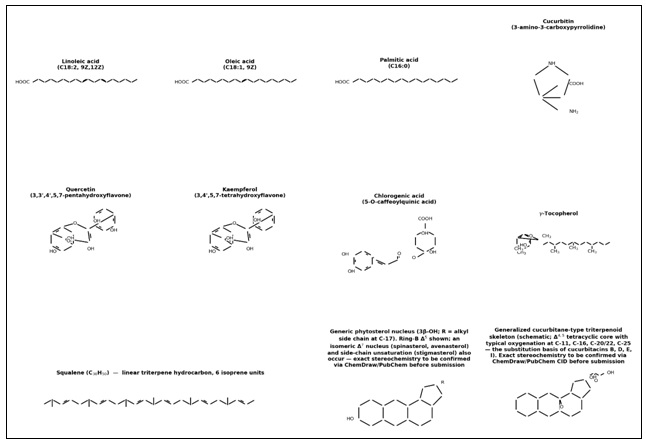
FIG. 2: CHEMICAL STRUCURES OF SOME MAJOR PHYTOCONSTITUENTS ISOLATED FROM C. PEPO
Fixed Oil and Fatty Acids: When cold-pressed or solvent extracted, the seed kernel generates 40-50% w/w fixed (fatty) oil, making it the plant's single greatest phytochemical portion by mass. This oil is dominated by polyunsaturated omega-6 fatty acid linoleic acid (about 45-51% of total fatty acids), with significant monounsaturated oleic acid (~22-38%), and minor saturated fractions of palmitic acid (~10-13%) and stearic acid (~5-8%) 18, 19. The oil's high polyunsaturated-to-saturated fatty acid ratio is considered nutritionally beneficial and is hypothesized to impact its antioxidant and membrane-modulatory pharmacological effects.
Tocopherols, Carotenoids, and Squalene: The unsaponifiable fraction of seed oil contains the majority of plant’s lipophilic micronutrient and antioxidant content. Carotenoid pigments, such as β-carotene, lutein and zeaxanthin, are found in both seed oil and the orange-fleshed fruit pulp of pumpkin-type cultivars. These pigments contribute pro-vitamin-A and antioxidant activity 18, 20. Tocopherols, primarily γ-tocopherol, with lesser amounts of α-tocopherol, contribute to the oil's vitamin E antioxidant activity 18, 19. The seed oil contains squalene, a linear C₃₀ triterpene hydrocarbon and biosynthetic precursor of the sterol pathway, with quantities ranging from around 583 to 747 mg per 100 g of seeds 1. Squalene has established antioxidant and chemoprotective properties independent of its role as a phytosterol precursor.
Phytosterols: The phytosterol (unsaponifiable sterol) portion of C. pepo seed oil has specific chemotaxonomic and pharmacological properties. C. pepo seed oil is primarily composed of Δ7-sterols, accounting for 91-94% of total phytosterol content 23. In contrast, most vegetable oils contain Δ5-sterols (e.g., β-sitosterol, stigmasterol, and campesterol). The principal Δ7-sterols are Δ7,22,25-stigmastatrienol (the most abundant single sterol in most cultivars), spinasterol (stigmasta-7,22-dien-3β-ol; 18-23 g/100 g of total sterol, and together with β-sitosterol accounting for 41-54 g/100 g), Δ7-avenasterol (stigmasta-7,24(28)-dien-3β-ol), Δ7-stigmastenol, and Δ7,25-stigmastadienol, alongside smaller quantities of the corresponding Δ5-sterols and their 24-ethyl-Δ7-steryl glucoside conjugates 18, 23. Regulatory herbal medicine assessments, such as the European Medicines Agency's HMPC (Committee of Herbal Medicinal Products) monograph on Cucurbita pepo semen, attribute the seed's traditional use for benign prostatic hyperplasia and other lower urinary tract symptoms to its unusual Δ7-sterol dominance. This sterol is thought to interfere with androgen-receptor signaling and 5α-reductase activity in prostatic tissue.
Cucurbitacins and Other Triterpenoids: Beyond the sterol fraction, C. pepo, like other Cucurbitaceae, produces a variety of highly oxygenated tetracyclic triterpenoids of the cucurbitane type known as cucurbitacins. Cucurbitacins B, D, E, and I, as well as cucurbitane glycosides L and K 2-O-β-D-glucopyranoside, and related multiflorane-type derivatives 7-epizucchini factor A and 24-dihydrocucurbitacin D 18, 42 have been reported. Cucurbitacins have a 19-(10→9β)-abeo-10α-lanost-5-ene tetracyclic skeleton with Δ4,5 (or Δ5) unsaturation and oxygenation sites at C-11 (ketone), C-16 and C-20 (hydroxyl), C-22 (ketone), and C-25 (hydroxyl or acyloxy). Cucurbitacins are derived from the same 2,3-oxidosqualene cyclization pathway as phytosterols, diverging at the cyclization step to form cucurbitadienol rather than the lanosterol/ cycloartenol precursors of conventional phytosterols, with subsequent oxidation carried out by a cluster of cytochrome-P450 and acyltransferase genes that in cultivated C. pepo is organized across two chromosomal loci a bitter-tasting biosynthetic pathway that is understood to function primarily as a chemical anti-herbivore defense in wild and feral Cucurbita populations.
Flavonoids, Phenolic Acids, And Phenolic Glycosides: C. pepo leaves and seeds contain a variety of flavonoid O-glycosides, such as isoquercitrin (quercetin 3-O-glucoside), astragalin (kaempferol 3-O-glucoside), rutin, nicotiflorin, narcissin, and isorhamnetin 3-O-glucoside, as well as free aglycones quercetin and kaempferol 18. These flavonols have the same C6-C3-C6 flavone skeleton but differ in the degree of B-ring hydroxylation (quercetin has a catechol-type 3′,4′-dihydroxy B-ring whereas kaempferol has a single 4′-hydroxy substitution), a structural difference that is known to influence relative antioxidant potency more broadly. The fruit and seed contain phenolic acids, including chlorogenic acid (5-O-caffeoylquinic acid) and free caffeic acid, as well as cucurbitosides (A-M), which are unique to the seed 18.
Lignans: C. pepo seed extracts include the furofuran- and dibenzylbutane-type lignans secoisolariciresinol, lariciresinol, and pinoresinol. Cultivar-comparison studies show that these lignans are primarily found in the seed coat and hydrophilic seed fractions 69. As phytoestrogenic diphenolic chemicals, lignans of this class are of pharmacological interest for their hormone-modulatory and antioxidant activity, similar to their better-studied role in other lignan-rich seeds such as flaxseed.
Cucurbitin and other Nitrogenous Constituents: Cucurbitin (3-amino-3-carboxypyrrolidine; structure) is a taxonomically diagnostic non-protein amino acid that is consistently found in C. pepo seed extracts and has long been considered a marker compound underlying the traditional anthelmintic use of the seed, based on the theory that it paralyzes the musculature of intestinal cestodes and nematodes without the neurotoxicity of some synthetic anthelmintics. A variety of other nitrogenous small molecules, such as the alkaloid trigonelline, nicotinic acid, the inhibitory neurotransmitter γ-aminobutyric acid (GABA), p-aminobenzoic acid, the essential amino acid L-tryptophan, and the purine nucleosides adenosine and guanosine are present in the seed along with cucurbitin 1, 69.
Polysaccharides, Proteins and Lectins: The seed also offers a significant supply of minerals, storage protein, and water-soluble, non-starch polysaccharides, some of which have been studied separately for their immunomodulatory and hypoglycemic bioactivity. Cucurbitaceae phloem exudate lectins (CPELs), carbohydrate-binding proteins isolated from C. pepo's phloem sap that show clear antimicrobial and anticancer activity in preliminary studies, are of emerging interest. These findings extend the species' pharmacological relevance beyond its more thoroughly studied small molecule constituents 21. Taken together, these constituents summarized by chemical class in Table 1, provide the phytochemical basis for the broad pharmacological spectrum of C. pepo discussed in the sections that follow.
TABLE 1: MAJOR CHEMICAL CONSTITUENTS REPORTED FROM CUCURBITA PEPO
| Chemical Constituent(s) | Chemical Class | Principal Plant Part |
| Linoleic acid, oleic acid, palmitic acid, stearic acid | Fatty acids | Seed (fixed oil) |
| γ-Tocopherol, α-tocopherol | Tocopherols | Seed oil |
| β-Carotene, lutein, zeaxanthin | Carotenoids | Seed oil, fruit pulp |
| Spinasterol, avenasterol (Δ7-sterols); sitosterol, stigmasterol, campesterol (Δ5-sterols); clerosterol, isofucosterol, codisterol | Phytosterols | Seed oil |
| Squalene | Triterpene hydrocarbon | Seed oil |
| Cucurbitacin B, D, E, I; cucurbitacin L/K 2-O-β-D-glucopyranoside; 7-epizucchini factor A; 24-dihydrocucurbitacin D | Cucurbitane/multiflorane triterpenoids (cucurbitacin) | Fruit, seed |
| Isoquercitrin, astragalin, rutin, nicotiflorin, narcissin, isorhamnetin 3-O-glucoside, quercetin, kaempferol | Flavonoids | Leaf, seed |
| Chlorogenic acid, caffeic acid | Phenolic acids | Fruit, seed |
| Cucurbitosides A–M | Phenolic glycosides | Seed |
| Secoisolariciresinol, lariciresinol, pinoresinol | Lignans | Seed (coat) |
| Cucurbitin (3-amino-3-carboxypyrrolidine) | Non-protein amino acid | Seed |
| Trigonelline, nicotinic acid, GABA, p-aminobenzoic acid, L-tryptophan, adenosine, guanosine | Nitrogenous compounds/nucleosides | Seed |
| Water-soluble polysaccharides, storage proteins | Polysaccharides/proteins | Seed |
| Cucurbitaceae phloem exudate lectins (CPELs) | Lectins (proteins) | Phloem sap |
Nutritional Profile: In addition to its secondary-metabolite phytochemical properties, C. pepo holds nutritional value on its own, and its role as a food crop supports its long-standing use in traditional medicine as a dietary supplement. The fruit pulp (flesh) and seeds exhibit significant differences in their basic nutritional components, highlighting their distinct functions as a low-calorie, water-laden vegetable and a high-calorie source rich in oil and protein, respectively.
Fruit Pulp: Raw pumpkin flesh is typically low in calories and fat, with a high water content, aligning with its role as a low-calorie vegetable in diets. According to USDA compositional data for raw pumpkin fruit (see Table 2), it contains roughly 92 g of water, 26 kcal of energy, 6.5 g of carbohydrates (of which 2.8 g are sugars), 0.5 g of dietary fiber, 0.1 g of fat, and 1 g of protein per 100 g. The pulp is particularly rich in provitamin-A carotenoids, predominantly β-carotene, along with lutein and zeaxanthin, which significantly contribute to its antioxidant and provitamin-A benefits, in addition to moderate amounts of vitamin C, various B vitamins, and potassium. Independent evaluations of pumpkin pulp from different regional varieties show generally similar yet more varied results such as total ash ranging from 3.5% to 16.0%, crude fiber from 1.2% to 14.6%, crude protein from 1.7% to 34.1%, crude fat from 0.8% to 40.0%, and carbohydrates from 2.8% to 72.7%.
These wide variations are attributed to factors like cultivar, ripeness, growing conditions, and whether the pulp is analyzed fresh or dried, highlighting the necessity for standardized reporting when assessing pumpkin pulp as a nutraceutical ingredient. Additionally, the pulp contains notable levels of anti-nutritional components phytates, oxalates, and tannins usually found at nutritionally insignificant levels but important to consider in any standardization or safety evaluation.
Seeds: The seed serves as a nutrient-rich component of the plant, being high in calories and rich in proteins and oils, which aligns with its function as a nutrient reserve for the embryo and its prevalent application in phytopharmaceutical products. Numerous regional studies indicate that dried C. pepo seeds typically contain about 27–43% crude fat (oil), 17–35% crude protein, 1–16% crude fiber, 3–6% ash, and low moisture levels (1–9%). The energy content is around 560–565 kcal per 100 g, highlighting the significant oil and protein levels.
Mineral analyses consistently show that potassium and phosphorus are the predominant minerals, along with notable amounts of magnesium, calcium, iron, and zinc, as well as trace quantities of manganese, sodium, and copper. This pattern has been reported reliably across various independent studies from different cultivation areas. The combination of high-quality proteins, unsaturated fats, essential dietary minerals (especially magnesium and zinc), and the aforementioned phytochemicals has led to a growing acknowledgment of pumpkin seeds as a functional food and valuable nutraceutical ingredient, in addition to their established use as a standardized herbal extract for urological applications.
TABLE 2: NUTRITIONAL COMPOSITION OF RAW CUCURBITA PEPO FRUIT PULP (PER 100 G EDIBLE PORTION)
| Component | Amount | Component | Amount |
| Water | 91.6 g | Vitamin B6 | 0.061 mg |
| Energy | 26 kcal (109 kJ) | Folate (B9) | 16 µg |
| Carbohydrate | 6.5 g | Vitamin C | 9 mg |
| Sugars | 2.76 g | Vitamin E | 0.44 mg |
| Dietary fibre | 0.5 g | Vitamin K | 1.1 µg |
| Fat | 0.1 g | Calcium | 21 mg |
| Protein | 1 g | Iron | 0.8 mg |
| Vitamin A equivalent (β-carotene, lutein/zeaxanthin) | 426 µg (3100 µg β-carotene; 1500 µg lutein/zeaxanthin) | Magnesium | 12 mg |
| Thiamine (B1) | 0.05 mg | Manganese | 0.125 mg |
| Riboflavin (B2) | 0.11 mg | Phosphorus | 44 mg |
| Niacin (B3) | 0.6 mg | Potassium | 340 mg |
| Pantothenic acid (B5) | 0.298 mg | Zinc | 0.32 mg |
Source: USDA National Nutrient Database, as compiled for raw pumpkin 20.
TABLE 3: REPRESENTATIVE PROXIMATE AND MINERAL COMPOSITION OF CUCURBITA PEPO SEEDS (DRIED, PER 100 G)
| Proximate Parameter | Representative Range | Mineral | Representative Range (mg/100 g) |
| Moisture | 1–9% | Potassium | 200–1290 |
| Crude protein | 17–35% | Phosphorus | 100–1040 |
| Crude fat/oil | 27–43% | Magnesium | 34–693 |
| Crude fibre | 1–16% | Calcium | 14–141 |
| Total ash | 3–6% | Iron | 1.2–88 |
| Available carbohydrate | 1–28% | Zinc | 1.2–11.5 |
| Energy value | ~560–565 kcal/100 g | Manganese, sodium, copper | Minor/trace amounts |
Compiled from independent regional proximate studies 22, 25; wide ranges reflect differences in cultivar, growing region, hulled vs. hull-less seed type, and analytical protocol, and are not directly comparable without reference to the specific study conditions.
Toxicity and Safety Analysis:
Preclinical Acute Oral Toxicity: Acute oral toxicity studies of C. pepo seed extracts consistently indicate a wide margin of safety. Using Lorke's up-and-down method in female Wistar rats, n-hexane, dichloromethane, and 70% aqueous ethanol extracts of C. pepo seed each produced no mortality, morbidity, or overt signs of toxicity at oral doses up to 5000 mg/kg, the highest dose tested, indicating an LD₅₀ in excess of this value for all three extract types regardless of polarity 63.
This favourable acute toxicity profile is broadly consistent with sub-acute toxicity data reported for Charmagaz seed oil, a traditional Cucurbitaceae seed blend that includes pumpkin alongside cucumber, watermelon, and muskmelon seed, which likewise showed no evidence of toxicity at doses up to 5000 mg/kg over 28 days and an in-vitro cell viability inhibition rate below 50%, although this finding should be interpreted cautiously as it reflects a multi-seed blend rather than C. pepo in isolation 61.
Reproductive and Developmental Safety: Reproductive toxicity findings are encouraging and suggest an organ-protective profile rather than a damaging one in several ways. When given daily for 21 days to female Wistar rats, n-hexane, dichloromethane, and aqueous ethanol extracts of C. pepo seed at doses derived from the EMA/HMPC-recommended human dose range (equivalent to 143–429 mg/kg) did not significantly affect any reproductive outcome measure, including fetal weight, fetal crown-rump length, litter size, or the number of implantation and resorption sites, and the pups did not exhibit any gross pathology 63.
Instead, ethanolic C. pepo seed extract has been demonstrated to be protective against reproductive toxicity caused by other agents in male rats, reducing the impairment of sperm characteristics, biochemical parameters, and epididymal histology caused by cyclophosphamide 64 and similarly shielding testicular tissue from damage caused by Azadirachta indica (neem) extract 65. In line with this, seed extract pretreatment also protected against acute uranyl-acetate-induced testicular oxidative damage in the antioxidant study previously discussed in this review.
Clinical Safety and Regulatory Evaluation: The Committee on Herbal Medicinal Products (HMPC) of the European Medicines Agency conducted a formal safety and efficacy assessment of C. pepo semen (pumpkin seed), which supports its use for the relief of lower urinary tract symptoms associated with BPH(Benign Prostatic Hyperplasia) or overactive bladder after serious underlying conditions have been ruled out and recommends a traditional-use adult oral dose in the range of 10–30 g of seed per day 62. An established and seemingly stable safety record for standardized seed preparations led to the conclusion that no revision of the current monograph was necessary, according to a subsequent HMPC addendum that reviewed newly available literature and found no new pharmacovigilance alerts pertaining to the use of Cucurbita seeds 28. In contrast to the comparator Tamsulosin, which caused dizziness, headache, retrograde ejaculation, and skin reactions in a minority of patients, pumpkin seed oil did not cause any drug-related side effects over a three-month period. This is supported by the clinical trial evidence discussed under Pharmacological Activities above. Additionally, the 24-month noninterventional study found sustained symptom improvement without impairment of sexual function. Clinical trials of C. pepo formulations have reported few adverse reactions overall, according to broader clinical safety reviews.
Allergenicity: Despite the widespread dietary consumption of C. pepo fruit and seed, IgE-mediated hypersensitivity reactions have been documented, though they appear to be uncommon relative to the scale of consumption. Reported reactions to pumpkin seed range from oral allergy syndrome to, in rare case reports, anaphylaxis 66, 67 and IgE-mediated allergy specifically to zucchini-type fruit has also been reported, including oral allergy syndrome, nausea, diarrhoea, and pruritus 29.
A profiling pan allergen has been identified in C. pepo seed, and cross-reactivity has been demonstrated with melon seed, cashew nut, birch pollen, and other Cucurbitaceae fruits (watermelon, cucumber), consistent with a panallergen-mediated mechanism common to botanically related and pollen-associated food allergens 68.
Separately, contact urticaria and angioedema have been reported after handling of raw Cucurbita peel/rind during food preparation, again with an IgE-based mechanism demonstrated in at least one case, whereas the corresponding cooked product was tolerated without symptoms indicating that at least some of this contact-type reactivity is heat-labile 66.
Other Safety Considerations: A small number of additional, mechanistically distinct safety signals have been reported for Cucurbita preparations, none of which involve the plant's principal phytochemical or pharmacological actions discussed elsewhere in this review. Methaemoglobinaemia, attributable to the naturally occurring nitrate content of the vegetable rather than to any of its characteristic phytoconstituents, has been reported in infants given zucchini soup for constipation, underscoring that infant feeding of concentrated cucurbit purees warrants the same nitrate-related caution applied to other nitrate-accumulating vegetables 29. The seeds and leaves additionally contain measurable but generally low levels of anti-nutritional factors phytates, oxalates, tannins, and trace cyanogenic compounds as already noted under Nutritional Composition, which are considered nutritionally insignificant at normal dietary intakes but are worth monitoring in any standardized extract intended for pharmaceutical use 24, 29. Taken together, the acute, sub-acute, reproductive, clinical, and post-marketing pharmacovigilance evidence converge on a favourable overall safety profile for C. pepo seed preparations at traditional and studied therapeutic doses, with allergenicity in susceptible individuals and nitrate-related infant feeding caution representing the principal safety considerations meriting continued clinical vigilance.
Pharmacological Activities:
Effect on Benign Prostatic Hyperplasia (BPH) and Lower Urinary Tract Symptoms: This is the most clinically developed pharmacological application of C. pepo and the one with the strongest evidence from human trials. This maturity is reflected in a dedicated narrative review specifically addressing the plant's role in managing BPH-related lower urinary tract symptoms 32. A single-blind randomized clinical trial in men aged ≥50 years with BPH compared 360 mg of pumpkin seed oil taken twice daily against 0.4 mg of tamsulosin taken nightly over three months. The study assessed the International Prostate Symptom Score (IPSS), BPH-related quality of life, prostate-specific antigen, post-void residual volume, and maximum urine flow. Pumpkin seed oil significantly relieved BPH symptoms with no reported drug-related side effects, although it was less effective than tamsulosin. In contrast, the tamsulosin group experienced dizziness, headache, retrograde ejaculation, and skin reactions in a minority of patients 33.
A separate 24-month noninterventional study similarly reported sustained improvement in IPSS with a standardized C. pepo seed extract, without impairment of sexual function 26. A systematic review and meta-analysis of the clinical literature have been conducted specifically to quantify the pooled effectiveness of C. pepo preparations for BPH symptom relief, reflecting the relative maturity of this indication compared with the plant's other pharmacological uses 27. Mechanistically, pumpkin seed extract has been shown to inhibit the growth of both hyperplastic and cancerous prostate cell lines in vitro, independently of classical steroid hormone receptor pathways. This points to a receptor-independent antiproliferative action that may complement the Δ7-sterol/androgen-signaling mechanism proposed in the phytochemistry literature 35. This mechanism is directly supported at the preclinical level: pumpkin seed oil significantly inhibited testosterone-induced prostatic hyperplasia in Sprague-Dawley rats, reducing prostate weight and epithelial cell height relative to testosterone-only controls 30.
An In-vitro study of a standardized pumpkin-seed-derived Δ7-sterol, extract, and oil preparation demonstrated direct inhibition of both isoforms of 5α-reductase, along with binding to the androgen receptor, providing a specific molecular basis for the antiandrogenic, DHT-lowering effect proposed throughout the clinical and phytochemical literature 31. A more recent chemical and morphometric evaluation similarly found that dietary pumpkin seed significantly reduced prostate-specific antigen levels, ventral prostate weight, and improved testicular histology in a BPH rat model, particularly at higher seed concentrations, further corroborating the plant's efficacy in the mild-to-moderate stage of the condition 12.
Antidiabetic Activity: Both leaf and seed preparations of C. pepo have demonstrated antidiabetic activity through complementary in-vitro enzyme-inhibition and in-vivo mechanisms. An ethyl acetate leaf extract exhibited carbohydrate-digestive enzyme inhibitory activity with an IC₅₀ of 24.99 ± 0.07 µg/mL against α-amylase (compared with 19.45 ± 0.19 µg/mL for the standard drug acarbose) and an IC₅₀ of 22.29 ± 0.27 µg/mL against α-glucosidase (compared with 16.70 ± 0.99 µg/mL for acarbose), indicating a potency approaching that of a clinically used agent for both key carbohydrate-hydrolysing enzymes 38. In-vivo, the tocopherol-rich fraction of raw C. pepo seed extract improved glycaemic, insulinaemic, and lipid profiles and reduced lipid peroxidation in a poloxamer-407-induced type 2 diabetic rat model, with accompanying computational docking against protein-tyrosine phosphatase 1B (PTP-1B) and peroxisome proliferator-activated receptor targets used to support a plausible molecular mechanism for the observed in-vivo effects 36. These findings are consistent with the plant's long-standing traditional use as a hypoglycaemic remedy noted earlier in this review.
Antioxidant Activity: Free-radical scavenging activity has been demonstrated across leaf, fruit, and seed preparations of C. pepo using standard in-vitro assays. An ethyl acetate leaf extract showed DPPH radical scavenging with an IC₅₀ of 49.31 ± 0.21 µg/mL and ABTS radical scavenging with an IC₅₀ of 48.67 ± 0.27 µg/mL, correlating with a total phenolic content of 32.6 ± 0.17 mg gallic acid equivalents/g and total flavonoid content of 80.5 ± 0.02 mg rutin equivalents/g38. A separately reported ethanolic extract of the leaves and stems showed comparable DPPH scavenging (IC₅₀ 30 µg/mL relative to 8 µg/mL for ascorbic acid), with a total phenolic content of 17.49 mg gallic acid equivalents/g and total flavonoid content of 25.43 mg quercetin equivalents/g of dried plant material 13, while a survey of multiple solvent extracts of the leaves found the ethyl acetate fraction highest in flavonoid content and the n-butanol fraction highest in total phenolics, both displaying strong DPPH scavenging 34. Squash fruit pulp and seeds collected in Egypt likewise showed measurable DPPH scavenging (SC₅₀ of 643.09 µg/mL for fruit and 576.19 µg/mL for seed methanolic extracts) with a positive correlation observed between total phenolic/flavonoid content and antioxidant capacity in both plant parts 39, and microwave- and ultrasound-assisted aqueous extraction of the seeds has been explored as a green-chemistry approach to further optimize antioxidant yield and phenolic recovery 40. Fruit extracts prepared in chloroform, methanol, and other solvents were similarly evaluated for enzymatic and non-enzymatic antioxidant activity alongside anti-inflammatory testing, with phytochemical screening confirming the presence of flavonoids, tannins, triterpenoids, and saponin glycosides as likely contributors; the methanolic fruit extract additionally showed measurable levels of non-enzymatic antioxidants including ascorbate, reduced glutathione, tocopherol, carotenoids and lycopene 37. In-vivo, an ethanolic seed extract significantly reduced serum corticosterone, oxidative markers, and inflammatory cytokines while upregulating antioxidant enzyme levels in a chronic unpredictable mild stress rat model of depression, with corresponding protection against stress-induced adrenal histopathological changes and apoptosis 41 and a related study demonstrated that pumpkin seed extract pretreatment protected against acute uranyl-acetate-induced oxidative reproductive toxicity in male rats 43.
Anti-inflammatory Activity: Consistent with its antioxidant profile, C. pepo fruit and seed extracts have shown anti-inflammatory activity in both in-vitro and in-vivo models.
Preliminary phytochemical and antioxidant/anti-inflammatory assays on C. pepo fruit extracts were undertaken specifically to evaluate their potential as an alternative to conventional anti-inflammatory drugs, given the adverse-effect burden associated with long-term NSAID use; using standard in vitro surrogate models of inflammation, the methanolic fruit extract produced a dose-dependent stabilization of red blood cell membranes and a corresponding reduction in heat-induced haemolysis, protein denaturation, and proteinase activity at concentrations of 150 and 300 µg/mL, effects that are commonly used to model the membrane-stabilizing and anti-inflammatory potential of plant extracts in-vitro 37. In an excisional wound-healing model in depressed rats, both oral and topical administration of C. pepo fruit extract significantly reduced pro-inflammatory cytokine gene expression and depressive-like behaviour and produced complete wound re-epithelialization with reduced inflammatory cell infiltration and increased collagen deposition, with the combined oral-plus-topical treatment group showing the most pronounced effect 47. The chronic-stress adrenal study described above similarly documented a reduction in TNF-α and IL-6 alongside the antioxidant effects of seed extract treatment 41.
Hepatoprotective Activity: Contrary to the position taken in earlier drafts of this review, dedicated hepatoprotective studies specific to C. pepo are in fact available in the literature, in addition to the general attribution of hepatoprotection to the species in secondary review sources 1. A pumpkin seed protein isolate significantly normalized plasma liver enzyme activities in carbon-tetrachloride (CCl₄)-induced liver injury in protein-malnourished rats, supporting a specific hepatoprotective role for the seed's protein fraction independent of its lipid/phytosterol constituents 52.
A combined flax-and-pumpkin-seed mixture rich in omega-3/omega-6 fatty acids produced hypolipidaemic and hepatoprotective effects in hypercholesterolaemic rats 53 and pumpkin seed oil alone has separately been shown to exert antioxidant and hepatoprotective effects against CCl₄-intoxicated liver injury 54 and to ameliorate chronic-alcohol-induced hepatotoxicity and oxidative stress in albino rats 55, together indicating that both the protein and lipid/oil fractions of the seed independently contribute to hepatoprotective activity across at least two distinct hepatotoxin models (CCl₄ and chronic ethanol). Nonetheless, compared with the antidiabetic, antioxidant, and BPH indications, these hepatoprotective studies remain comparatively fewer in number and more heterogeneous in extract type and dosing, and continued dose-ranging investigation with standardized extracts ideally correlating biochemical (ALT/AST/ALP) and histopathological endpoints with the specific phytochemical fraction responsible would further strengthen this evidence base.
Anticancer/Cytotoxic Effect: Several C. pepo-derived fractions and isolated chemicals have been shown to have cytotoxic effect against a variety of cancer cell lines. While purine-containing cucurbitane triterpenoids, such as cucurbitacin B and related dihydrocucurbitacin derivatives, have been isolated and structurally characterized directly from C. pepo cv. dayangua seed material, 42 cucurbitaglycosides A and B, which were isolated from the ethanolic extract of air-dried C. pepo fruit, demonstrated weak but detectable in-vitro cytotoxicity against HeLa cervical carcinoma cells 1. Separately, a hydro-alcoholic extract of C. pepo leaves showed measurable cytotoxicity against HepG2 hepatocellular carcinoma (IC₅₀ 132.6 µg/mL) and CT26 colon carcinoma (IC₅₀ 167.2 µg/mL) cell lines, with markedly lower potency against normal CHO and fibroblast cell lines, indicating a degree of selective cytotoxicity toward malignant cells relative to normal tissue 44 In the context of applied nanotechnology, pumpkin seed oil-loaded chitosan nanoparticles demonstrated cytotoxic and apoptotic effects against SCC-25 tongue squamous cell carcinoma cells 46, silver nanoparticles biosynthesized using a hydroethanolic extract of C. pepo fruit induced dose-dependent apoptosis and reduced viability of MCF-7 breast cancer cells in-vitro 45, and copper oxide nanoparticles biosynthesized using pumpkin seed extract showed cytotoxic effects against additional cancer cell lines 49, illustrating the extract's utility as a green-synthesis platform for nanoparticle-enhanced anticancer delivery in addition to its direct phytochemical bioactivity.
Antimicrobial and Antifungal Action: C. pepo formulations have been shown to have antimicrobial action against a variety of Gram-positive and Gram-negative infections in seed, leaf, and oil extracts. The antioxidant, antimicrobial, and antifungal potential of C. pepo var. fastigata seed extracts has been assessed;50 the phytochemical profile of the seed, which is rich in against Pseudomonas aeruginosa, Staphylococcus aureus, and Escherichia coli, according to a thorough analysis of aqueous, methanolic, and chloroform seed extracts with maximum inhibition zones of 12.0 mm and 10.0 mm respectively against P. aeruginosa and minimum inhibitory concentrations of 18–24 mg/mL, while the aqueous extract showed no measurable activity against E. coli or S. aureus, indicating that antibacterial potency in this species is strongly solvent-polarity-dependent 57. In a dedicated evaluation of C. pepo seed oil against S. aureus, ethanolic extract produced clear dose-dependent inhibition zones ranging from 10.0 ± 0.36 mm at 10 mg/mL to 23.0 ± 0.91 mm at 100 mg/mL, with a minimum inhibitory concentration of 0.625 mg/mL 56, and a comparative study of extracted seed oils found C. pepo oil produced a larger zone of inhibition against S. aureus than Brassica nigra (black mustard) oil under identical Kirby-Bauer disc-diffusion conditions, with both oils showing comparable activity against E. coli 58.
Acetone extracts of C. pepo leaves have similarly shown inhibitory activity against E. coli, with immature leaves showing stronger antibacterial effect than ripe leaves in a comparative study alongside Lagenaria siceraria leaves 59, and a broader survey of seed extract antimicrobial efficacy using multiple solvent systems has been reported by the International Society for Horticultural Science 60.
Consistent with this body of evidence, the biosynthesized copper oxide nanoparticles described above additionally showed significant antibacterial activity against Bacillus subtilis, with an inhibition zone diameter of 2.8 cm at a concentration of 4 ppm, considerably enhancing the antibacterial potency of the extract when formulated as a nanoparticle system 49.
Anthelmintic Activity: The traditional use of C. pepo seed as an anthelmintic remedy has received experimental support from both in-vitro and in-vivo studies. Seed preparations have shown anthelmintic potential against the dwarf tapeworm Hymenolepis nana, reducing worm viability in a dose-dependent manner 48, while a combined in-vitro/in-vivo evaluation of pumpkin seed extract composition and anthelmintic activity found that an ethanolic extract significantly reduced faecal egg counts and adult worm burden in mice infected with the gastrointestinal nematode Heligmosomoides bakeri, with the greatest effect observed at the highest tested dose, supporting further development of pumpkin seed extract as a cost-effective, plant-derived alternative for gastrointestinal nematode control 51. These in-vivo anthelmintic findings are consistent with the proposed mechanism of the marker compound cucurbitin described in the Chemical Constituents section above.
Other Reported Activities: Beyond the major activities described above, C. pepo preparations have also been investigated for antidepressant-like and neuroendocrine-modulating effects in chronic-stress rodent models (see antioxidant/anti-inflammatory activity above) 41, for protection against acute reproductive oxidative toxicity 43, and for antiulcer activity, which is noted repeatedly alongside the other principal pharmacological activities in the general review literature on this species 1, though dedicated, dose-ranging primary studies specific to C. pepo for this particular indication were not identified in comparable depth to the BPH, antidiabetic, antioxidant, or hepatoprotective literature during this review.
CONCLUSION: In conclusion, Cucurbita pepo L. represents a significant intersection of culinary and medicinal value, with a robust pharmacognostical profile that underscores its therapeutic potential. Pharmacologically, the plant has demonstrated notable antidiabetic and antioxidant activity through enzyme inhibition and free-radical scavenging; hepatoprotective effects against CCl₄- and alcohol-induced liver injury; anticancer/cytotoxic activity across multiple cell lines, including via nanoparticle-based delivery; and broad-spectrum antimicrobial and anthelmintic effects consistent with its traditional use. Among these, its role in managing benign prostatic hyperplasia and related conditions remains the most clinically validated. Addressing the identified gaps in pharmacognostical standardization and expanding clinical research will be essential to harness its full capabilities as a reliable source of phytopharmaceuticals, thereby enhancing its role in contemporary healthcare.
ACKNOWLEDGEMENT: The authors are thankful to the Department of Pharmacognosy, College of Pharmacy, Madras Medical College, Chennai-600003, Tamil Nadu, India, for providing the necessary facilities and support to carry out this review work.
CONFLICT OF INTEREST: Nil
REFERENCES:
- Perez Gutierrez RM: Review of Cucurbita pepo (Pumpkin): its Phytochemistry and Pharmacology. Medicinal Chemistry 2016; 6: 012-021.
- Ratnam N, Vandana, Najibullah M and Ibrahim M: A Review on Cucurbita pepo. International Journal of Pharmacognosy and Phytochemical Research 2017; 9(9): 1190-1194.
- Gaur M, Goswami H, Sharma S, Tyagi R, Parki P and Sachdeva M: Zucchini (Cucurbita pepo L.): Phytochemistry, nutritional profile, pharmacological activities and therapeutic potential: A Comprehensive Review. International Journal of Pharmaceutical Chemistry and Analysis [Internet]. 2026 [cited 2026 Jul 20]; 13(1): 25-35 Available from: http://www.worldfloraonline.org/taxon/wfo-0000629123
- Royal Botanic Gardens, Kew. Plants of the World Online: Cucurbita pepo L. [Internet]. Richmond (UK): Royal Botanic Gardens, Kew;[cited 2026 Jul 18]. Available from: https://powo.science.kew.org/taxon/urn:lsid:ipni.org:names:292416-1
- Robinson RW and Decker-Walters DS: Cucurbits. Wallingford (UK): CAB International 1997.
- Andres TC and Tukey HB: Complexities in the infraspecific nomenclature of the Cucurbita pepo complex. Acta Horticulturae 1995; 413: 65-91.
- Decker-Walters DS, Wilkins-Ellert M, Chung SM and Staub JE: Isozymic characterization of wild populations of Cucurbita pepo. Journal of Ethnobiology 1993; 13: 55-72.
- Zhang C, Chen L, Wang X, Pan P, Tang Y and Hui P: Neuroprotective effect of Cucurbita pepo in lipopolysaccharide-induced toxicity in C57BL/6 mice. Pharmacognosy Magazine 2021; 17: 511-517.
- Gul A, Singh P and Dar R: A review on the ethnobotany, phytochemistry, pharmacology and nutritional composition of Cucurbita pepo L. The Phytopharmacology Journal 2017; 6(2): 83-91
- Decker DS: Origin(s), evolution, and systematics of Cucurbita pepo (Cucurbitaceae). Economic Botany 1988; 42(1): 4-15.
- Native Plant Trust: Go Botany [Internet]. Framingham (MA): Native Plant Trust; 2026 [cited 2026 Jul 18]. Available from: https://gobotany.nativeplanttrust.org/species/cucurbita/pepo/
- Mouafon IL: Effect of pumpkin seed (Cucurbita pepo L.) diets on benign prostatic hyperplasia (BPH): chemical and morphometric evaluation in rats. South African Journal of Botany 2026; 188: 381-460.
- Mondal S, Ghosh S, Moitra SK and Mondal A: Phytochemical screening of ethanolic extract of leaves and stems of Cucurbita pepo Linn. International Journal of Pharmaceutical Science Invention 2017; 6(11): 34-37.
- Silva HCC, dos Santos Magalhães C and Randau KP: Comparative morphoanatomic and histochemical characterization of Cucurbita pepo L. specimens. Flora 2024; 315: 152510.
- Kolb D and Stabentheiner E: Light, conventional and environmental scanning electron microscopy of the trichomes of Cucurbita pepo subsp. pepo var. styriaca and histochemistry of glandular secretory products. Annals of Botany 2004; 94(4): 515-526.
- Murovec J, Draslar K and Bohanec B: Detailed analysis of Cucurbita pepo seed coat types and structures with scanning electron microscopy. Botany 2012; 90(12): 1161-1169.
- Teppner H: Cucurbita pepo (Cucurbitaceae) — history, seed coat types, thin coated seeds and their genetics. Phyton 2000; 40: 1-42.
- Cucurbitaceae - an overview [Compilation of primary phytochemical sources on flavonoids, lignans, sterols, and cucurbitacins]. Journal of Agricultural and Food Chemistry 2026; 74(1).
- Almeida Robles AR, Dong L, Thorsen TH, Naoumenko O, Erban A and Kopka J: Metabolic engineering of cucurbitacins in Cucurbita pepo hairy roots. Frontiers in Plant Science 2022; 13: 1021907.
- U.S. Department of Agriculture, Agricultural Research Service. FoodData Central: Pumpkin, raw (FDC ID: 168448) [Internet]. 2019 Oct [cited 2026 Jul 19]. Available from: usda.gov
- Islam A, Hossain M, Khanam A, Asaduzzaman AKM, Kabir SR and Ozeki Y: Carbohydrate-binding properties and antimicrobial and anticancer potential of a new lectin from the phloem sap of Cucurbita pepo. Molecules 2024; 29(11): 2531.
- Winini C, Musengi A, Mudyiwa M, Nyambi C, Muredzi P and Malunga A: Proximate composition of pumpkin gourd (Cucurbita pepo) seeds from Zimbabwe. International Journal of Nutrition and Food Sciences 2014; 3(4): 287-291.
- Hrabovski N, Sinadinović-Fišer S, Nikolovski B, Sovilj M and Borota O: Phytosterols in pumpkin seed oil extracted by organic solvents and supercritical CO₂. European Journal of Lipid Science and Technology 2012; 114(9): 1204-1211.
- Eze JI: Proximate, mineral and anti-nutrient evaluation of pumpkin pulp (Cucurbita pepo). IOSR Journal of Applied Chemistry 2013; 4(5): 25-28.
- Okoronkwo C and Okoli E: Nutritional composition of some accessions of pumpkin (Cucurbita spp.) seeds from Abia State, Nigeria. The International Journal of Science &Technoledge 2021; 9(1): 94-99.
- Vahlensieck W, Rübben H, Bischoff-Ferrari HA, Paul B, Mathers MJ and Aigner A: Extract from Cucurbita pepo improves BPH symptoms without affecting sexual function: a 24-month noninterventional study. World Journal of Urology 2023; 41(6): 1769-1776.
- Ávila Cabreja JA, García Méndez Y and Rodríguez Sánchez R: Effectiveness of Cucurbita pepo in the prostatic hyperplasia treatment: systematic review and meta-analysis. MediSur [Internet]. 2021 [cited 2026 Jul 20]; 19(1): 157-164. Available from: sld.cu
- European Medicines Agency (EMA), Committee on Herbal Medicinal Products (HMPC). Addendum to assessment report on Cucurbita pepo L., semen [Internet]. Amsterdam (NL): European Medicines Agency; 2021 Nov 24 [cited 2026 Jul 20]. Report No.: EMA/HMPC/461245/2021. Available from: https://www.ema.europa.eu/en/documents/herbal-report/addendum-assessment-report-cucurbita-pepo-l-semen_en.pdf
- Drugs.com. Pumpkin — uses, benefits and dosage (clinical/professional monograph) [Internet]. Auckland (NZ): Drugs.com; 2024 [cited 2026 Jul 19]. Available from: https://www.drugs.com/npp/pumpkin.html
- Gossell-Williams M, Davis A and O'Connor N: Inhibition of testosterone-induced hyperplasia of the prostate of Sprague-Dawley rats by pumpkin seed oil. Journal of Medicinal Food 2006; 9(2): 284-286.
- Heim S, Seibt S, Stier H and Moré MI: Uromedic® pumpkin seed derived Δ7-sterols, extract and oil inhibit 5α-reductases and bind to androgen receptor in-vitro. Pharmacology & Pharmacy 2018; 9(6): 193-206.
- Damiano R, Cai T, Fornara P, Franzese CA and Leonardi R: The role of Cucurbita pepo in the management of patients affected by lower urinary tract symptoms due to benign prostatic hyperplasia: a narrative review. Archivio Italianodi Urologiae Andrologia 2016; 88(2): 136-143.
- Zerafatjou N, Amirzargar M, Biglarkhani M, Shobeirian F and Zoghi G: Pumpkin seed oil (Cucurbita pepo) versus tamsulosin for benign prostatic hyperplasia symptom relief: a single-blind randomized clinical trial. BMC Urology 2021; 21: 148.
- Dar P, Farman M, Dar A, Khan Z, Munir R, Rasheed A and Waqas U: Evaluation of Antioxidant potential and comparative analysis of Antimicrobial activity of Various Extracts of Cucurbita pepo L. Leaves. Journal of Agricultural Science and Food Technology 2017; 3(6): 103-109.
- Medjakovic S, Hobiger S, Ardjomand-Woelkart K, Bucar F and Jungbauer A: Pumpkin seed extract: Cell growth inhibition of hyperplastic and cancer cells, independent of steroid hormone receptors. Fitoterapia 2016; 110: 150-156.
- Bharti SK, Kumar A, Sharma NK, Jaiswal SK and Kumar A: Tocopherol from seeds of Cucurbita pepo against diabetes: Validation by in-vivo experiments supported by computational docking. Journal of the Formosan Medical Association 2013; 112(11): 676-690.
- Fathima SN, Firdous SM, Pal S, Ghazzawy HS and Gouda MM: Assessment of in-vitro antioxidant and anti-inflammatory activities of pumpkin (Cucurbita pepo) natural plant. Natural Product Communications 2024; 19(5): 1934578X241257127. [1, 2]
- Chigurupati S, AlGobaisy YK, Alkhalifah B, Alhowail A, Bhatia S and Das S: Antioxidant and antidiabetic potentials of Cucurbita pepo leaves extract from the gulf region. Rasayan Journal of Chemistry 2021; 14(4): 2357-2362.
- Hashash MM, El-Sayed MM, Abdel-Hady AA, Hady HA and Morsi EA: Nutritional potential, mineral composition and antioxidant activity of squash (Cucurbita pepo L.) fruits grown in Egypt. European Journal of Biomedical and Pharmaceutical Sciences 2017; 4(3): 5-12.
- Macedo C, Silva AM, Ferreira AS, Moreira MM, Delerue-Matos C and Rodrigues F: Microwave- and ultrasound-assisted extraction of Cucurbita pepo seeds: a comparison study of antioxidant activity, phenolic profile, and in-vitro cell effects. Applied Sciences 2022; 12(3):1763.
- Almohaimeed HM, Hamed S, Seleem HS, Batawi AH, Mohammedsaleh ZM, Balgoon MJ, Ali SS, Al Jaouni S and Ayuob N: An ethanolic extract of Cucurbita pepo L. seeds modifies neuroendocrine disruption in chronic stressed rats and adrenal expression of inflammatory markers and HSP70. Frontiers in Pharmacology 2021; 12: 749766. [1, 2]
- Wu DC, Xiang H, Zhang YH, Wang HL, Ge WC and Li J: Purine-containing cucurbitane triterpenoids from Cucurbita pepo cv dayangua. Phytochemistry 2008; 69(6): 1434-1438
- Neamah GAK, Alkhfaji MAS and Shaheed HS: The antioxidant role of pumpkin (Cucurbita pepo) seed extract against acute reproductive toxicity by uranyl acetate in male rats. Journal of Advanced Veterinary and Animal Research 2023; 10(4): 647-653.
- Shokrzadeh M, Azadbakht M, Ahangar N, Hashemi A and Saeedi Saravi SS: Cytotoxicity of hydro-alcoholic extracts of Cucurbita pepo and Solanum nigrum on HepG2 and CT26 cancer cell lines. Pharmacognosy Magazine 2010; 6(23): 176-179.
- Ghorbani M, Ghorbani M and Chahardoli A: Biosynthesis of silver nanoparticles using hydroethanolic extract of Cucurbita pepo L. fruit and their anti-proliferative and apoptotic activity against breast cancer cell line (MCF-7). Multidisciplinary Cancer Investigation [Internet]. 2021 [cited 2026 Jul 20]; 5(3): 525-1.
- Abdulsalam MM, Fathy LM and Zayed SO: Investigation of the apoptotic effect of pumpkin seed oil (Cucurbita pepo L.) loaded chitosan nanoparticles on tongue squamous cell carcinoma cell line (SCC-25): in-vitro study. Advanced Dental Journal 2024 6(4): 721-734.
- Almohaimeed HM, Al-Zahrani MH, Almuhayawi MS, Algaidi SA, Batawi AH and Baz HA: Accelerating effect of Cucurbita pepo L. fruit extract on excisional wound healing in depressed rats is mediated through its anti-inflammatory and antioxidant effects. Nutrients 2022; 14(16): 3336.
- Alhawiti AO, Toulah FH, Wakid MH. Anthelmintic potential of Cucurbita pepo seeds on Hymenolepis nana. Acta Parasitologica 2019; 64(2): 276-282.
- Khan A: Synthesis of Cu₄O₃ nanoparticles using pumpkin seed extract: optimization, antimicrobial, and cytotoxicity studies. Nanotechnology Reviews 2025; 14(1): 20250203.
- Soni R and Bali M: Evaluation of antioxidant, antimicrobial, and antifungal potential of Cucurbita pepo var. fastigata seed extracts. Asian Journal of Pharmaceutical and Clinical Research 2019; 12(1): 319-322.
- Grzybek M, Kukula-Koch W, Strachecka A, Jaworska A, Phiri AM, Paleolog J and Tomczuk K: Evaluation of anthelmintic activity and composition of pumpkin (Cucurbita pepo L.) seed extracts in-vitro and in-vivo studies. International Journal of Molecular Sciences 2016; 17(9): 1456.
- Nkosi CZ, Opoku AR and Terblanche SE: Effect of pumpkin seed (Cucurbita pepo) protein isolate on the activity levels of certain plasma enzymes in CCl₄-induced liver injury in low-protein fed rats. Phytotherapy Research 2005; 19(4): 341-345.
- Makni M, Fetoui H, Gargouri NK, Garoui EM, Jaber H, Makni J, Boudawara T and Zeghal N: Hypolipidemic and hepatoprotective effects of flax and pumpkin seed mixture rich in omega-3 and omega-6 fatty acids in hypercholesterolemic rats. Food and Chemical Toxicology 2008; 46(12): 3714-3720.
- El-Meligy M, Farid A and Fararh K: Antioxidant and hepatoprotective effect of pumpkin seed oil in CCl4-intoxicated rats. Benha Veterinary Medical Journal 2019; 36(2): 77-89.
- AbouSeif HS: Ameliorative effect of pumpkin oil (Cucurbita pepo L.) against alcohol-induced hepatotoxicity and oxidative stress in albino rats. Toxicology Reports 2014; 1: 1076-1085.
- Sadiq MM and Yahya NZ: Evaluation of antibacterial activity of Cucurbita pepo L. seeds extract against Staphylococcus aureus in-vitro. Biochemical and Cellular Archives 2021; 21(1): 219-223.
- Nasir M, Seyoum A and Ataro Z: In-vitro antimicrobial activity of Cucurbita pepo on the selected bacterial pathogen and ethnobotanical knowledge of the community at Gara Muleta, Girawa, Eastern Ethiopia [Preprint]. Research Square 2024 [cited 2026 Jul 20]:.Availables from: https://www.researchgate.net/publication/378944557_In_vitro_Antimicrobial_Activity_of_Cucurbita_Pepo_on_the_Selected_Bacterial_Pathogen_and_Ethnobotanical_Knowledge_of_the_Community_at_Gara_Muleta_Girawa_Eastern_Ethiopia
- Obi RK, Nwanebu FC, Ndubuisi UU and Orji NM: Antibacterial qualities and phytochemical screening of the oils of Cucurbita pepo and Brassica nigra. Journal of Medicinal Plants Research 2009; 3(5): 429-432.
- Sultana T, Islam S, Rahman A and Jahurul A: Antimicrobial and antioxidant properties of the acetone extracts of the leaves of Lagenaria siceraria and Cucurbita pepo. Food Chemistry Advances 2023; 3: 100556.
- Singhal M: Antimicrobial efficacy of seed extracts of Cucurbita pepo. Acta Horticulturae 2007; (731): 375-378.
- Shuja AA: Evaluation of sub-acute toxicity and safety profile of charmagaz seed oil in rats. PLoS One 2025; 20(7): e0327697.
- European Medicines Agency (EMA), Committee on Herbal Medicinal Products (HMPC). Assessment report on Cucurbita pepo L., semen. EMA/HMPC/136022/2010. London (UK): European Medicines Agency 2012.
- Anyanwu CF, Georgewill OA and Obinna VC: Reproductive outcome in female wistar rats treated with n-hexane, dichloromethane and aqueous ethanol extracts of Cucurbita pepo seed [Preprint]. arXiv:2401.00476; 2023 [cited 2026 Jul 20]. Available from: https://arxiv.org/abs/2401.00476.
- Aghaei S, Nikzad H, Taghizadeh M, Tameh AA, Taherian A and Moravveji A: Protective effect of pumpkin seed extract on sperm characteristics, biochemical parameters and epididymal histology in adult male rats treated with cyclophosphamide. Andrologia 2014; 46(8): 927-935.
- Ofoego UC, Nwachukwu O, Ekwujuru EU, Mbagwu S, Nwakanma A and Nweke EO: Ethanolic seed extract of Cucurbita pepo (pumpkin) protects the testis from Azadirachta indica (neem) induced damage. Journal of Natural Sciences Research 2017; 7(24): 120-131.
- Chatain C, Dubois D and Pinet F: Medicinal bioactivities and allergenic properties of pumpkin. European Annals of Allergy and Clinical Immunology 2017; 49(6): 244-250.
- Valverde-Monge M, Bartolome B, Custa-Herranz J and De las Heras M: Allergy to pumpkin seeds [case report]. Journal of Allergy and Clinical Immunology 2017; 139(2): AB132.
- Thermo Fisher Scientific. f226 Pumpkin seed — Allergen Encyclopedia [Internet]. Waltham (MA): Thermo Fisher Scientific; 2020 [cited 2026 Jul 19]. Available from: https://www.thermofisher.com/phadia/us/en/resources/allergen-encyclopedia/f226.html
- Grasu AE, Senn R, Halbsguth C, Schenk A, Butterweck V and Miron A: Profiling hydrophilic Cucurbita pepo seed extracts: A study of European cultivar variability. Plants 2025; 14: 2308.
How to cite this article:
Monisha S, Kumudhaveni B, Sindhu AJ, Kiruthiga P, Yuvaranjani G and Hussain M: A comprehensive review on Cucurbita pepo L.: pharmacognostical characterization, phytochemistry, nutritional composition, toxicity profile and pharmacological activities. Int J Pharmacognosy 2026; 13(9): 897-13. doi link: http://dx.doi.org/10.13040/IJPSR.0975-8232.IJP.13(9).897-13.
This Journal licensed under a Creative Commons Attribution-Non-commercial-Share Alike 3.0 Unported License.
Article Information
1
898-913
824 KB
583
English
IJP
S. Monisha, B. Kumudhaveni *, A. J. Sindhu, P. Kiruthiga, G. Yuvaranjani and Mohamed Hussain
Department of Pharmacognosy, College of Pharmacy, Madras Medical College, Chennai, Tamil Nadu, India.
kumudhaveni@rediffmail.com
30 July 2026
24 August 2026
25 August 2026
10.13040/IJPSR.0975-8232.IJP.13(9).897-13
01 September 2026
 Download