


A COMPREHENSIVE REVIEW OF CYNODON DACTYLON: BOTANICAL CHARACTERISTICS, PHYTOCHEMISTRY, AND MEDICINAL SIGNIFICANCE
HTML Full TextA COMPREHENSIVE REVIEW OF CYNODON DACTYLON: BOTANICAL CHARACTERISTICS, PHYTOCHEMISTRY, AND MEDICINAL SIGNIFICANCE
Vikki *, Pankaj Kumar Shankhdhar, Pushpendra Kannojia, Suraj Giri Goswami and Rohit Kumar Bijauliya
BIU College of Pharmacy, Bareilly International University, Rohilkhand Medical College and Hospital Campus, Pilibhit Bypass road, Bareilly, Utter Pradesh, India.
ABSTRACT: Cynodon dactylon (L.) Pers., commonly known as Durva or Doob grass, is a widely distributed perennial grass belonging to the family Poaceae and holds significant importance in traditional medicine systems such as Ayurveda, Unani, Siddha, and Homoeopathy. This review compiles and analyzes its botanical characteristics, phytochemical composition, and pharmacological activities. The plant is rich in bioactive constituents including flavonoids, phenolics, alkaloids, glycosides, tannins, and essential minerals, which contribute to its diverse therapeutic potential. Extensive ethnomedicinal use includes treatment of bleeding disorders, diabetes, inflammation, infections, and urinary ailments. Scientific studies have validated its pharmacological properties such as antidiabetic, antimicrobial, anti-inflammatory, antioxidant, anti-ulcer, diuretic, analgesic, and hepatoprotective activities. Various experimental models have demonstrated its efficacy in regulating glucose metabolism, improving cardiovascular function, and promoting wound healing. The presence of multiple phytoconstituents supports its broad-spectrum biological activities. This review highlights the correlation between traditional knowledge and modern pharmacological findings, emphasizing the therapeutic importance of Cynodon dactylon as a promising source for drug development and herbal formulation research.
Keywords: Cynodon dactylon, Durva grass, Phytochemistry, Ethnomedicine, Pharmacological activities
INTRODUCTION: The World Health Organization estimates that around 80% of people worldwide rely on herbal remedies for their basic medical requirements. Worldwide, traditional and ethnomedical traditions employ about 35,000 plant species 1, 2, 3. Cynodon dactylon (L.) Pers., sometimes referred to as Durva, Bermuda grass, or Doob grass, is one of the many medicinal plants found in India and is widely used in traditional medical systems including Ayurveda, Unani, Siddha, Nepalese, and Chinese medicine.
Durva is a member of the Poaceae family and is made up of the dried complete plant 4, 5. This graceful, perennial creeping grass is widely distributed in India and many other tropical and subtropical areas of the world. Cynodon dactylon is distinguished by its vast network of rhizomes and stolons, which allow for quick vegetative proliferation and exceptional environmental adaptation 6, 7.
It is one of the most extensively distributed grass species in the world due to its hardiness, drought tolerance, and capacity to flourish in poor soils. Every portion of the plant has historically been used medicinally. Durva is prized in Ayurveda for its cooling, astringent, and haemostatic qualities. It is frequently used to treat wounds, skin conditions, urinary tract issues, and bleeding disorders 8.
Numerous bioactive components, including as flavonoids, alkaloids, glycosides, terpenoids, tannins, phenolic compounds, and vital minerals, have been identified by phytochemical studies 9-11. The many pharmacological effects of the plant are thought to be influenced by these chemicals. Cynodon dactylon has been shown in research to have antibacterial, antioxidant, anti-inflammatory, antidiabetic, hepatoprotective, wound-healing, and immunomodulatory properties 12–16. Many of its traditional applications are supported scientifically by these discoveries. Cynodon dactylon is still a major focus of phytochemical and pharmacological research aimed at creating strong plant-based medications because of its widespread availability, safety profile, and therapeutic promise.
Taxonomy: Cynodon dactylon belongs to the kingdom Plantae and is classified under the division Magnoliophyta. It is placed in the class Liliopsida and belongs to the order Poales. The plant is a member of the family Poaceae, which includes grasses and cereal plants. Its genus is Cynodon, and the scientific name of the species is Cynodon dactylon (L.) Pers 8.
Common Names: Cynodon dactylon is known by different common names in various languages and regions. In English, it is commonly called Bermuda grass or Bahama grass. In Hindi, it is known as Doob grass or Durva, while in Sanskrit it is referred to as Durva. The plant is called Arugampul in Tamil, Garika in Telugu, Karuka in Malayalam, and Garikehullu in Kannada 8.
Habitat and Geographical Distribution: Common habitats for Cynodon dactylon include wastelands, open grasslands, roadsides, agricultural fields, riverbanks, and lawns. The plant is extremely resilient to drought, salt, and mild floods, and it grows well in warm areas 17. Originally from Africa and Eurasia, it is now extensively found in North and South America, Europe, Australia, China, India, and Africa. The species is widespread throughout the world's tropical and subtropical climates. Although it can withstand extreme climatic circumstances because of its remarkable adaptability, it grows best in well-drained soils with sufficient sunshine 18.
Botanical Description: A perennial creeping grass, doob grass is found in many tropical and subtropical areas. It has a gritty, rather abrasive texture and a pale green colour. The plant's amazing flexibility and survival are attributed to its three primary structural components: roots, stems, and leaves. The creeping growth behaviour of Doob grass is its greatest distinguishing characteristic 14.
Through rhizomes (underground stems) and stolons (above-ground runners), it spreads quickly. The plant may create a dense, carpet-like mat over the ground by developing adventitious roots whenever a node on the creeping stem comes into contact with the soil. It is extremely tenacious and challenging to eliminate once established because it spreads effectively both on the surface and through its subterranean root system 20.
Root System:
- Extensive, deep, and fibrous root system.
- Enables the plant to survive harsh environmental conditions, especially drought.
- Roots can penetrate 120–150 cm (47–59 inches) into the soil.
- Most of the root biomass is concentrated within the upper 60 cm (24 inches) of soil.
- Efficiently absorbs moisture and nutrients, even from poor or dry soils.
Leaves:
- Gray-green in color.
- Short and narrow in shape.
- Typically 3–10 cm (1–4 inches) long.
- Slightly rough along the edges.
- Arranged alternately on the stems.
Stem:
- Slender and slightly flattened.
- Grows to a height of 0.1–0.4 m (0.3–1.3 feet).
- Supports the leaves and inflorescences.
Inflorescence:
- Produces small flower clusters.
- Flowers are often purplish in color.
- Adds a subtle ornamental appearance to the plant.
Organoleptic Characteristics:
- Odour: Odourless.
- Taste: Mildly sweet and mucilaginous.
Special Characteristics:
- Highly resilient and adaptable.
- Exhibits rapid growth and excellent regenerative capacity.
- One of the most successful and widely adapted grass species in the world 16, 21.
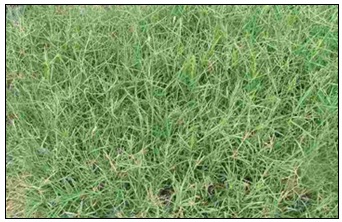
FIG. 1: CYNODON DACTYLON
Ethnomedicinal Uses: In traditional healing systems, Cynodon dactylon, also known as doob grass, is a common medicinal plant used to treat a wide range of illnesses, such as diarrhoea, bronchitis, anasarca, urinary stones, dropsy, haemorrhage, cough, headache, and numerous urogenital problems. Asthma, hypertension, epilepsy, tumours, and skin diseases including leucoderma and sores are also treated with it. The plant possesses significant analgesic, haemostatic, and anti-inflammatory qualities. The freshly extracted juice is frequently applied topically to wounds and cuts that are bleeding in order to halt the bleeding and encourage healing. It functions as a natural astringent.
- To successfully reduce bleeding in situations of nosebleeds (epistaxis), a paste produced from the plant is sometimes combined with honey and applied.
- To assist control heavy menstrual bleeding (menorrhagia), oral ingestion of Cynodon dactylon juice, frequently mixed with honey, is historically advised two to three times daily for a few days.
- It has long been thought that applying a plant paste or extract topically to the lower abdomen might lessen uterine haemorrhage and treat diseases of the reproductive system.
- The plant's diuretic and calming effects on the urinary system are demonstrated by the use of a decoction made from it, often combined with sugar, in traditional medicine to treat urinary retention and enhance urine flow.
- In Ayurvedic, Unani, and Homoeopathic systems, the plant is highly valued: Ayurveda describes it as an appetizer, antipyretic, anthelmintic, and blood purifier; Unani medicine attributes laxative, coolant, expectorant, carminative, and cardiotonic properties; while Homoeopathy uses it primarily for bleeding disorders and various skin conditions 22-24.
Phytochemistry: Doob grass, or Cynodon dactylon, has a substantial nutritional value in addition to a rich and diverse phytochemical profile. Its biochemical richness is indicated by the about 28.17% enzymes, 11.79% ash, and 10.47% proteins it contains. Essential minerals that support physiological and metabolic processes in living systems, including calcium (0.77%), phosphorus (0.58%), manganese (0.34%), sodium (0.23%), and potassium (2.08%), make up the ash portion. Its nutritional significance is demonstrated by the fact that, in dried grass form, it comprises around 36.16% carbs and 6.04% proteins per 400 grams 25, 26.
Several phenolic phytotoxins, such as ferulic acid, syringic acid, p-coumaric acid, vanillic acid, para-hydroxybenzoic acid, and ortho-hydroxy phenylacetic acid, have been found using phytochemical screening. These substances are well-known for their biological protective and antioxidant properties. The phytochemical composition of C. dactylon varies depending on the solvent extract: ethanolic extracts demonstrate the presence of alkaloids, flavonoids, and glycosides, whereas aqueous extracts mostly include flavonoids and glycosides.
The plant's nutritional and medicinal potential is further enhanced by bioactive substances including vitamin C, β-carotene, lipids, and palmitic acid. Glycerin (38.49%), 9,12-octadecadienoyl chloride (15.61%), hexadecanoic acid ethyl ester (9.50%), ethyl-D-glucopyranoside (8.42%), linoleic acid ethyl ester (5.32%), and phytol (4.89%) were among the other significant substances found in the leaves by GC-MS analysis. Together, these components add to Cynodon dactylon's extensive pharmacological potential 27-30.
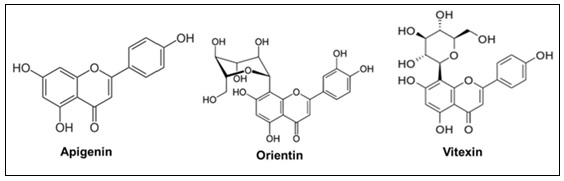
FIG. 2: CHEMICAL CONSTITUENTS OF C. DACTYLON 33
Pharmacological Properties of Cynodon dactylon: As previously stated, C. dactylon is a great source for its exceptional nutraceutical qualities. Numerous scientists and researchers have conducted analytical analyses and tests using the parts and extracts of C. dactylon on animals since animal sources are readily available, easy to maintain, acceptable, and highly adaptive to various conditions.
TABLE 1: PHARMACOLOGICAL ACTION OF CYNODON DACTYLON
| S. no. | Plant Extract / Part Used | Chemical Constituents | Mechanism of Action / Pharmacological Activity | References |
| 1 | Aqueous / ethanolic extract (whole plant, roots, stems) | Flavonoids, phenolics, alkaloids, tannins | Hypoglycaemic effect; improves insulin-like action, reduces glucose absorption and oxidative stress | [31–36] |
| 2 | Rhizome hydro-alcoholic extract | Saponins, glycosides | Enhances myocardial contractility, improves cardiac output, reduces congestion | [37–38] |
| 3 | Whole plant extract | Polyphenols, flavonoids | Anti-arrhythmic effect by stabilizing cardiac ion channels and reducing ischemia-reperfusion injury | [39–40] |
| 4 | Leaf extract (aqueous / alcoholic) | Flavonoids, terpenoids | Antimicrobial activity by disrupting microbial cell wall and inhibiting growth of pathogens | [41–43] |
| 5 | Ethanolic extract (aerial parts) | Tannins, flavonoids | Anti-ulcer effect via mucosal protection, reduced gastric acid secretion, enhanced mucus production | [44–45] |
| 6 | Aqueous extract (whole plant) | Minerals, flavonoids | Diuretic action by increasing electrolyte (Na⁺, K⁺, Cl⁻) excretion and urine volume | [46–47] |
| 7 | Ethanolic extract (aerial parts) | Alkaloids, flavonoids | CNS activity: anticonvulsant and sedative effects via modulation of neurotransmitters (catecholamines, amino acids) | [48–48] |
| 8 | Alcoholic / aqueous leaf extract | Flavonoids, tannins | Wound healing by increasing collagen synthesis, protein content, and antioxidant defense | [49–50] |
| 9 | Hydro-alcoholic extract (aerial parts) | Phenolics, flavonoids | Antioxidant activity through free radical scavenging (DPPH, ABTS, superoxide inhibition) | [51] |
| 10 | Aqueous-ethanolic extract | Saponins, phenolics | Anti-nephrolithiasis by reducing calcium oxalate crystallization and improving renal function | [52–53] |
| 11 | Ethanolic extract (whole plant) | Flavonoids, glycosides | Analgesic and anti-inflammatory effects by inhibition of prostaglandin synthesis and oxidative mediators | [44–56] |
| 12 | Aqueous extract | Alkaloids, flavonoids | Antipyretic activity via suppression of prostaglandin-mediated fever response | [57] |
| 13 | Methanolic extract | Tannins, flavonoids | Anti-diarrhoeal effect by reducing intestinal motility and fluid secretion | [58] |
| 14 | Plant extract (oral administration) | Bioactive polyphenols | Antiviral activity against viral replication and host cell attachment inhibition | [59, 60] |
CONCLUSION: Cynodon dactylon is a highly valuable medicinal plant with wide geographical distribution and strong ethnomedicinal relevance. The present review highlights its rich phytochemical profile, including flavonoids, phenolics, alkaloids, and glycosides, which are responsible for its diverse pharmacological activities. Scientific evidence supports its traditional uses in treating diabetes, inflammation, microbial infections, gastrointestinal disorders, and wound healing. Experimental studies further confirm its antioxidant, antidiabetic, anti-inflammatory, and cardioprotective potential. The correlation between traditional knowledge systems and modern pharmacological validation strengthens its therapeutic credibility. However, further clinical studies, toxicity profiling, and standardized extraction methods are required to fully establish its safety and efficacy in humans. Overall, Cynodon dactylon represents a promising natural resource for the development of novel herbal drugs and warrants continued scientific exploration for future pharmaceutical applications.
ACKNOWLEDGEMENT: I express my sincere gratitude to Dr. Pankaj Kumar Shankhdhar, Associate Professor and Dr. Pushpendra Kannojia, Principal, BIU College of Pharmacy, Bareilly International University, Bareilly, Uttar Pradesh, India, for their invaluable guidance, constant encouragement, constructive suggestions, and unwavering support throughout the completion of this work. Their expertise, motivation, and academic mentorship have been instrumental in shaping this study. I gratefully acknowledge the contribution of everyone who directly or indirectly supported me in the successful completion of this work.
CONFLICT OF INTEREST: Nil
REFERENCES:
- Parihar S & Sharma D: Cynodondactylon: A Review of Pharmacological Activities. Sch Acad J Pharm 2021; 11: 183-189.
- Singh S, Sanjeev K, Dwivedi KN & Pandey SK: Therapeutic Review on an Auspicious Grass: Durva (Cynodon dactylon Linn. Pers): From Kosha and Nighantus 2015.
- Sausruta Nighantu: Edited By Kashiraja Sharma and Narendra Nath Tiwari. 1st Ed, Nepal; Mahendra Sanskrit Vishvavidhalaya 2001.
- Vahata and Astanga Nighantu: Edited By P. V. Sharma. 1st Edition, Kuppuswamy Shastri Research Institute, Madras 1973.
- Sodhala Nighantu: Edited By Priya Vrit Sharma. 1st Ed, Oriental Institute, Baroda 1978.
- Goli Penchala Prashad. Abhidhan Aratnamala. Edited By Vaidya P. S Shastri. 1st Edition, Chaukhamba Sanskrit Series Office Varanasi 2009.
- Bijauliya RK, Kannojia P, Mishra P and Pathak GK: Isolation and Structure Elucidation of Quercetin like Structure from Dalbergia sissoo (Fabaceae), Journal of Drug Delivery and Therapeutics 2020; 10(3): 6-11 http://dx.doi.org/10.22270/jddt.v10i3-s.4131
- Nagori BP, Solanki RC and Dactylon L: Pers: A Valuable Medicinal Plant. Res J Med Plant 2011; 5: 508-14.
- The Ayurvedic Pharmacopoeia of India, Ministry of Health and Family Welfare, Department of Ayush. Gov of India 2001.
- Albert-Baskar A and Ignacimuthu S: Chemoprotective Activity of C. dactylon L. (Pers) Extract Against Dmh Induced Colon Carcinogenesis In Experimental Animals. J Exp Toxicol Pathol 2010; 62: 423-31.
- Nayer SL, Chopra IC. CSIR, New Delhi: Publication and Information Directorate. JGIMP 1999; 88.
- Garg VK and Paliwal SK: Antiinflammatory activity of aqueous extract of C. dactylon. IJP 2011; 7: 370-5.
- Dilipkumar P and Kousik P: Evaluation of anthelmintic activities of aerial parts of C. dactylon Pers. J Ancient Sci Life 2010; 30: 12-3.
- Sadki C and Atmani F: Acute diuretic activity of aqueous Erica multiflora flowers and C. dactylon rhizomes extracts in rats. J Ethnopharmacol 2010; 128: 352-6.
- Nayanatar A, Kaup SR, Bernhardt LK, Vasavi RG, Shetty SS and Pai SR: Antihyperlipidemic activity of Cynodon dactylon extract in high-cholesterol diet fed Wistar rats. J Genom Med Biom Health Sci 2011; 3: 98-102.
- Surendra V, Prakash T, Sharma UR, Goli D, Dayalal S and Kotresha F: Hepatoprotective activity of aerial plants of C. dactylon against CC14-induced hepatotoxicity in rats. J Pharmacogn Mag 2008; 4: 195-201.
- The Ayurvedic Pharmacopoeia of India, Ministry of Health and Family Welfare, Department of Ayush Gov of India 2001; 4: 33-35.
- Chen TM, Brown RH and Black CC: Photosynthetic activity of chloroplasts isolated from Bermuda grass (C. dactylon L.), A specie with high photosynthetic activity. J Plant Physiol 1969; 44: 649-54.
- Mangathayaru K, Umadevi M and Reddy CU: Evaluation of the Immunomodulatory and Dna Protective Activities of the Shoots of C. dactylon. J Ethnophar 2009; 123: 181-84.
- The Ayurvedic Pharmacopoeia of India, Ministry of Health and Family Welfare, Department of Ayush Gov of India 2001.
- Singh SK, Rai PK, Jaiswal D and Watal G: Evidence Based Critical Evaluation of C. dactylon. J Evid Based Complement Alternat Med 2008; 5: 415-20. Bijauliya RK, Alok S, Singh M and Mishra SB: A comprehensive review on cancer and anticancer herbal drugs. Int J Pharm Sci Res 2017; 8(7): 2740-61.doi: 10.13040/IJPSR.0975-8232.8(7).2740-61.
- Albert-baskar A and Ignacimuthu S: Chemoprotective activity of C. dactylon L. (Pers) extract against DMH induced colon carcinogenesis in experimental animals. J Exp Toxicol Pathol 2010; 62: 423-31.
- Mangathayaru K, Umadevi M and Reddy CU: Evaluation of the immunomodulatory and DNA protective activities of the shoots of C. dactylon. J Ethnopharmacol 2009; 123: 181-84.
- Sadki C and Atmani F: Acute diuretic activity of aqueous Erica multiflora flowers and C. dactylon rhizomes extracts in rats. J Ethnopharmacol 2010; 128: 352-6.
- Jananie R, Priya V and Vijayalakshmi K: Secondary metabolites of C. dactylon as an antagonist to Angiotensin II type 1 receptor: novel in-silico drug targeting approach for diabetic retinopathy. J Pharmacol Pharmacother 2012; 3: 20-5.
- Rajaretinam RK and Vincent SG: Cynodon dactylon and Sida acuta extracts impact on the function of the zebrafish embryos. J Biomed Res 2012; 26: 90-7
- Rai DK, Sharma RK, Rai Watal PK, G and Sharma B: Role of aqueous extract of Cynodon dactylon in prevention of carbofuran induced oxidative stress and acetylcholinesterase inhibition in rat brain. J Cell Mol Biol 2011; 57: 135-42
- Hameed AS, Balasubramanian G, Sarathi M, Venkatesan C and Thomas J: Oral administration of antiviral plant extract of Cynodon dactylon on large scale production against white spot syndrome virus (WSSV) in Penaeus monodon. J Aquaculture 2008; 279: 2-5.
- Garg VK and Khosa RL: Analgesic and anti-pyretic activity of aqueous extract of Cynodon dactylon. J Pharmacol 2008; 3: 12-8.
- Saradha DKM, Annapoorani S and Ashokkumar K: Hepatic antioxidative potential of ethyl acetate fraction of Cynodon dactylon in Balb/c mice. J Med Plant Res 2011; 5: 992-6.
- He WM, Alpert P, Yu FH, Zhang LL and Dong M: Reciprocal and coincident patchiness of multiple resources differentially affect benefits of clonal integration in two perennial plants. Journal of Ecology 2011; 99(5): 1202-10.
- Nafisi S, Nezhady MA and Asghari MH: Comparative and mixture effect of Cynodon dactylon, electromagnetic field and insulin on diabetic mouse. Balkan Medical Journal 2012; 29(4): 345.
- Jarald EE, Joshi SB and Jain DC: Antidiabetic activity of aqueous extract and non-polysaccharide fraction of Cynodon dactylon Pers. IJEB 2008; 46: 660-7.
- Rai PK, Jaiswal D, Rai DK, Sharma B and Watal G: Antioxidant potential of oral feeding of Cynodon dactylon extract on diabetes‐induced oxidative stress. Journal of Food Biochemistry 2010; 34(1): 78-92.
- Singh SK, Kesari AN, Gupta RK, Jaiswal D and Watal G: Assessment of antidiabeticpotential of Cynodon dactylon extract in streptozotocin diabetic rats. Journal of Ethnopharmacology 2007; 114(2): 174-9.
- Kumar AS, Gnananath K, Kiran D, Reddy AM and Ch R: Antidiabetic activity of ethanolic extract of Cynodon dactylon root stalks in streptozotocin induced diabetic rats. Int J Adv Pharm Res 2011; 2(8): 418-22.
- Bagewadi ZK, Siddanagouda RS and Baligar PG: Phytoconstituents investigation by LC-MS and evaluation of anti-microbial and anti-pyretic properties of Cynodon dactylon. International Journal of Pharmaceutical Sciences and Research 2014; 5(7): 2874.
- Garjani A, Afrooziyan A, Nazemiyeh H, Najafi M, Kharazmkia A and Maleki-Dizaji N: Protective effects of hydroalcoholic extract from rhizomes of Cynodon dactylon (L.) Pers. on compensated right heart failure in rats. BMC Complementary and Alternative Medicine 2009; 9(1): 1-9.
- Hugar L and Ramesh H: Evaluation of haemostatic effect of Cynodon dactylon persin albino rats. Journal of Evolution of Medical and Dental Sciences 2014; 3(11): 2711-4.
- Luca MC: Assessment of Endothelial Function and Approaches to Prevent Ischemia and Reperfusion-Induced Endothelial Dysfunction in Humans. University of Toronto Canada 2012.
- Najafi M, Ghavimi H, Gharakhani A and Garjani A: Effects of hydroalcoholic extract of Cynodon dactylon (L.) pers. on ischemia/reperfusion-induced arrhythmias. DARU Journal of Pharmaceutical Sciences 2015; 16(4): 233-8.
- Pranita K, Hemant SA and Koushlesh MK: Antibacterial evaluation of ethanolic extract of Cynodon dactylon (l.) Pers. Global Journal of Research on Medicinal Plants and Indigenous Medicine 2012; 1(6): 218.
- Ashokkumar K, Selvaraj K and Muthukrishnan SD: Cynodon dactylon (L.) Pers.: Anupdated review of its phytochemistry and pharmacology. Journal of Medicinal Plants Research 2013; 7(48): 3477-83.
- Chaudhari Y, Mody HR and Acharya VB: Antibacterial activity of Cynodon dactylonon different bacterial pathogens isolated from clinical samples. International Journal of Pharmaceutical Studies and Research 2011; 1: 16-20.
- Ramesh H: Preclinical evaluation of protective effect of Cynodon dactylon person experimentally induced gastric mucosal damage. Journal of Medical and Health Sciences 2013; 2(3): 89-93.
- Babu KS, Shaker IA, Kumaraswamy D, Saleembasha S and Sailaja I: Indigenous effect of Cynodon dactylon in experimental induced ulcers and gastric secretions. Int Res J Pharm 2012; 3(5): 301-4.
- Aruna D, Chakarvarthy K and Sarath BK: Diuretic efficacy of Cynodon dactylon on guinea pigs with comparison of medium efficacy. Int J Bioassay 2013; 2(3): 500-2.
- KP SG, Satish S and Mahesh CM: Study on the diuretic activity of Cynodon dactylon root stalk extract in albino rats. Evaluation 2009; 7: 11.
- Pal DK: Determination of brain biogenic amines in Cynodon dactylon Pers. and Cyperus rotundus L. treated mice. Int J Pharm Pharm Sci 2009; 1(1): 190-7.
- Pal D: Evaluation of CNS activities of aerial parts of Cynodon dactylon Pers. Inmice Acta Pol Pharm 2008; 65(1): 37-43.
- Dande PA and Khan AN: Evaluation of wound healing potential of Cynodon dactylon. Asian J Pharm Clin Res 2012; 5(3): 161-4.
- Saroja M, Santhi R and Annapoorani S: Wound healing activity of flavonoid fraction of Cynodon dactylon in Swiss albino mice. Int Res J of Pharma 2012; 3(2): 230-1.
- Jananie RK, Priya V and Vijayalakshmi K: In-vitro assessment of free radical scavenging activity of Cynodon dactylon. J Chem Pharm Res 2011; 3(4): 647-54.
- Albert-Baskar A and Ignacimuthu S: Chemopreventive effect of Cynodon dactylon (L.) Pers. extract against DMH-induced colon carcinogenesis in experimental animals. Experimental and Toxicologic Pathology 2010; 62(4): 423-31.
- Rad KA, Hajzadeh MA, Rajaei Z, Sadeghian MH, Hashemi N and Keshavarzi Z: Preventive effect of Cynodon dactylon against ethylene glycol-induced nephrolithiasisin male rats. Avicenna Journal of Phytomedicine 2011; 1(1): 14-23.
- Dhande SR: Anti-inflammatory and analgesic properties of the 50% ethanolic extract of Cynodon dactylon Pers. International Research Journal for Inventions in Pharmaceutical Sciences 2013; 1(2): 8-16.
- Sindhu G, Ratheesh M, Shyni GL and Helen A: Inhibitory effects of Cynodon dactylon L. on inflammation and oxidative stress in adjuvant treated rats. Immunopharmacology and Immunotoxicology 2009; 31(4): 647-53.
- Yogesh HS, Kichadi SC, Muchandi IS and Gopalakrishna B: Evaluation of Anti-Inflammatory activity of Cynodon dactylon Pers. On carrageen an induced paw edema in rats. Indian Journal of Natural Products and Resources 2013; 4(2): 151-4.
- Babu DR, Neeharika V, Pallavi V and Reddy MB: Antidiarrheal activity of Cynodon dactylon. pers. Pharmacognosy Magazine 2009; 5(19): 23.
- Balasubramanian G, Sarathi M, Venkatesan C, Thomas J, Hameed AS: Oral administration of antiviral plant extract of Cynodon dactylon on a large scale production against white spot syndrome virus (WSSV) in Penaeus monodon. Aquaculture 2008; 279(1-4): 2-5.
How to cite this article:
Vikki, Shankhdhar PK, Kannojia P, Goswami SG and Bijauliya RK: A comprehensive review of Cynodon dactylon: botanical characteristics, phytochemistry, and medicinal significance. Int J Pharmacognosy 2026; 13(9): 957-63. doi link: http://dx.doi.org/10.13040/IJPSR.0975-8232.IJP.13(9).957-63.
This Journal licensed under a Creative Commons Attribution-Non-commercial-Share Alike 3.0 Unported License.
Article Information
7
957-963
662 KB
52
English
IJP
Vikki *, Pankaj Kumar Shankhdhar, Pushpendra Kannojia, Suraj Giri Goswami and Rohit Kumar Bijauliya
BIU College of Pharmacy, Bareilly International University, Rohilkhand Medical College and Hospital Campus, Pilibhit Bypass road, Bareilly, Utter Pradesh, India.
vikkynaurya123@gmail.com
21 July 2026
25 August 2026
27 August 2026
10.13040/IJPSR.0975-8232.IJP.13(9).957-63
01 September 2026
 Download