


REVIEWS ON: NATURAL BIO ENHANCER YOGVAHI MEDICATIONS FOR TREATING OSMF
HTML Full TextREVIEWS ON: NATURAL BIO ENHANCER YOGVAHI MEDICATIONS FOR TREATING OSMF
Bodhak Vikas Ishwar
N. N. Sattha College of Pharmacy, Ahilyanagar, Maharashtra, India.
ABSTRACT: “Bioenhancing activity” is considered as a revolutionary concept that is being researched and tested in various modern medicines, but its roots, in general, has been obtained from a classical system of medicine called “Ayurveda”. In Ayurveda, the concepts which promote the mechanism of bio enhancing activity are of: Yogavahi, Anupana, Bhaishajya kala, Rasayana, Various Yoga (Formulations), Purana Aushadhies, Penetration enhancers, Action augmenting drugs, Bhavana, and Process of Samshodhana. In this article, an attempt has been made to explain the concepts and mechanism of Yogavahi, and to throw light on the various drugs and processes mentioned in Ayurveda with Yogavahi property. A precancerous disorder of the mouth, oral submucous fibrosis (OSMF), is typically characterised by inflammation and increasing fibrosis in the submucous region, causing tongue protrusion, intense burning sensation, trismus, and difficulty opening the mouth. It is widely acknowledged that OSMF is an Indian disease that has the greatest incidence of oral cancer. This research aims to shed light on the comprehensive use of Yogavahi (ayurvedic) medications for treating OSMF.
Keywords: Bioenhancers, Bioavailability, Oral submucous fibrosis (OSMF), Yogavahi
INTRODUCTION: Bioenhancers or Bio potentiators are those agents which do not show any pharmacological action of their own at the therapeutic dose used, instead, they when combined with the active drug, lead to the potentiation of the pharmacological activity of the Drug. Today, it is of great importance and interest to improve the bioavailability of medications that are poorly bioavailable, costly, besides dangerous. There are numerous factors that can contribute to inadequate absorption of medication through the mouth.
These factors include insufficient dissolution and solubility in water, limited permeability across the intestinal barrier, degradation of the drug in gastrointestinal and intestinal fluids, and metabolism in both the intestines and liver 1. The main drug and co-administered drug are used to maximize overall bioavailability and bioefficiency, but this agent is not the main drug. Increasing the level of drug in the bloodstream for drug action is achieved by maximizing bioavailability.
While increased bio-efficiency refers to increasing the potency of the drug. Bioenhancers work through variety of mechanisms, including increasing the absorption of drugs from the digestive tract, reducing the rate at which drugs are metabolized by the liver, and altering the immune system to a point where the total drug requirement is significantly reduced.
The term “Bioenhancer” was first used in 1929 by German scientist Bose in his textbook “Pharmacographia Indica”, Bioenhancers as a newly introduced in clinical science become first scientifically set up in 1979, by Indian scientists Dr C. okay. Atal and his research crew at RRL Jammu, once they discovered and tested Piperine as the arena's first bioenhancer 2-5.
"YOGVAHI" refers to an agent that, in addition to serving as a catalyst, can also function as a "Carrier" for the macromolecules of active substances, delivering them to the site of action. Yogvahi properties can reduce process side effects, avoid parenteral drug delivery routes, and improve drug absorption, tissue distribution, and efficacy. The most crucial component of any polyherbal Ayurvedic formulations is synergism, which can be achieved through the use of bioenhancer Yogvahi dravyas.
Ayurvedic practitioners most frequently use Pippali (Piper longum) and Maricha (Piper nigrum) as examples of Yogavahitwa. However, the following are some more examples: Vata Dosha, Madhu, Ghrita, Paradha, Bhasmas, Guggulu, and Ksheerapaka 2-3.
Oral submucous fibrosis (OSMF) is a precancerous disorder that affects the entire mouth cavity and occasionally the pharynx. It produces inflammation and increasing fibrosis, which stiffens the oral mucosa, causes jaw muscle spasms, and makes it difficult to eat. A doctor by the name of Schwartz described it as atropica idiopathia mucosae or is in 1952 6-7.
It is also known as juxta epithelial fibrosis of the palate and pillars, sclerosing stomatitis, and idiopathic scleroderma of the mouth. Chronic illnesses induce inflammation in the juxta epithelium, which is subsequently accompanied by fibroblastic alterations in the lamina propria and deeper connective tissue. The condition is characterised by the persistent expansion of a collagen band in the cheeks, which limits the ability to move the tongue freely, making it difficult to eat and speak 8-9.
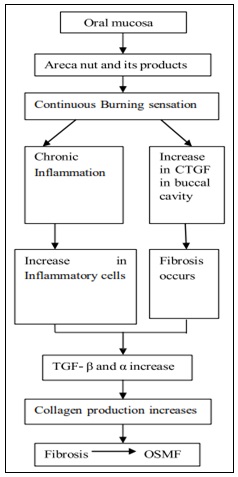
FIG. 1: FLOW DIAGRAM FOR PATHOGENESIS OF CONSUMPTION OF ARECA NUT AND VARIOUS PRODUCT
The indications of OSMF included as:
- One of the signs of OSMF was burning and blanching of the oral mucosa.
- Moderate upper bound on oral opening.
- Ovula with a bud form or reduced size.
- Depapillated tongue and oral ulcers.
- The soft palate develops a blister or marble-like appearance, and the oral mucosa becomes inflamed.
- A decrease in tongue mobility and soft palate.
- Breathlessness and excessive salivation 10-12.
For OSMF, a range of non-surgical and surgical options are available. Treatment with Ayurveda is one of them 13.
Now we can discuss about Yogavahi-The capacity or aptitude to transport something to a remote location and make it available at the location of its utilisation or A material that can improve the characteristics and efficacy of the main medication; a catalytic agent that transports the therapeutic qualities of herbs into the body's tissues or the seven dhatus; or an agent that functions as a vehicle to deliver the necessary material to its intended location. This is also how the bioenhancer's mechanism functions. Thus, our ancient Ayurvedic texts refer to the idea of the Yogavahi characteristic as a way to increase bioavailability 14.
The most widely used Ayurvedic Medications and that have the Yogavahi Property are: A. Honey (Madhu): Honey is mentioned as the best Yogvahiin Ayurvedic literature 15. It is Madhura in Rasa with Kashaya Anurasa; it balances pitta and kapha doshas, is hot in potency, and is easily digested. Honey is regarded by Acharya Susruta as Sreshta Yogavahi 7, a material with the ability to pierce even the deepest tissue.
This means that it works wonders as a co-drink for a lot of Ayurvedic medications, acting as a catalyst and facilitating the quick delivery of the medication to the intended location without affecting its characteristics. The fact that Acharya Caraka listed it as one of the Pathya dravyas attests to the medicinal value of honey. It is the strongest and most effective among since it comes from a variety of plants and flower varieties.
It is most powerful of all the Yogavahi dravyas. It is known as "Param Yogavahi" since administering madhu in combination with different formulations improves their therapeutic properties, particularly for treating kapha problems 16.
Pharmacology Activity 17:
TABLE 1: PHARMACOLOGICAL ACTIVITY OF HONEY
| Sr. no. | Pharmacological Activity |
| 1. | Buck wheat honey increases serum antioxidant capacity in humans |
| 2. | Anti-hyperglycaemic activity |
| 3. | Antimicrobial and Anti-inflammatory activity |
| 4. | Wound Healing |
| 5. | Honey and gastric ulcers |
| 6. | Antimicrobial Activity |
| 7. | Analgesic and anti-inflammatory effects of honey |
| 8. | Anti-viral activity |
| 9. | Anti-allergic activity |
Here are a few Ayurvedic recipes that use Honey as a Catalyst:
- Swasakuttara Rasa
- Anadhabhairavi Rasa
- Vasanthamalathi Rasa
- Hinguleshwara Rasa
- Muktha Pishti
- Talisadhi Choorna
- Sithopaladhi Choorna
- Triphala Choorna
- Trikatu Choorna
- Haridra Choorna
- Balachathurbhadra Choorna
- Abhraka Bhasma
- Vasanthakusumakara rasa
- Sanjivani Vati
- Arogyavardhini vati
- Shanka vati
- Navayasa loha
- Yogendra rasa
Pippali and Maricha: Alkaloid compound piper in is widely distributed in Maricha (Piper nigram) and Pippali (Piper longum). Since the beginning of time, it is regarded as the first and most widely utilised bioenhancer. It has been documented to improve the bioavailability of a range of medications and nutraceuticals by either speeding up absorption or slowing down drug metabolism. Numerous studies have been conducted up to this point that demonstrate the significant role that piperin plays in both allopathic and ayurvedic medicine as a bio enhancer 17.
Ghrita: Since ancient times, ghee and Ayurveda have had a very intimate relationship. Ghee is regarded as an ideal foundation for making Ayurvedic medications due to its unique capacity to quickly penetrate all organs and tissues, aiding in the delivery of the medication to its intended location. Due to its "Yogavahi" properties, ghee is used as a medium for a variety of medicines and infusions. It functions in numerous Ayurvedic formulations as a bioenhancer. When compared to other cooking oils, ghee reduces the activity of the enzymes that cause the liver's carcinogens to become active. Ghee lowers the risk of cancer by increasing the body's detoxification of carcinogens. Because ghee has an innate Prabhava that allows it to absorb the therapeutic benefits of other plants without losing its own, it is particularly helpful in this regard. For example, Ghee can absorb the amla virtues of another herb without losing its sweet attributes. Particular of the Ayurvedic formulations where Ghrita is acting as a catalyst 18-19.
TABLE 2: AYURVEDIC FORMULATIONS WHERE GHRITA IS ACTING AS A CATALYST
| Sr. no. | Ayurvedic formulations where Ghrita is acting as a catalyst |
| 1. | Talisadhi Choorna |
| 2. | Sitopaladhi Choorna |
| 3. | Brahmi Ghrita |
| 4. | Hinguashtakam Choorna |
| 5. | Navayasa Loha |
| 6. | Vasa Avaleha |
| 7. | Kalyanaka Ghrita |
| 8. | Mahakalyanaka Ghrita |
| 9. | SaraswathaGhrita |
| 10. | Mahapaishachika Ghrita |
| 11. | Panchagavya Ghrita |
Parada: Given that Parada (Mercury) is a divine metal, it is considered auspicious. In mythology, it is identified with Lord Shiva's Veerya. Shadrasa, Snigdha, Sara, and Guru guna are present in Parada, together with a unique quality (Prabhava) known as "Yogavahitwa" 10.
It follows that Parada can enhance any substance it is combined with's therapeutic qualities. The most common application of this metal is in Ayurvedic medicine, particularly in Rasayogas where it is utilised as Bhasma. While all formulations containing Parada demonstrate the Yogavahitwa quality, Rasa Sindur stands out due to its detailed description of many indications and their corresponding Anupanas. For instance, Rasa sindur is reported to increase the therapeutic efficacy of Khadhira Kashaya in Kushta Roga when taken with it. Rasa Sindoora's Yogavahitwa skill is the reason behind this 20.
Selected of the Rasa Preperations which are Yogavahi in Nature:
- Sutashekara Rasa
- Panchavakta Rasa
- Tarakeshwara Rasa
- Jwaramurari Rasa
- Hingullotha parada
- Rasa Sindur
Guggulu: The term "guggulu" describes the Oleo-Gum resin that is extracted by making an incision in the Guggulu tree's (Commiphora mukul) bark. Guggulu is known as Yogavahi because it has the ability to reach even the smallest areas of the body and eliminate deeply ingrained poisons from the body's tissues. Rarely consumed on its own, this herb holds significant value in Ayurvedic medicine. Guggulu is used in many Ayurvedic formulations called Guggulu Kalpanas, where it enhances the other medications in the formulation without diminishing its efficacy and has significant therapeutic effects. Therefore, this medication is administered for a variety of illnesses with distinct Anupanas. These Guggulu compounds are made by combining purified Guggulu with a variety of other useful plants in a synergistic way. Acharya Susruta has provided some excellent information regarding Guggulu 21. It was recommended that Guggulu be taken internally in liquid, semi-liquid, or semi-solid form. However, the solid dose forms offer additional benefits. Other than the remaining internal forms, Guggulu was later frequently employed in Vati form. This occurs as a result of the drug's binding and yogavahi properties, which boost the effectiveness of different formulations.
Some of the Important Guggulu Formulations are:
TABLE 3: GUGGULU FORMULATIONS
| Name of Guggulu | Formulations |
| Yogaraja Guggulu | Vataroga |
| Kaisora Guggulu | Vata Rakta |
| Triphala Guggulu | Vrana, Sthoulya Kanchanara Guggulu Gandamala Gokshuradi Guggulu Prameha |
| Simhanada Guggulu | Amavata |
| Laksha Guggulu | Bhagna Saptavimsati Guggulu Bhagandhara |
Vata Dosha: Vata is extremely significant because of its excellent Yogavahitwa quality. The Yogavahitwa notion of Vata dosha has been briefly elucidated by Acharya Sharangadhara.
The following are key Ayurvedic Formulations where the Yogavahitwa of Vata dosha is considered the Most Important:
- Dosha Prasara
- Koshta Gati
- Shaka Gati
- Ashayapakarsha Gati
Ksheera Paka: Cow's milk is the primary ingredient or medium in Ksheera Paka, a sort of pharmaceutical preparation, as milk may improve the qualities of the medications put to it. All of the active ingredients in milk are removed according to their polarity due to the presence of both polar and non-polar solvents, namely water and fat. The primary goal of this Kalpana is to lessen the Teekshnata of the medications that are added to it while also delivering the therapeutic benefits of Samskarita and Ksheera.
This makes it extremely helpful in situations where direct prescriptions for milk products are not possible. The solubility of fat and protein in milk is enhanced by raising its temperature, which facilitates the extraction of active ingredients that are significant to medicine and are readily absorbed through bodily membranes.
Few of the Ksheera Paka Preperations used are:
- Rasona Ksheera Paka
- Shunti Ksheera Paka
- Arjuna Ksheera Paka
- Guduchi Ksheera Paka
- Pippali Ksheera Paka
- Haridra Ksheera Paka 21-22
Justification for Improving Bioavailability: "The phenomena of improving the overall occurrence of any chemical substance in the biological fluid and systemic circulation, as well as secondary chemicals responsible for the increase in plasma drug concentration of the major component, are referred to as biopotentiation or bioenhancement."
3Bioenhancers are employed in diverse techniques to enhance bioavailability. Examples of particular tactics include P-glycoprotein inhibitors, prodrugs, permeability boosters, micronization, and formulations of pharmaceutical formulations with prolonged and sustained release, such as liposomes and emulsions (P-GP) 23.
Bioenhancers Possess the Subsequent Characteristics 24, 25:
- Its nature need to be nontoxic.
- It should be easy to put into words.
- When taken with the medication, it ought to have an impact at a very low concentration.
- It ought to boost the medication's action and absorption.
- Adherence is easy.
- Acceptance is easy due to the inexpensive cost.
- Simple to get to.
- It needs to be allergy-free and non-irritating.
- It must be responsive and steady in its environmen
The benefits of bioenhancer:
- The dosage of the medication is lowered and the likelihood of drug resistance is reduced when a bioenhancer is used in conjunction with a medication.
- The reduced dosage will result in a decrease in toxicity and unfavourable medication reactions or side effects.
- This is especially true when it comes to anticancer drugs like Taxol.
- The drug's efficacy has enhanced as a result of improved bioavailability.
- Drugs can reduce intra- and inter-individual variability as their bioavailability increases 26.
The Drawbacks of the Bioenhancer:
- Several obstacles facing the development of new bioenhancers, including.
- Improving the characteristics of medication formulations, such as site-specific targeting, drug dissolution protection, functional surface area, blood circulation, and biological barrier passage.
- It's challenging to research and develop bioenhancer for large-scale production. For eventual commercialization, laboratory or pilot technologies must always be scaled up.
- Low nanoparticle concentrations, aggrega- tion, and the thin-film chemical procedure are scaling-up issues; nanoparticle modification is simpler in the thin-film laboratory.
- Newer bioenflancers need to have their phytochemical and phytokinetic properties regulated 27.
Using a natural bioenhancer has a number of advantages, some of which are listed in Fig. 2 26.
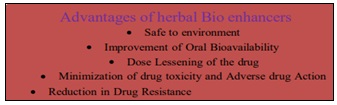
FIG. 2: ADVANTAGES OF HERBAL BIOENHANCERS
Classification of Bioenhancers:
Bioenhancers are Divided according to where they came from 15, 16:
- Bioenhancers sourced from vegetation these bioenflancers are composed of various plant components. It is believed that secondary metabolites from numerous aromatic and medicinal plants are a rich source of bioenflancers.
- Bioenhancers sourced from non-plant materials the second category consists of bioenhancers that come from non-flerbal sources. To get and synthesise tflese bioenflancers, non-herbal and synthetic chemical substances can be employed.
- Plant-based bioenhancers
- Bioenhancer from Capmul Source Capmul is made via glycerolysis of particular fats and oils and esterification of glycerin with particular fatty acids (mono-, di-, and triglyceride) 27.
Example-Medication Ceftriaxone 70 (the lipophilic nature of capmul contributes to the improved solubility of Ceftriaxone 70). Urine distillate from cows Compared to cow pee, cow urine distillate is a more effective bioenhancer 28.
Bioenhancers Based on Mechanism of Action 28:
TABLE 4: BIOENHANCERS BASED ON MECHANISM OF ACTION
| Inhibitors of P-gp efflux pumps | Example: Cuminum cyminum (Black cumin), Carumcarvi (caraway), Genistein, Sinomenine, Naringin, Quercetin |
| Suppressors of CYP-450 enzyme and its isozymes | Example: Naringin, gallic acid, and its ester, quercetin |
| Regulators of GIT function to facilitate better absorption | Example: Niaziridin (drumstick pods), Zingiber officinale (ginger), Aloe vera (Aloe), and glycyrrhizin (licorice) |
The way that Bioenhancers Work: Herbal bioenhancers function in multiple ways. The mechanisms of action of various bioenhancers can be the same or different. Nutritional bioenhancers enhance absorption by acting on the gastrointestinal system. Antimicrobial bioenhancers mainly affect how drugs are metabolised 29.
The primary methods via which various bioenhancers raise the medicinal component's bioavailability are as follows 30:
- The blood supply to the GIT tract is restricted, which improves the absorption of medications taken orally.
- It is possible to alter active transporters at many locations, such as glycoprotein (p[1]GP), the efflux pumps that remove medications from the body and stop them from reaching their target site. Inhibiting drug metabolism enzymes in the liver, stomach, lungs, and other locations, including CYP3A4, CYP1A1, CYP1B2, and CYP2E1, is how bioenhancer functions in these circumstances. Additionally, this will aid in thefirst-pass effect of medications.
- Reducing renal clearance, which lowers passive tubular reabsorption, prevents glomerular filtration, and stops active tubular secretion. Sometimes biliary transit can be obstructed by inhibiting the UDP glucuronosyl transferase enzyme, which conjugates and inactivates the medication.
TABLE 5: BIOENHANCER, DRUG WITH BIOENHANCERS WITH MECHANISM
| Sr. no. | Bioenhancer | Biological origin | Class | Drug with bioenhancers | Mechanism | Ref. |
| 1 | Piperine Part used- Seeds | Piperlongum and Piper nigrum | Amid alkaloid | Nevirapine, Rifampicin, Propranolol, Ni | Piperine’s methylenedioxyphe-nyl ring helps to | [31] |
| Family- | Mesulide, Cipro | Inhibit drug- | ||||
| Piperaceae | Floxacin | Metabolising | ||||
| Enzymes such as | ||||||
| CYP450 and UDP | ||||||
| Glucuronyl | ||||||
| Transferase. P-gpis | ||||||
| Also inhibited, | ||||||
| Causing drug | ||||||
| Efflux from | ||||||
| Enterocytes | ||||||
| 2 | Curcumin Part used- Rhizomes | Curcuma longa Linn Family- Zingiberaceae | Curcuminoids | Celiprolol, Midazolam | Curcumin suppresses
drug-metabolising enzymes (CYP3A4) in the liver, causing changes in the |
[32-
34] |
| Drug transporter P- | ||||||
| Glycoprotein, | ||||||
| Which raises the | ||||||
| Cmax and AUC of | ||||||
| Celiprolol and | ||||||
| Midazol a min rats | ||||||
| 3 | Quercetin | This flavonoid | Favonoid | Diltiazem, Digoxin, | It inhibits the p- | [35] |
| May be found in | Epigallocatechin gallate | Glycoprotein efflux | ||||
| A variety of fruits | Pump and the | |||||
| (Apples, citrus | Metabolising | |||||
| Fruits suchred | Enzyme CYP3A4 | |||||
| grapes, | In the intestinal | |||||
| raspberries, and | Mucosa and | |||||
| 4 | cranberries), green leafy vegetables, and black and green
tea. |
restrains the metabolizing enzyme CYP3A4 | ||||
| Ginger Part | Zingiber | Saponins, | Antibioticslike | The saponins, | [36] | |
| used-Whole | Officinale roscoe, | flavo-noids, | Azithromycin, | flavonoids, and | ||
| Part | Zingiberaceae
family |
alkaloids | Erythromycin,
Cephalexin, |
Alkaloids in ginger have a | ||
| Cefadroxil, | Power ful effect | |||||
| Amoxycillin, and | On the GIT | |||||
| Cloxacillin | Mucosal | |||||
| Membrane | ||||||
| Ginger | ||||||
| Aids absorption by | ||||||
| Modulating | ||||||
| Gastrointestinal | ||||||
| Function | ||||||
| 5 | Indian aloe | Aloebarbadensis | Liliopsida | Indianaloe(Leaves) | Aloe, when | [37] |
| Part used | Mill., | Combined with | ||||
| Leaves | Vitamins, slows
down and |
|||||
| Prolongs | ||||||
| Absorption | ||||||
| 6 | Caraway | Carumcarvi | Flavonoid | Antibiotics, | Because of new | [38, |
| Part used- Seeds | Linn., Family- Apiaceae | antifungal, antiviral,
and anticancer medications, Anti-TB |
flavonoids,
rifampicin’s peak concentration |
39 | ||
| medications including | (Cmax) and area | |||||
| Rifampicin, | Under the curve | |||||
| Pyrazinamide, and | (AUC) are | |||||
| Isoniazid have | Increased | |||||
| Therapeutic efficacy | ||||||
| 7 | Capsaicin | Capsicum annum | Capsaicinoid | Theophylline | Capsicum | [40] |
| Part used- | Linn., Family- | Enhances the | ||||
| Fruit | Sola-naceae | AUC of the
Medicines by |
||||
| increasing their | ||||||
| absorption |
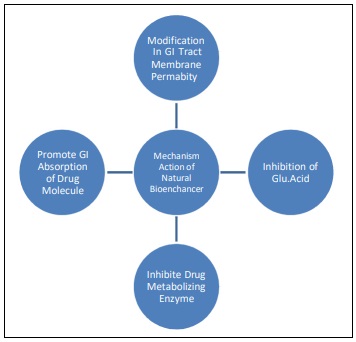
FIG. 3: MECHANISM OF DIFFERENT NATURAL BIOENHANCERS 41
TABLE 6: LIPOSOMAL FORMULATION CONTAINING NATURAL BIOENHANCER
| Liposomal formulation | Bioenhancer | Application | Preparation method | Biological activity | Mode of administration | Ref. |
| Liposome of querce- tin- epigallocatechin gallate | Quercetin | Lowered dose, increased penetra- tionthrough blood– brain
barrier |
Reverse Evaporation method | Anti-oxidant Anti-cancer | Intranasal | [42] |
| Liposome of Curcumin piperine | Piperine | Hightrap efficiency with
long circulation |
Ethanol injection Technique | Anti- inflammatory, anti-virus, and anti- tumour | In-vitro | [43] |
| Liposome of Artemisia arborescence | Artemisia arborescenc (Artemisia itself acts as a bioen-
hancer) |
Essential oilsmaybe directed to specific cells | Sonication and the film process | Antiherpetive | In-vitro | [44] |
| Liposome of garlic- amphotericin | Garlic | Lead to increased efficiency | Hydration of thin films | Anti-fungal | Topical | [45] |
| Liposome of encapsulated silymarin | Silymarin (Silymarin itself acts as a bioen-
hancer) |
Enhance bioavail- ability | Technique of reverse evaporation | Hepatoprotective | Buccal | [46] |
TABLE 7: NANOPARTICLE FORMULATION CONTAINING NATURAL BIOENHANCER
| Nanoparticle formulation | Bioenhancer | Application | Preparation method | Biological activity | Mode of administration | Ref |
| Nanocapsules of
artemisinin |
Artemisinin | Long-term medication
release |
Layer-by- layer
technique |
Anticancer | In-vitro | [47] |
| Nisoldipine piperine
nanoparticles |
Piperine | Improve bioavail-
ability |
Precipitation method | Calcium channel
blocker |
Oral | [48] |
| Isradipine-rutin nanoparticles | Rutin | Enhanced systemic bioavailability | Homogenszation by the ultrasonication method | Hypertension | Oral | [49] |
| Amphotericin B-pip-erine nanoparticles | Piperine | Enhanced bioavail- ability | Solvent evaporation method | Antileishmanial activity | Oral | [50] |
| Paclitaxel- piperine, quercetin nanoparticles | Piperine, Quercetin | In comparison with free paclitaxel, it has greater
solubility and bioavailability |
Solvent evaporation method | Anticancer | Oral | [51] |
TABLE 8: TRANSFEROSOME FORMULATION CONTAINING NATURAL BIOENHANCER
| Transfer some Formulation | Bioenhancer | Application | Preparation Method | Biological activity | Mode of administration | Ref |
| Colchicine- Cyclodextrin
Transferosome |
Colchicine | Increase skin penetration | Thin-film hydration method | Acute gout | In-vitro | [52] |
| Capsaicin- mitox-antrone
hydrochloride Transferosome |
Capsaicin | Increase skin penetration | Conventional Thin film hydration method | Antiarthritic | Topical | [53] |
TABLE 9: MICROSPHERES FORMULATION CONTAINING NATURAL BIOENHANCER
| Microspheres formulation | Bioenhancer | Application | Preparation Method | Biological activity | Mode of administration | Ref |
| Isoniazid- piperine microspheres | Piperine | Sustained Release formulation | Double emulsification method & complex
coacervation method |
Tuberculosis | In-vitro | [54] |
| Acyclovir- piperine microspheres | Piperine | To boost oral bio-availability, place the medicine in the upper gastrointestinal area | Emulsification solvent evaporation method | Active against HSV-1 and HSV-2 herpes simplex viruses | Oral | [55] |
| Famotidine- quercetin microspheres | Quercetin | Alternative for treatin peptic ulcer | Ion tropic gelation method | Peptic ulcer | Oral | [56] |
Optimising bioavailability is the ultimate goal when using herbal medications with Yogavahi properties because it directly affects plasma concentrations, which raises therapeutic efficacy. Additionally, increasing bioavailability can lower the cost of expensive medications and lessen their adverse effects by lowering the dosage needed. The above-mentioned drugs and processes, including Pippali (Piper longum), Maricha (Piper nigrum), Madhu, Ghrita, Paradha, Bhasmas, Guggulu, Vata Dosha, and Ksheerapaka, possess the Yogavahitwa property. This led to the development of advanced formulations under a variety of categories, including Kashaya, Vati, Asava, Arishta, Avaleha, Paka, Khand, Bhasma, Pishti, and so on 57.
Nowadays, oral cancer ranks as the fifth most common type of cancer detected in humans. Oral sub mucous fibrosis (OSF) is a disease caused by a chronic change in fibro-elasticity, characterized by a burning sensation in the oral cavity, blanching and stiffening of the oral mucosa and oro-pharynx leading to trismus and inability to open the mouth. Oral cancer is a major problem in India, accounting for 50-70% of all cancers diagnosed, compared to 2-3% in the UK and USA1. The number of afflicted locations and the rate at which the lesions grow determine the symptoms and indicators. The majority of people who have it are Asians, including Indians. Once the illness has taken hold, there is no recovery and no reliable therapy. It is regarded as an early stage of oral cancer, with a reported risk of 2.3–7.6% for malignant transformation 58.
DISCUSSION: In the world of medicine, bioenhancers are extremely helpful since they reduce costs, toxicity, and other negative effects. They have a broad impact on many drug classes and are inexpensive, safe, and efficient. Numerous studies in the scientific community have demonstrated that co-administration of bioenhancers with primary medications significantly improves their bioavailability. After compounds like piperin and quercetin were developed and isolated, science made significant progress in understanding bioenhancers. Many studies have been conducted that shown how adding different herbs with bioenhancing properties improved the bioavailability of many medications
In Ayurveda, the idea of a bioenhancer is known as yogavahi. The capacity to transport objects to far-off locations and make them available where they are needed is known as yogavahitwa. When compared to current drug forms that have grater bioavailability, decreased bioavailability has become a big issue for all Ayurvedic Pharmaceuticals and formulations. This is where the aforementioned Ayurvedic bioenhancer comes in to play a major part in improving the bioavailability of the main drugs. In Ayurveda, some common examples of Yogavahitwa medications are Maricha (Piper nigrum) and Pippali (Piper longum). The others are, on the other hand, Vata Dosha, Madhu, Ghrita, Paradha, Bhasmas, Guggulu, and Ksheerapaka.
All of the pertinent data regarding the Yogavahitwa properties of these medications demonstrates how the conventional understanding of these Ayurvedic medications demonstrates their bioenhancing properties. A precursor to cancer that affects the oral mucosa is called oral submucous fibrosis (OSF). Tobacco, areca nut, and betel quid consumption are the primary causes of OSF. It is a social norm among India's rural and impoverished populations to consume areca nuts with or without tobacco. In cases of oral submucousfibrosis (OSF), Ayurvedic treatments such as triphala, tulsi, haldi, and ghritkumari can be readily obtained and used.
Future Prospectus: Bioenhancers has proven to be extremely groundbreaking in today's environment. Both the danger of medication resistance and the dosage of bioenhancers are decreased.
The toxicity of the medications is decreased as a result of the lower dosage; this is particularly true for cancer medications like Taxol.
There are advantages for the environment as well. One of the biggest and slowest growing plants in the world, the Pacific yew, is used to make the medication Taxol, which is used to treat ovarian and prostate cancer.
Researchers are currently looking into approaches to improve therapeutic accessibility for a larger group of individuals, including supporting the country financially, and reduce drug dosages and treatment expenses. The yogavahi bioenhancing treating Oralsubmucous fibrosis (OSMF) phenomenon has several positive side effects that help society.
CONCLUSION: The discovery of the novel idea known as "yogavahi bioenhancing activity" was founded in the Ayurvedic medical system. Many of the commercially successful medicine combinations were created by fusing modern research techniques with the natural wisdom of Ayurveda. The vast array of polyherbal medicine combinations used in Ayurveda is a science whose medicinal value stems from their synergistic effect. The medications in these polyherbal combinations’ bioenhancing abilities are what ultimately causes this. In addition to Yogavahi, the following other elements can increase bioavailability: Anupana, Rasayana, Bhaishajya kala, Purana Aushadhies, Penetrating enhancers, Samshodhana procedure, and Bhavana.
Oral submucous fibrosis (OSMF) is a precancerous disease that progresses over time. Ayurvedic medicine has been demonstrated to be a beneficial alternative therapy for treating OSMF, despite the fact that there are ineffective non-surgical and surgical therapies available. Ayurvedic treatment also ensures that diseases will be cured without harmful drug side effects. It is believed that compared to other surgical and non-surgical methods, ayurvedic treatment for OSMF yields better results.
ACKNOWLEDGEMENTS: Nil
Source of Finance & Support: Nil
CONFLICT OF INTEREST: Nil
REFERENCES:
- Javed S, Ahsan W and Kohli K: The concept of bioenhancers in bio- availability enhancement of drugs: a patent review. J Sci Lett 2016; 1:143–165.
- Srikanta Murthy KR and Susruta Samhita: (English translation) Volume 1, Chapter 1/15, Edition 6th; Chaukhambha orientalia Varanasi 2012; 6.
- Vaishnavi K. Chivte, Shailee V. Tiwari and Anna Pratima G. Nikalge: Bioenhancers: A Brief review; Adv J Pharm Life Sci Res 2017; 5: 1-18.
- Review on Oral submucous fibrosis: New theoretical approaches with Etiopathogenesis and Ayurvedic treatments 2020; 7(2): 379-382.
- Wollina U, Verma SB, Ali FM and Patil K: Oral submucous fibrosis: An update. Clincal Cosmetic and Investigation Dermatology 2015; 8(1): 193-204.
- Cox SC and Walker DM: Oral submucous fibrosis: A review. Australian Dental Journal 1996; 41(5): 294-299.
- Mhaske DB, Sreedharan S and Mahadik KR: Role of Piperine as an Effective Bioenhancer in Drug Absorption 2018; 9: 591.
- Morawetz G, Katsikeris N, Weinberg S and Listrom R: Oral submucous fibrosis. International Journal of Oral Maxillofac Surgery 1987; 16(5): 609-614.
- Shih YH, Wang TH, Shieh TM and Tseng YH: Oral submucous fibrosis: A review on etiopathogenesis, diagnosis, and therapy. International Journal of Molecular Sciences 2019; 20(12): 2940.
- Haque MF, Harris M, Meghji S, Speight PM. An immunohistochemical study of oral submucous fibrosis. Journal of Oral Pathology and Medicine. 1997; 26(2): 75-82.
- Borle RM and Borle SR: Management of oral submucous fibrosis: A conservative approach. Journal of Oral & Maxillofac Surgery 1991; 49(8): 788-799.
- Eipe N: The chewing of betel quid and oral submucous fibrosis and anesthesia. Anesthesia and Analgesia 2005; 100(4): 1210-1213.
- Kerr A, Warnakulasuriya S, Mighell A, Dietrich T, Nasser M and Rimal J: A systematic review of medical interventions for oral submucous fibrosis and future research opportunities. Oral Diseases. 2011; 17(1): 42-57.
- S. H. Majumdar, A. S. Kulkarni and S. M. Kumbhar: “Yogvahi (Bioenhancer)”: An Ayurvedic Concept Used In Modern Medicines,” International Research Journal of Pharmacy and Medical Sciences 2018; 1(1): 20-25.
- Codex Alimentarius Draft revised standard for honey. Alinorm 01/25 19-26. And EU Council Council Directive 2001/11 O/EC of 20 December 2001 relating to honey. Official Journal of the European Communities 2002; 10: 47-52.
- Srikanta Murthy KR and Susruta Samhita: (English translation) Volume1, Chapter 45/132, Edition 6th; Chaukhambha orientalia Varanasi 2012.
- Sharma N, Yadav Y & Sharma KC: Traditional and modern therapeutic applications of Honey: An Updated Review. Journal of Ayurveda and Holistic Medicine (JAHM) 2023; 11(6):
- Srikanta Murthy KR and Susruta Samhita: (English translation) Volume1, Chapter 45/142, Edition 6th; Chaukhambha orientalia Varanasi 2012.
- Sharma RK and Dash B: Charaka samhita of Agnivesha (English translation) Edition 5th; Chowkhamba Sanskrit series office, Varanasi 2014: 4, 145-147.
- Chunekar KC and Nighantu B: Shri Bhavmishra, Bhavaprakasha, Dhatu Varga,Varanasi: Chaukhamba Bharati Academy 1999; 90- 92.
- Srikanta Murthy KR and Susruta Samhita: (English translation) chikitsa sthana, chapter 1, Edition 6th; Chaukhambha orientalia Varanasi 2012;
- Sivan A, Gupta P, Singh C Purvia RP and Adlakha M: “Concepts of Yogavahi Dravyas in Ayurveda: As a Bioenhancer” IRJAY 2022; 5(1): 150-155.
- Muttepawar SS, Jadhav SB, Kankudate AD, Sanghai SD, Usturge DR and Chavare SS: A review on bioavailability enhancers of herbal origin. World J Pharm Pharm Sci (WJPPS) 2014; 3(3): 667–677.
- Kumar M, Kumar D, Kumar S, Kumar A and Mandal UK: A Recent Review on Bio[1]availability Enhancement of Poorly Water-soluble Drugs by using Bioenhancer and Nanoparticulate Drug Delivery System. Curr Pharm Des 2022; 28(39): 3212–3224
- Iswariya T, Pradesh A and Gupta S: Bioavailability enhancers: an overview. IJARIIT 2019; 5: 825–829.
- Alexander A, Qureshi A, Kumari L, Vaishnav P, Sharma M, Saraf S and Saraf S: Role of herbal bioactives as a potential bioavailability enhancer for active pharmaceutical ingredients. Fitoterapia 2014; 97: 1–14.
- Prasad R, Singh A, Gupta N and Tarke C: Role of bioenhancers in tuberculosis. Int J Health Sci Res 2016; 6(6): 307–313
- Kesarwani K and Gupta R: Bioavailability enhancers of herbal origin: an overview. Asian Pac J Trop Biomed 2013; 3(4): 253–266
- Maitra J: A study on synergism between curcumin and aspirin. J Pharmacogn Phytochem 2018; 7(1): 663–665
- Dudhatra GB, Mody SK, Awale MM, Patel HB, Modi CM, Kumar A, Kamani DR and Chauhan BN: A comprehensive review on pharma- cotherapeutics of herbal bioenhancers. Sci World J 2012.
- Mirza ZM, Kumar A, Kalia NP, Zargar A and Khan IA: Piperine as an inhibitor of the MdeA efflux pump of Staphylococcus aureus. JMM 2011; 60(10): 1472–1478
- Moorthi C and Kathiresan K: Curcumin–Piperine/Curcumin–Querce- tin/Curcumin– Silibinin dual drug-loaded nanoparticulate combina- tion therapy: a novel approach to target and treat multidrug-resistant cancers. J Med Hypotheses Ideas 2013; 7(1): 15–20.
- Kulkarni SK, Bhutani MK and Bishnoi M: Antidepressant activity of curcumin: involvement of serotonin and dopamine system. Psychop- Harmacology 2008; 201(3): 435–442.
- Sanmukhani J, Anovadiya A and Tripathi CB: Evaluation of antide- pressant like activity of curcumin and its combination with fluox- etine and imipramine: an acute and chronic study. Acta Pol Pharm 2011; 68(5): 769–775.
- Dabeek WM and Marra MV: Dietary Quercetin and Kaempferol: bio- availability and potential cardiovascular-related bioactivity in humans. Nutrients 2019; 11(10): 2288.
- Ghayur MN and Gilani AH: Pharmacological basis for the medicinal use of ginger in gastrointestinal disorders. Dig Dis Sci 2005; 50(10): 1889–1897.
- Sahu PK, Giri DD, Singh R, Pandey P, Gupta S, Shrivastava AK, Kumar A and Pandey KD: Therapeutic and medicinal uses of Aloe vera: a review. Pharmacol Pharm 2013; 4(08): 599.
- Johri RK: Cuminum cyminum and Carum carvi: an update. Phar- macogn Rev 2011; 5(9): 63.
- Amin S, Mir SR, Kohli K, Ali B and Ali M: A study of the chemical com- position of black cumin oil and its effect on penetration enhancement from transdermal formulations. Nat Prod Res 2010; 24(12): 1151–1157.
- Sumano-López H, Gutiérrez-Olvera L, Aguilera-Jiménez R, Gutiérrez- Olvera C and Jiménez-Gómez F: Administration of ciprofloxacin and capsaicin in rats to achieve higher maximal serum concentrations. Arzneimittelforschung 2007; 57(05): 286–290.
- Pathak N: Role of bioenhancers in drug discovery. Int J Pharm Life Sci 2020; 11(7): 51.
- Gang W, Jie WJ, Ping ZL, Ming DS, Ying LJ, Lei W and Fang Y: Lipo- somal quercetin: evaluating drug delivery in-vitro and biodistribution in-vivo. Expert Opin Drug Deliv 2012; 9(6): 599–613.
- Wei Y and Lee RJ: Liposomal curcumin and its application in cancer physical property. Int J Nanomed 2017; 12: 6027–6044.
- Chiara S, Alessandro DL, Francesco L, Donatella V, Maria M and Giuseppe L: Preparation and characterization of Artemisia arborescens liposomes. Eur J Pharm Biopharm 2005; 59: 161–168.
- Pinilla CMB, Thys RCS and Brandelli A: Antifungal properties of phosphatidylcholine-oleic acid liposomes encapsulating garlic against environmental fungal in wheat bread. Int J Food Microbiol 2019; 293: 72–78.
- Vickers NJ: Animal communication: when i’m calling you, will you answer too? Curr Biol 2017; 27(14): 713–715.
- Chen Y, Lin X, Park H and Greever R: Study of artemisinin nanocap- sules as anticancer drug delivery systems. Nanomed: Nanotechnol Biol Med 2009; 5(3): 316–322.
- Rathee P, Kamboj A and Sidhu S: Enhanced oral bioavailability of nisoldipine[1]piperine-loaded poly-lactic-co-glycolic acid nanoparticles. Nanotechnol Rev 2017; 6(6): 517– 526.
- Kumar V, Chaudhary H and Kamboj A: Development and evaluation of isradipine via rutin-loaded coated solid–lipid nanoparticles. Int Med Appl Sci 2018; 10(4): 236–246.
- Ray L, Karthik R, Srivastava V, Singh SP, Pant AB, Goyal N and Gupta KC: Efficient antileishmanial activity of amphotericin B and piperine entrapped in enteric coated guar gum nanoparticles. Drug Deliv Transl Res 2021; 11(1): 118–130.
- Gade JV, Sharma PP, Jain B and Rawat R: Synthesis and characteriza- tion of paclitaxel nanoparticles for drug delivery. Mater Today: Proc 2022; 51: 445–450.
- Alharbi WS, Almughem FA, Almehmady AM, Jarallah SJ, Alsharif WK, Alzahrani NM and Alshehri AA: Phytosomes as an emerging nano- technology platform for the topical delivery of bioactive phytochemi- cals. Pharmaceutics 2021; 13(9): 1475.
- Sarwa KK, Mazumder B, Rudrapal M and Verma VK: Potential of cap- saicin-loaded transfersomes in arthritic rats. Drug Deliv 2015; 22(5): 638–646.
- Pingale PL and Ravindra RP: Effect of Piper nigrum on in-vitro release of Isoniazid from oral microspheres. Int J Pharma Biosci 2013; 4(1): 1027–1036.
- Khatri S and Awasthi R: Piperine containing floating microspheres: an approach for drug targeting to the upper gastrointestinal tract. Drug Deliv Transl Res 2016; 6(3): 299–307.
- Abourehab MA, Khaled KA, Sarhan HA and Ahmed OA: Evaluation of combined famotidine with quercetin for the treatment of peptic ulcer: in-vivo animal study. Drug Des Dev Ther 2015; 9: 2159.
- Thorat S, Kishor N. Gujar and Chandrakant K. Karale: Bioenhancers from mother nature: an overview Future Journal of Pharmaceutical Sciences 2023; 9: 20.
- Palbag S: Simple Ayurvedic Home Remedies for Oral Sub Mucous Fibrosis-A Pre[1]Cancerous Condition Conference: Medicinal and Aromatic Plants Used In Ayush Medicines with Special Reference to Homeopathic Medication At: Ramakrishna Mission Ashrama, Sargachi, W.B. India 2015.
How to cite this article:
Ishwar BV: Reviews on: natural bio enhancer Yogvahi medications for treating OSMF. Int J Pharmacognosy 2026; 13(4): 241-53. doi link: http://dx.doi.org/10.13040/IJPSR.0975-8232.IJP.13(4).241-53.
This Journal licensed under a Creative Commons Attribution-Non-commercial-Share Alike 3.0 Unported License.
 Download