


RECENT DEVELOPMENTS IN JATROPHA CURCAS L.: PHYTOCHEMISTRY, AND PHARMACOLOGY APPLICATIONS
HTML Full TextRECENT DEVELOPMENTS IN JATROPHA CURCAS L.: PHYTOCHEMISTRY, AND PHARMACOLOGY APPLICATIONS
Archana *, M. Himaja Trivedi and Satendra Sharma
Shri Ramnath Singh Pharmaceutical Science and Technology, Sitholi, Gwalior, Madhya Pradesh, India.
ABSTRACT: Jatropha curcas L., a member of the Euphorbiaceae family, is a multipurpose medicinal plant widely distributed in tropical and subtropical regions. It possesses diverse phytochemicals such as flavonoids, alkaloids, diterpenoids, and phenolics, which contribute to its broad pharmacological profile. Traditional uses and experimental studies highlight its therapeutic potential, including anti-inflammatory, antimicrobial, antiviral, anticancer, antidiabetic, anti-arthritic, wound healing, and hepatoprotective activities. Various plant parts such as leaves, bark, seeds, latex, and roots have demonstrated significant biological effects in both in-vitro and in-vivo models. Additionally, the plant exhibits enzymatic activities and industrial applications, particularly in biofuel production and biocatalysis. Despite its medicinal benefits, toxicity at higher doses necessitates careful evaluation. Overall, J. curcas represents a promising natural resource for drug development and sustainable applications, warranting further pharmacological and clinical investigations.
Keywords: Jatropha curcas, Phytochemistry, Pharmacological activities, Medicinal plant, Wound healing
INTRODUCTION: For thousands of years, people have employed natural goods, particularly plants, to heal a variety of illnesses 1. With around 7,800 species spread across about 300 genera and five subfamilies globally, the Euphorbiaceae family is one of the biggest angiosperm families. Tropical and subtropical areas are home to the majority of these species. One of its significant genera is Jatropha L., which has over 200 species and is a member of the tribe Jatropheae and subfamily Crotonoideae. The genus is found throughout the Americas and Africa 2.
The Greek words "jatros" (doctor) and "trophe" (meal) are the basis of the word "Jatropha," which reflects its ancient medical importance. Jatropha and Curcas are the two subgenera that make up the genus; the former is more widely distributed over Africa, India, South America, Central America, the West Indies, and the Caribbean. In addition to being utilised as decorative plants and bioenergy crops, several Jatropha species are employed in traditional medicine to cure a variety of illnesses 3, 4.
Jatropha curcas, Jatropha gossypiifolia, and Jatropha elliptica are notable species. Because of its exceptional flexibility and endurance, Jatropha curcas, a woody shrub of the Euphorbiaceae family, is regarded as the most extensively dispersed species among the many species of the genus Jatropha.
Taxonomy:
- Kingdom: Plantae
- Division: Angiosperms
- Class: Eudicots
- Order: Malpighiales
- Family: Euphorbiaceae
- Genus: Jatropha
- Species: Jatropha curcas 5
The genus belongs to the tribe Joannesieae and includes shrubs, trees, and herbs.
Vernacular Names: Common names of Jatropha curcas include:
- Physic nut – widely used in English-speaking countries
- Goat nut – common in some rural regions
- Pinhão-manso – Brazil
- Barbados nut – Caribbean regions
- Purging nut – refers to its traditional laxative use
- Nettle spurge – descriptive of its milky sap
- Ratanjyot – India (Hindi)
- Bagbherenda – India (regional) 5
Habitat: Because of its extreme resilience and ability to flourish in tropical and subtropical climates, Jatropha curcas is best suited to areas with warm temperatures and seasonal rainfall.
It is well suited to dry and semi-arid regions, where many other crops would fail due to restricted water supply. On areas with low nutrient content, high salinity, or little organic matter, the plant may thrive on poor, marginal, and degraded soils 6. It is a perfect choice for cultivation on wastelands and damaged fields because of its hardiness, which enables it to endure extended dry spells and thrive in difficult soil conditions. In addition to ensuring its survival in less fertile locations, its flexibility offers chances for soil conservation, erosion control, and sustainable land management in areas where traditional agriculture is challenging. Jatropha curcas has considerable ecological and economic potential due to its ability to withstand harsh environmental circumstances. This is particularly true when it comes to encouraging reforestation, preventing desertification, and boosting the production of biofuel in regions that are not appropriate for food crops 7.
Geographical Distribution: Jatropha curcas is said to have started in Central America and spread to other areas as a result of human activity. According to historical records, Portuguese seamen were crucial in the plant's spread, transporting it from the Caribbean islands to many African and Asian nations via the Cape Verde Islands and the former Portuguese Guinea (now Guinea-Bissau) 5, 7. Over time, it was able to effectively establish itself in tropical and subtropical locations all over the world thanks to its flexibility and tenacity. Due to its deterring qualities, which prevent cattle from grazing it, Jatropha curcas is now commonly grown in these areas and frequently utilised as a protective hedge around gardens, farms, and fields. Its extensive cultivation is a reflection of both its usefulness in agricultural systems and its ability to flourish in a variety of environmental circumstances. As a result, in many tropical and subtropical nations, Jatropha curcas has grown to be a significant multifunctional plant with ecological, economic, and protective value 8.
Botanical Description: It is a little tree or shrub with smooth grey bark that, when cut, releases watery, white latex. It typically reaches a height of three to five meters, but in ideal circumstances, it may reach eight or ten meters 9.
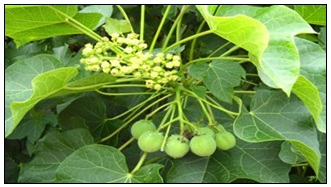
FIG. 1: LEAVES, STEM FLOWERS AND FRUITS OF JATROPHA CURCAS
TABLE 1: BOTANICAL DESCRIPTION OF JATROPHA CURCAS 10, 11
| Plant Part | Description |
| Leaves | Large, green to pale-green; alternate to sub-opposite; 3–5 lobed; spiral phyllotaxis. |
| Flowers | Petiole length: 6–23 mm; inflorescence formed in leaf axil; flowers formed terminally and individually. Female flowers are slightly larger and occur mainly in hot seasons. Continuous growth may cause unbalanced pistillate/staminate flower production, increasing female flower numbers. Bee-keeping enhances female flower production, leading to more seeds. |
| Fruits | Produced in winter when shrub is leafless, or multiple crops if soil moisture and temperature are adequate. Each inflorescence yields ~10 ovoid fruits. Fruits form 3 bi-valved cocci after seed maturation and drying of fleshy exocarp. |
| Seeds | Mature when capsule changes from green to yellow, 2–4 months post-fertilization. Seeds are blackish, thin-shelled, oblong, resembling small castor seeds. |
Ethnomedical Uses 12: Jatropha curcas has extensive traditional uses:
Internal uses:
- Treatment of diarrhea, dysentery, and digestive disorders
- Used as a purgative (seed oil)
- Management of malaria, fever, and anemia
External uses:
- Latex applied for wound healing and infections
- Used for skin diseases, ulcers, and inflammation
- Treatment of rheumatic and muscular pain
Other uses:
- Root extracts used as antidote for snake bites
- Antimicrobial use against bacteria like Staphylococcus aureus
The plant is used in treating nearly 100 different ailments in traditional medicine systems.
TABLE 2: ETHNOMEDICAL USES 13, 14, 15, 16
| Plant Part / Extract | Ethnomedicinal Uses / Application |
| Whole plant / general | Abortifacient, anodyne, antiseptic, diuretic, emetic, hemostat, lactagogue, narcotic, purgative, rubefacient, styptic, vulnerary |
| Physic nut | Alopecia, ascites, burns, convulsions, cough, dermatitis, diarrhea, dropsy, dysentery, dyspepsia, eczema, fever, gonorrhea, hernia, incontinence, inflammation, jaundice, neuralgia, paralysis, parturition, pneumonia, rash, rheumatism, scabies, sciatica, sores, stomachache, syphilis, tetanus, thrush, tumors, ulcers, uterosis, yellow fever |
| Latex | Topical for bee/wasp stings, sores, ulcers, inflamed tongue, toothache, burns, hemorrhoids, ringworm, ulcers |
| Leaf decoction | Arthritis, Venereal disease |
| Heated leaves | Lactagogue |
| Root decoction | Dysentery and Mouthwash for bleeding gums |
| Seeds | Dropsy, gout, paralysis, skin ailments |
| Leaves | Antiparasitic (scabies), rubefacient (paralysis, rheumatism), applied to hard tumors |
| Seed oil | Emetic, laxative, purgative, skin ailments |
| Massage oil (from plant) | Massage ascitic limbs |
Phytochemistry: The therapeutic potential and toxicity of Jatropha curcas are supported by a wide range of bioactive substances. Alkaloids like curcin and jatrophine are prominent among the principal phytoconstituents because of their biological activity, which includes cytotoxic and antibacterial properties 17, 18. Phenolics and lignans offer extra antioxidant, antibacterial, and anti-inflammatory properties, while flavonoids such as apigenin, vitexin, and isovitexin contribute to its cardioprotective and antioxidant benefits. Fatty acids and sterols, which have pharmacological and nutritional value, are also present in Jatropha curcas 19, 20. The plant also contains glycosides, coumarins, and cyclic peptides, all of which contribute to its pharmacological variety. Together, these substances explain the plant's many therapeutic uses in conventional medicine, including the treatment of infections, inflammation, and digestive issues.
They also explain the plant's possible toxicity, especially in seeds and latex, which calls for cautious use in medicinal preparations 21, 22, 23.
Pharmacological Activity:
Anti-Inflammatory and Analgesic Potential: Several studies investigated the anti-inflammatory and analgesic potential of Jatropha curcas L. Mujumdar et al. (2004) demonstrated that topical application of root powder in paste form reduced TPA-induced ear inflammation in albino mice. Methanol extracts of the roots showed systemic anti-inflammatory activity in acute carrageenan-induced rat paw edema, formalin-induced edema, turpentine-induced exudative changes, and cotton pellet-induced granuloma formation after oral treatment for seven days.
These effects were attributed to modulation of inflammatory mediators, arachidonic acid metabolism via the cyclo-oxygenase pathway, reduced prostaglandin formation, inhibition of leukocyte migration, and anti-proliferative activity 24. Similarly, Dasgupta et al. (2019) evaluated methanolic extracts of J. curcas fruits and found significant analgesic and anti-inflammatory activity in hot plate and carrageenan-induced paw edema models, comparable to standard drugs diclofenac and aspirin 25.
Othman et al. (2019) examined different plant parts and identified roots as the most potent anti-inflammatory source. Methanolic extracts were fractionated, with the hexane fraction showing the highest activity. Chromatographic separation and GC-MS, LC-MS/MS, and NMR analyses revealed bioactive long-chain fatty acids, including hexadecanoic acid methyl ester, octadecanoic acid methyl ester, oxooctadecanoic acids, and dihydroxyoctadecadienoic acids, which inhibited nitric oxide production in RAW 264.7 macrophage cells without cytotoxicity 26. Arif et al. (2020) reviewed both in-vitro and in-vivo studies and confirmed that J. curcas reduced edema, limited neutrophil infiltration, and modulated key inflammatory mediators, supporting its traditional use in treating inflammation, fever, and wound healing. Collectively, these studies highlighted J. curcas as a promising natural source of anti-inflammatory compounds with potential therapeutic relevance 27.
Antimicrobial Activity: Ahmed et al. (1979) reported that Jatropha curcas seeds were toxic to calves at doses ranging from 0.025 to 2.5 g/kg, with clinical signs including diarrhea, dyspnea, dehydration, and loss of condition, leading to death within hours to days depending on the dose. Biochemical analysis showed increased serum aspartate aminotransferase, ammonia, and potassium, along with decreased total protein and calcium. Despite its toxicity in animals, several studies highlighted the plant’s potent antimicrobial and pesticidal properties 28. Fagbenro-Beyioku et al. (1998) observed that sap and crushed leaves of J. curcas exhibited germicidal activity against bacteria such as Staphylococcus, Bacillus, and Micrococcus, and effectively inhibited the embryonation and hatchability of Ascaris lumbricoides and hookworm larvae. The sap also impaired mosquito larval development, suggesting potential use as a low-cost disinfectant and malaria vector control agent 29.
The pesticidal activity of J. curcas seeds was further demonstrated by Adedire and colleagues (2003), who showed that seed oil reduced oviposition and protected cowpea seeds from Callosobruchus maculatus for up to 12 weeks 30. Saosoong and Ruangviriyachai (2016) reported that methanolic fruit extracts inhibited several plant pathogenic bacteria, with GC–MS analysis indicating flavonoid compounds as the active bioagents 31. Recent studies focused on oral and human pathogens. Kamaruddin et al. (2024) found that ethanolic leaf extracts and stem bark latex of J. curcas inhibited Streptococcus species and Candida spp., with bioactive compounds including isovitexin, 2-hexyl-decanoic acid, and trihydroxybenzoic acid 32. Abdulsalam et al. (2025) showed that J. curcas sap inhibited Staphylococcus aureus growth in a concentration-dependent manner, with higher concentrations producing larger inhibition zones. Collectively, these studies highlighted J. curcas as a valuable natural source of antimicrobial, antifungal, and pesticidal agents, although its toxicity in higher doses warrants careful handling and application 33.
Anticancer Effect: Lin et al. (2003) investigated the antitumor activity of curcin, a ribosome-inactivating protein isolated from Jatropha curcas, using MTT assays and a cell-free rabbit reticulocyte lysate system 34. Curcin exhibited potent inhibitory activity on protein synthesis with an IC50 of 0.19 nmol/L and effectively suppressed the growth of several cancer cell lines, including SGC-7901, Sp2/0, and human hepatoma cells, while showing no toxicity toward HeLa and normal MRC cells. These findings suggested that curcin selectively targeted tumor cells without harming normal tissues, highlighting its potential as a therapeutic agent.
Muangman et al. (2005) explored the antimetastatic potential of curcusone B, a diterpene from J. curcas, against four human cancer cell lines. Non-cytotoxic doses of curcusone B significantly reduced in-vitro invasion, motility, and matrix metalloproteinase secretion, although its effect on adhesion to Matrigel varied. The study concluded that curcusone B could suppress metastatic processes without inducing cytotoxicity, offering promise for controlling cancer metastasis 35. Similarly, Aiyelaagbe et al. (2011) reported that root extracts and isolated diterpenoids from J. curcas exhibited strong cytotoxic activity against L5178y mouse lymphoma and HeLa cells, while showing minimal neurotoxicity toward PC12 cells, supporting the potential of these compounds as anticancer agents with low off-target effects 36. Asep et al. (2017) evaluated the cytotoxicity of jatrophone, isolated from Jatropha gossypifolia, against multiple human cancer cell lines, including HepG2 (liver), WiDr (colon), HeLa (cervix), and AGS (stomach). Jatrophone displayed the highest potency against HepG2 cells (IC50 = 3.2 µM), exceeding the anticancer activity of standard drugs such as sorafenib and arsenic trioxide. These results suggested that jatrophone could serve as a promising lead compound for hepatocellular carcinoma treatment, demonstrating selective cytotoxicity across different tumor types 37.
Saleh et al. (2023) investigated methanol leaf extracts from J. curcas, J. gossypifolia, and J. multifidia for anticancer and antimicrobial activity. Phytochemical analysis revealed flavonoids, tannins, alkaloids, saponins, terpenes, and sterols in the extracts. The J. curcas extract showed strong activity against HepG2 cells (selective index 2.04) and antimicrobial effects against Gram-positive and Gram-negative bacteria. Fractionation and GC-MS analysis identified bioactive compounds such as hexadecanoic acid, anethole, oleic acid, and carvacrol, suggesting that these metabolites contribute to both anticancer and antimicrobial effects. Collectively, these studies highlighted the potential of Jatropha species as sources of bioactive compounds with anticancer, antimetastatic, and selective cytotoxic activities 38.
Anticoagulant and Proteolytic Properties: Osoniyi et al. (2003) investigated the coagulant and anticoagulant activities of Jatropha curcas latex, traditionally used as a haemostatic. The study showed that whole latex significantly reduced human blood clotting time, while diluted latex prolonged clotting, with high dilutions preventing clot formation entirely. Prothrombin time (PT) and activated partial thromboplastin time (APTT) tests confirmed these dual activities. Solvent partitioning partially separated the opposing effects: the ethyl acetate fraction exhibited procoagulant activity at low concentrations, whereas the butanol fraction showed strong anticoagulant activity. The residual aqueous fraction had minimal effect on clotting time and PT but slightly prolonged APTT, demonstrating that J. curcas latex contains distinct components influencing blood coagulation differently 39.
Gubbiveeranna et al. (2019) further characterized the anticoagulant and proteolytic properties of J. curcas latex, showing that it contained bioactive proteases capable of degrading fibrinogen and collagen and interfering with the coagulation cascade. These findings supported the traditional use of the latex in wound management and suggested its potential as a natural antithrombotic agent for treating coagulation-related disorders. Collectively, these studies highlighted that J. curcas latex possesses both procoagulant and anticoagulant activities, with promising therapeutic implications for hemostasis and thrombosis management 40.
Anti-diabetic Activity: Mishra et al. (2010) evaluated the antihyperglycemic activity of a 50% ethanolic leaf extract of Jatropha curcas in alloxan-induced diabetic rats. Oral administration at doses of 250 and 500 mg/kg body weight produced a significant reduction in blood glucose levels, comparable to the standard drug glibenclamide.
The extract also showed a high safety margin, with an LD₅₀ of 2500 mg/kg as per OECD guidelines 41. Similarly, Kumar et al. (2016) assessed the antidiabetic activity of hydroethanolic leaf extract in alloxan-induced diabetic rats and reported a significant decrease in blood glucose levels in treated groups compared to diabetic controls. The treatment also improved hematological parameters, increased serum protein and albumin levels, and reduced elevated serum creatinine, urea, cholesterol, and enzyme levels. Additionally, oxidative stress markers such as lipid peroxidation were reduced, while glutathione levels increased, indicating antioxidant potential 42.
Asuk (2018) further investigated the effects of ethanol-methanol extracts of leaf, stem bark, and root of J. curcas on liver function markers in streptozotocin-induced diabetic rats. The study demonstrated significant improvement in liver enzyme levels and restoration of protein balance, suggesting protection against diabetes-induced hepatic damage. Among the plant parts, the leaf extract exhibited the most pronounced hepatoprotective effect. Collectively, these studies indicated that Jatropha curcas possesses significant antidiabetic, antioxidant, and hepatoprotective properties, supporting its potential use in managing diabetes mellitus and its associated complications 43.
Toxicity Study: Nwaka et al. (2015) investigated the effects of ethanol extracts of Jatropha curcas on hematological parameters in chloroform-intoxicated rats. The study evaluated indices such as white blood cell count, hemoglobin level, and packed cell volume, and reported significant improvements in these parameters following treatment. However, no notable effect was observed on red blood cell count. The findings suggested that the extract exerted a protective effect against toxin-induced hematological alterations. Acute toxicity assessment further indicated that the extract was relatively safe at lower doses, supporting its potential therapeutic application in managing chemically induced toxicity 44.
Sawadogo et al. (2018) assessed the acute and subacute toxicity of aqueous leaf extracts of J. curcas using experimental animal models. The study involved hematological, biochemical, and histological evaluations following short- and medium-term administration. The results demonstrated that the extract exhibited low overall toxicity, although higher doses caused moderate adverse effects, including alterations in blood parameters and mild histopathological changes in the liver and kidneys. Additionally, some protective effects on cardiovascular parameters were observed. Collectively, these studies suggested that Jatropha curcas extracts are relatively safe at lower doses but require careful dose optimization to avoid potential toxic effects at higher concentrations 45.
Hepatoprotective Study: Dangambo et al. (2015) evaluated the acute toxicity and hepatocurative potential of aqueous leaf extract of Jatropha curcas in rats with chemically induced liver injury. The extract was found to be relatively safe and demonstrated significant hepatoprotective effects by improving biochemical markers and restoring normal physiological conditions. Its therapeutic efficacy was comparable to that of a standard hepatoprotective drug, suggesting its potential usefulness in managing liver disorders 46. Ale et al. (2022) examined the effects of oral administration of ethanolic and aqueous root extracts of J. curcas on liver function in adult female rats. Biochemical analysis revealed that ethanolic extracts significantly reduced liver enzymes such as SGOT, SGPT, and urea levels, while some aqueous extract-treated groups showed reductions in ALP and bilirubin levels. However, none of the extracts was found to be completely safe, as certain alterations in biochemical parameters were observed, indicating the need for further investigation 47.
Mahajan et al. (2023) investigated the hepatoprotective activity of aqueous leaf extract against carbon tetrachloride (CCl₄)-induced hepatic injury in rats. Oral administration of the extract (200 mg/kg) significantly reduced serum marker enzymes such as SGOT, SGPT, ALP, and bilirubin levels and restored them toward normal values. Histopathological studies further confirmed liver protection, with effects comparable to the standard drug Liv-52. Collectively, these studies indicated that Jatropha curcas possesses significant hepatoprotective potential, although careful dose optimization and extended studies are required to ensure its safety and therapeutic efficacy 48.
Antiviral Potential: Patil et al. (2013) investigated the antiviral potential of Jatropha curcas leaf extracts against Influenza A (H1N1), demonstrating that both aqueous and methanolic extracts contain bioactive compounds such as flavonoids, saponins, and tannins. These extracts were found to be non-toxic at lower concentrations and exhibited significant antiviral activity by inhibiting the viral hemagglutinin protein, thereby preventing virus adsorption. The findings highlight the potential of J. curcas as a natural source of anti-influenza agents and support further research into its development as a plant-based antiviral therapy 49.
In another study, Babu et al. (2021) explored the anti-aggressive effects of aqueous seed extract of Jatropha curcas using a foot shock-induced aggression model. The extract, administered orally at doses of 100 and 250 mg/kg, showed mild anti-aggressive activity comparable to diazepam, a standard anxiolytic drug. The observed effects are likely linked to the modulation of neurotransmitters such as serotonin (5-HT), gamma-aminobutyric acid (GABA), and dopamine, which play critical roles in aggression. These findings suggest that J. curcas may also serve as a natural therapeutic agent for managing aggression with minimal sedative side effects 50.
Anti-arthritis activity: Baroroh HN et al. (2014) demonstrated the anti-arthritic potential of Jatropha curcas leaf ethanolic extract using an adjuvant-induced arthritis (AIA) model in male Wistar rats. The extract, administered at doses of 150, 300, and 600 mg/kg, significantly reduced arthritis scores and improved mobility compared to the control group. Histopathological analysis further confirmed its therapeutic effect, showing reduced edema and protection against cartilage destruction in arthritic joints 51. Similarly, See GLL et al. (2017) evaluated the anti-arthritic activity of J. curcas leaf extract in collagen type II-induced arthritis in male albino mice. The study revealed a dose-dependent reduction in paw thickness and improvement in histopathological parameters such as inflammatory cell infiltration, cartilage damage, and bone erosion. The extract exhibited significant efficacy compared to controls, with a calculated median effective dose (ED50) of 963.86 mg/kg, supporting its potential as an anti-arthritic agent 52. Further supporting these findings, Sharma H et al. (2023) investigated the anti-arthritic activity of Jatropha curcas flower extracts, particularly the ethanolic extract, in rats with Complete Freund’s adjuvant-induced arthritis. Oral administration at doses of 200 and 400 mg/kg resulted in a notable reduction in paw edema and improvement in hematological parameters by day 28 of treatment. Collectively, these studies highlight that different parts of J. curcas, including leaves and flowers, possess significant anti-arthritic properties, likely attributed to their anti-inflammatory and antioxidant activities. These findings suggest that J. curcas could serve as a promising natural candidate for the development of anti-arthritic therapies, warranting further pharmacological and clinical investigations 53.
Esterase and Lipase Activity in Seeds: Staubmann R et al. (1999) investigated the enzymatic profile of Jatropha curcas seeds and identified two esterases (JEA and JEB) along with a lipase (JL). The study revealed that lipase activity was specifically associated with seed germination, reaching its peak after four days. All enzymes exhibited optimal activity in the alkaline range (around pH 8), while the purified esterases demonstrated notable thermal stability. Molecular characterization showed that esterase JEA had a molecular weight of 21.6–23.5 kDa and an isoelectric point of 5.7–6.1, whereas esterase JEB had a molecular weight of 30.2 kDa with an isoelectric point of 9.0. Both esterases were capable of hydrolyzing short-chain substrates such as tributyrin, nitrophenyl esters (up to C4), and naphthyl esters (up to C6), although their activity was negatively affected by most ions 54. Additionally, the lipase (JL) exhibited distinct catalytic properties depending on water activity. It showed maximum efficiency in transesterification reactions at very low water activity (0.2), while at higher water levels it effectively hydrolyzed triglycerides, achieving conversion rates above 80%. These findings suggest that the lipase from J. curcas seeds has strong potential as a biocatalyst, particularly in the hydrolysis of triglycerides in organic solvent systems, highlighting its possible industrial and biotechnological applications.
Wound Healing Activities: Shetty S et al. (2005) demonstrated that Jatropha curcas bark extract significantly enhances wound healing in albino rats by improving multiple healing parameters, including skin breaking strength, granulation tissue strength, wound contraction, dry granulation tissue weight, and hydroxyproline content, which reflects increased collagen synthesis. The study also reported a reduced epithelization period, indicating faster wound closure. Histopathological analysis revealed a more advanced healing phase, characterized by dense and well-organized collagen fiber bundles 55. Similarly, Sachdeva K (2011) provided further scientific validation of the wound healing potential of J. curcas stem bark extract using excision and incision wound models in rats. Treatment with 5% and 10% extract ointments significantly improved wound contraction, tensile strength, hydroxyproline levels, and histopathological features compared to the control group, with results comparable to the standard drug silver sulfadiazine 56.
More recently, M. Nur Salim et al. (2021) investigated the efficacy of Jatropha curcas sap cream in treating infected wounds in mice induced with Staphylococcus aureus. The study demonstrated that 10% Jatropha sap cream significantly enhanced wound healing compared to the base cream and showed effects comparable to sulfadiazine treatment. Macroscopic and histopathological observations indicated reduced wound length, improved inflammatory response, and enhanced neovascularization during the early healing phase. A significant decrease in inflammatory cell infiltration and improved tissue regeneration were also noted. Collectively, these studies confirm that various parts of J. curcas, including bark and sap, possess strong wound healing properties, likely due to their ability to promote collagen formation, reduce inflammation, and accelerate tissue repair, supporting their potential use as natural topical therapeutic agents 57.
Anti-stress Activity: Mohamed et al., (2020) investigated the response mechanisms of Jatropha curcas seedlings under lead (Pb) stress. The study evaluated Pb accumulation, metabolite contents, antioxidant activity, and the levels of phenolics and flavonoids. Gene expression analysis focused on metallothionein (JcMT2a) and phenylalanine ammonia-lyase (JcPAL), which are involved in metal detoxification. Seedlings exhibited differential accumulation of Pb in roots, stems, and leaves and showed activation of antioxidant defense systems in response to metal stress. Enhanced phenolic and flavonoid levels were associated with increased total antioxidant capacity and radical scavenging activity. The study demonstrated that upregulation of JcPAL and related antioxidant responses played a central role in Pb tolerance, providing biochemical and genetic insights into the plant’s metal detoxification mechanisms 58.
Anti-diarrhoeal Activity: Mujumdar AM et al., 2001Antidiarrhoeal activity of root extract Use of Jatropha roots in the treatment of diarrhoea is a common ethnobotanical practice in Konkan, a part of the Western coastal area of India. Roots of this species were undertaken for pharmacognostic studies and evaluation of antidiarrhoeal activity in albino mice. The methanol fraction after successive extraction showed activity against castor oil induced diarrhoea and intraluminal accumulation of fluid. It also reduced gastrointestinal motility after charcoal meal administration in albino mice. The results indicate that action of J. curcus root methanol extract could be through a combination of inhibition of elevated prostaglandin biosynthesis and reduced propulsive movement of the small intestine 59.
CONCLUSION: Jatropha curcas is a versatile plant with significant medicinal, ecological, and industrial importance. Extensive studies confirm its wide range of pharmacological activities, including anti-inflammatory, antimicrobial, antidiabetic, anticancer, and wound healing effects, largely attributed to its rich phytochemical composition. Its adaptability to harsh environmental conditions and potential in biofuel production further enhance its value. However, the presence of toxic constituents, especially in seeds and latex, emphasizes the need for controlled usage and dose optimization. Future research should focus on isolating active compounds, understanding mechanisms of action, and conducting clinical trials to ensure safety and efficacy. With proper scientific validation, J. curcas holds strong potential as a source of novel therapeutic agents and sustainable bioproducts.
ACKNOWLEDGEMENT: Nil
CONFLICT OF INTEREST: Nil
REFERENCES:
- Bijauliya RK, Alok S, Singh M and Mishra SB: A comprehensive review on cancer and anticancer herbal drugs. Int J Pharm Sci Res 2017; 8(7): 2740–61. doi:10.13040/IJPSR.0975-8232.8(7).2740-61.
- Thomas OO: Re-examination of the antimicrobial activities of Xylose aethiopica, Carica papaya, Ocimum gratissium and Jatropha curcas. Fitoterapia 1989; 60(2): 147–55.
- Osoniyi O and Onajobi F: Coagulant and anticoagulant activities in Jatropha curcas latex. J Ethnopharmacol 2003; 89: 101–5.
- Sankara S, Nagarajan S and Sulochana N: Flavonoids of some Euphorbiaceae plants. Phytochemistry 1971; 10(10): 2548–9.
- Parawira W: Biodiesel production from Jatropha curcas: A review. Sci Res Essays 2010; 14(5): 1796–808.
- Nayak U, Javadekar BB, Bhatt SM, Patra P, Jaiswal JJ, Kulkarni A and Jetani A: Jatropha curcus poisoning in pediatric patients. Gujarat Med J 2009; 64(2): 59–62.
- Omoregie EH and Folashade KO: Broad spectrum antimicrobial activity of extracts of Jatropha curcas. J Appl Pharm Sci 2013; 3(04): 83–7.
- Francis M, Chacha M, Ndakidemi PA and Mbega E: Phytochemical analysis and in-vitro antifungal evaluation of Jatropha curcas against Late Leaf Spot disease on groundnut. J Anim Plant Sci 2021; 47(1): 8358–71.
- Gamal El-Din MI, Youssef FS, Altyar AE and Ashour ML: GC/MS analyses of the essential oils obtained from different Jatropha species, their discrimination using chemometric analysis and assessment of their antibacterial and anti-biofilm activities. Plants 2022; 11(9): 1–18.
- Oduola T, Avwioro OG and Ayanniyi TB: Suitability of the leaf extract of Jatropha gossypifolia as an anticoagulant for biochemical and haematological analyses. Afr J Biotechnol 2005; 4(7): 679–81.
- Jide-Ojo CC, Gungula DT and Ojo OO: Extracts of Jatropha curcas L. exhibit significant insecticidal and grain protectant effects against maize weevil, Sitophilus zeamais (Coleoptera: Curculionidae). J Stored Prod Postharvest Res 2015; 44–50.
- Ejelonu BC, Oderinde RA and Balogun SA: Chemical and biological properties of Jatropha curcas and Mucuna solan seed and seed oil. Libyan Agric Res Center J Int 2010; 1(4): 263–8.
- Rahu MI, Naqvi SHA, Memon NH, Idrees M, Kandhro F and Pathan NL: Determination of antimicrobial and phytochemical compounds of Jatropha curcas plant. Saudi J Biol Sci 2021; 28: 2867–76.
- Oskoueian E, Abdullah N, Saad WZ, Omar AR, Ahmad S and Kuan WB: Antioxidant, anti-inflammatory and anticancer activities of methanolic extracts from Jatropha curcas Linn. J Med Plants Res 2011; 5(1): 49–57.
- Martinez-Herrera J, Siddhuraju P, Francis G, Davila-Ortiz G and Becker K: Chemical composition, toxic/antimetabolic constituents, and effects of different treatments on their levels, in four provenances of Jatropha curcas L. from Mexico. J Food Chem 2006; 96: 80–9.
- Gulcin I, Gungor Sat I, Beydemir S, Elmastas M and Kufrevioglu OI: Comparison of antioxidant activity of clove (Eugenia caryophylata Thunb) buds and lavender (Lavandula stoechas L.). Food Chem 2004; 87: 393–400.
- Balaji R, Rekha N, Deecaraman M and Manikandan L: Antimetastatic and antiproliferative activity of methanolic fraction of Jatropha curcas against B16F10 melanoma induced lung metastasis in C57BL/6 mice. Afr J Pharm Pharmacol 2009; 3: 547–55.
- Kheira AAA and Atta NMM: Response of Jatropha curcas L. to water deficit: Yield, water use efficiency and oilseed characteristics. Biomass Bioenergy 2009; 33(10): 1343–50. doi:10.1016/j.biombioe.2008.05.015
- Hsu SH, Huang CS, Chung TW and Gao S: Adsorption of chlorinated volatile organic compounds using activated carbon made from Jatropha curcas seeds. J Taiwan Inst Chem Eng 2014; 45(5): 2526–30. doi:10.1016/j.jtice.2014.05.028
- Rahman M, Ahmad SH, Mohamed MTM, Zaki M and Rahman A: Extraction of Jatropha curcas fruits for antifungal activity against anthracnose (Colletotrichum gloeosporioides) of papaya. Afr J Biotechnol 2011; 10(48): 9796–9. doi:10.5897/ajb11.930
- Sharma AK, Gangwar M, Kumar D, Nath G, Sinha ASK and Tripathi YB: Phytochemical characterization, antimicrobial activity and reducing potential of seed oil, latex, machine oil and presscake of Jatropha curcas. Avicenna J Phytomed 2016; 6(4): 366–75.
- Asuk AA, Agiang MA, Dasofunjo K and Willie AJ: The biomedical significance of the phytochemical, proximate and mineral compositions of the leaf, stem bark and root of Jatropha curcas. Asian Pac J Trop Biomed 2015; 5(8): 650–7. doi:10.1016/j.apjtb.2015.05.015
- Shivani P, Khushbu P, Faldu N, Thakkar V and Shubramanian RB: Extraction and analysis of Jatropha curcas L. seed oil. Afr J Biotechnol 2011; 10(79): 18210–3. doi:10.5897/AJB11.776
- Mujumdar AM and Misar AV: Anti-inflammatory activity of Jatropha curcas roots in mice and rats. J Ethnopharmacol 2004; 90(1): 11–5.
- Dasgupta D and Rahman M: Phytochemical screening and pharmacological activities with respect to analgesic and anti-inflammatory activity of methanolic extract of Jatropha curcas fruit. Int J Pharm Sci Res 2019; 10(11): 5211–5. doi:10.13040/IJPSR.0975-8232.10(11).5211-15
- Othman AR, Ismail IS, Abdullah N and Ahmad S: Identification of anti-inflammatory compound/compounds in hexane fraction of Jatropha curcas root extract. Asia-Pac J Mol Biol Biotechnol 2019; 27(4): 62–8.
- Arif MA, Ifora I, Srangenge Y and Fauziah F: Potential anti-inflammatory effects of Jatropha curcas L.: A review. 2020; 5: 11–6.
- Ahmed OM and Adam SE: Effects of Jatropha curcas on calves. Vet Pathol 1979; 16(4): 476–82.
- Fagbenro-Beyioku AF and Oyibo WA: Disinfectant/ antiparasitic activities of Jatropha curcas. East Afr Med J. 1998; 75(9): 508–11.
- Adedire CO, Adebowale KO and Dansu OM: Chemical composition and insecticidal properties of the underutilized Jatropha curcas seed oil. J Trop Forest Prod 2003; 9: 15–25.
- Saosoong K and Ruangviriyachai C: Antimicrobial activity and chemical constituents of the extract from Jatropha curcas fruit. Orient J Chem 2016; 32(2): 1163–9.
- Kamaruddin A, Wan HimratulAznita WH, Marina MB, Syafiq AZ, Nelli G and Syarifah NSA: Phytochemical profile and antimicrobial activity of Jatropha curcas extracts against oral microorganisms. Heliyon 2024; 10(17): 33422. doi:10.1016/j.heliyon.2024.e33422
- Abdulsalam KA, Abobaker AM, Bogdadi HA, Alezzawi MA and Mohammed MOA: Antibacterial activity of Jatropha curcas sap against Staphylococcus aureus. J Neonatal Surg 2025; 14(32): 4195–9.
- Lin J, Yan F and Tang L: Antitumor effects of curcin from seeds of Jatropha curcas. APS 2003; 24(3): 241–6.
- Muangman S, Thippornwong M and Tohtong R: Anti-metastatic effects of curcusone B, a diterpene from Jatropha curcas. In-vivo 2005; 19(1): 265–8.
- Aiyelaagbe OO, Hamid AA, Fattorusso E, Taglialatela-Scafati O, Schröder HC and Müller WE: Cytotoxic activity of crude extracts as well as of pure components from Jatropha species, plants used extensively in African traditional medicine. Evid Based Complement Alternat Med 2011; 2011: 134954. doi:10.1155/2011/134954
- Asep S, Hening H, Gema SP, Gigih S, Widya MC and Sahidin S: Anticancer activity of jatrophone an isolated compound from Jatropha gossypifolia plant against hepatocellular cancer cell Hep G2 1886. Biomed Pharmacol J 2017; 10(2).
- Saleh ZM, Ahmed ZA, Mehany ABM and El-Swaify ZAS: Anticancer and antimicrobial activity of Jatropha’s leaves extracts. Egypt J Bot 2023; 63(2).
- Osoniyi O and Onajobi F: Coagulant and anticoagulant activities in Jatropha curcas latex. J Ethnopharmacol 2003; 89(1): 101–5.
- Gubbiveeranna V, Kusuma CG, Bhavana S, Sumachirayu CK and Nagaraju S: Anti-hemostatic protease from Jatropha curcas latex with fibrinogen lytic activity. J Pharmacogn Phytochem 2019; 8(1): 1303–10.
- Mishra SB, Vijayakumar M, Ojha SK and Verma A: Antidiabetic effect of Jatropha curcas L. leaves extract in normal and alloxan-induced diabetic rats. Int J Pharm Sci 2010; 2(1): 482–7.
- Kumar J, Singh SP and Choudhary GK: Pharmacological evaluation of leaves of Jatropha curcas L. for anti-diabetic activity in alloxan induced diabetic rats. Indian J Anim Sci 2016; 86(4): 387–91. doi:10.56093/ijans.v86i4.57715
- Asuk AA: Evaluation of ethanol-methanol extracts of the leaf, stem bark and root of Jatropha curcas on selected liver markers of streptozotocin-induced diabetic rats. Int J Biochem Res Rev 2018; 23(2): 1–6.
- Nwaka AC, Ikechi MC, Ugwu PC, Igwenyi IO, Agbafor KN, Orji OU and Ezugwu AL: The effects of ethanol extracts of Jatropha curcas on some hematological parameters of chloroform intoxicated rats. Am-Eurasian J Sci Res 2015; 10(1): 45–9.
- Sawadogo S, Sanou SD, Dabiré AP, Belemtougri GR, Sawadogo L, de Leiris J, Tanguy S and Boucher F: In-vivo evaluation of Jatropha curcas L (Euphorbiaceae) leaves acute and subacute toxicity in mice. J Sci Res 2018; 10(2): 187–93.
- Dangambo MA, Kabara HT, Alhassan AJ, Sule MS, Atiku MK, Wudil AM and Mashi JA: Acute toxicity and hepatocurative effect of aqueous leaf extract of Jatropha curcas in rats (stressed with CCl4). Br J Pharm Res 2015; 5(1): 52–7.
- Ale AO, Odesanmi OS and Magbagbeola OA: Evaluation of the effects of the extract of dried roots of Jatropha curcas in the female Wistar rats. Afr J Endocrinol Metab 2022; 12(1): 21–7. doi:10.4103/ajem.ajem_10_22
- Mahajan SM, Suryawanshi RM, Patel MS, Bhandari HS, Manure SS and Shewale VD: Hepatoprotective activity of leaves of Jatropha curcas Linn. ECB 2023; 12(5): 4274–9.
- Patil D, Roy S, Dahake R, Rajopadhye S, Kothari S, Deshmukh R and Chowdhary A: Evaluation of Jatropha curcas Linn. leaf extracts for its cytotoxicity and potential to inhibit hemagglutinin protein of influenza virus. Indian J Virol 2013; 24(2): 220–6.
- Babu AN, Ayesha SK, Nirosha S, Mounika VL and Lakshmi JN: Phytochemical and pharmacological evaluation of Jatropha curcas seed extract. Int J Pharm Sci Rev Res 2021; 67(1): 87–90.
- Baroroh HN, Iskandar S, Rachmani EPN and Hertiani T: Jatropha curcas leaves exert anti-arthritic activity on adjuvant-induced arthritis in rats. Universa Medicina 2014; 33(1): 3–10. doi:10.18051/UnivMed.2014.v33.3-10
- See GLL, Saño FEH, Monterroso AC and Arce FJV: The anti-arthritic potential of Barbados nut Jatropha curcas Linn. (1753) leaf extract in bovine type II collagen-induced arthritis in male albino mice Mus musculus. Int J Pharm Sci Res 2017; 8(9): 3686–95. doi:10.13040/IJPSR.0975-8232.8(9).3686-95
- Sharma H, Jha M, Bundela R, Jain S and Shukla K: Anti-arthritic potential of Jatropha curcas flowers extract using complete Freund’s adjuvant (CFA)-induced arthritis model. IP Int J Compr Adv Pharmacol 2023; 8(1): 59–64. doi:10.18231/j.ijcaap.2023.010
- Staubmann R, Ncube I, Gübitz GM, Steiner W and Read JS: Esterase and lipase activity in Jatropha curcas L. seeds. J Biotechnol 1999; 75(2-3): 117–26.
- Shetty S, Udupa SL, Udupa AL and Vollala VR: Wound healing activities of bark extract of Jatropha curcas Linn in albino rats. Saudi Med J 2006; 27(10): 1473–6.
- Sachdeva K, Garg P, Singhal M and Srivastava B: Wound healing potential of extract of Jatropha curcas L. (stem bark) in rats. Pharmacogn J 2011; 3(25): 67–72.
- Nur Salim M, Masyitha D and Nur Salim M: The activity of Jatropha curcas cream on day 5 of skin wound healing in mice infected with Staphylococcus aureus. Proc 2nd Int Conf Vet Anim Environ Sci (ICVAES 2020) 2021. doi:10.2991/absr.k.210420.035
- Mohamed AA, Dardiry MH and Samad A: Exposure to lead (Pb) induced changes in the metabolite content, antioxidant activity and growth of Jatropha curcas (L.). Trop Plant Biol 2020; 13: 150–61. doi:10.1007/s12042-019-09244-0
- Mujumdar AM, Misar AV, Salaskar MV, Upadhye AS. Antidiarrhoeal effect of isolated fraction (JC) of Jatropha curcas roots in mice. J Nat Remedies 2001; 1(2): 89–93.
How to cite this article:
Archana, Trivedi MH and Sharma S: “Recent developments in Jatropha curcas L.: phytochemistry, and pharmacology applications”. Int J Pharmacognosy 2026; 13(4): 254-63. doi link: http://dx.doi.org/10.13040/IJPSR.0975-8232.IJP.13(4).254-63.
This Journal licensed under a Creative Commons Attribution-Non-commercial-Share Alike 3.0 Unported License.
Article Information
4
254-263
679 KB
204
English
IJP
Archana *, M. Himaja Trivedi and Satendra Sharma
Shri Ramnath Singh Pharmaceutical Science and Technology, Sitholi, Gwalior, Madhya Pradesh, India.
mspharma8081@gmail.com
27 March 2026
09 April 2026
11 April 2026
10.13040/IJPSR.0975-8232.IJP.13(4).254-63
30 April 2026
 Download