


THERAPEUTIC POTENTIAL OF RAUWOLFIA SERPENTINA: PHYTOCHEMICAL CONSTITUENTS, BIOLOGICAL MECHANISMS, AND CLINICAL EVIDENCE
HTML Full TextTHERAPEUTIC POTENTIAL OF RAUWOLFIA SERPENTINA: PHYTOCHEMICAL CONSTITUENTS, BIOLOGICAL MECHANISMS, AND CLINICAL EVIDENCE
Anubhav Dubey *, Vinay Kumar Patel, Vikram Kumar Sahu, Sribatsa Lanchhana Dash and Amit Mishra
Maharana Pratap College of Pharmacy Kothi, Mandhana, Kanpur , Uttar Pradesh, India.
ABSTRACT: Rauwolfia serpentina is a traditional medicine used by Indians for a long time. Because of its serpentine shape, the drug is known as Sarpgandha. Despite having more than 50 alkaloids, the primary alkaloid in Rauwolfia serpentina is reserpine. Reserpine, even at lower doses, is an effective antihypertensive. Rauwolfia serpentina has a wide variety of medicinal uses, including lowering blood pressure and protecting the liver, but it also has sedative, antipsychotic, antidiarrheal, and anticancer (in breast) effects, among many others. The herb Rauwolfia serpentina contains all four of the main indole alkaloids, but we're mainly interested in the root-concentrated active alkaloid reserpine here because of its role in the plant's antihypertensive effects. In order for reserpine to have an antihypertensive effect, it needs to be administered at a much lower level. At higher doses, it can cause serious adverse effects such as drowsiness, depression, anxiety, nausea, bradycardia, bronchospasm, and withdrawal psychosis.
Keywords: Rauwolfia serpentina, Sarpagandha, Reserpine, Indole alkaloids, Traditional Indian medicine, Medicinal plants
INTRODUCTION: Asthma affects about 300 million people worldwide, or about 7% of the population, and it's a chronic condition that often becomes worse with time. One hundred million more people will reportedly be affected by this by the year 2025. When it comes to proper medical care, almost 80% of the population still uses herbal remedies. The nearly 45,000 species of medicinal plants present in India play an essential role in the treatment of a wide range of diseases 1, 2.
If you suffer from bronchial asthma, this article will provide you a rundown of the medicinal herbs that may help. Constant symptoms of asthma, an inflammatory disease of the airways, include wheezing, coughing, difficulty breathing, and a feeling of heaviness in the chest. Asthma and other respiratory illnesses share a strong correlation with allergies 3, 4.
Bronchial asthma is characterized by periodic, adjustable narrowing of the airways. It is possible to diagnose bronchial asthma with the use of diagnostic tools including spirometry, chest x-rays, and peak expiratory flow (PEF). Asthma is believed to have both genetic and environmental causes. Substances that trigger asthma attacks are called allergens. The flu, other respiratory illnesses, second-hand smoke, and smoking are all potential triggers for asthma 6, 7. A few examples of possible triggers are being cold; allergens (such as dust, pollen, and exercise); air pollution and pollutants; medications; the weather; dietary additives; and mental stress and anxiety. The Apocynaceae family counts Rauwolfia serpentina (Linn.) Plant Ex Kurz among its members, which are sometimes called devil hot pepper, Indian snake root, Sarpagandha, and other names. Of the over a hundred species that fall under the Rauwolfia umbrella, the vast majority are native to tropical and subtropical zones. These zones encompass not only Africa and Central and South America but also Australia, Europe, and Asia. R. serpentina is an evergreen, smooth shrub that may grow to a height of 60 meters. It is native to damp, deciduous forests in Southeast Asia, including Bangladesh, Burma, Malaysia, India, and Sri Lanka. Many different types of alternative medicine make heavy use of R. serpentina, including allopathy, folk medicine, Ayurveda, and Unani. As early as the pre-Vedic period, people were using R. serpentina root preparations as laxatives, uterine stimulants, diuretics, antidotes, expectorants, and febrifuges in folk and regional medicine.
Root extracts are used to treat a wide variety of illnesses and disorders, including respiratory infections, asthma, malaria, skin issues, parasites, organ diseases, circulatory difficulties, AIDS, rheumatism, diarrhoea, and dysentery. There are many different kinds of chemical components found in R. serpentina. Alkaloids such as ajmalicine, serpentinine, yohimbine, reserpine, desipramine, indolizine, rescinnamidine, serpentine, serpentine, and reserpine are found in this plant's root. Researchers from around the world in the field of drug development are interested in reserpine, one of the alkaloids. Additionally, it helps lower blood pressure and is effective in treating sedative sleeplessness, anxiety, trauma, schizophrenia, insanity, and psychiatric problems. Reserpine lowers blood pressure by decreasing levels of the catecholamine 8, 9. The actions of reserpine and rescanning are the same. Nonetheless, it reduces plasma angiotensin II levels by inhibiting the angiotensin-converting enzyme (ACE), which converts angiotensin I. The antiarrhythmic action of ajmaline is due to its ability to block the sodium channel.
A potential antipsychotic effect of serpentine is due to its effect on type II topoisomerase activity. High quantities of R. serpentina phenols showed significant antimicrobial, hypolipidemic, and antidiabetic actions; yohimbine cures erectile dysfunction by acting as a selective alpha-adrenergic inhibitor in blood vessels 10, 11. In addition to protecting cells from oxidative stress, the flavonoids found in R. serpentine exhibit anti-inflammatory, anticancer, and antioxidant properties 12. The presence of saponins in system causes the homolytic impact and binds to the cholesterol characteristic 13.
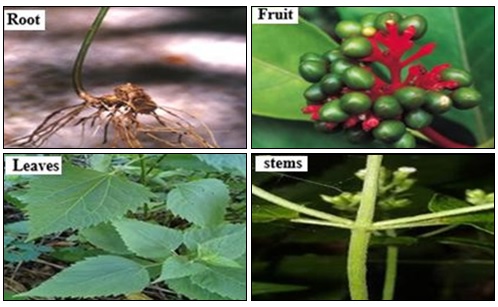
FIG. 1: RAUWOLFIA SERPENTINA PLANT (SARPAGANDHA)
Botanical Description:
Synonym’s:
TABLE 1: DIFFERENT PLACES THE PLANTIS KNOWN AS DIFFERENT NAMES LIKE
| Hindi | Sarpagandha, Chandrabhaga |
| English | Rauwolfia or Indian snake roots |
| Latin | Rauwolfia serpentina |
| Kannada | Keramaddinagaddi |
| Bengali | Chandra |
| Tamil | Chevanamalpodi |
| Chinese | Lufumu |
| Sanskrit | Sarpagandha |
TABLE 2: TAXONOMICAL CLASSIFICATION
| Kingdome | Plantae |
| Phylum | Angiosperms |
| Subphylum | Eudicots |
| Order | Gentianellas |
| Family | Apocynaceae |
| Genus | Rauwolfia |
| Species | Serpentina |
Growing Rauwolfia serpentina: The best places to grow this plant are in humid, warm climates with uniform rainfall, which is found in tropical and subtropical regions. Loamy soil that is deep, organically rich, well-drained, and slightly acidic to neutral is ideal for its growth. Although the germination rates are low, the most typical way of multiplication is taking cuttings of seeds, roots, or stems. Seeds are scattered onto nursery beds once the rainy season ends. At the correct intervals after 6 to 8 weeks, healthy plants are transplanted to the field. Consistent drip watering, cultivation, and biodegradable manuring are essential in the early stages of development. It is important to provide shade and prevent water logging for the crop. Upon reaching an alkaloid content sufficient for medicinal usage, which typically takes 18 to 24 months, the roots are harvested, cleaned, and dried.
Rauwolfia Serpentine Collection: When the plant reaches full maturity, which is around 18 to 24 months after planting, and the roots contain the highest concentration of alkaloids, that's when the plant is often harvested. In order to harvest, the plant must be gently uprooted or its roots dug out without damaging it in any way. Before being chopped into appropriate pieces, the gathered roots are cleaned extensively to eliminate dirt and other contaminants. These are allowed to dry in shade or well-ventilated areas. To maintain the active ingredients in well-ventilated spaces.
For medical purposes, the roots are kept in a cold, dry area once they have dried completely and are put in receptacles that do not retain moisture. Components of a Chemical a structural nitrogen ring is present in a wide variety of chemical compounds known as alkaloids. Plants produce an exceptionally diverse array of alkaloids; however, they are produced by a number of other organisms, including bacteria and mammals. It is believed that 10% of plant species include alkaloids as secondary metabolites; they mostly serve as defences against herbivores and diseases. The analgesic, antispasmodic, and antibacterial effects of pure isolated alkaloids and their synthetic derivatives make them useful therapeutic chemicals.
The root extract contains alkaloids that reduce blood pressure by acting directly on the central nervous system, in contrast to other drugs that do the same. Resederpine, an indole alkaloid, accounts for around 0.1% of the total alkaloids found in R. serpentina root, which is said to contain 0.7-3.0% of the plant's total alkaloids. Therefore, these plants' stem biomass production may have economic significance. Weak basic dimethyl alkaloids, moderately basic alkaloids, and strong hydronium bases are the three classes of substances distinguished by their structural similarities. Table 1 lists some of the alkaloids included in the Rauwolfia plant, including ajmaline, ajmalimine, ajmalicine, deserpidineinosine, indolizine, Reserpine, reserpine, rescanning, rescinnamidine, serpentine, serpentine, and yohimbine. The principal alkaloid with several medicinal applications is resperine 14-18.
These medications are utilized for the treatment of hypertension and breast cancer alongside resperine, yohimbine, snakebite, deserpidine, ajmalicine, and ajmaline 19, 20. Purified crystalline mono alkaloid Reserpine was first discovered in 1952 from Rauwolfia root extract. This weak tertiary base is present in the oleoresin fraction of the roots and is useful in the treatment of hypertension, cardiovascular disease, and neurological problems 21. Reserpine (3,4,5-trimethyl benzoic acid), an indole chemical of the 18-hydroxy yohimbine plant type, is associated with the antihypertensive effects of Rauwolfia roots. A natural sedative, this alkaloid is well-known for its many uses 22, 23. As a result of its antihypertensive effects and its ability to bind to catecholamine storage vesicles in nerve cells, reserpine is currently being used in physiologic investigations of physiological functions and in medicinal research. When catecholamine levels drop, this prevents the proper storage of serotonin and catecholamines. It interferes with the autonomic nervous system by reducing the amount of transmitter material in catecholamine neurons, which might set off the central parasympathetic nervous system 24.
The major focus of these compounds is regulation of cardiac contractions, peripheral resistance, and heart rate. In cases of hypotension brought on by stress or antagonistic nervous system activity, it can also help with sedation and lowering blood pressure. Reserpine stimulates the release of 5-hydroxytryptamine (5-HT) from all normally stored tissues and increases urine metabolites. Sacituzumab Siddiqui first isolated ajmaline in 1931 from serpentine, the chemical's source. In honour of Hakim Ajmal, the Khan, a prominent Unani practitioner from South Africa, he was given the name ajmaline 25.
Produced from R. serpentine pattern roots, this class I antiarrhythmic medicine is useful for detecting Brugada Syndrome (a genetic form of cardiovascular illness) and differentiating between subtypes of affected people 26. By their method of action, these drugs may be broadly classified into four groups: calcium channel blockers, beta-adrenergic receptor blockers, depolarization delayers, and calcium channel blockers.
One diagnostic tool that shows rapid action when administered intravenously is ajmaline, a calcium channel blocker. One of the many cardiovascular problems that ajmalicine and its derivatives might alleviate is irregular cerebral blood flow. This alkaloid has many other applications as well. An effect on smooth muscle function in lowering blood pressure and preventing strokes. The pharmaceutical industry obtains around 3,500 kg of the chemical each year from Rauwolfia or Catharanthus spp. for the treatment of circulatory disorders. Starting with geraniol, the synthetic method continues with iridodial smell and industrial loaning synthesis, which, when oxidized, yields serotonin. As a result, serotonin, cat enamine, and strictosamide are able to convert tryptophan from ajmalicine, the building block of ajmalicine which aids in the development of the tryptamine coronate class nucleus. Yohimbine is a pharmacologically well-studied alkaloid that acts as a beta-blocker in the blood vessels or as an antagonist of some alpha-adrenergic receptors; it is therefore used to treat erectile dysfunction. As a result of dilating blood vessels and increasing blood flow to the penis, it helps with erectile dysfunction 28, 29. Yohimbine was also studied in animal and human models with α2A-adrenergic receptor gene polymorphisms to see whether it may cure diabetes. By acting antagonistically against one another, these receptors reduce blood pressure and relax smooth muscle. Because it causes the body to produce more of certain chemicals, it widens the pupils of the eyes.
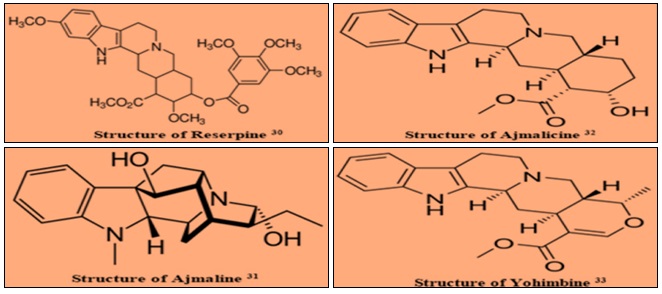
FIG. 2: CHEMICAL CONSTITUENTS OF RAUWOLFIA SERPENTINA PLANT 30,33
Clinical Trial: There are over a hundred different treatments for hypertension that claim to be able to reduce blood pressure, according to a quick search of the literature on the topic. Using several hypotensive therapies, Ayman Ali was able to gather about two hundred testimonials regarding the successful treatment of hyperpiesia in 1930. The optimal strategy is still unclear in light of the persistently high mortality rate associated with hypertension despite the abundance of therapies proposed to address this illness. Evans and Loughnan were forced to admit that all thirteen preparations were worthless following a thorough examination or trial involving seventy cases of increased blood sugar levels (essential hypertension). Little sedatives, in their view, can be just as effective, if not more so, than the flashy, highly priced products that are now on sale. It is not entirely accidental that R. Serpentine has been selected for the current study. My decision to launch this inquiry is based on various factors.
Although these tablets have only been available for purchase for a decade, there has been a significant increase in demand in India for the dried roots of the serpentine plant. Serpentina root preparations are so popular for hypertension that nearly every patient in the country, even those without hypertension, has felt their effects. According to reports, a single company has sold more than fifty million capsules of the dried root. As a result, one objective of the ongoing inquiry is to determine whether the enthusiastic reaction to this treatment is justified. In the year 1940, I had previously brought up the topic of R. serpentina as a potential therapy for hypertension: Although the indications and case appropriateness of the drug have not been identified, it has been demonstrated that the treatment is effective in a certain percentage of hypertension cases only. Because of this, I have witnessed the effects of this medication in action on several occasions since then 34.
TABLE 3: CLINICALTRIAL DATA
| Study/Trial Title | Authors | Indication/ Outcome | Summary | Ref. |
| A clinical trial of Rauwolfia serpentina in essential Hypertension | Rustom Jal Vakil et al., 1949 | Hypertension | One of the earliest clinical trials showing
R. serpentina root extract (containing active alkaloids like reserpine) lowers blood pressure in patients with essential hypertension. |
[35] |
| Rauwolfia serpentina in the control of anxiety | Paul Leninger, et al, 1957 | Anxiety Control | Compared formulations (reserpine, scleroxcylon, crude root) in anxiety patients, showing equivalent effectiveness for overt anxiety; reported minor toxic symptoms manageable clinically |
[36] |
| Antidiabetic Potential of R. serpentina (in-vitro & invivobutnot human clinical) | R. Kavitha, et al., 2025 | Diabetesmodels | Demonstrated inhibition of α- amylase / α-glucosidase and reduced blood glucose in alloxan-induced diabetic rats; suggests potential antidiabetic effects requiring clinical validation. |
[37] |
| Rauwolfia serpentina antioxidant & antidiabetic evaluation (preclinical) | Saveena Chauhan,
et al. 2017 |
Antioxidant & antidiabetic assays | Compared wild and cultivated plant extracts in-vitro for antioxidant & alpha-amylase inhibition; not a human clinical trial but pharmacological evaluation. |
[38] |
Pharmacological Activity:
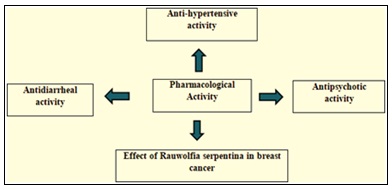
FIG. 3: PHARMACOLOGICAL PARAMETERS OF RAUWOLFIA SERPENTINA
Antihypertensive Activity: The alkaloid reserpine, found in Rauwolfia serpentina, is probably known to have antihypertensive properties. The root, leaflets, and base of the stem are the primary locations for the alkaloid reserpine. The typical start of the hypotension effect after an injectable treatment is around 1 hour. Approximately four hours following an intramuscular injection, you will feel the full impact of the medicine. The effects will be at their peak two weeks after your last dosage and may continue for up to four weeks thereafter. Typical dosages for the treatment of severe hypertension when used in conjunction with other underweight medications are 100 to 250 mg. Reserpine works by reducing the stores of catecholamine in nerve terminals, which in turn lowers the heart rate. It permits the enzymatic breakdown of neurotransmitter by blocking the reabsorption of both enzymes at their respective storage sites 39. Reserpine transporters (VMATs) attach to the membranes of organelles that contain presynaptic neurons 40, 41. The circular norepinephrine transporters VMAT1 and VMAT2, which are H+ linked, are irreversibly inhibited by reserpine. Many endocrine and brain cells include VMAT1. Neurons have a high VMAT2 level. The neurotransmitters serotonin, dopamine, histamine, and adrenaline are all inhibited in the synaptic vesicles of neurons by the action of reserpine, which also decreases monoamine neurotransmitter
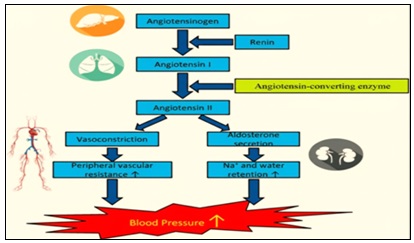
FIG. 4: THE RENIN-ANGIOTENSIN-ALDOSTERONE SYSTEM (RAAS) IN THE REGULATION OF BLOOD PRESSURE 42
Anti-diarrhoeal Activity: In an investigation into the anti-diarrheal properties of a methanolic extract of Serpentine rauwolfia leaves in mice with peanut oil-induced diarrhoea, Dr. Ezeigbo, II discovered shows the extracts of its serpentine leaves has substantial Anti-diarrhoeal action.
Mechanism of Action: Many alkaloids in the plant (particularly rescindment, ajmaline, serpentine) inhibit calcium influx into smooth muscle cells. Reduced intracellular Ca²⁺ → decreased muscle contraction → slowed intestinal transit.
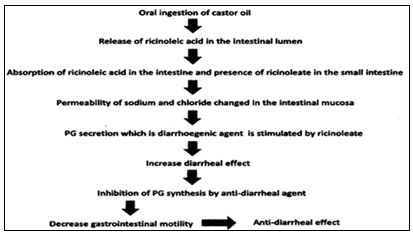
FIG. 5: MECHANISM OF ACTION OF ANTIDIARRHEAL ACTIVITY WITH SERPENTINE 43, 46
Effect of Rauwolfia serpentina in Breast Cancer: In 1960 to 1970 A.D. and a purported association to breast carcinoma was established in medical literature in 3 case-controlled investigations, thus the employment with Rauwolfia and the Reserpine products was reduced. However, studies and analysis that remove exclusion bias reveal that Rauwolfia has no bearing on the incidence of cancer of the breast in patients.
Ratherthan generating cancer, it possesses antitumor activity 47, 48.
Mechanism of Action:
Mitochondrial-mediated Apoptosis: Alkaloids can disrupt mitochondrial membrane potential., This leads to cytochrome-c release → activation of caspase-9 and caspase-3 → apoptosis.
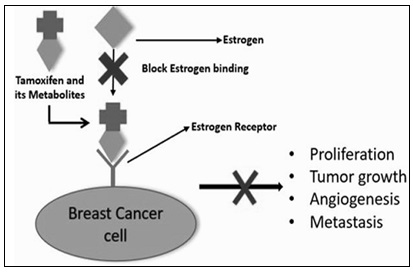
FIG. 6: MECHANISM OF ACTION OF TAMOXIFEN AND ITS METABOLITES ON BREAST CANCER CELLS. TAMOXIFEN AND ITS METABOLITES INHIBIT BINDING OF STROGEN HORMONE TO ESTRAGON RECEPTORS OF THE BREAST CANCER CELLS 49
Antipsychotic Activity: Reserpine it was additionally employed for the treatment of schizophrenic and tardive dyskinesia. It relieves fever or acts as a febrifuge drug 50, 51.
The study found that a person with schizophrenia, Reserpine and chlorpromazine have comparable incidence of adverse effect show ever that the drug was lesser effective than the drug chlorpromazine for enhancing an individual's worldwide condition.
Mechanism of Action:
Serotonin (5-HT): Reserpine irreversibly blocks VMAT2 (Vesicular Monoamine Transporter-2) in presynaptic neurons. This leads to depletion of: Dopamine (DA), Norepinephrine (NE).
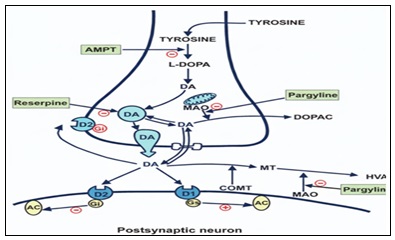
FIG. 7: SCHEMATIC DRAWING OF A DOPAMINERGIC NERVE TERMINAL. AMPT, RESERPINE AND PARGYLINE ARE DRUGS USED IN THE THESIS. Abbreviations: DA= Dopamine, D1= D1-Like Receptor, D2= D2-Like Receptor, Gi= Gi-Protein 52
Other Pharmacological Activity:
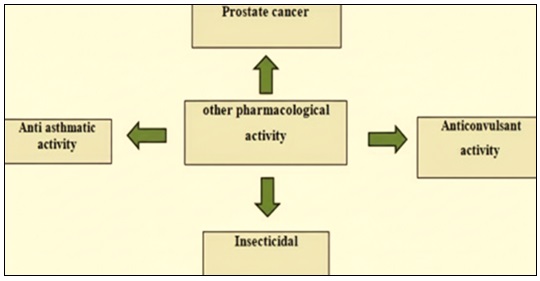
FIG. 8: SHOWING THE OTHER ACTIVITIES RAUWOLFIA SERPENTINA
Prostate Cancer: It is believed that prostate cancer, one of the leading causes of cancer-related death in men, is carcinoma of the prostate. There has been no noticeable improvement in the overall survival rate for patients with prostate cancer after they undergo contemporary medical practices, such as radiation and chemotherapy.
Contemporary medical practices, such as radiation and chemotherapy. As an alternative to conventional cancer treatments like chemotherapy and radiation, natural products have emerged as a rich source of potential new medicines. Fever, widespread weakness, intestinal infections, liver problems, and mental abnormalities are just some of the many ailments that have traditionally been treated using various parts of this plant. Alstonine is the primary component of the ß-carboline family of chemicals found in abundance in extracts from this plant's root bark. When administered to animals, this compound inhibited the proliferation of Ehrlich ascites cells and YC8 lymphoma cells, two types of tumour cells. According to analyses of gene expression patterns in prostate cancer cells that have undergone treatment 53-55.
The impacts on DNA damage and cell cycle control signalling pathways may explain why the plant extract is effective against prostate cancer in both in vitro and in vivo model cultures. The mechanism of action involves the following actions: activation of caspase-3 and caspase-9, increase of pro-apoptotic proteins (Bax), decrease of anti-apoptotic proteins (Bcl-2), and the use of alkaloids and extracts, particularly reserpine, ajmaline, and serpentine.
Mental Illness, Schizophrenia, High Blood Pressure and Other Diseases: Use of the plant's root as a sedative has several medical applications, including the treatment of schizophrenia, insomnia, hypertension, and other mental disorders. The medical community in many countries has come to regard the root extract as the best therapy for high blood pressure. The next alkaloids are directly affected by hypertension and are commonly used in medicine manufacture. R. serpentina extracts have a wide range of potential medical applications, including the treatment of fever, malaria, eye ailments, pneumonia, asthma, AIDS, headaches, skin diseases, and spleen abnormalities.
Antiasthmatic Activity: Intrinsic asthma is more prone to persist over time due to the increased prevalence of status asthmaticus. The study of the botanical components of herbs has tremendous potential for the treatment of a wide range of diseases, including bronchial asthma. Bronchial breathing issues are more common among respiratory illnesses, people suffer from a chronic respiratory illness 56.
The indole alkaloids found in Rauwolfia serpentina depress the central nervous system, which in turn has anticonvulsant effects. This class of alkaloids is useful for the prevention or management of convulsions because it lowers neuronal excitability and inhibits excessive electrical discharges in the brain. Reserpine and ajmaline are alkaloids that stabilize neuronal activity and reduce catecholamine levels; they are primarily responsible for this effect 57. The indole alkaloids in the plant impede synaptic transmission and neurotransmitter release, resulting in a decrease in neural excitability. The alkaloids serve to normalize neuronal activity and decrease aberrant electrical discharges that cause seizures by depleting monoamines such as dopamine, norepinephrine, and serotonin.
Insecticidal: Rauwolfia serpentine contains bioactive alkaloids and other phytochemicals that are poisonous to insects, giving it insecticidal qualities. The plant's extracts paralyze and kill insects by interfering with their neurological systems. To ward off or eliminate pests in the home and garden, people have long utilized powdered roots and crude extracts 58. Rauwolfia serpentina is a natural pesticide that kills insects by interfering with their neurotransmission and metabolic activities 58.
Rational: The indole alkaloids found in Rauwolfia serpentina are primarily responsible for its insecticidal effects, which target the insects' central nervous systems. These chemicals hinder the normal conduction of nerve impulses and ion channels, which in turn disrupts normal neurotransmission. The insect dies as a result of losing its coordination and being paralyzed. Furthermore, alkaloids might compound their toxicity to insects by interfering with energy consumption and inhibiting essential metabolic enzymes 59.
The effect is an anti-asthma measure that is activated by stress, anxiety, or emotional excitement; it reduces stress-induced bronchospasm with breathing; it depletes serotonin, norepinephrine, and dopamine in the central nervous system; and it produces tranquility and drowsiness. As a plant of considerable medicinal importance (family Apocynaceae), Rauwolfia serpentina (L.) Benth. ex-Kurz. is known as Indian snakeroot or Sarpagandha. It is rich in bioactive secondary metabolites of the volatile indole alkaloid type, including reserpine, ajmaline, serpentine, and yohimbine, among others. The plant is on the IUCN list of threatened species due to illegal harvesting for medicinal purposes, as well as its poor rooting capacity and low seedling viability in 2015 60.
CONCLUSION: Rauwolfia serpentina is not only a practical plant but also a highly effective antihypertensive drug. More study into the medicinal properties of cabbage serpentina and its constituents might help alleviate illness and its associated social costs. Reserpine, the active component of Rauwolfia serpentina, exhibits several biological actions and a strong affinity for the treatment of hypertension, as described in the aforementioned comprehensive literature.
A Low dose of Rauwolfia serpentina are both safe and effective in treating hypertension. Although most doctors recommend 250 mg for hypertension patients, the recommended daily dosage is less than 500 mg. The photochemical components of Rauwolfia serpentine include alkaloids, flavonoids, phenolic compounds, and many more. Because it does not contain any phenolic chemicals, the plant may possess antibacterial characteristics.
It is possible to use synthetic derivatives of pure alkaloids or use them as a foundational medical therapy due to their medicinal, therapeutic, and bactericidal characteristics. If administered to animals, they can reveal changes in their physiological state.
ACKNOWLEDGEMENT: All individuals listed as authors have contributed substantially to the work and are required to indicate their specific contribution
Funding: The Preparation of this article was not supported by external Funding Author’s.
CONFLICT OF INTEREST: Authors Declare no Conflict of Interest.
REFERENCES:
- Asmi S and Thangavelu L: Therapeutic aspects of goldenseal. International Research Journal of Pharmacy 2013; 2: 41-43. 10.7897/2230-8407.04909
- Dyer JR, Davis TM, Giele C, Annus T, Garcia-Webb P and Robson J: The pharmacokinetics and pharmacodynamics of quininein thediabetic and non-diabetic elderly. Br J Clin Pharmacol 1994; 38(3): 205-12.
- López-Lázaro M, de la Peña NP, Pastor N, Martín-Cordero C, Navarro E and Cortés F: Anti-Tumour Activity of Digitalis purpurea L. subsp. heywoodii. Planta Med 2003; 69(8): 701–4. https://doi.org/10.1055/s-2003-42789
- Abbasi MM, Valizadeh H, Hamishehkar H and Zakeri-Milani P: Inhibition of P-glycoprotein expression and function by anti-diabetic drugs gliclazide, metformin, and pioglitazone in-vitro and in-situ. Res Pharm Sci 2016; 11(3): 177–86.
- Abuzenadah AM, Al-Sayes F, Mahafujul Alam SS, Hoque M, Karim S and Hussain IM: Identification of Potential Poly (ADP-Ribose) Polymerase-1 Inhibitors Derived from Rauwolfia serpentina: Possible Implicationin Cancer Therapy. Evid Based Complement Alternat Med 2022; 1–9. https://doi.org/10.1155/2022/3787162
- Ahmad U and Ahmad RS: Antidiabetic property of aqueous extract of Stevia rebaudiana Bertoni leaves in Streptozotocin-induced diabetes in albino rats. BMC Complement Altern Med 2018; 18(1). https://doi.org/10.1186/s12906-018-2245-2
- Akileshwari C, Muthenna P, Nastasijević B, Joksić G, Petrash JM and Reddy GB: Inhibition of aldose reductase by Gentiana lutea extracts. Exp Diabetes Res 2012; 147965. https://doi.org/10.1155/2012/147965
- Alder BJ and Wainwright TE: Studies in Molecular Dynamics. I. General Method. J Chem Phys 1959; 31(2): 459–66. https://doi.org/10.1063/1.1730376
- Al-Snafi A: Phytochemical constituents and medicinal properties of Digitalis lanata and Digitalis purpurea-a review. Indo American Journal of Pharmaceutical Sciences 2017; 4: 225-34. 10.5281/zenodo.344926
- Azmi MB and Qureshi SA: Methanolic Root Extract of Rauwolfia serpentina Benth Improves the Glycemic, Antiatherogenic, and Cardioprotective Indices in Alloxan-Induced Diabetic Mice. Advances in pharmacological Sciences 2012; 376429.https://doi.org/10.1155/2012/376429
- Bohara M, Ghaju S, Sharma K, Kalauni S.K, Khadayat K. In-vitro and in-silico analysis of Bergenia ciliata and Mimosa pudica for inhibition of α-Amylase. Journal of Chemistry 2022.https://doi.org/10.1155/2022/6997173
- Chaudhary S, Chandrashekar KS, Pai KSR, Setty MM, Devkar RA and Reddy ND: Evaluation of antioxidant and anticancer activity of extract and fractions of Nardostachysjatamansi DC in breast carcinoma. BMC Complement Altern Med 2015; 15(1). https://doi.org/10.1186/s12906-015-0563-1
- Chi S, She G, Han D, Wang W, Liu Z and Liu B: Genus Tinospora: Ethnopharmacology, Phytochemistry, and Pharmacology. Evid Based Complement Alternat Med 2016; 9232593. https://doi.org/10.1155/2016/9232593
- Choi YH, Lee DC, Lee I and Lee MG: Changes in metformin pharmacokinetics after intravenous and oral administration to rats with short-term and long-term diabetes induced by streptozotocin Journal of Pharmaceutical Sciences 2008; 97(12): 5363–75. https://doi.org/10.1002/jps.21349
- Chu XY, Bleasby K, Yabut J, Cai X, Chan GH and Hafey MJ: Transport of the Dipeptidyl Peptidase-4 Inhibitor Sitagliptin by Human Organic Anion Transporter 3, Organic Anion Transporting Polypeptide 4C1, and Multidrug Resistance P-glycoprotein. J Pharmacol Exp Ther 2007; 321(2): 673–83. https://doi.org/10.1124/jpet.106.116517
- Ding F, Buldyrev SV and Dokholyan NV: Folding Trp-Cage to NMR Resolution Native Structure Using a Coarse-Grained Protein Model. Biophysical Journal 2005; 88(1): 147–55. https://doi.org/10.1529/biophysj.104.046375
- El-Sawi N, Hefny M and Al-Seeni MN: Evaluation of antidiabetic activity of Ipomoea aquatic fractions in streptozotocin induced diabetic in male rat model. Journal of Science 2017; 2(1): 9-17.
- Fuchs H, Runge F and Held HD: Excretion of the dipeptidyl peptidase-4 inhibitor linagliptin in rats isprimarily by biliary excretion and P-gp-mediated efflux. Eu J Phar Sci 2012; 45(5): 533–38. https://doi.org/10.1016/j.ejps.2011.11.0188.
- Gad-Elkareem MA, Abdelgadir EH, Badawy OM, Kadri A: Potential Antidiabetic effect of ethanolic and aqueous-ethanolic extracts of Ricinus communis leaves on streptozotocin-induced diabetesin rats. Peer J 2019; 7: e6441. https://doi.org/10.7717/peerj.6441
- Ganesan M, Kanimozhi G, Pradhapsingh B, Khan HA, Alhomida AS and Ekhzaimy A: Phytochemicals reverse P-glycoprotein mediated multidrug resistance via signal transduction pathways. Biomed Pharmac other 2021; 139: 111632. https://doi.org/10.1016/j.biopha.2021.111632
- Gao X, Liu Y, An Z and Ni J: Active Components and Pharmacological Effects of Cornus officinalis: Literature Review. Front Pharmacol 2021; 12: 633447. https://doi.org/10.3389/fphar.2021.633447
- Hariyanti H, Mauludin R, Sumirtapura YC and Kurniati NF: A Review: Pharmacological Activities of Quinoline Alkaloid of Cinchona sp. Biointerface Res Appl Chem 2023; 13(4): 319. https://doi.org/10.33263/briac134.319
- Hassan HM, Mohamed TEI, Ahmed EMM, Mohamed AEH and Sirag N: Effects of methanolic extract of Pausinystalia yohimbebark on blood glucoselevel in normal fasting rats. Health 2012; 4(12): 1225–28. https://doi.org/10.4236/health.2012.412180
- Hemauer SJ, Patrikeeva SL, Nanovskaya TN, Hankins GD and Ahmed MS: Role of human placental apical membrane transporters in the efflux of glyburide, rosiglitazone, and metformin. Am J Obstet Gynecol 2010; 202(4): 383.e1-383.e7. https://doi.org/10.1016/j.ajog.2010.01.0356
- Iatridis N, Kougioumtzi A, Vlataki K, Papadaki S and Magklara A: Anti-Cancer Properties of Stevia rebaudiana; More than a Sweetener. Molecules 2022; 27(4): 1362. https://doi.org/10.3390/molecules2704136
- 26. Kim Y and Chen J: Molecular structure of humanP- glycoprotein in the ATP-bound, outward-facing conformation. Science 2018; 359(6378): 915–19. https://doi.org/10.1126/science.aar7389
- Kirana H and Srinivasan BP: Effect of Cycleapeltata Lam. roots aqueous extract on glucose levels, lipid profile, insulin, TNF-alpha and skeletal muscle glycogen in type 2 diabetic rats. Indian J Exp Biol 2010; 48(5): 499–502.
- Koriem KM, Aminuddin M, Kader A and Sheikh N: Antihyperglycemic, antihyperlipidemic and antiapoptotic activities of Micromelum minutum seeds in diabetic rats. J Mol Genet Med 2013; 2013: 1-8.
- Kovacs JA, Chacón P and Abagyan R: Predictions of protein flexibility: First-order measures. Proteins: Structure, Function, and Bioinformatics 2004; 56(4): 661– 68.https://doi.org/10.1002/prot.201
- Lee CK, Choi JS and Bang JS: Effects of Fluvastatin on the Pharmacokinetics of Repaglinide: Possible Role of CYP3A4 and P-glycoprotein Inhibition by Fluvastatin. Korean J Physiol Pharmacol 2013; 17(3): 245–51. https://doi.org/10.4196/kjpp.2013.17.3.2459.
- Li C, Choi DH and Choi JS: Effects of efonidipine on the pharmacokinetics and pharmacodynamics of repaglinide: possible role of CYP3A4 and P-glycoprotein inhibition by efonidipine. J Pharmacokinet Pharmacodyn 2012; 39(1): 99–108.https://doi.org/10.1007/s10928-011-9234-0
- Lilja JJ, Niemi M, Fredrikson H and Neuvonen PJ: Effects of clarithromycin and grapefruit juice on the pharmacokinetics of glibenclamide. Br J Clin Pharmacol 2007; 63(6): 732–40. https://doi.org/10.1111/j.1365-2125.2006.02836.x
- Majumder M, Debnath S, Gajbhiye RL, Saikia R, Gogoi B and Samanta SK: Ricinus communis L. fruit extract inhibits migration/invasion, induces apoptosis in breast cancer cells and arrests tumor progression in-vivo. Scientific Reports 2019; 9(1): 14493
- 34. Marchut AJ and Hall CK: Side-Chain Interactions Determine Amyloid Formation by Model Polyglutamine Peptides in Molecular Dynamics Simulations. Biophysical Journal 2006; 90(12): 4574–84. https://doi.org/10.1529/biophysj.105.079269
- Mishra R and Kaur G: Tinospora cordifolia induces differentiation and senescence pathways in neuroblastoma cells. Molecular Neurobiology 2015; 52(1): 719-33. https://doi.org/10.1007/s12035-014-8892-5
- Nguyen HD and Hall CK: Molecular dynamics simulations of spontaneous fibril formation by random-coil peptides Proceedings of the National Academy of Sciences 2004; 101(46):16180 – 85.
- Nyakudya E, Jeong JH, Lee NK and Jeong YS: Platycosides from the Roots of Platycodon grandiflorum and Their Health Benefits. Prev Nutr Food Sci 2014; 19(2): 59–68. https://doi.org/10.3746/pnf.2014.19.2.0594
- Ondieki G, Nyagblordzro M, Kikete S, Liang R, Wang L and He X: Cytochrome P450 and P-Glycoprotein- Mediated Interactions Involving African Herbs Indicated for Common Noncommunicable Diseases. Evid Based Complement Alternat Med 2017; 2582463. https://doi.org/10.1155/2017/2582463
- Patil S, Ashi H, Hosmani J, Almalki AY, Alhazmi YA and Mushtaq S: Tinospora cordifolia (Thunb.) Miers (Giloy) inhibits oral cancer cells in a dose-dependent manner by inducing apoptosis and attenuating epithelial-mesenchymal transition. Saudi J Biol Sci 2021; 28(8): 4553–59. https://doi.org/10.1016/j.sjbs.2021.04.056
- Prajapati DD, Patel NM, Patel SS, Patel MS, Savadi RV and Akki KS: Pharmacognostic studies on Actinodaphne hookeri Meissn leaves. J Pharm Res 2008; 1: 48-54.
- Reddy VS and Brooks CL: Deciphering the Kinetic Mechanism of Spontaneous Self-Assembly of Icosahedral Capsids. Nano Lett 2007; 7(2): 338–44. https://doi.org/10.1021/nl062449
- Robinson K and Tiriveedhi V: Perplexing Role of P- glycoprotein in Tumor Microenvironment. Front Oncol 2020; 10. https://doi.org/10.3389/fonc.2020.002652.
- Rodrigues C, Karmali A and Machado J: The extracts of Gentiana lutea with potential cytotoxic effects on human carcinoma cell lines: A preliminary study. Eur J Integr Med 2019; 27: 34–38.
- Roy C and Ghosh P: Co-administration of herbal inhibitors of P-glycoprotein with renal drugs enhance their bioavailability – In-silico approach. J Herbmed Pharmacol 2023; 12(2): 241-49. https://doi.org/10.34172/jhp.2023.26
- Sakunpak A, Matsunami K, Otsuka H and Panichayupakaranant P: Isolation of new monoterpene coumarins from Micromelum minutum leaves and their cytotoxic activity against Leishmania major and cancer cells. Food Chemistry 2013; 139(1–4): 458–63. https://doi.org/10.1016/j.foodchem.2013.01.031
- Salehi B, Ata A, V Anil Kumar N, Sharopov F, Ramírez- Alarcón K and Ruiz-Ortega A: Antidiabetic Potential of Medicinal Plants and Their Active Components. Biomolecules 2019; 9(10): 551.https://doi.org/10.3390/biom9100551.
- Scheen AJ: Pharmacokinetics of dipeptidylpeptidase-4 inhibitors. Diabetes Obes Metab 2010; 12(8): 648–58. https://doi.org/10.1111/j.1463-1326.2010.01212.x
- Spriha SE and Rahman SMA: In–silico Evaluation of Selected Compounds from Bergenia ciliata (Haw.) Sternb against Molecular Targets of Breast Cancer. Indian Journal of Pharmaceutical Education and Research 2022; 56(1s): 105–s114. https://doi.org/10.5530/ijper.56.1s.49
- Sun H, Saeedi P, Karuranga S, Pinkepank M, Ogurtsova K and Duncan BB: IDF Diabetes Atlas: Global, regional and country-level diabetes prevalence estimates for 2021 and projections for 2045 Diabetes Res Clin Pract 2022; 183: 109119.
- Une HD and Bhagure LB: The anti-leukemic potential of cycleapeltataas validated by phytochemical and cell line studies. Res J Pharm Technol 2022; 15(3): 1064-0.
- You HN, Park MH, Hwang SY and Han JS: Nardostachys jatamansi DC extract alleviates insulin resistance and regulates glucose metabolism in C57BL/KSJ-DB/DB Mice through the AMP-activated protein kinase signaling pathway. J Med Food 2018; 21(4): 324-31.
- Zhang Y, Li C, Sun X, Kuang X and Ruan X: High glucose decreases expression and activity of p- glycoprotein in cultured human retinal pigment epithelium possibly through iNOS induction. PloS one 2012; 7(2): e31631.
- Zheng J, He J, Ji B, Li Y and Zhang X: Antihyperglycemic effects of Platycodon grandiflorum (Jacq.) A. DC. extract on streptozotocin-induced diabeticmice. Plant Foods Hum Nutr 2007; 62: 7-11.
- 54. Zhou SF: Structure, function and regulation of P- glycoprotein and its clinical relevance in drug disposition. Xenobiotica 2008; 38(7–8): 80232.
- Umretiya N, Bharose A, Jasani H. Dubey A: Dynamic analysis of the transcriptome offers molecular insights into flower development in Arachis hypogaea ssp. Virginia bunch. Nucleus 2025; https://doi.org/10.1007/s13237-025-00563-0
- Dubey A, Shahi S, Singh SK, Kumari M, Dwivedi S. Containers on the micro- and nanoscale for neurodegenerative diseases: nose-to-brain drug transportation. Research Journal of Biotechnology 2025; 20(8): 264-272.https://doi.org/10.25303/208rjbt2640272
- Dubey A, Shukla D, Kumari M, Gupta AK. Lung aging and climate exposures: Molecular processes and consequences for enhancing pulmonary health. IP Indian J Immunol Respir Med 2025; 10(2): 44-52. http://doi.org/10.18231/j.ijirm.2025.009
- Kumari M, Dubey A, Sahu VK, Yamoah J, Nyarko RO, Nyarko, RO and Asante F: the educational impact of childhood depression and the need of early identification. The Bioscan 2025; 20(3): 240–252. DOI: https://doi.org/10.63001/tbs.2025.v20.i03.pp240-252
- Mishra R, Dwivedi M, Dubey A, Nyarko RO, Kumari M, Tripathi AK and Srivastava A: Statistical Forecasting of Drug-Drug Interactions Using Medicines' Physiological Similarity, Asian Journal of Pharmaceutical Research and Development 2025; 13(1): 217-230, DOI: http://dx.doi.org/10.22270/ajprd.v13i1.1529
- Deshmukh R, Verma S, Yaduwanshi PS, Dubey A & Kumari M: Molecular-targeted Therapy for Precision Medicine in Gastrointestinal Cancer: Advancement in Cancer Targeting Strategies. Current Cancer Drug Targets 2025. 10.2174/0115680096333058241114064802. Advance online publication. https://doi.org/10.2174/0115680096333058241114064802
How to cite this article:
Dubey A, Patel VK, Sahu VK, Dash SL and Mishra A: Therapeutic potential of Rauwolfia serpentina: phytochemical constituents, biological mechanisms, and clinical evidence. Int J Pharmacognosy 2026; 13(1): 1-12. doi link: http://dx.doi.org/10.13040/IJPSR.0975-8232.IJP.13(1).1-12.
This Journal licensed under a Creative Commons Attribution-Non-commercial-Share Alike 3.0 Unported License.
Article Information
1
1-12
1291 KB
785
English
IJP
Anubhav Dubey *, Vinay Kumar Patel, Vikram Kumar Sahu, Sribatsa Lanchhana Dash and Amit Mishra
Maharana Pratap College of Pharmacy Kothi, Mandhana, Kanpur, Uttar Pradesh, India.
anubhavdwivedi803@gmail.com
29 December 2025
27 January 2026
28 January 2026
10.13040/IJPSR.0975-8232.IJP.13(1).1-12
31 January 2026
 Download