


PHYTOCHEMICAL INTERVENTIONS IN DIABETES MELLITUS: A TRANSITION FROM CONVENTIONAL THERAPY TO INTEGRATIVE MANAGEMENT
HTML Full TextPHYTOCHEMICAL INTERVENTIONS IN DIABETES MELLITUS: A TRANSITION FROM CONVENTIONAL THERAPY TO INTEGRATIVE MANAGEMENT
Yashika Israni, Shradha Devi Dwivedi, Vishal Jain, Deependra Singh and Manju Rawat Singh *
University Institute of Pharmacy, Pt. Ravishankar Shukla University, Raipur, Chhattisgarh, India.
ABSTRACT: Diabetes mellitus is a long -term condition that affects how the body processes glucose, leading to constantly high blood sugar levels due to issues with insulin production and after effects. The widespread incident of diabetes is increasing, and it is associated with owing to sedentary lifestyles, obesity, unhealthy dietary habits, genetic predisposition, and environmental factors. Chronic hyperglycemia contributes to oxidative stress, inflammation, mitochondrial dysfunction, and dysregulation of signaling pathways such as NF-κB, PI3K/Akt, AMPK, MAPK, leading to microvascular and macrovascular complications. Conventional diabetes treatment mainly manages sugar level that might lead to long term challenges such as low blood sugar, stomach problems, harm to organs, weight increase, resistance to drugs, and restricted capability to avoid diabetes-related complications. Plant-based treatments a supportive and targeted approach for managing diabetes. With strong abilities to lower blood sugar, reduce oxidative stress, fight inflammation, and protecting insulin-producing cells and signaling, expand sugar usage by cells, reducing harmful free radicals, and confining inflammation-related substances. Current development in nano-based formulations and technique for delivering plant chemicals have also improved the effectiveness and absorption of these natural compounds. This review outlines the underlying mechanisms, proven effects, and achievable advantage of plant-based treatments as a hopeful novel plan in the oversight of diabetes mellitus.
Keywords: Diabetes mellitus, Herbal medicine, Adjuvant treatments, Phytotherapy
INTRODUCTION: Diabetes mellitus has become one of the most significant non communicable metabolic diseases around the world 1. This influences the body to causing severe health challenge in the kidneys, eyes, nerves, heart, and liver. Over the past few decades, the number of people afflicted by diabetes has increased enormously, driven by demographic transitions, urbanization, lifestyle modifications, and increasing rates of obesity 2.
Presenting to the International Diabetes Federation (IDF), around 537 million adults had diabetes in 2021, and this figure is expected to rise to nearly 783 million by 2045 if current trends continue 3. Maintaining luxuriously low blood sugar levels leads to elevated oxidative stress, long-term inflammation, harm to blood vessel walls, and harm to mitochondria, which are key in the expansion of diabetes-related complications 4.
High glucose levels determine the production of harmful substances called reactive oxygen species (ROS), trigger inflammatory processes such as those involving NF-κB and MAPK pathways, destroy signaling pathways that aid insulin in doing its job. Also, AGEs frame up tissues of public with diabetes and deteriorate injury to blood vessels and nerves 5.
A mix of genetic factors, being plump, abnormal cholesterol levels, high blood pressure, and other environmental impacts all play role in the reason of progression of diabetes. Usual treatments for diabetes involve insulin, sulfonylureas, biguanides, DPP-4 inhibitors, and SGLT2 inhibitors, which are accustomed to managing blood sugar levels 6. However, using these treatments for a long moment can lead to various side consequences like low blood sugar, stomach upset, weight gain, liver and kidney damage, and resistance to drugs 7. Numerous patients do not pass their target blood sugar levels even when utilizing multiple medications, which exhibits the need for safer and more effective additional treatment options. Because of this, there is a booming concentration on applying medicinal plants and the chemicals found in them as useful additions to diabetes treatment 8.
Herbal medications have been study for a long time to help in control of blood sugar, make insulin more effective, reduce stress on the body's cells, and support the wellness of the cells that generate insulin. Active components in plants like flavonoids, alkaloids, terpenoids, polyphenols, glycosides, and saponins, have strong effects in lowering blood sugar through different biological mechanisms 9. These substances can help in how the body uses glucose, stop enzymes that break down carbohydrates, increase insulin release, improve how cells take in glucose, and degrade inflammation. Natural compounds alike, such as curcumin from turmeric, berberine from berberis plants, resveratrol from grapes, and epigallocatechin gallate from green tea, have been established to have strong antidiabetic effects in both lab studies and in real-life situations 10. These plant-based chemicals help regulate important pathways involved in insulin action alike as PI3K/Akt, AMPK, and the movement of glucose transporters (GLUT4), while likewise lowering levels of harmful substances linked to inflammation and oxidative stress. More scientific research shows that using plant-based treatments could be a promising way to better handle blood sugar levels and degrade the difficulty that enter with diabetes 11.
Diabetes Mellitus Prevalence and Patterns: Diabetes mellitus is the most severe public health issues globally, affecting people in both evolved and developing countries across varied regions such as Asia, Europe, North America, Latin America and the Caribbean, Africa, and Oceania 12. It owns a major influence on the number of cases, deaths, and the all around health burden. Current global wellness reports exhibit that diabetes is becoming a booming part of non-communicable diseases. In 2021, around 537 million adults possessed diabetes, this number is expected to rise to around 783 million by 2045 13. The quality of diabetes, its comparable deaths, and the collective health effect differ across regions. According to the International Diabetes Federation (IDF), Asia owns highest rates, with 54.0% frequency, 53.2% death, and 55.1% disease burden, followed by Europe (16.4%, 17.1%, 15.8%); North America and the Caribbean (13.2%, 12.4%, 13.0%); Latin America (9.1%, 9.8%, 8.9%); Africa (4.7%, 5.2%, 4.9%); and Oceania (2.6%, 2.3%, 2.3%) 14. The expensively high rate of diabetes in rural Asia is related to delegates like quick urbanization, lesser operating lifestyles, poor eating habits, obesity, genetic predisposition, and revolt metabolic issues 15.
India and China are among the homeland with the huge numbers of people in the world living with diabetes. Studies on South and East Asian populations display that numerous people with diabetes evolve insulin resistance and associated difficulty even at lower body mass index positions compared to those in the West 16. Also, expanding rates of adolescent obesity, lack of physical activity, long-term strain, and older populations are contributing to a rapid rise in the global diabetes burden. As a creator, diabetes has become one of the primary reasons for cardiovascular diseases, kidney failure, blindness, and immediate death worldwide 17.
Pathophysiology of Diabetes Mellitus: Diabetes mellitus mostly consist of two kinds: Type 1 diabetes mellitus (T1DM) and Type 2 diabetes mellitus (T2DM). T1DM is an autoimmune condition where the immune network assaults and destroys the beta cells in the pancreas, which causes in a comprehensive lack of insulin 18. On the other hand, T2DM is originally related to insulin resistance, where the body's cells don’t react appropriately to the insulin, along with diminised insulin output and phased decline in the function of beta cells 19. The reason for T2DM affects various molecular result such as challenges with insulin receptor signaling, long-term inflammation, increased oxidative stress, impaired mitochondrial function, and irregular glucose transport 20. Insulin resistance determines the weight’s muscles and fat tissues to absorb less glucose, lead to higher blood sugar levels. At the same time, the liver creates too much glucose, which deteriorates the health of high blood sugar. Inflammatory chemicals such as TNF-α, IL-1β, and IL-6 trigger pathways such as NF-κB and JNK, which interfere with the acceptable functioning of insulin receptor substrates and destroy the insulin signaling procedure 21. Too much oxidative stress caused by an overproduction of reactive oxygen species (ROS), injuries beta cells because these cells have a restricted capability to safeguard themselves against like damage. Additionally, issues with mitochondria and the endoplasmic reticulum contribute to the death of beta cells and metabolic imbalance 22. Advanced glycation end products (AGEs) and trigger of protein kinase C pathways similarly play a role in harmful blood vessels and determinant difficulty of diabetes including kidney disease, nerve damage, eye problems, heart disease. These facility procedures highlight the many factors involved in diabetes mellitus and emphasize the significance of treatments that target multiple aspects of the disease 23 Fig. 1.
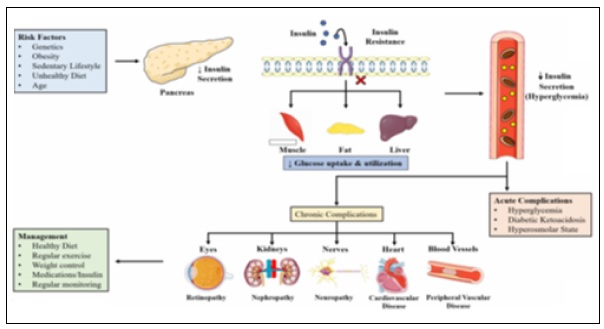
FIG. 1: PATHOPHYSIOLOGY OF DIABETES MELLITUS
Conventional Treatments for Diabetic Mellitus: Conventional treatment for diabetes mellitus mainly aims to keep blood sugar levels within a normal range and prevent complications related to diabetes. The usual methods of treatment involve insulin therapy and oral medications like metformin, sulfonylureas, thiazolidinediones, and DPP-4 inhibitors. These treatments work by either improving insulin release, making the body more responsive to insulin, or decreasing the amount of glucose produced. While these treatments are effective, they can also have certain drawbacks, such as causing low blood sugar, leading to weight gain, causing stomach issues, being expensive, and having difficulty in being followed over time.
In addition, these treatments mainly focus on controlling the symptoms of diabetes rather than stopping the disease from getting worse, which shows the need for safer and more effective treatment options.
Insulin Therapy: It is quite a primary treatment for type 1 diabetes and severe type 2 diabetes. It helps control blood sugar levels by permitting cells to take in glucose and promoting the generation of glucose by the liver. Diverse groups of insulin, such as rapid-acting, short-acting, intermediate- acting, and long-acting, are chosen based on the patient's needs. Using intensive insulin therapy helps lower high blood sugar levels and can slowly reduce the growth of diabetes-related complexity 24. Although the insulin treatment is efficient, it has many disadvantages. Patients frequently require holding insulin injections regularly, which can make it challenging to succeed with the treatment plan and may lower their overall quality of life 25. One of the utmost steady and severe side outcomes is hypoglycemia, especially in older people. Utilizing insulin over a long time can likewise lead to weight gain, a modification in body fat redistribution at the injection location, and a higher risk of heart and blood vessel challenge 26. Additionally, insulin treatment does not fully quell the oxidative stress and inflammation that are associated with difficulty from diabetes 27.
Biguanides (Metformin): Metformin is admired as the selected oral medication for severe type 2 diabetes mellitus because it is both effective and safe 28. It works by decreasing the count (up to) of glucose generated by the liver and by making body tissues further sensitive to insulin, which is achieved by the trigger of AMP-activated protein kinase (AMPK) 29. Additionally, metformin helps in handling lipid balance and may lower the risk of heart-related issues 30. Long-term use of metformin is frequently accompanied by to gastrointestinal consequences like nausea, diarrhoea, stomach discomfort, and a metallic taste 31. In certain cases, extended treatment may cause in a lack of vitamin B12 and a buildup of lactic acid, particularly in people with kidney problems 32. Furthermore, as diabetes progresses, metformin independently may not be sufficient to handle blood sugar levels effectively due to the decreasing work of the pancreatic cells that generate insulin 33.
Sulfonylureas: Sulfonylureas like glibenclamide, glimepiride, and gliclazide cause the closing of ATP-sensitive potassium chanels in pancreatic β-cells, which assist in expanding insulin release 34. These medications are usually accustomed to because they are efficient in lowering blood glucose levels and are expenditure-efficient 35. The foremost disadvantage of sulfonylureas is the chance of serious low blood sugar levels, specifically in elderly grown-ups and those with kidney problems 36. Utilizing these medicines for an elongate time can similarly cause the pancreas's beta cells to become less effective, which reduces their capability to regulate blood sugar over time. Furthermore, weight gain and concerns about heart health have formed these medication less usually accustomed to conventional diabetes treatment approaches 37.
Thiazolidinediones: Thiazolidinediones, like pioglitazone, assist the bulk use of insulin further efficiently by exciting the peroxisome proliferator-activated receptor gamma (PPAR-γ) 38. These drugs increase the capability of fat and muscle tissues to swallow glucose and also lower insulin resistance 39. Thiazolidinediones are related to various side consequences, such as fluid retention, swelling, weight gain, and a higher chance of heart failure 40. Overlong utilize has similarly been associated to an elevated danger of bone fractures and potential damage to the liver. Because of these safety issues, their use in treating diabetes has become limited for numerous patients 41.
DPP-4 Inhibitors: Dipeptidyl peptidase-4 (DPP-4) obstacles such as vildagliptin, sitagliptin, and linagliptin assist regulate blood sugar levels by boosting the body's realistic incretin hormones 42. These drug promote insulin release in reaction to glucose and degrade the discharge of glucagon, while not frequently leading to low blood sugar levels 43. While these medication are normally source tolerated, they can create side effects like colds, headaches, pancreatitis, and joint pain in certain public 44. Their capability to lower blood sugar is not as powerful as some other treatments. Furthermore, the expense of these drug can be a barrier to spell in low- and middle-income countries 45.
SGLT2 Inhibitors: Sodium-glucose cotransporter 2 (SGLT2) inhibitors, like dapagliflozin and empagliflozin, assist in degrading blood glucose levels by promoting the excretion of glucose through urine 46. This occurs because these medications block the reabsorption of glucose in the kidneys 47. In addition to manipulating blood sugar, these medications similarly offer safeguards for the heart and kidneys in individuals with diabetes 48. SGLT2 inhibitors may increase the danger of urinary tract infections, genital fungal infections, dehydration, and diabetic ketoacidosis 49. Losing overly significant glucose through urine can also lead to electrolyte differences and low blood pressure in certain patients.
The long-term protection of these medications is quietly being studied 50.
GLP-1 Receptor Agonists: GLP-1 receptor agonists like semaglutide and liraglutide aid in enhancing insulin release, degrade glucagon secretion, slow down the motion of food from the stomach into the intestines, and promote weight loss 51. These treatments have been exhibited to offer positive effects on blood sugar regulation and heart-related consequences 52. Usual side effect that people may experience include nausea, vomiting, diarrhea, and stomach discomfort 53. Some investigations likewise signify that there could be a danger of developing pancreatitis or gallbladder outcome 54. Furthermore, the high cost of these medications and the requirement for injections can create it challenges for patients to succeed with the treatment strategy constantly and access the therapy effortlessly 55. Table 1 provided list of conventional treatment in diabetic activity).
TABLE 1: LIST OF CONVENTIONAL TREATMENT WITH ANTI-DIABETIC ACTIVITY
| Category | Drug name | Common brands | Mechanism of Action | Side effects | Ref. |
| Insulin analog | Insulin (Lispro, Regular, Glargine) | Huminsulin, Novorapid, Lantus | Increase glucose uptake in muscle and fat, inhibits hepatic glucose production | Hypoglycemia, weight gain | 56 |
| Biguanide | Metformin, phenformin | Glucophage | Decrease hepatic gluconeogenesis, increases insulin sensitivity | GI upset, vitamin B12 deficiency | 56 |
| Sulfonylurea (2nd generation) | Glibenclamide, Glimepiride, Gliclazide | Daonil, Amaryl, Diamicron | Stimulates insulin secretion from pancreatic beta cells by closing K+ channels | Hypoglycemia, weight gain | 57 |
| Thiazolidinedione | Pioglitazone, Rosiglitazone | Actos, Avandia | Increases insulin sensitivity in adipose tissue and muscle | Edema, heart failure risk | 58 |
| DPP-4 inhibitor | Sitagliptin, Vidagliptin | Januvia, Galvus | Inhibits DDP-4 enzyme – prolongs incretin action | Headache, nasopharyngitis | 59 |
| SGLT2 inhibitor | Empagliflozin | Jardiance | Blocks SGLT2 in kidney – reduces glucose reabsorption | UTI, dehydration, ketoacidosis | 60 |
| Alpha- glucosidase inhibitor | Acarbose | Glucobay | Delayes carbohydrate absorption in intestion | Flatulence, abdominal discomfort | 61 |
Herbal Treatment for Diabetic Mellitus: Herbal medicines have been widely studied as alternative and complementary treatments for diabetes mellitus because they are effective and have fewer side effects compared to some conventional treatments. Many medicinal plants, such as Bitter melon (Momordica charantia), Gymnema (Gymnema sylvestre), Aloe vera (Aloe barbadensis Miller), Fenugreek (Trigonella foenum-graecum), and Jamun (Syzygium cumini), have shown strong antidiabetic effects. These plants help by increasing insulin production, improving the body's ability to use glucose, reducing insulin resistance, and protecting the pancreatic β-cells from damage caused by oxidative stress. These properties suggest that herbal therapies could be valuable for managing diabetes over a long period.
Momordica charantia: Momordica charantia, usually specified as the bitter melon, is the most systematically investigated medicinal plants used to address diabetes mellitus because of its powerful ability to lower blood sugar position 62. This plant involves various functioning substances like charantin, vicine, momordicosides, polypeptide-p, and flavonoids, which assist in its capability to regulate diabetes 63. Research shows that bitter melon assists the body utilize glucose further effectively by moving GLUT4 to the cell surface and by activating the AMP-activated protein kinase (AMPK) path in muscle cells 64.
It likewise demote the yield of glucose in the liver and avoid the immersion of glucose in the intestines, which aid to lower high blood sugar levels after meals 65. Bitter melon assist protect the pancreas's beta cells by increasing antioxidant activities like those of superoxide dismutase (SOD), glutathione and catalase 66. Additional studies exhibit that M. charantia reduces inflammatory factors like TNF-α and IL-6 by blocking the NF-κB signaling pathway, which assists in enhancing insulin sensitivity and collectively metabolic control 67.
Gymnema sylvestre: Gymnema sylvestre, frequently referred to as "gurmar," has been used for a long time in Ayurvedic medicine to help manage diabetes 68. This plant holds various combinations like gymnemic acids, saponins, flavonoids, and alkaloids, which possess muscular abilities to lower blood sugar position 69. Gymnemic acids cause the immersion, the cessation of glucose immersion in the small intestine, and the promise of the release of insulin from the pancreas. Studies suggest that extracts from this plant may help repair damaged pancreatic cells and support the body's own insulin production 70. Furthermore, the antioxidants found in Gymnema assist in degrading oxidative stress and prevent injury to cells caused by high blood sugar levels over time. Laboratory research has also found that using Gymnema extracts can lead to exceeding glucose storage in the body, lower levels of blood sugar when fasting, and enhance capability to handle blood sugar levels after meals 71.
TABLE 2: LIST OF HERBAL PLANT WITH ANTI-DIABETIC ACTIVITY
| Herbal medicinal plant | Common name | Family | Part used | Bioactive constituents | Mechanism of action | Ref. |
| Gymnema slyvestre | Gurmar | Apocynaceae | Leaves | Gymnemic acids, saponins | Stimulates insulin secretion and regeneration of β-cells | 72 |
| Momordica charantia | Bitter melon
|
Cucurbitaceae | Fruits | Charantin, vicine, polypeptide-p | Enhances glucose uptake and insulin sensitivity | 73 |
| Trigonella foenum- graecum | Fenugreek | Fabaceae | Seeds | Trigonelline, galactomannan | Delays glucose absorption and stimulates insulin release | 74 |
| Syzygium cumini | Jamun | Myrtaceae | Seeds | Jamboline, ellagic acid | Reduces blood glucose level | 75 |
| Azadirachta indica | Neem | Meliaceae | Leaves | Nimbidin, flavonoids | Exhibits hypoglycemic and antioxidant activity | 76 |
| Curcuma longa | Turmeric | Zingiberaceae | Rhizome | Curcumin | Suppresses inflammation and oxidative stress | 77 |
| Tinospora cordifolia | Giloy | Menispermaceae | Stem | Berberine, tinosporaside | Enhances glucose metabolism | 78 |
| Allium sativum | Garlic | Amaryllidaceae | Bulb | Allicin, sulphur compound | Improves insulin secretion | 79 |
| Aloe barbadensis Miller | Aloe
|
Asphodelaceae | Leaf gel | Aloin, phytosterols | Lowers fasting blood glucose | 80 |
| Camellia sinensis | Tea plant | Theaceae | Leaves | EGCG, catechins | Improves insulin sensitivity | 81 |
| Ocimum sanctum | Tulsi | Lamiaceae | Leaves | Eugenol, ursolic acid | Enhances pancreatic β-cell function | 82 |
| Pterocarpus marsupium | Indian kino
|
Fabaceae | Heart
-wood |
Pterostilbene, marsupsin | Regenerates pancreatic cells | 83 |
| Mangifera indica | Mango | Anacardiaceae | Leaves | Mangiferin | Reduces intestinal glucose absorption | 84 |
| Murraya koenigii | Curry leaf | Rutaceae | Leaves | Carbazole alkaloids | Improves insulin activity | 85 |
| Phyllanthus emblica | Amla | Phyllanthaceae | Fruits | Vitamin C, tannins | Reduces oxidative stress and hyperglycemia | 86 |
| Zingiber officinale | Ginger | Zingiberaceae | Rhizome | Gingerols, shogaols | Enhances glucose uptake | 87 |
| Cinnamomum verum | Cinnamon | Lauraceae | Bark | Cinnamaldehyde, polyphenols | Mimics insulin action | 88 |
| Ficus religiosa | Peepal | Moraceae | Bark and leaves | Flavonoids, sterols | Decreases blood glucose levels | 89 |
| Berberis aristata | Daruharidra
Berberidaceae |
Berberidaceae | Roots | Berberine | Activates AMPK pathway | 90 |
| Aegle marmelos | Bael | Rutaceae | Leaves | Marmelosin, aegeline | Improves glucose tolerance | 91 |
Curcuma longa: Curcuma longa, typically named as turmeric, has illustrious antidiabetic properties primarily because of curcumin, which is its main polyphenolic compound 92. Curcumin assists the body in using insulin more efficiently by triggering the PI3K/Akt and AMPK pathways 93. At the same time, it degrades inflammation by restricting the conditioning of the NF-κB and JNK pathways. Also, curcumin avoids formation of advanced glycation end products (AGEs), which can damage the tissues and leads to diabetes-related complications 94. The compound likewise acts as a strong antioxidant by neutralizing harmful reactive oxygen species and boosting the activity of natural antioxidant enzymes comparable as catalase, glutathione peroxidase, and superoxide dismutase 95. In investigation utilize animal models with diabetes, curcumin has been display to considerably low high blood sugar levels and degrade conditions like diabetic nephropathy, neuropathy, and cardiovascular issues. Newer nanoformulations of curcumin have improved its ability to be immersed by the body and its validity in address diabetes 96. Table 2 provided list of major plants in diabetic activity.
Trigonella foenum-graecum: Fenugreek, scientifically specified as Trigonella foenum-graecum, has been universally recognized for its capacity to low blood sugar levels and enhance the body's response to insulin 97. The seeds of fenugreek hold various favorable compounds such as soluble fibers, trigonelline, diosgenin, galactomannan, and 4-hydroxyisoleucine, which simultaneously aid in managing diabetes 98. The soluble fibers in fenugreek slowly down the emptying of the stomach and the absorption of carbohydrates, which aid in degrade unexpected expand in blood sugar after meals 99. Besides, 4-hydroxyisoleucine promotes the release of insulin from the beta cells in the pancreas in reaction to glucose 100. Fenugreek also assist the body's cells respond exceed to insulin and use glucose further efficiently 101. The antioxidants introduce in fenugreek assist reduce oxidative stress and inflammation, which are related to complexity of diabetes 102. Research from clinical studies has exhibit that hold fenugreek can lead to distinguished decreases in fasting blood sugar levels, hemoglobin A1c, and the levels of certain fats in the blood 103.
Tinospora cordifolia: Tinospora cordifolia, generally specified as Guduchi, is an important medicinal plant that has conventionally use in Indian medicine to manage various metabolic conditions 104. It holds several active compounds similar to tinosporaside, berberine, alkaloids, diterpenoid lactones, and cordifolioside, which show strong antidiabetic and antioxidant properties 105. Research suggests that T. cordifolia assists in the release of insulin, enhance the body's capability to hold in glucose, also reduces the production of glucose in the liver 106. The plant also assist in lowering oxidative stress by boosting the levels of natural antioxidant enzymes like catalase and superoxide dismutase 107. Its anti-inflammatory effects are owing to its ability to block the NF-κB signaling pathway and degrade levels of inflammatory markers such as TNF-α and IL-6, which in turn improve insulin sensitivity and defend the pancreas 108. Animal studies exhibit that Guduchi helps preserve the structure of the pancreas and slow down the progression of complexity related with diabetes, such as kidney disease and nerve damage 109.
Allium sativum: Allium sativum, ordinarily named as garlic, exhibit hopeful potential in managing diabetes owing to its sulphur-rich compounds like allicin, diallyl disulphide, and S-allyl cysteine 110. These compounds support better glucose metabolism by support insulin release, increase body's response to insulin, and reduce glucose production in the liver 111. Garlic also owns strong antioxidant activity, which help in neutralize damaging free radicals and lower the level of fat oxidation in the body 112. Its anti-inflammatory effects come from inhibiting the NF-κB signaling pathway and degrade the levels of inflammatory substances, which helps avoid difficulty associated to diabetes 113. Studies from both laboratory experiments and clinical trials have establish that hold garlic can lower fasting blood sugar levels, degrade cholesterol and triglyceride levels, and decrease signs of oxidative stress. Furthermore, garlic offers heart-protective benefits for people with diabetes by improve the act of blood vessel walls and helping to lower high blood pressure 114.
Camellia sinensis: Camellia sinensis, usually named as green tea, hold a large amount of catechins, specifically epigallocatechin gallate (EGCG) 115. These compounds have mighty antidiabetic and antioxidant properties. EGCG aid the body utilize insulin more efficiently and enhance how the body procedure glucose by activating the AMPK pathways and enhance the movement of GLUT4 to cell surfaces 116. The polyphenols found in green tea also aid degrade the absorption of glucose in the intestines and lower the increase of fats in the liver 117. Additionally, EGCG assist degrade oxidative stress and inflammation by blocking NF-κB signaling pathway and lowering also the levels of damaging inflammatory chemicals 118. Studies on animals exhibit that hold green tea can lower blood sugar levels after fasting, enhance the body's metabolism of lipids, and protect the cells in the pancreas that produce insulin from damage caused by oxidation 119. People who frequently drink green tea have similarly been found to have a lower risk of developing type 2 diabetes as well as related heart problems 120.
Azadirachta indica: Azadirachta indica, typically specified as neem, has powerful antidiabetic properties because it boast compounds like limonoids, flavonoids, tannins, and glycosides 121. When taken as an extract, neem helps lower blood sugar by potential insulin receptors further sensitive and by enhance how glucose is used in the body's tissues 122. It similarly works by blocking the action of α-amylase and α-glucosidase enzymes, which are complicated in breaking down carbohydrates in the intestines and absorbing glucose into the bloodstream 123. Neem also has significant antioxidant and anti-inflammatory effects that aid defense the pancreatic beta cells from injury caused by oxidative stress and inflammation 124. Research has establish that giving neem extracts to diabetic animals leads to better glycogen storage, lower levels of sugar in the blood, and heightened antioxidant levels in the body 125.
Syzygium cumini: Syzygium cumini, ordinarily named as jamun, has been conventionally used to serve diabetes owing to the presence of mixture like jamboline, ellagic acid, anthocyanins, and flavonoids in its seeds 126. These compounds aid expand insulin output and reduce the conversion of starch into glucose, which in turn helps lower blood sugar levels 127. Extracts from jamun seeds also have antioxidant activities, which help to reduce the oxidative stress and boost body's natural defense mechanisms against free radicals 128. Also, the anti-inflammatory effects of these extracts assist protect the pancreatic β-cells and support the body's insulin signaling processes 129. Research investigations have shown that utilize Syzygium cumini extracts can enhance glucose tolerance, lower levels of glycated hemoglobin, and degrade the risk of complications interrelated with diabetes 130.
Aloe barbadensis Miller: Aloe vera contains compounds similar to polysaccharides, anthraquinones, flavonoids, and phytosterols, which have powerful antihyperglycemic and antioxidant properties 131. Research exhibits that aloe vera aids the body in becoming further sensitive to insulin, promotes the absorption of glucose, and inspire the release of insulin from the pancreas 132. It also lowers oxidative stress by boosting exertion of antioxidant enzymes and degrades the damage caused by lipid peroxidation 133. The plant's anti-inflammatory effects come from its capability to degrade production of pro-inflammatory cytokines, which assist in maintaining better metabolic balance 134. Clinical studies have found that taking Aloe vera can lower the position of fasting blood sugar, triglycerides, and cholesterol. Furthermore, it has been exhibited to protect from kidney damage and liver injury associated with diabetes 135.
Vitis vinifera: Grapes, scientifically named Vitis vinifera, boast compounds such as resveratrol, quercetin, catechins, and proanthocyanidins, which have important antidiabetic and antioxidant properties 136. Resveratrol aid by triggering two major signaling pathways, SIRT1 and AMPK, which in turn improve insulin sensitivity and support exceed mitochondrial function 137. Furthermore, it assists in reducing oxidative stress, inflammation, and issues with blood vessel function that are connected to long-term high blood sugar levels 138. The polyphenols established in grapes also support blocking the NF-κB signaling pathway, which involved in inflammation, lower production of inflammatory substances like TNF-α and IL-6 139. Research examinations have exhibited that hold grape extracts can also improve the body's capability to handle glucose, lower insulin resistance, and give protection against heart-related complications that often come with diabetes. These results suggest that Vitis vinifera could be an applicable extension to the treatment draws on for managing diabetes mellitus 140. Table 3 provided major phytoconstituents in diabetic activity.
TABLE 3: LIST OF MAJOR PHYTOCONSTITUENTS SHOWING ANTI- DIABETIC ACTIVITY
| Individual compound | Cell lines | Animal model | Mechanism of action | Ref. |
| Gymnemic acid | INS-1, STZ diabetic rats | STZ- induced diabetic rats | Promotes regeneration of pancreatic beta-cells and insulin secretion | 141 |
| Charantin | L6 myotubes, diabetic mice | STZ- induced diabetic mice | Increase glucose uptake and glycogen synthesis | 142 |
| Curcumin | HepG2, STZ diabetic rats | Acetaminophen-induced liver injury mouse model | Suppresses NF-Kb pathway and oxidative stress | 143 |
| Berberine | 3T3-L1 adipocytes, HepG2 | Gestational diabetes mellitus rat model | Activates AMPK pathway and improves insulin sensitivity | 144 |
| Quercetin | INS-1 cells, diabetic rats | STZ- induced diabetic rats | Protect beta- cells from oxidative damage and apoptosis | 145 |
| Trigonelline | Pancreatic beta- cell models | Nicotinamide- STZ induced diabetic rats | Enhances insulin secretion and glucose tolerance | 146 |
| Jamboline | Experimental diabetic models | Alloxan- induced diabetic rabbits/ rats | Reduces conversion of starch into glucose | 147 |
| Luteolin | HepG2 | HFD/STZ diabetic mice | Reduces insulin resistance and inflammation | 148 |
| Catechin | 3T3-L1 adipocytes | Diabetic mice | Enhances glucose metabolism and antioxidant enzymes | 149 |
| Apigenin | INS-1 cells | STZ diabetic rats | Preserves β-cell mass and lowers blood glucose | 150 |
| Gallic acid | INS-1E β-cells | STZ rats | Protects β-cells from oxidative stress, enhances insulin secretion | 151 |
| Rutin | L6 skeletal muscle cells | STZ rats | Enhances glucose uptake, antioxidant enzymes | 152 |
CONCLUSION: Diabetes mellitus remain to be a major generic metabolic condition because of its widespread occurrence, long-term complications, and massive impact on society and economics. Although conventional diabetes medicine like metformin, insulin, sulfonylureas, DPP-4 inhibitors, SGLT2 inhibitors, and GLP-1 receptor agonists are efficient in managing blood sugar levels, continued use frequently leads to side effects and exceptional limited capability to avoid diabetes-related complications.
These disadvantages have created surge of interest on phytotherapy as a safe and effective treatment. Many medicinal plants, such as Gymnema sylvestre, Momordica charantia, Curcuma longa, Trigonella foenum-graecum, Tinospora cordifolia, and Syzygium cumini, contain active components that aid lower blood glucose, reduce oxidative stress, fight inflammation, and defend pancreatic beta cells. These are mediated through various biological pathways, involve AMPK, PI3K/Akt, GLUT4, and NF-κB. Progress in nanotechnology and innovative drug delivery methods has further improved the strength of these plant-based compounds. Nevertheless, additional clinical research, safety testing, and standardization of herbal products are needfulness to verify their long-term benefits and safety.
ACKNOWLEDGEMENT: Nil
CONFLICT OF INTEREST: Nil
REFERENCES:
- Waugh C PNWABM. Introduction of the Mediterranean diet in pregnancy and the incidence of gestational diabetes mellitus: A systematic review of randomised controlled trials and meta-analysis. European Journal of Obstetrics & Gynecology and Reproductive Biology 2024; 299: 199-207.
- Clemente-Suárez VJ, Mielgo-Ayuso J, Martín-Rodríguez A, Ramos-Campo DJ, Redondo-Flórez L and Tornero-Aguilera JF: The Burden of Carbohydrates in Health and Disease. Nutrients 2022; 14(18): 3809. doi:10.3390/nu14183809
- Ning C JYWJLWZJLY: Recent advances in the managements of type 2 diabetes mellitus and natural hypoglycemic substances. Food Sci Hum Wellness 2022; 11(5): 1121-1133.
- Chen X, Xie N and Feng L: Oxidative stress in diabetes mellitus and its complications: From pathophysiology to therapeutic strategies. Chin Med J (Engl) 2025; 138(1): 15-27. doi:10.1097/CM9.0000000000003230
- An Y, Zhang H and Wang C: Activation of ROS/MAPK <scp>s</scp> /NF‐ <scp>κ</scp> B/NLRP3 and inhibition of efferocytosis in osteoclast‐mediated diabetic osteoporosis. The FASEB Journal 2019; 33(11): 12515-12527. doi:10.1096/fj.201802805RR
- Bazzazzadehgan S, Shariat-Madar Z and Mahdi F: Distinct Roles of Common Genetic Variants and Their Contributions to Diabetes: MODY and Uncontrolled T2DM. Biomolecules 2025; 15(3): 414. doi:10.3390/biom15030414
- Corathers SD, Peavie S and Salehi M: Complications of Diabetes Therapy. Endocrinol Metab Clin North Am 2013; 42(4): 947-970. doi:10.1016/j.ecl.2013.06.005
- Przeor M: Some common medicinal plants with antidiabetic activity, known and available in europe (a mini-review). Pharmaceuticals 2022; 15(1): 65. doi:10.3390/ph15010065
- Ansari P, Akther S, Hannan JMA, Seidel V, Nujat NJ and Abdel-Wahab YHA: Pharmacologically active phytomolecules isolated from traditional antidiabetic plants and their therapeutic role for the management of diabetes mellitus. Molecules 2022; 27(13): 4278. doi:10.3390/molecules27134278
- GHorbani Z, Hekmatdoost A and Mirmiran P: Anti-hyperglycemic and insulin sensitizer effects of turmeric and its principle constituent curcumin. Int J Endocrinol Metab 2014; 12(4). doi:10.5812/ijem.18081
- Ansari P, Khan JT and Chowdhury S: Plant-based diets and phytochemicals in the management of diabetes mellitus and prevention of its complications: a review. Nutrients 2024; 16(21): 3709. doi:10.3390/nu16213709
- Hossain MdJ, Al‐Mamun Md and Islam MdR: Diabetes mellitus, the fastest growing global public health concern: Early detection should be focused. Health Sci Rep 2024; 7(3). doi:10.1002/hsr2.2004
- Pan C, Cao B and Fang H: Global burden of diabetes mellitus 1990–2021: epidemiological trends, geospatial disparities, and risk factor dynamics. Front Endocrinol (Lausanne) 2025; 16. doi:10.3389/fendo.2025.1596127
- Alinaghian SA, Hamidzadeh S and Badrizadeh A: Burden of type 2 diabetes and its relationship with human development index in Asian countries: Global Burden of Disease Study in 2019. BMC Public Health 2025; 25(1): 402. doi:10.1186/s12889-025-21608-8
- Rhee EJ: Diabetes in Asians. Endocrinology and Metabolism 2015; 30(3): 263. doi:10.3803/EnM.2015.30.3.263
- Ke C, Narayan KMV, Chan JCN, Jha P and Shah BR: Pathophysiology, phenotypes and management of type 2 diabetes mellitus in Indian and Chinese populations. Nat Rev Endocrinol 2022; 18(7): 413-432. doi:10.1038/s41574-022-00669-4
- Pappachan JM, Fernandez CJ and Ashraf AP: Rising tide: The global surge of type 2 diabetes in children and adolescents demands action now. World J Diabetes 2024; 15(5): 797-809. doi:10.4239/wjd.v15.i5.797
- Krause M and De Vito G: Type 1 and Type 2 Diabetes Mellitus: Commonalities, Differences and the Importance of Exercise and Nutrition. Nutrients 2023; 15(19): 4279. doi:10.3390/nu15194279
- Galicia-Garcia U, Benito-Vicente A and Jebari S: Pathophysiology of Type 2 Diabetes Mellitus. Int J Mol Sci 2020; 21(17): 6275. doi:10.3390/ijms21176275
- Fuentes-Barría H, Aguilera-Eguía R, Flores-Fernández C, Angarita-Davila L and Alarcón-Rivera M: Type 2 Diabetes Mellitus as a Multisystem Disease: From Insulin Resistance to Organ Crosstalk—A Narrative Review. Biomedicines 2026; 14(4): 752. doi:10.3390/biomedicines14040752
- Merz KE and Thurmond DC: Role of skeletal muscle in insulin resistance and glucose uptake. In: Comprehensive Physiology Wiley 2020; 785-809. doi:10.1002/cphy.c190029
- Dash UC, Bhol NK and Swain SK: Oxidative stress and inflammation in the pathogenesis of neurological disorders: Mechanisms and implications. Acta Pharm Sin B 2025; 15(1): 15-34. doi:10.1016/j.apsb.2024.10.004
- Khalid M, Petroianu G and Adem A: Advanced Glycation End Products and Diabetes Mellitus: Mechanisms and Perspectives. Biomolecules 2022; 12(4): 542. doi:10.3390/biom12040542
- Janež A, Guja C and Mitrakou A: Insulin therapy in adults with type 1 diabetes mellitus: a narrative review. Diabetes Therapy 2020; 11(2): 387-409.
- Emad-Eldin M, Balata GF, Elshorbagy EA, Hamed MS and Attia MS: Insulin therapy in type 2 diabetes: Insights into clinical efficacy, patient-reported outcomes, and adherence challenges. World J Diabetes 2024; 15(5): 828.
- Xie X, Wu C and Hao Y: Benefits and risks of drug combination therapy for diabetes mellitus and its complications: a comprehensive review. Front Endocrinol (Lausanne) 2023; 14. doi:10.3389/fendo.2023.1301093
- Wronka M, Krzemińska J, Młynarska E, Rysz J and Franczyk B: The Influence of Lifestyle and Treatment on Oxidative Stress and Inflammation in Diabetes. Int J Mol Sci 2022; 23(24): 15743. doi:10.3390/ijms232415743
- Bailey CJ: Metformin: Therapeutic profile in the treatment of type 2 diabetes. Diabetes Obes Metab 2024; 26(3): 3-19. doi:10.1111/dom.15663
- Goel S, Singh R and Singh V: Metformin: Activation of 5′ AMP-activated protein kinase and its emerging potential beyond anti-hyperglycemic action. Front Genet 2022; 13: 1022739. doi:10.3389/fgene.2022.1022739
- Giraldo-Gonzalez GC, Roman-Gonzalez A, Cañas F and Garcia A: Molecular Mechanisms of Type 2 Diabetes-Related Heart Disease and Therapeutic Insights. Int J Mol Sci 2025; 26(10): 4548. doi:10.3390/ijms26104548
- Avijit M and Ashini S: A Review on Metformin: Clinical Significance and Side Effects. Res J Pharm Technol. Published online November 30, 2021; 6179-6186. doi:10.52711/0974-360X.2021.01070
- Araji G, Keesari PR and Chowdhry V: Vitamin B12 deficiency in dialysis patients: risk factors, diagnosis, complications, and treatment: A comprehensive review. World J Nephrol 2024; 13(4): 100268. doi:10.5527/wjn.v13.i4.100268
- Harada N: Effects of metformin on blood glucose levels and bodyweight mediated through intestinal effects. J Diabetes Investig 2020; 11(6): 1420-1421. doi:10.1111/jdi.13301
- Yang X and Yang Y: The crucial role of potassium ion channels in diabetes mellitus and its complications: A review. Channels 2025; 19(1): 2531949. doi:10.1080/19336950.2025.2531949
- Kang SM, Yun HM, Sohn M and Lim S: Vascular and metabolic effects of ipragliflozin versus sitagliptin (IVS) in type 2 diabetes treated with sulphonylurea and metformin: <scp>IVS</scp> study. Diabetes Obes Metab 2023; 25(7): 1922-1931. doi:10.1111/dom.15056
- Aljamali N, Jasim D and Mujjed A: Review on urea (Uses, advantage, disadvantage) in biochemical fields. International Journal of Chemistry Studies 2022; 6(1): 48-52.
- Liu YF, Wen ZF and Bian Y: A review on recent innovations of pretreatment and analysis methods for sulfonylurea herbicides. Crit Rev Anal Chem 2024; 54(6): 1462-1491.
- Kounatidis D, Vallianou NG and Rebelos E: The Many Facets of PPAR-γ Agonism in Obesity and Associated Comorbidities: Benefits, Risks, Challenges, and Future Directions. Curr Obes Rep 2025; 14(1): 19. doi:10.1007/s13679-025-00612-4
- Feingold KR: Oral and injectable (non-insulin) pharmacological agents for the treatment of type 2 diabetes. Endotext [Internet]. Published online September 11, 2024.
- Singh G, Kumar R, D.S. D, Chaudhary M, Kaur C and Khurrana N: Thiazolidinedione as a Promising Medicinal Scaffold for the Treatment of Type 2 Diabetes. Curr Diabetes Rev 2024; 20(6). doi:10.2174/0115733998254798231005095627
- Giglio RV, Papanas N and Rizvi AA: An Update on the Current and Emerging Use of Thiazolidinediones for Type 2 Diabetes. Medicina (B Aires) 2022; 58(10): 1475. doi:10.3390/medicina58101475
- Saini K, Sharma S and Khan Y: DPP-4 inhibitors for treating T2DM - hype or hope? an analysis based on the current literature. Front Mol Biosci 2023; 10: 1130625. doi:10.3389/fmolb.2023.1130625
- Pechmann LM, Pinheiro FI, Andrade VF and Moreira CA: The multiple actions of dipeptidyl peptidase 4 (DPP-4) and its pharmacological inhibition on bone metabolism: a review. Diabetol Metab Syndr 2024; 16(1): 175.
- Zaresharifi S, Niroomand M, Borran S and Dadkhahfar S: Dermatological side effects of dipeptidyl Peptidase-4 inhibitors in diabetes management: a comprehensive review. Clin Diabetes Endocrinol 2024; 10(1): 6.
- Yin R, Xu Y, Wang X, Yang L and Zhao D: Role of Dipeptidyl Peptidase 4 Inhibitors in Antidiabetic Treatment. Molecules 2022; 27(10): 3055. doi:10.3390/molecules27103055
- Kumar N, Kumar B and Ashique S: A critical review on SGLT2 inhibitors for diabetes mellitus, renal health, and cardiovascular conditions. Diabetes Res Clin Pract 2025; 221: 112050. doi:10.1016/j.diabres.2025.112050
- Dai ZC, Chen JX, Zou R, Liang XB, Tang JX and Yao CW: Role and mechanisms of SGLT-2 inhibitors in the treatment of diabetic kidney disease. Front Immunol 2023; 14: 1213473. doi:10.3389/fimmu.2023.1213473
- Seidu S, Alabraba V and Davies S: SGLT2 Inhibitors – The New Standard of Care for Cardiovascular, Renal and Metabolic Protection in Type 2 Diabetes: A Narrative Review. Diabetes Therapy 2024; 15(5): 1099-1124. doi:10.1007/s13300-024-01550-5
- Confederat LG, Dragostin OM and Condurache MI: SGLT2 Inhibitors and the Risk of Urogenital Infections: A Concise Review. J Clin Med 2025; 14(6): 1960. doi:10.3390/jcm14061960
- Sarkar R, Pal D, Das SK, Trabelsi M and Ghosh D: Beyond Glucose: Understanding the Full Scope of Diabetes Complications. In: Healing Beyond Blood Sugar: A Complete Guide to Managing Diabetes-Related Disabilities. Singapore: Springer Nature Singapore 2026; 1-31.
- Ullah MI and Tamanna S: Obesity: Clinical Impact, Pathophysiology, Complications, and Modern Innovations in Therapeutic Strategies. Medicines 2025; 12(3): 19. doi:10.3390/medicines12030019
- Chikatimalla R, Shah A and Shah T: GLP-1 receptor agonists in stroke prevention: a narrative review on emerging therapeutic frontiers. Ann Med 2026; 58(1): 2660386. doi:10.1080/07853890.2026.2660386
- Wan J, Ferrari C and Tadros M: GLP-1RA essentials in gastroenterology: side effect management, precautions for endoscopy and applications for gastrointestinal disease treatment. Gastroenterol Insights 2024; 15(1): 191-212.
- Ramírez-Mejía MM, Ponciano-Rodriguez G, Eslam M and Méndez-Sánchez N: GLP-1 receptor agonists and gallbladder disease risk: insights into molecular mechanisms and clinical implications. Ther Adv Endocrinol Metab 2025; 16. doi:10.1177/20420188251406456
- Abdelrahman RM, Musa TH and Arbab IA: Harnessing GLP‐1 Receptor Agonists for Obesity Treatment: Prospects and Obstacles on the Horizon. J Obes 2025; 2025(1): 9919810.
- ElSayed NA, McCoy RG and Aleppo G: Diagnosis and Classification of Diabetes: Standards of Care in Diabetes—2025. Diabetes Care. 2025; 48(Supplement_1): S27-S49. doi:10.2337/dc25-S002
- Davies MJ, Aroda VR and Collins BS: Management of Hyperglycemia in Type 2 Diabetes, 2022. A Consensus Report by the American Diabetes Association (ADA) and the European Association for the Study of Diabetes (EASD). Diabetes Care 2022; 45(11): 2753-2786. doi:10.2337/dci22-0034
- Eggleton JS and Jialal I: Thiazolidinediones. Treasure Island (FL) StatPearls 2026.
- Drucker DJ: Dipeptidyl peptidase-4 inhibitors: mechanisms and clinical use in type 2 diabetes. Diabetes Care 2024; 47(2): 250-265.
- McGuire DK: SGLT2 inhibitors in type 2 diabetes: mechanisms and clinical effects. Lancet Diabetes Endocrinol 2024; 12(2): 120-135.
- Akmal M, Patel P and Wadhwa R: Alpha-Glucosidase Inhibitors in Type 2 Diabetes Mellitus. Treasure Island (FL): StatPearls 2024.
- Mes JJ, van den Belt M and van der Haar S: Bitter gourd (Momordica charantia L.) supplementation for twelve weeks improves biomarkers of glucose homeostasis in a prediabetic population. J Ethnopharmacol 2025; 347: 119756. doi:10.1016/j.jep.2025.119756
- Bara LV, Budau R and Apahidean AI: Momordica charantia L.: Functional Health Benefits and Uses in the Food Industry. Plants 2025; 14(17): 2642. doi:10.3390/plants14172642
- Gao Y, Li X, Huang Y, Chen J and Qiu M: Bitter melon and diabetes mellitus. Food Reviews International 2023; 39(1): 618-638.
- Liu J, Lei Y, Guo M and Wang L: Research Progress on the Hypoglycemic Effects and Mechanisms of Action of Momordica charantia polysaccharide. J Food Biochem 2023; 2023(1): 1-18. doi:10.1155/2023/8867155
- Richter E, Geetha T, Burnett D, Broderick TL and Babu JR: The Effects of Momordica charantia on Type 2 Diabetes Mellitus and Alzheimer’s Disease. Int J Mol Sci 2023; 24(5): 4643. doi:10.3390/ijms24054643
- Kao PF, Cheng CH, Cheng TH, Liu JC and Sung LC: Therapeutic Potential of Momordicine I from Momordica charantia: Cardiovascular Benefits and Mechanisms. Int J Mol Sci 2024; 25(19): 10518. doi:10.3390/ijms251910518
- Wandana JD and Dahanayake D: A Review of the Therapeutic Potential of Gymnema sylvestre in diabetes management. Transformative Applied Research in Computing, Engineering, Science and Technology 2025; 309-315.
- Al-Khayri JM, Sudheer WN and Banadka A: Biotechnological approaches for the production of gymnemic acid from Gymnema sylvestre R. Br Appl Microbiol Biotechnol 2023; 107(14): 4459-4469. doi:10.1007/s00253-023-12587-0
- Pamuru RR, Yarrapalle A and Lakshmi DV: Gymnema sylvestre (Asclepiadaceae): Multi-Potent Medicinal Plant with Potential for Antidiabetes and Obesity. In: Antidiabetic Plants for Drug Discovery. Apple Academic Press 2022; 23-53.
- Jangam A, Tirunavalli SK and Adimoolam BM: Anti-inflammatory and antioxidant activities of Gymnema sylvestre extract rescue acute respiratory distress syndrome in rats via modulating the NF-κB/MAPK pathway. Inflammopharmacology 2023; 31(2): 823-844.
- Kannan P, Raghunathan M, Mohan T, Palanivelu S and Periandavan K: Gymnemic Acid Ameliorates Pancreatic β-Cell Dysfunction by Modulating Pdx1 Expression: A Possible Strategy for β-Cell Regeneration. Tissue Eng Regen Med 2022; 19(3): 603-616. doi:10.1007/s13770-022-00435-7
- Kim B, Lee HS and Kim HJ: Momordica charantia (bitter melon) efficacy and safety on glucose metabolism in Korean prediabetes participants: a 12-week, randomized clinical study. Food Sci Biotechnol 2023; 32(5): 697-704. doi:10.1007/s10068-022-01214-9
- Dhull SB, Bamal P, Chandak A, Nain KB and Malik A: Fenugreek (Trigonella foenum-graecum): An herb with impressive nutritional and antidiabetic properties. In: Antidiabetic Medicinal Plants. Academic Press 2024; 305-325.
- Saeed H, Shabbir MA and Rafi A: <scp>Assessment of Diabetes Mellitus Retrieving Potential of Low Caloric Jamun</scp> ( <scp> Syzygium cumini </scp> ) <scp>Drink Through Animal Modeling</scp>. Food Sci Nut 2025; 13(5): 70251. doi:10.1002/fsn3.70251
- Pingali U, Ali MA, Gundagani S and Nutalapati C: Evaluation of the effect of an aqueous extract of Azadirachta indica (Neem) leaves and twigs on glycemic control, endothelial dysfunction and systemic inflammation in subjects with type 2 diabetes mellitus–a randomized, double-blind, placebo-controlled clinical study. Diabetes, Metabolic Syndrome and Obesity. Published online November 17, 2022; 4401-4412.
- Viudes DR, Mateus AR, Silva CA and do Carmo Franco M: Curcuma longa improves endothelial glycocalyx integrity and redox-inflammatory pathways in type 2 diabetes mellitus: a randomized double-blind placebo-controlled study. Eur J Nutr 2026; 65(3): 116.
- Rani R, Chitme HR and Kukreti N: Regulation of Insulin Resistance, Lipid Profile and Glucose Metabolism Associated with Polycystic Ovary Syndrome by Tinospora cordifolia. Nutrients 2023; 15(10): 2238. doi:10.3390/nu15102238
- Ali SI, Elkhalifa AM and Nabi SU: Aged garlic extract preserves beta-cell functioning via modulation of nuclear factor kappa-B (NF-κB)/Toll-like receptor (TLR)-4 and sarco endoplasmic reticulum calcium ATPase (SERCA)/Ca2+ in diabetes mellitus. Diabetol Metab Syndr 2024; 16(1): 110.
- Thilavech T, Chumroenvidhayakul S, Chusak C, Thunyakitpisal P and Adisakwattana S: The effect of Aloe vera juice and acemannan on postprandial lipemic, antioxidant, and inflammatory response in high-fat meal fed overweight/obese men: A randomized crossover-controlled study. J Funct Foods 2024; 113: 106015. doi:10.1016/j.jff.2024.106015
- Ansari P, Hannan JMA and Choudhury ST: Antidiabetic Actions of Ethanol Extract of Camellia sinensis Leaf Ameliorates Insulin Secretion, Inhibits the DPP-IV Enzyme, Improves Glucose Tolerance, and Increases Active GLP-1 (7–36) Levels in High-Fat-Diet-Fed Rats. Medicines 2022; 9(11): 56. doi:10.3390/medicines9110056
- Jain D, Sharma P and Jain V: Synergistic evaluation of anti-diabetic and hypolipidemic effects of Alangium salvifolium and Ocimum sanctum extracts. J Biomater Sci Polym Ed 2026; 37(3): 450-478. doi:10.1080/09205063.2025.2527254
- Dar MI, Rafat S and Dev K: Heartwood Extract of Pterocarpus marsupium Roxb. Offers Defense against Oxyradicals and Improves Glucose Uptake in HepG2 Cells. Metabolites 2022; 12(10): 947. doi:10.3390/metabo12100947
- Jariyapongskul A, Boonsri P and Sungwienwong I: Molecular Mechanisms and Antidiabetic Effects of Mango (Mangifera indica) Leaf Extract as a GLP-1 Analogue in Type 2 Diabetic Rats. Int J Mol Sci 2025; 26(24): 12149. doi:10.3390/ijms262412149
- Bhupatiraju L, Bethala K and Wen Goh K: Influence of Murraya koenigii extract on diabetes induced rat brain aging. J Med Life 2023; 16(2): 307-316. doi:10.25122/jml-2022-0151
- Quranayati Q, Iqhrammullah M, Saidi N, Nurliana N, Idroes R and Nasution R: Extracts from Phyllanthus emblica L stem barks ameliorate blood glucose level and pancreatic and hepatic injuries in streptozotocin-induced diabetic rats. Arabian Journal of Chemistry 2023; 16(9): 105082. doi:10.1016/j.arabjc.2023.105082
- Veisi P, Zarezade M, Rostamkhani H and Ghoreishi Z: Renoprotective effects of the ginger (Zingiber officinale) on Diabetic kidney disease, current knowledge and future direction: a systematic review of animal studies. BMC Complement Med Ther 2022; 22(1): 291. doi:10.1186/s12906-022-03768-x
- Mnge UL, Ngnameko CR, Salau VF, Olofinsan KA, Mishra AP and Matsabisa MG: Cinnamomum verum (Syn. C. zeylanicum) bark ethanolic extract inhibits carbohydrate digestive enzymes and enhances glucose uptake in 3T3-adipocytes: Insights from in-vitro and computational perspectives. Sci Afr 2025; 27: 02539. doi:10.1016/j.sciaf.2025.e02539
- Gaur R, Chauhan A and Kanta C: Ethnomedicinal Practices, Bioactive Constituents, and Pharmacological Applications of Ficus religiosa L. (Moraceae): A Comprehensive and Systematic Review. Res J Pharm Technol 2025; 18(3): 1410-1418. doi:10.52711/0974-360X.2025.00203
- Mehdi S, Mehmood MH, Ahmed MG and Ashfaq UA: Antidiabetic activity of Berberis brandisiana is possibly mediated through modulation of insulin signaling pathway, inflammatory cytokines and adipocytokines in high fat diet and streptozotocin-administered rats. Front Pharmacol 2023; 14: 1085013. doi:10.3389/fphar.2023.1085013
- Ibrahim M, Parveen B and Zahiruddin S: Analysis of polyphenols in Aegle marmelos leaf and ameliorative efficacy against diabetic mice through restoration of antioxidant and anti‐inflammatory status. J Food Biochem 2022; 46(4): 13852. doi:10.1111/jfbc.13852
- Roney M, Huq AKMM, Rullah K, Zamri NB and Mohd Aluwi MFF: Curcumin, a bioactive compound of Turmeric (Curcuma longa) and its derivatives as α-amylase and α-glucosidase inhibitors. Cell Biochem Biophys 2025; 83(1): 53-71. doi:10.1007/s12013-024-01477-5
- Aliyari M, Ghoflchi S, Hashemy SI, Hashemi SF, Reihani A and Hosseini H: The PI3K/Akt pathway: a target for curcumin’s therapeutic effects. J Diabetes Metab Disord 2025; 24(1): 52. doi:10.1007/s40200-025-01563-2
- Zamanian MY, Alsaab HO and Golmohammadi M: NF‐κB pathway as a molecular target for curcumin in diabetes mellitus treatment: Focusing on oxidative stress and inflammation. Cell Biochem Funct 2024; 42(4). doi:10.1002/cbf.4030
- Jomova K, Alomar SY, Alwasel SH, Nepovimova E, Kuca K and Valko M: Several lines of antioxidant defense against oxidative stress: antioxidant enzymes, nanomaterials with multiple enzyme-mimicking activities, and low-molecular-weight antioxidants. Arch Toxicol 2024; 98(5): 1323-1367. doi:10.1007/s00204-024-03696-4
- Mojtabavi S, Saed A and Aboulfazli S: Evaluation of curcumin effect on Il6, Sirt1, TNFα and NFkB expression of liver tissues in diabetic mice with STZ. J Diabetes Metab Disord 2023; 22(1): 205-215. doi:10.1007/s40200-022-01090-4
- Haxhiraj M, White K and Terry C: The Role of Fenugreek in the Management of Type 2 Diabetes. Int J Mol Sci 2024; 25(13): 6987. doi:10.3390/ijms25136987
- Riaz S, Hafeez MA and Maan AA: The fenugreek seed: therapeutic properties and applications. In: Science of Spices and Culinary Herbs-Latest Laboratory, Pre-Clinical, and Clinical Studies. Bentham Science Publishers 2020; 2: 65-91.
- Alu’datt MH, Rababah T and Al‐ali S: Current perspectives on fenugreek bioactive compounds and their potential impact on human health: A review of recent insights into functional foods and other high value applications. J Food Sci 2024; 89(4): 1835-1864. doi:10.1111/1750-3841.16970
- Majumdar J, Chatterjee A, Chakraborty SB, Chakraborty P and Sarkar S: Comparative efficacy of four potent bioactive molecules of fenugreek seed in holistic management of type 1 diabetes. Advances in Traditional Medicine 2025; 25(2): 411-424.
- Tak Y, Kaur M and Chitranashi A: Fenugreek derived diosgenin as an emerging source for diabetic therapy. Front Nutr 2024; 11: 1280100. doi:10.3389/fnut.2024.1280100
- Faisal Z, Irfan R and Akram N: The multifaceted potential of fenugreek seeds: From health benefits to food and nanotechnology applications. Food Sci Nutr 2024; 12(4): 2294-2310. doi:10.1002/fsn3.3959
- Chehregosha F, Maghsoumi-Norouzabad L, Mobasseri M, Fakhr L and Tarighat-Esfanjani A: The effect of Fenugreek seed dry extract supplement on glycemic indices, lipid profile, and prooxidant-antioxidant balance in patients with type 2 diabetes: A double-blind randomized clinical trial. J Cardiovasc Thorac Res 2024; 16(3): 184-193. doi:10.34172/jcvtr.33231
- Mansouri M, Imenshahidi M, Rameshrad M and Hosseinzadeh H: Effects of Tinospora cordifolia (giloy) on metabolic syndrome components: a mechanistic review. Naunyn Schmiedebergs Arch Pharmacol 2025; 398(5): 4979-5009. doi:10.1007/s00210-024-03642-2
- Mazumder S, Ranade A, Acharya R and Pawar SD: Influence of Bioactives in Functional Foods for Management of Diabetic Neuropathy. In: In Antioxidants and Functional Foods for Diabetic Neuropathy: Prevention and Cure. Singapore: Springer Nature Singapore 2026; 153-191.
- Rachana SB, Birla H and Tiwari A: Recent advancement on phytochemical and medicinal properties of Tinospora cordifolia: an Indian medicinal plant. Neuroquantology 2022; 20(12): 3753-3778.
- El Basuini MF, Teiba II and Shahin SA: Dietary Guduchi (Tinospora cordifolia) enhanced the growth performance, antioxidative capacity, immune response and ameliorated stress-related markers induced by hypoxia stress in Nile tilapia (Oreochromis niloticus). Fish Shellfish Immunol 2022; 120: 337-344.
- Suren Garg S, Kushwaha K, Dubey R and Gupta J: Association between obesity, inflammation and insulin resistance: Insights into signaling pathways and therapeutic interventions. Diabetes Res Clin Pract 2023; 200: 110691. doi:10.1016/j.diabres.2023.110691
- Ali MS, Ahmed S and Islam MR: Diabetes mellitus control including fruits in diet: Exhaustive review and meta-analysis. Asian Journal of Food Research and Nutrition 2024; 3(1): 43-59.
- Jiang Y, Yue R and Liu G: Garlic (Allium sativum L.) in diabetes and its complications: Recent advances in mechanisms of action. Crit Rev Food Sci Nutr 2024; 64(16): 5290-5340. doi:10.1080/10408398.2022.2153793
- Taheri R, Mokhtari Y, Yousefi A and Bashash D: The PI3K/Akt signaling axis and type 2 diabetes mellitus (T2DM): From mechanistic insights into possible therapeutic targets. Cell Biol Int 2024; 48(8): 1049-1068. doi:10.1002/cbin.12189
- Abd El-Ghany WA: Potential Effects of Garlic (Allium sativum L.) on the Performance, Immunity, Gut Health, Anti-Oxidant Status, Blood Parameters, and Intestinal Microbiota of Poultry: An Updated Comprehensive Review. Animals 2024; 14(3): 498. doi:10.3390/ani14030498
- Wikandari PR, Herdyastuti N, Tukiran, Wati FA and Dzulkarnain SA: The Potential of Single Bulb Garlic Fermented with Lactobacillus plantarum B1765 to Manage Gluconeogenesis and Inflammation in Type-2 Diabetes Mellitus Rats. Tropical Journal of Natural Product Research 2025; 9(5): 2002. doi:10.26538/tjnpr/v9i5.18
- Sanie-Jahromi F, Zia Z and Afarid M: A review on the effect of garlic on diabetes, BDNF, and VEGF as a potential treatment for diabetic retinopathy. Chin Med 2023; 18(1): 18. doi:10.1186/s13020-023-00725-9
- Samanta S: Potential Bioactive Components and Health Promotional Benefits of Tea (Camellia sinensis). Journal of the American Nutrition Association 2022; 41(1): 65-93. doi:10.1080/07315724.2020.1827082
- Capasso L, De Masi L and Sirignano C: Epigallocatechin Gallate (EGCG): Pharmacological Properties, Biological Activities and Therapeutic Potential. Molecules 2025; 30(3): 654. doi:10.3390/molecules30030654
- Li G, Zhang J and Cui H: Research Progress on the Effect and Mechanism of Tea Products with Different Fermentation Degrees in Regulating Type 2 Diabetes Mellitus. Foods 2024; 13(2): 221. doi:10.3390/foods13020221
- Mokra D, Joskova M and Mokry J: Therapeutic Effects of Green Tea Polyphenol (‒)-Epigallocatechin-3-Gallate (EGCG) in Relation to Molecular Pathways Controlling Inflammation, Oxidative Stress, and Apoptosis. Int J Mol Sci 2022; 24(1): 340. doi:10.3390/ijms24010340
- Chaudhary P, Mitra D and Das Mohapatra PK: Camellia sinensis: Insights on its molecular mechanisms of action towards nutraceutical, anticancer potential and other therapeutic applications. Arabian Journal of Chemistry 2023; 16(5): 104680. doi:10.1016/j.arabjc.2023.104680
- Liu B, Gu S and Zhang J: Green tea consumption and incidence of cardiovascular disease in type 2 diabetic patients with overweight/obesity: a community-based cohort study. Archives of Public Health 2024; 82(1): 18.
- Afzal S, Shoaib S, Jahan R, Shadab M, Alomary MN and Ansari MA: Medicinal and Nutritional Importance of Azadirachta indica in Human Health. In: Medicinal Plants and Their Bioactive Compounds in Human Health: Singapore: Springer Nature Singapore 2026; 2: 1-15.
- Patil SM, Shirahatti PS and Ramu R: Azadirachta indica A. Juss ( neem ) against diabetes mellitus: a critical review on its phytochemistry, pharmacology, and toxicology. Journal of Pharmacy and Pharmacology 2022; 74(5): 681-710. doi:10.1093/jpp/rgab098
- Kashtoh H and Baek KH: New Insights into the Latest Advancement in α-Amylase Inhibitors of Plant Origin with Anti-Diabetic Effects. Plants 2023; 12(16): 2944. doi:10.3390/plants12162944
- Brai BIC, Joseph RO and Komolafe TR: Neem seed oil ameliorates diabetic phenotype by suppressing redox imbalance, dyslipidaemia and pro-inflammatory mediators in a rodent model of type 2 diabetes. Arch Physiol Biochem 2025; 131(3): 351-365. doi:10.1080/13813455.2024.2426497
- Dimeji I, Kayode A and Ikponmwosa A: Role of in-utero Neem leaf (Azadirachta indica) supplemented diet on some hematological parameters and glucose storage in offspring of Wistar rats. International Journal of Current Research in Physiology and Pharmacology 2022; 6(3): 1-7.
- Almehmadi M, Allahyani M and Asif M: Assessing the Impact of Jamun (Syzygium cumini) Ethanolic Seed Extraction on Diabetic Rats. Pharm Chem J 2025; 59(9): 1037-1047. doi:10.1007/s11094-026-03487-4
- Rizvi MK, Rabail R and Munir S: Astounding health benefits of jamun (Syzygium cumini) toward metabolic syndrome. Molecules 2022; 27(21): 7184.
- Adithya BS, Nayeem M, Sagar NA and Kumar S: Therapeutic Potentials of Jamun (Syzygium cumini) and Its Integration Into Modern Food Technologies: A Review. Int J Food Sci 2025; 2025(1): 8197889. doi:10.1155/ijfo/8197889
- Amir Rawa MS, Mazlan MKN, Ahmad R, Nogawa T and Wahab HA: Roles of Syzygium in Anti-Cholinesterase, Anti-Diabetic, Anti-Inflammatory, and Antioxidant: From Alzheimer’s Perspective. Plants 2022; 11(11): 1476. doi:10.3390/plants11111476
- Mujawah A, Rauf A, Bawazeer S, Wadood A, Hemeg HA and Bawazeer S: Isolation, structural elucidation, in-vitro anti-α-glucosidase, anti-β-secretase, and in-silico studies of bioactive compound isolated from Syzygium cumini L. Processes 2023; 11(3): 880. doi:10.3390/pr11030880
- Haghani F, Arabnezhad MR, Mohammadi S and Ghaffarian-Bahraman A: Aloe vera and Streptozotocin-Induced Diabetes Mellitus. Revista Brasileira de Farmacognosia 2022; 32(2): 174-187. doi:10.1007/s43450-022-00231-3
- Deora N and Venkatraman K: Aloe vera in diabetic dyslipidemia: Improving blood glucose and lipoprotein levels in pre-clinical and clinical studies. J Ayurveda Integr Med 2022; 13(4): 100675. doi:10.1016/j.jaim.2022.100675
- Ziemlewska A, Zagórska-Dziok M, Nizioł-Łukaszewska Z, Samborska A, Wójciak M and Sowa I: Lactobacillus-Fermented Aloe Vera Gel as a Source of Bioactive Phytochemicals with Enhanced Antioxidant, Cytoprotective and Anti-Aging Properties and Its Application in a Skin Gel Formulation. Applied Sciences 2026; 16(9): 4098. doi:10.3390/app16094098
- Matei CE, Visan AI and Cristescu R: Aloe vera polysaccharides as therapeutic agents: benefits versus side effects in biomedical applications. Polysaccharides 2025; 6(2): 36. doi:10.3390/polysaccharides6020036
- Kooshki A, Memarzadeh MR, Rakhshani MH, Akbarzadeh R, Tofighiyan T and Foroumandi E: Aloe vera supplementation improves cardiovascular risk factors in hemodialysis patients: A randomized, double-blind, placebo-controlled trial. Avicenna J Phytomed 2024; 14(4): 422.
- Baroi AM, Popitiu M, Fierascu I, Sărdărescu ID and Fierascu RC: Grapevine wastes: a rich source of antioxidants and other biologically active compounds. Antioxidants 2022; 11(2): 393. doi:10.3390/antiox11020393
- Moon DO: A comprehensive review of the effects of resveratrol on glucose metabolism: unveiling the molecular pathways and therapeutic potential in diabetes management. Mol Biol Rep 2023; 50(10): 8743-8755. doi:10.1007/s11033-023-08746-1
- Chedea VS, Macovei Ștefan O and Bocșan IC: Grape pomace polyphenols as a source of compounds for management of oxidative stress and inflammation—a possible alternative for non-steroidal anti-inflammatory drugs? Molecules 2022; 27(20): 6826. doi:10.3390/molecules27206826
- Jin Q, Liu T and Qiao Y: Oxidative stress and inflammation in diabetic nephropathy: role of polyphenols. Front Immunol 2023; 14: 1185317. doi:10.3389/fimmu.2023.1185317
- Stankovic S, Mutavdzin Krneta S, Djuric D, Milosevic V and Milenkovic D: Plant polyphenols as heart’s best friends: from health properties, to cellular effects, to molecular mechanisms of action. Int J Mol Sci 2025; 26(3): 915. doi:10.3390/ijms26030915
- Al-Romaiyan A, Persaud SJ and Jones PM: Identification of potential plant-derived pancreatic beta-cell-directed agents using new custom-designed screening method: Gymnema sylvestre as an Example. Molecules 2023; 29(1): 194. doi:10.3390/molecules29010194
- Chen Z, Luo J, Jia M, Chai Y and Bao Y: Polygonatum sibiricum saponin exerts beneficial hypoglycemic effects in type 2 diabetes mice by improving hepatic insulin resistance and glycogen synthesis-related proteins. Nutrients 2022; 14(24): 5222. doi:10.3390/nu14245222
- Chou AH, Lee HC, Liao CC, Yu HP and Liu FC: ERK/NF-kB/COX-2 Signaling Pathway Plays a Key Role in Curcumin Protection against Acetaminophen-Induced Liver Injury 2023; 13(11): 2150. doi:10.3390/life13112150
- Li A, Lin C, Xie F, Jin M and Lin F: Berberine Ameliorates Insulin Resistance by Inhibiting IKK/NF-κB, JNK, and IRS-1/AKT Signaling Pathway in Liver of Gestational Diabetes Mellitus Rats. Metab Syndr Relat Disord 2022; 20(8): 480-488. doi:10.1089/met.2022.0017
- Dong B, Shi Z and Dong Y: Quercetin ameliorates oxidative stress induced cell apoptosis of seminal vesicles via activating Nrf2 in type 1 diabetic rats. Biomedicine & Pharmacotherapy 2022; 151: 113108. doi:10.1016/j.biopha.2022.113108
- Hebi M, Ajebli M and Mankour Z: Trigonelline and its impact on insulin resistance: A detailed examination of its pharmacological benefits. Sci Afr 2026; 31: 03263. doi:10.1016/j.sciaf.2026.e03263
- Siebeneichler TJ, dos Santos FN, Jansen-Alves C, da Rosa Zavareze E and Dias ARG: Jambolan (Syzygium cumini) as a Functional Food: A Review on its Chemistry, Bioactivities and Agro-Industrial Applications. Food Bioproc Tech 2026; 19(1): 21. doi:10.1007/s11947-025-04102-2
- Nimmala SSR, Thupakula S and Padiya R: Targeting insulin resistance: myricetin and isorhamnetin from Hardwickia binata, and luteolin from Hedysarum alpinum enhance glucose uptake and AMPK signaling in HepG2 cells. Nat Prod Res 2026; 40(4): 952-959. doi:10.1080/14786419.2024.2411361
- Gawli K: Catechin inhibits glycosidases, ameliorates glucose uptake and Glut-4 expression in 3T3-L1 adipocytes. Nat Prod Res 2026; 40(10): 2695-2701. doi:10.1080/14786419.2024.2439007
- Shahab F, Hameed A, Ali A, Imad R and Hafizur RM: Apigenin potentiates glucose-stimulated insulin secretion through the PKA-MEK kinase signaling pathway independent of K-ATP channels. Biomedicine & Pharmacotherapy 2024; 177: 116986. doi:10.1016/j.biopha.2024.116986
- Heger V, Benesova B and Majekova M: Polyphenolic compounds activate serca1a and attenuate methylglyoxal- and palmitate-induced impairment in Pancreatic INS-1E beta cells. Cells 2024; 13(22): 1860.
- Elekofehinti OO, Molehin OR, Akinjiyan MO and Fakayode AE: Rutin modulates the TGR5/GLP1 pathway and downregulates proinflammatory cytokines genes in streptozotocin-induced diabetic rats. Journal of Food Bioactives. Published online September 2024; 88-103. doi:10.26599/JFB.2024.95027390
How to cite this article:
Israni Y, Dwivedi SD, Jain V, Singh D and Singh MR: Phytochemical interventions in diabetes mellitus: a transition from conventional therapy to integrative management. Int J Pharmacognosy 2026; 13(7): 602-16. doi link: http://dx.doi.org/10.13040/IJPSR.0975-8232.IJP.13(7).602-16.
This Journal licensed under a Creative Commons Attribution-Non-commercial-Share Alike 3.0 Unported License.
Article Information
1
602-616
676 KB
289
English
IJP
Yashika Israni, Shradha Devi Dwivedi, Vishal Jain, Deependra Singh and Manju Rawat Singh *
University Institute of Pharmacy, Pt. Ravishankar Shukla University, Raipur, Chhattisgarh, India.
manjursu@gmail.com
26 May 2026
23 June 2026
29 June 2026
10.13040/IJPSR.0975-8232.IJP.13(7).602-16
01 July 2026
 Download