


PHYTOCHEMICAL AND PHARMACOGNOSTIC EVALUATION OF UNEXPLORED MEDICINAL PLANTS
HTML Full TextPHYTOCHEMICAL AND PHARMACOGNOSTIC EVALUATION OF UNEXPLORED MEDICINAL PLANTS
Parveen Shaik *, D. Swarnalatha and E. Mohan Sai Kumar
Jawaharlal Nehru Technological University, Anantapuramu, Andhra Pradesh, India.
ABSTRACT: The growing costs to society and the economy of neurodegenerative illnesses like Parkinson's and Alzheimer's, as well as the hunt for natural compounds with neuroprotective properties. Guapira costaricana and Quercus laurifolia have a long history of medicinal usage. Numerous polyphenols and flavonoid chemicals found in Quercus laurifolia have been studied in depth for their anti-inflammatory and antioxidant qualities. The two major pathogenic elements of neurodegeneration, oxidative stress and neuroinflammation, are reversed by the bioactive substances. The key mechanisms of action in neuroprotection cholinesterase inhibition, mitochondrial guarding, and the modulation of pro-inflammatory cytokines are promisingly demonstrated by experimental data from related species of the Quercus genus. Although little studied, Guapira costaricana has shown pharmacological action that is compatible with neuroprotection, including anti-inflammatory and antioxidant properties. Triterpenes, flavonoids, and alkaloids have been found in the Guapira genus by phytochemical screening. These compounds may have an impact on neural pathways to reduce oxidative neuronal damage and improve synaptic plasticity.
Keywords: Neuroprotection, Neurodegenerative diseases, Quercus laurifolia, Guapira costaricana, Phytochemicals
INTRODUCTION: Flavonoids are a diverse group of polyphenolic compounds widely distributed in plants, with over 9000 different flavonoid compounds identified to date 1. They are characterized by a 15 carbon skeleton structure, which forms the basis for their classification into various subgroups such as flavanones, flavones, isoflavones, flavanols, flavanols, and anthrocyanins. These natural compounds have garnered significant attention due to their wide-ranging biological activities, including antioxidant, anti-inflammatory, antiviral, antimicrobial, anticancer, cardioprotective, and neuroprotective effects.
Of particular interest are the neuroprotective properties of flavonoids, which have been the subject of extensive research. Certain flavonoids can penetrate the blood-brain barrier and maintain adequate bioavailability in specific brain regions, making them potential therapeutic agents for neurological conditions 2. The neuroprotective effects of flavonoids are primarily attributed to their potent antioxidant and anti-inflammatory properties. These compounds have shown promise in addressing neuroinflammatory diseases such as Alzheimer's Disease and Parkinson's Disease, as well as ischemic or haemorrhagic conditions like stroke 2.
Their ability to scavenge free radicals and chelate transition metals, particularly Fe(II), Fe(III), and Cu (II), contributes significantly to their antioxidant capacity and potential neuroprotective effects 3. The relatively low toxicity and non-invasive nature of flavonoids further enhance their appeal as potential therapeutic agents for neurological disorders 2.
Botanical Profile:
Quercus laurifolia (Laurel Oak): Quercus laurifolia, commonly known as Laurel oak, is a broadleaf tree species native to the south-eastern United States. It is mentioned in several studies related to forest ecology and plant physiology: Quercus laurifolia was one of the host tree species affected by oak wilt disease caused by the ambrosia beetle Platypus quercivorus in Japan 4. This suggests that the species can be susceptible to certain pests and diseases. In a study on urban forest tree species identification using spectral methods in Tampa, Florida, Quercus laurifolia was one of the 11 important broadleaf species analysed 1.
This indicates its significance in urban forestry and landscaping. Quercus laurifolia demonstrated poorer survival compared to live oak (Q. virginiana) and sand live oak (Q. geminata) in a statistical comparison after four hurricanes in the Florida panhandle 6. This suggests that Laurel oak may be less wind-resistant than some other oak species in coastal areas. From a physiological perspective, Quercus laurifolia is classified as a nemoral deciduous species, along with other oaks like Q. alba, Q. nigra, and Q. rubra 7. This group of oaks is characterized by: - Deciduous leaf habit- Lower ability to cope with water stress compared to Mediterranean oak species- Less developed mechanisms to avoid excessive loss of cell water- Lower cell-wall rigidity compared to Mediterranean oaks These characteristics in dicate that Q. laurifolia is better adapted to more mesic (moderately moist) environments compared to drought tolerant Mediterranean oak species. Now a day’s naturally derived compounds have significant importance, due to their vast application as antioxidant they neutralize reactive oxygen species (ROS), prevent cell dysfunction and death. Several researchers focused and proved role of antioxidants in neuro degenerative disorders Evidence from many pre-clinical and clinical studies support that dietary intervention stands as a promising strategy for neuro degenerative disorders prevention.
Synonyms: laurel oak, Quercus obtuse, Quercus hemi sphaerica.
Biological Source: It is obtained from the dried leaves of Quercus laurifolia
Family: Fagaceae (the beech family)
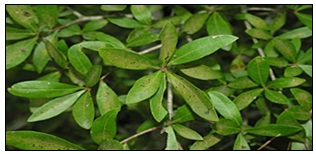
FIG. 1: QUERCUS LAURIFOLIA
Taxonomical Classification:
- Kingdom: Plantae
- Order: Fagales
- Class: Tracheophytes
- Class: Angiosperms
- Class: Eudicots
- Class: Rosids
- Genus: Quercus
- Section: Quercus sect. Lobatae (Red oaks)
- Species: Quercus laurifolia
Geographical Classfication:
Geographic Origin: Southeastern United States (non-native)
Cultivation: Requires medium maintenance. Does best in full sun. Prefers acidic, medium to wet, and well-drained soils, though can adapt to a wide range of soil types and conditions, including wet clay soils.
Characteristics: The 2-inch to 4-inch-long leaves are narrow, smooth-margined, leathery, and glossy dark green, with pale green undersides. This tree produces insignificant yellow-green flowers that appear as catkins. Acorns are 1 inch long and a quarter of the way covered by a cap. Bark is gray and scaly. This tree has a broad and rounded shape. It grows 40-60 feet high and wide 8.
Phytochemical Constituents (Typical for Oak species):
- Tannins (especially ellagitannins)
- Gallic acid
- Quercetin
- Catechins
- Flavonoids
- Phenolic acids
Pharmacological/Biological / Medicinal Uses:
Pharmacological uses:
- Antiseptics
- To treat gastrointestinal tract (GIT) disorders such as diarrhea and hemorrhoids
- Parkinson's disease
- Hepatoprotective diseases
- Treatment of sore throat
Traditional uses:
- Gonorrhoea
- Stomach Pain
- Asthma
- Haemorrhage
- Diarrhoea
- Dysentery
- Urinary Disorder
- Diuretics 9
Guapira costaricana: Guapira costaricana is a Rare evergreen understory tree (10-15 m) that constitutes an inconspicuous component of the primary tropical forest. Lacking remarkable anatomical characteristics, Guapira‘s drab flowers and small fruits fail to offset its diminutive stature. The species seems to do best within the dark, humid, lower levels of the multi-stratal climax forest, but it occurs in sunnier zones near creek and trailsides as well 10. The flowers of Guapira costaricana are white to yellow and have five petals. The seeds are small and black, and the seedlings are small and green 11. Pollination of Guapira flowers is by insects, attracted to the sweet, honeysuckle-like odor emitted by these blossoms. More unusual is Guapira‘s method for luring potential seed-dispersers. Rather than using the fruit itself as a bight signal to color-sighted primates and avifauna, the swollen and red fruit stalk serves this purpose. In fact, it becomes the most obvious part of this tree’s anatomy during harvests, standing in marked contrast with the more somberly decorated components of the forest. Presumably, foragers attracted to the tree by these brightly colored appendages find and eat the fruits as well.
Synonyms: Guapira linearibracteate, Pisonia linearibracteata Heimerl Nyctaginaceae
Biological Source: It is obtained from the dried leaves of Guapira costaricana
Family: Nyctaginaceae
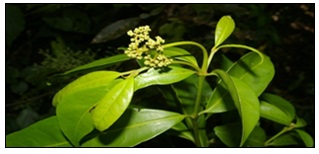
FIG. 2: GUAPIRA COSTARICANA
Taxonomical Classification:
- Kingdom: Plantae
- Division (Phylum): Streptophyta
- Class: Equisetopsida
Subclass: Magnoliidae
Order: Caryophyllales
- Genus: Guapira (a Neotropical genus of shrubs and trees)
- Species: Guapira costaricana (standl.) Woodson
Geographical Classification:
Guapira costaricana: Guapira costaricana can be found in the Caribbean region of Columbia and Venezuela 11.
Cultivation: Guapira costaricana is a small shrub that can be propagated by seed or cuttings. It prefers full sun and well-drained soil. It can tolerate drought and is moderately salt-tolerant. It is a slow-growing plant and can take several years to reach its full size 11.
Characteristics: The flowers of Guapira costaricana are white to yellow and have five petals. The seeds are small and black, and the seedlings are small and green 11.
Phytochemical Constituents:
- Phenolic compounds
Pharmacological/Biological / Medicinal Uses:
- Fever
- Headache
- Stomachache 11
Biological Activities of Quercus species:
Antioxidant Activity: Some studies showed a highly and significant correlation between phenolic contents and antioxidant activity and that may be the reason for stronger radical scavenging activities 12, 13. Many other studies showed the antioxidant effect of oak tannins in somatic cells beside other effects 14, 15.
Kim et al. 17 reported that methanolic extract of Q. acuta showed the highest radical scavenging activity and total phenolic content, while the reducing power was the highest in the water extract. Along with the type of extract, it was showed that the radical scavenging activity was increased by increasing concentrations of Q. brantii leaf extract. As to applicability, Ferreira et al. 17 revealed the protective effect of acorn extract of Q. ilex against oxidative degradation of lipids and proteins carbonylation. These effects are probably related to the intense antioxidant activity of polyphenols from acorns and so they may be used as preservatives in the alimentary industry, in nutraceutical and pharmacology activities 28.
Antibacterial and Antifungal Activity: Since, ancient times, the traditional use of oak bark in medicine field was well known and applied topically to burns and wounds to prevent infection, or applied orally for gastrointestinal diseases. The Quercus extract (especially bark extract) contains important antimicrobial compounds such as gallic acid, ellagic acid, vescalagin or castalagin 18, 19. Due to its history of antibacterial uses, Deryabin and Tolmacheva 20 used Q. robur cortex against Chromobacterium violaceum. The results showed an anti-quorum sensing effect determined by the extract’s bioactivity. Oak extracts is in the cosmetic and pharmaceuticals industries 21, or in alimentary industry. The Quercus extract can be applied as a natural disinfectant and decontaminant for chicken eggs or for helping farmers to avoid fungicides due to their human and environmental hazards 22, 28.
Anti-Inflammatory and Anticancer Activity: Along the time, more anticancer treatment were developed, but recently the evolving of cancer resistancy and side effects of the chemoterapic therapy, demands new chemicals with high potency, low side effects, and high selectivity at molecular level 23. The Quercus genus is intensely studied due to its high potency against inflammation and proliferation of cancer cells. The main anticancer compounds identified in Quercus species are ellagic acid, kaempferol and its glycosides, quercetin, myricetin 24, 25. The phenolic compounds (e.g., ellagic acid) improves anti-inflammation through isolated compounds from Q. mongolica bark extract which showed inhibitory activities towards inflammatory cytokines and chemokines induced in ultraviolet B (UVB)-irradiated keratinocites by increasing the cell migration ability of cells and enhancing their regeneration when exposed to UVB, and these compounds can be further developed for treating the chronic inflammatory skin diseases, like atopic dermatitis and psoriasis 26.
Antidiabetic Activity: Diabetes mellitus is a metabolic disorder distinguished by a failure of glucose homeostasis with disturbances of carbohydrate, fat and protein metabolism as a result of defects in insulin secretion 27. Phloridzin is a dihydrochalcone glycoside detected at higher concentrations in Quercus leaves, (e.g., Q. resino) 28. This compound is recognized for its astringent properties and antidiabetic effects 27. For example, an effect of Q. coccifera bark extracts is inhibition of α-glucosidase. This effect could be important in the treatment of diabetus mellitus.
Biological Activities of Guapira species:
Determination of Minimum Bactericidal/ Fungicidal Concentration (MBC/MFC): For the determination of the MBC and MFC, a 50 µL aliquot of the MIC and a concentration above the MIC were sub-cultivated in BHI agar medium (bacteria) or sabouraud dextrose agar medium (yeasts) and incubated at 37°C for 24 h. The MBC and MFC were defined as the lowest concentration that inhibited visible growth in the medium.
Phytochemical Analysis: The content of total phenolic compounds was determined using the Folin-Ciocalteau spectrophotometric method, with gallic acid as the reference standard 29. The reading was performed in a spectrophotometer 600S (FEMTO Indústria e Comércio de Instrumentos, São Paulo, SP, Brazil) at 765 nm.
Protein Concentration: The concentration of protein was determined using the Bradford reagent 30. Bovine serum albumin was used as the standard. The reading was performed at 595 nm in a microplate reader (Epoch, Biotek, Gen5 Data Analysis Software, Winooski, USA).
Total Sugars: The quantification of sugars was determined using the Dubois method through the formation of furfural compounds following the dehydration of sugars by sulfuric acid (A.R.) 31. The reading was performed in a spectrophotometer 600S (FEMTO Indústria e Comércio de Instrumentos, São Paulo, SP, Brazil) at 490 nm.
RESULTS: The G. graciliflora extract exhibited antimicrobial activity against the clinical isolates of Candida albicans, with moderate potential regarding strain 11 (MIC: 0.5 mg/mL) and weak potential regarding strain 410 (MIC: 2 mg/mL), based on the classification described by some authors 32.
The other microorganisms tested were resistant to the extract Table 1. Regarding the chemical composition it was revealed that the extract was 3% proteins, 13% total sugars and 17% phenolic compounds.
TABLE 1: MINIMUM INHIBITORY CONCENTRATION (MIC) AND MINIMUM BACTERICIDAL/FUNGICIDAL CONCENTRATION OF G. GRACILIFLORA EXTRACT
| Microorganism | Extract (mg/mL-1) | Chlorhexidinec Nystatinc | |||||
| MIC | MBC | MFC | MIC | MBC | MIC | MFC | |
| S. mutans | R | R | - | H | H | - | - |
| S. salivarius | R | R | - | H | H | - | - |
| S. oralis | R | R | - | H | H | - | - |
| S. parasanguinis | R | R | - | H | H | - | - |
| S. mitis | R | R | - | H | H | - | - |
| C. albicans | R | - | R | - | - | H | H |
| C. albicans (LM 11) * | 0.5 | - | 1 | - | - | H | H |
| C. albicans (LM 410) * | 2 | - | 2 | - | - | H | H |
MBC: Minimum Bactericidal Concentration; MFC: Minimum Fungicidal Concentration; *Clinical strain; cPositive Control; R: Resistant; H: Concentration of Last Well.
Extraction Methods:
Microwave-Assisted Extraction (MAE): Microwave-assisted extraction (MAE) has emerged as an effective method for obtaining bioactive compounds from plant materials, including those with potential effects. This process typically involves subjecting plant matter to microwave radiation in an appropriate solvent, resulting in the rapid heating and extraction of the desired compounds. MAE offers significant advantages over conventional extraction techniques when applied to plants. These benefits include reduced Extraction periods, decreased solvent consumption, and enhanced yields of bio active substances 33. This method has demonstrated efficacy in extracting phenolic compounds, which are frequently associated with anti-diabetic properties, from diverse plant sources. For instance, researcher’s optimized MAE to extract total poly phenols from Physalis angulata, a plant with potential. In another study, MAE was used to obtain phenolic compounds from ecliptaprostrata, a Herb hypothesized to possess potential antidiabetic effects 34. Basista R. Sharma et al, employed microwave-assisted extraction as the extraction technique to evaluate the Phyto chemicals from Focus racemosa 35. Oussama Zaoui et al. utilized microwave-assisted extraction as the extraction technique to evaluate the biological properties from Retama raetam (white weeping broom) 36.
Rotary Evaporator: Rotary evaporator comprised of a vacuum pump & coding circulator, which involves the mechanical rotation of the evaporation flask under low pressure. The centrifugal force produced keeps the liquid stuck to the inside of the vessel providing a large surface area. This helps encourage the rapid elimination of excess solvent from less volatile samples. This helps encourage the rapid elimination of excess solvent from less volatile samples. Condenses the gas-liquid by chilling and cooling the vapour 37-41.
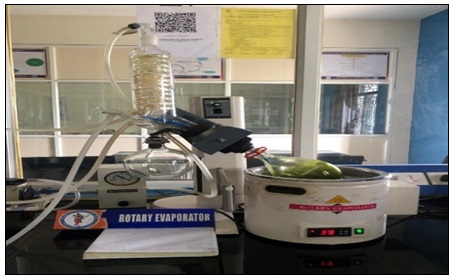
FIG. 3: ROTARY EVAPORATOR
TABLE 2: PHYTOCHEMICAL SCREENING DATA OF LEAF EXTRACTS
| S. no. | Phytochemical Compound | Quercus laurifolia | Guapira costaricana |
| 1 | Alkaloids | + | + |
| 2 | Phenolic Compounds | + | + |
| 3 | Flavonoids | + | + |
| 4 | Amino Acids | + | - |
| 5 | Steroid and Terpenoid Glycosides | + | + |
| 6 | Carbohydrates | + | + |
| 7 | Tannins | + | + |
| 8 | Proteins | + | + |
Quantitative Estimation of Flavonoids:
Thin Layer Chromatography (TLC): TLC is a widely used analytical technique for separating, identifying, and quantifying the components of a mixture. These studies were performed with varied range of mobile phases and silica gel as the stationary phase to get isolated and purified compounds 37-41.
Principle: Thin layer chromatography uses a thin glass plate coated with either aluminum oxide or silica gel as the solid phase. The mobile phase is a solvent chosen according to the properties of the components in the mixture. The principle of TLC is the distribution of a compound between a solid fixed phase applied to a glass or plastic plate and a liquid mobile phase, which is moving over the solid phase. A small amount of a compound or mixture is applied to a starting point just above the bottom of TLC plate. The plate is then developed in the developing chamber that has a shallow pool of solvent just below the level at which the sample was applied. The solvent is drawn up through the particles on the plate through the capillary action, and as the solvent moves over the mixture each compound will either remain with the solid phase or dissolve in the solvent and move up the plate. Whether the compound moves up the plate or stays behind depend on the physical properties of that individual compound and thus depend on its molecular structure, especially functional groups. The solubility rule “Like Dissolves Like” is followed. The more similar the physical properties of the compound to the mobile phase, the longer it will stay in the mobile phase. The mobile phase will carry the most soluble compounds the furthest up the TLC plate. The compounds that are less soluble in the mobile phase and have a higher affinity to the particles on the TLC plate will stay behind 42, 43.
Rf Values: The behavior of an individual compound in TLC is characterized by a quantity known as Rf an d is expressed as a decimal fraction. The term Rf is associated with the migration of the solute relative to the solvent front as 44:
Rf = Distance travelled by the component / Distance travelled by solvent
TABLE 3: DATA OF RF VALUES FOR VARIOUS MOBILE PHASE
| S. no. | Mobile Phase | Composition | Plant 1 | Plant 2 | ||||
| Distance by Solvent | Distance by Solute | RF Value | Distance by Solvent | Distance by Solute | RF Value | |||
| 1 | Ethyl acetate, Formic acid, Acetic acid-Water | 100:11:11:27 | 3.6 | 1.9 | 0.52 | 3.4 | 2.8 | 0.82 |
| 2 | Chloroform. Acetone, Formic acid | 75:16.5:8.5 | 3.8 | 2.9 | 0.76 | 3.7 | 1.7 | 0.45 |
| 3 | Ethyl acetate, Methanol, Water | 100:13.5:10 | 3.8 | 2.4 | 0.63 | 3.8 | 2.7 | 0.7 |
| 4 | Chloroform, Methanol, Acetic acid | 85:15:1 | 4.1 | 2 | 0.48 | 4.1 | 1 | 0.24 |
| 5 | Toluene, Ethyl acetate, Formic acid | 5:4:1 | 3.9 | 2.8 | 0.71 | 3.4 | 2.7 | 0.79 |
ALCl3 Method: One of the widely followed methods for the determination of TFC in plant extracts is the aluminum chloride colorimetric assay, where Al(III) is utilized as a complexing agent. The assay was first proposed by Christ and Muller in 1960 for the determination of flavonol derivatives in drugs 45. The method is based on the formation of chelates of Al(III)-flavonoids. Due to their many oxo and hydroxyl groups , flavonoids have a great affinity to bind metal ions such as Al(III), mostly at a 1:1 ratio, depending on experimental conditions including pH value 46, 47.
With time, the original method went through several amendments such as the introduction of sodium nitrite (NaNO2) before the addition of AlCl3. Sodium nitrite serves as a nitrating agent that is selective for aromatic vicinal diols 48 to produce a flavoniod-nitroxyl derivative that are characterized by the appearance of a new absorption band at about 500 nm. As another amendment, the Al(III)-flavonoid complexation has been performed in the presence of acetate salt. According to its proposers, the determination of TFC using the AlCl3 is only possible if the absorption of the metal chelates of the individual flavonoids present in a sample quantitatively have similar absorbance at a certain wavelength 45. However, despite this fact, the method was blindly and widely applied for the determination of TFC incorrectly assuming that different flavonoids have same absorption spectra at the region of interest. Experimentally, upon the addition of AlCl3 in the absence of NaNO, yellow-colored Al(III)-flavonoid complexes are formed, and their absorbance is subsequently measured at a specific wavelength in the range 410–440 nm.
Plants Extraction and Analysis: About 100g of the plant powder (weighed accurately) was placed in an extraction glass flask followed by the addition of 30.0 mL of aqueous ethanolic solution (75% ethanol). The flask and its contents were placed in an ultrasonic bath and irradiated for 60 min. The temperature inside the bath was kept between 30 and 40 °C. The mixture was then filtered through a suction filtration system fitted with a borosilicate glass sintered funnel of a porous plate and an additional normal filter paper. The filtration funnel, filter paper, and flask were all washed with the solvent before filtering the plant mixture. The plant residue was washed three times with 5 mL solvent and the final volume was made to l00 mL with the solvent. For the colorimetric analysis of TFC, the following sequence of steps was followed using a 15 mL glass tube: 2.0 mL methanol followed by a known volume of the flavonoid standard (or 0.50 mL sample’s clear extract, unless otherwise stated), 0.20 mL AlCl3 0.20 mL CH3 (10% w/v), vortex mixing and 3.0 min equilibration time, COONa (1.80 g/mL, when used), and the final volume was made to 5.0 mL using methanol. When NaNO2 was used, the following steps in order were followed: 2.0 mL methanol followed by a known volume of the flavonoid standard (or 0.50 mL sample’s clear extract, unless otherwise stated), 0.15 mL NaNO2 (1.0 mol/L), vortex mixing, and 3.0 min equilibration time, 0.15 mL AlCl3 (10% w/v), vortex mixing and 3.0 min equilibration time, 1.0 mL NaOH (1.0 mol/L), and the final volume was made to 5.0 mL using methanol. All solutions were vortex mixed after the last step and the tubes were stored in the dark for 40 min before UV–Vis analyses (UV-2600i, Shimadzu) 49.
The Future of Phytotherapy: The future of phytotherapy holds immense promise, as the growing interest in natural and plant based therapies continue to reshape modern medicine. With increasing recognition of the limitations and the side effects associated with conventional pharmaceuticals, phytotherapy is being revisited as a viable alternative or complementary approach to healthcare, Advances in a scientific research, technology, and global collaboration are expected to drive the development of more effective and standardized plant-based treatments, paving the way for the integration of phytotherapy into mainstream healthcare systems.
One of the key factors that will shape the future of phytotherapy is the continued advancement of pharmacological research. As our understandings of plant bioactive compounds deepens, the potential for developing novel therapeutic agents like genomics, metabolomics, and high-throughput compounds with promising pharmacological properties, including anti-cancer, anti-inflammatory, and neuroprotective effects. This progress, coupled with growing clinical evidence supporting the efficacy of plant-based treatments, will likely leads to an increased acceptance of phytotherapy in both complimentary and integrative medicine. Another important factor in the future of phytotherapy is the standardization and quality control of herbal medicines. AS the demand for herbal remedies rises, it becomes increasingly important to ensure that plant-based treatments meet rigorous quality standards. Advances in cultivation techniques. genetic engineering, and extraction processes will help produce consistent, high quality plant medicines. Furthermore, regulatory frameworks around the world are evolving to provide clearer guidelines for the safety, efficacy and marketing of herbal products, which will further strengthen public trust in phytotherapy. Personalized medicine will also play a significant role in the future phytotherapy.
Personalized medicine will also play a significant role in a future of phytotherapy. As researchers learn more about the genetic and biochemical factors that influence individual responses to plant-based therapies, phytotherapy ca be tailored to meet the specific needs of each patient. This personalized approach, combined with advancements in biotechnology and data analytics, will help optimize the therapeutic benefits of medicinal plants. Lastly, global collaborations between traditional knowledge holders and modern researchers will be critical to te success of phytotherapy in the future. By combining centuries-old wisdom with cutting-edge scientific techniques, new plant-based medicines can be developed that are both safe and effective for a wide range of health conditions 50.
CONCLUSION: In the therapeutic potential of medicinal plants remains vast and largely untapped, offering promising avenues for the development of natural, effective, and sustainable treatments for various health conditions. Over the centuries, plants have provided a reliable source of remedies for numerous ailments, and modern scientific advancements are now shedding light on the molecular mechanisms behind their effectiveness. Phytochemicals such as alkaloids, flavonoids, terpenoids. saponins, and tannins continue, to demonstrate a broad spectrum of biological activities, from antimicrobial and anti-inflammatory effects to anticancer and neuroprotective properties.
This growing body of evidence highlights the immense value that medicinal plants can contribute to modern medicine, The integration of traditional knowledge with contemporary scientific research has led to a deeper understanding of how medicinal plants can be used safely and effectively in clinical practice. Many plants have shown significant promise in the treatment of chronic diseases, including diabetes, cancer, cardiovascular diseases, treatment of chronic diseases, including neurodegenerative disorders. For instance, plants like and Ginseng, Turmeric, and Green Tea have proven their efficacy in improving metabolic health, reducing inflammation and offering benefits against oxidative stress and cancer development. Moreover, the use of medicinal plants continues to grow, providing further validation for their therapeutic application’s modern healthcare. However, in the future of phytotherapy hinges on addressing several challenges, such as ensuring the standardization, quality control, and safety of herbal products.
The variability in the composition of plant-based medicines due to factors like environmental conditions, harvesting techniques and processing methods can impact their therapeutic outcomes. Therefore, advancements in biotechnology, metabolomics, and genomics will be essential in developing standardized and reproducible plant-based treatments. Additionally, the need for further clinical trials and regulatory frameworks will ensure that medicinal plants are both safe and effective for widespread use. The potential of personalized medicine also offers a promising future for phytotherapy. By tailoring plant-based treatments to individual genetic profiles and health conditions, the effectiveness of medicinal plants can be optimized, enhancing their therapeutic value in the treatment of various diseases. In medicinal plants continue to hold a key place in the future of healthcare. Their therapeutic potential, coupled with advances in scientific research and technology, will likely lead to a renaissance of plant-based therapies that complement conventional treatments. As research progresses and our understanding deepens, medicinal plants are poised to play an even more significant role in global healthcare, offering natural and sustainable alternatives to many of the challenges faced by modern medicine 50.
ACKNOWLEDGEMENT: Nil
CONFLICT OF INTEREST: Nil
REFERENCES:
- Xiao ZP, Peng MJ, Yan WB, Peng ZY, Ouyang YZ and Zhu HL: Flavonoids Health Benefits and Their Molecular Mechanism. Mini-Reviews in Medicinal Chemistry 2011; 11(2): 169-177. doi:10.2174/138955711794519546
- Hasan S, Shehjar F and Mujeeb N: Neuroprotective Potential of Flavonoids in Brain Disorders. Brain Sciences 2023; 13(9): 1258. doi:10.3390/brainsci13091258
- Malesev D and Kuntic V: Investigation of metal-flavonoid chelates and the determination of flavonoids via metal-flavonoid complexing reactions. Journal of the Serbian Chemical Society 2007; 72(10): 921-939.
- Endoh R, Okada G, Futai K, Takeuchi Y and Suzuki M: Fungus Symbionts Colonizing the Galleries of the Ambrosia Beetle Platypus quercivorus. Microbial Ecology 2011; 62(1): 106-120. doi:10.1007/s00248-011-9838-3
- Pu R: Broadleaf species recognition with in-situ hyperspectral data. International Journal of Remote Sensing 2009; 30(11): 2759-2779. doi:10.1080/01431160802555820
- Duryea M, Kampf E and Littell R: Hurricanes and the Urban Forest: I. Effects on Southeastern United States Coastal Plain Tree Species. Arboriculture & Urban Forestry 2007; 33(2): 83-97. doi:10.48044/jauf.2007.010
- Corcuera L, Camarero JJ and Gil-Pelegrín E: Functional groups in Quercus species derived from the analysis of pressure–volume curves. Trees 2002; 16(7): 465-472. doi:10.1007/s00468-0020187-1
- Franklin & Marshall - Laurel Oak (Quercus laurifolia) https://www.fandm.edu/arboretum/complete-tree-species-listing/laurel-oak-quercus-laurifolia.html.
- Mehdi Taib, Yassine Rezzak, Lahboub Bouyazza and Badiaa Lyossi: Medicinal uses, phytochemisry, and pharmacological activities of Quercus species 2020; 31(1).doi.org/10.1155/2020/1920683
- https://crtrees.org/species-accounts/neea-sp/
- (Standl.) Woodson. Guapira costaricana - Uses, Benefits & Common Names. https://www.selinawamucii.com/plants/nyctaginaceae/guapira-costaricana/
- Akroum S: Antifungal activity of acetone extracts from Punica granatum L., Quercus suber L. and Vicia faba L. J. Mycol. Médicale J Med Mycol 2016; 27.
- Nedamani ER, Sadeghi A, Ghorbani M and Kashaninejad M: Evaluation of antioxidant interactions in combined extracts of green tea (Camellia sinensis), rosemary (Rosmarinus officinalis) and oak fruit (Quercus branti). J Food Sci Technol 2015.
- Koleckar V, Kubikova K, Rehakova Z, Kuca K, Jun D, Jahodár L and Opletal L: Condensed and hydrolysable tannins as antioxidants influencing the health. Mini Rev Med Chem 2008; 8: 436–447.
- Takuo O and Hideyuki I: Tannins of constant structure in medicinal and food plants - hydrolyzable tannins and polyphenols related to tannins. Molecules 2011; 16: 2191–2217.
- Kim MH, Park DH, Bae MS, Song SH, Seo HJ, Han DG, Oh DS, Jung ST, Cho YC and Park KM: Analysis of the active constituents and evaluation of the biological effects of Quercus acuta Thunb. (Fagaceae) extracts. Molecules 2018; 23: 1772.
- Ferreira V, Morcuende D, Hérnandez-López S, Madruga M, Silva F and Estévez M: Antioxidant extracts from acorns (Quercus ilex L.) effectively Protect Ready-to-Eat (RTE) chicken patties irrespective of packaging atmosphere: Acorn as antioxidant in convenience food. J Food Sci 2017; 82.
- Sorrentino E, Succi M, Tipaldi L, Pannella G, Maiuro L, Sturchio M, Coppola R and Tremonte P: Antimicrobial activity of gallic acid against food-related pseudomonas strains and its use as biocontrol tool to improve the shelf life of fresh black truffles. Int J Food Microbiol 2017; 266.
- Hemingway RW and Laks PE: Plant Polyphenols: Synthesis, Properties, Significance. Springer: Berlin/Heidelberg, Germany 1992; 59(1).
- Deryabin DG and Tolmacheva AA: Antibacterial and anti-quorum sensing molecular composition derived from Quercus cortex (Oak Bark) extract. Molecules 2015; 20: 17093–17108.
- Sati S, Sati N, Sati OP, Biswas D and Chauhan BS: Analysis and antimicrobial activity of volatile constituents from Quercus leucotrichophora (Fagaceae) bark. Nat Prod Res 2011; 26: 869–872.
- Dania VO, Fadina OO, Ayodele M and Kumar PL: Efficacy of Oryza sativa husk and Quercus phillyraeoides extracts for the in-vitro and in-vivo control of fungal rot disease of white yam (Dioscorea rotundata Poir). Springer Plus 2014; 3: 711.
- Hasan BZ, Ahmed A and Khan A: Apoptotic and antimetastatic activities of betulin isolated from Quercus incana against non-small cell lung cancer cells. Cancer Manag Res 2019; 1667.
- Calderón-Montaño J, Burgos-Morón E, Pérez-Guerrero C and López-Lázaro M: A review on the dietary flavonoid kaempferol. Mini-Reviews in Medicinal Chemistry 2011; 11: 298–344.
- Calderón-Montaño J, Burgos-Morón E, Pérez-Guerrero C and López-Lázaro M: A review on the dietary flavonoid kaempferol. Mini-Reviews in Medicinal Chemistry 2011; 11: 298–344.
- Rios JL, Giner R, Marin M and Recio M: A pharmacological update of ellagic acid. Planta Med 2018; 84.
- Tafesse T, Hymete A, Mekonnen Y and Mohammed M: antidiabetic activity and phytochemical screening of extracts of the leaves of Ajuga remota benth on alloxan-induced diabetic mice. BMC Complement. Altern Med 2017; 17: 243.
- Ema Burlacu, Adrian Nisca and Corneliu Tanase: A Comprehensive Review of Phytochemistry and Biological Activities of Quercus Species 2020; 11(9): 904; https://doi.org/10.3390/f11090904.
- Folin O and Ciocalteu V: On tyrosine and tryptophane determinations in proteins. JBC 1927; 73(2): 627-50.
- Bradford MM: A rapid and sensitive method for the quantitation of microgram quantities of protein utilizing the principle of protein-dye binding. Anal Biochem 1976; 72(1-2): 248-54. https://doi.org/10.1006/abio.1976.9999.
- Dubois M, Gilles KA, Hamilton JK, Rebers PA and Smith F: Colorimetric method for determination of sugar, and related substances. Anal Chem 1956; 28(3): 350-6. https://doi.org/10.1021/ac60111a017.
- Holetz FB, Pessini GL, Sanches NR, Cortez DA, Nakamura CV and Dias Filho BP: Screening of some plants used in the Brazilian folk medicine for the treatment of infectious diseases. Mem Inst Oswaldo Cruz 2002; 97(7): 1027-31. https://doi.org/10.1590/s0074-02762002000700017.
- Carniel: Microwave Assisted Extraction of Phenolic Acids and Flavonoids from Physalis angulata. Journal of Food Process Engineering 2016; 40(3): 12433, doi:10.1111/jfpe.12433
- Fang X, Wang J, Hao J, Li X and Guo N: Simultaneous extraction, identification and quantification of phenolic compounds in Eclipta prostrata using microwave-assisted extraction combined with HPLC–DAD–ESI–MS/MS, Food Chemistry 2015; 188: 527–536, Doi: 10.1016/j.foodchem.2015.05.037 .
- Basista R. Sharma, Vikas Kumar and Satish Kumar: Microwave assisted extraction of phytochemicals from Ficus racemosa, Current Research in Green and Sustainable Chemistry 2020; 3: 100020.
- Oussama Zaoui: Statistical optimization of microwave-assisted extraction of phytochemicals from Retama raetam (white weeping broom) twigs and their biological properties, North African Journal of Food and Nutrition Research 2024; 8(18).
- National Institute of Health. Degenerative Nerve Diseases. Available online: https://medlineplus.gov/degenerativenervediseases. html (accessed on 2 November 2022)
- Dugger BN and Dickson DW: Pathology of neurodegenerative diseases. Cold Spring Harbor Perspect Biol 2017; 9: 028035. doi: 10.1101/cshperspect.a028035
- Walker L, Stefanis L and Attems J: Clinical and neuro pathological differences between Parkinson’s disease, Parkinson’s disease dementia and dementia with Lewy bodies – current issues and future directions. J Neurochem 2019; 150: 467– 74. doi: 10.1111/jnc.14698
- Jagaraj CJ, Parakh S and Atkin JD: Emerging evidence highlighting the importance of redox dys regulation in the pathogenesis of amyotrophic lateral sclerosis (ALS). Front Cell Neuro Sci 2021; 14: 581950.
- Lamptey RNL, Chaulagain B, Trivedi R, Gothwal A, Layek B and Singh J: A review of the common neurodegenerative disorders: current therapeutic approaches and the potential role of nano therapeutics. Int J Mol Sci 2022; 23: 1851. doi: 10.3390/ijms23031851.
- Singhal S, singhal N and Agarwal S: Pharmaceutical analysis-II, Thin Layer Chromatography, Pragati Prakashan, First Edition 2009; 98-111.
- Sanjeet Kumar, Jyotirmayee K and Monalisa Sarangi: Thin Layer Chromatography: A Tool of Biotechnology for Isolation of Bioactive Compounds from Medicinal Plants 2013; 18(1): 126-127.
- Khandagale Jyoti Kadubal: An overview on thin layer chromatography 2023; 11(3): 2320-2882.
- Christ B & Müller KH: Zur serienma¨ßigen Bestimmung des Gehaltes an Flavonol-Derivaten in Drogen. Archiv der Pharmazie 1960; 293(12): 1033–1042.
- Pyrzynska K & Pękal A: Flavonoids as analytical reagents. Critical Reviews in Analytical Chem 2011; 41(4): 335-45.
- Kasprzak MM, Erxleben A & Ochocki J: Properties and applications of flavonoid metal complexes. RSC Advances 2015; 5(57): 45853–45877.
- Barnum DW: Spectrophotometric determination of catechol, epinephrine, dopa, dopamine and other aromatic vic-diols. Analytica Chimica Acta 1977 89(1): 157–166.
- Amjad M. Shraim A, Talaat A, Ahmed, Md Mizanur Rahman and Yousef M. Hijji: Determination of total flavonoid content by aluminum chloride assay: A critical evaluation. https://doi.org/10.1016/j.lwt.2021.111932.
- Mohamed S. Refacy: Exploring the therapeutic potential of medicinal plants: A comprehensive review. International Journal of Phytotherapy 2025; 15(1): 32-38.
How to cite this article:
Shaik P, Swarnalatha D and Kumar EMS: Phytochemical and pharmacognostic evaluation of unexplored medicinal plants. Int J Pharmacognosy 2026; 13(5): 492-02. doi link: http://dx.doi.org/10.13040/IJPSR.0975-8232.IJP.13(5).492-02.
This Journal licensed under a Creative Commons Attribution-Non-commercial-Share Alike 3.0 Unported License.
Article Information
14
492-502
780 KB
121
English
IJP
Parveen Shaik *, D. Swarnalatha and E. Mohan Sai Kumar
Jawaharlal Nehru Technological University, Anantapuramu, Andhra Pradesh, India.
parveencology@gmail.com
15 April 2026
05 May 2026
13 May 2026
10.13040/IJPSR.0975-8232.IJP.13(5).492-02
15 May 2026
 Download