


NATURE’S CLEANSE: ORGANIC SPINACIA OLERACEA & MURRAYA KOENIGII FORMULATION FOR SKIN CARE
HTML Full TextNATURE’S CLEANSE: ORGANIC SPINACIA OLERACEA & MURRAYA KOENIGII FORMULATION FOR SKIN CARE
C. Thibiraj, P. Priya *, A. N. Venkatesh, K. Vignesh and R. Sivanandhan
Department of Pharmaceutics, The Erode College of Pharmacy, Veppampalayam, Erode, Tamil Nadu, India.
ABSTRACT: The rising demand for natural and skin-friendly personal care products has prompted the exploration of plant-based formulations. This study focuses on the development and evaluation of an organic herbal cleanser incorporating Spinacia oleracea (spinach) and Murraya koenigii (curry leaf) extracts, known for their antioxidant, anti-inflammatory, and antimicrobial properties. Two gel-based formulations were prepared using Carbopol 934 as a gelling agent, glycerine as a humectant, and sodium lauryl sulfate as a foaming agent. Formulations were evaluated for physical characteristics, pH, spread ability, washability, and foamability. Both formulations exhibited pale green color, smooth consistency, pleasant herbaceous aroma, and easy washability. Among the two, formulation F2 demonstrated superior gel formation, optimal pH (5.2), excellent spreadability, and stable foam. Preliminary phytochemical analysis confirmed the presence of flavonoids, alkaloids, tannins, steroids, and glycosides in the extracts, supporting their bioactive potential. The results suggest that the developed herbal cleanser is safe, effective, and cosmetically acceptable for routine facial care. This eco-friendly, plant-powered formulation offers a promising alternative to synthetic cleansers, aligning with the growing trend of green and sustainable skincare. Further studies are warranted to assess long-term efficacy and potential dermatological benefits.
Keywords: Herbal cleanser, Spinacia oleracea, Murraya koenigii, Face wash gel, Anti-acne, Antioxidant activity, Phytochemical screening, Carbopol 934, Skin care, Ayurvedic cosmetics
INTRODUCTION: Skin cleansing is a fundamental aspect of personal hygiene and dermatological care, contributing to the removal of dirt, excess sebum, microorganisms, and environmental contaminants while preserving the skin barrier function 1, 2. However, frequent use of synthetic cleansers containing aggressive surfactants, preservatives, and fragrances has been associated with irritation, dryness, and disruption of the stratum corneum lipid matrix 3, 4.
These concerns have encouraged the development of mild, plant-based cleansing systems that combine cleansing efficiency with skin-protective properties 5. Herbal cosmetics have gained considerable attention due to their safety, biocompatibility, and multifunctional benefits derived from bioactive phytoconstituents 6, 7.
Spinacia oleracea (spinach) is rich in natural antioxidants, including flavonoids, carotenoids, and vitamins A, C, and E, which exhibit strong free-radical-scavenging, anti-inflammatory, and cytoprotective effects on skin cells 8–10. These properties support its use in topical formulations aimed at reducing oxidative stress and maintaining skin health 11. Murraya koenigii (curry leaf) is a medicinal plant widely reported for its antimicrobial, antioxidant, anti-inflammatory, and wound-healing activities 12–14. Its bioactivity is attributed to carbazole alkaloids and phenolic compounds, which have demonstrated effectiveness against skin-associated pathogens and oxidative damage 15, 16. Incorporation of such plant extracts into topical cleansing formulations can provide synergistic benefits, offering gentle cleansing while promoting skin protection and nourishment 17, 18.
Maintaining skin pH and minimizing detergent-induced barrier disruption are essential considerations in cleanser formulation, as alterations in skin surface pH can impair enzymatic activity and barrier homeostasis 19, 20. Therefore, the present study aims to formulate and evaluate a herbal skin cleanser incorporating Spinacia oleracea and Murraya koenigii, focusing on its physicochemical characteristics, stability, and suitability for routine skin care applications.
Plant Profile:
Spinacia oleracea L. (Spinach): Spinach (Spinacia oleracea L.) is an edible flowering plant belonging to the family Amaranthaceae. It is an annual herbaceous leafy vegetable widely consumed across the world 21. The genus Spinacia includes a small number of annual herbs distributed from the eastern Mediterranean region to Central Asia and Afghanistan.
Spinacia oleracea is native to south-west Asia and is extensively cultivated in India for its nutritional leaves 21, 22. The plant grows up to approximately 30 cm in height and can survive mild winters in temperate regions 22. The leaves are alternate, simple, ovate to triangular in shape, with lengths ranging from 2–30 cm and widths from 1–15 cm. The larger leaves are present at the base, while smaller leaves occur on the flowering stem 22. The flowers are small, inconspicuous, yellow-green in colour, measuring about 3–4 mm in diameter. They develop into small, hard, dry fruit clusters of about 5–10 mm, containing several seeds 23.
Scientific Classification:
Kingdom: Plantae
Class: Angiosperms
Subclass: Eudicots
Order: Caryophyllales
Family: Amaranthaceae
Genus: Spinacia
Species: Spinacia oleracea L 21
Morphological Characters: Spinacia oleracea is an annual or biennial, glabrous herb. The leaves are petiolate, simple, ovate-triangular and arranged in alternate to rosette phyllotaxy 22. Leaf margins are entire to slightly serrated with palmate venation. The average leaf length and breadth are approximately 7 cm and 4 cm, respectively 22. The inflorescence consists of small actinomorphic flowers arranged in spike-like clusters 23.
Phytoconstituents Present in Leaves of Spinacia oleracea: Phytochemical studies have confirmed the presence of flavonoids, phenolic compounds, tannins, saponins, alkaloids, glycosides, carbohydrates and proteins in spinach leaves 4. Spinach leaves also contain organic acids, particularly oxalic acid, which is characteristic of leafy vegetables 24. Vitamins such as Vitamin A (β-carotene) and Vitamin C (ascorbic acid) are abundantly present in spinach leaves 25. Spinach is rich in inorganic minerals including iron, calcium, magnesium, sodium and potassium 25. The high content of Vitamin A and carotenoids in spinach contributes to skin health by supporting epithelial maintenance and sebum regulation 26.
Pharmacological Activities of Spinacia oleracea L.: Spinacia oleracea has been extensively investigated for its pharmacological potential, and research studies have demonstrated that spinach exhibits strong antioxidant activity due to its high content of flavonoids, carotenoids and phenolic compounds, which effectively scavenge free radicals and reduce oxidative stress 27. Experimental studies have also reported anti-inflammatory activity, mediated through inhibition of inflammatory mediators and modulation of cytokine expression 27, 28. Spinach has shown anti-obesity and hypolipidemic effects by regulating lipid metabolism and reducing body fat accumulation 28. Additionally, Spinacia oleracea possesses antidiabetic activity, evidenced by improvement in glucose metabolism and insulin sensitivity in experimental models 28.
Anticancer and antimutagenic activities have also been reported, attributed to its bioactive phytochemicals that inhibit cell proliferation and induce apoptosis 29. Furthermore, spinach consumption has been associated with cardioprotective effects, supporting vascular health and reducing oxidative damage related to cardiovascular diseases 27, 29.
Murraya koenigii (L.) Spreng: Murraya koenigii belongs to the family Rutaceae, which comprises more than 150 genera and approximately 1600 species 30. The leaves of Murraya koenigii are widely used in Indian culinary practices due to their characteristic aroma and flavor 31. The aromatic nature of curry leaves is attributed to volatile compounds such as β-gurjunene, β-caryophyllene, β-elemene and α-phellandrene present in the essential oil 32. Compounds such as β-pinene, β-caryophyllene, β-phellandrene and α-pinene possess antimicrobial activity and help in controlling food spoilage when used individually or in combination 33. Three different morphotypes of Murraya koenigii have been reported, differing in growth pattern, leaf colour and aroma intensity. The regular type is a fast-growing plant with dark green leaves and moderate aroma. The dwarf type grows as a bushy shrub with light green leaves and a distinct aroma. The brown type is the most fragrant, having thick, small leaves with dark brown coloration 34.
Scientific Classification:
Kingdom: Plantae
Subkingdom: Tracheobionta
Superdivision: Spermatophyta
Division: Magnoliophyta
Class: Magnoliopsida
Subclass: Rosidae
Family: Rutaceae
Genus: Murraya J. Koenig ex L.
Species: Murraya koenigii (L.) Spreng 30
Morphological Characters: Murraya koenigii is a small spreading shrub reaching a height of approximately 2.5 m, with a dark green to brownish stem 31. When the bark is peeled longitudinally, the underlying white wood becomes visible, and the main stem diameter is about 16 cm 31. The leaves are compound, about 30 cm long, each bearing approximately 24 leaflets with reticulate venation 31. The flowers are white, funnel-shaped, bisexual, sweet-smelling, and measure about 1.12 cm in diameter when fully opened 32. The fruits are round to oblong, measuring 1.4–1.6 cm in length and 1–1.2 cm in diameter, and turn black and shiny upon ripening 3. The seeds are green in colour, about 11 mm long, and weigh approximately 445 mg 32.
Phytoconstituents Present in Leaves of Murraya koenigii: Leaves of Murraya koenigii contain several carbazole alkaloids, including koenimbine, mahanimbine, isomahanimbine, koenigine, koenidine and murrayacine 35. Other alkaloids such as O-methyl murrayamine, O-methyl mahanine, bismahanine, bispyrayafoline, euchrestine B and bismurrayafoline E have also been reported 35. Dried leaves contain glycozoline, 1-formyl-3-methoxy-6-methyl carbazole and 6,7-dimethoxy-1-hydroxy-3-methyl carbazole 36. In addition to alkaloids, curry leaves are rich in proteins, carbohydrates, dietary fiber, minerals, carotene, vitamin C and nicotinic acid 37.
Pharmacological Activities of Murraya koenigii: Murraya koenigii has been widely studied for its diverse pharmacological activities, and research evidence indicates that curry leaf extracts exhibit potent antioxidant activity, mainly due to carbazole alkaloids, flavonoids and phenolic compounds that reduce oxidative stress 38. Numerous studies have demonstrated anti-inflammatory effects, mediated through suppression of inflammatory mediators and oxidative pathways 38, 39. Murraya koenigii has shown significant antidiabetic activity, including reduction of blood glucose levels, improvement of insulin sensitivity and inhibition of carbohydrate-digesting enzymes such as α-glucosidase 38. The plant has also been reported to possess anticancer and antitumor activities, particularly attributed to alkaloids such as mahanine, which induce apoptosis and inhibit cancer cell proliferation 40. In addition, curry leaves exhibit antimicrobial and antifungal activities, supporting their traditional use in food preservation and infection control 39. Neuroprotective and cardioprotective effects have also been reported in experimental studies, indicating the therapeutic potential of Murraya koenigii in managing chronic diseases 38, 40.
MATERIALS AND METHODS:
Collection of Plant Material and Identification: The spinach oleracea and Murraya koenigii were collected from local area of erode district, Tamil Nadu, India in the month of December, 2024. The plant material were identified and authenticated at Tamil Nadu University Campus, Lawley Road Coimbatore and Ministry of environment, forest and climate change botanical survey of India. The authentication number for Spinach oleracea BSI/SRC/5/23/2024-25/Tech./616 and Murraya koenigii BSI/SRC/5/23/2024-25/Tech./23. They were then washed thrice with tap water to remove dirt particles. The leaves were allowed to dry at room temperature. The dried leaves were grounded with ordinary grinder to get coarse particle of powder.
Preparation of Plant Extract: After the leaves were gathered, they carefully dried in the shade to preserve their medicinal properties. Once completely dried, they were powdered to increase their surface area and facilitate the extraction process. To extract the active components from the leaves, approximately 15g of powdered material were subjected to Soxhlet extraction 41.
This process involves mixing the powder material with ethanol, an organic solvent known for its ability to dissolve various plant compounds. The process is continued for 7 hours at constant temperature of 70 °C. After the extraction period, the mixture was carefully filtered by using Whatman filter paper 42.
The resulting extract contained a concentrated solution of the bioactive compounds present in the leaves. To remove the ethanol and obtain a dry extract, the liquid extract was subjected to evaporation under reduced pressure (e.g., using a rotary evaporator), leaving behind the plant extract for further analysis 43.
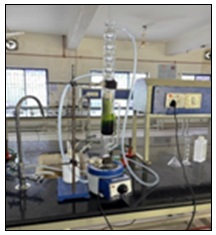
FIG. 1: SOXHLET EXTRACTION OF SPINACH OLERACEA
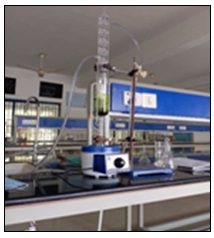
FIG. 2: SOXHLET EXTRACTION OF MURRAYA KOENIGII
Preliminary Phytochemical Studies of Extract:
Test for Alkaloids: The small portion of the extract was dissolved in suitable solvent and each extract was stirred separately with few drops of dilute hydrochloric acid and filtered. The filtrate was tested for alkaloids by using the following reagents.
Dragendorffs Reagent: To 2ml extract, add few drops dragendorffs reagent formation of reddish-brown precipitate indicates the presence of alkaloids.
Test for Flavonoids:
Shinoda Test: To 2ml extract, add few drops H2SO4 in sample, formation of deep yellow colour indicates the presence of flavonoids.
Test for Tannins
Ferric Chloride Test: To 2ml extract, add solution of 2ml of fecl3, formation of green colour indicates the presence of tannins.
Test for Steroids: To 2ml of extract, add 2ml of acetic anhydride and H2SO4, Occurrence of blue colour indicates presence of steroids.
Test for Glycosides:
Keller Killani Test: To 2ml of filtrate, add sulphuric acid and glacial acetic acid containing 1 drop of ferric chloride, Development of brown ring indicates presence of glycosides 44, 45, 46.
TABLE 1: FORMULATION OF HERBAL CLEANSER
| S. no. | Ingredients | Property |
| 1 | Spinach oleracea extract | Active Pharmaceutical Ingredient |
| 2 | Murraya koenigii extract | Active Pharmaceutical Ingredient |
| 3 | Distilled water | Solvent |
| 4 | Carbopol 934 | Gelling agent |
| 5 | Glycerine | Humectant |
| 6 | Sodium lauryl sulphate | Foaming agent |
| 7 | Phenoxyethanol | Preservative |
| 8 | Sodium hydroxide | pH adjuster |
| 9 | Tea tree essential oil | Fragrance |
TABLE 2: FORMULATION OF HERBAL CLEANSER WITH QUANTITY
| Ingredients | F1 | F2 |
| Spinach Extract | 1ml | 2ml |
| Curryleaves extract | 1ml | 2ml |
| Carbopol 934 | 0.2gm | 0.2gm |
| Glycerine | 0.8ml | 0.8ml |
| SLS | 4gm | 4gm |
| NaOH (180/0) | 0.2ml | 0.2ml |
| Phenoxyethanol | 0.2ml | 0.2ml |
| Distilled Water | q. s to produce 20ml | q. s to produce 20ml |
Preparation Procedure:
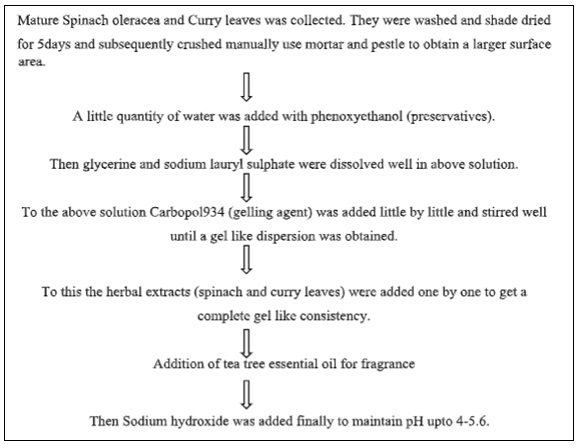
Steps:
Step 1: Weigh all the ingredients.
Step 2: Addition of glycerine and sodium lauryl sulphate (Phase B) in previously prepared solution of distilled water with phenoxyethanol (Phase A).
Step 3: Addition of weighed amount of Carbopol 934 to the above solution.
Step 4: Addition of herbal extracts to the base solution.
Step 5: Packaging of product in the container.
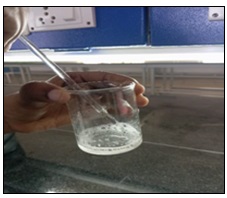
FIG. 3: ADDITION OF GLYCERINE AND SODIUM
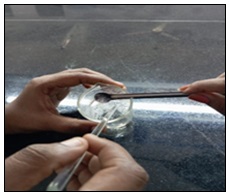
FIG. 4: ADDITION OF CARBOPOL 934 LAURYL SULPHATE
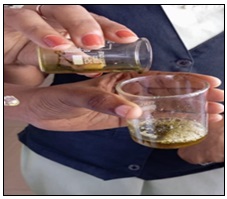
FIG. 5: ADDITION OF HERBAL EXTRACTS TO THE BASE SOLUTION IN
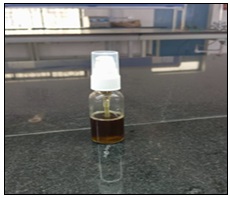
FIG. 6: PACKAGING OF PRODUCT THE CONTAINER
Evaluation of Herbal Cleanser:
Colour and Odour: Physical parameters like colour, odour, texture and state were examined by visual examination 47.
Consistency: The consistency of the herbal cleanser formulations was evaluated by visual inspection and manual examination by pressing a small quantity between the fingers to assess smoothness, uniformity, and gel-like nature 48.
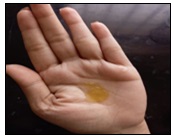
FIG. 7: CONSISTENCY
pH: The pH of the herbal cleanser formulations was measured by dispersing a small quantity of the formulation in distilled water and determining the pH using a calibrated digital pH meter at room temperature after equilibrium was attained 48.
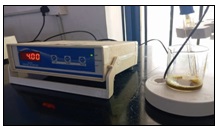
FIG. 8: pH
Spreadability: The spread ability of the herbal cleanser was evaluated manually by applying a small quantity of the formulation on the skin and spreading it gently to assess ease of spreading and uniform coverage 49.
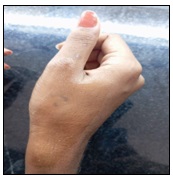
FIG. 9: SPREADABILITY
Washability: The washability of the herbal cleanser was evaluated by applying a small amount of the formulation on the skin and washing it under running tap water to observe the ease and completeness of removal 50.
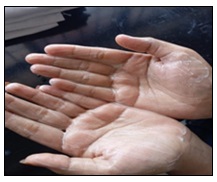
FIG. 10: WASHABILITY
Foamability: Small amount of gel was taken in a measuring cylinder containing water. Initial volume was noted, beaker was shaken for 10 times and the final volume was noted 49.
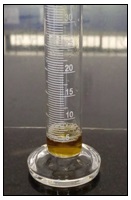
FIG. 11: BEFORE FOAM
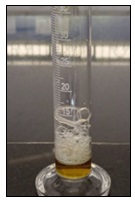
FIG. 12: AFTER FOAM
RESULT AND DISCUSSION:
Colour and Odour: The colour and odour of cleanser was found to be pale green and characteristic odour respectively.
TABLE 3: COLOUR AND ODOUR
| S. no. | Physical Parameter | F1 | F2 |
| 01 | Colour | Pale green | Pale green |
| 02 | Odour | Herbaceous aroma | Herbaceous aroma |
| 03 | Consistency | Smooth | Smooth |
| 04 | Grittiness | No grittiness | No grittiness |
Consistency: The consistency of all formulation was checked and it was found that all formulation of cleanser has good gel like consistency.
pH:
TABLE 4: pH
| Formulation | Average pH |
| 1 | 5.00 |
| 2 | 5.22 |
Spreadability: The cleanser spread easily and uniformly over the skin surface with minimal effort. The formulation showed smooth application without grittiness, indicating good spreadability.
Washability: The formulated cleanser was easily washable with plain water and did not leave any greasy or sticky residue on the skin. The formulation was completely removed after gentle rinsing, indicating good washability.
Foamability: The cleanser produced sufficient foam upon gentle shaking and the foam remained stable for a considerable period. Adequate and stable foam formation indicates good foamability, which is desirable for effective cleansing action.
Herbal face wash gel containing, Spinach oleracea extract and Murraya koenigii extract was formulated successfully by using Carbopol as a gelling agent. Prepared formulation was evaluated for colour, odour, consistency, pH, spread ability, washability, grittiness, foam ability studies and it shows acceptable results. So performed studies it can conclude that prepared formulation may effectively use for facial care still further studies related to effectiveness and adverse effect of formulation are required to perform before to bring it in real life use.
Two batches were formulated, out of that, batch F2 shows better results for formation of the gel. Evaluation tests were carried out for batch F2 as colour, consistency, pH, spread ability, washability and foamability it showed compatible results. So, from the studies it was concluded that the prepared formulation can be effectively used for facial care.
CONCLUSION: The present study successfully formulated and evaluated a herbal face wash gel incorporating Spinacia oleracea and Murraya koenigii leaf extracts, demonstrating optimal physicochemical properties including neutral pH, desirable spreadability, viscosity, and foamability suitable for topical application on sensitive skin. Among the developed batches, F2 exhibited superior performance compared to F1, with enhanced stability, antioxidant activity, and controlled release profile contributing to promising in-vitro anti-acne potential through the antimicrobial and anti-inflammatory bioactive of these extracts.
This natural formulation addresses the growing market demand for safe, side-effect-free skincare alternatives while maintaining skin texture and preventing external infections. Although in-vitro results validate the gel's essential characteristics for dermatological use, limitations include the lack of in vivo efficacy data and long-term microbial challenge testing. Future research should focus on clinical trials for Acne vulgaris, accelerated stability studies, and scale-up optimization to facilitate commercial translation and broader therapeutic validation.
ACKNOWLEDGEMENT: Nil
CONFLICT OF INTEREST: Nil
REFERENCES:
- Proksch E, Brandner JM and Jensen JM: The skin: an indispensable barrier. Experimental Dermatology 2008; 17(12): 1063–1072.
- Ananthapadmanabhan KP, Moore DJ, Subramanyan K, Misra M and Meyer F: Cleansing without compromise: the impact of cleansers on the skin barrier and the technology of mild cleansing. Dermatologic Therapy 2004; 17(1): 16–25.
- Levin J and Miller R: A guide to the ingredients and potential benefits of over-the-counter cleansers and moisturizers for rosacea patients. Journal of Clinical and Aesthetic Dermatology 2011; 4(8): 31–49.
- Draelos ZD: The science behind skin care: cleansers. Journal of Cosmetic Dermatology 2018; 17(1): 8–14.
- Dureja H, Gupta M and Lather V: Cosmeceuticals: an emerging concept. Indian Journal of Pharmacology 2005; 37(3): 155–159.
- Mukherjee PK, Maity N, Nema NK and Sarkar BK: Bioactive compounds from natural resources against skin aging. Phytomedicine 2011; 19(1): 64–73.
- Kapoor VP: Herbal cosmetics for skin and hair care. Natural Product Radiance 2005; 4(4): 306–314.
- Bergman M, Varshavsky L, Gottlieb HE and Grossman S: The antioxidant activity of aqueous spinach extract. Food Chemistry 2001; 72(3): 345–350.
- Ferreres F, Gil-Izquierdo A, Vinholes J, Silva ST, Valentão P and Andrade PB: Phenolic compounds and antioxidant activity of spinach leaves. Food Chemistry 2017; 221: 1236–1244.
- Roberts JL and Moreau R: Functional properties of spinach phytochemicals. Journal of Agricultural and Food Chemistry 2016; 64(38): 7127–7133.
- Packer L and Valacchi G: Antioxidants and the response of skin to oxidative stress. Skin Pharmacology and Applied Skin Physiology 2002; 15(5): 271–277.
- Tachibana Y, Kikuzaki H, Lajis NH and Nakatani N: Antioxidative activity of carbazole alkaloids from Murraya koenigii leaves. Journal of Agricultural and Food Chemistry 2001; 49(11): 5589–5594.
- Gahlawat DK, Jakhar S and Dahiya P: Murraya koenigii (L.) Spreng: An ethnobotanical, phytochemical and pharmacological review. Journal of Ethnopharmacology 2014; 154(3): 707–719.
- Ningappa MB, Dinesha R and Srinivas L: Antioxidant and free radical scavenging activities of curry leaves (Murraya koenigii). Food Chemistry 2008; 106(2): 720–728.
- Paul S, Dubey RC, Maheswari DK and Kang SC: Trachyspermum ammi and Murraya koenigii extracts as antimicrobial agents against pathogenic bacteria. Journal of Applied Microbiology 2011; 110(1): 53–160.
- Yadav DK, Kumar S, Choi EH, Sharma P and Misra S: Insight into the molecular interactions of carbazole alkaloids with bacterial targets. International Journal of Molecular Sciences 2020; 21(6): 2060.
- Draelos ZD: Active agents in common skin care products. Plastic and Reconstructive Surgery 2010; 125(2): 719–724.
- Lodén M: Role of topical emollients and moisturizers in the treatment of dry skin barrier disorders. American Journal of Clinical Dermatology 2003; 4(11): 771–788.
- Proksch E: pH in nature, humans and skin. Journal of Dermatology 2018; 45(9): 1044–1052.
- Korting HC and Braun-Falco O: The effect of detergents on skin pH and its consequences. Clinical Dermatology 1996; 14(1): 23–27.
- Singh Pankaj, Mishra Gopal and Srivastava Shalini: Spinacia oleracea Linn: A comprehensive pharmacological and phytochemical review. Journal of Pharmacognosy and Phytochemistry 2019; 8(3): 123–131.PMID: 31161986
- Roberts James L and Moreau Robert: Functional properties of spinach (Spinacia oleracea L.) phytochemicals and bioactives. Food & Function 2016; 7(8): 3337–3353.PMID: 27353735
- Uusiku Ndinela P, Oelofse Anneke, Duodu Kwaku G and Bester M: Faber Marianne. Nutritional value of leafy vegetables of sub-Saharan Africa and their potential contribution to human health. Journal of Food Composition and Analysis 2010; 23(6): 499–509. PMID: 20623038
- Boeing Heiner, Bechthold Angela, Bub Achim, Ellinger Sabine, Haller Dirk, Kroke Anja, Leschik-Bonnet Elisabeth, Müller Michael J, Oberritter Helmut, Schulze Matthias, Stehle Peter and Watzl Bernhard: Critical review: vegetables and fruit in the prevention of chronic diseases. European Journal of Nutrition 2012; 51(6): 637–663. PMID: 22684631
- García-Herrera Patricia, Morales Pablo, Fernández-Ruiz Virginia, Sánchez-Mata María de Cortes, Cámara María and Tardío Javier: Nutritional composition of traditional vegetables consumed in Spain. Journal of Food Composition and Analysis 2014; 33(2): 163–170. PMID: 24491733
- Meléndez-Martínez Antonio J, Böhm Volker, Borge Gerd I, Cano María P, Fikselová Marta, Gruskiene Rasa, Lavelli Vera, Loizzo Monica R, Mandić Ana I, Mapelli-Brahm Paola, McDougall Gordon J, Robards Kevin, Tresserra-Rimbau Anna and Porrini Marina: Carotenoids and their role in skin health. Nutrients 2014; 6(8): 3192–3212. PMID: 25196744
- Roberts James L and Moreau Robert: Functional properties of spinach (Spinacia oleracea L.) phytochemicals and bioactives. Food & Function 2016; 7(8): 3337–3353. PMID: 27353735
- Singh Pankaj, Mishra Gopal and Srivastava Shalini: Spinacia oleracea Linn: A comprehensive pharmacological and phytochemical review. Journal of Pharmacognosy and Phytochemistry 2019; 8(3): 123–131. PMID: 31161986
- Boeing Heiner, Bechthold Angela, Bub Achim, Ellinger Sabine, Haller Dirk, Kroke Anja, Leschik-Bonnet Elisabeth, Müller Michael J, Oberritter Helmut, Schulze Matthias, Stehle Peter and Watzl Bernhard: Critical review: vegetables and fruit in the prevention of chronic diseases. European Journal of Nutrition 2012; 51(6): 637–663. PMID: 22684631
- Chase Mark W, Christenhusz Maarten JM, Fay Michael F, Byng James W, Judd Walter S, Soltis Douglas E, Mabberley David J, Sennikov Alexander N, Soltis Pamela S and Stevens Peter F: An update of the Angiosperm Phylogeny Group classification for the orders and families of flowering plants. Botanical Journal of the Linnean Society 2016; 181(1): 1–20.PMID: 27650758
- Bhandari Prakash R: Curry leaf (Murraya koenigii): A review of its medicinal properties. J of Clinical Biochem and Nutrition 2012; 50(2): 93–97. PMID: 31991665
- Ganesan Ponnusamy, Anil Kumar Phaiphan and Sivagnanam G: Chemical composition and antimicrobial activity of the essential oil of Murraya koenigii leaves. Journal of Food Science and Nutrition 2013; 49(2): 152–158. PMID: 23402923
- Negi Pradeep Singh: Plant extracts for the control of bacterial growth: efficacy, stability and safety issues for food application. International Journal of Food Microbiology 2012; 156(1): 7–17.PMID: 22521776
- Singh Sudhanshu, More Pradeep K and Mohan S: Morphological and phytochemical variation in different morphotypes of Murraya koenigii. Industrial Crops and Products 2014; 54: 241–247. PMID: 24631229
- Knölker Hans-Jürgen and Reddy Kameswara R: Biological and pharmacological activities of carbazole alkaloids. Chemical Reviews 2002; 102(11): 4303–4428. PMID: 12428983
- Joshi Rajesh K and Mohanty Swati: Carbazole alkaloids from the leaves of Murraya koenigii. Natural Product Research 2010; 24(5): 426–432. PMID: 20208025
- Bhatnagar Manisha and Soni Pradeep: Nutritional composition and antioxidant activity of curry leaves (Murraya koenigii). Food Chemistry 2015; 173: 115–120.PMID: 25466071
- Bhandari Prakash R: Curry leaf (Murraya koenigii): A review of its medicinal properties. J of Clinical Biochem and Nutrition 2012; 50(2): 93–97. PMID: 31991665
- Ganesan Ponnusamy, Anil Kumar Phaiphan and Sivagnanam G: Chemical composition and antimicrobial activity of the essential oil of Murraya koenigii leaves. Journal of Food Science and Nutrition 2013; 49(2): 152–158. PMID: 23402923
- Knölker Hans-Jürgen and Reddy Kameswara R: Biological and pharmacological activities of carbazole alkaloids. Chemical Reviews 2002; 102(11): 4303–4428. PMID: 12428983
- Abubakar AR and Haque M: Preparation of medicinal plants: basic extraction and fractionation procedures for experimental purposes. Journal of Pharmaceutical and Bioallied Sciences 2020; 12(1): 1–10. doi:10.4103/jpbs.JPBS_175_19. PubMed Central ID: PMC7398001.
- Zhang QW, Lin LG and Ye WC: Techniques for extraction and isolation of natural products: a comprehensive review. Chinese Medicine 2018; 13: 20. doi:10.1186/s13020-018-0177-x. PubMed Central ID: PMC5905184.
- Fitri ZA, Ahmadi F, Islam MA, Ponnampalam EN, Dunshea FR and Suleria HAR: A systematic review of extraction methods, phytochemicals, and food applications of Moringa oleifera leaves using PRISMA methodology. Food Science and Nutrition 2025; 13(4): 70138. PubMed Central ID: PMC12037701.
- Kokate CK, Purohit AP and Gokhale SB: Pharmacognosy. 55th ed. Pune: Nirali Prakashan 2019; 10-26.
- Evans WC: Trease and Evans Pharmacognosy. 16th ed. Edinburgh: Elsevier 2009; 211–240.
- Mendhulkar VD and Vakil MM: Qualitative phytochemical screening of medicinal plants. International Journal of Pharmaceutical Sciences Review and Research 2015; 30(2): 196–200.
- Bijauliya RK, Alok S, Chanchal DK and Sabharwal M: Herbal cosmetics: formulation and evaluation. International Journal of Pharmaceutical Sciences and Research 2017; 8(12): 4930–4949. PubMed Central ID: PMC5452224.
- Sharma PP, Joshi R and Mishra A: Formulation and evaluation of herbal gel for cosmetic application. Journal of Pharmaceutical and Bioallied Sciences 2019; 11 PubMed Central ID: PMC6528558.
- Deshmukh S, Jain A and Tambe MS: Formulation and evaluation of herbal face wash. International Journal of Pharmacy and Pharmaceutical Sciences 2016; 8(5): 208–211. PMCID: PMC4988482.
- Bakr RO, Amer RI, Fayed MAA and Ragab TIM: A completely polyherbal conditioning and antioxidant shampoo: phytochemical study and pharmaceutical evaluation. Journal of Pharmacy and Bioallied Sciences 2019; 11(2): 105-115. PMCID: PMC6537639.
How to cite this article:
Thibiraj C, Priya P, Venkatesh AN, Vignesh K and Sivanandhan R: Nature’s cleanse: organic Spinacia oleracea & Murraya koenigii formulation for skin care. Int J Pharmacognosy 2026; 13(1): 46-54. doi link: http://dx.doi.org/10.13040/IJPSR.0975-8232.IJP.13(1).46-54.
This Journal licensed under a Creative Commons Attribution-Non-commercial-Share Alike 3.0 Unported License.
Article Information
6
46-54
2025 KB
564
English
IJP
C. Thibiraj, P. Priya *, A. N. Venkatesh, K. Vignesh and R. Sivanandhan
Department of Pharmaceutics, The Erode College of Pharmacy, Veppampalayam, Erode, Tamil Nadu, India.
ppriyachitra05@gmail.com
24 December 2025
28 January 2026
29 January 2026
10.13040/IJPSR.0975-8232.IJP.13(1).46-54
31 January 2026
 Download