


FROM TRADITIONAL USE TO MOLECULAR PHARMACOLOGY: AN UPDATED INTEGRATIVE REVIEW OF CLERODENDRUM INERME (L.)
HTML Full TextFROM TRADITIONAL USE TO MOLECULAR PHARMACOLOGY: AN UPDATED INTEGRATIVE REVIEW OF CLERODENDRUM INERME (L.)
Pradip Ghogre, Priyanka Gore * and Yogesh Ushir
S. M. B. T. College of Pharmacy, Dhamangaon, Maharashtra, India.
ABSTRACT: Clerodendrum inerme (L.) [syn. Volkameria inermis] is a traditional medicinal plant used to treat against viral, neurological, metabolic, and inflammatory illnesses. It had not had a comprehensive synthesis of its traditional knowledge and up to date molecular pharmacology even after a number of experimental research. Concentrating on mechanistic data, the present research tries critically to evaluate and revise the pharmacognostic characters, phytochemical structure, and pharmacological action of C. inerme. Relevant materials in the electronic databases, including PUBMED, SCOPUS, and GOOGLE SCHOLAR were carefully searched to obtain literature published until 2025. According to the information now available, the plant is abundant in bioactive secondary metabolites that are linked to a variety of biological activities, including flavonoids, diterpenoids, phenolics, and iridoid glycosides. Through the regulation of oxidative stress, inflammatory signalling pathways, neurotransmitter systems, and enzyme activity, pharmacological investigations show notable anti-inflammatory, antioxidant, neuroprotective, antibacterial, antidiabetic, and hepatoprotective effects. However, translational interpretation is constrained by inconsistent experimental design, a lack of standardised extracts, and a paucity of toxicological and clinical data. The present scientific evidence, important research gaps, and future directions for standardisation, mechanistic validation, and clinical evaluation of C. inerme for its possible therapeutic applications are all highlighted in this integrated review.
Keywords: Clerodendrum inerme, Volkameria inermis, Pharmacognosy, Phytochemistry, Molecular pharmacology, Medicinal plants
INTRODUCTION: As key therapeutic resources for a significant section of the world's population and as priceless leads for contemporary drug discovery, medicinal plants continue to play a crucial role in global healthcare systems.
Plant-derived compounds are the source of many modern medications, highlighting the significance of pharmacognostic analysis and ethnobotanical knowledge in identifying biologically active natural materials.
In order to improve the translational relevance of herbal medicines, more scientific focus has recently been placed on combining traditional medicinal use with molecular-level pharmacological confirmation 1. Clerodendrum inerme (L.) [syn. Volkameria inermis], a perennial shrub found in many tropical and subtropical coastal areas, is a member of the Lamiaceae family. The plant has long been used in many traditional medical systems To treat infectious diseases, skin issues, neurological disorders, inflammatory conditions, and metabolic abnormalities 2. The plant's wide ethno-pharmacological significance is demonstrated by the usage of various plant parts, especially the leaves and roots, in decoctions, poultices, and topical treatments 1. Numerous secondary metabolites, such as flavonoids, diterpenoids, phenolics, and iridoid glycosides, have been isolated as a consequence of the extensive phytochemical and pharmacological analyses that have been performed on C. inerme over the past 20 years. Various biological activities, such as anti-inflammatory, antioxidant, neuroprotective, antibacterial, antidiabetic, and hepatoprotective effects, have been attributed to these compounds 3.
The plant may be of interest in the molecular pharmacology because experimental results point to the fact that these activities are mediated by the consequences of oxidative stress, inflammatory pathways, neurotransmitter processes, and central enzymes 2. The experimental evidence on C. inerme is still fragmented, although the literature on C. inerme is increasing, even though much of the earlier study was primarily descriptive rather than incorporating pharmacognostic data with the pharmacological knowledge 3. Besides, its potential is not fully evaluated due to the unstandardized method of extraction, the models applied, and toxicity research works and clinical trials. As a result, it presents the necessity of a critical and recent synthesis between the traditional knowledge and the Contemporary pharmacology 3. Having emphasized the molecular and cellular mechanisms, the current review will attempt to give a comprehensive and current interpretations of Clerodendrum inerme, such as the pharmacognostic profile, phytochemical composition as well as its pharmacological action 3. The current review is aimed at simplifying the rationalization and standardization of C. inerme as a possible therapeutic agent by critically examining the available facts and finding gaps in the research 4.
Review Methodology: To collect and analyse the published research work on the pharmacognosy, phytochemistry, and pharmacological properties of Clerodendrum inerme (L.) [syn], a literature review was conducted. Volkameria inermis 4. To locate relevant peer-reviewed articles, a systematic search of online databases such as PubMed, Scopus, Google Scholar, and ScienceDirect was conducted 4. The bibliographies of particular articles were manually screened to find additional references 4.
Clerodendrum inerme, Volkameria inermis, pharmacognosy, photochemistry, pharmacological activity, ethnopharmacology, anti-inflammatory, and neuroprotective were among the keywords and Boolean operators used in the search approach 5. In order to ensure that the most current and pertinent information was included, literature published mostly between 2000 and 2025 was taken into consideration; however, previous key studies were included were scientifically essential 5.
Studies describing botanical, pharmacognostic, phytochemical, or pharmacological evaluations; (i) original research articles, review articles, and ethnopharmacological reports concentrating on C. inerme; and (ii) articles published in English were chosen based on predetermined inclusion criteria 5. Non-scientific papers, unpublished theses, conference abstracts without complete data, and studies with unclear experimental technique were among the exclusion criteria 5.
Independent data extraction from qualifying research was done, and the results were arranged based on the plant part utilised, the type of extract or isolated constituent, the experimental model, the pharmacological result, and the suggested mechanism of action 3. Other studies providing mechanistic understanding, standard experimental protocol and repeatability of results were preferred 5. A comprehensive discussion of therapeutic implications and research gaps direction of C. inerme was established after synthesis of the collected data under rigorous conditions to identify the areas of consistency and inconsistency and directions of research gaps 4.
Pharmacognostic and Botanical Profile:
Nomenclature and Taxonomy: Clerodendrum inerme (L.) [syn. Volkameria inermis belongs to Lamiaceae family, which is a taxonomic group that was acknowledged as having major taxa in medicine 3.
Because of revision of the taxonomy, Volkameria inermis can now be treated as a synonym in several botanical databases 4. However, Clerodendrum inerme enjoys wide use in pharmacological and pharmacognostic literature 4. To achieve high reproducibility of a pharmacological study and eliminate ambiguity in experimental studies, it is important to be able to identify the taxa accurately 3.
Habitat and Geographic Distribution: Some of the tropical and subtropical coastal areas that the plant is mostly found are South and southeast Asia, part of Africa, Australia, and the Pacific islands 4. It regularly proliferates in salty locations, coastal sandy soils, and mangrove-related surroundings and it is quite resistant to salt tension 5. It is believed that this eco-flexibility affects the profile of secondary metabolites of the plant especially the accumulation of stress-responsive phytochemicals that have potential medicinal value 5.
Macroscopic Features: The smooth, opposite leaves of the perennial, evergreen shrub or small tree Clerodendrum inerme are elliptic to obovate in shape 3. The leaves are lustrous and have full margins 5. The plant produces tubular, white flowers in terminal or axillary inflorescences, which are frequently accompanied by lengthy stamens 4. Fruits usually have four pyrenes and resemble drupes. For first field identification and plant material authentication, these macroscopic characteristics are helpful.
Microscopic Features: The diagnostic features of the Lamiaceae family, including dorsiventral leaves, thick palisade and spongy mesophyll tissues, and the presence of glandular and non-glandular trichomes, can be identified using a microscope 5. Although secretory cells and calcium oxalate crystals are visible in some parts, the vascular bundles are collateral and arranged in an orderly fashion 5. These microscopic features are important pharmacognostic standards for the detection of adulteration.
Parameters for Physicochemical and Quality Control: Physicochemical parameters such as water content, ash values, extractive values, and fluorescence analysis are considered during the pharmacognostic analysis of C. inerme 6.
These values offer a normal criterion of purity and quality of raw materials 4. There must be standardized growth, harvesting and processing methodology but, as observed in differing values of different studies there must be variations 5. To be able to prepare standardized herbal products and to obtain uniformity in pharmacological research, development of reliable quality control parameters is necessary. The significance of Pharmacognostic Standardization 5.
To be used in a medicinal potential, C. inerme must be standardized regarding its botanical, microscopic and physicochemical properties 5. The lack of standardization in most experimental researches is seen to be the cause of the inconsistency in the pharmacological responses 4. Combination of traditional drugs or medicine using analysis and modern technologies can improve C. inerme preparations 6.
Conventional and Ethnopharmacological Applications: Due to its wide range of therapeutic application, the use of the traditional medicine consisting of a variety of plants has led to the common use of the Clerodendrum inerme (L.) in several traditional medicine practices in the Asian, African, and Pacific coast 4.
Based on ethnopharmacological documentation, *Clerodendrum inerme* has been traditionally used for the treatment of fever, dermatological problems, neurological disorders, inflammation, and various infectious diseases 5. The extensive traditional use of *Clerodendrum inerme* supports the addition of bioactive compounds with multi-target pharmacological properties 5.
Leaves are the most used plant parts in traditional medicine 5. Rheumatism, joint pain, swelling, and inflammation have been traditionally treated using leaf preparations 5. Leaf preparations have been said to possess anti-inflammatory and antibacterial properties in the treatment of wounds, ulcerative conditions, and skin diseases 5. Some communities along the coast use crushed leaves to treat neuralgic pain and headaches, which may have modifying effects on the central nervous system 5. The leaves are the most widely used plant parts in traditional medicine 5.
Though the use of the roots and the bark has not been as prevalent, some ethnobotanical research has found them to be used in the treatment of respiratory problems, fever, and stomach ailments such as epilepsy, among others 1. This finding is in line with the experimental findings that show the herb to have neuroprotective and anticonvulsant effects 5. Preparation methods range from alcoholic extracts and poultices to aqueous decoctions and infusions, and vary considerably from region to region and from cultural tradition to tradition 4. Inconsistencies observed in pharmacological studies may be accounted for, at least in part, by the large variations in preparation and dosage, which can be very significant in therapeutic results 5. There is also little evidence of standardization of dosage or safety margins, and ethnopharmacological practices are often based on empirical observations 4.
TABLE 1: ETHNOPHARMACOLOGICAL USES OF CLERODENDRUM INERME ACROSS TRADITIONAL SYSTEMS
| Plant part used | Traditional system / region | Preparation method | Reported traditional use |
| Leaves | Ayurveda, Indian folk medicine | Decoction, paste | Inflammation, rheumatism, joint pain |
| Leaves | Coastal folk medicine (Asia) | Topical paste | Skin disorders, wounds, ulcers |
| Leaves | Traditional medicine | Crushed fresh leaves | Headache, neuralgia |
| Roots | Folk medicine | Decoction | Fever, digestive disorders |
| Bark | Indigenous practices | Infusion | Respiratory complaints, detoxification |
Taking everything into account, the ethnopharmacological importance of C. inerme provides a good foundation for scientific research on the plant 5. To bridge the gap between traditional use and scientific use of the plant for medicinal purposes, there is a need to combine traditional knowledge with modern research in phytochemicals and molecular pharmacology 5.
Composition of Phytochemicals: Clerodendrum inerme (L.) has a diverse chemical profile that can be attributed to a broad spectrum of traditional and scientifically validated pharmacological uses, as established by phytochemical analysis 7. Various types of secondary metabolites have been reported in various plant tissues, especially the roots and the leaves, using chromatographic and spectroscopic techniques including TLC, HPTLC, HPLC, GC-MS, and NMR 5. These differ in geographical distribution, solvent to extract and the way of analysis.
Phenolic Compounds and Flavonoids: Flavonoids are some of the most reported bioactive compounds in C. inerme. Left hand extracts have been reported to be having compounds like hispidulin, acacetin, diosmetin, and other flavone compounds 7. Various known compounds with anti-inflammatory and antioxidant capacities are usually linked to the regulation of these proximal molecules involved; nitric oxide synthase, cyclooxygenases, and mitogen-activated protein kinase signalling 7.
The occurrence of phenolic acids and other polyphenols also enhances antioxidant effect of the plant and hence supports its use in diseases related to oxidative stress 5.
Diterpenes and Terpenoids: One more valuable category of phytochemicals, which was discovered in C. inerme, is terpenoids, and specifically diterpenoids 7. Several clerodane diterpenoids have been reported to be found in the genus Clerodendrum. These compounds have been reported to have cytotoxic, antibacterial, and anti-inflammatory properties in other related species and because of this they are of great interest 5. Such diterpenoids can have chemotaxonomic importance, and perhaps they were the source of the multifunctionality of the plant. Iridoid Glycosides and Related Member Substances.
C. inerme is also reported to contain the iridoid glycosides, which is very common in medical species of the Lamiaceae family 5. This kind of compound is usually recognized to have hepatoprotective, neuroprotective, and inflammatory preventive effects. The iridoids of C. inerme 7 have not been fully described as in other genera, but their occurrence highlights the necessity of further isolation and structural clarification studies by using the most advanced methodology 5.
Alkaloids, Sterols, and Other Components: Phytosterols, triterpenoids, and small alkaloidal molecules have also been found through phytochemical analysis 5. Sterols, such as β-sitosterol, have often been associated with metabolic and anti-inflammatory activities 7. Alkaloids, on the other hand, appear to be present in relatively low concentrations, and there is no information regarding their pharmacological significance in C. inerme 7.
Structure Activity Considerations and Chemical Variability: C. inerme possesses various phytochemical compounds with synergies that contribute to the bioactivity of the C. inerme plants as opposed to one compound 5. The significant contribution to antioxidant and anti-inflammatory actions is made by the presence of flavonoids and phenolics, whereas diterpenoids and iridoids may have an influence on enzyme activity and signaling pathway 7. This has however recorded a high level of variation in the reported phytochemical content mainly due to variation in plant materials, environmental conditions and various modes of processing 5.
Phytochemical Research's Restrictions and Prospects: In spite of the significant strides that have been achieved, lack of phytochemical studies on C. inerme has been experienced. Moreover, not much research has been carried out to associate some compounds with known pharmacological targets 7. To enhance the potential of the chemical nature of the therapeutic question, research studies in the future need to be conducted on standardization of the extraction technique, quantitative study of important bioactive compound, and structural-activity relationship 5.
TABLE 2: SIGNIFICANT PHYTOCHEMICAL COMPOUNDS THAT HAVE BEEN FOUND IN CLERODENDRUM INERME
| Phytochemical class | Representative compounds | Plant part | Identification method |
| Flavonoids | Hispidulin, acacetin, diosmetin | Leaves | HPLC, LC–MS, NMR |
| Phenolic compounds | Phenolic acids, polyphenols | Leaves | Spectrophotometry, HPLC |
| Diterpenoids | Clerodane-type diterpenes | Leaves, roots | GC–MS, NMR |
| Iridoid glycosides | Reported iridoid derivatives | Aerial parts | Chromatography, spectroscopy |
| Sterols | β-Sitosterol, related sterols | Leaves | GC–MS |
Pharmacological Operations: Clerodendrum inerme (L) has had many traditional therapeutic benefits that have been supported by a large variety of biological activities depicted by pharmacological studies 2. Most of the currently obtained evidence is based on in-vitro and in-vivo experimental models utilizing isolated phytoconstituents, fractions or crude extracts 5. The experimental design variability, and lack of standardised preparations still remain quite limiting even when such studies in general are highly therapeutic progenies 5.
Anti-inflammatory and Antioxidant Activities: The most repetitive pharmacologic activity reported about C. inerme is its anti-inflammatory activity 2. Different solvent extracts of solvents, especially aqueous, and ethanolic extracts of leaves, have possessed a high inhibitory effect of inflammation induced experimentally in animal models. The effects are often complemented by a decrease in oxidative stress indicators, and it is likely that a close interconnection occurs between anti-inflammatory and antioxidant processes 2. Free radical-scavenging activity and inhibitor of lipid peroxidation in in-vitro measures have been observed and could assist in the suppressing of the inflammatory processes 2.
Effects Related to the Central Nervous System and Neuroprotection: According to its original application in neurological diseases, other researches have investigated the C. inerme-induced effect in the central nervous system 2. The experimental evidence obtained with the help of animal models has shown the neuroprotective, anticonvulsant and anxiolytic-like effect 10. It is suggested that these properties will be mediated via the modulation of neurotransmitters systems, antioxidant mechanisms, and neuroinflammation. The flavonoids that are abundant in the plant have been suggested to significantly contribute to these properties even though there is no direct validation of the target 2.
Antiviral and Antimicrobial Properties: In-vitro, C. inerme extracts have demonstrated antibacterial efficacy against a variety of bacterial and fungal diseases. Microbial growth suppression and disruption of microbial enzyme systems are among the impacts that have been noted 10. Preliminary research has also revealed antiviral action, albeit there aren't many studies in this field. Direct comparison among studies is difficult due to variations in extraction techniques and microbial strains studied 10.
Metabolic and Antidiabetic Impacts: Extracts from C. inerme have been shown to have antidiabetic properties in hyperglycemia models 9. These benefits, which may be mediated by increased insulin sensitivity, inhibition of enzymes that break down carbohydrates, or modification of oxidative stress, include decreased blood glucose levels and improved glucose tolerance. Nevertheless, long-term metabolic research and indirect mechanistic evidence are lacking 2.
Cardioprotective and Hepatoprotective Impacts: In models of chemically induced liver injury, the hepatoprotective properties of C. inerme have been shown to ameliorate histopathology and return liver enzyme levels to normal. These effects are thought to be caused by antioxidant and membrane stabilizing characteristics. Although this field is still understudied, there is some evidence that supports cardioprotective potential, especially through mitigation of oxidative stress and inflammation 2.
Additional Biological Activities Reported: There have also been reports of C. inerme's analgesic, antipyretic, and wound-healing properties 10. Although many of these studies are preliminary and need to be confirmed using standardised experimental procedures and well-characterized phytochemical preparations, these findings do support the plant's traditional uses 2.
Pharmacological Evidence's Limitations: Encouraging findings are associated with a variety of limitations in the pharmacological studies on C. inerme: small size of samples, short durability of trails, and fluctuated dosage 10. Moreover, a limited number of studies investigates the dose-response associations in-depth and explicitly compares plant extracts with the traditional reference drugs. These lapses reflect the need to be cautious with pharmacological studies carried out to provide evidence of the therapeutic utility of C. inerme 2.
TABLE 3: EXPERIMENTALLY REPORTED PHARMACOLOGICAL ACTIVITIES OF CLERODENDRUM INERME
| Extract / compound | Experimental model | Dose / concentration | Observed pharmacological effect |
| Leaf extract (aqueous/ethanolic) | Carrageen an-induced inflammation (animal model) | Various doses | Significant antiinflammatory activity |
| Leaf extract | Antioxidant assays (DPPH, lipid peroxidation) | Concentration dependent | Free radical scavenging activity |
| Leaf flavonoid fraction | CNS models
(animals) |
Experimental doses | Neuroprotective, anticonvulsant effects |
| Leaf extract | Microbial growth inhibition assays | Test concentrations | Antibacterial and antifungal activity |
| Leaf extract | Diabetic animal models | Repeated dosing | Reduction in blood glucose levels |
Molecular and Cellular Mechanisms of Action:
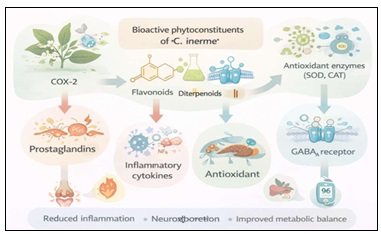
FIG. 1: SCHEMATIC REPRESENTATION OF MAJOR MOLECULAR AND CELLULAR PATHWAYS MODULATED BY BIOACTIVE CONSTITUENTS OF CLERODENDRUM INERME
The diagram shows how antioxidant defences are strengthened, GABA_A receptor activity is modulated, and inflammatory signalling (COX-2 and NF-κB) is suppressed, all of which contribute to anti-inflammatory, neuroprotective, and metabolic regulating benefits 2. Transforming conventional and experimental data into logical therapeutic applications requires an understanding of the molecular and cellular mechanisms behind the pharmacological effects of Clerodendrum inerme (L.). Emerging data indicates that the biological activities of C. inerme are mediated by modulation of several intracellular signalling pathways, transcription factors, and enzyme systems, despite the fact that many investigations have concentrated on phenotypic outcomes 10.
Inflammatory Signalling Pathway Modification: The control of important inflammatory mediators and signalling cascades has been connected to C. inerme's anti-inflammatory activities 10. According to experimental research, pro-inflammatory cytokines are suppressed, and enzymes like inducible nitric oxide synthase and cyclooxygenase are inhibited. Nuclear factor kappa B (NF-κB) activation and mitogen-activated protein kinase (MAPK) pathways are known to be disrupted by flavonoids found in the plant, such as hispidulin and acacetin 10. Inflammatory responses are attenuated at the cellular level and inflammatory gene production is decreased as a result of this regulation.
TABLE 4: MOLECULAR TARGETS AND MECHANISTIC PATHWAYS MODULATED BY CLERODENDRUM INERME PHYTOCONSTITUENTS
| Compound / extract | Molecular target / pathway | Biological outcome | Evidence type |
| Flavonoid-rich extract | NF-κBsignaling pathway | Reduced inflammatory mediator expression | Experimental |
| Hispidulin | COX-2 enzyme | Suppression of prostaglandin synthesis | In-silico / experimental |
| Diosmetin | Oxidative stress pathways | Enhanced antioxidant defense | Experimental |
| Flavonoids | GABAergic neurotransmission | CNS modulation, neuroprotection | In-silico (supportive) |
| Leaf extract | Antioxidant enzymes (SOD, CAT) | Restoration of redox balance | Experimental |
Control of Redox Homeostasis and Oxidative Stress: The pathophysiology of inflammation, neurodegeneration, and metabolic diseases is significantly influenced by oxidative stress 10. By boosting the activity of enzymes including glutathione peroxidase, catalase, and superoxide dismutase, C. inerme extracts have been shown to improve endogenous antioxidant defences 11. By directly scavenging free radicals and indirectly activating redox-sensitive signalling pathways, phenolic substances and flavonoids contribute to these effects 11. Therefore, maintaining redox homeostasis may serve as a unifying mechanism for a number of the plant's therapeutic actions 10.
Modulation of Neurotransmitters and Neuroinflammation: Hypothesis it is theorised that neurotransmitter systems and neuroinflammatory processes are regulated in the C. inerme neuroprotective and relative neurocentral nervous system activities 11. Other models have demonstrated that some flavonoids found in the plant can interact with the "γaminobutyric acid (GABA) receptors and modulate the glutamatergic signalling, which suggests possible mechanisms as to why the plant has anticonvulsant/anxiolytic-like effects 10. Moreover, the fact that the stated neuroprotective effects have been observed could be explained by the suppression of neuroinflammation due to the inhibition of oxidative stress and microglial activation 12.
Metabolic Control and Enzyme Inhibition: Another significant molecular mechanism connected to C. inerme is enzyme inhibition 11. Research indicates that antidiabetic efficacy may be caused by inhibitory effects on enzymes that break down carbohydrates 12. Hepatoprotective effects have also been linked to the regulation of hepatic enzymes involved in metabolism and detoxification 13. Nevertheless, there are still few direct enzyme kinetics and target validation investigations, indicating a significant research gap 11.
Multi-Target and Synergistic Effects: One bioactive substance is unlikely to be responsible for all of C. inerme's pharmacological effects 12, 13. Rather, its multi-target pharmacological profile seems to be influenced by synergistic interactions between flavonoids, diterpenoids, phenolics, and other substances 14. Many therapeutic plants have this kind of polypharmacology, which may be beneficial for complicated, multifactorial illnesses 12. However, clarifying these synergistic connections is still difficult and calls for combined computational and experimental methods 12.
Research Needs and Mechanistic Gaps: Many suggested molecular pathways are inferred rather than directly shown in C. inerme 13. Specific models, despite increasing mechanistic understanding. Definitive target identification is hampered by the limited application of pathway-specific inhibitors, gene expression analysis, and molecular docking 15. To improve mechanistic understanding, future research including systems pharmacology, validated molecular assays, and omics technologies is required and support translational development 13.
Molecular Processes Supported by In-silico Docking Insights: The literature has employed specific in-silico molecular docking analyses to investigate the possible interactions of important flavonoids from Clerodendrum inerme with pertinent inflammatory and neuropharmacological targets in order to supplement experimental pharmacological findings 14. Rather than offering conclusive evidence of target interaction, these computational observations offer mechanistic plausibility 16. According to docking investigations, hispidulin binds favourably to the GABA_A receptor's benzodiazepine/allosteric region, generating hydrophobic and stabilising hydrogen-bond interactions with residues implicated in receptor regulation 15. These interactions may help to explain traditional claims related to neurological indications and are compatible with flavonoids' documented neuroprotective and central nervous system-related properties 14, 16.
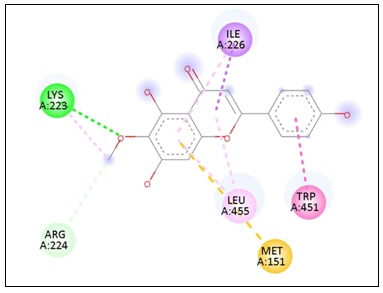
FIG. 2: TWO-DIMENSIONAL INTERACTION MAP ILLUSTRATING THE POTENTIAL BINDING OF HISPIDULIN WITHIN THE GABA_A RECEPTOR ALLOSTERIC SITE
The illustration shows typical hydrophobic and hydrogen-bond interactions between hispidulin and important amino acid residues in the receptor binding pocket, such as Lys223, Ile226, Leu455, Trp451, and Met151 16. This in-silico model does not suggest biological efficacy or clinical relevance; rather, it is offered as supporting mechanistic data 15. Furthermore, docking experiments involving the inflammatory enzyme cyclooxygenase2 (COX-2) indicate that acacetin, diosmetin, and hispidulin can occupy the COX-2 active site with stable binding conformations 15. Hydrogen bonding and hydrophobic contacts within areas essential for substrate recognition and catalytic activity are among the interactions that have been reported 17. These in-silico results support the idea that flavonoid-mediated COX-2 regulation influences the plant's pharmacological profile and are consistent with experimental reports showing the anti-inflammatory action of C. inerme extracts 15.
Most importantly, these docking outcomes must be considered as evidence that supports and forms hypotheses 15. Docking, by itself, cannot predict biological efficacy or significance, although it provides valuable information about possible ligand-target interactions at the molecular level 16, 17. In order to confirm these proposed pathways, experimental validation through receptor binding studies, enzyme inhibition assays, and specific pathway research is required 17.
TABLE 5: IN-SILICO DOCKING INSIGHTS SUPPORTING MOLECULAR MECHANISMS OF CLERODENDRUM INERME FLAVONOIDS
| Phytoconstituent | Molecular
target |
Binding region
(general) |
Key
interaction type |
Mechanistic
implication |
Evidence
type |
| Hispidulin | GABA_A receptor
(allosteric site) |
Benzodiazepi ne/allosteric pocket | Hydrogen bonding, hydrophobic contacts | Supports CNS modulation and
neuroprotective effects |
In-silico (supportive) |
| Hispidulin | COX-2 | Catalytic active site | Hydrogen bonding and
hydrophobic interactions |
Suggests inhibition of
prostaglandin synthesis |
In-silico (supportive) |
| Diosmetin | COX-2 | Active-site pocket | Polar and hydrophobic interactions | Antiinflammatory pathway modulation | In-silico (supportive) |
| Acacetin | COX-2 | Active-site and
surrounding residues |
Stable hydrophobic contacts | Consistent with reported anti-
inflammatory activity |
In-silico (supportive) |
In general, the molecular basis for the established anti-inflammatory and neuropharmacological properties of C. inerme is reinforced by the combination of docking observations with pharmacological and phytochemical information, thereby emphasizing the importance of experimental research 18.
Safety and Toxicological Profile: In order to establish whether Clerodendrum inerme (L.) has the potential for therapeutic development, it is important to assess its toxicological and safety profile 16. Although Clerodendrum inerme has been used for a long time in traditional medicine, there is still a lack of empirical safety information from controlled experimental studies 17. Most of the available toxicological information that has been generated currently has been obtained from studies of acute and subacute toxicity that were conducted using crude extracts on animal models.
Studies on acute toxicity have typically found that C. inerme extracts have a high margin of safety, with no discernible toxicity or fatality at commonly studied levels. In treated animals, gross organ morphology, food and water intake, and behavioural measures have generally stayed within normal ranges 16. These results support the traditional usage of the plant in short-term applications and indicate little acute toxicity 4. The effects of repeatedly administering C. inerme extracts over two to four weeks have been assessed in sub-acute toxicity trials. Minimal changes in haematological and biochemical indicators are reported, and major organs such the liver, kidney, and heart show no appreciable histological alterations 18. However, direct comparisons between studies are limited by differences in extraction techniques, dosage schedules, and study length.
Though these positive results can be found, some crucial gaps exist. There are no genotoxicity, carcinogenicity, reproductive toxicity, and chronic toxicity studies that may be found in the literature 19. Furthermore, research on the possible herb-drug interaction is also scarce and this is of great relevance considering the influence of chemicals found in plants on the metabolic enzymes and metabolic pathways 19. Moreover, no assessment of the safety of individual phytoconstituents and in particular flavonoids and diterpenoids of C. inerme has been done properly 18.
The lack of standardized formulations and dose equivalency between conventional drugs and those that have been tested through experiments is another disadvantage 19. The application of safety statistics to human subjects is still not clear without the obvious standardization 20. There is also a lack of clinical safety evidence in humans, which underlines the need for carefully planned pharmacokinetic and toxicological studies 19. In conclusion, comprehensive toxicological analysis is required to ensure the long-term safety of C. inerme, although preliminary results suggest that it is safe in short-term experimental conditions 20. To provide a firm safety basis for the development of C. inerme-based medicines, it is recommended that future studies focus on standardized extract toxicity, chronic toxicity, and clinical safety 21.
Therapeutic Potential and Translational Relevance: Clerodendrum inerme (L.) is a good choice for translational research and development as a result of the integration of traditional knowledge and experimental pharmacological evidence 20. The anti-inflammatory, antioxidant, neuroprotective, and metabolic-regulating properties of the plant indicate its potential use in the management of multifactorial diseases in which chronic inflammation and oxidative stress are major pathophysiologic components 21.
The existence of precisely identified bioactive substances including flavonoids and diterpenoids gives a logical reason behind target-directed medication development 21. In line with the alternation of the major signalling pathways linked with metabolic dysfunction, inflammation, and neurodegeneration, the molecular properties of these compounds are consistent 22. This response on redox homeostasis and inflammatory mediators, specifically, is inherent to the existing drug approaches, which are directed to reduce the effects of chronic inflammatory diseases 21–23.
Standardization becomes one of the challenges in the process of applying C. inerme of traditional medicine to clinical applications 21. Due to variations in the trio of plant materials, harvesting, and extractions, the pharmacological result might vary considerably because of the variations in the phytochemical contents 22. The evolution of standardized extracts whose quality control indicators are well stipulated is therefore the necessary instrument towards clinical reliability and reproducibility 23. The medicinal value of C. inerme could also be enhanced by other methods of formulation preparation 19. Pharmaceutical technology may enhance stability and bioavailability of major phytoconstituents and this may include certain delivery routes in balanced with nano-formulations 23. These may decrease dosages needed and any toxicity that might occur hence enhancing the safety profile of plant based formulation preparations 23.
Even promising preclinical results do not overcome the significant barrier of translation because of the lack of adequate clinical studies 22. Detailed clinical studies are required to assess effectiveness, safety, pharmacokinetics and physicochemical effects of drugs on herbs in humans 21. Additionally, the regulatory issues, such as the quality and the ethics, should be considered before the introduction of the C. inerme-derived compounds into the traditional medicine 19.
Considering all that has been said, C. inerme is a promising source of bioactive compounds 21. This will need the concerted efforts of pharmacognosia, molecular pharmacology, pharmaceutical sciences and clinical research to fill the gap between the traditional knowledge and scientific validation and use 21–23.
Critical Conversation: The emerging literature on Clerodendrum inerme (L.) underlines its substantial potential in pharmacology; however, a comprehensive analysis of the existing literature suggests the presence of substantial drawbacks as well as advantages 23. Most of these properties are commonly validated by experimental research, particularly in the context of anti-inflammatory, antioxidant, and neuroprotective properties 22.
The traditional practices of different cultures provide a substantial basis for ethnopharmacology 22. Nonetheless, there are substantial variations in the quality of scientific evidence.
Finding a variety of bioactive phytochemicals, such as flavonoids, diterpenoids, phenolics, and iridoid glycosides, is one of the main advantages of contemporary study. These substances provide traditional assertions with mechanistic legitimacy and are biologically plausible mediators of the observed pharmacological effects 22. However, it is challenging to assign particular biological effects to individual chemicals or defined chemical profiles because many pharmacological research depend on crude or partially characterised extracts 23. One major drawback is methodological variability.
Reproducibility is decreased and direct comparison between studies is hampered by differences in plant authenticity, extraction techniques, dosage schedules, and experimental models 23. The interpretability of pharmacological results is sometimes limited by inadequate information about extract standardisation and phytochemical quantification. Furthermore, assessment of relative efficacy is sometimes limited by the absence of dose-response relationships and comparisons with conventional reference medications 22.
Although they are being addressed more and more, mechanistic discoveries in C. inerme-specific models are frequently deduced rather than experimentally verified. Numerous suggested molecular pathways are derived from research on other plant species or structurally related chemicals 23. It is difficult to draw firm conclusions on the mechanism of action due to the restricted use of molecular biology tools such target binding assays, pathway inhibition studies, and gene expression research. Safety assessment is still a problem 23. Comprehensive toxicological evaluations, including chronic toxicity, reproductive toxicity, and herb-drug interaction investigations, are mainly lacking, despite the fact that acute and sub-acute toxicity studies point to a favourable safety profile. Given that the plant may alter metabolic enzymes and signalling pathways that could interact with prescription drugs, this gap is especially pertinent 24.
Finally, there is a large translational gap between the preclinical studies and the clinical use. The absence of controlled human studies underlines the need for carefully planned clinical studies and limits the use of existing information for clinical purposes 24. In order to translate C. inerme from experimental studies to evidence-based therapeutic use, these limitations need to be overcome 23.
Prospects for the Future and Research Paths: To maximize the potential of Clerodendrum inerme (L.) for therapeutic use, future studies should focus on the following: To ensure the results are replicable and comparable across studies, procedures for plant identification, extraction, and analysis should be standardized 25. To enhance structure-activity relationships, all pharmacological studies should include the quantitative assessment of key bioactive indicators 24. There are a number of opportunities available for enhancing mechanistic knowledge using advanced analytical and molecular tools 26. By leveraging omics-based approaches, such as transcriptomics, proteomics, and metabolomics, it may be possible to gain a comprehensive insight into the molecular mechanisms that C. inerme and its constituents affect 26. Target identification and hypothesis testing may be facilitated by the integration of these approaches with in-silico modeling. Future studies should concentrate on dose-response, long-term efficacy, and relative comparison with conventional treatment drugs from a pharmacological standpoint 27. The synergistic interactions among phytoconstituents may help explain the multi-target action of medicinal plants 28. In addition, new formulation methods, such as nano-delivery systems, may enhance therapeutic efficacy and bioavailability and minimize potential toxicity 26.
One of the important unmet needs is the evaluation of toxicology. Prior to any thought of clinical use, it is important to evaluate the herb-drug interactions, genotoxicity, reproductive and developmental toxicity, and chronic toxicity. The pharmacokinetics of the herb will also help in its safe and efficient use 2.
Finally, clinical trials must be conducted to confirm the preclinical results. To confirm the claims of the therapeutic properties of C. inerme, clinical trials must be conducted to ensure the efficacy and optimal dosage of the drug. To shift the use of C. inerme from conventional to evidence-based medicine, collaboration among pharmacognosists, pharmacologists, and physicians will be critical 30.
CONCLUSION: Clerodendrum inerme (L.) is also emphasized in this integrative review as a medicinal plant with great ethnopharmacological value, supported by growing phytochemical and pharmacological evidence 26. Experimental studies have already demonstrated the anti-inflammatory, antioxidant, neuroprotective, antibacterial, metabolic, and hepatoprotective activities of this plant, which can be attributed to its complex pharmacological profile 27. This is due to the presence of a wide range of bioactive compounds such as flavonoids, diterpenoids, phenolics, and iridoid glycosides 31.
Importantly, current studies indicate that the verbal achievement of C. inerme as a therapeutic agent is achieved by regulating important cellular and molecular mechanisms, including oxidative stress, inflammation, neurotransmission, and metabolism) 32. Yet, the current state of evidence is hindered by the existence of a methodological heterogeneity, the absence of a mechanistic validation, and even the lack of toxicological data, though the preclinical data has been promising 33.
The gap between the conventional knowledge and evidence-based medicine needs to be bridged with phytochemical standardization, extensive pharmacological examination, extensive safety analysis, and a well-coordinated clinical research 34. C. inerme possesses enormous potential of serving as the source of pharmacological activity compounds and as a possible candidate in medicine making in future 35.
ACKNOWLEDGEMENT: “The authors thank S.M.B.T. College of Pharmacy, Dhamangaon for providing necessary facilities.”
CONFLICT OF INTEREST: “The authors declare no conflict of interest.
REFERENCES:
- Barman M, Barman A and Ray S: Clerodendrum inerme (L.) Gaertn.: a critical review on current progress in traditional uses, phytochemistry, pharmacological aspects and toxicity. Phytochemistry Reviews 2024; 23(6): 1675–736.
- Khan SA, Shahid S, Ahmad W and Ullah S: Pharmacological importance of Clerodendrum genus: a current review. Int J Pharm Sci Res 2017; 2(2): 22–30.
- Okaiyeto K, Falade AO and Oguntibeju OO: Traditional uses, nutritional and pharmacological potentials of Clerodendrum volubile. Plants 2021; 10(9): 1893.
- Yasmeen N, Chaudhary AA, Khan S, Ayyar PV, Lakhawat SS and Sharma PK: Antiangiogenic potential of phytochemicals from Clerodendrum inerme (L.) Gaertn investigated through in-silico and quantum computational methods. Mol Divers 2025; 29(1): 215–39.
- Wisessombat S and Tayeh M: In-vitro wound healing potential and antimicrobial activity of Clerodendrum inerme leaf extracts 2021.
- Hossain MM, Roy N and Islam F: Exploring the phytochemical composition, antioxidant properties, and anticancer mechanism of Clerodendrum viscosum Vent.: A Comprehensive Review. Current Traditional Medicine 2025.
- Srisook K, Srisook E, Nachaiyo W, Chan-In M, Thongbai J and Wongyoo K: Bioassay-guided isolation and mechanistic action of anti-inflammatory agents from Clerodendrum inerme leaves. J Ethnopharmacol 2015; 165: 94–102.
- Al-Snafi AE: Chemical constituents and pharmacological effects of Clerodendrum inerme A review. SMU Medical Journal 2016; 3(1): 129–53.
- Khan SA, Shahid S, Ahmad W and Ullah S: Pharmacological importance of Clerodendrum genus: a current review. Int J Pharm Sci Res 2017; 2(2): 22–30.
- Khanka S: Natural neuroprotective agent: A review on Clerodendrum serratum and its phytoconstituents.
- Okaiyeto K, Falade AO and Oguntibeju OO: Traditional uses, nutritional and pharmacological potentials of Clerodendrum volubile. Plants 2021; 10(9): 1893.
- Youssef FS, Sobeh M, Dmirieh M, Bogari HA, Koshak AE and Wink M: Metabolomics-based profiling of Clerodendrum speciosum (Lamiaceae) leaves using LC/ESI/MS-MS and in-vivo evaluation of its antioxidant activity using Caenorhabditis elegans model. Antioxidants 2022; 11(2): 330.
- Nguyen TH, Nachtergael A, Nguyen TM, Cornet V, Duez P and Muller M: In-vitro and in-vivo anti-inflammatory properties of the ethanol extract from Clerodendrum cyrtophyllum Turcz based on murine cells and zebrafish models. J Ethnopharmacol 2020; 254.
- Ezeako EC, Nworah FN and Osuji DO: Phytocompounds, antioxidant potential, and inhibitory actions of ethanolic leaf fraction of Sidal inifolia Linn. (Malvaceae) on enzymes linked to inflammation, diabetes, and neurological disorders. Futur J Pharm Sci 2023; 9(1): 73.
- Baglary GR, Brahma R, Hazarika M, Islary A and Kumar S: Exploring the phytochemical composition, nutritional profile, and functional properties of different parts of Aristolochia indica and Clerodendrum chinense. Food and Humanity 2025; 5: 100655.
- Mamuaja MN, Herlina T, Rumampuk RJ, Maksum IP and Rukayadi Y: Flavonoids from Clerodendrum genus and their biological activities. ADMET DMPK 2024; 12(6): 843–79.
- Ogunlakin AD, Akinwumi IA and Ambali OA: Ethnomedicinal application, phytochemistry and therapeutic effects of genus clerodendrum. Functional Food Science-Online ISSN: 2767-3146. 2023; 3(10): 228–47.
- Yeshi K, Turpin G, Jamtsho T and Wangchuk P: Indigenous uses, phytochemical analysis, and anti-inflammatory properties of Australian tropical medicinal plants. Molecules 2022; 27(12): 3849.
- Bhattacharyya S, Hore M and Roy S: Insight into the Potential Antiviral Properties of the Genus Clerodendrum: Bioactive compounds with Mechanism of Action. Antiinfect Agents 2025; 23(2): 230724232193.
- Al-Snafi AE: Medicinal plants with antioxidant and free radical scavenging effects (part 2): plant based review. IOSR J Pharm 2016; 6(7): 62–82.
- Chanu WK, Chatterjee A, Singh N, Nagaraj VA and Singh CB: Phytochemical screening, antioxidant analyses, and in-vitro and in-vivo antimalarial activities of herbal medicinal plant-Rotheca serrata (L.) Steane & Mabb. J Ethnopharmacol 2024; 321: 117466.
- Sharma J, Gairola S, Sharma YP and Gaur RD: Ethnomedicinal plants used to treat skin diseases by Tharu community of district Udham Singh Nagar, Uttarakhand, India. J Ethnopharmacol 2014; 158: 140–206.
- Al-Snafi AE: Medicinal plants with antiviral effect: A review. Herpes 2023; 37: 38.
- Kumar CM, Jayadevappa HP and Vasudev HH: Evaluation of Clerodendrum inerme (L.) Gaertn. on Burkitt’s Lymphoma Cancer. Indian J Pharm Educ Res 2018; 52(2).
- Wisessombat S and Tayeh M: In-vitro Wound Healing Potential and Antimicrobial Activity of Clerodendrum inerme Leave Extracts. Pharmacognosy Journal 2021; 13(6).
- Khanam D, Deb D, Dev S, Shahriar M, Das AK and Kawsar MH: Analgesic and Anti-inflammatory Activities of Ethanolic Extract of Clerodendrum inerme (L.) Gaertn. Bangladesh Pharm J 2014; 17(1): 62–6.
How to cite this article:
Ghogre P, Gore P and Ushir Y: From traditional use to molecular pharmacology: an updated integrative review of Clerodendrum inerme (L.). Int J Pharmacognosy 2026; 13(7): 638-50. doi link: http://dx.doi.org/10.13040/IJPSR.0975-8232.IJP.13(7).638-50.
This Journal licensed under a Creative Commons Attribution-Non-commercial-Share Alike 3.0 Unported License.
 Download