



FORMULATION AND EVALUATION OF HERBAL SUNSCREEN CREAM USING SESAME OIL
HTML Full TextFORMULATION AND EVALUATION OF HERBAL SUNSCREEN CREAM USING SESAME OIL
Aatish Attri *, Komal Kashyap, Kapil Kumar Verma and Ravi Kumar
Minerva College of Pharmacy, Indora Kangra, Dah, Himachal Pradesh, India.
ABSTRACT: Exposure to ultraviolet (UV) radiation from sunlight is a major cause of skin damage, premature aging, and skin cancer. Sunscreen creams are widely used to protect the skin from harmful UV rays; however, the long-term use of synthetic sunscreens may cause skin irritation and other adverse effects. Therefore, there is growing interest in the development of herbal sunscreen formulations using natural ingredients. The present study focuses on the formulation, characterization, and evaluation of a herbal sunscreen cream using sesame oil as the main active ingredient. Sesame oil is rich in natural antioxidants such as sesamol and sesamin, which exhibit UV-absorbing and free-radical scavenging properties. In this study, an oil-in-water type herbal sunscreen cream was formulated using sesame oil along with suitable excipients such as emulsifiers, preservatives, and stabilizers. The prepared formulation was subjected to characterization tests including physical appearance, pH, viscosity, spreadability, homogeneity, and type of emulsion to ensure formulation quality and stability. The evaluation of the herbal sunscreen cream was carried out to assess its sun-protective and safety profile. In-vitro sun protection factor (SPF) determination, skin irritation test, wash ability, and stability studies were performed. The results indicated that the formulated herbal sunscreen cream had acceptable physicochemical properties, good spread ability, suitable pH for skin application, and satisfactory SPF value. No signs of skin irritation were observed, indicating its safety for topical use. Thus, the study concludes that sesame oil-based herbal sunscreen cream is a safe, effective, and eco-friendly alternative to synthetic sunscreens and has potential for further development in cosmetic and pharmaceutical applications.
Keywords: Herbal Sunscreen Cream, Sesame Oil (Sesamum indicum), Sun Protection Factor (SPF), Physicochemical Characterisation, In-vitro Evaluation
INTRODUCTION: In recent years, there has been a growing interest in the development of herbal and natural sunscreen products as safe and effective alternatives to conventional chemical sunscreens. Synthetic ultraviolet (UV) filters, while effective, have been associated with skin irritation, phototoxicity, and environmental concerns prompting researchers to explore plant-based ingredients with inherent photoprotective and antioxidant properties.
Herbal formulations often aim to harness bioactive phytochemicals such as flavonoids, phenolics, and natural oils that can absorb, scatter, or reflect UV radiation and simultaneously provide skin-nourishing benefits 1.
Sesame oil (derived from Sesamum indicum L.) has attracted attention as a natural photoprotective component due to its rich composition of antioxidants like sesamol, sesamin, and tocopherols, which can contribute to UV absorbance and free radical scavenging activity. According to recent studies, sesame oil exhibits measurable sunscreen properties and can enhance the sun protection factor (SPF) when incorporated into topical formulations, although it is generally more effective when combined with other UV-protective constituents2. The process of formulating a herbal sunscreen cream involves selecting an appropriate cream base (often an oil-in-water emulsion) and blending herbal oils and extracts known for their photoprotective and skin-beneficial properties. Typical formulation steps include the preparation of oil and aqueous phases, emulsification under controlled conditions, and incorporation of herbal actives like sesame oil at optimized concentrations to achieve intended SPF values and stability. Once formulated, such herbal sunscreen creams undergo characterization and evaluation using a series of physicochemical and biological tests. Characterization parameters commonly include pH, viscosity, spreadability, homogeneity, thermal and centrifugation stability, as well as accelerated stability testing under various storage conditions. These tests help ensure that the cream is cosmetically acceptable, stable over time, and compatible with the skin’s natural physiology 3.
Herbal sunscreens are prepared using plant-based ingredients that possess natural photoprotective, antioxidant, and anti-inflammatory properties. These natural ingredients are considered safer, biodegradable, and more compatible with the skin compared to synthetic chemicals. Many plant extracts contain flavonoids, phenolic compounds, tannins, and vitamins that help absorb UV radiation and protect skin cells from oxidative damage 4.
Sunscreen: Sunscreen is a topical formulation applied to the skin to protect it from harmful ultraviolet (UV) radiation emitted by the sun. It works by absorbing, reflecting, or scattering ultraviolet rays, thereby reducing their penetration into the skin and preventing damage such as sunburn, photoaging, and skin cancer 5.
Importance of Sun Protection: Sun protection is essential for maintaining healthy skin and preventing various harmful effects caused by ultraviolet (UV) radiation from the sun. Excessive exposure to UV radiation can damage the skin at cellular and molecular levels, leading to acute and chronic dermatological conditions. Therefore, the use of sun-protective measures such as sunscreen, protective clothing, sunglasses, and avoiding peak sunlight hours is strongly recommended 6. One of the primary reasons for sun protection is the prevention of sunburn (erythema). Ultraviolet B (UVB) radiation penetrates the epidermis and causes inflammation, redness, and damage to skin cells. Repeated sunburn episodes increase the risk of long-term skin damage and skin cancer 7. Another important reason is the prevention of premature skin aging (photoaging). Ultraviolet A (UVA) radiation penetrates deeper into the dermis and causes breakdown of collagen and elastin fibers. This leads to wrinkles, fine lines, loss of skin elasticity, and hyperpigmentation. Continuous exposure without protection accelerates the aging process of the skin 8.
Harmful effects of UV-rays:
Skin Damage and Sunburn: UVB rays are mainly responsible for sunburn (erythema). They penetrate the epidermis and cause direct damage to DNA in skin cells. This leads to inflammation, redness, pain, and sometimes blistering. Repeated sunburn episodes increase the risk of long-term skin damage and skin cancer 9.
Hyperpigmentation and Tanning: Exposure to UVA and UVB radiation stimulates melanin production in the skin, leading to tanning and pigmentation disorders such as dark spots, freckles, and melasma. These changes can cause uneven skin tone and long-term pigmentation problems 10.
Immune System Suppression: UV radiation can suppress the skin’s immune system, reducing the body's ability to defend against infections and skin cancers. This immune suppression may also worsen certain skin diseases 11.
Eye Damage: Excessive exposure to UV radiation can damage the eyes and lead to conditions such as photokeratitis, cataracts, and retinal damage. UVB is mainly responsible for corneal damage, while UVA contributes to long-term eye disorders 12.
Herbal Sunscreen: Herbal sunscreen is a type of photoprotective cosmetic formulation prepared using natural plant-based ingredients such as herbal extracts, oils, and phytochemicals that protect the skin from harmful ultraviolet (UV) radiation. These formulations contain bioactive compounds like flavonoids, polyphenols, tannins, and antioxidants that help absorb, reflect, or scatter UV rays and prevent skin damage 13.
Need of Herbal Sunscreen:
Protection from Harmful UV Radiation: Exposure to ultraviolet radiation, particularly UVA and UVB rays, can cause sunburn, premature aging, pigmentation, and skin cancer. Herbal sunscreens provide protection by absorbing or blocking UV radiation using natural plant compounds 14.
Antioxidant Activity: Herbal ingredients are rich in antioxidants such as flavonoids and polyphenols, which neutralize free radicals generated by UV radiation. This helps prevent oxidative stress and protects skin cells from damage 15.
Reduced Side Effects: Many synthetic sunscreen agents may cause skin irritation, allergies, or hormonal disturbances. Herbal sunscreens are generally safer and better tolerated because they contain natural ingredients with fewer adverse effects 16.
Growing Demand for Natural Cosmetics: There is an increasing global preference for natural and herbal cosmetic products due to concerns about the safety of synthetic chemicals. Herbal sunscreens meet this demand by providing effective sun protection with natural ingredients 17.
Eco-friendly and Biodegradable: Herbal sunscreens are more environmentally friendly compared to chemical sunscreens because they are derived from natural sources and are generally biodegradable, reducing environmental pollution 18.
Sesame Oil: Sesame oil is a natural fixed oil obtained from the seeds of the sesame plant Sesamum indicum L. It is widely used in food, pharmaceutical, and cosmetic industries due to its high content of essential fatty acids, antioxidants, and bioactive lignans.
Sesame oil possesses strong antioxidant, anti-inflammatory, and skin-protective properties, making it a valuable ingredient in dermatological and cosmetic formulations 19.
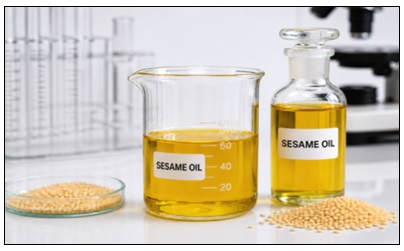
FIG. 1: SESAME OIL
Botanical Source:
Biological Source: Fixed oil obtained from the seeds of Sesamum indicum L.
Family: Pedaliaceae
Common Names: Sesame oil, Gingelly oil, Til oil
The sesame plant is one of the oldest cultivated oilseed crops and is widely grown in Asia and Africa. The seeds contain approximately 50–60% oil, which is extracted mainly by cold pressing or solvent extraction methods 19.
Chemical Constituents of Sesame Oil: Sesame oil contains several bioactive compounds responsible for its medicinal and cosmetic properties.
Major Constituents:
Fatty Acids:
- Oleic acid (~40%)
- Linoleic acid (~45%)
- Palmitic acid
- Stearic acid
Lignans:
- Sesamin
- Sesamolin
- Sesamol
Vitamins:
- Vitamin E (tocopherols)
Phytosterols:
- β-sitosterol
- Campesterol
- Stigmasterol
Phenolic Compounds and Flavonoids: These components contribute to the antioxidant stability and biological activity of sesame oil 20.
Skin Benefits of Sesame Oil: Sesame oil is widely used in skincare formulations due to its protective and nourishing properties.
Antioxidant Activity: Sesame oil contains lignans such as sesamin, sesamolin, and sesamol, which act as strong antioxidants and help neutralize free radicals produced by UV radiation.
Moisturizing and Emollient Effect: The oil is rich in essential fatty acids (linoleic and oleic acid) that help maintain the skin barrier, improve hydration, and soften the skin.
Anti-inflammatory Activity: Bioactive compounds in sesame oil reduce inflammation and may help soothe irritated or damaged skin.
Anti-aging Properties: The antioxidant content helps prevent oxidative damage and slows the formation of wrinkles and fine lines caused by photoaging.
Protection against UV Damage: Sesame oil contains natural antioxidants and phenolic compounds that may provide partial protection against UV-induced skin damage 21.
Role of Sesame Oil in Sunscreen Formulation: Sesame oil plays an important role in herbal sunscreen formulations due to its natural photoprotective and antioxidant properties.
Natural Photoprotective agent: The presence of lignans and phenolic compounds helps absorb UV radiation and reduce oxidative damage caused by sunlight.
Antioxidant Protection: Sesame oil prevents the formation of free radicals generated by UV exposure, thereby protecting skin cells from damage.
Emollient and Moisturizing Base: It acts as an excellent emollient, improving the spreadability and skin hydration of sunscreen creams.
Enhances Formulation Stability: The natural antioxidants present in sesame oil increase the oxidative stability of cosmetic formulations.
Skin Repair and Nourishment: Sesame oil promotes skin healing and improves overall skin health when used in topical formulations.
Because of these properties, sesame oil is widely used in herbal sunscreen creams and lotions as a natural photoprotective ingredient 22.
Review of Literature:
TABLE 1:
| Author(s) | Year | Title of Study | Method Used | Major Findings |
| Jadhav R., Yadav G., Jadhav V., Jain A. | 2018 | Formulation and Evaluation of Black Sesame Seed Oil Sunscreen Emulgel Using Natural Gelling Agent | Emulgel formulation using sesame oil and fenugreek mucilage; evaluated for pH, spreadability, extrudability, rheology, antioxidant activity and SPF | The prepared emulgel showed good consistency and stability. The formulation exhibited significant UV-B protection with satisfactory SPF values and good drug content. (IRJP Online) |
| Swathimol S., Shaji K.M., Prasad A., Nair D.S., Cherian D. | 2022 | Development and Evaluation of Herbal Sunscreen Formulation | Herbal oils including sesame oil were screened for SPF using the Mansur spectrophotometric method; formulation evaluated for viscosity, pH and spreadability | Sesame oil showed appreciable SPF among herbal oils and was suitable for incorporation into sunscreen formulations. (ajphs.com) |
| Bożek M., Trybała J., Lebiedowska A., et al. | 2024 | Assessment of the Sunscreen Properties of Sesame Oil Using the Hemispherical Directional Reflectance Method | Experimental measurement of UV reflectance and radioprotective properties of sesame oil | Sesame oil contains compounds such as sesamol and sesamolin that can absorb or reflect UV radiation, demonstrating potential as a natural UV-filter ingredient in sunscreens. (MDPI) |
| Mishra M., Gondane A., Patel A., et al. | 2024 | Formulation and Evaluation of Sunscreen Cream Using Natural Herbs | Preparation of sunscreen cream using natural oils including sesame oil; evaluation for SPF, physicochemical properties and stability | The herbal cream formulation showed effective sun protection and acceptable physicochemical characteristics, suggesting that natural oils can enhance sunscreen activity. (Int J Pharm Sci) |
| Adhe U.G., Bidait S.N., Shere M., Bodkhe K., Rathod A. | 2025 | Formulation and Evaluation of Herbal Sunscreen Cream | Herbal cream prepared with plant extracts and natural oils; evaluated for SPF, stability and physicochemical parameters | Herbal sunscreen showed good SPF value, stability and moisturizing properties with minimal irritation, supporting the use of plant-based ingredients in sunscreen formulations. (ijsci.com) |
| Ranjbar M., et al. | 2020 | Sun Protective Potential and Physical Stability of Herbal Sunscreen Developed from Medicinal Plants | Herbal sunscreen formulation containing sesame oil and plant extracts; evaluated for phytochemical screening, SPF and stability studies | The sunscreen formulation showed SPF values ranging from about 6–21 and remained stable under accelerated conditions, indicating good photoprotective potential. (PubMed) |
Material Quantity for 100g Cream:
TABLE 2:
| S. no. | Ingredient | Role in Formulation | Quantity for 100 g |
| 1 | Sesame oil | Natural sunscreen agent, emollient | 10 g |
| 2 | Beeswax | Thickening agent, consistency enhancer | 5 g |
| 3 | Stearic acid | Emulsifying agent | 6 g |
| 4 | Cetyl alcohol | Emollient and stabilizer | 3 g |
| 5 | Glycerin | Humectant, moisturizer | 5 g |
| 6 | Aloe vera gel | Skin soothing agent | 10 g |
| 7 | Zinc oxide | Physical UV filter | 5 g |
| 8 | Vitamin E | Antioxidant, skin protector | 0.5 g |
| 9 | Methyl paraben | Preservative | 0.2 g |
| 10 | Propyl paraben | Preservative | 0.05 g |
| 11 | Rose water / Distilled water | Aqueous phase | q.s. to 10s0 g |
| 12 | Perfume | Fragrance | 0.25 g |
Method of Preperation:
Step 1: Preparation of Oil Phase:
- Accurately weigh sesame oil, beeswax, stearic acid, cetyl alcohol, and vitamin E.
- Transfer these ingredients into a clean beaker.
- Heat the mixture on a water bath at about 70–75 °C until all components melt completely and form a uniform oil phase 23.
Step 2: Preparation of Aqueous Phase:
- In another beaker, take distilled water or rose water.
- Add glycerin, aloe vera gel, methyl paraben, and propyl paraben.
- Heat this mixture to 70–75 °C while stirring to dissolve all ingredients properly 24.
Step 3: Emulsification:
- Slowly add the oilphase into the aqueous phase with continuous stirring.
- Stir the mixture continuously using a mechanical stirrer or glass rod until a uniform emulsion is formed 25.
Step 4: Addition of Sunscreen Agent:
- Add zinc oxide slowly to the emulsion while stirring to ensure uniform dispersion.
- Continue mixing until the cream becomes smooth and homogeneous 26.
Step 5: Cooling and Addition of Fragrance:
- Allow the cream to cool gradually to room temperature.
- Add perfume or fragrance and mix thoroughly 27.
Step 6: Packaging:
- Transfer the prepared sunscreen cream into clean, dry containers or collapsible tubes.
- Label the containers properly and store in a cool and dry place 27.
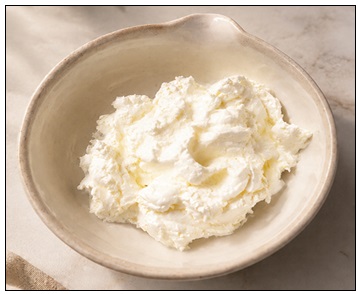
FIG. 2: HERBAL SUNSCREEN CREAM
Evaluation Parameter:
TABLE 3:
| S. no. | Evaluation Parameter | Method / Description | Result (Typical for Sesame Oil Cream) |
| 1 | Appearance | Visual inspection for color, texture, and homogeneity | Smooth, light cream colored, homogeneous cream |
| 2 | pH | Measured using digital pH meter after dissolving small amount of cream in distilled water | 6.2 – 6.8 (suitable for skin) |
| 3 | Spreadability | Determined using slide method (time taken to spread between glass slides) | 6 – 8 g·cm/sec (good spreadability) |
| 4 | Viscosity | Measured using Brookfield viscometer | 9000 – 15000 cps |
| 5 | Homogeneity | Checked by visual inspection and touch | No lumps, uniform consistency |
| 6 | Washability | Cream applied on skin and washed with water | Easily washable |
| 7 | Irritancy Test | Applied on small area of skin and observed for redness or irritation | No irritation observed |
| 8 | SPF Determination | Determined by UV spectrophotometric method (Mansur equation) | SPF value: 8 – 15 (moderate sun protection) |
| 9 | Stability Study | Cream stored at different temperatures (4°C, 25°C, 40°C) for 1–3 months | No phase separation, stable formulation |
| 10 | Extrudability | Determined by pressing cream from collapsible tube | Cream extrudes easily |
RESULT AND DISCUSSION:
SPF (Sun Protection Factor): From the graph, the SPF values of different formulations increased with the concentration of sesame oil and active ingredients.
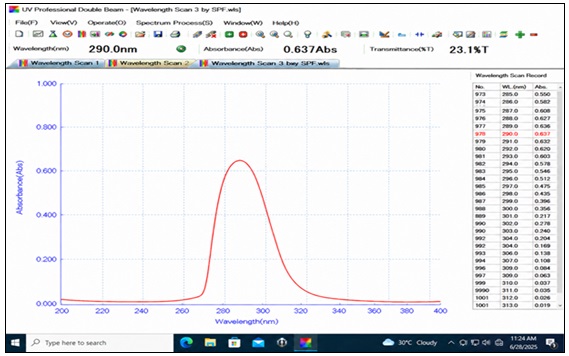
FIG. 3:
DISCUSSION: The increase in SPF value indicates that sesame oil contributes to UV protection due to the presence of lignans such as sesamol and sesamin, which show antioxidant and UV-absorbing properties 28.
pH: Range observed: 6.2 – 6.7
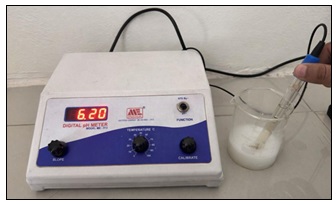
Discussion: The pH of all formulations was found to be within the acceptable skin pH range (5.5–7.0), indicating that the cream is safe for topical application without irritation 29.
Viscosity: Range observed: 9000 – 15000 cps
Discussion: Viscosity increased from F1 to F4 due to higher concentration of beeswax, cetyl alcohol, and oil phase 30.
CONCLUSION: The present study on the formulation and evaluation of herbal sunscreen cream using sesame oildemonstrates that a stable and effective topical preparation can be successfully developed using natural ingredients. The cream prepared by the oil-in-water (O/W) emulsion method showed good physicochemical properties, including smooth texture, homogeneity, and acceptable appearance. The evaluation parameters revealed that the formulation had a skin-friendly pH (6.2–6.7), appropriate viscosity, good spreadability, and no signs of irritation, indicating its suitability for topical application.
The SPF values (approximately 8–14) confirmed that the formulation provides moderate sun protection, which increases with higher concentration of sesame oil and other active components. Sesame oil played a significant role due to its natural antioxidant lignans (sesamol, sesamin) and essential fatty acids, which contribute to UV protection, skin nourishment, and prevention of photoaging. The addition of ingredients like zinc oxide further enhanced the photoprotective effect. Stability studies indicated that the formulation remained stable without phase separation or significant changes in physical properties, confirming good formulation compatibility.
ACKNOWLEDGEMENT: Nil
CONFLICT OF INTEREST: Nil
REFERENCES:
- Adhe UG, Bidait SN and Shere M: Formulation and evaluation of herbal sunscreen cream. International J of Sciences and Innovation Engineering 2025; 2(6): 232-44.
- Bożek M, Trybała J, Lebiedowska A, Stolecka-Warzecha A, Babczyńska P and Wilczyński S: Assessment of the sunscreen properties of sesame oil using the hemispherical directional reflectance method. Applied Sciences 2024; 14(15): 6545.
- Formulation and Evaluation Of Black Sesame Seed Oil Sunscreen Emulgel Using Natural Gelling Agent. Int Res J Pharm [Internet]. 2018 Jun. 5 [cited 2026 Feb. 12];9(6):30-4.
- Sutar MP, Chaudhari SR and Chavan MJ: Formulation and in-vitro evaluation of sun protection factor of herbal sunscreen cream containing Butea monosperma, Neolamarckia cadama and Punica granatum
- Kaur CD and Saraf S: In-vitro sun protection factor determination of herbal oils used in cosmetics. Pharmacognosy Research 2010; 2(1): 22.
- Diffey BL: Solar ultraviolet radiation effects on biological systems. Physics in Med & Biology 1991; 36(3): 299-28.
- Rigel DS: Cutaneous ultraviolet exposure and its relationship to the development of skin cancer. J of the American Academy of Dermatology 2008; 58(5): 129-32.
- Narayanan DL, Saladi RN and Fox JL: Ultraviolet radiation and skin cancer. International Journal of Dermatology 2010; 49(9): 978-86.
- Matsumura Y and Ananthaswamy HN: Toxic effects of ultraviolet radiation on the skin. Toxicology and Applied Pharmacology 2004; 195(3): 298-308.
- Wang SQ, Balagula Y and Osterwalder U: Photoprotection: a review of the current and future technologies. Dermatologic Therapy 2010; 23(1): 31-47.
- Young AR: Acute effects of UVR on human eyes and skin. Progress in Biophysics and Molecular Biology 2006; 92(1): 80-5.
- Gilchrest BA and Geller AC: The pathogenesis of melanoma induced by ultraviolet radiation-Reply. New England Journal of Medicin E 1999; 341(10): 766-7.
- Mansur JD, Breder MN, Mansur MC and Azulay RD: Determination of sun protection factor by spectrophotometry. An Bras Dermatol 1986; 61(3): 121-4.
- Saewan N and Jimtaisong A: Natural products as photoprotection. Journal of Cosmetic Dermatology 2015; 14(1): 47-63.
- Nichols JA and Katiyar SK: Skin photoprotection by natural polyphenols: anti-inflammatory, antioxidant and DNA repair mechanisms. Archives of Dermatological Research 2010; 302(2): 71-83.
- Kaur CD and Saraf S: In-vitro sun protection factor determination of herbal oils used in cosmetics. Pharmacognosy Research 2010; 2(1): 22.
- He H, Li A, Li S, Tang J, Li L and Xiong L: Natural components in sunscreens: Topical formulations with sun protection factor (SPF). Biomedicine & Pharmacotherapy Biomedecine & Pharmacotherapie 2020; 134: 111161.
- Pandey P, Sharma A, Sharma H, Vyas GK and Sharma M: Novel researched herbal sunscreen cream SPF determination by in-vitro Asian Journal of Pharmaceutical Research and Development 2023; 11(2): 83-90.
- Deme P, Narasimhulu CA and Parthasarathy S: Identification and evaluation of anti-inflammatory properties of aqueous components extracted from sesame (Sesamum indicum) oil. Journal of Chromatography B 2018; 1087: -9.
- Wei P, Zhao F, Wang Z, Wang Q, Chai X, Hou G and Meng Q: Sesame (Sesamum indicum): A comprehensive review of nutritional value, phytochemical composition, health benefits, development of food, and industrial applications. Nutrients 2022; 14(19): 4079.
- Afroz M, Zihad SN, Uddin SJ, Rouf R, Rahman MS, Islam MT, Khan IN, Ali ES, Aziz S, Shilpi JA and Nahar L: A systematic review on antioxidant and antiinflammatory activity of Sesame (Sesamum indicum) oil and further confirmation of antiinflammatory activity by chemical profiling and molecular docking. Phytotherapy Research 2019; 33(10): 2585-608.
- Morsy MK, Sami R, Algarni E, Al-Mushhin AA, Benajiba N, A A, Almasoudi AG and Mekawi E: Phytochemical profile and antioxidant activity of sesame seed (Sesamum indicum) by-products for stability and shelf life improvement of refined olive oil. Antioxidants 2022; 11(2): 338.
- Jadhav R, Yadav G, Jadhav V and Jain A: Formulation and evaluation of black sesame seed oil sunscreen emulgel using natural gelling agent. IRJP 2018; 9(6): 197-201.
- Ahmady A, Amini MH, Zhakfar AM, Babak G and Sediqi MN: Sun protective potential and physical stability of herbal sunscreen developed from afghan medicinal plants. Turkish J of Pharmaceutical Sciences 2020; 17(3): 285.
- Swathimol S, Shaji KM, Prasad A, Nair DS and Cherian D: Development and evaluation of herbal sunscreen formulation. AJPHS 2022; 12(3): 2689–2693
- Chandini P and Navuduri SJ: Formulation and evaluation of herbal sunscreen cream. International Journal of Indigenous Herbs and Drugs 2025; 34-8.
- Anusha V, Moulika P, Jadhav SC, Seshasarvani N, Kumar YG and Sushma K: Formulation and evaluation of Herbal sunscreen cream encompassed with Tomato, Papaya, Aloe Vera, Sandalwood natural extracts for essential sun protection factor and UV protection. Asian J of Pharmaceutical Res and Development 2025; 13(2): 01-11.
- He H, Li A, Li S, Tang J, Li L and Xiong L: Natural components in sunscreens: Topical formulations with sun protection factor (SPF). Biomedicine & Pharmacotherapy Biomedecine & Pharmacotherapie 2020; 134: 111161.
- Rosalina R and Weerapreeyakul N: An insight into sesamolin: physicochemical properties, pharmacological activities, and future research prospects. Molecules 2021; 26(19): 5849.
- Milutinov J, Pavlović N, Ćirin D, Atanacković Krstonošić M and Krstonošić V: The potential of natural compounds in UV protection products. Molecules 2024; 29(22): 5409.
How to cite this article:
Attri A, Kashyap K, Verma KK and Kumar R: Formulation and evaluation of herbal sunscreen cream using sesame oil. Int J Pharmacognosy 2026; 13(7): 705-12. doi link: http://dx.doi.org/10.13040/IJPSR.0975-8232.IJP.13(7).705-12.
This Journal licensed under a Creative Commons Attribution-Non-commercial-Share Alike 3.0 Unported License.
Article Information
10
705-712
1545 KB
122
English
IJP
Aatish Attri *, Komal Kashyap, Kapil Kumar Verma and Ravi Kumar
Minerva College of Pharmacy, Indora Kangra, Dah, Himachal Pradesh, India.
komal508@yahoo.com
14 May 2026
23 June 2026
29 June 2026
10.13040/IJPSR.0975-8232.IJP.13(7).705-12
01 July 2026
 Download