



DEVELOPMENT AND VALIDATION OF A DENSITOMETRIC HPTLC METHOD FOR QUANTIFICATION OF OPUNTIOL IN OPUNTIA ELATIOR MILL.
HTML Full TextDEVELOPMENT AND VALIDATION OF A DENSITOMETRIC HPTLC METHOD FOR QUANTIFICATION OF OPUNTIOL IN OPUNTIA ELATIOR MILL.
Shilpa Padhare and Shagufta Khan *
Rashtrasant Tukadoji Maharaj Nagpur University, Nagpur, Maharashtra, India.
ABSTRACT: Opuntiol is a biologically active flavonol present in Opuntia elatior Mill. (Cactaceae) that exhibits significant pharmacological activities such as antioxidant, anti inflammatory and anticancer effects. Reliable analytical methods are therefore required for its quantitative estimation in plant extracts and pharmaceutical preparations. The present study aimed to develop and validate a rapid, sensitive and reproducible densitometric HPTLC method for the quantification of Opuntiol. Opuntiol was isolated from the fruits of Opuntia elatior using column chromatography and its purity was confirmed by TLC and UV spectroscopy. Chromatographic separation was achieved on silica gel 60 F254 plates using an optimized mobile phase consisting of ethyl acetate:water:formic acid:glacial acetic acid:n-hexane (7:1:1.1:1.1:5 v/v). Densitometric scanning was performed at 280 nm. Densitometric scanning was yielding a well-resolved band with an Rf value of 0.42 ± 0.005. The method showed excellent linearity in the range of 10–120 ng/spot with a correlation coefficient of 0.997. The limits of detection and quantification were 8.13 ng/spot and 24.65 ng/spot, respectively. Precision studies demonstrated %RSD values below 2%, confirming good repeatability and intermediate precision. The validated HPTLC method is simple, rapid, precise and suitable for routine quality control and standardization of Opuntiol in Opuntia species and related herbal formulations.
Keywords: Opuntia elatior, Opuntiol, HPTLC method development, Validation
INTRODUCTION: ‘Opuntiol’ is an important phytoactive present in the fruits and cladodes of the cactus Opuntia elatior Mill. (Nagaphani) as well as in other species of the genus Opuntia, which belong to the family “Cactaceae” 1.
It is a potential bioactive with diverse biological activities, like anti-arthritic 2, anti-inflammatory 3, used to treat glioblastoma 4, a powerful antioxidant 5-6, and an anti-cancer agent 7. It belongs to the class of flavonoids, particularly the subclass ‘flavonol,’ structurally characterised as a glycosylated flavonoid derivative 6, 8.
Opuntiol has demonstrated the crucial role in modulating the inflammatory pathways by inhibiting pro-inflammatory cytokines and oxidative stress markers. This makes Opuntiol a promising candidate towards the development of novel antioxidant, anti-inflammatory and anticancer agent in the field of phytomedicine and novel drug development 9. Phytoconstituents in plant matrices are routinely analyzed using chromatographic techniques like TLC, HPTLC, HPLC, GC, LC–MS, and GC–MS 10-13. Among these, HPTLC and HPLC are the most widely used analytical techniques for qualitative as well as quantitative analysis. The HPTLC analytical method development and its validation play a pivotal role in the new drug discovery, its development, phytochemical estimation, and pharmaceutical product manufacturing 14.
Some investigations are there that utilise the use of the HPTLC chromatographic method for the identification of various phytoconstituents from the cactus Opuntia. The HPTLC method was developed for the crude ethanolic extract of Opuntia dillenii cladodes, employing a chloroform:methanol (9:1) mixture as the solvent system detecting 12 and 13 bands at 254 and 366 nm, respectively 15. The betacyanin were separated and estimated by HPTLC from the fruits of Opuntia boldinghii Br 16. The HPTLC analysis of alcoholic extract of fruits of Opuntia elatior Mill, was performed using toluene: ethyl acetate: acetic acid (7:3:1) as the mobile phase, observing 4 spots in short UV and 2 spots in long UV, with Rf values of 0.04 and 0.97 being common 17.
Accurate analytical methods are essential for the standardization and quality control of herbal medicines. Although several chromatographic techniques have been reported for the analysis of phytoconstituents in Opuntia species, but till date no information is available regarding the quantitative estimation of Opuntiol using validated densitometric HPTLC method. Development of such methods is important for routine quality control, phytochemical profiling, and pharmaceutical formulation analysis.
Thus, the present investigation attempts to develop and validate a novel, sensitive, rapid, precise, and robust densitometric HPTLC method, by International Council for Harmonisation (ICH), guidelines Q2 (R1) for Opuntiolestimation invarious Opuntia species using an in-house isolated and spectrally characterized (FT-IR, ¹H-NMR, ¹³C-NMR, GC-MS, and ideally single-crystal XRD; information provided in supplementary files) reference standard, because Opuntiol is not commercially available as a certified reference standard from any major supplier. This method enable standardization of Opuntia derived herbal preparations containing this bioactive anticancer marker compound as well as estimate Opuntiol in drug delivery system formulations and analysing formulations in biological fluids.
MATERIALSANDMETHODS:
Materials and Chemicals: Opuntiol was separated from fruits of Opuntia elatior Mill. Fruits were collected from localareas of Mahakal, Wardha, India. The solvents used for extraction and separation were of analytical grade (Loba Chemie, India). HPLC-grade water, ethyl acetate, glacial acetic acid, formic acid, and n-hexane were used for HPTLC and purchased from Loba Chemie, India. HPTLC precoated plates of silica gel G60F254, purchased from Merck, Germany were used for the experiment.
Extraction and Separation of Opuntiol: The fresh fruits of Opuntia elatior Mill were collected, thoroughly washed, and extracted with hydro-alcoholic solvent (1:1 ratio) for up to 8 days. The extract was filtered, concentrated, and then fractionated with different solvents of increasing polarity, like petroleum ether, n-hexane, toluene, and ethyl acetate, respectively. Each fraction was collected and dried in an oven at 40°C. Amongst these fractions, the ethyl acetate fraction was taken into consideration on the basis of TLC analysis for further isolation of phytoconstituents by column chromatography. Pure crystals of Opuntiol were separated by eluting the column with hexane and ethyl acetate at a ratio of 1:1 (50:50) (Padhare et al., 2025). Isolation and characterization of Opuntiol from Opuntia elatior: Evaluating its anticancer activity against breast cancer cell lines. Accepted in Jordan Journal of Pharmaceutical Sciences. (“unpublished manuscript”). TLC of crystals was carried out, and the purity of Opuntiol was further analysed by HPTLC.
Sample Preparation: Accurately weighed 10 mg of Opuntiol was solubilised in 10 ml (water: methanol; 20:80% v/v; 1000µg/ml), and further serially diluted to obtain desired concentration of solution of 10 µg/ml. Fresh samples were prepared every day for analysis. It has shown maximum UV absorbance (λmax) at 280 nm wavelength; hence, 280 nm wavelength was used throughout the analysis of Opuntiol.
Instrumentation: The precoated aluminium plates (100 mm × 100 mm)of silica gel G60 F254(E. Merck, Darmstadt, Germany), with 250 μm thickness, pre-treated with methyl alcohol and heated for 10 min at 110°C, were used for chromatography. The standard working solution of Opuntiol was applied using a CAMAG Linomat V semiautomatic applicator (Muttenz, Switzerland) fitted with a 100 μl Hamilton syringe (Switzerland). The application was carried out in band form, each band measuring 6 mm in width, while a spacing of 6 mm was maintained between two bands. 10 μg/ml working stock solution of Opuntiol was prepared, and different volumes of working standard were applied from 1 μl to 12μlonthe HPTLC plate so as to obtain the concentrations of 10 to 120 ng/spot, respectively. 10 mm × 10 mm slit dimension was maintained, and 10 mm/s was set the scanning speed.
The optimised solvent system comprised ethyl acetate, water, formic acid, glacial acetic acid, and n-hexane in the ratio of 7:1:1.1:1.1:5 (v/v), and 15.2 ml of the total solvent system was employed for each chromatographic run. The linear ascending development method was implemented in a twin trough Camag glass chamber (100 mm × 100 mm; Muttenz, Switzerland) previously equilibrated with the solvent system. 20 min was set the optimised chamber equilibration time, at 25°C ± 2 room temperature and 40% ± 5 relative humidity. The solvent system was run up to 8 cm. After development, the HPTLC plates were dried by the use of an air dryer. The CAMAG TLC scanner III with automated WINCAT software (1.4.2) (Camag, Muttenz, Switzerland) was used to perform the densitometric scanning at 280 nm.
Statistical Analysis: Data were analyzed using WINCAT software (1.4.2). The results were expressed as mean ± standard deviation (SD). Linear regression analysis was used for the calibration curve, and relative standard deviation (%RSD) was calculated for precision and robustness studies.
Method Development and Optimization: The HPTLC method was developed after attempting several mobile phase combinations. A quercetin-based solvent system (toluene: ethylacetate: methanol, 50:30:20 v/v/) was examined due to the structural similarity of opuntiol to flavonols; however, this solvent system failed to achieve adequate chromatographic resolution. The HPTLC method was developed to quantify the Opuntiol. For that ethyl acetate and water were used to obtain polarity, and n-hexane was used to achieve the required non-polarity in the solvent system so as to attain an ideal Rf value. To remove the tailing and fronting effects of chromatography, formic acid and glacial acetic acid were used. Amongst the multiple mobile phases tried, the combination of ethyl acetate, water, glacial acetic acid, formic acid and n- hexane (7:1:1.1:1.1:5 v/v) was selected as an optimised solvent system. The best resolution of the Opuntiolspot was obtained with the Rf value of 0.42, Fig. 1, accomplishing the criteria of an ideal solvent system for the separation of pharmaceutical compounds and/or phytoconstituents. In order to minimise the neck less effect and ensure uniform solvent front development, the TLC chamber was previously equilibrated with the solvent system for 20 minutes prior to plate development. The solvent system was allowed to migrate up to 80 mm, which took approximately 15 minutes for the complete development.
HPTLC Method Validation: The optimized HPTLC method was used to examine the following parameters, such as linearity, sensitivity in terms of LOD (Limit of Detection), LOQ (Limit of Quantification), precision, specificity, and robustness, as per the ICH Q2 (R1) guidelines.
Linearity and Range: The linearity and the range of the HPTLC method were determined by plotting the calibration curve for Opuntiol at various concentrations. 1–12 μl of samples of 10μg/ml concentration were applied to the HPTLC plates so as to achieve the desired concentrations (10–120 ng/spot). The linearity curve was prepared by plotting the different concentrations (10–120 ng/spot) of the working standard solution of Opuntiol against the peak area. On the basis of Opuntiol’s linearity curve equation, the limit is selected. A 280 nm wavelength was used for each scan, Fig. 3.
Sensitivity of the Method (LOD and LOQ): LOD and LOQ values were calculated based on the standard deviation of the response and the slope of the calibration curve.
Precision of the Method:
Precision of Instrument: The instrument precision was checked by plotting a working standard solution of Opuntiol 6 times (100ng/spot) and calculating the % RSD (percentage relative standard deviation) values. As per the ICH guidelines Q2 (R1), the % RSD values must be <2%.
Repeatability: The method’s repeatability was determined in terms of intraday precision by analysing 6 identical aliquots (100ng/spot) within the day. The % RSD value was observed to be <2%, suggesting good repeatability.
Intermediate Precision: The reproducibility of the method was evaluated through the assessment of intermediate precision by analysing sample aliquots (100 ng/spot) on three consecutive days with the varied concentrations. The %RSD value was within permissible limits, suggesting the method’s reproducibility.
Robustness of the Method: The robustness of the developed analytical method was confirmed by studying the effect of small, controlled variations in solvent composition (±1), chamber saturation duration, and solvent volume. The impact of these variations on analytical results was evaluated, and the corresponding %RSD values were calculated, values <2% suggested the robustness of the method.
RESULTS AND DISCUSSION:
Method Development and Optimization: In the present investigation, a novel densitometric HPTLC method was developed and validated for the qualitative and quantitative estimation of Opuntiol isolated from the fruits of Opuntia elatior Mill. HPTLC is widely used for phytochemical analysis because of its simplicity, cost-effectiveness, minimal solvent consumption, and ability to analyse multiple samples simultaneously. The development of a reliable analytical method is essential for the standardization and quality control of herbal medicines, especially for bioactive phytoconstituents such as Opuntiol, which possess significant pharmacological activities including antioxidant, anti-inflammatory, and anticancer properties.
Mobile Phase Optimization: Optimization of the mobile phase plays a critical role in achieving proper chromatographic resolution during HPTLC analysis. The migration behaviour of an analyte depends primarily on the polarity of the solvent system and the interaction between the analyte, stationary phase, and mobile phase. In the present study, several solvent systems consisting of ethyl acetate, water, formic acid, glacial acetic acid, methanol, toluene, and n-hexane were investigated in various proportions to obtain an optimal chromatographic separation of Opuntiol 18-19.
Initially, solvent systems composed mainly of ethylacetate, water, formic acid, and glacialacetic acid produced relatively high Rf values (>0.75), indicating excessive polarity of the mobile phase. Such high Rf values may lead to poor separation and unreliable densitometric quantification. To overcome this limitation, n-hexane was introduced to decrease the polarity of the solvent system. The gradual increase in the proportion of n-hexane resulted in a progressive reduction of the Rf value. Ultimately, the solvent system consisting of ethylacetate: water: formic acid: glacial acetic acid: n-hexane (7:1:1.1:1.1:5 v/v) produced a well-resolved, compact, and symmetrical spot of Opuntiol with an Rf value of 0.42 ± 0.005, which lies within the ideal Rf range (0.2–0.8) recommended for reliable chromatographic analysis. This optimized solvent system provided excellent separation and reproducible chromatographic behaviour, Fig. 1 and 2.
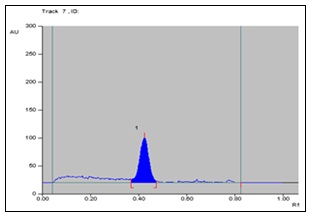
FIG. 1: HPTLC CHROMATOGRAM OF OPUNTIOL AT 120NG CONCENTRATION
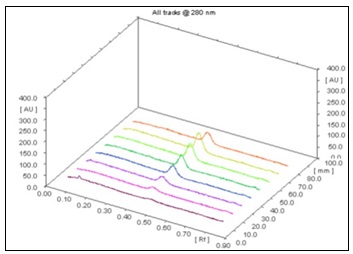
FIG. 2: DENSITOGRAM OF OPUNTIOL AT 280 NM (CONCENTRATION 10 TO 120 NG/SPOT)
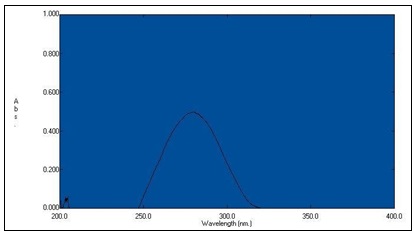
FIG. 3: ULTRAVIOLET SPECTRA OF OPUNTIOL AT 280 NM
Linearity and Range: The linearity of the developed HPTLC method was evaluated over the concentration range of 10–120 ng/spot, which demonstrated a direct proportional relationship between the peak area and concentration of Opuntiol.
The calibration curve exhibited a high correlation coefficient (r = 0.997), indicating excellent linearity within the studied range. Such strong linear correlation confirms that the detector response is directly proportional to the analyte concentration, enabling accurate quantification of Opuntiol in plant extracts and pharmaceutical formulations.
The linearity range selected in the present study is suitable for routine analysis of phytoconstituents present in low concentrations in plant matrices. The results therefore demonstrate that the developed method is capable of providing reliable quantitative measurements over a wide concentration range, Fig. 4, Table 1.
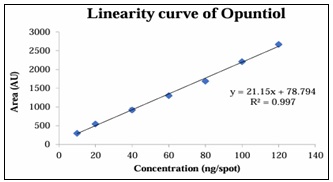
FIG. 4: LINEARITY CURVE OF OPUNTIOL AT 280NM (CONCENTRATION 10 TO 120 NG/SPOT); N=3
TABLE 1: LINEAR REGRESSION DATA OF OPUNTIOL
| Concentration (ng/spot) | Area, mean±SD (n=3) | Relative standard deviation |
| 10 | 309.94±9.05 | 0.029 |
| 20 | 553.65±7.34 | 0.013 |
| 40 | 976.03±46.73 | 0.047 |
| 60 | 1328.67±25.10 | 0.018 |
| 80 | 1674.96±31.79 | 0.018 |
| 100 | 2216.13±29.37 | 0.013 |
| 120 | 2672.4±30.02 | 0.011 |
Sensitivity of the Method (LOD and LOQ): The sensitivity of the analytical method was assessed by calculating the limit of detection (LOD) and limit of quantification (LOQ) using the standard deviation of the response and slope of the calibration curve. The LOD and LOQ values were found to be 8.13 ng/spot and 24.65 ng/spot, respectively, Table 2.
These low detection limits indicate that the developed HPTLC method possesses adequate sensitivity for detecting trace quantities of Opuntiol 20-22.
TABLE 2: VALIDATION PARAMETERS: PRECISION, LOD AND LOQ
| Parameters | Opuntiol |
| Instrument Precision (%RSD, n=6) | 0.88 |
| Repeatability/intraday (%RSD, n=6) | 1.08 |
| Intermediate precision/interday (% RSD, n=6) | 1.45 |
| LOD (ng) | 8.13 |
| LOQ (ng) | 24.65 |
The ability to detect such low concentrations is particularly important in phytochemical analysis, where the concentration of marker compounds may vary significantly depending on plant species, geographical origin, harvesting season, and extraction conditions. Therefore, the developed method can serve as a useful analytical tool for phytochemical screening and quality control studies.
Precision of the Method: Precision is an important parameter in analytical method validation because it reflects the reproducibility and reliability of the analytical procedure. In the present study, precision was evaluated in terms of instrument precision, repeatability (intra-day precision), and intermediate precision (inter-day precision).
Instrument precision was determined by repeatedly applying the same concentration of Opuntiol standard solution and scanning the developed spot six times. The obtained %RSD value of 0.88% indicates excellent instrumental repeatability. Similarly, intra-day and inter-day precision studies produced %RSD values of 1.08% and 1.45%, respectively, Table 2. These values are well below the acceptable limit of 2% recommended by ICH guidelines, confirming the high precision and reproducibility of the developed HPTLC method.
The low variability observed during precision studies indicates that the method produces consistent and reliable analytical results under normal laboratory conditions 23.
Robustness of the Method: Robustness testing was carried out to evaluate the reliability of the analytical method under small deliberate variations in experimental conditions. Minor changes were introduced in solvent composition, chamber saturation time, and solvent volume. The resulting %RSD values remained within the acceptable limit of ≤2%, indicating that the chromatographic performance of the method was not significantly affected by these small variations, Table 3.
TABLE 3: ROBUSTNESS PARAMETERS OF THE METHOD AT 100 NG/µL, (N=6)
| Working standard | Parameters | Area, (Mean ±SD) | %RSD |
| Opuntiol | Composition of mobile phase EA:W:FA:GAA:H (70:10:11.1:11.1:50) EA:W:FA:GAA:H (70.5:10:11.1:11.1:45.5) | ||
| 2340.017±21.41
2348.133±24.12 |
0.91
1.02 |
||
| Opuntiol | Chamber saturation time 20 min 25min | ||
| 2367.85±16.68 2291.97±33.67 | 0.70
1.46 |
||
| Opuntiol | Volume of the mobile phase 150.2 149.2 | ||
| 2351.18±14.77
2346.97±20.11 |
0.62
0.85 |
The robustness of an analytical method is essential for routine laboratory applications because slight operational variations are inevitable during day to day analysis. The results obtained in the present study demonstrate that the developed HPTLC method is sufficiently robust and reliable for routine analysis of Opuntiol 24, 25.
Comparison with Previous Studies: Previous chromatographic investigations of Opuntia species have mainly focused on qualitative phytochemical profiling of crude extracts rather than the quantitative estimation of specific marker compounds.
For example, Patel et al. reported HPTLC fingerprinting of alcoholic extracts of Opuntia elatior fruits using toluene:ethyl acetate:acetic acid as the mobile phase, which resulted in multiple bands corresponding to different phytoconstituents 17. Similarly, other studies have reported HPTLC analysis for general phytochemical characterization of Opuntia extracts.
In contrast, the present study focuses specifically on the development of a validated densitometric HPTLC method for the quantitative estimation of Opuntiol, a pharmacologically important flavonol. The optimized solvent system developed in this study provided a well resolved single band corresponding to Opuntiol, enabling precise densitometric quantification. This represents a significant improvement over previously reported qualitative fingerprinting methods. Standardization of herbal medicines requires reliable analytical methods capable of identifying and quantifying marker compounds. The validated HPTLC method developed in the present study provides a simple and cost-effective analytical tool for the routine quality control of Opuntia extracts. The method can facilitate batch-to-batch consistency of herbal formulations and support the development of Opuntiol-based phytopharmaceutical products.
CONCLUSION: The present studysuccessfully developed and validated a rapid, sensitive, and reliable densitometric HPTLC method for the quantitative estimation of Opuntiol isolated from Opuntia elatior Mill. The developed method demonstrated excellent linearity, precision, sensitivity, and robustness in accordance with ICH Q2 (R1) guidelines. The optimized solvent system enabled clear separation of Opuntiol with a well-defined Rf value of 0.42 ± 0.005. The proposed analytical method can be effectively applied for routine quality control, phytochemical analysis, and standardization of Opuntia-based herbal formulations. The method therefore provides a simple and cost-effective analytical approach for the estimation of Opuntiol in plant matrices and pharmaceutical preparations.
ACKNOWLEDGEMENT: The authors express their deep sense of gratitude to the Rashtrasant Tukadoji Maharaj, Nagpur University, Nagpur for funding this project under University Research Project scheme under the grant number (RTMNU/RDC/2024/145).
Funding: The study is funded by the Rashtrasant Tukadoji Maharaj, Nagpur University, Nagpur, through the University Research Project scheme (Grant No. RTMNU/RDC/2024/145).
CONFLICT OF INTEREST: The authors declare no conflict of interest.
REFERENCES:
- Prajapati S and Acharya R: Opuntia elatior (Nagaphani): A review on its ethnobotany, phytochemical and pharmacological properties. Annals of Ayurvedic Medicine 2015; 4: 107-6.
- Roome T, Aziz S, Razzak A, AslamZ, Jamali KS, Sikandar B, Fatima T, Abidi L, Imran M, Faizi S and Shah MR: Opuntioside, opuntiol and its metallic nanoparticles attenuate adjuvant-induced arthritis: novel suppressors of toll-like receptors-2 and-4. Biomedicine & Pharmacotherapy 2019; 112: 108624. https://doi.org/10.1016/j.biopha.2019.108624.
- Siddiqui F, Naqvi S, Abidi L, Faizi S, Avesi L, Mirza T and Farooq AD: Opuntia dillenii cladode: Opuntiol and opuntioside attenuated cytokines and eicosanoids mediated inflammation. Journal of Ethnopharmacology 2016; 182: 221-34. https://doi.org/10.1016/j.jep.2016.02.016.
- Ashfaque A, Hanif F, Simjee SU, Bari MF, Faizi S, Zehra S, Mirza T, Begum S and Khan L: Opuntiol inhibits growth and induces apoptosis in human glioblastoma cells by upregulating active caspase 3 expression. Asian Pacific Journal of Cancer Prevention 2021; 22(11): 3607. https://doi.org/10.31557/APJCP.2021.22.11.3607.
- Loganayagi C, Kamal C and Sethuraman MG: Opuntiol: an active principle of Opuntia elatior as an eco-friendly inhibitor of corrosion of mild steel in acid medium. ACS Sustainable Chemistry & Engineering 2014; 2(4): 606-13.https://doi.org/10.1021/sc4003642.
- Kandan Ponniresan V, Maqbool I, Thangaiyan R, Govindasamy K and Prasad NR: Preventive effect of opuntiol, isolated from Opuntia ficus-indica (L. Mill), extract against ultraviolet Aradiation-induced oxidative damages in NIH/3T3 cells. International Journal of Nutrition, Pharmacology, Neurological Diseases 2019; 9(4): 156-64.https://doi.org/10.4103/ijnpnd.ijnpnd_69_19.
- Veeramani kandan P, Dhineshkumar E, Karthikeyan R, Anbuselvan C, Maqbool I, Kanimozhi G, Arul Prakasam B and Rajendra Prasad N: Isolation and characterization of opuntiol from Opuntia ficus-indica (L. Mill) and its antiproliferative effect in KB oral carcinomacells. Natural Product Research 2021; 35(18): 3146-50.https://doi.org/10.1080/14786419.2019.1690484.
- Ganguly AK, Govindachari TR, Mohamed PA: Structure of opuntiol, a constituent of Opuntia elatior. Tetrahedron 1965; 21(1): 93-9. https://doi.org/10.1016/S0040-4020(01)82206-7.
- Kandan Ponniresan V, Balupillai A, KanimozhiG, Khan HA, Alhomida AS and Prasad NR: Opuntiol prevents photoaging of mouse skin via blocking inflammatory responses and collagen degradation. Oxidative Medicine and Cellular Longevity 2020; 5275178. https://doi.org/10.1155/2020/5275178.
- Parys W, Dołowy M and Pyka-Pająk A: Significance of chromatographic techniques in pharmaceutical analysis. Processes 2022; 10(1): 172.https://doi.org/10.3390/pr10010172.
- Arunachalam KD, Kuruva JK, Hari S, Annamalai SK and Baskaran KV: HPTLC Fingerprint analysis and Phytochemical Investigation of Morinda tinctoria Leaf extracts by HPLC and GS MS. International Journal of Pharmacy and Pharmaceutical Sciences 2015; 7(2): 360-366.
- Holčapek M, Jirásko R and Lísa M: Recent developments in liquid chromatography–mass spectrometry and related techniques. Journal of Chromatography A 2012; 1259: 3-15. https://doi.org/10.1016/j.chroma.2012.08.072.
- Al-Rubaye AF, Hameed IH and Kadhim MJ: A review: uses of gas chromatography-mass spectrometry (GC-MS) technique for analysis of bioactive natural compounds of some plants. International Journal of Toxicological and Pharmacological Research 2017; 9(1): 81-85. https://doi.org/10.25258/ijtpr.v9i01.9042.
- Singh R: HPLC method development and validation-an overview. Journal of Pharmaceutical Education & Research 2013; 4(1): 26.
- Dhanapal SS, Balachandran P and Ranganathan S: Standardization and HPTLC Fingerprint Studies on the Ethanol Extracts of Vitex negundo Leaves and Opuntia dillenii Journal of Natural Remedies 2024; 2545-51. https://doi.org/10.18311/jnr/2024/42111.
- Viloria-Matos A, Moreno-Alvarez MJ and Hidalgo-Báez D: Isolation and identification of betacyanin from fruits of Opuntia boldinghii et R. by HPTLC. CYTA-Journal of Food 2001; 3(3): 140-3.
- Patel H, Prajapati S, Acharya R, CR H and Shukla V: A preliminary phyto- pharmacognostical evaluation of Opuntia elatior Mill. (Nagaphanior Hathalo-thore) fruit. International Journal of Ayurvedic Medicine 2015; 6(4): 310-6. https://doi.org/10.47552/ijam.v6i4.711.
- Sultana S, Foster K, Hossain ML, Lim LY and Locher C: Development and validation of an assay for the quantification of glycosides using high-performance thin-layer chromatography (HPTLC). Journal of Planar Chromatography–Modern TLC 2023; 36(2-3): 179-90. https://doi.org/10.1007/s00764-023-00239-y.
- Jariwala JK, Parmar GR, Ramani VD, Vaishnav DJ, Solanki NI and Shah DP: Mixture design-driven statistical optimization and method validation in HPTLC: Targeting rutin, quercetin, and gallic acid. Journal of Natural Remedies 2024; 885-96. doi:10.18311/jnr/2024/35980.
- Ojha A and Bhargava S: International council for harmonisation (ICH) guidelines. In Regulatory affairs in the pharmaceutical industry. Academic Press 2022; 47-74. https://doi.org/10.3390/pharmaceutics17050623.
- Skoog DA, West DM, Holler FJ and Crouch SR: Fundamentals of Analytical Chemistry. Belmont: Cengage Learning, Ninth Edition 2013.
- Shrivastava A and Gupta VB: Methods for the determination of limit of detection and limit of quantitation of the analytical methods. Chronicles of Young Scientists 2011; 2(1): 21-5.10.4103/2229-5186.79345.
- Peris‐Vicente J, Esteve‐Romero J and Carda‐Broch S: Validation of analytical methods based on chromatographic techniques: An overview. Analytical Separation Science 2015; 1757-808. 10.1002/9783527678129.assep064.
- Kumar KA, Shetty SR and Narasu L: HPTLC method development and validation for determination of rutin in flavanoidal fraction of Hibiscus micranthus Journal of Chemistry 2011; 8(3): 1444-50.
- Patil SB, Jalalpure SS and Kunchanur MG: Validated HPTLC Method for Detection of Kaempferol in Moringa oleifera Leaf Extract and Investigation of its Antidiabetic Potential by in-vitro and in-silico Journal of Natural Remedies 2024; 1961-74. doi:10.18311/jnr/2024/36553.
How to cite this article:
Padhare S and Khan S: Development and validation of a densitometric HPTLC method for quantification of Opuntiol in Opuntia elatior Mill. Int J Pharmacognosy 2026; 13(7): 713-20. doi link: http://dx.doi.org/10.13040/IJPSR.0975-8232.IJP.13(7).713-20.
This Journal licensed under a Creative Commons Attribution-Non-commercial-Share Alike 3.0 Unported License.
 Download