


BIOLOGICAL EVALUATION OF HOMOEOPATHIC GLYCYRRHIZA GLABRA IN CUTANEOUS WOUND HEALING
HTML Full TextBIOLOGICAL EVALUATION OF HOMOEOPATHIC GLYCYRRHIZA GLABRA IN CUTANEOUS WOUND HEALING
Daditi Joshi, Vaibhav Shinde and Chetan Shinde *
Department of Homoeopathic Pharmacy, Bharati Vidyapeeth (Deemed to be University), Homoeopathic Medical College, Pune, Maharashtra, India.
ABSTRACT: Cutaneous wound healing is a complex biological process involving inflammation, tissue repair, and remodeling. Glycyrrhiza glabra (licorice), a medicinal plant long valued in traditional systems, contains diverse phytochemicals such as glycyrrhizin, flavonoids, saponins, and coumarins that exhibit anti-inflammatory, antioxidant, antimicrobial, and tissue-protective properties. While these actions are well documented in pharmacological studies, their dynamic influence in homoeopathic potencies remains underexplored. According to the homoeopathic approach, medicines act on the vital force to stimulate the organism’s inherent reparative capacity rather than suppressing symptoms. Evaluating Glycyrrhiza glabra in this context provides insight into how its phytochemicals when potentised, can modulate excessive inflammation, enhance microcirculation, and promote orderly granulation and epithelialization. The role of Glycyrrhiza glabra in wound healing thus extends beyond material pharmacology to dynamic regulation of the healing response, consistent with Hahnemann’s principles in the Organon of Medicine. This study is necessary to establish scientific evidence for the homoeopathic application of Glycyrrhiza glabra in cutaneous wounds, bridging traditional knowledge with modern biological evaluation. By demonstrating its capacity to harmonize immune signaling and sustain long-term tissue integrity, the research underscores the relevance of homoeopathy in contemporary wound management and highlights Glycyrrhiza glabra as a safe, non-toxic therapeutic option for acute and chronic cutaneous healing.
Keywords: Cutaneous wound healing, Wound healing, Glycyrrhiza glabra, Homoeopathic medicine
INTRODUCTION: Wound is the outlined as loss of cellular and anatomical tissue as well as stability of living tissue 1. Wound is created when the integrity of the skin, mucosal surface or the body tissue is compromised due to some stimulus may be external or internal 2. Cutaneous wound healing is any loss occurred at skin level due to any external or internal stimulus.
Skin is the major vital organ which act as a primary barrier against environmental hazards, pathogens and UV rays; also help to regulate the body temperature, enable the sensation, synthesis Vit. D, store fat and excrete waste products.
Thus the cutaneous wound healing is necessary to achieve all these functions. Cutaneous wound healing is the physiological process that begins after tissue injury and having three phases like inflammation, proliferation and maturation 3. The process of wound healing, keratinocytes, macrophages, platelets, and endothelial cells, some growth factors such as EGF, FGF, cytokines (IL-1β, IL-6, IL-8, IL-10, TNF-α, IFN-γ) and chemokines are require to control subsequent stages of wound healing 4, 5. Glycyrrhiza glabra is medicinal plant widely used as anti-inflammatory, anti-oxidant, and antimicrobial and tissue protective property 6. Glycyrrhiza glabra accelerates wound healing through potent anti-inflammatory, antioxidant, and tissue-regenerative mechanisms, notably by inhibiting pi3k/akt and nf-κb pathways. Active compounds like glycyrrhizin and glabridin stimulate collagen deposition, angiogenesis via rapid epithelialization, resulting in faster wound closure and improved scar appearance 7.
There are many species of Glycyrrhiza genus extensively spread worldwide 8. Licorice is scientifically known as Glycyrrhiza glabra and is from Leguminosae family 9. This species is found in the world from 50° W to 100° E longitude and 20° - 50° N latitude. It’s abundant production noted in Western China, parts of Asia Minor, Persia, Asian Republics of erstwhile U.S.S.R. and Afghanistan. It is also cultivated in Punjab & Sub Himalayan tracts in India 10. It is grown commercially in many countries. Glycyrrhiza glabra is termed as an “essential herbal medication.” In Traditional Chinese Medicine, licorice is included in nearly 90% of herbal formulations. It is highly valued for its ability to reduce toxicity and enhance the therapeutic effects of other herbs. It is also use as natural sweetener because it is a “medicine food homology” herbal medication 11. It is reported in many journals as Glycyrrhiza glabra contains amino acids, proteins, simple sugars, polysaccharides, mineral salts, pectin, starches, sterols, gums, and resins 12. It was one of the important plants mentioned in Assyrian herbal (2000 BC). Hippocrates (400 BC), mentioned its use as a remedy of ulcers and quenching of thirds. In traditional system of medicine, Liquorice is used as a demulcent, expectorant, anti-tussive, and laxative 13.
The Phytochemical screening of Glycyrrhiza glabra root contains alkaloids, phenolic compounds, pectin, carbohydrate, starch, glycosides, lipids, mucilage, proteins, sterols and steroids 14, 15.
Glycyrrhiza glabra used as a flavoring and sweetening agent used in beverages 9. Also having effective involvement in skin cosmetics 10. Pharmaceutical therapeutic properties such as antiviral and anti tumoral 13, antioxidant 15, antiulcer 16, antifungal 11, antibacterial 14, anti-microbial 12 has been reported in many articles.
Study shows Glycyrrhiza glabra having capacity of wound healing at oral site, mucosal ulcer 21 Gastric site 20, and intestinal site 20 also burning wound 22. But still there is no study available which shows the Homoeopathic dilutions of Glycyrrhiza glabra having cutaneous wound. This medicinal review more highlight on role of Glycyrrhiza glabra in cutaneous wound healing in homoeopathic point of view.
Botanical Sources and Chemical Composition 27, 28, 29:
Kingdom: Plantae
Family: Leguminosae
Division: Angiospermae
Genus: Glycyrrhiza
Class: Dicotyledoneae
Species: Glabra Linn.
Order: Rosales
Botanical Name: Glycyrrhiza glabra Linn.
Synonyms: Glycyrrhiza glandulifera
Regional Names:

Morphology and Distribution 10, 29: The autumn is the good season for collection of roots of Glycyrrhiza glabra season. It plant having favorable climate for its growth in India, Spain, Iran, Russia, China and Italy. This plant needs fertile, sandy, and clay soil for cultivation where enough water is available.
Glycyrrhiza glabra is perennial herb, with 1 m height, about 7-15 cm long pinnate leaves and 9-17 leaflets. The colour of the flowers is purple to pale whitish blue, 0.8-1.2 cm long, with soft flower cluster. 2-3 cm long fruit containing many seeds. The Glycyrrhiza belongs to pea family having extensive root system with a main taproot and numerous runners. The main taproot, which is use for medicine.
Medicinal Parts Used: Roots and Rhizome in the form of powder/ teas/ tonic/ extracts/ tinctures/decoction are used to prepare medicine 27, 29.
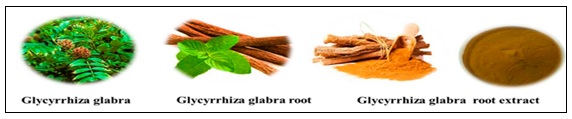
FIG. 1: PARTS OF GLYCYRRHIZA GLABRA
Medicinal Properties & Uses: The roots of medicine are sweet in taste, are used as emetic, tonic, diuretic, demulcent, mild laxative, aphrodisiac, trichogenous, expectorant emmenagogue, alexipharmic, alterant and intellect promoting. They are useful in hyper dipsia 30, cough & bronchitis 31, gastralgia 32, cephalalgia 33, fever 30, skin diseases 31, ophthalmopathy 31 and pharyngodynia 34. An extract of the root is good for throat infections. A decoction of the root is a good wash for falling and greying of hair 35. Externally the root is applied for cuts and wounds 36. Plant is reported for to possess antioxidant activity and numerous pathological conditions including management of PCOS, arthritis 46, 47, 48. Also, there are attempts to standardize by using molecular markers 49.
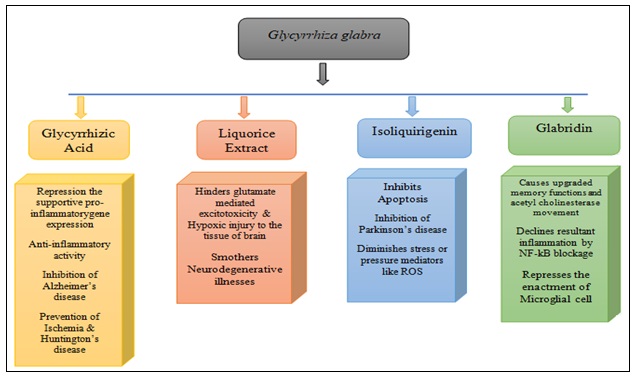
FIG. 2: GLYCYRRHIZA GLABRA AS ANTI-INFLAMMATORY, ANTIVIRALS AND IMMUNOMODULATORS 41, 42
TABLE 1: SOME CLINICAL STUDIES OF GLYCYRRHIZA GLABRA ENLISTED WHICH HELP TO UNDERSTAND THE ACTION OF THE DRUG ON LIVING CELL
| Sr. no. | Study done by | Subjects on which study conducted | Type of medicine used | Pathological condition | Key findings after study | Reference |
| 1 | Tarazi et al. (2023) | Rats (burn wound model) | G. glabra hydrogel | Burn wound healing | Accelerated wound closure, reduced inflammation, enhanced collagen deposition | Gels, Vol. 11, Issue 10 |
| 2 | Zangeneh et al. (2019) | Sprague Dawley rats | Aqueous extract ointment | Wound healing | Enhanced wound shrinkage, re-epithelialization, improved tensile strength | Comparative Clinical Pathology |
| 3 | CSIR Multi-centre Trial (India, 2021) | Mild–moderate COVID-19 patients | Yashtimadhu tablets (250 mg bid) | COVID-19 adjunct therapy | Improved recovery rates, reduced inflammatory markers, safe as add-on | Clinical Trials Database CSIR-Indian Institute of Integrative Medicine |
| 4 | Ammar et al. (2012) | Patients with plaque-induced gingivitis | Licorice extract mouthwash | Oral health | Significant reduction in gingival inflammation and plaque scores | Int. J. Phytomedicineijp.arjournals.org |
| 5 | Takahashi et al. (2010) | Patients with chronic hepatitis C | Glycyrrhizin IV | Hepatitis C | Reduced ALT levels, improved liver function | Journal of Gastroenterology |
| 6 | Armanini et al. (2003) | Healthy volunteers | Licorice tablets | Hormonal regulation | Mineralocorticoid-like effects (blood pressure increase, sodium retention) | Journal of Endocrinological Investigation |
| 7 | Shibata et al. (2000) | Patients with gastric ulcers | Licorice extract | Gastrointestinal | Accelerated ulcer healing, reduced gastric irritation | Yakugaku Zasshi |
Phytochemicals of Glycyrrhiza glabra: Pharmaceutical preparations and Phytochemical analysis of licorice root extract exhibited that it contained flavonoids like isoflavonoids, formononetin, and Liquiritin, saponins triterpene 41 and some other constituents such as sugars, coumarins, amino acids, starch, tannins, phytosterols, choline, and vitamins (e.g., ascorbic acid) 37. The yellow colour of the licorice is due to presence of some flavonoid components such as hispaglabridins and Glabridin. The dried aqueous extracts of licorice contain approximately 4-25% glycyrrhizinic acid 40. The main active principle of licorice are Liquiritin, isoliquiritigenin, liquiritigenin, and glycyrrhetinic acid 38, Glycyrrhiza polysaccharide. This herb is rich in flavonoids and syringic, abscisic, trans-ferrulic, and pharmacological activities are contributed to by glycyrrhizin, 18β-glycyrrhetinic acid, glabrin A and B, and isoflavones of Glycyrrhiza glabra Linn 50.
Total of 27 flavonoids are present in the roots, 3 were characterized as liquiritigenin, liquiritin and isoliquiritigenin. A new flavonoid glycoside licuraside from plant. A new flavonone glycoside Rhamnoliquiritin from plant. Isolation of liquoric acid from plant. Isolation of two triterpenoid acids: 11-deoxyglycyrrhetinic acid and liquiritic acid from plant 39.
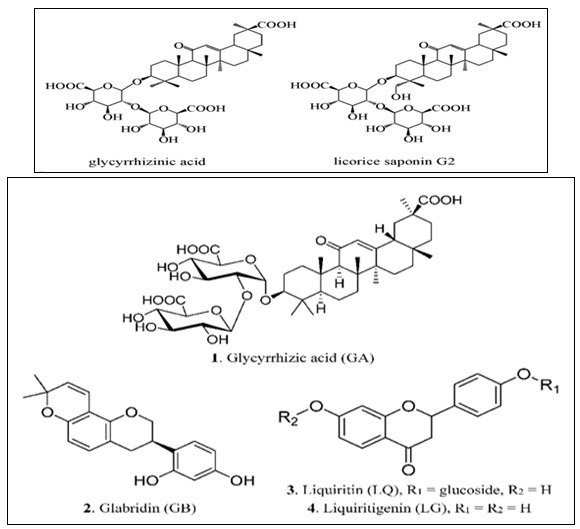
FIG. 3: CHEMICAL STRUCTURE OF PHYTOCHEMICALS OF GLYCYRRHIZA GLABRA 39, 51
TABLE 2: PHYTOCHEMICALS AND THEIR PHARMACOLOGICAL ACTIONS
| Sr. no. | Phytochemical | Class | Pharmacological Action | Reference |
| 1 | Glycyrrhizin | Triterpene saponin | Anti-inflammatory, antiviral, hepatoprotective, immunomodulatory | 39 |
| 2 | 18β-Glycyrrhetinic acid | Triterpenoid | Anti-inflammatory, cytoprotective, wound healing | 38 |
| 3 | Liquiritin | Flavonoid glycoside | Antioxidant, anti-inflammatory, skin protective | 41 |
| 4 | Liquiritigenin | Flavonoid | Estrogenic activity, antioxidant, neuroprotective | 37 |
| 5 | Isoliquiritigenin | Flavonoid | Antioxidant, anticancer, anti-inflammatory | 38 |
| 6 | Glabridin | Isoflavonoid | Antioxidant, skin whitening, anti-atherogenic | 40 |
| 7 | Hispaglabridins | Flavonoid | Antioxidant, pigmentation regulation | 41 |
| 8 | Licuraside | Flavonoid glycoside | Antioxidant, anti-inflammatory | 39 |
| 9 | Rhamnoliquiritin | Flavonoid glycoside | Antioxidant, cytoprotective | 39 |
| 10 | Liquiritic acid | Triterpenoid acid | Anti-inflammatory, hepatoprotective | 38 |
| 11 | 11-Deoxyglycyrrhetinic acid | Triterpenoid acid | Anti-inflammatory, wound healing | 40 |
| 12 | Glabrolide / Deoxoglabrolide / Isoglabrolide | Lactones | Antimicrobial, cytoprotective | 39 |
| 13 | Glabranine | Flavonoid | Antioxidant, anti-inflammatory | 37 |
| 14 | Pinocembrine | Flavonoid | Antioxidant, neuroprotective | 38 |
| 15 | Prunetin | Isoflavone | Anti-inflammatory, estrogenic | 41 |
| 16 | Formononetin | Isoflavone | Antioxidant, estrogenic, anticancer | 37 |
| 17 | Coumarins | Phenolic compounds | Anticoagulant, antimicrobial | 40 |
| 18 | Phytosterols | Sterols | Cholesterol-lowering, anti-inflammatory | 38 |
| 19 | Syringic acid | Phenolic acid | Antioxidant, anti-inflammatory | 37 |
| 20 | Abscisic acid | Plant hormone | Immunomodulatory, stress response | 41 |
| 21 | Trans-ferulic acid | Phenolic acid | Antioxidant, wound healing | 38 |
| 22 | Salicylic acid | Phenolic acid | Anti-inflammatory, analgesic | 40 |
| 23 | Choline | Nutrient | Neuroprotective, hepatoprotective | 40 |
| 24 | Ascorbic acid (Vitamin C) | Vitamin | Antioxidant, collagen synthesis | 38 |
“Each major phytochemical of Glycyrrhiza glabra has listed its biological activity, which supports the observed experimental outcomes.” Following are list of Phytochemical of G. glabra showing different actions on living body.
TABLE 3: ACTION OF PHYTOCHEMICAL OF GLYCYRRHIZA ON LIVING CELL
| Sr. no. | Phytochemical | Chemical | Action on living body | Clinical significance | Reference |
| 1 | Liquiritin | Flavonoid glycoside | Antioxidant, anti-inflammatory, cytoprotective | Reduces oxidative stress; protects fibroblasts and keratinocytes during repair |
15, 52 |
| 2 | Isoliquiritigenin | Chalcone (flavonoid) | Anti-inflammatory, antimicrobial, antioxidant | Inhibits NF-κB signaling; reduces inflammatory mediators and microbial load in wounds | 55, 60 |
| 3 | Glabridin | Isoflavan | Antimicrobial, antioxidant, skin-protective | Active against Staphylococcus and Candida; protects skin from oxidative damage |
15, 56,57,58,59 |
| 4 | Licoflavanone | Flavanone | Anti-inflammatory, antioxidant | Suppresses NF-κB & MAPK pathways; reduces inflammatory cell infiltration | 55, 60 |
| 5 | Saponins (general) | Glycosides | Immunomodulatory, angiogenic | Promote granulation tissue formation and neovascularization |
15, 53, 54 |
| 6 | Coumarins | Phenolic compounds | Anti-inflammatory, microcirculation-enhancing | Improves local circulation and tissue oxygenation |
15, 54 |
| 7 | Phenolic acids | Polyphenols | Antioxidant, antimicrobial | Reduce oxidative damage and prevent microbial growth at wound site |
15, 52, 57 |
| 8 | Polysaccharides | Complex carbohydrates | Immunomodulatory, tissue-protective | Support innate immunity and extracellular matrix formation | 53,54 |
Research related to the pharmacological action of the drug on wound healing was done by many people. Wound healing require proper blood supply to the affected area, oxygenation so that collagen synthesis and angiogenesis accors, proper immune response i.e. macrophage activity and lastly the hormonal balancing so that growth factors promotes the cell proliferation and tissue repair. Healing of any wound is depend upon on 4 basic things, hemostasis, inflammation, proliferation and remodeling 61, 62, 63, 64. Glycyrrhiza glabra having potential to accelerate the healing, as it suppresses the pro-inflammatory cytokines such as TNF-α and IL-6 in LPS- stimulates macrophages. The anti-inflammatory effect was mediated through inhibition of JKA/STAT signal pathway which clearly indicate regulatory action on intracellular inflammatory cascade rather than nonspecific suppuration. This finding by 65 Perri establish strong molecular basis for the anti-inflammatory potential of Glycyrrhiza glabra. He also stated 66 during his experimental studies on animal, homoeopathic potencies of Glycyrrhiza glabra reduce inflammatory markers in LPS- induced inflammation. Homoeopathic dilutions with their dynamic action support the hypothesis of dose dependent regulatory action. This study bridges molecular inflammation research with homoeopathic experiments 15. Asl & Hosseinzadeh summarized the clinical and experimental study by stating Glycyrrhiza glabra and its constituents possess potent anti-inflammatory, antioxidant, antimicrobial, and immunomodulatory activities. They identified glycyrrhizin, glycyrrhetinic acid, and flavonoids as principal bioactive compounds acting via inhibition of prostaglandins, cytokines, and oxidative mediators, thereby providing a pharmacological rationale for therapeutic use in inflammatory conditions 67. Frattaruolo states licoflavanone, a flavonoid from G. glabra leaves, exerts strong anti-inflammatory and antioxidant effects by suppressing NF-κB and MAPK signaling pathways. It helps in reducing inflammatory mediator release and oxidative stress markers and control the chronic inflammation and tissue injury 68. Zhou & Wink demonstrated that glycyrrhizin, 18β-glycyrrhetinic acid, and isoliquiritigenin directly inhibit NF-κB activation and inflammatory mediator expression in macrophages 69. Kim analyzed the licorice-derived compounds in inflammatory and intestinal disorders, highlighting their ability to regulate immune balance, cytokine expression, oxidative stress, and epithelial integrity. He emphasized that licorice compounds act as inflammation modulators, not suppressors, but supporting safe long-term use in chronic inflammatory conditions 70. Li in its vitro study showed that methanolic extract of Glycyrrhiza glabra significantly inhibited nitric oxide (NO), reactive oxygen species (ROS), and pro-inflammatory cytokines in LPS-stimulated RAW264.7 macrophages. These all findings confirm that this drug having strong antioxidant-linked anti-inflammatory activity.
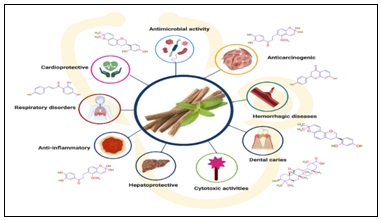
FIG. 4: GLYCYRRHIZA GLABRA (LICORICE) A MULTI-SYSTEM REGULATOR 71
Homoeopathic Approach for the Action of Phytochemicals of Glycyrrhiza glabra: The phytochemicals of Glycyrrhiza glabra gives the directions of action of the remedy and its homoeopathic preparation explains the dynamic influence on the vital force, resulting in regulation of inflammation and promotion of tissue healing 72, 73, 74, 75. Phytochemicals are only direction of action of medicine, but cure in homoeopathy is the dynamic regulation of the vital force and not the chemical concentration of medicine 72, 76, 77. According to Dr. Hahnemann as he mentioned in Organon of Medicine, disease is just a derangement of vital force and cure occurs only when remedy stimulate that vital force, to react and self-heal. Phytochemicals are just material dose of medicine but homoeopathic dilutions are dynamic dose which boost vital force more vigorously 76, 77.
Glycyrrhiza glabra as a homoeopathic medicine acts by calming hyper-reactive inflammation, supporting tissue regeneration, removing obstacles to cure (infection, oxidative damage), restoring harmony of the vital force, producing qualitative healing, not suppression.
TABLE 4: RESEARCH SHOWING GLYCYRRHIZA GLABRA HAVING DYNAMIC/ HOMOEOPATHIC PRINCIPLES
| Sr. no. | Phytochemical | Material action | Dynamic action | Vital / Body reaction | Reference |
| 1 | Glycyrrhizin | Anti-inflammatory, cortisol-modulating | Regulates excessive reactive state of the vital force | Restores balance in inflammatory response; reduces exaggerated tissue reaction | 72 Aphorism
11-16 |
| 2 | 18-β-Glycyrrhetinic acid | Tissue protective, epithelial supportive | Stimulates reparative response of the organism | Enhances regenerative tendency; supports orderly tissue repair | 72 Aphorism
26 |
| 3 | Liquiritin (flavonoids) | Antioxidant, cytoprotective | Protects vitality from destructive oxidative stress | Preserves cellular integrity; sustains healing energy in chronic wounds | 72 Aphorism
28-29 |
| 4 | Isoliquiritigenin | Anti-inflammatory, antimicrobial | Removes obstacles to cure caused by persistent irritation | Facilitates transition from inflammatory to reparative state | 72 Aphorism
186-193 |
| 5 | Glabridin | Antimicrobial, skin-protective | Clears vitality-blocking pathogenic influence | Supports defense without suppressing natural reaction | 72 Aphorism
9 |
| 6 | Licoflavanone | NF-κB modulation | Harmonizes disordered immune signaling | Promotes regulation rather than suppression of inflammation | 72 Aphorism
63-64 |
| 7 | Saponins | Angiogenic, immune-modulatory | Activates formative forces of the vital principle | Encourages granulation, nourishment, and tissue rebuilding | 72 Aphorism
247 |
| 8 | Coumarins | Improves microcirculation | Enhances flow of vital energy | Improves tissue oxygenation and metabolic harmony | 72 Aphorism
15 |
| 9 | Phenolic compounds | Antioxidant, anti-microbial | Shields vital force from degenerative influences | Prevents progressive tissue breakdown | 72 Aphorism
19-20 |
| 10 | Polysaccharides | Immunomodulator | Strengthens adaptive capacity of vital force | Promotes stable, long-term healing and resistance | 72
Aphorism 4 |
Future Prospects: The present study on Glycyrrhiza glabra establishes a scientific foundation for further advancement of evidence-based homoeopathic research in wound healing. Future investigations may extend this work through detailed molecular and immunological studies to elucidate the regulatory pathways involved in inflammation and tissue repair. Comparative evaluation of different homoeopathic potencies and long-term assessment of healing quality, including scar formation and tensile strength, could provide deeper therapeutic insights. The development of homoeopathic topical formulations and their evaluation in standardized animal and clinical models represents another important avenue for translational research. Furthermore, well-designed clinical trials in acute and chronic wounds may help validate experimental findings and facilitate integration into routine homoeopathic practice. Collectively, these future directions have the potential to strengthen the scientific credibility of homoeopathy and contribute meaningfully to integrative wound-care strategies.
CONCLUSION: The present study was undertaken to scientifically evaluate the anti-inflammatory and wound-healing potential of Glycyrrhiza glabra within a homoeopathic framework using validated experimental models. A critical review of literature established that although Glycyrrhiza glabra is well documented for its pharmacological anti-inflammatory, antioxidant, antimicrobial, and tissue-protective properties, systematic evaluation of its homoeopathic preparations in skin injury models has been notably lacking. The phytochemical analysis of the mother tincture confirmed the presence of bioactive constituents such as glycyrrhizin, glycyrrhetinic acid, flavonoids, saponins, and phenolic compounds, which provide a rational direction of action for the remedy. Experimental findings from the study demonstrated that homoeopathic Glycyrrhiza glabra, including its mother tincture and selected potencies, favorably influenced the wound-healing process by modulating inflammation, accelerating wound contraction, reducing epithelialization time, and improving histopathological features of tissue repair. The observed reduction in inflammatory infiltration and enhancement of organized collagen deposition indicate that the remedy supports physiological healing rather than suppressive action. These findings align with homoeopathic principles, wherein the medicinal action is understood as a dynamic regulation of the vital force, resulting in a coordinated and qualitative healing response of the living organism. This study provides experimental evidence supporting the role of homoeopathic Glycyrrhiza glabra as a potential therapeutic agent in inflammatory and wound-healing conditions. By integrating phytochemical understanding, biological outcomes, and homoeopathic philosophy, this research contributes meaningfully to the growing body of evidence-based homoeopathy and establishes a foundation for future experimental and clinical investigations in homoeopathic wound management.
ACKNOWLEDGEMENTS: We would like to thank Dr. S.S. Kadam, Chancellor, Bharati Vidyapeeth (Deemed to be University) for providing the necessary facilities and support.
Funding: This article did not receive any specific grant from funding agencies.
CONFLICT OF INTEREST: The authors declare no conflict of interest.
REFERENCES:
- Pawar V, Bodas K, Narkar S and Shinde VM: Exploring wound healing potential of Mallotus philippenensis infused emulgel in diabetic rats. International Journal of Pharmacognosy 2025; 1(1): 67–71.
- Salunke MR and Shinde V: Molecular insights and efficacy of guava leaf oil emulgel in managing non-diabetic as well as diabetic wound healing by reducing inflammation and oxidative stress. International Journal of Pharmacognosy 2025; 1(1): 72–80.
- Waldorf D, Fewkes J, Cukjati D and Rebersek SD: A reliable method of determining wound healing rate. International Journal of Pharmacognosy 1995; 2(2): 101–106.
- Savari R, Shafiei M, Galehdari H and Kesmati M: Expression of VEGF and TGF-β genes in skin wound healing process induced using phenytoin in male rats. Jundishapur Journal of Health Sciences 2019; 11(1): 86041.
- Ridiandries A, Tan J and Bursill C: The role of chemokines in wound healing. International Journal of Molecular Sciences 2018; 19: 3217.
- Verma P, Mathur AK, Jain SP and Mathur A: In-vitro conservation of twenty-three overexploited medicinal plants belonging to the Indian subcontinent. Scientific World Journal 2012; Article ID 929650.
- Assar D, Elhabashi N and Mokhbatl AA: Wound healing potential of licorice extract in rat model: antioxidants, histopathological, immunohistochemical and gene expression evidences. International Journal of Pharmacognosy 2020; 2(3): 115–122.
- Rizzato G, Scalabrin E, Radaelli M, Capodaglio G and Piccolo O: A new exploration of licorice metabolome. Food Chemistry 2017; 221: 959-968.
- Waheb S, Annadurai S and Abullaris SS: Glycyrrhiza glabra (Licorice): A comprehensive review on its phytochemistry, biological activities, clinical evidence and toxicology. International Journal of Pharmacognosy 2020; 2(4): 145-152.
- Nadkarni KN: Indian Materia Medica. Bombay: Popular Prakashan 1985; 1: 582-584.
- Jiang M, Zhao S, Yang S, Lin X, He X and Wei X: An “Essential Herbal Medicine”-Licorice: A review of phytochemicals and its effects in combination preparations. Journal of Ethnopharmacology 2020; 249: 112439.
- Wang L, Yang R, Yuan B, Liu Y and Liu C: The antiviral and antimicrobial activities of licorice, a widely-used Chinese herb. Acta Pharmaceutica Sinica B 2015; 5: 310-315.
- Herrera M, Herrera A and Arino A: Estimation of dietary intake of ochratoxin A from liquorice confectionery. Food and Chemical Toxicology 2009; 47(8): 2002-2006.
- Kumar A and Dora J: Review on Glycyrrhiza glabra: licorice. Journal of Pharmaceutical Science Innovation 2012; 1: 1-4.
- Asl MN and Hosseinzadeh H: Review of pharmacological effects of Glycyrrhiza sp. and its bioactive compounds. Phytotherapy Research 2008; 22: 709-724.
- Komes D, Belščak-Cvitanović A, Jurić S, Bušić A, Vojvodić A and Durgo K: Consumer acceptability of liquorice root (Glycyrrhiza glabra L.) as an alternative sweetener and correlation with its bioactive content and biological activity. International Journal of Food Science and Nutrition 2016; 67(1): 53-66.
- Jeon JS, Kim HT, Kim MG, Oh MS, Hong SR, Yoon MH, Shin HS, Shim JH, Afifi NA, Hacimuftuoglu A, Aty AMAE: Simultaneous detection of Glabridin, (−)-α-Bisabolol, and Ascorbyl tetraisopalmitate in whitening cosmetic creams using HPLC-PAD. Chromatographia 2016; 79(13-14): 851-860.
- Fukuchi K, Okudaira N, Adachi K, Odai-Ide R, Watanabe S, Ohno H, Yamamoto M, Kanamoto T, Terakubo S, Nakashima H, Uesawa Y, Kagaya H and Sakagami H: Antiviral and antitumor activity of licorice root extracts. In-vivo 2016; 30(6): 777-785.
- Tanaka A, Horiuchi M, Umano K and Shibamoto T: Antioxidant and anti-inflammatory activities of water distillate and its dichloromethane extract from licorice root (Glycyrrhiza uralensis) and chemical composition of dichloromethane extract. Journal of the Science of Food and Agriculture 2008; 88(7): 1158-1165.
- Chen X, Fang D, Li L, Chen L, Li Q, Gong F and Fang M: Glycyrrhizin ameliorates experimental colitis through attenuating interleukin-17-producing T cell responses via regulating antigen-presenting cells. Immunology Research 2017; 65(3): 666–680.
- Sharma H, Yunus G, Agrawal R, Kalra M, Verma S and Bhattar S: Antifungal efficacy of three medicinal plants Glycyrrhiza glabra, Ficus religiosa, and Plantago major against oral Candida albicans: A comparative analysis. Indian Journal of Dental Research 2016; 27(4): 433-436.
- Tanideh N, Rokhsari P, Mehrabani D, Mohammadi Samani S, Sabet Sarvestani F, Ashraf MJ, Hosseinabadi OK, Shamsian S and Ahmadi N: The healing effect of licorice on Pseudomonas aeruginosa infected burn wounds in experimental rat model. World Journal of Plastic Surgery 2014; 3(2): 99-106.
- Sharma H, Yunus G, Mohapatra AK, Kulshrestha R, Agrawal R and Kalra M: Antimicrobial efficacy of three medicinal plants Glycyrrhiza glabra, Ficus religiosa, and Plantago major on inhibiting primary plaque colonizers and periodontal pathogens: An in-vitro study. Indian Journal of Dental Research 2016; 27(2): 200-204.
- Korhalkar A, Deshpande M and Lele P: Antimicrobial activity of Yashtimadhu (Glycyrrhiza glabra L.): A review. International Journal of Pharmacognosy 2020; 2(4): 153-160.
- Najeeb VD and Al-Refai AS: Antibacterial effect and healing potential of topically applied licorice root extract on experimentally induced oral wounds in rabbits. Saudi Journal of Oral Sciences 2015; 2(1): 10-13.
- Memariani Z, Hajimahmoodi M, Minaee B, Khodagholi F, Yans A, Rahimi R, Amin G, Moghaddam G, Toliyat T and Sharifzadeh M: Protective effect of a polyherbal traditional formula consisting of Rosa damascena Mill, Glycyrrhiza glabra L. and Nardostachysjatamansi DC, against ethanol-induced gastric ulcer. Iranian Journal of Pharmaceutical Research 2017; 16(2): 694-707.
- Sharma D, Namdeo P and Singh P: Phytochemistry & Pharmacological Studies of Glycyrrhiza glabra: A Medicinal Plant Review. International Journal of Pharmaceutical Sciences Review and Research 2021; 67(1): 163-170.
- Sharma V, Katiyar A and Agrawal RC: Glycyrrhiza glabra: Chemistry and Pharmacological Activity. In: Reference Series in Phytochemistry. Springer Nature, First Online 2016; 1-14.
- Karveti R and Mishra S: A conceptual study on Yashtimadhu (Glycyrrhiza glabra): A review article. International Journal of Pharmacognosy 2020; 2(5): 175-182.
- Chauhan S and Chauhan P: Bhavaprakasa Nighantu. Yashtimadhu (Glycyrrhiza glabra) - Health benefits, uses, dosage, medicinal properties. Popular Prakashan, Mumbai, 2019.
- Nisarga Biotech: Glycyrrhiza glabra- Traditional use for cough, asthma, and bronchitis. Nisarga Biotech Publications 2020.
- Premlata, Ram B, Khandekar S and Gangwar A: A review on Yastimadhu (Glycyrrhiza glabra Linn): An overview. World Journal of Pharmaceutical and Medical Research 2025; 11(3): 224-228.
- Singh R, Patel A and Verma P: A review on pharmacological activities and traditional uses of Glycyrrhiza glabra. Journal of Pharmacognosy and Phytochemistry 2024; 13(2): 45-52.
- Chauhan S and Chauhan P: Yashtimadhu - Health benefits (noted for throat inflammation and infections). In: Bhavaprakasa Nighantu. Ayurvedic classical text commentary. Popular Prakashan, Mumbai 2019.
- Mukim M, Kukkar R and Patel R: Multiple used medicinal plant: Glycyrrhiza glabra. SunText Review of Pharmaceutical Sciences 2021; 2(1): 1-6.
- Nisarga Biotech: Glycyrrhiza glabra - Documented wound healing and dermatological uses. Nisarga Biotech Publications 2020.
- Patil AS: Phytochemical and pharmacological profile of Glycyrrhiza glabra Linn. Journal of Pharmacognosy and Phytochemistry 2019; 8(5): 123-130.
- Sharma V, Agarwal A and Kumar R: Phytochemistry and pharmacology of Glycyrrhiza glabra: A review. International Journal of Pharmaceutical Sciences and Research 2018; 9(6): 2200-2207.
- Shibata S: A drug over the millennia: Pharmacological and chemical aspects of Glycyrrhiza. Yakugaku Zasshi 2000; 120(10): 849-862.
- Fenwick GR, Lutomski J and Nieman C: Liquorice, Glycyrrhiza glabra L.-Composition, uses and analysis. Food Chemistry 1990; 38(2): 119-143.
- Bisht D, Rashid M and Arya RKK: Revisiting liquorice (Glycyrrhiza glabra L.) as anti-inflammatory, antivirals and immunomodulators: Potential pharmacological applications with mechanistic insight. International Journal of Pharmacognosy 2021; 3(2): 201-210.
- Sarkar S, Shaw P, Singh P and Chowdhury AA: Emerging neuroprotective potential of liquorice: Mechanistic insights for neurological disorders. Gels 2025; 11(10): 1-12.
- Rodrigues M, Kosaric N, Bonham CA and Gurtner GC: Wound healing: A cellular perspective. Physiological Reviews 2019; 99(1): 665-706.
- Velnar T, Bailey T and Smrkolj V: The wound healing process: An overview of the cellular and molecular mechanisms. Journal of International Medical Research 2009; 37(5): 1528-1542.
- Diegelmann RF and Evans MC: Wound healing: An overview of acute, fibrotic, and delayed healing. Frontiers in Bioscience 2004; 9: 283-289.
- Shinde V, Dhalwal K and Mahadik KR: Review on antioxidant potential of some important medicinal plants. Pharmacologyonline 2007; 2: 1-1.
- Joshi A, Muthal A, Namdeo A and Shinde V: Integrative approaches for the management of PCOS: A review. International Journal of Herbal Medicine 2023; 11(2): 18-32.
- Sharma K, Rani R, Dhalwal K, Shinde V and Mahadik K: Natural compounds as anti-arthritic agents: A review. Pharmacognosy Reviews 2009; 3(5): 22-28.
- Kurane J, Shinde V and Harsulkar A: Application of ISSR marker in pharmacognosy: Current update. Pharmacognosy Reviews 2009; 3(6): 216-222.
- Alagawany M, El-Hack MEA, Farag MR, Tiwari R and Dhama K: Use of licorice (Glycyrrhiza glabra) herb as a feed additive in poultry: Current knowledge and prospects. World’s Poultry Science Journal 2025; 81(1): 45-56.
- Fiore C, Eisenhut M and Krausse R: Glycyrrhiza glabra and glycyrrhizin: Mechanism of action and biological activities. Phytotherapy Research 2005; 19(9): 709-724.
- Choi EM: Antioxidant and anti-inflammatory activities of licorice (Glycyrrhiza glabra) extract in human osteoblast-like cells. Food and Chemical Toxicology 2011; 49(10): 2456-2461.
- Fiore C, Salvi M and Palermo M: Licorice: Pharmacological properties and clinical relevance. Molecules 2008; 13(8): 1852-1865.
- World Health Organization: WHO Monographs on Selected Medicinal Plants. Geneva: World Health Organization 1999; 1.
- Frattaruolo L, Carullo G and Brindisi M: Antioxidant and anti-inflammatory activities of licorice polyphenols in human cells. Antioxidants 2019; 8(7): 186.
- Ahn SJ, Cho EJ and Kim HJ: Effects of licorice (Glycyrrhiza glabra) on oral bacteria associated with dental caries and periodontitis. Anaerobe 2012; 18(5): 561-568.
- Irani M, Sarmadi M and Bernard F: The effect of Glycyrrhiza glabra extract on oral pathogens. Journal of Pharmacy and Bioallied Sciences 2010; 2(2): 118-124.
- Messier C and Grenier D: Effect of licorice compounds on the growth and virulence properties of Porphyromonasgingivalis. Journal of Antimicrobial Chemotherapy 2011; 66(4): 834-840.
- Hojo T, Igarashi K and Kimura K: Inhibitory effects of licorice flavonoids on glucosyltransferase from Streptococcus mutans. Biological and Pharmaceutical Bulletin 2009; 32(4): 665-668.
- Kwon HS, Kim JY and Lee JH: Anti-inflammatory and antioxidant effects of Glycyrrhiza glabra constituents: Mechanistic insights and pharmacological potential. Molecules 2022; 27(15): 4821.
- Guo S and DiPietro LA: Factors affecting wound healing. Journal of Dental Research 2010; 89(3): 219-229.
- Rodrigues M, Kosaric N, Bonham CA and Gurtner GC: Wound healing: A cellular perspective. Physiological Reviews 2019; 99(1): 665-706.
- Velnar T, Bailey T and Smrkolj V: The wound healing process: An overview of the cellular and molecular mechanisms. Journal of International Medical Research 2009; 37(5): 1528-1542.
- Diegelmann RF and Evans MC: Wound healing: An overview of acute, fibrotic, and delayed healing. Frontiers in Bioscience 2004; 9: 283-289.
- Perri M: Functional foods and bioactive compounds: Emerging perspectives for health and nutrition. Foods 2025; 14(12): 186.
- Anonymous: Homeopathic formulation: Integrative perspectives and clinical applications. Journal of Ayurveda and Integrated Medical Sciences 2025.
- Frattaruolo L, Carullo G and Brindisi M: Antioxidant and anti-inflammatory activities of licorice polyphenols in human cells. Antioxidants 2019; 8(7): 186.
- Zhou Y and Wink M: The use of medicinal plants in traditional and modern medicine: Licorice (Glycyrrhiza glabra) as a case study. Medicines 2019; 6(1): 3.
- Kim J: Molecular mechanisms of licorice-derived compounds in inflammation and oxidative stress. International Journal of Molecular Sciences 2022; 23(12): 1-15.
- Li J: Protective effects of licorice-derived compounds on oxidative stress in human cells. Journal of Nutritional Science and Vitaminology 2015; 61(6): 523-529.
- Wahab S, Annadurai S, Abullais SS, Das G, Ahmad W, Ahmad MF, Kandasamy G, Vasudevan R, Ali MS and Amir M: Glycyrrhiza glabra (Licorice): A comprehensive review on its phytochemistry, biological activities, clinical evidence and toxicology. Plants 2021; 10(12): 2751.
- Hahnemann S: Organon of Medicine. 6th ed. Translated by W. Boericke. New Delhi: B. Jain Publishers 2002; 1-3: 56-57, 63-70, 185-203.
- Close S: The Genius of Homoeopathy. New Delhi: Indian Books & Periodicals Publishers 2004.
- Khuda-Bukhsh AR: Laboratory research in homoeopathy: Pro and contra. Journal of Alternative and Complementary Medicine 2006; 12(7): 697-706.
- Jonas WB, Kaptchuk TJ and Linde K: A critical overview of homoeopathy. Annals of Int Med 2003; 138(5): 393-99.
- Gupta R: Evaluating homoeopathy in the context of modern biomedicine. International Journal of Homoeopathic Sciences 2026; 10(2): 85-87.
- Nikam AD: Vital force is oxygen - An enlightening research in vital force. Journal of Homeopathy and Allied Sciences 2009; 1(1): 15-20.
How to cite this article:
Joshi D, Shinde V and Shinde C: Biological evaluation of homoeopathic Glycyrrhiza glabra in cutaneous wound healing. Int J Pharmacognosy 2026; 13(4): 230-40. doi link: http://dx.doi.org/10.13040/IJPSR.0975-8232.IJP.13(4).230-40.
This Journal licensed under a Creative Commons Attribution-Non-commercial-Share Alike 3.0 Unported License.
Article Information
2
230-240
827 KB
238
English
IJP
Daditi Joshi, Vaibhav Shinde and Chetan Shinde *
Department of Homoeopathic Pharmacy, Bharati Vidyapeeth (Deemed to be University), Homoeopathic Medical College, Pune, Maharashtra, India.
chetan.shinde@bharatividyapeeth.edu
28 March 2026
10 April 2026
16 April 2026
10.13040/IJPSR.0975-8232.IJP.13(4).230-40
30 April 2026
 Download