



BIODIESEL FROM NATURAL RESOURCES: A COMPREHENSIVE REVIEW OF FEEDSTOCK PRODUCTION AND SUSTAINABILITY
HTML Full TextBIODIESEL FROM NATURAL RESOURCES: A COMPREHENSIVE REVIEW OF FEEDSTOCK PRODUCTION AND SUSTAINABILITY
Subrata Ghosh * and Souvik Garai
Amity Institute of Pharmacy, Amity University, Kolkata, West Bengal, India.
ABSTRACT: Biodiesel is a non-toxic and renewable source based on, mainly, petroleum-derived products which are often produced from domestic natural sources like soybean, rapeseed, and coconuts, and also derived from cooking oils that are recycled for natural use. Vegetable oils gave the idea of substituting fuels for diesel engines. But due to their characteristics of low cold flow, low volatilities, and increasing viscosity, this led to the research of different derivatives. Transesterification is a process in which the monoalkyl esters of vegetable oils and fats, mostly called biodiesels, are used to gain energy for fuel. Biofuels are fuels derived from organic materials such as plants, algae, or farm waste. They offer an attractive alternative to fossil fuels by providing a renewable and high-power source of energy. Jatropha, Jojoba, Soyabean, etc., are used as the raw materials for the generation of biofuels from 1st generation biofuels. Alcohols, Dimethyl Furan are also used in generating biofuels as 2nd generation biofuels. Some types of engines are also used for producing biofuels for natural use. Chemically, the oil/fats consist of 90-98% triglycerides and small amounts of mono and diglycerides. Thus, these biofuels will help us to provide energy in high amounts by using feedstocks as renewable sources of energy. This will help us to build a suitable structure of energy production by replacing fossil fuels in the future.
Keywords: Biodiesel, Renewable, Sustainable, Transesterification, Feedstocks, Vegetable oils, Algae
INTRODUCTION: A century ago, Rudolf Diesel experimented with some vegetable oil for the first time as engine fuel on 10th August 1893. Thus, for improved research during the 1930s and 1940s, vegetable oils were introduced as emergency fuels. In the year August 1982, at Fargo, North Dakota, an international conference on vegetable oils and biofuels was conducted 1. The word biofuel is denoted as the gaseous form of fuels or liquid fuels which will importantly be manufactured from biomass.
Variation of fuels manufactured from biomass sources containing liquid fuels, like bioethanol, methanol, biodiesel, Fischer-Tropsch diesel, and other gaseous fuels, like hydrogen and methane. First of all, the main discussion was on the cost-effectiveness of biofuels or biodiesels, the effect of vegetable oils used in fuel production and specialization, and the additives. The process of seed production and extraction of oils was also included as the primary discussion at that meeting.
Vegetable oils gave the idea of substituting fuels for diesel engines. But due to their characteristics of low cold flow, low volatilities, and increasing viscosity, this led to the research of different derivatives 2. Fatty acids of Methyl esters, which are known as biodiesels, are extracted from or derived from triglycerides by the process of transesterification with the help of methanol, which shows more intensity in the focus of everyone’s eyes 3. With the increasing population in the world, it is predicted that the population will rise to over 9 billion by the year 2050. In these circumstances, the energy demand and the global prices of fuel will rise immensely, and also give rise to pressure on natural energy reserves, which will cause a large amount of exhaustion. Using fossil fuels has many disadvantages, including environmental degradation, which leads to the release of greenhouse gases (GHG), and also the production of high amounts of Carbon dioxide (CO2) 4. Biodiesel is now a day proposed by everyone as a sustainable substitute for fossil fuels. Biodiesel is a non-toxic and renewable source based mainly on petroleum-derived products, which are often produced from domestic natural sources like soybean, rapeseed, and coconuts, and also derived from cooking oils that are recycled for natural use 5. This mainly helps reduce the use of fossil fuels, which will help us get energy without using them. The atomization or the functional characteristics of vegetable oils are distinctly and importantly different from those of those derived petroleum diesel fuels, which mainly result in a high-viscosity substance. In our modern days, engines have viscous fuel-injection systems that are sensitive to changes. So, to avoid these problems, there is a way that is to change the viscosity of vegetable oils for their betterment on performance. The main method used in this technology is Transesterification.
Transesterification is a process in which the monoalkyl esters of vegetable oils and fats, mostly called biodiesels, are used to gain energy for fuel. The component methyl ester produced by the transesterification method of usable vegetable oils contains a maximum number of cetane with low viscosity, and also gives an improved characteristic of emitting heat values compared with that of pure vegetable oils 6. This leads to the increasing duration of combustion and also results in a delay of a lower ignition rate, thus showing the least particulate emission of energy 7. The edible oils are of different types, which are now processed and used as biodiesel substitutes for diesel fuels in different countries, and used as natural sources of energy that can be used as fuel 8. Depending upon climatic and soil characteristic properties of different plants and animals are used as source material for biodiesel production. The high-yielding strains of phototropic microorganisms of biomass, which diligently gather lipids, show auspicious unconventional basic material for providing bioenergy with the production of biodiesel 9. Due to the use of fossil fuels, energy consumption has increased quickly in daily life. Thus, industrialization and the luxury life-leading tendency took it to another level of wasting energy resources. Some developing countries like Brazil, South Asian countries, and South Africa need about 12-24 gigajoules (GJ)/capita of energy each year to have a luxurious lifestyle for living. Recently, over 80% of the world’s energy consumed comes from fossil fuels, that comprises including natural gas, petroleum, crude oils, and coal, and over 98% of energy is generated through the emission of carbon from fossil fuels. Whereas the Southeast Asian countries of Asia give the utmost focus on the export of biofuel. To reduce the dependency on petroleum, economically stable countries like India and China are looking forward to biofuel production 10.

FIG. 1: TYPES & GENERATIONS OF BIOFUELS
The standard majority have similar limits for parameters like glycerol content, copper strip corrosion, acid number, and sulfated ash; both fatty acid ethyl esters (FAEE) and fatty acid methyl esters (FAME), which were introduced first in the Brazilian and US biodiesel standards, but the most applicable biodiesel for standard use is fatty acid methyl esters. Therefore, biodiesels are nowadays used as a natural fuel for energy production. These are mainly produced to prevent the use of fossil fuels. Fossil fuels exist in limited amounts and are non-renewable, thus it would be better to use biofuels over fossil fuels. Biodiesel is a renewable source of energy that we can use for a lifetime, as it comes from natural sources 11.
Types and Generation of Biofuels: Biofuels are fuels derived from organic materials such as plants, algae, or farm waste. They offer an attractive alternative to fossil fuels by providing a renewable and high-power source of energy. Biofuels are classified into four generations, which are first, second, third, and fourth, which are based on the sources and also the various biomaterials production 12.
First-Generation Biofuels: These First-generation biofuels are referred to as conventional biofuels, which are usually produced from two edible feedstock types, titled starch-based (i.e., potato, corn, barley, and wheat) and sugar-based (i.e., sugarcane and Sugar beet). The major benefits of raw materials of the first generation are crop availability and easy comparative conversion processes 13. Due to these reasons, the utilization of edible crops to produce biodiesel will decrease the food supply, and this can increase food prices. The second issue is to divert farm production for fuel production. Utilizing a large quantity of fertilizer and pesticides for farm production may damage the environment. Various forms of traditional biofuels depend on the technological method by which they are produced.
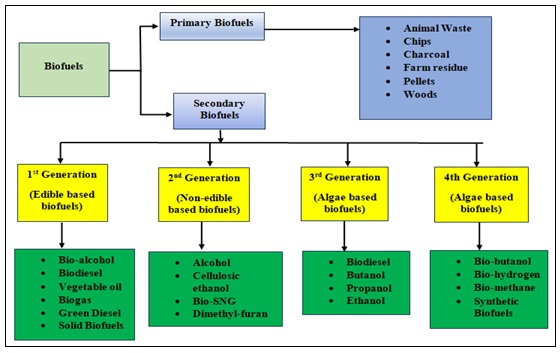
FIG. 2: TYPES AND GENERATIONS OF BIOFUELS 12
The first-generation biofuels are generated from food-feedstocks, like bioethanol from sugarcane, maize, and biodiesel from oilseed crops (soybean oil, palm oil, rapeseed, and sunflower) with well-developed, economic, and technically proven technologies and processes like fermentation, distillation, and transesterification 14. First-generation biofuels have a relatively small edge over fossil fuels from a greenhouse gas point of view in that they consume a lot of energy to produce, harvest, and process 15. They possess serious issues, such as competing with food cultivation, land utilization issues, moderate greenhouse gas savings when their life cycle is factored in, intensive water requirements, and potential soil erosion by extensive monoculture agriculture 16. The disadvantages have urged greater research towards second- and third-generation biofuels as alternatives to fix the issues, but not lose sight of the advantage of renewable fuel production 17.
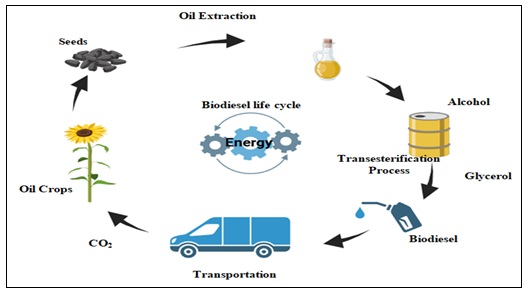
FIG. 3: THE BIODIESEL LIFE CYCLE
Jatropha Oil: Jatropha (Jatropha curcas) is a prospective biodiesel oilseed tree. Jatropha is cultivated in many tropical and subtropical areas in Asia, Africa, and Latin America, and the cultivation area was nearly 900,000 hectares in 2008 (FAO/IFAD, 2010). Jatropha can thrive under semi-arid conditions or marginal land with little input needed. Today, assured yields would result from greater investment in inputs on favourable soils (International Energy Agency (IEA)) 18. About 14% of crude Jatropha oil includes FFA, which is significantly more than the 1% threshold needed to encourage transesterification reactions using an alkaline catalyst. According to some reports, if the oil contains more than 3% FFA, transesterification will not take place. Numerous pretreatment techniques, such as steam distillation, alcohol-based extraction, and esterification using acid catalysts, have been developed and put into practice. Nonetheless, the most often used technique is the esterification of FFA with methanol in the presence of acidic catalysts due to the ease of the procedure and the ability of the acid catalysts to employ the free fatty acids in the oil to produce biodiesel 19.
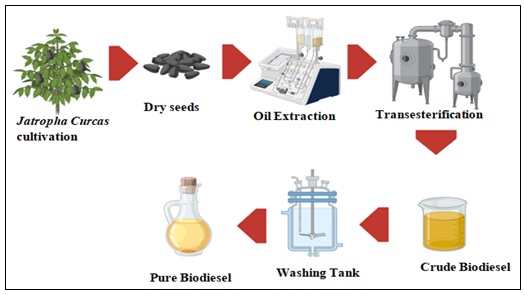
FIG. 4: TRANSESTERIFICATION FROM JATROPHA CURCAS
Most typically, though not exclusively, they are poisonous seeds for both humans and animals. Curcumin, a toxic protein that has been isolated from the seeds, has also been shown to inhibit protein synthesis in-vitro studies. Besides that, due to the high concentration of phorbol esters that it has in the seed, its toxicity has been identified 20. It is therefore unsuitable for cooking because of the presence of some anti-nutritional factors in oil. The fact that it cannot be used for consumption for nutrition without detoxification is certainly fine and makes it an attractive non-edible feedstock for the oleochemical industries: biodiesel, fatty acids, soap, surfactants, detergents, and so on. J. curcas currently produces 2000L/ha oil per annum. Jatropha oil has ∼24.60% crude protein, 47.25% crude fat, and 5.54% moisture of 5.54%.
The fatty acid composition of Jatropha oil differs in various countries 21. Mainly palmitic acid (16:0) at 14.1%, and stearic acid (18:0) at 6.7% constitute the saturated fatty acids of the Jatropha oil. The rest of the unsaturated fatty acids are oleic acid (18:1) at 47% and linoleic acid (18:2) at 31.6% 22.
This oil, being rich in oleic and linoleic acid with high levels of monounsaturated and polyunsaturated content, is semi-drying and has been a very good diesel fuel substitute 23. The commercial exploitation is only possible with a complete elimination of the toxins from the oil. Mechanical pressing of seeds is the conventional method of oil extraction. The new ones are enzyme-assisted three-phase partitioning (TPP) and aqueous enzymatic oil extraction methods 24.
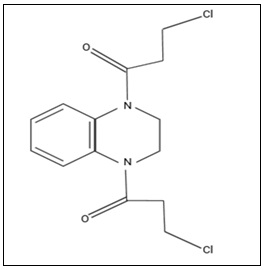
FIG. 5: EPOXIDIZED JATROPHA OIL
Jojoba Oil: The most significant location of diesel in the industrial economy of a nation is a key fuel for the transportation sector, with an increasingly rising demand for various alternatives to conventional fuels, which ought to be technically viable, financially competitive, environmentally friendly, and easily accessible alternatives 25. Biodiesel is produced through the transesterification of plant and animal oils and fats and is thus a more viable substitute for petroleum diesel fuel since it holds out the prospect of a renewable source of fuel with fewer greenhouse gas emissions than petroleum diesel 26. It is a biodegradable fuel that makes a negligible contribution to greenhouse gases or sulfur in the air. The oil will respond to alcohol during the transesterification process, and the alcohol utilized during the transesterification is usually methanol. Methanol and vegetable oils are therefore the most prevalent forms of biodiesel and have been extensively researched in recent years 27. Very little research has been conducted, however, on the transesterification of jojoba oil-wax 28. Recently, researchers have studied the combustion of jojoba methyl esters in an indirect injection diesel engine. Jojoba is a desert-dwelling perennial shrub plant that has recently drawn interest as an industrial crop in various countries. Thousands of farmers are currently growing this little-known desert shrub in the United States, Central and South America, South Africa, and numerous other nations. The weight of jojoba oil is approximately half the seed weight. The chemistry of jojoba oil is basically unlike that of the vegetable oils, which are generally available 29. Its chemistry is a long straight chain ester; the other common vegetable oils are triglycerides (branched esters derived from the glycerol molecule). Traditional oilseed crops yield glyceride oils in which fatty acids are attached to glycerol. Jojoba contains no glycerides 30.
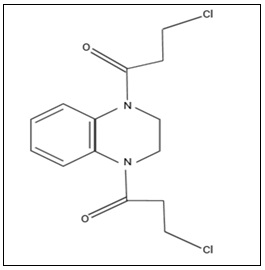
FIG. 6: JOJOBA OIL
Soybean Oil: Biodiesel, “a substitute for, or an additive to diesel fuel derived from the oils and fats of plants and animals,” is gaining popularity in Europe and the US markets. The European Union has a target to obtain a market share of 5% of the total motor fuel consumption by motor biofuels by 2005 31. Much of this figure is anticipated to be biodiesel, and a council regulation laying down its specifications is pending discussion. In the same manner, the US Department of Energy estimated that biodiesel could potentially replace up to 50% of the overall diesel fuel use 32. The primary benefits of utilization of this alternative fuel include renewability, high quality exhaust gas emissions (since it lacks sulphur, except in the case of biodiesel made from canola oil with a high sulfur content), its biodegradability, and, since all of the organic carbon used is photosynthetic in nature, it will not lead to an increase in the net amount of carbon dioxide in the atmosphere, and thus to the greenhouse effect (assuming that the carbon dioxide released through the manufacture of fertilizers is excluded) 33. Vegetable oil fatty acid methyl esters (FAME) are potential biodiesel, as the outcome of better viscosity, volatility, and combustion behaviour compared to triglycerides, but with the same cetane number (approximately 50, 34.
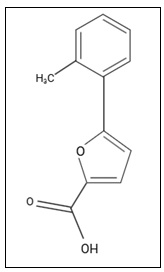
FIG. 7: CHEMICAL STRUCTURE OF SOYABEAN OIL (HYDROGENATED)
FAME biodiesel is also compatible with conventional diesel, and the two can be blended in any proportion, although the ignition quality of the blends remains essentially the same as that of the conventional diesel 35. Transesterification (also called alcoholysis) of triglycerides for soap manufacture has been studied intensively, and more than a dozen US patents and five European processes have been issued. The first objective of this paper is to describe the application of the current FAME biodiesel production technology to the transesterification of soybean oil and two residual fatty materials, frying oil and tallow 36. Soybean oil has been extensively studied as a raw material for FAME biodiesel production, and, in our study, it served as a test for the optimization of the production of biodiesel from the two fatty materials, the transformation of which would alleviate a disposal problem 37. In Spain, edible oils are used in frying pans or fryers (except the oil consumed in salads) and are discarded after a variable time of use. The used frying oil is mostly thrown through the home drains, leading to water pollution 38. Moreover, as more than 80% of the oil is consumed at home, controlling this disposal behaviour is very difficult.
The Council of Tres Cantos (population 28,000), a residential village on the outskirts of Madrid, has launched a pioneering program to recover all the used frying oil in waste oil containers (capacity 500 l). The containers are emptied and cleaned twice a week, and the used oil is transported to a factory for processing 39. On the other hand, the consumption of animal fats such as tallow is in decline as a result of a change in the feeding habits of the population, and the soap industry cannot take up all the excess animal fats produced 40. This amidation reaction of soybean oil, used frying oil, and tallow was carried out with diethylamine to produce “amide biodiesel'' 41. To check its ignition quality, the blending cetane number of the amide biodiesel of used frying oil blended with petrochemical diesel was calculated 42.

FIG. 8: SOYABEAN OIL
Second Generation Biofuels: Second-generation biofuels' sustainable approach for CO2 concentration levels would be practically carbon neutral or even carbon negative 43. The term biomass plant refers to plant matter that mainly comprises lignocellulose- the most plentiful and cheap non-food materials available 44. Currently, there are technical barriers that need to be overcome before the production of such fuels can be rendered a viable and economically justifiable enterprise 45. Plant biomass is among the most abundant and least utilized biological resources on the planet, regarded as a potential feedstock to obtain fuels and raw materials 46. Simply put, any biomass may be burnt as a means of producing heat or electricity 47. Nonetheless, there is huge potential for biofuel production from plant biomass 48. The vast majority of constituent materials in plant biomass are wall cell components wherein polysaccharides are present, typically in an abundance of 75% or more 49. Such polysaccharides are hence an excellent target pool for sugars. Even in traditional food crops such as the wheat (Triticum aestivum), just as much sugar is tied up in the stem as in the starch of the grains 50. Lignocellulosic materials represent a host of feedstocks for advanced biofuels and are obtainable either through hydrolysis. And fermentation (bioethanol) or gasification (Fischer-Tropsch biodiesel, bio-DME, and bio-SNG) 51. The main sources for such fuels are short rotation forestry crops (popular ones being poplar, willow, and eucalyptus), perennial grasses (miscanthus, switchgrass, and reed canary grass), and various residuals from wood, forestry, and agricultural industries 52. Advanced biofuels, or second-generation biofuels, are carbon-based fuels that are produced through new and innovative processes primarily utilizing lignocellulosic materials with commercial application yet to be developed. Embryonic bioethanol is an alternative to petrol. It can substitute petrol in so-called flexi-fuel vehicles 53.
Hydrolysis extracts the sugars from lignocellulosic feedstock, followed by the fermentation of sugars to ethanol. Fischer-Tropsch diesel (FT-diesel) or BTL (Biomass-to-Liquids) is a complete substitute for diesel 54. The gasification of lignocellulosic biomass converts generating syngas, followed by its transformation into liquid hydrocarbons, mostly diesel and kerosene 55. Bio-SNG (synthetic natural gas) can be used with a few modifications fitted into gasoline vehicles 56. Following a route similar to that of bio-SNG, methane is produced from the gasification of lignocellulosic biomass then turned to syngas 57. Bio-DME (dimethyl ether) may also be used with a few modifications to adapt the fuel system of diesel vehicles 58.
Dimethyl-furan: Global energy lacks and ecological pollutions have pushed researchers to develop a new generation of technologies for low-cost synthesis of biofuels from renewable biomass 59. The second-generation biofuels must be established in use of renewable chemical products and produced by innovative and mature chemical technologies such as pyrolysis, Fischer Tropsch synthesis, or a catalytic process, which are capable of synthesizing complicated molecules or materializing material into renewable biofuels. More than 75% biomasses such as corns (maize), trees and grass, are composed of carbohydrates (e.g., starch and cellulose) 60. These carbohydrates generally exist as polymer chains of thousands of units (fructose or glucose) 61. And every unit has six carbon atoms and a single oxygen atom, molecules of biomass contain more than 100 carbon atoms. In contrast, the conventional fuels for internal combustion engines generally have molecules consisting of five to 15 carbon atoms 62.
Therefore, molecular miniaturization and oxygen atom removal are the primary challenges in converting biomass to biofuel. The initial approach is to pretreat the biomass and break it down to glucose or fructose and then remove three oxygen atoms from the glucose or fructose via selective dehydration to produce 5-hydroxymethylfurfural (HMF) 63. Finally, HMF can be hydrogenolyses to DMF. The second route is to convert biomass, such as cellulose or glucose, into 5-chloromethylfurfural (CMF) through dehydration first 64.
Then, hydrogenolyses CMF to DMF. Due to the ample availability of biomass and its inexpensive nature as a raw material, the progress of preparation and yield of DMF will have a direct influence on whether or not it can be employed as a substitute fuel for automobile engines on a large scale 65. Thus, in recent years, most researchers have aimed towards biomass like glucose, fructose, and starch as feedstocks to be converted to HMF or CMF through these two respective routes and have attempted to improve the conversion yield while being assisted by various catalysts and solutions 66.

FIG. 9: 2,5- DIMETHYL FURAN
Alcohol: Alcohols are the most widely used in the manufacturing of biodiesel in a chemical reaction known as transesterification 67. During this reaction, alcohols, usually methanol or ethanol, are combined with triglycerides (oils or fats) to yield biodiesel (methyl or ethyl esters) and glycerol (glycerine) as a byproduct 68.
Major Alcohols Utilized in Biodiesel Manufacturing:
Methanol (CH₃OH): Methanol is the most common alcohol used in biodiesel production. It is a cheap, readily available alcohol and hence economically favourable for large-scale biodiesel manufacturing. In the process of transesterification, methanol reacts with the triglycerides to produce methyl esters (biodiesel) and glycerol. Methanol is used because it possesses a low molecular weight, which aids in increasing the reaction rate and efficiency 69.
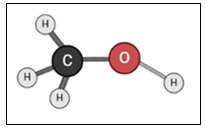
FIG. 10: METHANOL (CH3OH)
Ethanol (C₂H₅OH): Ethanol is another alcohol that can also be utilized in the production of biodiesel, particularly in areas where ethanol is readily available, such as in areas that boast a large bioethanol industry (such as Brazil). The process of reaction between ethanol and triglycerides yields ethyl esters, which are biodiesel. Ethanol is a cleaner option than methanol since it comes from renewable sources of biomass, such as corn or sugarcane 70.
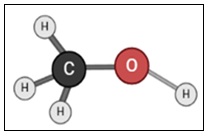
FIG. 11: ETHANOL (C2H5OH)
The Transesterification Process:
Reaction: Triglycerides (oils/fats) are combined with alcohol (methanol or ethanol) in the presence of a catalyst (sodium or potassium hydroxide). Alcohol molecules disintegrate triglyceride molecules into biodiesel (methyl or ethyl esters) and glycerol 71.

Separation and Purification: After the transesterification reaction, the biodiesel and glycerol layers separate. The biodiesel is purified to remove impurities, while glycerol is separated and can be used in other industrial processes 72.
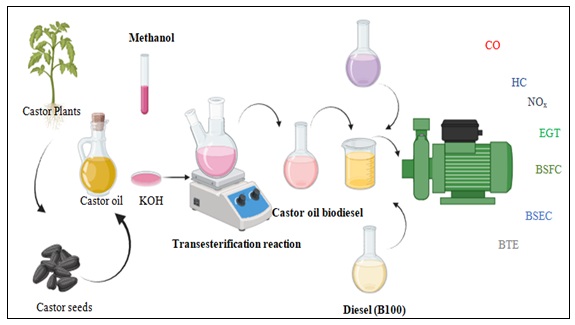
FIG. 12: PRODUCTION OF BIODIESEL FROM ALCOHOL BY THE PROCESS OF TRANSESTERIFICATION
Sources of Biodiesel from Natural Origin: In this part, various natural sources that have the potential as a biodiesel feedstock are discussed, especially related to previous studies about their engine performances and emission characteristics compared to diesel. The characteristic data were obtained by carrying out an engine test using biodiesel and blends as fuel. In this part, various natural sources containing biodiesel feedstock are described, related to previous studies about engine performance and the characteristics differentiated as diesel. The characterized information obtained from that result was obtained by testing biodiesel on engines and blends as fuel. As if the procedure and process of the test vary. The engine diagram is shown in Fig. 13. Describes the working of the engine on biodiesel energy production.
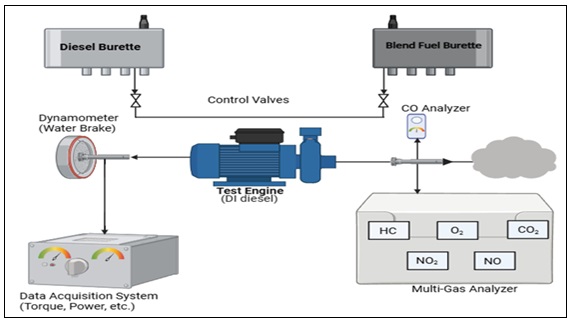
FIG. 13: THE ENGINE SHOWS THE WORKING OF THE TEST ENGINE FOR THE PRODUCTION OF BIOFUELS
TABLE 1: FUEL-RELATED PROPERTIES OF SELECTED VEGETABLE OILS
| Entry | Oil | Iodine value | CNa | CPb(K) | PPc(K) | FPd(k) | Viscosityf(mm2/s) | References |
| 1. | Cotton Seed | 90-119 | 41.8 | 274.7 | 258.0 | 507 | 33.5 | 73 |
| 2. | Rapeseed | 94-120 | 37.6 | 269.1 | 241.3 | 519 | 37.0 | |
| 3. | Safflower | 126-152 | 41.3 | 291.3 | 266.3 | 533 | 31.3 | |
| 4. | Soyabean | 117-143 | 37.9 | 269.1 | 260.8 | 527 | 32.6 | |
| 5. | Sunflower | 110-143 | 37.1 | 280.2 | 258.0 | 547 | 37.1 | |
| 6. | Karanja | - | 29.9 | - | 278.0 | 488 | 43.67 | |
| 7. | Jatropha | 101 | 23 | - | 267.0 | 459 | 35.4 | |
| 8. | Palm | 35-61g | 42g | - | - | 577h | 42.66h | |
| 9. | Palm Kernel | 14-33i | - | - | 295.0j | 545j | 115.55j | |
| 10. | WCOe | 141.5 | 49 | - | 284.0 | 485.0 | 36.4 |
| a | CN | - Cetane Number |
| b | CP | - Cloud Point |
| c | PP | - Pour Point |
| d | FP | - Flash Point |
| e | WCO | - Waste Cooking Oil |
| f | Measured at 311K (entries 1-5) and at 313K (entries 6-10). | |
| g | Iodine value and Cetane number combined from references 73 | |
| h | Flash point and viscosity combined from references 73 | |
| i | Iodine value combined from references 73 | |
| j | Pour point, Flash point, and Viscosity combined from References 73 | |
Chemical Composition of Alternative Fuels (Oil and Biodiesel) and Diesel: From a chemical point of view, oils from different sources possess different fatty acids 74. The fatty acids vary in their carbon chain length and in their number of unsaturated bonds. Most plant and animal oils are water-insoluble hydrophobic substances, consisting of one mole of glycerol and three moles of fatty acids, commonly called triglycerides 75. Chemically, the oil/fats consist of 90-98% triglycerides and small amounts of mono and diglycerides 76.
Triglycerides are esters of three fatty acids and one glycerol. These contain a considerable amount of oxygen in their structures 77. If they all have the same fatty acid, then it is a simple triglyceride; if any one of them differs, then it is a mixed triglyceride fatty acid with the absence of a fully hydrogenated double bond 78. Monounsaturated has one double bond between carbon atoms, while having more than one double bond makes them polyunsaturated 79.
Fully saturated triglycerides lead to excessive carbon deposits in engines. The fatty acids are different about the chain length, degree of unsaturation, or presence of other chemical functions 80. Chemically, biodiesel is referred to as monoalkyl esters of long-chain fatty acids derived from renewable lipid sources 81. Biodiesel is a general term for different ester-based oxygenated fuels from renewable biological sources 82.
In general, biodiesel can be used in compression ignition engines without or with very little modification 83. Biodiesel is produced by transesterification, in which organic-derived oils (vegetable oils, animal fats, and recycled restaurant greases) are reacted with alcohol (usually methanol) and transformed chemically into fatty esters. Advanced catalysis and reaction Engineering in biodiesel synthesis 84.
Biodiesel may be mixed with diesel fuel derived from petroleum in any ratio, for example, B20 (80% diesel, 20% biodiesel) or B100 (biodiesel 100%) 85.
Fatty Acid Esters: The major constituents of biodiesel, namely methyl or ethyl esters of long-chain fatty acids 86.
Glycerol (or Glycerine): A by product of transesterification, which can be removed and utilized for other purposes 87.
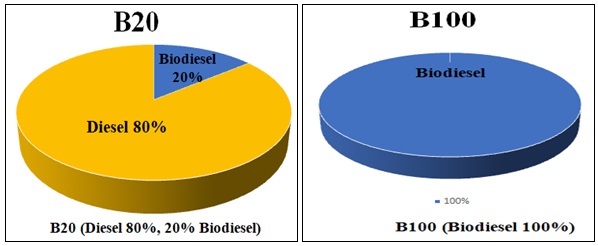
FIG. 14:
Hybrid Systems for Biodiesel and Other Renewable Energy Co-Production: Biodiesel emits lower emissions of CO2, sulfur, and particulate matter, although it emits more NO2 compared to fossil fuels 102. In terms of fuel characteristics, it is more in the properties of lower heating value, greater cloud and pour points, reduced oxidative stability, but improved lubricity and cetane number than diesel, but due to the engine content restriction 103. However, hydrotreated vegetable oils (HVO) diesel, or sometimes referred to as green or renewable diesel, possesses pleasing properties 104. HVO diesel production yields an oxidation-stable, high cetane number, and energy-dense diesel fuel-like product having lower cloud and pour points 105. Additionally, by-products like propane, liquefied petroleum gas, and naphtha can be sold in the market, apart from the fact that low-quality oil can be utilized in hydrotreating 106.
Nevertheless, HVO diesel processing is costly, as the CAPEX (capital expenses) are greater than in the case of a normal biodiesel plant owing to costly hydrogenation equipment 107. Process synthesis and integration can make HVO and biodiesel processing more cost-effective 108. For example, mathematical modelling has been used to synthesize, integrate, and optimize the co-production of bioethanol and biodiesel, on a composition raw material and process level with positive outcomes; In addition, process synthesis and integration have also been used on HVO to combine in-situ oil production and hydrotreating 109. Presently, the majority of diesel-powered cars operate mixtures of diesel and biodiesel. If we take into account the co-production of HVO diesel and biodiesel, there are some possibilities for the integration of the processes 110.
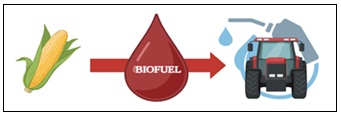
FIG. 15: DIAGRAM SHOWING PRODUCTION OF BIODIESEL FROM FEEDSTOCK
To our best knowledge, there are no clear proposals in the literature, but indications can be detected 111. For example, the use of glycerol to generate hydrogen and liquid fuels was proposed, but it was not considered at the same time as biodiesel production 112.
Then, we suggested the integration of biodiesel and HVO diesel as a low-cost co-processing option 113. First, we formulated a synthesis network superstructure along with appropriate biodiesel and HVO diesel process technologies 114. Subsequently, we applied a combined methodology combining rigorous simulation and MINLP (based on simplified models) to solve the synthesis and integration problem to optimality 115. Lastly, we presented the optimal route and benefits of the proposed synthesis approach 116.
CONCLUSION: The "Biodiesel from Natural Resources" review emphasizes the suitability of biodiesel as a future alternative energy supply, but emphasizes feedstock choice for its sustainability. Although conventional feedstocks such as soybean oil, palm oil, and rapeseed oil are widely utilised, there are issues linked to food safety, land deforestation, and ecological footprint. The review highlights the necessity of alternative feedstocks, including waste oils, animal fats, and algae, which provide more sustainable options by minimizing competition with food crops and reducing environmental degradation. Technological advances, especially in transesterification processes, enzymatic routes, and supercritical fluid technologies, have greatly enhanced production efficiency, allowing a wider variety of feedstocks to be used. In addition, a circular economy to recycle waste oils and by-products into biodiesel is a prospective method of reducing the environmental impact. Nevertheless, the integration of biodiesel in the world energy system relies on improvement in production technology and policy support, market incentives, and investment. Finally, while natural resource biodiesel offers tremendous potential, its sustainability is contingent upon equilibrium among economic, environmental, and social considerations to make it a sustainable and green energy option. Although vegetable oils such as soybean oil have broad usage, food security and land use issues are still present. Exploitation of waste oils and feedstocks, including algae, provides alternative means that are more environmentally friendly.
ACKNOWLEDGEMENT: Nil
CONFLICT OF INTEREST: Nil
REFERENCES:
- Neupane D: Biofuels from Renewable Sources, a Potential Option for Biodiesel Production. Bioengineering 2022; 10(1): 29.
- Pinto AC, Guarieiro LLN, Rezende MJC, Ribeiro NM, Torres EA and Lopes WA: Biodiesel: an overview. J Braz Chem Soc 2005; 16(6): 1313–30.
- Balat M and Balat H: Progress in biodiesel processing. Appl Energy 2010; 87(6): 1815–35.
- Hosseini SE: Fossil fuel crisis and global warming. In: Fundamentals of Low Emission Flameless Combustion and Its Applications [Internet]. Elsevier; 2022 [cited 2024 Nov 16]. p. 1–11. Available from: https://linkinghub.elsevier.com/retrieve/pii/B9780323852449000010
- Balat M and Balat H: Progress in biodiesel processing. Appl Energy 2010; 87(6): 1815–35.
- Schuchardt U, Sercheli R and Vargas RM: Transesterification of vegetable oils: a review. J Braz Chem Soc 1998; 9(3). Available from: http://www.scielo.br/scielo.php?script=sci_arttext&pid=S0103-50531998000300002&lng=en&nrm=iso&tlng=en
- Balaji G and Cheralathan M: Potential of Various Sources for Biodiesel Production. Energy Sources Part Recovery Util Environ Eff 2013; 35(9): 831–9.
- Nogueira LAH: Does biodiesel make sense? Energy 2011; 36(6): 3659–66.
- Sadvakasova AK, Akmukhanova NR, Bolatkhan K, Zayadan BK, Usserbayeva AA and Bauenova MO: Search for new strains of microalgae-producers of lipids from natural sources for biodiesel production. Int J Hydrog Energy 2019; 44(12): 5844–53.
- Hassan MHJ and Kalam MDA: An Overview of Biofuel as a Renewable Energy Source: Development and Challenges. Procedia Eng 2013; 56: 39–53.
- Yusuf NNAN, Kamarudin SK and Yaakub Z: Overview on the current trends in biodiesel production. Energy Convers Manag 2011; 52(7): 2741–51.
- Martin MA: First-generation biofuels compete. New Biotechnol 2010; 27(5): 596–608.
- Carriquiry MA, Du X and Timilsina GR: Second-generation biofuels: Economics and policies. Energy Policy 2011; 39(7): 4222–34.
- Aro EM: From first-generation biofuels to advanced solar biofuels. Ambio 2016; 45(1): 24–31.
- Miller D: Why the oil companies lost solar. Energy Policy 2013; 60: 52–60.
- Gasparatos A, Stromberg P and Takeuchi K: Sustainability impacts of first-generation biofuels. Anim Front 2013; 3(2): 12–26.
- Rulli MC, Bellomi D, Cazzoli A, De Carolis G and D’Odorico P: The water-land-food nexus of first-generation biofuels. Sci Rep 2016; 6(1): 22521.
- Jain S and Sharma MP: Prospects of biodiesel from Jatropha in India: A review. Renew Sustain Energy Rev 2010; 14(2): 763–71.
- Jain S and Sharma MP: Biodiesel production from Jatropha curcas oil. Renew Sustain Energy Rev 2010; 14(9): 3140–7.
- Kumar Tiwari A, Kumar A and Raheman H: Biodiesel production from jatropha oil (Jatropha curcas) with high free fatty acids: An optimized process. Biomass Bioenergy 2007; 31(8): 569–75.
- Koh MY and Mohd. Ghazi TI: A review of biodiesel production from Jatropha curcas oil. Renew Sustain Energy Rev 2011; 15(5): 2240–51.
- Jain S and Sharma MP: Biodiesel production from Jatropha curcas Renew Sustain Energy Rev 2010; 14(9): 3140–7.
- Juan JC, Kartika DA, Wu TY and Hin TYY: Biodiesel production from jatropha oil by catalytic and non-catalytic approaches: An overview. Bioresour Technol 2011; 102(2): 452–60.
- Bouaid A, Bajo L, Martinez M and Aracil J: Optimization of Biodiesel Production from Jojoba Oil. Process Saf Environ Prot 2007; 85(5): 378–82.
- Sánchez M, Avhad MR, Marchetti JM, Martínez M and Aracil J: Jojoba oil: A state of the art review and prospects. Energy Convers Manag 2016; 129: 293–304.
- Canoira L, Alcántara R, Jesús García-Martínez M and Carrasco J: Biodiesel from Jojoba oil-wax: Transesterification with methanol and properties as a fuel. Biomass Bioenergy 2006; 30(1): 76–81.
- Sánchez M, Marchetti JM, Boulifi NE, Martínez M and Aracil J: Jojoba oil biorefinery using a green catalyst. Part I: Simulation of the process. Biofuels, Bioprod Biorefining 2015; 9(2): 129–38.
- Ali A and Abdulrahman A: Optimization and sensitivity study of biodiesel synthesis from Jojoba oil using mixed‐integer programming. Mater Werkst 2020; 51(7): 920–9.
- Zhang X: RSM-based optimization for ultrasound-assisted transesterification of Jojoba oil to biodiesel via ZnFe2O4 & TiO2 retrievable nano catalyst: Application on the diesel engine. Ind Crops Prod 2024; 220: 119144.
- Alcantara R, Amores J, Canoira L, Fidalgo E, Franco MJ and Navarro A: Catalytic production of biodiesel from soy-bean oil, used frying oil and tallow. Biomass Bioenergy 2000; 18(6): 515–27.
- Du W, Xu Y and Liu D: Lipase‐catalysed transesterification of soya bean oil for biodiesel production during continuous batch operation. Biotechnol Appl Biochem 2003; 38(2): 103–6.
- Cavalett O and Ortega E: Integrated environmental assessment of biodiesel production from soybean in Brazil. J Clean Prod 2010; 18(1): 55–70.
- Kinney AJ and Clemente TE: Modifying soybean oil for enhanced performance in biodiesel blends. Fuel Process Technol 2005; 86(10): 1137–47.
- Alcantara R, Amores J, Canoira L, Fidalgo E, Franco MJ and Navarro A: Catalytic production of biodiesel from soy-bean oil, used frying oil and tallow. Biomass Bioenergy 2000; 18(6): 515–27.
- Du W, Xu Y, Zeng J and Liu D: Novozym 435‐catalysed transesterification of crude soya bean oils for biodiesel production in a solvent‐free medium. Biotechnol Appl Biochem 2004; 40(2): 187–90.
- Sanz Requena JF, Guimaraes AC, Quirós Alpera S, Relea Gangas E, Hernandez-Navarro S and Navas Gracia LM: Life Cycle Assessment (LCA) of the biofuel production process from sunflower oil, rapeseed oil, and soybean oil. Fuel Process Technol 2011; 92(2): 190–9.
- Andre Young, Fernando L. P. Pessoa and Eduardo Queiroz: Comparison between biodiesel production from soybean oil and palm oil with ethanol: design and economic evaluation. Chem Eng Trans 2015; 43: 325–30.
- Simasatitkul L, Siricharnsakunchai P, Patcharavorachot Y, Assabumrungrat S and Arpornwichanop A: Reactive distillation for biodiesel production from soybean oil. Korean J Chem Eng 2011; 28(3): 649–55.
- Muranaka Y, Maki T, Hasegawa I, Nakagawa H, Kubota R and Kaji R: Biodiesel Fuel Production from Soybean Oil Using a Microreactor. J Chem Eng JPN 2023; 56(1): 2213283.
- Santos S, Nobre L, Gomes J, Puna J, Quinta-Ferreira R and Bordado J: Soybean Oil Transesterification for Biodiesel Production with Micro-Structured Calcium Oxide (CaO) from Natural Waste Materials as a Heterogeneous Catalyst. Energies 2019; 12(24): 4670.
- Mohammed Saleh A, Bahari Alias A, Mohammed Saleh N, Farhan Yassin K, Khalil Ahmed O and A. Abdulqader M: Production of first and second-generation biodiesel for diesel engine operation: A review. NTU J Renew Energy 2023; 5(1): 8–23.
- Igwebuike CM, Awad S and Andrès Y: Renewable Energy Potential: Second-Generation Biomass as Feedstock for Bioethanol Production. Molecules 2024; 29(7): 1619.
- Vignesh P, Pradeep Kumar AR, Ganesh NS, Jayaseelan V and Sudhakar K: Biodiesel and green diesel generation: an overview. Oil Gas Sci Technol – Rev D’IFP Energ Nouv 2021; 76: 6.
- Gautam A, Pant M, Pant G and Kumar G: Second-Generation Biofuels: Concepts, Applications, and Challenges. In: Karnwal A, Mohammad Said Al-Tawaha AR, editors. Microbial Applications for Environmental Sustainability [Internet]. Singapore: Springer Nature Singapore; 2024 [cited 2025 Mar 20]. p. 277–304. Available from: https://link.springer.com/10.1007/978-981-97-0676-1_16
- Mohammed Saleh A, Bahari Alias A, Mohammed Saleh N, Farhan Yassin K, Khalil Ahmed O and A. Abdulqader M: Production of first and second-generation biodiesel for diesel engine operation: A review. NTU J Renew Energy 2023; 5(1): 8–23.
- Graça I, Lopes JM, Cerqueira HS and Ribeiro MF: Bio-oils upgrading for Second Generation Biofuels. Ind Eng Chem Res 2013; 52(1): 275–87.
- Gautam A, Pant M, Pant G and Kumar G: Second-Generation Biofuels: Concepts, Applications, and Challenges. In: Karnwal A, Mohammad Said Al-Tawaha AR, editors. Microbial Applications for Environmental Sustainability [Internet]. Singapore: Springer Nature Singapore 2024; 277–304.
- Vignesh P, Pradeep Kumar AR, Ganesh NS, Jayaseelan V and Sudhakar K: Biodiesel and green diesel generation: an overview. Oil Gas Sci Technol – Rev D’IFP Energ Nouv 2021; 76: 6.
- Mohammed Saleh A, Bahari Alias A, Mohammed Saleh N, Farhan Yassin K, Khalil Ahmed O and A. Abdulqader M: Production of first and second-generation biodiesel for diesel engine operation: A review. NTU J Renew Energy 2023; 5(1): 8–23.
- Devika R, Subathra M, Madhusudhanan J and Rajesh, UditSagar: Second Generation Biofuel – An Alternate Source of Energy: Life Sciences-Biotechnology for Prospective Medical Science. Int J Life Sci Pharma Res [Internet]. 2022 Jul 6 [cited 2025 Mar 20];
- Anwar M, Rasul MG, Ashwath N and Rahman MM: Optimisation of Second-Generation Biodiesel Production from Australian Native Stone Fruit Oil Using Response Surface Method. Energies 2018; 11(10): 2566.
- Igwebuike CM, Awad S and Andrès Y: Renewable Energy Potential: Second-Generation Biomass as Feedstock for Bioethanol Production. Molecules 2024; 29(7): 1619.
- Dalgleish P: Sustainability Research Project: Research of Suitable Locations, Design and Operation of Microalgae Production Plants for Biofuels. Nat Resour 2017; 08(11): 671–708.
- Grassmann H, Aguilar JJH and Kapllaj E: First Measurements with a Linear Mirror Device of Second Generation. Smart Grid Renewable Energy 2013; 04(03): 253–8.
- Daniel DA and Enweremadu DU: Identity politics, citizenship and the 2010 post-election Conflict in Côte d’Ivoire. Open J Polit Sci 2020; 10(02): 213–33.
- Woo H, Sakamoto A and Takei I: Beyond the Shadow of White Privilege?: The Socioeconomic Attainments of Second-Generation South Asian Americans. Sociol Mind 2012; 02(01): 23–33.
- Román-Leshkov Y, Barrett CJ, Liu ZY and Dumesic JA: Production of dimethylfuran for liquid fuels from biomass-derived carbohydrates. Nature 2007; 447(7147): 982–5.
- Shukla MK, Singh E, Singh N and Singal SK: Prospects of 2,5-dimethylfuran as a fuel: physico-chemical and engine performance characteristics evaluation. J Mater Cycles Waste Manag 2015; 17(3): 459–64.
- Dale BE: The times they are a‐changin’: the end of cheap oil and how it is changing our world. Biofuels, Bioprod Biorefining 2013; 7(1): 1–4.
- Hoang AT, Pandey A, Huang Z, Luque R, Ng KH and Papadopoulos AM: Catalyst-Based Synthesis of 2,5-Dimethylfuran from Carbohydrates as a Sustainable Biofuel Production Route. ACS Sustain Chem Eng 2022; 10(10): 3079–115.
- Nikzadfar K and Shamekhi AH: Investigating a new model-based calibration procedure for optimizing the emissions and performance of a turbocharged diesel engine. Fuel 2019; 242: 455–69.
- Román-Leshkov Y, Barrett CJ, Liu ZY and Dumesic JA: Production of dimethylfuran for liquid fuels from biomass-derived carbohydrates. Nature 2007; 447(7147): 982–5.
- Shukla MK, Singh E, Singh N and Singal SK: Prospects of 2,5-dimethylfuran as a fuel: physico-chemical and engine performance characteristics evaluation. J Mater Cycles Waste Manag 2015; 17(3): 459–64.
- Simmie JM and Würmel J: Harmonising Production, Properties and Environmental Consequences of Liquid Transport Fuels from Biomass—2,5‐Dimethylfuran as a Case Study. Chem Sus Chem 2013; 6(1): 36–41.
- Verma P, Sharma MP and Dwivedi G: Impact of alcohol on biodiesel production and properties. Renew Sustain Energy Rev 2016; 56: 319–33.
- Ibrahim I, Syam AM, Muhammad M, Ginting Z and Maliki S: Biodiesel production from a mixture of rubber seed oil and waste oil through the alcoholysis process with catalysts based on vegetable waste. Int J Eng Sci Inf Technol 2021; 1(4): 109–13.
- Moser BR: Biodiesel production, properties, and feedstocks. Vitro Cell Dev Biol – Plant 2009; 45(3): 229–66.
- Mamedov I and Mamedova GA: Department of Chemistry, Baku State University, Department of Chemistry, Baku State University, Javadova ON, Department of Chemistry, Baku State University, Synthesis of biodiesel based on alcohol mixtures. UNEC J Eng Appl Sci 2024; 4(1): 70–5.
- Verma P, Sharma MP and Dwivedi G: Impact of alcohol on biodiesel production and properties. Renew Sustain Energy Rev 2016; 56: 319–33.
- Saha BC and Woodward J: American chemical society, american chemical society, american chemical society, editors. Fuels and chemicals from biomass. Washington, DC: American Chemical Society 1997; 356.
- Singh D, Sharma D, Soni SL, Sharma S and Kumari D: Chemical compositions, properties, and standards for different generation biodiesels: A review. Fuel 2019; 253: 60–71.
- Wan Osman WNA, Rosli MH, Mazli WNA and Samsuri S: Comparative review of biodiesel production and purification. CCST 2024; 13: 100264.
- Neupane D: Biofuels from Renewable Sources, a Potential Option for Biodiesel Production. Bioengineering 2022; 10(1): 29.
- Uyaroğlu A, Kocakulak T and Aydoğan B: Investigation of the Effects of Biodiesel Produced from Crambe Abyssinica Plant on Combustion, Engine Performance and Exhaust Emissions [Internet]. arXiv; 2022 [cited 2025 Mar 19]. Available from: https://arxiv.org/abs/2212.12159
- Bullermann J, Meyer NC, Krafft A and Wirz F: Comparison of fuel properties of alternative drop-in fuels with standard marine diesel and the effects of their blends. Fuel 2024; 357: 129937.
- Wang L, Wen W, Gu Y, Mao J, Tong X and Jia B: Characterization of biodiesel and diesel combustion particles: chemical composition, lipid metabolism, and implications for health and environment. Environ Sci Technol 2023; 57(49): 20460–9.
- Yang Z, Shah K, Pilon-McCullough C, Faragher R, Azmi P and Hollebone B: Characterization of renewable diesel, petroleum diesel, and renewable diesel/biodiesel/petroleum diesel blends. Renew Energy 2024; 224: 120151.
- Wan KKW, Tang HL, Yang L and Lam JC: An analysis of thermal and solar zone radiation models using an Angstrom–Prescott equation and artificial neural networks. Energy 2008; 33(7): 1115–27.
- Campos A, Puerto M, Prieto A, Cameán A, Almeida AM and Coelho AV: Protein extraction and two‐dimensional gel electrophoresis of proteins in the marine mussel Mytilus galloprovincialis: an important tool for protein expression studies, food quality and safety assessment. J Sci Food Agric 2013; 93(7): 1779–87.
- Bezergianni S, Dimitriadis A and Meletidis G: Effectiveness of CoMo and NiMo catalysts on co-hydroprocessing of heavy atmospheric gas oil–waste cooking oil mixtures. Fuel 2014; 125: 129–36.
- Deng J, Zhu W and Ma Q: A new seepage model for shale gas reservoir and productivity analysis of fractured well. Fuel 2014; 124: 232–40.
- González-García S, Luo L, Moreira MT, Feijoo G and Huppes G: Life cycle assessment of flax shives derived second generation ethanol fueled automobiles in Spain. Renew Sustain Energy Rev 2009; 13(8): 1922–33.
- Barrett L: Establishing Primate Science. Bio Science 2017; 184.
- Mat Aron NS, Khoo KS, Chew KW, Show PL, Chen W and Nguyen THP: Sustainability of the four generations of biofuels – A review. Int J Energy Res 2020; 44(12): 9266–82.
- Mahendrasinh Kosamia N, Samavi M, Piok K and Kumar Rakshit S: Perspectives for scale up of biorefineries using biochemical conversion pathways: Technology status, techno-economic, and sustainable approaches. Fuel 2022; 324: 124532.
- Brown TR: A techno-economic review of thermochemical cellulosic biofuel pathways. Bioresour Technol 2015; 178: 166–76.
- Tran NN, Tišma M, Budžaki S, McMurchie EJ, Gonzalez OMM and Hessel V: Scale-up and economic analysis of biodiesel production from recycled grease trap waste. Appl Energy 2018; 229: 142–50.
- Hakeem IG, Sharma A, Sharma T, Sharma A, Joshi JB and Shah K: Techno‐economic analysis of biochemical conversion of biomass to biofuels and platform chemicals. Biofuels, Bioprod Biorefining 2023; 17(3): 718–50.
- Huang H, Long S and Singh V: Techno‐economic analysis of biodiesel and ethanol co‐production from lipid‐producing sugarcane. Biofuels, Bioprod Biorefining 2016; 10(3): 299–315.
- Skarlis Str, Kondili E and Kaldellis JK: Small-scale biodiesel production economics: a case study focusing on Crete Island. J Clean Prod 2012; 20(1): 20–6.
- Longati AA, Campani G, Furlan FF, Giordano RDC and Miranda EA: Microbial oil and biodiesel production in an integrated sugarcane biorefinery: Techno-economic and life cycle assessment. J Clean Prod 2022; 379: 134487.
- Granjo JFO, Duarte BPM and Oliveira NMC: Integrated production of biodiesel in a soybean biorefinery: Modeling, simulation, and economic assessment. Energy 2017; 129: 273–91.
- Michailos S and Bridgwater A: A comparative techno‐economic assessment of three bio‐oil upgrading routes for aviation biofuel production. Int J Energy Res 2019; 4745.
- Lim KL, Wong WY, James Rubinsin N, Loh SK and Lim MT: Techno-Economic analysis of an integrated bio-refinery for the production of biofuels and value-added chemicals from oil palm empty fruit bunches. Processes 2022; 10(10): 1965.
- Sorunmu Y, Billen P and Spatari S: A review of thermochemical upgrading of pyrolysis bio‐oil: Techno‐economic analysis, life cycle assessment, and technology readiness. GCB Bioenergy 2020; 12(1): 4–18.
- Sadhukhan J and Ng KS: Economic and european union environmental sustainability criteria assessment of bio-oil-based biofuel systems: refinery integration cases. Ind Eng Chem Res 2011; 50(11): 6794–808.
- Adamu H, Bello U, Yuguda AU, Tafida UI, Jalam AM and Sabo A: Production processes, techno-economic, and policy challenges of bioenergy production from fruit and vegetable wastes. RSER 2023; 186: 113686.
- Karmee S, Patria R and Lin C: Techno-Economic Evaluation of Biodiesel Production from Waste Cooking Oil—A Case Study of Hong Kong. Int J Mol Sci 2015; 16(3): 4362–71.
- El-Araby R: Biofuel production: exploring renewable energy solutions for a greener future. Biotechnol Biofuels Bioprod 2024; 17(1): 129.
- Bernard A and Besnard P: Blunted orosensory perception of lipids during obesity: myth or reality? OCL 2024; 31: 6.
- Rao X, Liu M, Chien M, Inoue C, Zhang J and Liu Y: Recent progress in noble metal electrocatalysts for nitrogen-to-ammonia conversion. Renew Sustain Energy Rev 2022; 168: 112845.
- Palafox-Alcantar PG, Khosla R, McElroy C and Miranda N: Circular economy for cooling: A review to develop a systemic framework for production networks. J Clean Prod 2022; 379: 134738.
- Yang K, Zhou J, Xian X, Zhou L, Zhang C and Tian S: Chemical-mechanical coupling effects on the permeability of shale subjected to supercritical CO2-water exposure. Energy 2022; 248: 123591.
- Hao W, Zhang H, Liu S, Mi B and Lai Y: Mathematical modeling and performance analysis of direct expansion heat pump-assisted solar drying system. Renew Energy 2021; 165: 77–87.
- Chen Q, Qiu P, Xiang Z, Wang S, Pan W and Xie H: The application of the Distributed Power Flow Controller in Gan Quan–Xiang Fu 220 kV AC lines in Hu Zhou. Energy Rep 2021; 7: 210–5.
- Li Z, Yu J, Yue Q, Yu Y and Guo X: Study on meso-mechanical mechanism and energy of moisture content on densification of salix psammophila particles. Renew Energy 2023; 205: 1071–81.
- Yuan X, Du Y and Su J: Approaches and potentials for pool boiling enhancement with superhigh heat flux on responsive smart surfaces: A critical review. Renew Sustain Energy Rev 2022; 156: 111974.
- Atienza-Márquez A, Bruno JC and Coronas A: Regasification of liquefied natural gas in satellite terminals: Techno-economic potential of cold recovery for boosting the efficiency of refrigerated facilities. Energy Convers Manag 2021; 248: 114783.
- Pavlov AN, Pavlova ON, Semyachkina-Glushkovskaya OV and Kurths J: Enhanced multiresolution wavelet analysis of complex dynamics in nonlinear systems. Chaos Interdiscip J Nonlinear Sci 2021; 31(4): 043110.
- Machado MC, Vivaldini M and De Oliveira OJ: Production and supply-chain as the basis for SMEs’ environmental management development: A systematic literature review. J Clean Prod 2020; 273: 123141.
- Sadhukhan J: Net zero electricity systems in global economies by life cycle assessment (LCA) considering ecosystem, health, monetization, and soil CO2 sequestration impacts. Renew Energy 2022; 184: 960–74.
- Gato LMC, Carrel has AAD and Cunha AFA: Performance improvement of the axial self-rectifying impulse air-turbine for wave energy conversion by multi-row guide vanes: Design and experimental results. Energy Convers Manag 2021; 243: 114305.
- Dadrasnia A, De Bona Muñoz I, Yáñez EH, Lamkaddam IU, Mora M and Ponsá S: Sustainable nutrient recovery from animal manure: A review of current best practice technology and the potential for freeze concentration. J Clean Prod 2021; 315: 128106.
How to cite this article:
Ghosh S and Garai S: Biodiesel from natural resources: a comprehensive review of feedstock production and sustainability. Int J Pharmacognosy 2026; 13(5): 416-30. doi link: http://dx.doi.org/10.13040/IJPSR.0975-8232.IJP.13(5).416-30.
This Journal licensed under a Creative Commons Attribution-Non-commercial-Share Alike 3.0 Unported License.
 Download