


A COMPREHENSIVE REVIEW ON SWIETENIA MACROPHYLLA KING: CHEMICAL CONSTITUENTS, PHARMACOLOGICAL ACTIVITIES, TOXICITY AND SAFETY ANALYSIS
HTML Full TextA COMPREHENSIVE REVIEW ON SWIETENIA MACROPHYLLA KING: CHEMICAL CONSTITUENTS, PHARMACOLOGICAL ACTIVITIES, TOXICITY AND SAFETY ANALYSIS
M. M. Abdullah-Ibna Tareq and Md. Ashraf Ali *
Department of Pharmacy, Faculty of Life Science, Mawlana Bhashani Science and Technology University, Santosh, Tangail-1902, Bangladesh.
ABSTRACT: Swietenia macrophylla King, widely recognized as big-leaf mahogany or sky fruit, is a highly prized tropical hardwood species belonging to the Meliaceae family traditionally used for managing diabetes, hypertension, inflammation, and various other ailments. Despite growing research interest, existing studies remain fragmented, largely limited to in vitro and acute animal models, with significant variability in extract preparation and scarce standardized clinical data. This review systematically compiles, organizes, and critically analyzes the botanical description, taxonomic classification, ethnomedicinal uses, major bioactive compounds, broad spectrum of pharmacological activities, toxicity and safety analysis of Swietenia macrophylla. The plant is notably high in limonoids like swietenine, swietenolide, and various derivatives, which contribute to its significant pharmacological potential, including antidiabetic, anticancer, anti-inflammatory, antimicrobial, antioxidant, anti-aging, wound healing, and other effects. Pharmacological studies have demonstrated significant bioactivities through multiple mechanisms, notably modulation of Nrf2, NLRP3 inflammasome, PPARγ activation and related pathways. The present work offers a consolidated and up-to-date framework that addresses research gaps, variability in extract efficacy, and the need for further clinical validation, thereby facilitating evidence-based development and standardization of Swietenia macrophylla as a promising source of multi-target therapeutic agents.
Keywords: Swietenia macrophylla, Big-leaf mahogany, Limonoids, Sky fruit tree, Chemical constituents and Pharmacological activities
INTRODUCTION: Swietenia macrophylla stands as a prominent tall hardwood tree indigenous to the tropical regions of Central and South America 1, 2. It has been extensively introduced and cultivated in various parts of Southeast Asia, including Bangladesh, India, Indonesia, Malaysia and southern China for its valuable timber, reforestation efforts, and medicinal properties 3, 4.
The fruits, popularly known as “sky fruit” due to their upward orientation, hold particular importance in traditional medicine for managing diabetes mellitus, hypertension, inflammation, and various other ailments 1, 5, 6.
In the context of increasing global demand for natural, multi-target therapeutic agents in the face of rising metabolic and inflammatory disorders, a systematic compilation of its phytochemicals and pharmacological activities is critically needed to bridge fragmented research and unlock its full therapeutic potential. Previous studies have documented the botanical features, traditional uses, and bioactivities of Swietenia macrophylla.
Milestone review papers successfully mapped its complex, limonoid-rich chemistry and broad pharmacological spectrum 2, 7. Recent works have focused on specific aspects such as neuroprotective potential against Alzheimer’s disease 3, anti-aging and wound healing potential 8, 9, antidiabetic effects of seed extracts 6 and swietenine 10, and nanoparticle-enhanced antimicrobial 11 and anticancer activities 12. While these studies have advanced understanding of individual bioactivities, most research remains limited to in-vitro and acute animal models, with variability in extract preparation and efficacy across plant parts, and standardized clinical data still scarce. These limitations justify the need for a current and comprehensive review that brings together the available knowledge on Swietenia macrophylla. In this review, we systematically synthesized data from peer-reviewed literature. This approach provides a more integrated and up-to-date resource than previous fragmented or narrowly focused reviews. The present work contributes by offering a consolidated framework that highlights the major bioactive constituents listed in Table 1, underlying mechanisms of various pharmacological activities, the toxicity & safety analysis of Swietenia macrophylla. Expected outcomes include facilitating evidence-based development of phytopharmaceuticals, guiding standardization efforts, and promoting the sustainable utilization of this valuable medicinal timber species.
Botanical Description: Swietenia macrophylla is a tropical, tall, evergreen to occasionally semi-deciduous or deciduous hardwood timber tree belonging to the Meliaceae family 4, 6, 7, 13. The species typically attains a height of 30-60m, occasionally exceeding 50m 2, 5, 7, 14, with a girth of 3-4m 2, 7. It features a straight cylindrical trunk measuring 100-200 cm in diameter at breast height 5, 15 and an umbrella-shaped crown 7, 13. The outer bark is scaly, thick, and deeply furrowed, varies from brownish-grey to reddish-brown 5, whereas the inner bark appears pinkish-red to red-brown 5, 16. The paripinnate leaves measure 12-45 cm long and consist of 3-6 pairs of asymmetrical, lanceolate or ovate leaflets that are dark green and shiny when mature 5, 17. Small, unisexual, yellow-cream colored flowers are produced in large branched inflorescences 5. The fruit is a woody ovoid capsule, 11.6-38.7 cm long, light grey to brown in color, and features 4-5 valves 5, 13. It opens to release 22-71 samaroid (winged) seeds per fruit 5, 13. The seeds are chestnut to reddish-brown, typically 7-12 cm long (maximum15 cm) and 2-2.5 cm wide, featuring a hard outer shell, a distinctive odor, and a bitter taste 13, 18, 19. The fruits are widely recognized as “sky fruit” due to their characteristic upward growth toward the sky 5, 7, 12, 20, 21. The species is indigenous to the tropical regions of the Americas, with its primary distribution in Central and South America, including Bolivia and Mexico 4, 7, 22. It has been widely introduced and cultivated in Southeast Asia, Bangladesh, India, southern China, and other tropical or subtropical areas 7, 23 for timber, reforestation, and medicinal purposes 5, 23.
Taxonomic Classification: Swietenia macrophylla is taxonomically classified under the Kingdom of Plantae, Phylum of Tracheophyta, Class of Magnoliopsida, Order of Sapindales, Family of Meliaceae, and Genus of Swietenia 7, 22. It belongs to the subfamily Swietenoideae within the Meliaceae family 4, 17. The genus Swietenia consists of three primary species- Swietenia macrophylla, Swietenia mahagoni, and Swietenia humilis along with two natural hybrids, including Swietenia x aubrevilleana 24, 25.
Synonyms: The accepted synonyms include Swietenia macrophylla King var. marabaensis, Swietenia krukovii Gleason, Swietenia candollei Pittier, Swietenia tessmannii Harms and Swietenia belizensis Lundell 4, 7. The word “macrophylla” derives from the Greek terms makros (big) and phyllon (leaf), reflecting its exceptionally large leaves 4, 6.
Vernacular Names: In English, it is commonly called big-leaf mahogany, Honduran mahogany, sky fruit, genuine mahogany, large-leaved mahogany, broad-leaved mahogany, Brazilian mahogany, tropical American mahogany, or bastard mahogany 7, 19, 22. Regional names include “pokok buah tunjuk langit”, “tunjuklangit”, or “Cheria mahogany” in Malaysia 4, 6, 26, “Mahoni” in Indonesia 7, “Baramahauni”, “Bara Mahauni”, “Bara-mahagony”, or “Mahagni” in Bangladesh 7, 27, “xiangtianguo” in China 7, 28, and “tettankotai” in Tamil 7, 26. International names include West Indian mahogany (England), Colombian mahogany tree, and Brazilian mahogany tree; Echtesmahagoni (Germany); Mogano (Italy); Mogno (Portugal); Mahokkani-bailek or Mahokkani (Thailand); Mahok/Mahonie (Netherlands); and Acajou du Honduras or Acajou du Venezuela (France) 4, 7. In Myanmar it is commonly known as Mahogany while in Mexico it is locally known as “caoba” 29, 30. These names consistently reflect the species economic importance as a high-quality timber tree and the distinctive upward orientation of its fruits, popularly known as “sky fruit” 4, 7.
Traditional / Ethnomedicinal Use: The seeds, commonly known as mahogany seeds, are the most extensively used part in traditional medicine. In Malaysia and Indonesia, they are primarily employed for managing diabetes mellitus 13, 23, hypertension 31, 32, and pain relief 20, 33. They are typically consumed raw (chewed or swallowed), as powder, or as decoctions 20, 26. In Indonesia, the seeds are also traditionally used for malaria, diarrhea, and hypertension 7, 13, 34. In India, the plant is used for diabetes, diarrhea, skin diseases, and wounds 35, 36. In Bolivian Amazonian communities (Tacana), the seeds have been used as an abortifacient and for treating leishmaniasis 1, 7. The fruits, commonly referred to as “sky fruits,” are traditionally used in Malaysia and the Solomon Islands for diabetes, hypertension, and as a natural painkiller 37, 38, 39, 40. Fruit preparations are also valued for improving blood circulation and skin condition 37, 41, 42. The bark is traditionally employed for wounds as an astringent, as an antipyretic, febrifuge, and tonic 7, 30. It is also occasionally employed for tanning leather due to its high tannin content and red pigmentation 7, 30, 43. Leaf decoctions or infusions have been used for diarrhea, fevers, colds, catarrh, and nerve disorders 30. Across Asia and other regions, S. macrophylla has been traditionally valued for its antimicrobial, antioxidant, anti-inflammatory, antidiabetic, anticancer, antitumor, and antimutagenic properties 13. It has also been used to manage malaria, anemia, dysentery, cough, fever, chest pain, intestinal parasitism, ulcers, eczema, and rheumatism 44, 45. The plant forms an important component of traditional jamu preparations in Indonesia and other Southeast Asian folk systems 43, 46.
Chemical Constituents: Swietenia macrophylla is renowned for its rich array of secondary metabolites, primarily limonoids (tetranortriterpenoids) characterized by a furan ring at the C-17 position, along with extensive oxidation and skeletal rearrangements, dominate the phytochemical profile across seeds, fruits, leaves, bark, roots and terminal shoots 3, 23, 47. Seeds are abundant in swietenine (C32H40O9), swietenolide (C27H34O8), 3-O-tigloylswietenolide, khayasin T, 3,6-O,O-diacetylswietenolide, and related derivatives, alongside steroids such as stigmasterol and β-sitosterol 21, 48. Fruits yield mexicanolide-type limonoids, while bark contains mexicanolide-type and andirobin-type limonoids (e.g., swietemicrolides A-D), phenolics (catechin, epicatechin), and the first reported grandifotanecore limonoid in the genus 40, 49. Leaves and shoots feature phragmalin-type limonoids and sesquiterpenes like germacrene D 15, 50.
Qualitative screening of seeds indicates alkaloids, phenolics, flavonoids, terpenoids, steroids, and tannins, with high total phenolic (78.409% GAE) and flavonoid (96.167% RE) contents 51. Over 160 limonoids have been identified from the Swietenia genus, with more than 100 reported from Swietenia macrophylla, including fatty acids, polyacetylenes in roots, and coumarins like scopoletin 2, 52, 53. Over the past decade, there has been growing research interest and awareness regarding Swietenia macrophylla. The chemistry of its various plant parts has undergone extensive investigation over recent decades, resulting in the discovery of numerous isolated pure compounds possessing a broad spectrum of pharmacological properties. Among these, the major pharmacologically active compounds are presented in Table 1 and some chemical structures in Fig. 1.
TABLE 1: PHARMACOLOGICALLY ACTIVE MAJOR CHEMICAL CONSTITUENTS ISOLATED FROM SWIETENIA MACROPHYLLA
| Chemical Constituents | Chemical Class | References |
| Swietenine | Limonoid | 6, 41, 54 |
| Swietenolide | Limonoid | 21, 55, 56 |
| 3,6-O,O-Diacetylswietenolide | Limonoid | 6 |
| Khayasin T | Limonoid | 41 |
| 6-Deoxyswietenine (Febrifugin) | Limonoid | 41 |
| Proceranolide | Limonoid | 41 |
| β-Sitosterol | Sterol | 51,57 |
| Stigmasterol | Sterol | 58 |
| Fucosterol | Sterol | 51 |
| 3β-Hydroxystigmast-5-en-7-one | Sterol | 58 |
| β-Sitostenone (β-cytostenone) | Sterol | 58 |
| Germacrene A | Sesquiterpene | 3, 58 |
| Germacrene D | Sesquiterpene | 3, 58 |
| β-Amyrin | Triterpenoid | 59 |
| Olean-12-ene | Triterpenoid | 44 |
| 2,4-Di-tert-butylphenol | Phenolic | 44 |
| Swieteliacate B | Limonoid | 26 |
| 3β,6-Dihydroxydihydrocarapin | Limonoid | 34 |
| 7-Hydroxy-2-(4-hydroxy-3-methoxyphenyl)-chroman-4-one | Flavonoid | 34 |
| 3',4',7-Trihydroxyisoflavanone (THF) | Isoflavanone | 60 |
| Alternariol 9-methyl ether (AME) | Polyketide | 60 |
| Catechin | Flavonoid | 40 |
| Epicatechin | Flavonoid | 40 |
| Chlorogenic acid | Phenolic acid | 4 |
| Gallocatechin | Flavonoid | 4 |
| Saponins | Saponins | 61 |
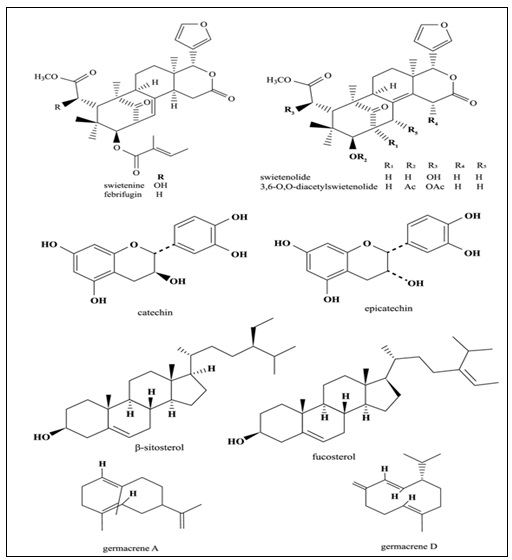
FIG. 1: CHEMICAL STRUCTURES OF SOME MAJOR CHEMICAL CONSTITUENTS ISOLATED FROM S. MACROPHYLLA
Pharmacological Activities of S. macrophylla:
Anti-diabetic/ Anti-hyperglycemic Activity: The standardized ethanolic seed extract (SMEE) produced significant anti-hyperglycaemic effects in Goto-Kakizaki rats (a non-obese T2DM model closely resembling human disease), reducing fasting blood glucose at 500 mg/kg with markedly improved oral glucose tolerance and minimal weight gain, while limonoids like swietenine and 3,6-O,O-diacetyl swietenolide enhanced glucose utilization, activated PPARγ, inhibited superoxide and nitric oxide production, and promoted GLUT4 translocation 6.
Complementary evidence from hydroalcoholic leaf extract (HASM) exhibited strong in-vitro inhibitory activity against α-glucosidase (IC50 of 107.11 µg/mL) and α-amylase (IC50 of 75.69 µg/mL) 27. In STZ nicotinamide diabetic rats, oral HASM (for 21 days, 200- 400 mg/kg/day) dose-dependently lowered the fasting glucose (to 179-158 mg/dl vs. 327 mg/dl in controls), improved glucose tolerance, restored body weight and lipid profiles, normalized liver/kidney markers, reduced LDH, and promoted pancreatic β-cell regeneration and islet restoration, notably at 400 mg/kg 27. In alloxan-induced diabetic rats, bark extracts also showed clear hypoglycaemic activity 62, while other extracts demonstrated multi-mechanistic hypoglycaemic effects in neonatal diabetic models via glucokinase activation, β-cell regeneration, and reduced renal glucose excretion, favouring insulin centric pathways over glucosuria 46.
Endophytic fungi associated with the seeds further contribute to the plant’s anti-diabetic potential, ethyl acetate extracts from S. macrophylla seeds isolated Alternariaalternata BRN05 displayed potent α-glucosidase inhibition, with quarter strength medium extract (EQS) achieving an IC50 values of 0.01482 ± 1.809 mg/mL substantially superior to full strength extract and the standard acarbose (IC50 values of 0.494 ± 0.009 mg/mL) 60. UHPLC-ESI-QTOF-MS identified 19-20 metabolites where molecular docking and MD simulations confirmed superior binding affinities for several compounds, notably, alternariol 9-methyl ether (AME; -7 kcal/mol) and 3', 4', 7-trihydroxyisoflavanone (THF; -7.5 kcal/mol) position THF as a promising lead compound for novel α-glucosidase inhibitors that may involve fewer gastrointestinal side effects 60. Swietenine, the predominant limonoid in S. macrophylla seeds has been repeatedly validated as a central bioactive principle 63. Swietenine improved cardiac function in diabetic complications in high glucose-stimulated H9C2 cardiomyocytes and db/db mice 63. It also exerted dose-dependent hypoglycaemic activity in neonatal STZ type 2 diabetic rats (25-50 mg/kg), comparable to glibenclamide 54, and produced synergistic glucose lowering effects with metformin in STZ induced models, restoring normoglycaemia where either agent alone was insufficient 64.
Other limonoids (e.g., compounds 1, 2, 3) demonstrated concentration-dependent α-amylase inhibition 47, while swietenine, swietenolide, khayasin T, 6-deoxyswietenine, and proceraolide enhanced glucose uptake in insulin-resistant HepG2 cells, upregulated PPARγ and PDX-1 expression, protected β-cells against oxidative stress, and boosted insulin secretion 21, 41. Seed extracts additionally target the hexosamine biosynthetic pathway by inhibiting glutamine:fructose-6-phosphate amidotransferase (GFAT), with swietenine, swietenolide, β-sitosterol, and fucosterol showing strong binding affinities (-6.58 to -7.71 kcal/mol) 51. In STZ-induced rats, ethanolic seed extracts (50-300 mg/kg) consistently reduced fasting blood glucose, elevated serum insulin, liver glycogen, and haemoglobin, and lowered glycosylated haemoglobin 2, 36, 65, 66 and restored carbohydrate metabolism by increasing glucokinase/hexokinase activity while suppressing gluconeogenic enzymes like fructose-1,6-bisphosphatase and glucose-6-phosphatase 36, 65.
The 100 mg/kg dose often produced near normalisation with histological evidence of β-cell preservation 36, 65. Methanolic extracts lowered cholesterol and triglycerides 4, while petroleum ether extracts enhanced peripheral glucose utilization via insulin mimetic effects, increased muscle glucose uptake, and reduced serum lipids 15 without significant intestinal α-glucosidase inhibition 57. Aqueous extracts reduced fasting glucose and improved muscle glucose utilization 26, and nanoparticle formulations of ethanol extract further amplified efficacy at 300 mg/kg 66. These extracts also inhibited α-amylase (ethanol extract, IC50 value of 0.069 mg/mL, comparable to acarbose) 30 and α-glucosidase, delayed postprandial hyperglycaemia 67, and upregulated PPARγ, adiponectin, adipsin, and GLUT4 32, 61 while downregulating PEPCK and RBP4 7, 68. Saponins derived from the seeds improved insulin sensitivity and reduced HOMA-IR 61, while specific alkaloids and flavonoids isolated from seeds stimulated insulin release and demonstrated significant hypoglycemic activity 69, 70. Saponins are also recognized for their overall hypoglycemic properties in blood sugar management 17. One study noted no significant α-glucosidase inhibition by certain seed compounds under optimized assay conditions 71, highlighting the need for standardized methodologies. Recent studies in human relevant T2DM models 6 and the identification of high potency fungal metabolites 60 further strengthen its therapeutic promise.
Anti-hyperlipidemic Activity: Swietenine significantly lowered elevated serum total cholesterol from (62.33 ± 6.22) mg/dl to (49.00 ± 5.06) mg/dl and triglycerides from (158.7 ± 7.94) mg/dl to (81.83 ± 3.55) mg/dl, supporting its role in improving diabetic dyslipidemia 10. In type 2 diabetic rat models, both swietenine and methanol seed extract effectively lowered serum cholesterol and triglyceride levels and restored liver glycogen content to normal values 2, 54, with dose-dependent reductions in triglycerides (10.41-45.41%) and cholesterol (18.56-29.12%) observed for methanolic seed extract (300 mg/kg) and swietenine (25-50 mg/kg) respectively 7. In a dose-dependent manner, treatment with swietenine increased HDL levels, and potentiated the lipid regulating effects of metformin 64. Similarly, seed alkaloid extracts enhanced lipid profiles by markedly lowering total triglycerides, LDL, and cholesterol while elevating HDL levels by up to 53.7%, although excessive doses were noted to potentially induce pro-oxidant effects that could reverse triglyceride reduction 61, 70. Aqueous seed extract markedly reduced plasma levels of total triglycerides, cholesterol, and LDL cholesterol in diabetic rats 72. Likewise, alcoholic seed extract (50-200 mg/kg) over 45 days markedly reduced total cholesterol, triglycerides, LDL, and VLDL in plasma, liver, and kidney tissues while elevating HDL, with the 100 mg/kg dose showing the most pronounced normalizing effect 65.
The leaf extract of Swietenia macrophylla (SLE) demonstrated hepatoprotective potential against MASLD by significantly reducing lipid accumulation in primary mouse hepatocytes where at 40 μg/mL, SLE suppressed protein expression and SREBP-1c mRNA by 48.07% and 60.69% respectively 73. Its active limonoid constituent, senegalension B, showed comparable inhibition (34.34% protein and 55.42% mRNA) and suppressed SREBP-1c promoter activity where molecular docking and dynamics simulations indicated direct interaction of senegalension B with SREBP-1c 73.
Antihypertensive Activity: Cycloartane triterpenoids isolated from Swietenia macrophylla leaves exhibit potent ACE inhibitory activity, with the most active compound displaying mixed-type inhibition (IC50 = 57.7 ± 6.07 μM) by competitively occupying the enzyme’s active site through hydrogen bonds along with hydrophobic interactions as potential antihypertensive agents 74. Ethanol and 50% ethanolic seed extracts demonstrate significant vasorelaxant and antihypertensive effects in isolated rat aortas and hypertensive animal models where these extracts induce potent, dose-dependent vasorelaxation (EC₅₀= 0.007 ± 0.002 mg/mL for the 50% ethanolic extract) through multi targeted pathways, primarily involving blockade of voltage operated calcium channels, opening of multiple potassium channels (KCa, KV, Kir, KATP), IP3 receptor inhibition, and activation of endothelium dependent and independent mechanisms including the NO/sGC/cGMP pathway and β2-adrenergic receptors 75. In addition, chronic oral administration also significantly lowers both systolic and diastolic blood pressure 75. Furthermore, seed extracts may contribute to hypertension management by modulating carbonic anhydrase (CA) activity, given the association of elevated CA levels with high triglycerides and malondialdehyde in hypertensive conditions 72.
Cardioprotective Activity: Swietenia macrophylla demonstrates substantial cardioprotective potential, particularly in diabetic cardiomyopathy (DCM), where swietenine alleviates cardiomyocyte inflammation, attenuates myocardial hypertrophy, and reduces fibrosis by upregulating NAMPT and SIRT1 protein levels, thereby ameliorating cardiac dysfunction and safeguarding heart tissue from high glucose induced damage 63. In STZ induced diabetic rat models, S. macrophylla extract nanoparticles exert dose-dependent cardioprotection by specifically lowering serum cardiac injury markers such as lactate dehydrogenase (LDH) and creatine kinase myocardial band (CK-MB), effectively preventing cardiac tissue necrosis and preserving normal cellular structure 76.
Ether seed extract and its 28 tetranortriterpenoids (structurally related to swietenine/swietenolide) further contribute by strong inhibition of platelet aggregation induced by PAF (platelet-activating factor) was observed both in vitro and in vivo 4. These benefits are reinforced through attenuation of apoptosis in cardiac related cell models and alignment with traditional use in hypertension management, achieved by downregulation of the pro-apoptotic protein Bax together with upregulation of the anti-apoptotic protein Bcl-2 inhibits the mitochondrial apoptosis pathway, thereby maintaining cellular integrity against oxidative insult 21. Constituent notably swietenine, additionally regulate lipid profiles by lowering LDL, triglycerides, and cholesterol while raising HDL, conferring cardioprotective advantages in diabetes where sustained hyperglycemia drives long term cardiovascular compromise 64.
Swietenine specifically attenuates cardiac pathological remodeling by reducing myocardial cell enlargement and suppressing hypertrophic biomarkers like brain natriuretic peptide (BNP) and atrial natriuretic peptide (ANP) through repression of Akt and CREB phosphorylation signaling pathways, thereby intervening early to prevent heart failure progression 77. By lowering the atherogenic index of plasma (AIP), which is defined as log (TG/HDL), the seeds enhance this activity and leveraging antioxidant mechanisms to inhibit LDL oxidation, which delays atherosclerosis and ischemic heart disease 61. Fruits of the species support improved blood circulation and treatment of hypertension related conditions, with limonoids such as swietemacrolide C and swieteliacate D exhibiting protective effects against apoptosis induced by H2O2 in human umbilical vein endothelial cells (HUVECs) avert vascular dysfunction and heart failure 42.
The vasorelaxant and blood pressure lowering actions of the 50% ethanolic seed extract underpin broader cardiovascular protection through modulation of multiple ion channel and signaling pathways 75.
Renoprotective Activity: Swietenia macrophylla effectively alleviates tubular injury through enhanced mitophagy, which restores mitochondrial function and reduces ROS production via activation of the PINK1/PHB2/Acsf2 signaling pathway, as confirmed by Mdivi-1 and siRNA studies 78. S. macrophylla extract provides renoprotection by downregulating SGLT2 expression, preserving brush borders, reducing inflammation, epithelial thinning, and intraluminal casts, while its saponin content suppresses TGF-β1 and fibronectin to limit fibrosis 46. Natural swietenine further reduces diabetic nephropathy through inhibition of NF-κB signaling and NLRP3 inflammasome in mesangial cells by improving renal parameters such as uric acid, urea nitrogen, creatinine, and protein excretion 79.
Antioxidant Activity: Swietenia macrophylla bark extract exhibits strong DPPH radical scavenging, with water extracts displaying the highest overall capacity (27.22 µmol TE/g) despite lower phenolic and flavonoid contents than ethanol extracts which suggests that water soluble compounds, including dihydropyridine alkaloids, are major contributors 62. Further differentiation within the bark reveals that the outer layer outperforms the inner bark owing to elevated total phenolic content, particularly catechol, whose ortho-hydroxyl configuration facilitates efficient ROS neutralization, a strong linear correlation between phenolic levels and DPPH activity confirms phenolics as the dominant mechanism 80. Electrochemical analyses using cyclic and differential pulse voltammetry corroborate the presence of multiple redox active antioxidants in bark extracts, with lower oxidation potentials correlating to higher capacity 81. Hydroalcoholic leaf extract (HASM) yields IC50 values of 74.75 ± 1.33 µg/mL (DPPH), 94.77 ± 1.08 µg/mL (nitric oxide scavenging), and 82.29 ± 1.40 µg/mL (FRAP), values indicative of potent free radical scavenging linked to its phenolic and flavonoid profile 27. Methanolic leaf extract achieves even greater potency (IC50 values of 7.67 ± 0.29 µg/mL in DPPH assay), surpassing the reference catechin and again attributed to tannins and flavonoids 39. Aqueous leaf extracts (decoctions or infusions) maintain high total phenolic content (228.10-245.15) mg GAE/g and TEAC values (2.11-2.43) mmol TE/g, comparable to other polyphenol rich Amazonian species, with preparation method exerting negligible influence on efficacy 82. Ethanolic seed nanoparticles (300 mg/kg) and crude extracts effectively scavenge ROS (O₂⁻, OH⁻, H2O2), lower kidney MDA, and elevate SOD and GPx in streptozotocin-induced diabetic rats 66, with effects driven by phenolics, limonoids, and swietenine 4, 66 and likely involving Nrf2 pathway activation 66. Supercritical CO₂ extracted seed oil outperforms Soxhlet ethanol extraction in DPPH scavenging (45.95 ± 0.3 % inhibition) 13, while untreated seed oil reaches 87.69 % DPPH inhibition, with total phenolics contributing to overall capacity 33.
Among isolated compounds, khayanolide B demonstrates superior activity (IC50 values of 3.18 µg/mL vs. 7.18 µg/mL for ascorbic acid), with DFT computations reveal that mechanisms are environment-dependent, featuring hydrogen atom transfer in non-polar solvents and sequential proton loss electron transfer in polar media where both focused at the centered C-6 methine, which presents the lowest BDE of 72.9-73.8 kcal/mol. 83. Swietemacrophyllanin, isolated from bark but also relevant to seed fractions, records an IC50 values of 56 µg/mL in DPPH assay, outperforming trolox 84. Swietenine activates the AKT/Nrf2/HO-1 pathway in H2O2-stressed HepG2 cells, promoting AKT phosphorylation, nuclear translocation of Nrf2, and upregulation of HO-1 85.
In LPS-stimulated macrophages, it also activates the NRF2/HO-1 antioxidant pathway, upregulating HO-1 and NQO-1 85, 86. Pharmacological inhibition of PI3K/AKT or Nrf2 silencing abolishes this protective antioxidant effect 85. Hyperglycemia (from 209.9 ± 7.71 to 98.67 ± 9.11 mg/dL) is reversed in diabetic C57BL/6J mice (induced by a high-fat diet plus streptozotocin) following the oral administration of swietenine (80 mg/kg on alternate days for 8 weeks) 10, restores serum GSH (from 0.71 ± 0.18 to 2.02 ± 0.08 nmol/µL) and TAC (from 143.90 ± 17.36 to 310.50 ± 17.65 nmol/µL), and lowers MDA (from 7.98 ± 2.74 to 3.45 ± 0.49 nmol/µL) 10 via Nrf2-driven gene expression 10, 21. Swietenolide similarly reverses hyperglycemia induced redox imbalance in db/db mice and HT22 cells by elevating SOD and GSH while suppressing MDA 87. Synergistic enhancement occurs when swietenine is combined with metformin, further elevating TAC and GST while reducing MDA 64. In-vivo evidence consistently supports translational relevance where ethanolic seed extract elevates vitamins C and E alongside glutathione in plasma, kidney, and liver of streptozotocin diabetic rats 7. In the same model, administering the seed extract (at an optimal dose of 100 mg/kg) for 45 days restores enzymatic and non-enzymatic antioxidants while suppressing lipid peroxidation in the kidney, liver, and plasma 65. Seed extract administration also lowers systemic MDA, a major lipid peroxidation biomarker, in diabetic rodents 88.
Silver nanoparticles synthesized from the plant extract display moderate DPPH, ABTS, superoxide, and hydroxyl scavenging, attributable to surface bound polyphenols and flavonoids 11. The water fraction (SMWF) additionally exhibits dose-dependent DPPH/ABTS scavenging and ferrous-iron chelation, correlated with high phenolic content and distinct from the weaker activity of the hexane fraction 8.
Anti-inflammatory Activity: Swietenine separated from S. macrophylla exerts strong anti-inflammatory effects in diabetic cardiomyopathy by significantly reducing cleaved Caspase-1 p20, pro and mature IL-1β, and IL-18 levels where this effect is mediated via upregulation of the NAMPT/SIRT1 pathway, where NAMPT knockdown abolishes the protective effects, while SIRT1 activation restores them 63. Similarly, swietenolide (Std) demonstrates neuroprotective anti-inflammatory activity in diabetic models by dose-dependently reducing pro-inflammatory cytokines such as TNF-α and IL-1β through Nrf2 activation, that suppresses the TXNIP/NLRP3 inflammasome pathway in both db/db mouse hippocampus and high glucose treated HT22 cells 87. Crude extracts and isolated compounds from different parts of the plant also inhibit upstream inflammatory processes. At 1,000 mg/kg, the ethanolic seed extract achieved 79% suppression of carrageenan-induced paw edema in mice, outperforming methanol fraction (60%) and hexane fraction (23%) 7. Additionally, six limonoids from the fruit methanolic extract (ethyl acetate fraction) potently inhibited superoxide anion generation in human neutrophils (IC50 ≤ 35.7 µM) 7. Comparable efficacy was reported for the crude ethanol seed extract (1 mg/g body weight), which produced 79% inhibition of carrageenan induced inflammation, with solvent fractions showing lower activity (methanol 60%, hexane 23%) 89. At a lower dose (100 mg/kg), the seed extract still yielded 47.06% inhibition, comparable to ibuprofen, while isolated fruit limonoids suppressed superoxide anion generation, thereby limiting pro-inflammatory responses 15. Limonoids, such as swietemacrophin, swietemahonin E, 3-O-tigloylswietenolide, swietenine, and several acetylated derivatives (e.g., 3-O-tigloyl-6-O-acetylswietenolide, 6-O-acetyl-3'-demethyl-swietephragmin E, 3,6-O,O-diacetylswietenolide, and 6-O-acetylswietemahonin G), consistently exhibit strong inhibition of nitric oxide (NO) production in LPS-stimulated murine macrophages 90 and generation of superoxide anions in fMLP-stimulated human neutrophils 53.
The most active compounds, 3-O-tigloyl -6-O-acetylswietenolide and 6-O-acetylswietemahonin G, displayed IC50 values of 27.6 ± 1.7 µM and 27.9 ± 2.4 µM, respectively 53. These limonoids also down regulate pro-inflammatory cytokines (IFN-γ, IL-6, IL-1β, and TNF-α), COX-2, and NF-κB expression while up regulating Nrf2, thereby combating oxidative stress 9, 86. In RAW 264.7 cells, phragmalin-type and Mexicanolide-type limonoids from leaves and fruits likewise inhibit NO production40. Formulation strategies further enhance efficacy in nano-emulsion delivery of seed oil increased paw edema inhibition to 76.4% compared with raw oil 9, and a 10% bark extract gel reduced carrageenan induced rat paw edema by 41.93%, nearly matching the commercial corticosteroid desoximetasone (44.38%) 43.
The anti-inflammatory effects displayed by the separated new compounds 1, 2, and 3 revealed that compounds 2 and 3 showed significantly higher efficacy in preventing protein denaturation than compound 1, with compound 3 exhibiting a clear concentration-dependent increase in activity 47. Polyphenols such as catechin contribute to synergistic effects by inhibiting cyclooxygenase and lipoxygenase enzymes, significantly reducing leukocyte infiltration following muscle injury 91. Aqueous leaf extract (AEML, 50 mg/kg) administered orally in a 6-OHDA-induced Parkinson’s disease model reduced IBA-1⁺ microglial cells and GFAP⁺ astrocyte expression, indicating beneficial modulation of neuroinflammation attributable to the extract’s phenolic constituents 92. Moreover, acute anti-inflammatory effects have been confirmed in indomethacin induced animal models 17.
Hepatoprotective Activity: Investigations have demonstrated that the plant effectively protects the liver against carbon tetrachloride (CCl4)-induced damage, where 25% CCl4 in liquid paraffin was administered intraperitoneally at 5 mL/kg body weight to male albino rats weighing 130-140 g 17.
Neuroprotective Activity: Swietenolide (Std) protects against diabetes-related cognitive dysfunction by improving memory and spatial learning while preserving hippocampal neuronal integrity, mitigating oxidative stress and inflammation through Nrf2 pathway activation and TXNIP/NLRP3 inflammasome inhibition (increasing SOD and GSH while reducing MDA and proinflammatory cytokines), effects that are abolished by ML385 87. It demonstrates promising neuroprotective potential against Alzheimer’s disease by multiple ameliorative mechanisms, primarily targeting cholinergic deficits, apoptosis, mitochondrial dysfunction, neuroinflammation, and oxidative stress, with these properties position it as a candidate for adjunctive therapy, where current treatments like acetylcholinesterase inhibitors (AChEIs) provide only symptomatic relief with notable side effects 3.
Seed triterpenoids swietenine and khayasin T outperform latrepirdine in stabilizing bovine serum albumin to prevent protein aggregation in neurodegenerative diseases, forming more stable complexes with higher binding occupancy and lower conformational fluctuation 48. Seed extract (SMSE) protects against lead induced degeneration by improving spatial memory, learning, and motor coordination, while reducing systemic lead and nitrate levels, suppressing TNF-α-mediated inflammation, clearing β-amyloid plaques and microglial activation, and preserving hippocampal architecture 93. These effects are supported by antioxidant and anti-apoptotic mechanisms, including Caspase-3 inhibition and Bcl-2/Bax regulation 21, with fruits contributing bioactive ingredients, although isolated compounds showed no obvious acetylcholinesterase inhibition 71. Leaf aqueous extract (50 mg/kg/day) confers neuroprotection in 6-OHDA induced parkinsonian mice through phenolic compounds that combat oxidative stress and inflammation, partially preserving the nigrostriatal dopaminergic pathway and improving behavioral outcomes 92. The ethyl acetate fraction (SMEAF) displays significant neuroprotective activity in primary neuronal cells 8, substantially enhancing viability against TBHP induced oxidative stress in MTT assays 94.
Anti-cancer Activity: Biosynthesized silver nanoparticles (SM-AgNPs) prepared from S. macrophylla exhibit markedly enhanced potency compared with crude extracts or conventionally synthesized nanoparticles where SM-AgNPs showed potential cytotoxic activity against MCF-7 breast cancer cells with an IC50 value of 2.1 µg/mL, selectivity index = 5 11 and antiproliferative effects against A549 lung adenocarcinoma cells (IC50= 7.54 ± 0.07 µg/mL) via ROS induced oxidative stress, mitochondrial membrane sensitization, DNA damage, nuclear morphological changes, and S phase cell cycle arrest leading to apoptosis 95. Similarly, ZnOnano-rice particles biosynthesized using the ethyl acetate fraction (SMEAF) showed superior anticancer activity against HCT-116 colon cancer cells compared to SMEAF or chemically synthesized ZnO alone, attributed to improved phytochemical delivery and synergistic nanoparticle extract interactions 12.
Crude and fractionated extracts, particularly ethanolic seed extracts and their ethyl acetate fraction (SMEAF), have been extensively evaluated, SMEAF consistently produced the strongest cytotoxicity against HCT-116 cells (IC50 = 35.35 ± 0.50 µg/mL) and demonstrated activity against additional lines including KB (Oral cancer), Ca Ski (Cervical cancer), and MCF-7 4, 7. The ethyl acetate fraction triggers apoptosis through DNA fragmentation, phosphatidylserine externalization, sub-G1 cell cycle arrest, mitochondrial membrane potential collapse, intracellular glutathione depletion, p53 upregulation, subsequent activation of the caspase cascade (caspases-9, caspases-3, and caspases-7), along with an increased Bax/Bcl-2 ratio 2, 38, 96. Chloroform seed extracts (SMCE) and the isolated limonoids swietenine and swietenolide further inhibit HCT-116 proliferation by suppressing the MDM2-p53 signaling pathway, with swietenolide proving more potent (IC50 = 5.6 µM; selectivity index = 12.8) than swietenine or the crude extract 55. Leaf extracts and the isolated limonoid L1 specifically target HCT-116 colorectal cancer cells, inducing DNA damage and apoptosis by down regulating anti-apoptotic BCL2 while up regulating pro-apoptotic TP53, ATM, and CASP3, resulting in G2/M phase arrest and significant inhibition of colony formation 97.
Subfraction 7b of ethyl acetate seed extracts achieved 76.49% growth inhibition at 50 µg/mL against MCF-7 breast cancer cells 98. Isolated compounds and specific structural classes such as polyacetylenes from roots displayed selective cytotoxicity against hepatocellular, myeloid leukemia, and gastric carcinoma lines, with compounds 1 and 6 showing the strongest effects (IC50 range 14.3 µM to 45.4 µM), the epoxy group in compound 6 appears to enhance genotoxicity 52. Against HL-60 leukemia (IC50 = 32.9 µM) and SW480 colon cancer (IC50 = 30.6 µM) cells, compound 2 isolated from fruits demonstrated moderate cytotoxicity 99. Swieteliacate B demonstrated activity against SW480 and HL-60 lines 26, while limonoid compound 19 potently inhibited A375 melanoma cells (IC50 = 9.8 µM), outperforming dacarbazine through G2/M phase arrest and apoptosis induction 40.
In contrast, five isolated limonoids (1-5) lacked significant cytotoxicity against KB carcinoma and A549 lung cancer cells 49. Additional limonoids, including 6-O-acetylswietephragmin E, have been highlighted for colorectal cancer potential 45, and compounds like swietenolide, methyl angolensate, 7-deacetoxy-7α-hydroxygedunin, and swietenine acetate have shown activity against HuH-7 liver cancer cells 26. Silico evidence supports the experimental findings where docking of 80 seed compounds against breast cancer receptors (ER-α, PR, IGF-1R, VEGFR2, FGFR1) identified 12 lead molecules whose binding profiles align with observed cytotoxicity against MCF-7 (IC50 = 34.11 µg/mL), colorectal, and melanoma cells where the main leads 3β,6-dihydroxy-dihydrokarapin, 7 – hydroxyl – 2 - (4 – hydroxyl-3-methoxyphenyl)-chroman-4-one, and stigmasterol mimic established clinical inhibitors at hormone binding or allosteric sites and are predicted to possess oral bioavailability despite minor Lipinski violations 34. Additionally, crude extracts and fractions display antitumorpromoting activity through the inhibition of TPA (12-O tetradecanoylphorbol-13-acetate) induced EBV-EA (Epstein Barr virus early antigen) activation 15, 89.
Anti-melanogenic Activity: In zebrafish models, Swietenia macrophylla seed extract significantly reduced melanin content and tyrosinase activity, producing a whitening effect comparable to the standard control phenylthiourea (PTU) and the crude extract, hexane fraction outperformed, indicating possible synergistic interactions among its phytocompounds 23. Proteomic analysis and molecular docking studies further revealed that specific limonoids in the extract effectively downregulate major melanogenic proteins and exhibit stronger binding affinities to TYRP-1 (Tyrosinase-related protein 1) compared to kojic acid, supporting their potential as effective natural candidates for skin whitening 23. Additionally, S. macrophylla seed extracts can inhibit unwanted melanin accumulation, which commonly results from UV radiation exposure and subsequent activation of the melanogenesis pathway 9.
Antibacterial Activity: Silver nanoparticles synthesized with S. macrophylla extract (SM-AgNPs) exhibit clear dose-dependent antibacterial activity against major pathogens such as Klebsiella pneumoniae, Staphylococcus aureus, Salmonella typhi, and Pseudomonas aeruginosa, outperforming conventional silver colloids in bactericidal effectiveness 11. Methanolic seed extracts produce significant dose-dependent inhibition against S. aureus and Escherichia coli, achieving peak zones of 16 ± 1.15 mm and 15 ± 0.33 mm at 80 mg/mL, respectively, with activity linked to bioactive secondary metabolites and comparable to streptomycin 19. Methanol extracts consistently outperform aqueous counterparts across multiple pathogens (P. aeruginosa, Bacillus cereus, and K. pneumoniae), with Escherichia coli MTCC 443 particularly susceptible 7. Crude methanolic extracts from seeds show the highest inhibitory efficacy against E. coli and S. aureus (peaking at 50 μg/mL) compared with leaf or central fruit axis fractions 100. Broader seed extract studies confirm activity against clinical wound pathogens, with greater potency against gram-positive bacterial strains (Bacillus cereus, Bacillus subtilis, and Staphylococcus aureus) and concentration-dependent time kill kinetics achieving 99.9% reduction in B. subtilis within six hours at MBC levels 16.
Crude alkaloid fractions from seeds further demonstrate strong broad-spectrum effects, often surpassing leaf alkaloids, with inhibition zones up to 21 mm against S. aureus and MIC/MBC values ranging from 12.5-50 mg/mL 14. Ethyl acetate seed extract enhances Caenorhabditis elegans survival against P. aeruginosa infection by upregulating innate immunity genes such as lys-7 2, and certain limonoids reduce MRSA virulence in vivo despite limited direct in vitro growth inhibition 9. Seed oil studies reported activity against P. aeruginosa, S. typhimurium, and S. aureus (max 20 mm zones), though E. coli showed complete resistance in some assays 31, 101. The optimized 5% (w/v) acetone bark extract produces clear zones of 21 mm against Bacillus sp. and 18 mm against S. aureus but shows no effect on gram-negative E. coli or Serratia marcescens 81.
Leaf extracts exhibit more variable activities. Some demonstrate selective gram-positive inhibition with no activity against gram-negative strains 39, 102, while others show broad spectrum effects against E. coli, Salmonella typhi, and, S. aureus with ethyl acetate and methanol fractions achieving 17-20 mm zones and MIC/MBC ranges of 50-200 mg/mL 103. Petroleum ether leaf extracts provide strong dose-dependent protection (up to 20%) against E. coli, P. aeruginosa, and MRSA, with ethanolic fractions matching chloramphenicol potency against MRSA 35. Ethanolic leaf extracts additionally inhibit foodborne pathogens such as Salmonella typhimurium, E. coli, Shigella sonnei, and P. aeruginosa, with MIC values as low as 31.25 μg/mL for E. coli and P. aeruginosa 44. Limonoids isolated from Swietenia macrophylla, such as swietenolide and the more potent 2-hydroxy-3-O-tigloylswietenolide exhibits strong antibacterial effects across eight distinct bacterial strains 56. Swietenine and swietenolide are credited with broad-spectrum effects, demonstrating effectiveness against multiple drug-resistant strains such as Klebsiella pneumoniae and Streptococcus pneumoniae 9. Both swietenine and swietenolide exhibit notable antimicrobial properties, with swietenolide in particular demonstrating potent growth-inhibitory effects against a broad range of pathogens, specifically four gram-positive and four gram-negative bacterial strains 4, 21. Flavonoids from seeds exert concentration-dependent effects, showing greater efficacy against gram-negative E. coli (18.50 mm) than gram-positive B. cereus via β-glucuronidase mediated conversion to toxic metabolites 104. In contrast, certain isolated compounds tested at 50 mg/mL produced negligible zones (<7 mm) against S. aureus and Ralstonia solanacearum 71, indicating structure and concentration specific limitations. Endophytic fungi and host microbe interactions further expand the plant’s antimicrobial activity. Aspergillus sp. IBRL MP15 CCL metabolites exhibit concentration-dependent bacteriostatic to bactericidal effects, with host extracts markedly boosting potency 105. Ethyl acetate extracts of leaf endophytes demonstrate wider inhibitory ranges against gram-negative and gram-positive pathogens, such as MRSA, P. aeruginosa, and B. subtilis, than methanolic fractions 106.
Antifungal Activity: Methanol extracts inhibit Fusarium sp., Alternaria sp., Helminthosporium sp., and the yeast Candida utilis, with efficacy increasing linearly with concentration 9, 17. Similarly, both methanol and aqueous fractions are effective against Aspergillus flavus, A. niger, Cryptococcus albidus, and Candida albicans, with C. albidus showing the greatest susceptibility and methanol extracts proving superior 7. Ethyl acetate and aqueous fractions of the seeds further exhibit pronounced activity against clinical isolates of C. albicans, A. niger, and A. flavus where among isolated compounds, swietenolide is the most potent, but swietenine acetate displays no inhibitory effect 107. Limonoid fractions from seeds produce zones of inhibition exceeding 11 mm against C. albicans and >29 mm against Aspergillus fumigatus, values comparable to Caspofungin, these fractions also exhibit synergistic enhancement when combined with Triphasia trifolia extract, achieving a MIC (minimum inhibitory concentration) of 31.25 mg/mL 108.
The isolated limonoid khayanolide B exhibits remarkable broad-spectrum suppression of mycelial growth in a dose-dependent manner against Sclerotium rolfsii, Fusarium oxysporum, Botrytis cinerea, and Phytophthora species 25. However, not all limonoid preparations are uniformly active, certain compounds screened at 50 mg/mL against Fusarium oxysporum f. sp. vasinfectum and Fusarium oxysporum f. sp. cubense produced inhibition zones <7 mm, indicating negligible antifungal effect 71, and isolated triterpenoids (compounds 1-3) similarly failed to inhibit A. niger at concentrations of 0.05-0.2 mg 47. Leaf extracts achieve complete growth inhibition of C. albicans, Aspergillus species, and the dermatophyte Trichophyton mentagrophytes at concentrations as low as 83 µg/mL, with activity increasing dose-dependently up to 333 µg/mL 35. Triterpenoids and limonoids function as constitutive defense compounds, effectively targeting the groundnut rust Puccinia arachidis and C. albicans 15. Endophytic fungi harbored within the plant display targeted fungicidal activity against yeasts (Cryptococcus neoformans and C. albicans, MIC 250 µg/mL) but are largely ineffective against filamentous species such as A. fumigatus, a selectivity attributed to eukaryotic cell wall similarities between the endophyte and non-susceptible fungi 105. Endophyte isolates also inhibit A. fumigatus, Microsporum fulvum, T. rubrum, and Rhizopus sp., although secondary screening frequently reveals reduced potency, possibly due to the high chitin content and structural complexity of fungal cell walls 106. Silver nanoparticles synthesized using S. macrophylla (SM-AgNPs) have shown significant antifungal action against Fusarium graminearum, Alternaria alternata, and C. albicans 11. In parallel, the swietenolide isolated from mature seeds produces a 30 mm clearing zone (activity index 2.0) against the dermatophyte T. mentagrophytes at 90 µg and its monoacetyl and diacetyl derivatives are markedly less potent, and the parent compound is inactive against C. albicans 109.
Antibiofilm Activity: Biofilm formation by all four gram-positive pathogens (Bacillus cereus ATCC 11778, Clostridium sporogenes ATCC 13124, Staphylococcus aureus ATCC 33862, and Streptococcus pneumoniae ATCC 19615) was significantly inhibited (p < 0.05) by the methanolic extract of Swietenia macrophylla leaves (SMME) in a non-concentration-dependent manner across 31.3-1000 µg/mL where the biofilm inhibition ranged from (8.27-66.34)% (S. pneumoniae), (68.93-82.50)% (C. sporogenes), (13.76-44.59)% (B. cereus), (41.49-61.65)% (S. aureus), and time-kill kinetics revealed inhibition of S. pneumoniae and C. sporogenes biofilms starting at 12 h. BIC50 values indicated highest potency against B. cereus (33.86 µg/mL), followed by S. pneumoniae (85.44 µg/mL), S. aureus (228.3 µg/mL), and C. sporogenes (>1000 µg/mL) where the antibiofilm effect was attributed to SMME’s secondary metabolites, particularly β-amyrin (22.8%) 59. The ethanolic extract also demonstrates potent antibiofilm properties by effectively inhibiting the formation of pellicles and reducing total biofilm biomass in foodborne pathogens where biofilm inhibitory concentration (BIC50) values for the ethanolic extract range between 5.19 and 42.47 µg/mL, where these activities are linked to compounds like 2,4-di-tert-butylphenol and olean-12-ene through affecting cell surface hydrophobicity and inhibiting the initial steps of biofilm adhesion 44.
Antiviral/ Anti-herpetic Activity: A study on Swietenia macrophylla identified secomahoganin and stigmasterol as promising inhibitors target ACE2, the SARS-CoV-2 entry receptor and molecular docking revealed superior binding affinities for both compounds (-10.50 and -10.34 kcal/mol, respectively) compared to the natural ligand MLN-4760 (-7.10 kcal/mol) as they share critical amino acid interactions with the reference ligand and exhibit stable binding, making them strong candidates for development as anti-SARS-CoV-2 agents 110. Additionally, 7-deacetoxy-7-oxogedunin together with 3β-hydroxy-stigmast-5-en-7-one were identified as promising inhibitors targeting the SARS-CoV-2 papain-like protease (PLpro), with the former showing superior stability in molecular dynamics simulations 111. The lignan 3-hydroxycaruilignan C from stem ethyl acetate fraction showed anti-hepatitis C virus activity by enhancing interferon stimulated gene expression and synergizing with interferon-α and viral inhibitors 2, 112. Methanolic bark extract rich in chlorogenic acid, methyl esters, catechin, and gallocatechin displayed significant HIV-1 protease inhibitory activity 4, while tannins and beta carboline alkaloids further contribute to anti-HIV effects by inactivating various viruses including polio, herpes simplex, and inhibiting HIV-1 entry via gp41 113. Moreover, ethanol seed extract and isolated limonoids such as swietenine acetate, methyl angolensate, swielimonoid B, and swietenolide showed notable inhibitory effects against Dengue virus 2 with EC₅₀ values of (3.5-12.5) µM and favorable selectivity indices 114.
Antimalarial Activity: Methanol seed and bark extracts showed notable efficacy against P. vinckeipetteri, with 73% inhibition at 250 mg/kg in rodent in-vivo models, and 78% inhibition against chloroquine-resistant Plasmodium falciparum strains at 100 μg/mL 4. Aqueous seed extract additionally exhibited antibabesial effects 2. Various plant extracts overall exhibited potent antimalarial activity in screened samples, with inhibition ranging from 89.6% to 100%, an effect largely attributed to the presence of limonoids 15.
Wound Healing Activity: Swietenia macrophylla extracts and fractions, including crude ethanolic extract (SMCE) and its water (SMWF), ethyl acetate (SMEAF), and hexane (SMHF) fractions, enhanced keratinocyte proliferation and migration in-vitro, with SMWF achieving the highest 74.68% wound closure at 50 µg/mL in a 24h scratch assay due to its strong antioxidant and iron chelating activities 8. In-vivo, 10% w/w seed ointment promoted complete wound closure by day 15 in Sprague-Dawley rats where six days faster than controls via fibroblast proliferation, neovascularization, and organized collagen deposition, while also suppressing UVB mediated MMP-1 for photoaging reversal 9, 56. Leaf extract (96% ethanol) showed dose-dependent wound closure in rabbit incision models, with 20% concentration yielding (21.46±1.49) % healing, comparable to positive controls 115. Fractions rich in catechin further accelerated muscle regeneration through early fibroblast activity and robust collagen deposition 91. Tannins contribute by forming a protective barrier against infection, aiding burns, bleeding control, and ulcer healing 113. Histologically, the extract supports angiogenesis along with antimicrobial, anti-inflammatory, and analgesic effects for structured dermal recovery 56.
Anti-aging Activity: Molecular docking studies showing that Swietenia macrophylla seeds contain bioactive steroids and terpenoids, notably β-cytostenone, 3β-hydroxystigmast-5-en-7-one, and germacrenes A and D, which combat skin aging by inhibiting major degradative enzymes which mitigate up to 80% of UV-induced photoaging by blocking MMP-1 (matrix metalloproteinase-1) to preserve collagen, NEP to maintain elasticity, and PPO3 (tyrosinase) to prevent hyperpigmentation and reduce skin cancer risk 58. As they largely follow Lipinski’s rule of five, they exhibit high potential as drug-like agents for advanced dermatological anti-aging treatments 58. Seed extracts, particularly the hexane (SMHF) and ethyl acetate (SMEAF) fractions, provide strong anti-aging effects by countering UVB-induced extrinsic stressors that cause wrinkles, sagging, and irregular pigmentation while UVB triggers oxidative stress, DNA damage, and MMP-1-mediated collagen breakdown, these fractions restore cellular homeostasis through dual-action mechanisms 9. SMHF upregulates antioxidant pathways and heat shock proteins to aid protein repair, whereas SMEAF suppresses inflammation and prevents extracellular matrix degradation, by combining UV photoprotection with wound healing and cellular repair, they effectively mitigate skin structural decline, offering a potent natural alternative for advanced cosmeceutical formulations 86.
Anti-nociceptive and Analgesic Activity: Seed extracts are used as a natural method to manage chronic pain and clinical evaluations in albino rats using Novalgin as a reference have documented significant analgesic activity 17. The aqueous and ethanolic extracts of S. macrophylla fruits demonstrate significant analgesic effects across chemical and thermal pain models, in acetic acid induced writhing tests, an oral administration of 200 mg/kg of the ethanolic extract notably reduces the frequency of writhes in animal models and this anti-nociceptive activity is further confirmed by significant responses in tail-flick and hot-plate tests 37.
Antidiarrheal Activity: Tannins within the plant serve as effective astringents for treating diarrhea. Unlike treatments that stop the flow of disturbing substances in the stomach, these tannins control irritation in the small intestine and provide immediate relief for dysentery 113. At 100 mg/kg, the petroleum ether seed extract exhibited notable antidiarrheal activity comparable to standard drugs such as atropine sulphate and diphenoxylate, by reducing defecation frequency and improving fecal consistency in castor oil-induced models 15. The petroleum ether extract mechanistically suppresses gastrointestinal motility, reducing intestinal transit by up to 34.60%, while significantly inhibiting castor oil-induced enteropooling (fluid accumulation), an effect linked to steroids that may promote intestinal absorption of water and sodium 116.
Anti-pyretic Activity: Antipyretic activity was evaluated in male albino rats using the yeast-induced hyperthermia model for 90% ethanol extracts of Swietenia macrophylla stem bark and leaves where only the leaf extract demonstrated a moderate antipyretic effect at an oral dose of 100 mg/kg body weight, significantly lowering rectal temperature with higher efficacy noted at the 2 hours interval (potency = 0.5 relative to paracetamol 20 mg/kg). Conversely, negligible activity was shown by the stem bark extract (potency ≈ 0.18), suggesting that the antipyretic constituents of S. macrophylla are mostly concentrated within the leaves 117.
Anti-snake Venom Activity: Swietenia macrophylla leaf extracts, particularly those rich in catechin (F5 fraction) and the polar fraction Sm13-16,23, effectively neutralize Bothrops asper venom by inhibiting phospholipase A2 (PLA2) enzymes and these extracts prevent cell membrane damage, cytotoxicity, myonecrosis, and neuromuscular dysfunction by blocking the hydrophobic channel upon forming hydrogen bonds with residues such as Asp49 at the PLA2 active site 91, 118, 119. In-vitro studies further showed that fraction Sm13-16,23 inhibits myotoxic PLA2 and crotoxin from South American pit vipers (Bothrops asper and Crotalusdurissus cumanensis) with over 80% inhibition, demonstrating dose-dependent reduction in edema, cytotoxicity, and myotoxicity with greater potency against Lys49 than Asp49 variants 1, 118.
Anthelmintic and Anti-parasitic Activity: Aqueous and alcoholic bark extracts of Swietenia macrophylla exhibit dose-dependent anthelmintic activity against Eisenia andrei earthworms, with the alcoholic extract at 40 mg/mL proving the most potent (paralysis at 32.67 min; death at 34.67 min in test subject) 22. While both extracts outperformed lower concentrations, they remained less effective than the reference drug albendazole, which induced death in 13.67 minutes, where these findings specifically highlighting the superior efficacy of the high concentration alcoholic extract 22. Ethanol extracts of the leaves have demonstrated acaricidal activity, specifically showing effectiveness against Varroa destructor mites found within honeybee colonies 120. The plant extracts were screened and showed a potent inhibition range of 84.2% to 98.1% against Babesia gibsoni, a parasite that causes erythrocyte lysis similar to malaria 15.
Mosquito Repellent Activity: Herbal mosquito repellent cones formulated with Swietenia macrophylla seed extract and natural binders exhibited strong efficacy, with formulation F5 (highest extract and gum acacia) showing optimal performance where 18 min burn time, 0.17g ash, pleasant odor, non-irritating smoke, and maximum repellency (4 mosquitoes repelled) 19. Field trials in homes, labs, and classrooms confirmed effective mosquito control without irritation, positioning it as an eco-friendly, affordable, and biodegradable alternative to synthetics 19. Additionally, seneganolide isolated from the plant, potent larvicidal activity against Aedes aegypti larvae was demonstrated with LC90 values of (57.3-65.1) µg/mL and LC50 values of (34.1-44.1) µg/mL after 24h and 48h exposure, respectively, highlighting its promise for vector control 83.
Antifeedant Activity: Swietenia macrophylla employs sophisticated chemical defense by concentrating phragmalin-type limonoids in mature leaves, exhibiting strong antifeedant and growth inhibitory activity against the shoot borer Hypsipyla grandella, thereby protecting mature foliage and forcing larvae to feed on vulnerable young shoots with lower limonoid levels 50. Leaves also contain germacrene D and γ-himachalene, which attract H. grandella for oviposition 120. From the fruit acetone extract, four limonoids (3,6-O,O-diacetylswietenolide, swietemahonin F, 6-O-acetylswietenolide, and swietenolide) exhibited strong antifeedant activity against Spodoptera frugiperda larvae, with swietenolide recording the highest index of 94.1% at 1,000 ppm 121. Ethanol and hexane seed extracts further displayed antifeedant effects against S. frugiperda and striped cucumber beetle, albeit with moderate potency 15. Moreover, the plant harbors B, D-secolimonoids like bussein and entandrophragmin, which display feeding inhibition in Ostrinia nubilalis larvae at 500 ppm along with growth inhibition at 50 ppm 122.
Anticoagulant Activity: The pulp and seed extracts of the Swietenia macrophylla fruit demonstrate significant anticoagulant effects on experimental rat blood. Experimental results indicate that ethanolic extracts are particularly potent specifically at an 80% concentration, these extracts significantly increased blood clotting time. This anticoagulation activity was consistent across different extraction mediums, though the efficacy varied based on the concentration levels (20%, 40%, 60%, and 80%) and the part of the fruit used 123.
Anti-mutagenic Activity: Research into the seeds of S. macrophylla has revealed anti-mutagenic properties, indicating a protective effect against genetic mutations 21. In-vitro and animal studies indicate that the flavonoids in S. macrophylla possess antimutagenic activities, helping to protect genetic material from damage 113. The ethanolic seeds exhibit notable antimutagenic activity, as evidenced by results from the micronucleus test, the frequency of micronucleated polychromatic erythrocytes induced by the known mutagen mitomycin C was decreased by roughly 50% through administration of the crude extract at a dose of 0.02 mg per gram of body weight 89.
Toxicity and Safety Analysis: Acute oral toxicity assessments consistently classify S. macrophylla seed, leaf, and fruit extracts as practically non-toxic. In female Swiss albino mice, the hydro-alcoholic seed extract (HASM) produced no mortality, behavioral changes, or delayed toxic signs up to 2000 mg/kg body weight (OECD 425) where the median lethal dose (LD50) was therefore >2000 mg/kg, indicating that HASM is non-toxic at the tested doses 27. Comparable results were obtained with ethanolic or aqueous seed extracts in Sprague-Dawley rats and Balb/c mice (LD50> 2000 mg/kg), with no alterations in body weight, food or water intake, hematological or biochemical parameters, or histopathology of vital organs 20, 37, 93, 94. Leaf fractions (Sm13-16,23) showed no clinical or histopathological lesions at 300 mg/kg, although minor liver and kidney changes appeared at the limit dose of 2000 mg/kg 1. Aqueous seed extracts similarly exhibited no toxicity 72. These findings in together support a broad non-toxic therapeutic index for short-term exposure 57.
Subacute and repeated dose studies in diabetic and normal animal models further reinforce safety within effective dose ranges. Seed extracts (20-300 mg/kg) produced significant therapeutic effects without clinical signs or histopathological alterations in liver or kidney 32, 46. Swietenine (20-40 mg/kg) reversed diabetes-induced renal markers (urea, creatinine) without adverse effects in normal rats 64. Allometric conversion from a prior subacute trial supported a 50 mg/kg/day dose of aqueous leaf extract for Parkinson’s models with no reported toxicity 92. Ethanolic extracts showed only mild effects in long-term (72-day) nanoparticle studies 66, 76.
In-vitro cytotoxicity and genotoxicity data are concentration and solvent-dependent. Genotoxicity of silver nanoparticles (SM-AgNPs) was minimal at ≤5 µg/mL, supporting biocompatibility 11. Zebrafish embryo assays (24 hpf, up to 100 µg/mL) revealed no mortality or morphological defects for crude ethanolic extract or fractions 23. MTT assays on HaCaT keratinocytes demonstrated that crude seed extract (SMCE) was most cytotoxic (significant viability reduction from 12.5 µg/mL), while fractionated preparations, particularly the hexane fraction (SMHF), exhibited markedly lower or negligible toxicity up to 100 µg/mL 8, 86. Aqueous extracts restored β-cell function in diabetic rats without histopathological changes 13. Specific limonoids (e.g., swietemacrophin, swietenine) maintained high cell viability and showed no generalized cytotoxicity at pharmacologically active concentrations 90, 97. Water extracts consistently displayed the lowest cytotoxicity among solvents tested 26.
Limited data exist on chronic toxicity or long-term human exposure. No chronic studies were identified in the reviewed literature 26. Moisture content assessments of dried bark (6.95%) met Indonesian pharmacopoeial standards for safe storage 62. Brine shrimp lethality and allelopathic assays indicated bioactivity but were not directly linked to mammalian toxicity 98, 120. Clinical evidence introduces an important safety concern. Multiple case series from Singapore (2015-2018) documented herb-induced liver injury (HILI) following S. macrophylla seed consumption, presenting as hepatocellular or mixed injury (elevated ALT/AST, jaundice, occasional acute kidney injury) with onset typically 30-45 days post-ingestion 26, 28, 124. Cases were idiosyncratic, RUCAM-classified as “probable” to “highly probable,” and generally resolved upon discontinuation, though liver failure occurred in isolated instances where no fatalities were reported, and most patients had comorbidities (diabetes, hypertension). Moreover, in vitro HepG2 studies confirmed solvent-dependent cytotoxicity, with non-polar extracts more toxic than aqueous ones 26.
Preclinical acute and subacute toxicity profiles of Swietenia macrophylla extracts, fractions, and limonoids are consistently favourable. Multiple studies reported LD50 values >2000 mg/kg 20, 27, 94. Genotoxicity was negligible at low concentrations 11, 23, while cytotoxicity was markedly reduced in aqueous extracts or fractionated forms 8, 86. These data support safe use within traditional and experimental therapeutic ranges (20-300 mg/kg in animals). However, documented human cases of idiosyncratic hepatotoxicity necessitate caution, particularly with crude seed preparations, and highlight the absence of controlled chronic human trials. Future research should prioritize standardized extracts, long-term safety studies, and pharmacovigilance to fully establish the risk-benefit profile for medicinal applications.
CONCLUSION: Swietenia macrophylla emerges as a remarkable medicinal plant whose traditional applications across diabetes, hypertension, inflammation, infections, and wound healing are increasingly substantiated by robust preclinical evidence. Its rich limonoid profile, particularly swietenine and swietenolide, along with supportive phenolics and steroids, underpins a broad spectrum of pharmacological effects such as potent anti-diabetic, antioxidant, antimicrobial, anti-inflammatory, anti-cancer, and organ-protective effects, often through regulation of major pathways including apoptosis, PPARγ, and Nrf2.
While acute toxicity studies affirm a generally favorable safety profile at therapeutic doses, isolated reports of herb-induced liver injury highlight the importance of standardized preparations and cautious use. Although substantial progress has been made, the full therapeutic potential of Swietenia macrophylla awaits confirmation through well-designed clinical trials, extract standardization, and deeper mechanistic insights. With sustainable cultivation and continued research, this valuable medicinal plant holds considerable promise as a source of effective phytopharmaceuticals and functional natural products for modern healthcare.
ACKNOWLEDGMENTS: We would like thank to the Department of Pharmacy, Mawlana Bhashani Science and Technology University for providing the necessary facilities and support.
Data Availability: Not applicable.
Consent for Publication: Not applicable
CONFLICT OF INTEREST: The authors declare that they have no competing interests.
REFERENCES:
- Henao-Duque AM, Rodríguez BdeJ, Pereañez JA, Lobo-Echeverri T and Núñez-Rangel V: Acute oral toxicity from a fraction rich in phenolic compounds from the leaf extract of Swietenia macrophylla king in a murine model. Vitae 2017; 24(1): 23-29.
- Moghadamtousi SZ, Goh BH, Chan CK, Shabab T and Kadir HA: Biological activities and phytochemicals of Swietenia macrophylla King. Molecules (Basel, Switzerland) 2013; 18(9): 10465-10483.
- Jazuli I, Goh BH, Selvaratnam L, Lee LH, Alex D and Kumari Y: Prospective approach of Swietenia macrophylla as a neuroprotective agent for Alzheimer’s Disease: Emphasis on ameliorative mechanism. Journal of Functional Foods 2023; 108: 105764.
- Telrandhe UB, Kosalge SB, Parihar S, Sharma D and Lade SN: Phytochemistry and Pharmacological Activities of Swietenia macrophylla King (Meliaceae). Sch Acad J Pharm 2022; 11(1): 6-12.
- Telrandhe UB, Kosalge SB, Parihar S, Sharma D and Hemalatha S: Collection and Cultivation of Swietenia macrophylla King. Sch Acad J Pharm 2022; 11(1): 13-19.
- Swaminathan M, Ahmad M, Abdul Razak KN, Yusoff NA, Akowuah GA, Lee EHC, Syed Sulaiman SA, Yam MF, Lokman FE, Chan SH, Goh BH and Murugaiyah V: Antihyperglycaemic activity of standardized ethanolic extract of Swietenia macrophylla king seeds on GotoKakizaki Type 2 diabetic rats. Tropical Life Sciences Research 2025; 36(2): 99-122.
- Divakar V, Syed Abdullah Fahath T, Rishika A, Hari Prasad S, Sivakumar M and Deepa N: A review on the phytochemical and pharmacological investigation of Swietenia macrophylla. Biochem Cell Arch 2023; 23: 823-829.
- Mahendra CK, Tan LTH, Mahendra CK, Ser HL, Pusparajah P, Htar TT, Chuah LH, Yap WH, Tang SY and Ming LC: The Potential of Sky Fruit as an Anti-Aging and Wound Healing Cosmeceutical Agent. Cosmetics 2021; 8: 79.
- Mahendra CK, Goh KW, Ming LC, Zengin G, Low LE, Ser HL and Goh BH: The Prospects of Swietenia macrophylla King in Skin Care. Antioxidants 2022; 11: 913.
- Mak KK, Zhang S, Chellian J, Mohd Z, Epemolu O, Dinkova-Kostova AT, Balijepalli MK and Pichika MR: Swietenine Alleviates Nonalcoholic Fatty Liver Disease in Diabetic Mice via Lipogenesis Inhibition and Antioxidant Mechanisms. Antioxidants 2023; 12: 595.
- Sivalingam AM: Green synthesis of silver nanoparticles (AgNPs) using Swieteniamacrophylla extract evaluation of their antioxidant, antimicrobial, and cytotoxic activity against MCF-7 breast cancer cells. Journal of Molecular Structure 2025; 1353: 144710.
- Low DYS, Mahendra C, Supramaniam J, Teng Hern T, Lee LH, Manickam S, Goh BH, Tan KW and Ying PT: Ultrasound-enhanced Biosynthesis of Uniform ZnONanorice using Swietenia macrophylla Seed Extract and its in-vitro Anticancer Activity. Nanotechnology Reviews 2021; 10.
- Khotimah H, Ainiyati SO, Wulandari AM and Wiyasa IWA: The role of Swietenia seed extract in ameliorating blood glucose level for potential treatment of gestational diabetes mellitus: A literature review. World Journal of Advanced Research and Reviews 2024; 21(1): 1002-1014.
- Mohammed S, Nour A, Yusoff M, Nour A and Mazza A: Growth inhibitory effect on bacteria of Swietenia macrophylla King seeds and leaves crude alkaloid extracts. International Journal of Pharmaceutical Sciences and Research 2014; 5: 1000-1004.
- Eid A, Elmarzugi N and El Enshasy H: A review on the phytopharmacological effect of Swietenia macrophylla. International Journal of Pharmacy and Pharmaceutical Sciences 2013; 5: 47-53.
- Gopalan H, Hanafiah N, Leong CR, Wen Nee T, Wahidin S, Teo SH and Yenn T: Chemical Composition and Antimicrobial Efficiency of Swietenia macrophylla Seed Extract on Clinical Wound Pathogens. Natural Product Sciences 2019; 25: 38.
- Krishna S and Maurya H: A Review on Favorable Approaches of Swietenia macrophylla Plant for the Human Ailments. Indian Journal of Pharmaceutical and Biological Research 2018; 6: 60-65.
- Arumugasamy K, Latha KV and Kumar NH: Studies on some pharmacognostic profiles of Swietenia macrophylla. King. Ancient science of life 2004; 24(2): 97-102.
- Ghosh A, Das R, Mohanty JP and Banik B: Physicochemical profiling and bioactive potential of Swietenia macrophylla king seed in natural mosquito repellent development. J Med Plants Stud 2025; 13(4): 20-28.
- Balijepalli PM, Suppaiah V, Chin Am, Buru A and Sagineedu S: Acute oral toxicity studies of Swietenia macrophylla seeds in Sprague Dawley rats. Pharmacognosy Research 2015; 7(1): 38.
- Duan J, Zhang F, Lu M, Deng W, Zhai Y, Zhao Y, He L, Bai Z, Wang Y and Zhang C: Swietenine and swietenolide from Swietenia macrophylla king improve insulin secretion and attenuate apoptosis in H2O2 induced INS-1 cells. Environmental toxicology 2022; 37(11): 2780-2792.
- Johnson A, Arbeena A, Ashna M, Jose M and Mathew A: In-vitro evaluation of the anthelmintic activity on the aqueous and alcoholic bark extract of Swietenia macrophylla. International Journal of Pharmaceutical Research and Applications 2025; 10: 1380-1389.
- Mahendra CK, Ser HL, Abidin SAZ, Khan SU, Pusparajah P, Htar TT, Chuah LH, Tang SY, Ming LC, Goh KW, Kumari Y and Goh BH: The anti-melanogenic properties of Swietenia macrophylla king. Biomedicine & Pharmacotherapy 2023; 162: 114659.
- da Silva MN, Arruda MS, Castro KC, da Silva MF, Fernandes JB and Vieira PC: Limonoids of the phragmalin type from Swietenia macrophylla and their chemotaxonomic significance. Journal of Natural Products 2008; 71(12): 1983-1987.
- Tan TN, Trung HT, Le Dang Q, Thi HV, Vu HD, Ngoc TN, Thi Do HT, Nguyen TH, Quang DN, Tran Dinh T and Thang T: Characterization and Antifungal Activity of Limonoid Constituents Isolated from Meliaceae Plants Melia dubia, Aphanamixis polystachya, and Swietenia macrophylla against plant pathogenic fungi in-vitro. Journal of Chemistry 2021; 4153790.
- Khoo GM, Abdullah Z, Badron U, Abdullah F, Kasim N, Thumser A, Ghazali A and Chan K: In-vitro toxicity assessment of Swietenia macrophylla King Extracts Using a Cell-Based Assay. Malaysian Journal of Medicine and Health Sciences 2023; 19: 9-16.
- Pandey K, Paul A, Kumar M, Tayeng D, Chattopadhyay P, Zaman MK, Rudrapal M and Khan J: Phytochemical profiling and anti-diabetic study of hydroalcoholic leaf extract of Swietenia macrophylla King. Biochemistry and Biophysics Reports 2025; 43: 102200.
- Shao YM, Zhang Y, Yin X, Qin TT, Jin QL and Wen XY: Herb-induced autoimmune-like hepatitis associated with Xiang-tian-guo (Swietenia macrophylla seeds): A case report and literature review. Medicine 2021; 100(2): e24045.
- Kojima K, Isaka K and Ogihara Y: Tetranortriterpenoids from Swietenia macrophylla. Chemical & Pharmaceutical Bulletin 1998; 46: 523-525.
- Lin K and Mon MH: Study on nutritional value and antidiabetic activity of Swietenia macrophylla King seed (mahogany) 2020.
- Suliman M, Nour A, Yusoff M, Nour A and Adam M: Physicochemical Characterization and Antimicrobial Activity of Swietenia macrophylla King Seed Oil. International Journal of Engineering Research & Technology (IJERT) 2014; 3: 1787-1792.
- Yudhani RD, Nugrahaningsih DAA, Sholikhah EN and Mustofa M: The molecular mechanisms of hypoglycemic properties and safety profiles of Swietenia macrophylla seeds extract: A review. Open Access Maced J Med Sci 2021; 9(F): 370-388.
- Ping L, Nor Hayati I and Yusof H: Effect of pretreatments on chemical and antioxidant properties of sky fruit (Swietenia macrophylla) SEED OIL. Jurnal Teknologidan Industri Pangan 2012; 23: 205-209.
- Cahya HD, Nurlela N, Tohir D, Batubara I, Asoka SF and Yamauchi K: Potential of Active Compounds in Broadleaf Mahogany (Swietenia macrophylla) seeds against breast cancer cells based on in-silico study. Jurnal Jamu Indonesia 2024; 9(1): 41-51.
- Ayyappadhas R, Jestin C, Nelson K, Dayana N and Dhana Lekshmi UM: Preliminary studies on antimicrobial activity of Swietenia macrophylla leaf extract. International Journal of Pharmaceutical Sciences Review and Research 2012; 16: 1-4.
- Kalaivanan K and Pugalendi KV: Antihyperglycemic effect of the alcoholic seed extract of Swietenia macrophylla on streptozotocin-diabetic rats. Pharmacognosy research 2011; 3(1): 67-71.
- Das A, Sunilson JAnbu, Gopinath R, Radhamani S and Nilugal K: Antinociceptive Activity of the Fruits of Swietenia macrophylla King. Journal of Pharmacy Research 2009; 2.
- Goh BH and Kadir H: In-vitro cytotoxic potential of Swietenia macrophylla King seeds against human carcinoma cell lines. Journal of Medicinal Plants Research 2011; 5(8): 1395-1404.
- Tan SK, Osman H, Wong KC, Boey PL and Ibrahim P: Antimicrobial and antioxidant activities of Swietenia macrophylla leaf extracts. As. J. Food Ag-Ind 2009; 2.
- Wang GK, Sun YP, Jin WF, Yu Y, Zhu JY and Liu JS: Limonoids from Swietenia macrophylla and their antitumor activities in A375 human malignant melanoma cells. Bioorganic Chemistry 2022; 123: 105780.
- Duan JY, Wang YJ, Chen W, Zhao YQ, Bai ZH, He LL and Zhang CP: Limonoids isolated from fruits of Swietenia macrophylla king enhance glucose consumption in insulin-resistant HepG2 cells via activating PPARγ. Journal of food biochemistry 2021; 45(4): e13668.
- Ma YQ, Liu MH, Jiang K, Guo L, Qu SJ, Wan YQ and Tan CH: Limonoids from the fruits of Swietenia macrophylla with inhibitory activity against H2O2-induced apoptosis in HUVECs. Fitoterapia 2018; 129: 179-184.
- Nurani S, Deluna N, Nabila P and Falah S: Effectiveness of gel formulation of mahogany (Swietenia macrophylla) bark extract and its potential as an anti-inflammatory in white male rats (Rattus norvegicus). Nusantara Bioscience 2022; 14.
- Che Man CAI, Wan Abdul Razak WR and Raja Yahya MFZ: Antibacterial and antibiofilm activities of Swietenia macrophylla King ethanolic extract against foodborne pathogens. Malaysian Applied Biology 2022; 51(4): 45-56.
- Reis JDE, Gomes PWP, SáPRdC, Pamplona SdGSR, Silva CYYe, da Silva MFdGF, Bishayee A and da Silva MN: Putative Identification of New Phragmaline Type Limonoids from the Leaves of Swietenia macrophylla King: A Case Study Using Mass Spectrometry Based Molecular Networking. Molecules 2023; 28: 7603.
- Ummiyah F, Purwono S and Sholikhah EN: SGLT2 Downregulation Mediates the Antidiabetic and Renoprotective Effects of Swietenia macrophylla King in A Neonatal Streptozotocin-Induced Rat Model. Trends in Sciences 2025; 22(12): 11224.
- Asokan K, Hussain AZ, Gattu RK and Ilangovan A: Minor limonoid constituents from Swietenia macrophylla by simultaneous isolation using supercritical fluid chromatography and their biological activities. RSC advances 2024; 14(36): 26637-26647.
- Al-Khairi BF, Asy'ari M and Aminin ALN: An Investigation into the Anti-Aggregation Potential of Swietenia macrophylla Triterpenoid on Bovine Serum Albumin: Docking and RMSF. Jurnal Kimia Sainsdan Aplikasi 2024; 27(12): 560-568.
- Tran TT, Trinh DH, Trinh BTD, Bui DN, Nguyen LD and Tran PT: Swietemicrolides A-D, mexicanolide-type limonoids from the bark of Swietenia macrophylla with in vitro cytotoxic and α-glucosidase inhibitory activities. RSC advances 2024; 14(26): 18608-18616.
- Pamplona S, Arruda M, Christina Ferreira Castro K, Silva C, Ferreira A, Silva M, Ohashi O and Silva M: Phragmalin Limonoids from Swietenia macrophylla and Their Antifeedant Assay against Mahogany Predator. Journal of the Brazilian Chemical Society 2018.10.21577/0103-5053.20180033
- Kamaraj M, Akshaya R and Iyer D: Preliminary Phytochemical Screening and Bioactive Compounds of Swietenia macrophylla Seed Support T1DM and T2DM. Journal of Natural Products and Resources 2021; 7: 267-271.
- Mi CN, Wang H, Chen HQ, Cai CH, Li SP, Mei WL and Dai HF: Polyacetylenes from the Roots of Swietenia macrophylla King. Molecules (Basel, Switzerland) 2019; 24(7): 1291.
- Chen JJ, Huang SS, Liao CH, Wei DC, Sung PJ, Wang TC and Cheng MJ: A new phragmalin-type limonoid and anti-inflammatory constituents from the fruits of Swietenia macrophylla. Food Chemistry 2010; 120(2): 379-384.
- Dewanjee S, Maiti A, Das AK, Mandal SC and Dey SP: Swietenine: A potential oral hypoglycemic from Swietenia macrophylla seed. Fitoterapia 2009; 80(4): 249-251.
- Pal PC, Nag S, Jyothi D, Das S, Saha KD and Singh UP: Swietenolide isolated from Swietenia macrophylla King in Hook seeds shows in-vitro anti-colorectal cancer activity through inhibition of mouse double minute 2 (MDM2) homolog. Natural product research 2024; 38(12): 2097-2104.
- Nilugal KC: Evaluation of Wound Healing Activity of Swietenia macrophylla (Meliaceae) Seed Extract in Albino Rats. American Journal of Pharm Tech Research 2017.
- Hashim MA, Yam MF, Hor SY, Lim CP, Asmawi MZ and Sadikun A: Anti-hyperglycaemic activity of Swietenia macrophylla king (meliaceae) seed extracts in normoglycaemic rats undergoing glucose tolerance tests. Chinese Medicine 2013; 8(1): 11.
- Putri A, Batubara IF, Tohir D and Fira Asoka S: Active Compounds in Broadleaf Mahogany (Swietenia macrophylla) Seeds as Antiaging Agent Based on Molecular Docking Study. Al-Kimia 2023; 11(1).
- Amran SSD, Jalil MTM, Abdul Aziz A and Yahya MFZR: Methanolic Extract of Swietenia macrophylla exhibits antibacterial and antibiofilm efficacy against gram-positive pathogens. Malaysian Applied Biology 2023; 52(2): 129-138.
- Kumar P, KannakazhiKantari SA, Biswal RP, Ghanta P and Dharanikota M: Elucidation of α-glucosidase inhibitory activity and UHPLC-ESI-QTOF-MS based metabolic profiling of endophytic fungi Alternariaalternata BRN05 isolated from seeds of Swietenia macrophylla king. Frontiers in fungal biology 2025; 6: 1447609.
- Prasetyastuti, Rifiani A, Mursiti S and SulistyoRini SL: Seven - hydroxy - 2-(4- hydroxyl – 3 - methoxy-phenyl)-chromen-4-one of Swietenia macrophylla king seed improves lipid profile, atherogenic index, and upregulates adipose tissue peroxisome proliferator-activated receptor gamma expression in type 2 diabetic rats. Journal of Pharmaceutical Sciences and Research 2018; 10: 2187-2191.
- Zuraida and Falah S: Exploration of the Antioxidant Activity of Water, and Ethanol Extract from Mahogany (Swietenia macrophylla King) Bark. IOP Conference Series: Earth and Environmental Science 2025; 1452: 012038.
- Huang Y, Zhang T, Lu Z, Li S, Wei R, Li W, Shan Y, Liu Y, Zhang C, Yang T and Yan M: Swietenine alleviated cardiomyocyte inflammation in diabetic cardiomyopathy by regulating NAMPT/SIRT1. International Immunopharmacology 2026; 168: 115823.
- Zhang S, Mak KK, Balijepalli MK, Chakravarthi S and Pichika MR: Swietenine potentiates the antihyperglycemic and antioxidant activity of Metformin in Streptozotocin induced diabetic rats. Biomedicine & Pharmacotherapy 2021; 139: 111576.
- Kalpana K and Pugalendi KV: Antioxidative and hypolipidemic efficacy of alcoholic seed extract of Swietenia macrophylla in streptozotocin diabetic rats. Journal of basic and clinical physiology and pharmacology 2011; 22(1-2): 11-21.
- Kurnijasanti R, Wardani G, Mustafa MR and Sudjarwo SA: Protecting mechanism of Swietenia macrophylla ethanol extract nanoparticle on streptozotocin induced renal damage in rat. Open veterinary journal 2023; 13(12): 1623-1630.
- Nurcholis W, Muthoharoh R and Ratu AP: Inhibition of α-glucosidase Activity Seed Extract from Mahogany (Swietenia macrophylla King.). Current Biochemistry 2020; 6.
- Prasetyastuti, Sunarti and Sadewa A: Effect of 7-Hydroxy-2-(4-Hydroxy-3- Methoxy - Phenyl) - Chroman-4-One (Swietenia macrophylla King Seed) on Retinol Binding Protein-4 and Phosphoenolpyruvate Carboxykinase Gene Expression in Type 2 Diabetic Rats. Romanian Journal of Diabetes Nutrition and Metabolic Diseases 2016; 23.
- Mursiti S, Matsjeh S, Jumina J and Mustofa M: The Hypoglycemia Effect of Alkaloid Compounds from Oil Free Mahagony Seeds (Swietenia macrophylla, King). European Journal of Medicinal Plants 2016; 16: 1-5.
- Prasetyastuti, Singgih Setiawan, Yuwinda Prima Ardelia, Tsurayya Fatma Hanifah, Yunardi Singgo and Sunarti: Effect of alkaloid compound 3,6,7-trimethoxy-4-methyl-1,2,3,4-tetrahydro-isoquinoline of Swietenia macrophylla king seed on lipid profile and liver tissue RBP4 expression on type 2-diabetes rats. Pak J Nutr 2016; 15: 975-979.
- Mi CN, Li W, Chen HQ, Wang J, Cai CH, Li SP and Dai HF: Two new compounds from the roots of Swietenia macrophylla. Journal of Asian Natural Products Research 2018; 21(10): 1005-1012.
- Dutta M, Biswas UK and Chakraborty R: Reduced erythrocyte carbonic anhydrase activity by Swietenia macrophylla seeds in diabetic rats. J Diabetes Metab Disord Control 2015; 2(2): 59-63.
- Liu Y, Sun Y, Zhou T, Huang X, Wang G and Sun L: Lipid-lowering mechanism of Swietenia macrophylla King leaves through SREBP-1c/FASN axis and RNA sequencing validation. Food Bioscience 2025; 74: 107860.
- Dlamini BS, Chen CR, Chang YL, Ho PH, Chao CH and Chang CI: Characterization of four new cycloartane triterpenoids from Swietenia macrophylla and their angiotensin-I-converting enzyme inhibitory activity. Fitoterapia 2024; 174: 105862.
- Ch'ng YS, Loh YC, Tan CS, Ahmad M, Asmawi MZ, Wan Omar WM and Yam MF: Vasodilation and Antihypertensive Activities of Swietenia macrophylla (Mahogany) Seed Extract. Journal of Medicinal Food 2018; 21(3): 289-301.
- Kurnijasanti R, Wardani G, Mustafa MR and Sudjarwo SA: Protective mechanism pathway of Swietenia macrophylla extract nanoparticles against cardiac cell damage in diabetic rats. Pharmaceuticals 2023; 16: 973.
- Ding J, Liu S, Qian W, Wang J, Chu C, Wang J, Li K, Yu Y, Xu G, Mao Z, Xiao P, Yu Y and Chen F: Swietenine extracted from Swietenia relieves myocardial hypertrophy induced by isoprenaline in mice. Environmental Toxicology 2020; 35(12): 1343-1351.
- Pei F, Duan J, Tan L, Gu C, Miao J, Liu S and Zhang C: Swietenine attenuates renal tubular injury by activating mitophagy in diabetic nephropathy. Phytomedicine: international journal of phytotherapy and phytopharmacology 2026; 150: 157668.
- Duan J, He L, Deng W, Lu M, Zhai Y, Pei F, Liu S and Zhang C: Natural swietenine attenuates diabetic nephropathy by regulating the NF-κB/NLRP3/Caspase-1 signaling pathways: In-vivo and in-vitro study. Environmental toxicology 2022; 37(12): 2977-2989.
- Masendra, Aristo VerickPurba B and Lukmandaru G: Antioxidant activity of Swietenia macrophylla king bark extracts. Wood Research 2021; 66(1): 57-70.
- Borah A, Selvaraj S, Holla S and De S: Extraction and characterization of total phenolic and flavonoid contents from bark of Swietenia macrophylla and their antimicrobial and antioxidant properties. Arabian Journal of Chemistry 2022; 15: 104370.
- Pamplona S, Sá P, Lopes D, Costa E, Yamada E, e Silva C, Arruda M, Souza J and da Silva M: In-vitro cytoprotective effects and antioxidant capacity of phenolic compounds from the leaves of Swietenia macrophylla. Molecules (Basel, Switzerland) 2015; 20(10): 18777-18788.
- Thuy P, Tran-Trung H, Duc D, Trung H, Hung N, Setzer W, Thang T and Son T: Antioxidative Limonoids from Swietenia macrophylla Fruits: Experimental, DFT (Density Functional Theory) Approach, and Docking Study. Journal of Molecular Structure 2023; 135264.
- Falah S, Suzuki T and Katayama T: Chemical constituents from Swietenia macrophylla bark and their antioxidant activity. Pakistan journal of biological sciences: PJBS 2008; 11(16): 2007-2012.
- Duan J, Zhao Y, Pei F, Deng W, He L, Rao C, Zhai Y and Zhang C: Swietenine inhibited oxidative stress through AKT/Nrf2/HO-1 signal pathways and the liver-protective effect in T2DM mice: In-vivo and in-vitro study. Environmental Toxicology 2023; 38(6): 1292-1304.
- Mahendra CK, Abidin SAZ, Htar TT, Chuah LH, Khan SU, Ming LC, Tang SY, Pusparajah P and Goh BH: Counteracting the Ramifications of UVB Irradiation and Photoaging with Swietenia macrophylla King Seed. Molecules 2021; 26: 2000.
- Song X, Fan S, Gao Y, Ma A, Zhang X, Zhou Z, Zheng Y, Du L and Zhu X: Swietenolide inhibits the TXNIP/NLRP3 pathways via Nrf2 activation to ameliorate cognitive dysfunction in diabetic mice. Neuropharmacology 2025; 267: 110312.
- Basy L, SR S and Kadarsih S: The effects of the ethanolic extract of mahogany seeds (Swietenia macrophylla King) on the renal function of streptozotocin-induced diabetic rats. Journal of the Medical Sciences (Berkala Ilmu Kedokteran) 2015; 47: 51-58.
- Apilado AP, Apilado A, Kozuka M, Tokuda H and Sakurai H: Anti-inflammatory, antimutagenicity, and antitumor-promoting activities of mahogany seeds, Swietenia marcophylla (Meliaceae). Philippine Journal of Science 1996; 125(4): 271-277.
- Chen LC, Liao HR, Chen PY, Kuo WL, Chang TH, Sung PJ, Wen ZH and Chen JJ: Limonoids from the Seeds of Swietenia macrophylla and Their Anti-Inflammatory Activities. Molecules (Basel, Switzerland) 2015; 20(10): 18551-18564.
- Arias SP, de Jesús Rodríguez B, Lobo-Echeverri T, Ramos RS, Hyslop S and Rangel VN: Effects of Two Fractions of Swietenia macrophylla and Catechin on Muscle Damage Induced by Bothrops Venom and PLA2. Toxins 2019; 11(1): 40.
- Cardoso VSL, Valente-Amaral A, Monteiro RFM, Meira CLS, de Meira NS, da Silva MN, Pinheiro JJV, Bastos GNT, Felício JS and Yamada ES: Aqueous extract of Swietenia macrophylla leaf exerts an anti-inflammatory effect in a murine model of Parkinson's disease induced by 6-OHDA. Frontiers in neuroscience 2024; 18: 1351718.
- Maurya H: Neuroprotective potential of Swietenia macrophylla seed extract in lead-induced neurodegeneration in Albino rats. Asian J Biol Sci 2019; 12: 442-449.
- Sayyad M: Acute toxicity profiling of the ethyl acetate fraction of Swietenia macrophylla seeds and in-vitro neuroprotection studies. Saudi Pharmaceutical Journal 2016.
- Naik J and David M: ROS mediated apoptosis and cell cycle arrest in human lung adenocarcinoma cell line by silver nanoparticles synthesized using Swietenia macrophylla seed extract. Journal of Drug Delivery Science and Technology 2022; 80: 104084.
- Goh BH, Chan CK, Kamarudin MNA and Abdul Kadir H: Swietenia macrophylla King induces mitochondrial-mediated apoptosis through p53 upregulation in HCT116 colorectal carcinoma cells. Journal of Ethnopharmacology 2014; 153(2): 375-385.
- Pinto LC, Mesquita FP, Barreto LH, Souza PFN, Ramos INF, Pinto AVU, Soares BM, da Silva MN, Burbano RMR and Montenegro RC: Anticancer potential of limonoids from Swietenia macrophylla: Genotoxic, antiproliferative and proapoptotic effects towards human colorectal cancer. Life Sciences 2021; 285: 119949.
- Tohir D, Sari F and Suparto IH: Cytotoxicity of the Most Active Fraction of the Seeds of Swietenia macrophylla using Human Breast Cancer MCF-7 Cells. Jurnal Kimia Sainsdan Aplikasi 2020; 23(7): 234-237.
- Sun YP, Zhu LL, Liu JS, Yu Y, Zhou ZY, Wang G and Wang GK: Limonoids and triterpenoid from fruit of Swietenia macrophylla. Fitoterapia 2018; 125: 141-146.
- Durai MV, Balamuniappan G and Geetha S: Phytochemical screening and antimicrobial activity of leaf, seed and central-fruit-axis crude extract of Swietenia macrophylla King. J Pharmacogn Phytochem 2016; 5(3): 181-186.
- Suliman M, Nour A, Yusoff M, Nour A, Kuppusamy P, Yuvaraj AR and Adam M: Fatty acid composition and antibacterial activity of Swietenia macrophylla king seed oil. African Journal of Plant Science 2013; 7: 300-303.
- Borah A, De S, Holla S and Selvaraj S: Analysis of the bioactive components in Swietenia macrophylla leaves for their antibacterial and antioxidant capabilities. Bioresource Technology Reports 2023; 22.
- Ushie OA, Onen AI, Ugbogu OC, Neji PA and Olumide VB: Phytochemical screening and antimicrobial activities of leaf extracts of Swietenia macrophylla. Chem Search Journal 2016; 7: 64-69.
- Mursiti S and Supartono: Isolation and Antimicrobial Activity of Flavonoid Compounds from Mahagony Seeds (Swietenia macrophylla, King). IOP Conference Series: Materials Science and Engineering 2017; 172: 012055.
- Leong CR, Mansur A, Ab Rashid S, Ang N, Wen Nee T, Yenn T and Ibrahim D: Antimicrobial activity of Aspergillus sp. IBRL MP15 CCL, an endophytic fungus isolated from Swietenia macrophylla leaf against human pathogens. Malaysian Journal of Microbiology 2018.10.21161/mjm.103017
- Ibrahim D and Lim SH: Antimicrobial Activity of Endophytic Fungi Isolated from Swietenia macrophylla Leaves. Natural Product Communications 2014; 9: 247-250.
- Azhari HN, Mohammed BS, Mashitah MY, Abdurahman HN and Adam MM: Bioassay guided Isolation and Identification of Antifungal Compounds from Seeds of Swietenia macrophylla King. Aust J Basic & Appl Sci 2016; 10(17): 55-62.
- Sundaran D, Faller E and Rasny M: Synergistic antifungal activity of Limonoids isolated from Sky fruit (Swietenia macrophylla king) and Limeberry (Triphasiatrifolia (burm. F.) P. Wilson) seeds against selected fungal pathogens. J of Management and Scie Univ 2017; 15: 8.
- Ragasa C, Daniel R and Rideout J: An antifungal tetranortriterpenoid from Swietenia macrophylla. Kimika 1998; 14: 21-25.
- Amrulloh LSWF and Khairani A: Molecular Docking: Analysis of Mahogany Plant Compounds (Swietenia macrophylla King) against the ACE2 Enzyme of SARS-CoV-2. Journal of Islamic Pharmacy 2025; 10: 16-21.
- Amrulloh LSWF, Harmastuti N, Prasetiyo A and Herowati R: Analysis of Molecular Docking and Dynamics Simulation of Mahogany (Swietenia macrophylla King) Compounds against the PLpro Enzyme SARS-COV-2. Jurnal Farmasidan Ilmu Kefarmasian Indonesia 2023; 10(3): 347-359.
- Wu SF, Lin CK, Chuang YS, Chang FR, Tseng CK, Wu YC and Lee JC: Anti-hepatitis C virus activity of 3-hydroxy caruilignan C from Swietenia macrophylla stems. Journal of viral hepatitis 2012; 19(5): 364-370.
- Ushie OA, Neji PA, Muktar M, Ogah E, Longbab BD and Olumide VB: Estimation of Some Phytochemicals in Swietenia macrophylla Leaves. Journal of Pharmaceutical Research and Reviews 2018; 2: 15.
- Cheng YB, Chien YT, Lee JC, Tseng CK, Wang HC, Lo IW, Wu YH, Wang SY, Wu YC and Chang FR: Limonoids from the seeds of Swietenia macrophylla with inhibitory activity against dengue virus 2. Journal of Natural Products 2014; 77(11): 2367-2374.
- Sarwiji J and Mulia S: Pengaruh Pemberian Ekstrak Etanol Daun Mahoni (Swietenia macrophylla) Terhadap Luka Sayat Pada Kelinci (Oryctolagus cunicullus). Indonesian Journal on Medical Science 2021; 8.
- Maiti A, Dewanjee S and Mandal S: In-vivo evaluation of antidiarrhoeal activity of the seed of Swietenia macrophylla King (Meliaceae). Tropical Journal of Pharmaceutical Research 2007; 6.
- Mousa H, El-Askary O, Issa M, El Zalabani S and Sleem A: Lipoidal composition and bioactivity of leaves and barks of Swietenia mahagoni and Swietenia macrophylla grown in Egypt. World Journal of Pharmaceutical Research 2014; 3: 187-212.
- Pereañez JA, Rangel V, Rojano B and Echeverri T: Inhibitory effects of Swietenia macrophylla on myotoxic phospholipases A2. Revista Brasileira de Farmacognosia 2013; 23: 885-894.
- Preciado LM, Pereañez JA, Rangel V and Echeverri T: Characterization of the most promising fraction of Swietenia macrophylla active against myotoxic phospholipases A2: Identification of catechin as one of the active compounds. Revista Vitae 2016; 23: 124-133.
- Mukaromah A, Purwestri YA and Fujii Y: Determination of Allelopathic Potential in Mahogany (Swietenia macrophylla King) Leaf Litter Using Sandwich Method. Indonesian Journal of Biotechnology 2016; 21: 93.
- Mootoo BS, Ali A, Motilal R, Pingal R, Ramlal A, Khan A, Reynolds WF and McLean S: Limonoids from Swietenia macrophylla and S. aubrevilleana. Journal of natural products 1999; 62(11): 1514-1517.
- Champagne DE, Opender K, Isman MB, Scudder GGE and Towers GHN: Biological activity of limonoids from the rutales. Phytochemistry 1992; 31(2): 377-394.
- Gaudicos AG and Tulin E: Phytochemical and Anticoagulant Activity of Mahogany (Swietenia macrophylla) King Fruit Extract on Rat Blood. Journal of Science, Engineering and Technology (JSET) 2017; 5: 44-55.
- Xia C, Liu Y, Yao H, Zhu W, Ding J and Jin J: Causality assessment of skyfruit-induced liver injury using the updated RUCAM: a case report and review of the literature. The Journal of international medical research 2020; 48(4): 300060520917569.
How to cite this article:
Tareq MMAI and Ali MA: A comprehensive review on Swietenia macrophylla king: chemical constituents, pharmacological activities, toxicity and safety analysis. Int J Pharmacognosy 2026; 13(7): 617-37. doi link: http://dx.doi.org/10.13040/IJPSR.0975-8232.IJP.13(7).617-37.
This Journal licensed under a Creative Commons Attribution-Non-commercial-Share Alike 3.0 Unported License.
Article Information
2
617-637
661 KB
352
English
IJP
M. M. Abdullah-Ibna Tareq and Md. Ashraf Ali *
Department of Pharmacy, Faculty of Life Science, Mawlana Bhashani Science and Technology University, Santosh, Tangail-1902, Bangladesh.
ashrafali025@gmail.com
16 June 2026
23 June 2026
29 June 2026
10.13040/IJPSR.0975-8232.IJP.13(7).617-37
01 July 2026
 Download