


A BRIEF REVIEW ON ASHWAGANDHA (WITHANIA SOMNIFERA)
HTML Full TextA BRIEF REVIEW ON ASHWAGANDHA (WITHANIA SOMNIFERA)
K. S. Malpure *, C. A. Shinde, R. S. Bhandakkar, A. R. Patil, G. V. Yeola and A. S. Kashid
PES’s Modern College of Pharmacy, Moshi, Pune, Maharashtra, India.
ABSTRACT: Ashwagandha serves as a crucial element within the Ayurvedic medicinal system and is incorporated into various Ayurvedic preparations aimed at addressing a range of health issues. Withania somnifera, commonly known as Ashwagandha, belongs to the Solanaceae family. It originates from the arid regions of India, Pakistan, and Sri Lanka. The roots, stems, and leaves of the Ashwagandha plant possess medicinal qualities, containing a diverse array of phytochemicals and nourishing compounds. Examination in laboratories has unveiled more than 35 chemical constituents located in the roots of Withania somnifera. These include withanolides, alkaloids, saponins, steroidal lactones, amino acids, phytosterols, fatty acids, and polyphenols. The presence of these phytochemicals and nutrients in Ashwagandha confers diverse pharmacological activities. In this article, a detailed literature review of the drug has been done in terms of its vernacular names, taxonomical hierarchy, distribution, agroclimatic condition, macroscopy, microscopy, phytochemical composition, nutrient profile, qualitative analysis including HPTLC, pharmacological activities, ayurvedic properties, marketed formulations and patents filed on Ashwagandha.
Keywords: Ashwagandha, Withania somnifera, Ayurveda, Withanolides, HPTLC, Pharmacological activity
INTRODUCTION: The field of Ayurveda represents an ancient life science that embraces a comprehensive perspective on well-being. This system takes into account both the physical and holistic dimensions of health, and it continually evolves 1. Central to Ayurveda is its emphasis on personalized therapeutic strategies. By recognizing the unique constitution of each individual, Ayurveda tailor’s treatments to address specific imbalances and promote harmony 2. In accordance with the World Health Organization (WHO), a substantial 80% of individuals incorporate natural remedies into certain facets of their healthcare regimen 3.
Ashwagandha comprises dried roots and stem bases from Withania somnifera (Linn.) Dual, a member of the Solanaceae family 4. Root, stem, leaves and fruits of ashwagandha have medicinal properties. It stands as an ancient medicinal plant with a history spanning centuries in traditional Ayurvedic medicine, originating in India 5. This botanical specimen thrives abundantly in arid regions and subtropical areas of India. It can be found in regions such as Madhya Pradesh, Uttar Pradesh, the plains of Punjab, as well as the northwestern parts of India including Gujarat and Rajasthan 6.
Commonly known as Indian ginseng or winter cherry, Ashwagandha holds a significant position in Ayurveda, where it functions as a rasayana, offering a wide spectrum of health advantages 7. It contain various phytochemicals and nutrients that exhibit various pharmacological activity such as antioxidant, rejuvenator, cardiovascular protection, anti-inflammatory, anti-stress, anti-depressant, anti-tumor, neuroprotective, adaptogenic effect, anti-epileptic, anti-Parkinson, anti-Alzheimer, hypolipidemic, etc 8, 9.
Vernacular Names 10:
Sanskrit: Ashwagandha, Vajigandha
Marathi: Asagandha, Askagandha
Hindi: Asgandh
English: Winter cherry
Gujarati: Asgandha
Bengal: Ashvagandha
Tamil: Amukkaramkizangu
Telugu: Pennerugadda
Kannada: Angarberu
Punjabi: Asgandh.
Taxonomical Hierarchy 11:
TABLE 1: TAXONOMICAL HIERARCHY
| Kingdom | Plantae |
| Subkingdom | Tracheobionta |
| Super division | Spermatophyta |
| Division | Angiosperma |
| Class | Dicotyledons |
| Order | Solanales |
| Family | Solanaceae |
| Genus | Withania |
| Species | W. somnifera (Linn.) Dual |
Distribution: Ashwagandha (Withania somnifera) Plant is native to the drier regions of India, Pakistan, and Sri Lanka, and it has been widely naturalized in other parts of the world 12.
In India, it is distributed in the sub-Himalayan tracts, Punjab, and throughout the drier parts (subtropical) like Rajasthan, Haryana, Uttar Pradesh, Gujarat, Maharashtra and Madhya Pradesh. In Karnataka, it is found in large quantities in Talacauvery 13.
Agroclimatic Requirement: Ashwagandha plant require specific agroclimatic conditions for optimal growth and development. It grows well in regions with an altitude of 500-1500 meters above sea level.
Ashwagandha is a drought-resistant plant that prefers low to moderate rainfall. It can grow in regions with an annual rainfall of 500-1000 mm. Well-drained, sandy loam or clay loam soil rich in organic matter, with a pH range of 6.0 - 7.5 is best suited for its growth.
Ashwagandha requires full sunlight, warm temperature ranging between 20-35°C. It cannot grow well in shady or partially shaded areas 14.
Morphology of Ashwagandha: Root, stem, leaves, flowers, fruit and seed are all key morphological components of the Ashwagandha, as shown in Fig. 1.
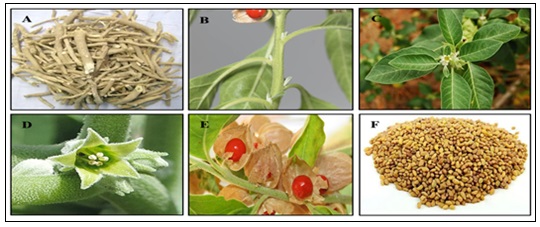
FIG. 1: MORPHOLOGY OF ASHWAGANDHA (A) ROOT (B) STEM (C) LEAVES (D) FLOWER (E) FRUIT (F) SEED
Macroscopic Description: Ashwagandha is a small, perennial shrub that grows up to 5 feet in height.
Root: The root of ashwagandha is the most commonly used part of the plant for medicinal purposes. Root specimens are typically 5-6 cm in length and 2.5 cm in diameter. The outer surface of the root is characterized by gray-yellow color and longitudinally wrinkles. When broken, the inside of the root has a pure creamy white color. They have short and uneven fractures. It has a distinct odor and a taste that is both mucilaginous, bitter, and acrid in nature 15.
Stem: The stems are cylindrical in shape and may have branches of varying thickness. The nodes are prominent only on the side from where the petiole arises. The stems are green in color with longitudinal wrinkles and are covered with hairs on the outer surface, which may become somewhat hairless over time. If the stem is broken, it has white yellowish color with a short and uneven fracture.
Leaves: The leaves of ashwagandha are simple, entire, and ovate-lanceolate in shape. They are arranged alternately on the stem and are 5-12 cm in long and 2-6 cm wide. The leaves are green and smooth, with a glossy surface 15.
Flower: The flower of ashwagandha is indeed pedicellate, complete, pentamerous, actinomorphic and hypogynous, 4-6 mm in diameter, and lucid-yellow in color. The calyx is composed of five fused sepals, which are tubular, persistent, green, and hairy. The corolla consists of five united petals that form a tubular structure with spreading or recurved lobes. The androecium is composed of five stamens that are attached near the base of the corolla. The gynoecium is bicarpellary and syncarpous, with a minute swollen superior ovary that contains many ovules in each locule. The style is simple, and the stigma is short 15.
Fruit: The fruit of ashwagandha is a round, orange-red berry that is about the size of a small grape. It is green when unripe, orange-red color in the ripping stage and is enveloped by the enlarged calyx. Odor characteristics and taste bitter and acrid. The berry contains numerous small, flare seeds 15.
Seed: Seeds are normally many, discoid, and reniform. Many of the seeds are very pale brown, 2-5 mm across, sometimes kidney shaped 15.
Microscopic Description:
Root: The periderm is relatively narrow, lacking distinct boundaries, and easily sheds. The cortex is composed of parenchyma cells that are radially compressed and possess thin walls. Notably, calcium oxalate sands are observed within the cortex cells, a feature shared with other species within the Solanaceae family. Within the central cylinder, the secondary structure displays two concentric rings, separated by a well-defined cambium layer. The outer ring corresponds to phloem, which is starch-rich, while the inner ring is considerably thicker and composed of lignified wood vessels. The central region of the root comprises wide wood vessels that are uniform in diameter, alongside sclerenchyma fibers 16.
Stem: The stem cross-section appears rounded with shallow ridges. In the cross section, we can see a thin epidermis, a wide cortex, a significant central cylinder, and a broad pith. Epidermal cells are small, isodiametric, and covered by a thick cuticle. Trichomes stand upright, composed of vertically arranged, wide rectangular cells with relatively thick walls. Branched trichomes are short with pointed tips. Vascular bundles include a phloem ring (primary and secondary) and xylem, with the secondary wood layer being thicker. Wood vessels are large with lignified walls. Numerous medullary rays rich in starch granules traverse the wood 16.
Leaf: The leaf's anatomical structure is bifacial and dorsiventral. Both epidermal layers are coated with dendroid multicellular trichomes, resembling those on the stem, featuring pitted terminal cells. The pits on the trichomes are relatively shorter and more numerous, especially on the lower epidermis. Geometric wax crystals are observable on the surface of young leaves. Vascular bundles are arranged collaterally and within the midrib region, they are surrounded by an endodermis, flanked by collenchyma both above and below. Additionally, varying levels of secondary thickening within the midrib bundle have been observed 16.
Phytochemical Composition of Ashwagandha: Ashwagandha (Withania somnifera) is a medicinal herb commonly used in ayurvedic medicine. The root and leaves of plants contain a variety of chemical constituents, that are believed to be responsible for its medicinal properties. Major chemical constituents of ashwagandha are withanolides, alkaloids, saponin, steroidal lactones, amino acids, and phytosterols 17.
In addition, the root contains 18 fatty acids, and polyphenols. The root also contains several alkaloids including withanine, withananine, withananinine, pseudo-withanine, somnine, somniferine, somniferinine 12. Steroidal lactones collectively referred to as "withanolides'' and consisting of withaferin A, 27-deoxywithaferin A, withanolide D, withanosides I–XI, and withasomniferols A–C are the main distinguishing components 18, 19. They showed anti-inflammatory and antitumor properties. These compounds are also believed to have immunomodulatory effects. Ashwagandha contains saponins such as withanosides and sitoindosides, which have adaptogenic properties and are believed to help the body cope with stress. The leaves of ashwagandha contain steroidal lactones such as withaferin A and withaferin D, which have been shown to have anticancer properties. The root extracts contain an ingredient which has GABA mimetic activity. Aspartic acid, glycine, tyrosine, alanine, proline, tryptophan, glutamic acid, and cysteine are among the free amino acids found in the root. Ashwagandha contains phytosterols such as stigmasterol and beta-sitosterol, which have been shown to have cholesterol-lowering properties 20, 21.
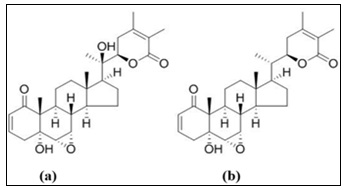
FIG. 2: (A) WITHANOLIDE A, (B) WITHANOLIDE B
Nutrition Profile of Ashwagandha: Nutritive values of ashwagandha root powder (per 100gm) are as follows, the amount of protein was 3.9gm, 0.3gm of fat, 32.3gm of crude fiber, energy was 245 kcal, carbohydrate content was found to be 49.9gm, iron was 3.3gm, calcium was 23 mg, 75.7 µg of total carotene, 3.7 mg of vitamin C 22.
Qualitative Analysis:
Physicochemical Analysis: Physicochemical analysis of fruit was performed by different parameters such as foreign organic matter, loss on drying, total ash, acid insoluble ash, water soluble extractive, and alcohol soluble extractive 23.
Values were determined as per Ayurvedic Pharmacopoeia of India. Standard values are shown in Table 2.
TABLE 2: PHYSICOCHEMICAL ANALYSIS
| Sr. no. | Parameters | Standards |
| 1. | Foreign Organic matter | NMT 2% |
| 2. | Loss on Drying | NMT 12% |
| 3. | Total Ash | NMT 7% |
| 4. | Acid Insoluble Ash | NMT 1% |
| 5. | Water Soluble Extractive | NLT 7% |
| 6. | Alcohol Soluble Extractive | NLT 15% |
Phytochemical Screening 24, 25, 26: Qualitative preliminary phytochemical screening of ashwagandha was done. The extract was obtained with two different solvents such as water, alcohol by maceration process.
This phytochemical screening indicates the presence of carbohydrates, proteins, alkaloids, glycosides, phenolic compounds, Flavonoids, anthocyanins, and saponins. Reported results with test as shown in Table 3.
TABLE 3: PHYTOCHEMICAL SCREENING
| Sr. no. | Test (Methanolic extract of W. somnifera) | Observation | Result | |
| 1. | Carbohydrates | Fehling’s test | A brick red precipitate. | Present |
| 2. | Protein | Biuret test | A pink color solution in ethanolic layer. | Present |
| 3. | Alkaloids | Mayer’s test | A dull white precipitate. | Present |
| 4. | Glycosides | Borntrager’s test | A pink color solution. | Present |
| 5. | Phenolic Compound | Lead acetate test | A bulky white precipitate. | Present |
| 6. | Flavonoids | Shinoda test | A pink or magenta red color. | Present |
| 7. | Anthocyanins | Sodium hydroxide test | bluish green color. | Present |
| 8. | Saponins | Extract + water (Shaking) | Formation of froth | Present |
High Performance Thin Layer Chromatography (HPTLC): HPTLC method has been developed and analyzed for simultaneous determination of three withanolides (withaferin A, withanone and withanolide A) and three phenolic acids (caffeic acid, ferulic acid and benzoic acid) from different parts (root, stem and leaf) of Withania somnifera. Toluene, ethyl acetate and acetic acid (60:40:4) was used as a mobile phase. At 231 nm, the samples were quantitated. By comparing Rf values and UV spectra to authentic standards, the purity and identification of all six analyte peaks were verified. Electrospray ionization mass spectrometry (ESI-MS/MS) examinations of positive ions further verified the identities of three withanolides 27.
For the analysis of withaferin-A in Withania somnifera, a high-performance thin layer chromatographic (HPTLC) technique has been developed. Methanol was used to extract the analyte. Using a sample applicator, the withaferin-A standard and sample was spotted. The mobile phase used to develop the plates was a 5:5:1 mixture of toluene, ethyl acetate, and formic acid. The absorbance of the analyte zones was measured quantitatively in reflectance mode at 200 nm. The method's selectivity, accuracy, precision, and high sample throughput were demonstrated to be beneficial for routine examination of the preparation in industrial quality control and regulatory laboratories 28.
Using high performance thin layer chromatography (HPTLC) fingerprinting, the phytochemical profile of the leaf and roots of W. somnifera in the seedling, vegetative, and reproductive phases was investigated. The examination was conducted using HPTLC with dual wavelength UV (254/366 nm). The mobile phase used was n-Hexane: Ethyl Acetate (6: 4). The maximum number of peaks were visible in the comparative HPTLC fingerprinting of leaves and roots at the vegetative stage, whereas the lowest number of peaks were visible in the seedling stage. In the reproductive stage, both the leaf and the root displayed higher peak areas and lower concentrations than in the vegetative stage 29.
Pharmacological Activity:
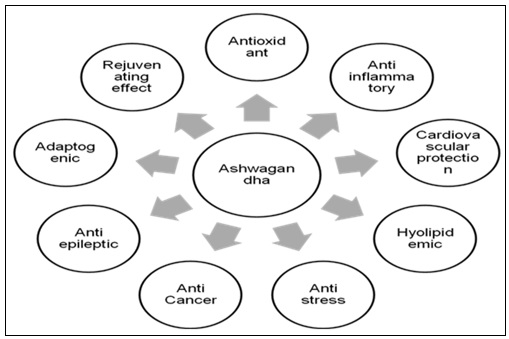
FIG. 3: PHARMACOLOGICAL ACTIVITY
Antioxidant Activity: Methanolic extract of leaves, fruit, and root of Withania somnifera possess antioxidant properties. Various antioxidant assay was performed of these herbs including DPPH, FRAP, ferrous chelation and inhibition of β-carotene bleaching. The values ranged from 101.73-801.93 μg/ml, 2.26-3.29 mM Fe/kg, 0.22-0.65 mg/ml and 69.87-79.67%, respectively 30. Because the brain and nervous system are rich in lipids and iron, both of which are known to be crucial in the generation of reactive oxygen species, they are more vulnerable to free radical damage than other tissues. Normal aging and neurodegenerative illnesses, such as epilepsy, schizophrenia, Parkinson's, Alzheimer's, and others, may include free radical damage to neural tissue. The active principles of WS, sitoindosides VII-X and withaferin A (glycowithanolides), were tested for antioxidant activity in the rat brain frontal cortex and striatum using the major free-radical scavenging enzymes, superoxide dismutase (SOD), catalase (CAT), and glutathione peroxidase (GPX). The accumulation of harmful oxidative free radicals and the consequent degenerative consequences are caused by decreased activity of these enzymes. An increase in these enzymes would indicate greater antioxidant activity as well as neural tissue protection. This suggests that WS has an antioxidant impact in the brain, which may account for its various pharmacological characteristics 31. The order in which the plant extracts showed a substantial antioxidant impact was as follows: leaves > fresh tubers > dry tubers. The outcomes suggested that Withania somnifera might be a source of antioxidants and might be employed in formulations to prevent damage caused by free radicals 32.
Anti-inflammatory Activity: Researchers used the human keratinocyte cell line HaCaT to examine the anti-inflammatory effects of water extract of ashwagandha root on skin. The findings showed that, in HaCaT cells, ASH-WEX significantly reduced the mRNA expression of pro-inflammatory cytokines like interleukin (IL)-8, IL-6, tumor necrosis factor (TNF), IL-1, and IL-12 and increased the mRNA expression of anti-inflammatory cytokine TGF-1 33. The hydroalcoholic extract of Ashwagandha show’s anti-inflammatory effect against in-vitro protein denaturation were investigated. The reference drug was diclofenac sodium. Results showed that, the Ashwagandha extract inhibited protein (albumin) denaturation in a concentration-dependent manner. When compared to the test extract, diclofenac sodium was found to have a less effect 34.
Cardioprotective Activity: The effects of Withania somnifera extract on dog and frog cardiovascular and respiratory systems were examined. In dogs, the alkaloids produced a prolonged hypotension, bradycardic, and stimulating effect. Dogs' cardioinhibitory behavior appears to be brought on by direct cardio depressant effects and ganglion blocking 35. One study assessed the cardioprotective potential of a hydro-alcoholic extract of Withania somnifera and compared it to Vitamin E, a well-known cardioprotective antioxidant, using haemodynamic, histopathological, and biochemical parameters in the isoprenaline-(isoproterenol)-induced myocardial necrosis in rats. Withania somnifera provided the highest cardioprotective effect during the course of the research at a dose of 50 mg/kg 36.
Hypolipidemic Effect: Ashwagandha, also known as Withania somnifera (WS) (Dunal), is a well-known hypolipidemic plant. Seven days of treatment with WS extracts at 1000 mg/kg b.wt. reduced TAG by 12%, LDL by 71%, and cholesterol by 76% (P 0.05). Additionally, it can dramatically lower LDL and cholesterol levels (P 0.05) 37. In hypercholesteremic mice, WS root powder reduces total lipids, cholesterol, and triglycerides. On the other hand, there was a marked rise in the levels of plasma HDL cholesterol, HMG-CoA reductase activity, and liver bile acid concentration. In the hypercholesteremic animals with WS treatment, a similar trend was also noted in the excretion of bile acid, cholesterol, and neutral sterol. In addition, WS-treated hypercholesteremic mice showed significantly less lipid peroxidation than their control counterparts. However, normal participants also saw a reduction in lipid profiles while using WS root powder 38.
Anti-stress Effect: Both animal and human trials on ashwagandha have demonstrated its ability to reduce stress. It is a fairly well-known herb for lowering stress. Ashwagandha's anti-stressor effects were studied in rats utilizing a cold-water swimming stress test. According to one clinical study, it prevented the rat brain's stress pathway by controlling chemical signaling in the nervous system. It has been shown in numerous studies to significantly lessen the symptoms of stress in people 39. In a 60-day study with 64 participants, a concentrated Ashwagandha extract significantly reduced stress and anxiety. The treatment group, receiving 300 mg capsules, showed lower stress scores (P < 0.0001) and decreased cortisol levels (P = 0.0006) compared to the placebo group. The extract enhances stress resistance and improves self-assessed quality of life 40.
Anti-Cancer Activity: Research involving animals and laboratory settings has demonstrated that, Ashwagandha contributes to the elimination of tumor cells, suggesting its potential effectiveness against various forms of cancer. Animal investigations have revealed that, Ashwagandha facilitates the process of apoptosis, which is essentially the orchestrated death of cancer cells. Furthermore, it impedes the proliferation of new cancer cells through multiple mechanisms. The primary underlying mechanism responsible for Ashwagandha's anticarcinogenic properties involves the creation of reactive oxygen species (ROS), which have a detrimental impact on cancer cells while sparing normal cells 41.
Possible Interactions of Ashwagandha with Various Medicaments:
Interaction with Sedative Drugs 42: Sedative drugs such as Zolpidem, Benzodiazepines and Ashwagandha both have same property of sedation therefore, they should not be given together.
Interaction with Anti-hypertensive Drugs (Amlodipine, Losartan) 43: Ashwagandha acts by lowering the blood pressure therefore it shows additive hypotensive effect, which increases the risk of low blood pressure.
Interaction with Anti-diabetic Drugs 44: Anti-diabetic drugs (metformin, insulin etc.) lower the blood glucose level and Ashwagandha also lowers the blood glucose level, which can cause hypoglycemic effect in body.
Interaction with Cyclosporin 45: Ashwagandha may reduce the effect of Cyclosporin, which is immunosuppressant drug, as Ashwagandha stimulates the immune system.
Interaction with Thyroid medication 46, 47: Combining thyroid medication (Levothyroxine) with Ashwagandha requires caution, as both can increase thyroid hormone levels (T3/T4). While beneficial for some with hypothyroidism, this combination can lead to excessive hormone levels, triggering symptoms of overactive thyroid (hyperthyroidism) or thyrotoxicosis, making medical supervision necessary.
Interaction with Digoxin 44: The level of digoxin may rise when measured by fluorescence polarization immunoassay in individuals who are using ashwagandha. This occurs because the primary compounds found in ashwagandha have a structure that is similar to digoxin, leading to interference with the digoxin immunoassay.
Interaction with Hepatotoxic Drugs 48, 49, 50: Ashwagandha may be hepatotoxic and causes Hepatitis, Jaundice, Liver failure. If Ashwagandha was taken with hepatotoxic medications or supplements, it may increase risk of liver damage.
Ayurvedic Properties and Actions 51:
Ras (Taste) - Tikta, Madhurakashay
Guna (Property) - Laghu, Snigdha
Virya (Potency) - Ushna
Vipaka (Post digestive effect) - Madhura
Karma (Actions) - Vatakaphahara, Balya, Hrudya, Rasayana.
Ashwagandha mitigates vata, kapha, leucoderma, oedema, improves strength, and is a rejuvenator. It is bitter, astringent, hot in potency, and a great producer of semen.
Marketed Ayurvedic Formulations of Ashwagandha (Withania somnifera): As shown in Table 4, several ayurvedic market products have been developed by different manufacturers using different chemical compounds from Ashwagandha.
TABLE 4: MARKETED FORMULATIONS
| Sr. no. | Marketed drug | Type of Formulation | Manufacturer | Indications |
| 1. | Ashwagandha KSM-66 | Capsule | Rasayanam | Manage Stress, improving sleep quality, enhancing cognitive function |
| 2. | Ashwagandha Choorna | Choorna | Dabur India Ltd. | Reducing stress, anxiety, and fatigue while boosting stamina and immunity |
| 3. | Ashwagandharishta | Arishta | Aushadhi Bhavan, Ayurved Seva Sangh. | Rasayana (rejuvenator), it boosts energy, supports neurological health. |
| 4 | Ashwagandha Gold | Capsules | Vlado's Himalayan Organics | Boost stamina and vitality. |
| 5. | Pure Ashwagandha Oil | Oil | DeveHerbes | Skincare, and hair care to promote relaxation, relieve stress |
Patents Filed on Ashwagandha (Withania somnifera): Different patents filed on Ashwagandha (Withania somnifera) with its application no., applicant name, and field of invention as shown in Table 5.
TABLE 5: PATENTS FILED ON ASHWAGANDHA (WITHANIA SOMNIFERA)
| Sr. no. | Application No. | Applicant Name | Field of Invention | Title of Invention |
| 1. | 202341002519 | Prakrutees Organics Private Limited | Biotechnology | A composition of highly Bioabsorbable Ashwagandha Root extract and a Process of Preparation thereof |
| 2. | 202221022411 | 1. M D Chakolkar
2. S M Patil 3. V S Jedhe 4. K Mhaske 5. P D Sable |
Biotechnology | Saponin Isolated from Ashwagandha having Antidiabetic Potential |
| 3. | 202224066822 | N Biotech Co. Ltd. | Biotechnology | Composition for preventing or treating sleep disorders, containing Enzyme-Treated Ashwagandha Extract as active ingredient |
| 4. | 201911034479 | Aryan Vishwakarma | Biotechnology | A method for the extraction of consolidated constituents of Withanolides from Ashwagandha (Withania somnifera root) |
DISCUSSION: Ashwagandha (Withania somnifera) is a widely used medicinal plant in Ayurvedic medicine. Its roots and stems contain bioactive constituents such as alkaloids, saponins, glycosides, and withanolides responsible for various pharmacological activities. About 35 phytochemicals have been reported in its roots. Studies including taxonomy, microscopy, and phytochemical analysis, along with techniques like High-Performance Thin Layer Chromatography (HPTLC), help in identification and standardization of the drug. Therefore, it has significant therapeutic importance.
ACKNOWLEDGEMENT: Authors are thankful to PES’s Modern College of Pharmacy, Moshi for support, encouragement, and motivation in writing this review article.
CONFLICTS OF INTEREST: The authors declare no conflicts of interest
REFERENCES:
- Chauhan A, Semwal DK, Mishra SP and Semwal RB: Ayurvedic research and methodology: Present status and future strategies. Ayu 2015; 36(4): 364-369.
- Rioux J: A complex, nonlinear dynamic systems perspective on Ayurveda and Ayurvedic research [published correction appears in J Altern Complement Med 2012; 18(10): 988]. JACM 2012; 18(7): 709-718.
- Ahmad KM & Ahmad I: Chapter 1-Herbal medicine: current trends and future prospects 2019; 3-13.
- Afewerky HK, Ayodeji AE and Tiamiyu BB: Critical review of the Withania somnifera (L.) Dunal: ethnobotany, pharmacological efficacy, and commercialization significance in Africa. Bull Natl Res Cent 2021; 45(1): 176.
- Atal CK and Schwarting AE: Ashwagandha: An Ancient Indian Drug. Economic Botany 1961; 15(3): 256–63.
- Kirtikar KR and Basu BD: Indian Medicinal Plants. Ed. 2nd Dehradun: International Book Distributors 1999; 3: 1774-1776.
- Singh N, Bhalla M, de Jager P and Gilca M: An overview on ashwagandha: a Rasayana (rejuvenator) of Ayurveda. Afr J Tradit Complement Altern Med 2011; 8(5): 208-213.
- Mikulska P, Malinowska M and Ignacyk M: Ashwagandha (Withania somnifera)-Current Research on the Health-Promoting Activities: A Narrative Review. Pharmaceutics 2023; 15(4): 1057.
- Dutta R, Khalil R, Green R, Mohapatra SS and Mohapatra S: Withania somnifera (Ashwagandha) and Withaferin A: Potential in Integrative Oncology. Int J Mol Sci 2019; 20(21): 5310.
- Jana SN and Charan SM: Health benefits and medicinal potency of Withania somnifera: a review. Int J Pharm Sci Rev Res 2018; 48(1): 22-9.
- Meena, Lalit, Meena A, Gupta Janak, Patel, Mohammad, Khan, Sunil, Kumar, Gupta and Anil: Ashwagandha (Withania somnifera) 2020.
- Saleem S, Muhammad G, Hussain MA, Altaf M and Bukhari SNA: Withania somnifera: Insights into the phytochemical profile, therapeutic potential, clinical trials, and future prospective. IJBMS 2020; 23(12): 1501-1526.
- Khabiya R, Choudhary GP, Jnanesha AC, Kumar A and Lal RK: An insight into the potential varieties of Ashwagandha (Indian ginseng) for better therapeutic efficacy. Acta Ecologica Sinica 2023.
- Rajeswara Rao, B. R & D. K, Rajput & ADI G: Opportunities and challenges in the cultivation of Ashwagandha {Withania somnifera (L.) Dunal}. Journal of Pharmacognosy 2012; 3: 88-91.
- Gaurav N, Kumar A, Tyagi M, Kumar D, Chauhan UK and Singh AP: Morphology of Withania somnifera (distribution, morphology, phytosociology of Withania somnifera Dunal). Int J Current Sci Res 2015; 1(7): 164-73.
- Calalb T, Chiorchina N, Kutkovski-Mushtuk A and Matveiciuc L: Macroscopilcally and microscopically study of aswagandha plant Withania somnifera (L.) Dunal. Revista Botanică 2015; 11(2): 11-6.
- Abdelwahed M, Hegazy M and Mohamed E: Major biochemical constituents of Withania somnifera (ashwagandha) extract: A review of chemical analysis. Reviews in Analytical Chemistry 2023; 42(1): 20220055.
- World Health Organization. Radix Withaniae. In: WHO Monographs on Selected Medicinal Plants, Geneva, Switzerland: World Health Organization 2009; 4: 373-391.
- Mirjalili MH, Moyano E, Bonfill M, Cusido RM and Palazón J: Steroidal lactones from Withania somnifera, an ancient plant for novel medicine. Molecules 2009; 14(7): 2373-2393.
- Bashir A, Nabi M, Tabassum N, Afzal S and Ayoub M: An updated review on phytochemistry and molecular targets of Withania somnifera (L.) Dunal (Ashwagandha). Front. Pharmacol 2023; 14: 1049334.
- Polumackanycz M, Petropoulos SA, Śledziński T, Goyke E, Konopacka A, Plenis A and Viapiana A: Withania somnifera: Phenolic Compounds Composition and Biological Activity of Commercial Samples and Its Aqueous and Hydromethanolic Extracts. Antioxidants 2023; 12(3): 550.
- Kumari S and Gupta A: Nutritional composition of dehydrated ashwagandha, shatavari, and ginger root powder. International Journal of Home Science 2016; 2(3): 68-70.
- The Ayurvedic pharmacopeia of India Part I, Vol. VIII, 1st ed. New Delhi, Government of India Ministry of Health and Family Welfare, Department of Indian Systems of Medicine and Homeopathy 2010.
- Bargale Sushant Sukumar, Tripathy TB and Shashirekha HK: Phyto physicochemical profile of Ashwagandha (Withania somnifera Dunal). J Ayurveda Integr Med Sci 2020; 6: 120-129.
- Dwivedi N: Pharmacological and Phytomedicine Assessment of Withania somnifera. Indian Journal of Applied Research 2019; 9(2): 1-5.
- Arya, Priyanka, Chauhan and Rikhi: Phytochemical evaluation of Withania somnifera Journal of Pharmacognosy and Phytochemistry 2019; 8(5): 2422-2424.
- Tomar V, Beuerle T and Sircar D: A validated HPTLC method for the simultaneous quantifications of three phenolic acids and three withanolides from Withania somnifera plants and its herbal products. J Chromatogr B Analyt Technol Biomed Life Sci 2019; 1124: 154-160.
- Nayak P, Upadhyaya S and Upadhyaya A: HPTLC method for analysis of withaferin-A in Ashwagandha (Withania somnifera). JPC-Journal of Planar Chromatography-Modern TLC 2009; 22(3): 197-200.
- Lingfa L, Gugulothu B, Jagtap S and Ankanagari S: HPTLC fingerprinting reveals leaf and roots phytochemical variability in developmental stages of Withania somnifera. Journal of Pharmacognosy and Phytochemistry 2022; 11(4): 283-294.
- Alam N, Hossain M, Mottalib MA, Sulaiman SA, Gan SH and Khalil MI: Methanolic extracts of Withania somnifera leaves, fruits and roots possess antioxidant properties and antibacterial activities. BMC Complement Altern Med 2012; 12: 175.
- Bhattacharya SK, Satyan KS and Ghosal S: Antioxidant activity of glycowithanolides from Withania somnifera. Indian J Exp Biol 1997; 35(3): 236-239.
- Sumathi S, Padma PR, Gathampari S and Vidhya S: Free radical scavenging activity of different parts of Withania somnifera, Ancient Science of Life 2007; (3): 30-34.
- Sikandan A, Shinomiya T and Nagahara Y: Ashwagandha root extract exerts anti‑inflammatory effects in HaCaT cells by inhibiting the MAPK/NF‑κB pathways and by regulating cytokines. Int J Mol Med 2018; 42(1): 425-434.
- Chandra S, Chatterjee P, Dey P & Bhattacharya S: Evaluation of anti-inflammatory effect of ashwagandha: a preliminary study in-vitro. Pharmacognosy Journal 2012; 4(29): 47-49.
- Malhotra CL, Das PK, Dhalla NS, Prasad K, Studies on Withania ashwagandha, Kaul, The effects of total alkaloids on the cardiovascular system and respiration, Indian J Med Sci 1981; 49: 448-460.
- Mohanty I, Arya DS, Dinda A, Talwar KK, Joshi S and Gupta SK: Mechanisms of cardioprotective effect of Withania somnifera in experimentally induced myocardial infarction. Basic Clin Pharmacol Toxicol 2004; 94(4): 184-190.
- Uthirapathy S and Tahir TF: Withania somnifera: correlation of phytoconstituents with hypolipidemic and cardioprotective activities. Aro-The Scientific Journal of Koya University 2021; 9(2): 15-21.
- Bhattacharya SK, Satyan KS and Chakrabarti A: Effect of Transina (TR), an Ayurvedic herbal formulation, on pancreatic islet superoxide dismutase (SOD) activity in hyperglycaemic rats. Indian J Exp Biol 1997; 35(3): 297-299.
- Archana R and Namasivayam A: Antistressor effect of Withania somnifera. J Ethnopharmacol 1999; 64(1): 91-93.
- Chandrasekhar K, Kapoor J and Anishetty S: A prospective, randomized double-blind, placebo-controlled study of safety and efficacy of a high-concentration full-spectrum extract of Ashwagandha root in reducing stress and anxiety in adults. Indian J Psychol Med 2012; 34: 255-62.
- Ahmed Abdullah W, Mohamed A, Nasser EA and Doaa E: Potential toxicity of egyptian Ashwagandha: Significance for their therapeutic bioactivity and anticancer properties, International Journal of Science and Research 2014; 4(2): 2170-2176.
- Xu T and Cock IE: A review of the sedative, anti-anxiety and immunostimulant properties of Withania somnifera (L.) Dunal (Ashwagandhav). Pharmacognosy Communications 2023; 13(1): 15–23.
- Singh V, Kumar V, Giri NK, Parmar G and Kumar H: Herb–drug interactions in polypharmacy: Focus on Ashwagandha in stress and cognitive disorders. Int J Multidiscip Res 2025; 7(4).
- Andallu B and Radhika B: Hypoglycemic, diuretic and hypocholesterolemic effect of winter cherry (Withania somnifera, Dunal) root. Indian J Exp Biol 2000; 38: 607-9.
- Dipankar S, Dani MM, Anirudhan R, Tripathi D, Mishra C and Devi SH: Pharmacological insights into ashwagandha (Withania somnifera): A review of its immunomodulatory and neuroprotective properties. Cureus 2025; 17(8): 89586.
- Van der, Hooft CS, Hoekstra A, Winter A, de Smet PAGM and Stricker BHC: Thyroid toxicosis after using Ashwagandha. Ned Tijdschr Geneeskd 2005; 149: 2637-8.
- Panda S and Kar A: Changes in thyroid hormone concentrations after administration of Ashwagandha root extract to adult male mice. J Pharm Pharmacol 1998; 50: 1065-8.
- Björnsson HK, Björnsson ES, Avula B, Khan IA, Jonasson JG and Ghabril M: Ashwagandha-induced liver injury: A case series from Iceland and the US Drug-Induced Liver Injury Network. Liver Int 2020; 40: 825–9.
- Rattu M, Maddock E, Espinosa J, Lucerna A and Bhatnagar N: An herbal liver effect: Ashwagandha-induced hepatotoxicity. Accessed 2023.
- Ali Sajjadh MJ, Suresh Mithil G, Sanchez-Cruz J and Anand C: S2976 cry me a liver: Ashwagandha-induced liver toxicity. Am J Gastroenterol 2022; 117(10): 1931.
- The Ayurvedic Pharmacopoeia of India, Government of India Ministry of Health and Family Welfare, Department of Indian System of Medicine and Homoeopathy, Part-I, volume I, Edition 1st 2001; 15.
- Bhavamisra, Bhavaprakash Nighantu, Guduchyadivarga Shloka no. 190. G.S. Pandey editor: Chaukhamba Bharati Academy Varanasi 2018.
How to cite this article:
Malpure KS, Shinde CA, Bhandakkar RS, Patil AR, Yeola GV and Kashid AS: A brief review on Ashwagandha (Withania somnifera). Int J Pharmacognosy 2026; 13(4): 277-86. doi link: http://dx.doi.org/10.13040/IJPSR.0975-8232.IJP.13(4).277-86.
This Journal licensed under a Creative Commons Attribution-Non-commercial-Share Alike 3.0 Unported License.
Article Information
7
277-286
792 KB
208
English
IJP
K. S. Malpure *, C. A. Shinde, R. S. Bhandakkar, A. R. Patil, G. V. Yeola and A. S. Kashid
PES’s Modern College of Pharmacy, Moshi, Pune, Maharashtra, India.
kamalmalpure@gmail.com
28 March 2026
11 April 2026
19 April 2026
10.13040/IJPSR.0975-8232.IJP.13(4).277-86
30 April 2026
 Download